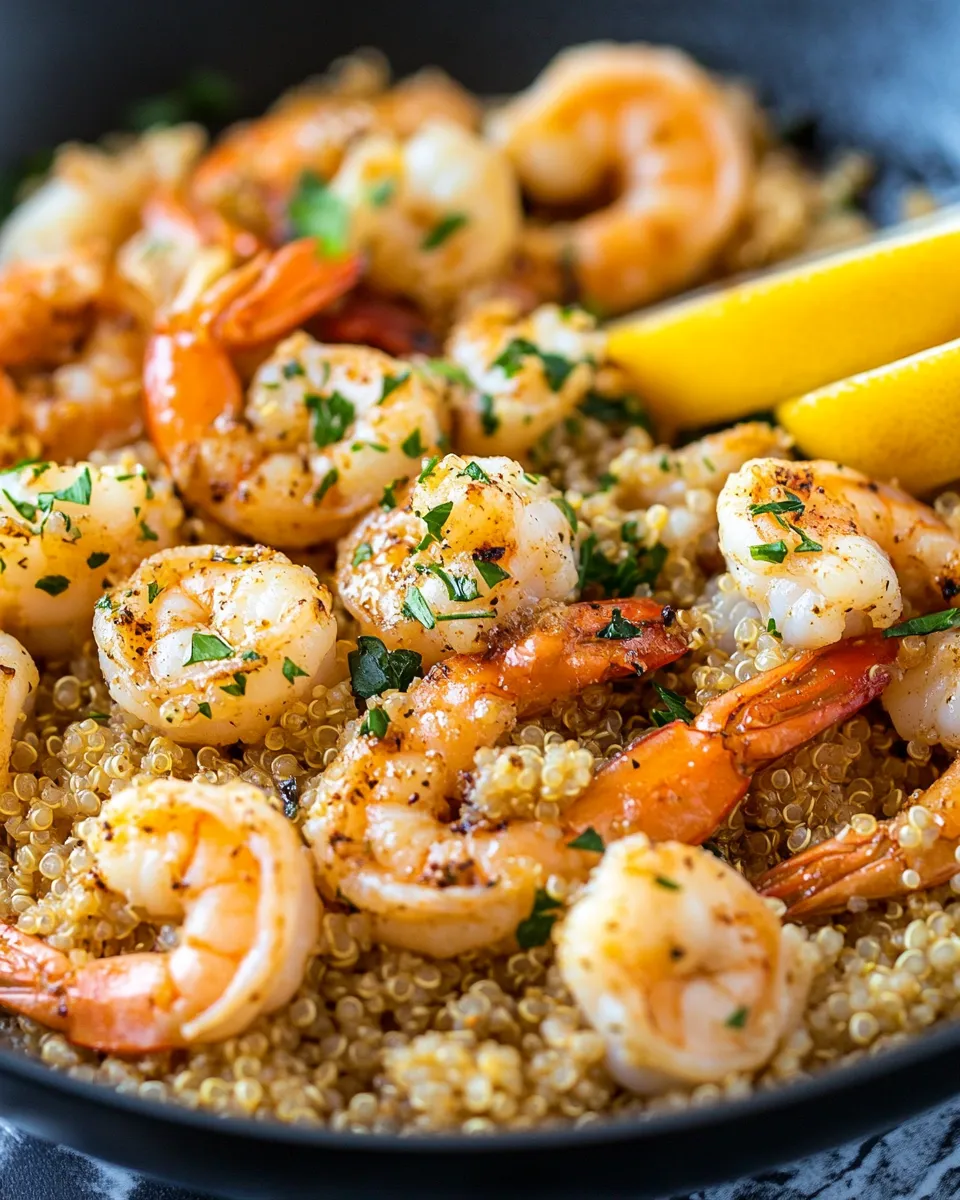
This is a weeknight recipe that behaves like a treat. Bright lemon, garlicky butter, and a simple spice rub come together quickly to turn ordinary shrimp into something worth writing home about. Quinoa soaks up the pan juices and keeps the plate balanced and satisfying.
I cook this when I want dinner on the table fast but with flavors that feel deliberate. It works for a solo meal, a cozy dinner for two, or stretched into a light dinner for four if you add a big side salad. The technique is straightforward: sear the shrimp, make the quinoa right in the skillet to capture those browned bits, and finish with parsley and a squeeze of lemon.
Below you’ll find the exact ingredients and step-by-step directions I use, followed by practical notes: what equipment matters, common pitfalls, allergy-friendly swaps, and ways to dress the dish up for every season. No fluff — just a clear path to a reliable, delicious dinner.
What’s in the Bowl
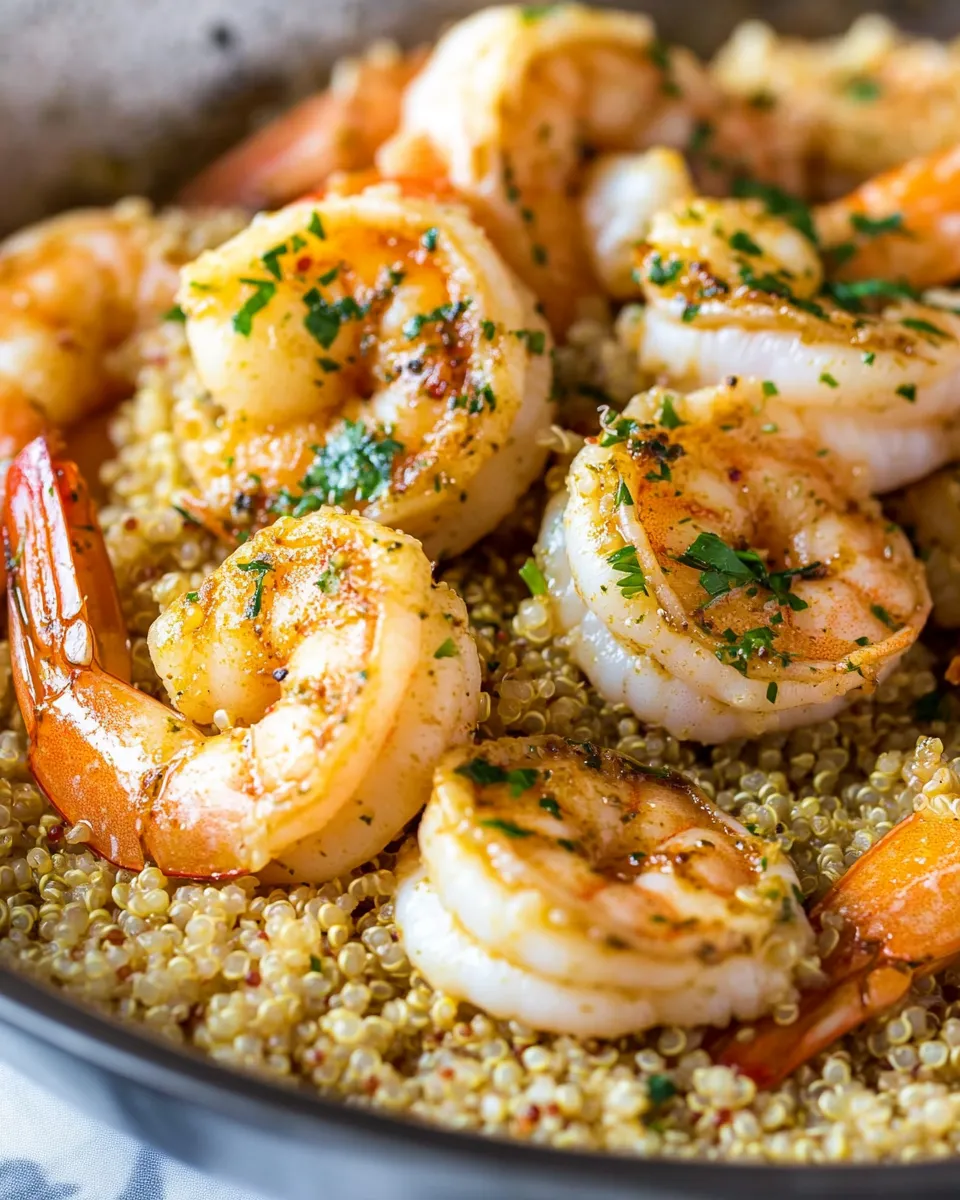
Ingredients
- 1 tablespoon unsalted butter — provides the cooking fat and a rich base flavor for the shrimp.
- 1 pound (450 grams) raw shrimp, thawed if frozen and deveined, tails off – I used 50-70 count per pound — the main protein; size affects cook time.
- 3 cloves garlic, minced — adds the aromatic backbone; add toward the end to avoid burning.
- ½ teaspoon smoked paprika — gives a subtle smoky depth without heat.
- ½ teaspoon chili powder — brings mild warmth and complexity.
- ¼ teaspoon salt — seasons the shrimp and quinoa; adjust to taste.
- ¼ teaspoon ground black pepper — brightens the spices and balances the lemon.
- 1 tablespoon fresh lemon juice — used with the garlic to deglaze the pan and lift flavors.
- 1 cup (185 grams) uncooked quinoa, rinsed well — the grain base; rinsing removes bitterness and helps texture.
- 1 ½ cups (360 ml) low-sodium vegetable or chicken stock — cooks the quinoa and captures pan flavor; low-sodium lets you control salt.
- 2 teaspoons fresh lemon juice — a second splash of brightness for the quinoa.
- ¼ cup chopped fresh parsley — folded in at the end for herbaceous color and freshness.
- Grated parmesan — optional, for serving; adds a savory finishing touch.
Garlic Butter Shrimp with Quinoa Made Stepwise
- Rinse 1 cup (185 g) uncooked quinoa under cold running water in a fine-mesh sieve until the water runs clear; drain well and set aside.
- Heat a large skillet over medium heat. Add 1 tablespoon unsalted butter and let it melt.
- Add 1 pound (450 g) raw shrimp (thawed if frozen, deveined, tails off) to the skillet in a single layer. Sprinkle with ½ teaspoon smoked paprika, ½ teaspoon chili powder, ¼ teaspoon salt, and ¼ teaspoon ground black pepper. Cook the shrimp 2–3 minutes on the first side.
- Flip the shrimp, add 3 cloves minced garlic and 1 tablespoon fresh lemon juice to the skillet, and cook the second side 2–3 minutes more, until the shrimp are pink and opaque. Be careful not to overcook.
- Transfer the cooked shrimp to a plate, cover or tent loosely to keep warm, and leave any pan juices in the skillet.
- To the same skillet, add the rinsed quinoa, 2 teaspoons fresh lemon juice, and 1 ½ cups (360 ml) low-sodium vegetable or chicken stock. Stir to combine and scrape up any browned bits from the pan.
- Bring the mixture to a boil, then reduce the heat to the lowest setting, cover with a lid, and simmer undisturbed for 15 minutes.
- Remove the skillet from the heat and keep it covered. Let it sit, covered, for 5 minutes.
- Uncover, fluff the quinoa with a fork, and stir in ¼ cup chopped fresh parsley.
- Return the shrimp to the skillet and gently toss to combine. If the shrimp have cooled, warm them in the skillet for about 1 minute until heated through.
- Serve immediately, sprinkling grated parmesan over each portion if desired.
Why It Deserves a Spot
This dish hits three cooking goals at once: it’s fast, balanced, and flexible. Shrimp cooks in minutes and takes on flavors easily, so you get a restaurant-style result with minimal effort. Quinoa keeps the plate whole and adds protein, fiber, and texture that pair perfectly with the succulent shrimp.
It’s also a forgiving recipe. The seasoning is straightforward and relies on pantry staples. If you want to brighten it, add more lemon; for depth, finish with a little parmesan. It’s an excellent template for busy nights, but the assembly feels special enough for visitors.
Allergy-Friendly Substitutes
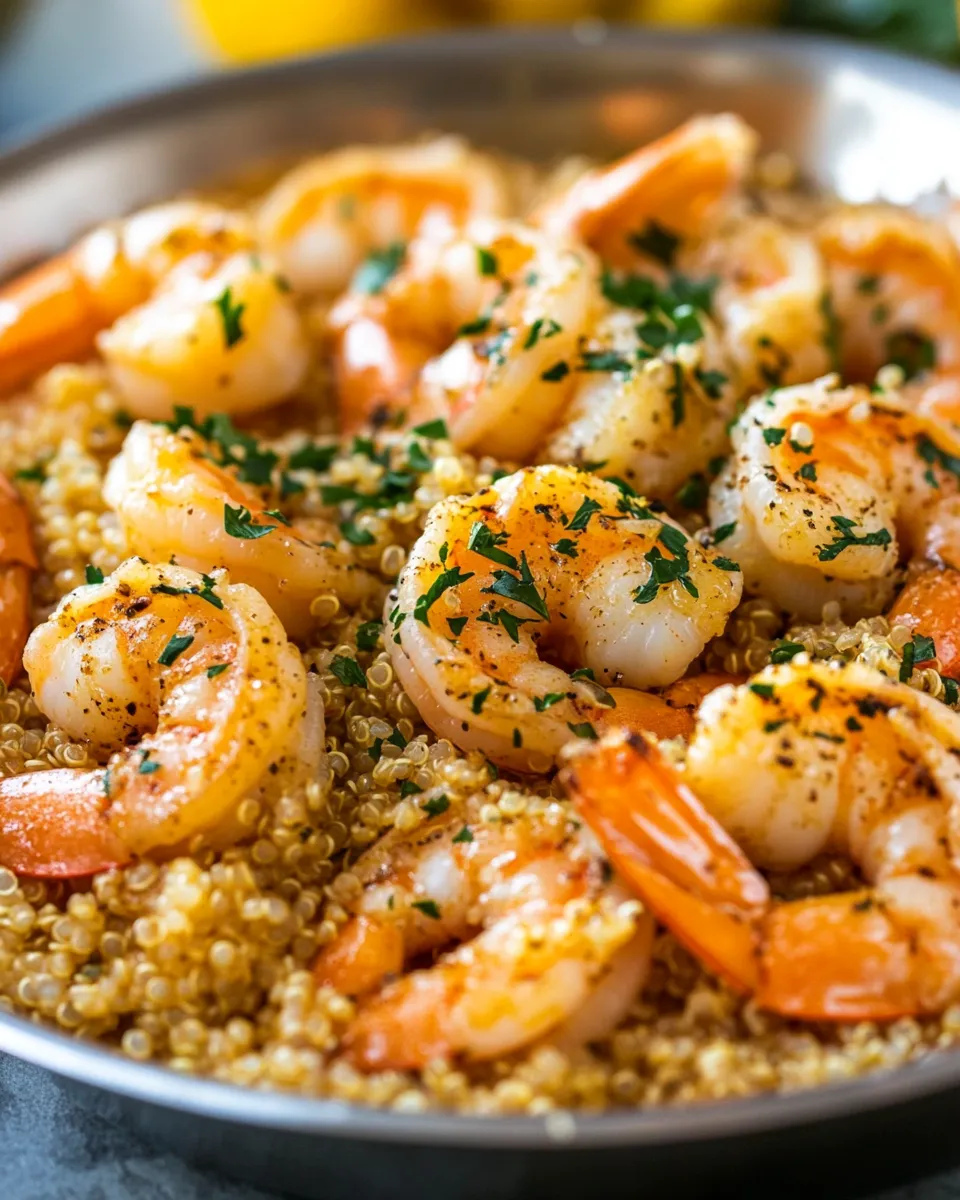
- Dairy — swap the butter for a neutral oil like olive oil or avocado oil if you need dairy-free. You’ll miss the butter’s richness, but a small drizzle of olive oil at the end helps.
- Shrimp shellfish allergy — use firm tofu cubes, chickpeas, or cooked white beans as plant-based protein alternatives. Press tofu well and sear until golden before following the same pan steps.
- Gluten — quinoa is naturally gluten-free; just confirm your stock is certified gluten-free if needed.
- Dairy finishing — omit the grated parmesan or use a dairy-free grated cheese if you need a vegan option.
Equipment Breakdown
You don’t need fancy tools, but a few items make this easier and more consistent.
- Large skillet — preferably 10–12 inches with a tight-fitting lid. The wide surface lets shrimp cook in a single layer and the lid traps steam for the quinoa.
- Fine-mesh sieve — important for rinsing quinoa thoroughly; this removes any bitter saponins and improves texture.
- Spatula or tongs — for flipping the shrimp without tearing them.
- Measuring cups and spoons — the recipe uses small, specific amounts; measure especially the quinoa and stock for reliable results.
Easy-to-Miss Gotchas
- Don’t overcrowd the pan — if the shrimp overlap, they steam instead of sear and won’t get that lightly browned flavor. Cook in batches if necessary.
- Timing on the garlic — garlic can burn quickly. Add it after you flip the shrimp so it softens and flavors the butter without turning bitter.
- Quinoa rinse — skipping the rinse can leave a slightly soapy or bitter note. Rinse until water runs clear.
- Low heat for simmering — once boiling, reduce to the lowest setting and don’t lift the lid during the 15-minute cook; steam is what cooks the quinoa evenly.
- Salt control — the recipe calls for low-sodium stock so you can season to taste. Taste the quinoa before adding extra salt.
Spring to Winter: Ideas
Seasonal tweaks keep this dish fresh all year.
- Spring — fold in blanched asparagus tips or fresh peas right before serving.
- Summer — toss in halved cherry tomatoes and fresh basil for a bright finish.
- Fall — stir roasted squash or sautéed mushrooms into the quinoa for earthy notes.
- Winter — add a pinch of smoked sea salt and wilt some kale into the quinoa for warmth and heartiness.
Little Things that Matter
Small adjustments change the result more than you’d think. Let the butter melt and foam but not brown before adding shrimp. When you scrape the pan to add quinoa, you capture those fond bits that carry deep flavor. Fresh lemon juice does more than add acidity; it brightens fat and spices, so use fresh rather than bottled when possible.
When fluffing quinoa, use a fork and be gentle — you want separate grains, not a mashed texture. Finally, chopped parsley at the end adds a green note and makes the dish look like you’ve taken an extra step, even when you haven’t.
Make-Ahead & Storage
You can split prep across two sessions. Cook the quinoa ahead and cool it quickly, then refrigerate in an airtight container for up to 3 days. Keep cooked shrimp separate; they’re best the day they’re cooked but will keep 1–2 days chilled if you must store them.
To reheat: combine quinoa and shrimp in a skillet with a splash of stock or water and warm gently over low heat until heated through. Avoid the microwave if you can — shrimp can become rubbery. For meal prep, pack shrimp and quinoa separately and combine at the last minute, adding fresh parsley before eating.
Frequently Asked Questions
- Can I use pre-cooked shrimp? — You can, but reduce the time shrimp spend back in the skillet just to warm them through. They should not be cooked again or they will get rubbery.
- What if my quinoa is still crunchy after 15 minutes? — If after the covered rest it’s underdone, return the lid and let it sit an additional 3–5 minutes, or add a splash more hot stock and simmer low for a couple more minutes.
- Can I double the recipe? — Yes. Use a larger skillet or cook in batches to avoid crowding the pan. The quinoa ratio to liquid should remain the same.
- Is rinsing quinoa mandatory? — I recommend it. Rinsing removes the natural coating that can taste bitter to some palates.
- How can I make it spicier? — Increase the chili powder slightly or add a pinch of cayenne when seasoning the shrimp. You can also finish with a few red-pepper flakes to taste.
The Last Word
If you want a dependable weeknight meal that still feels considered, this Garlic Butter Shrimp with Quinoa deserves a place in your rotation. It’s fast, forgiving, and easy to tweak for whatever you have on hand. The method rewards attention to a few small details — clean quinoa, a hot pan, and a gentle finish — and then lets simple ingredients shine. Make it once exactly as written, and you’ll see how those small choices yield a big payoff.
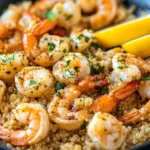
Garlic Butter Shrimp with Quinoa
Ingredients
Ingredients
- ?1 tablespoonunsalted butter
- ?1 pound 450 gramsraw shrimpthawed if frozen and deveined, tails off – I used 50-70 count per pound
- ?3 clovesgarlicminced
- ?1/2 teaspoonsmoked paprika
- ?1/2 teaspoonchili powder
- ?1/4 teaspoonsalt
- ?1/4 teaspoonground black pepper
- ?1 tablespoonfresh lemon juice
- ?1 cup 185 gramsuncooked quinoarinsed well
- ?1 1/2 cups 360 mllow sodium vegetable stockor chicken stock
- ?2 teaspoonsfresh lemon juice
- ?1/4 cupchopped fresh parsley
- ?Grated parmesanoptional for serving
Instructions
Instructions
- Rinse 1 cup (185 g) uncooked quinoa under cold running water in a fine-mesh sieve until the water runs clear; drain well and set aside.
- Heat a large skillet over medium heat. Add 1 tablespoon unsalted butter and let it melt.
- Add 1 pound (450 g) raw shrimp (thawed if frozen, deveined, tails off) to the skillet in a single layer. Sprinkle with ½ teaspoon smoked paprika, ½ teaspoon chili powder, ¼ teaspoon salt, and ¼ teaspoon ground black pepper. Cook the shrimp 2–3 minutes on the first side.
- Flip the shrimp, add 3 cloves minced garlic and 1 tablespoon fresh lemon juice to the skillet, and cook the second side 2–3 minutes more, until the shrimp are pink and opaque. Be careful not to overcook.
- Transfer the cooked shrimp to a plate, cover or tent loosely to keep warm, and leave any pan juices in the skillet.
- To the same skillet, add the rinsed quinoa, 2 teaspoons fresh lemon juice, and 1 ½ cups (360 ml) low-sodium vegetable or chicken stock. Stir to combine and scrape up any browned bits from the pan.
- Bring the mixture to a boil, then reduce the heat to the lowest setting, cover with a lid, and simmer undisturbed for 15 minutes.
- Remove the skillet from the heat and keep it covered. Let it sit, covered, for 5 minutes.
- Uncover, fluff the quinoa with a fork, and stir in ¼ cup chopped fresh parsley.
- Return the shrimp to the skillet and gently toss to combine. If the shrimp have cooled, warm them in the skillet for about 1 minute until heated through.
- Serve immediately, sprinkling grated parmesan over each portion if desired.
Equipment
- 12-inch stainless steel skilletwith a lid
Notes
The Cheese is Optionalbut really delicious! You can sprinkle parmesan over the shrimp, or stir some into the quinoa if you’d like to.
Don’t Overcook the Shrimp.When it’s done, the shrimp will be pink and firm. Don’t cook it any longer or it can become rubbery.
Store leftoversin an airtight container in the fridge for 3-4 days. Reheat gently in the microwave if needed, being careful not to overcook the shrimp.