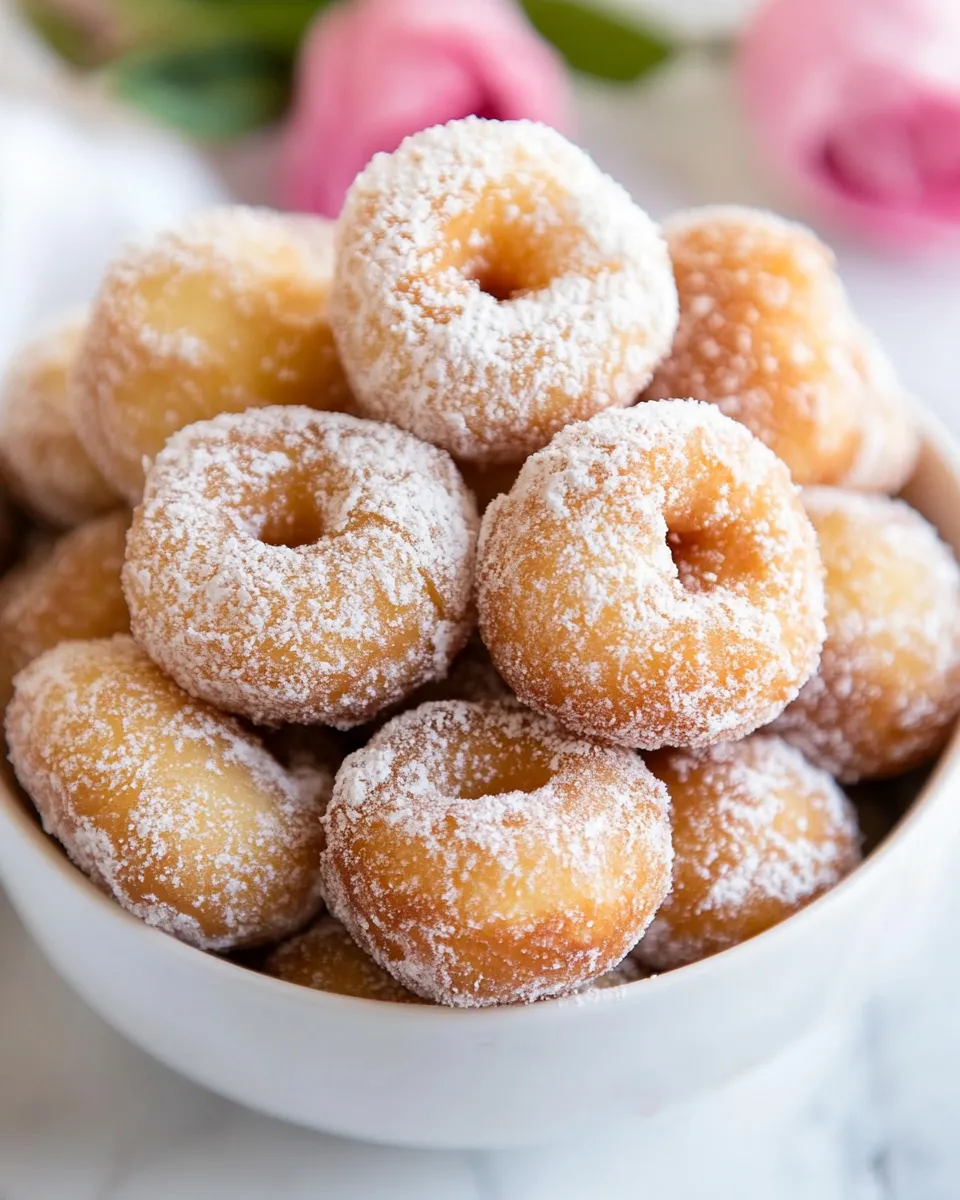
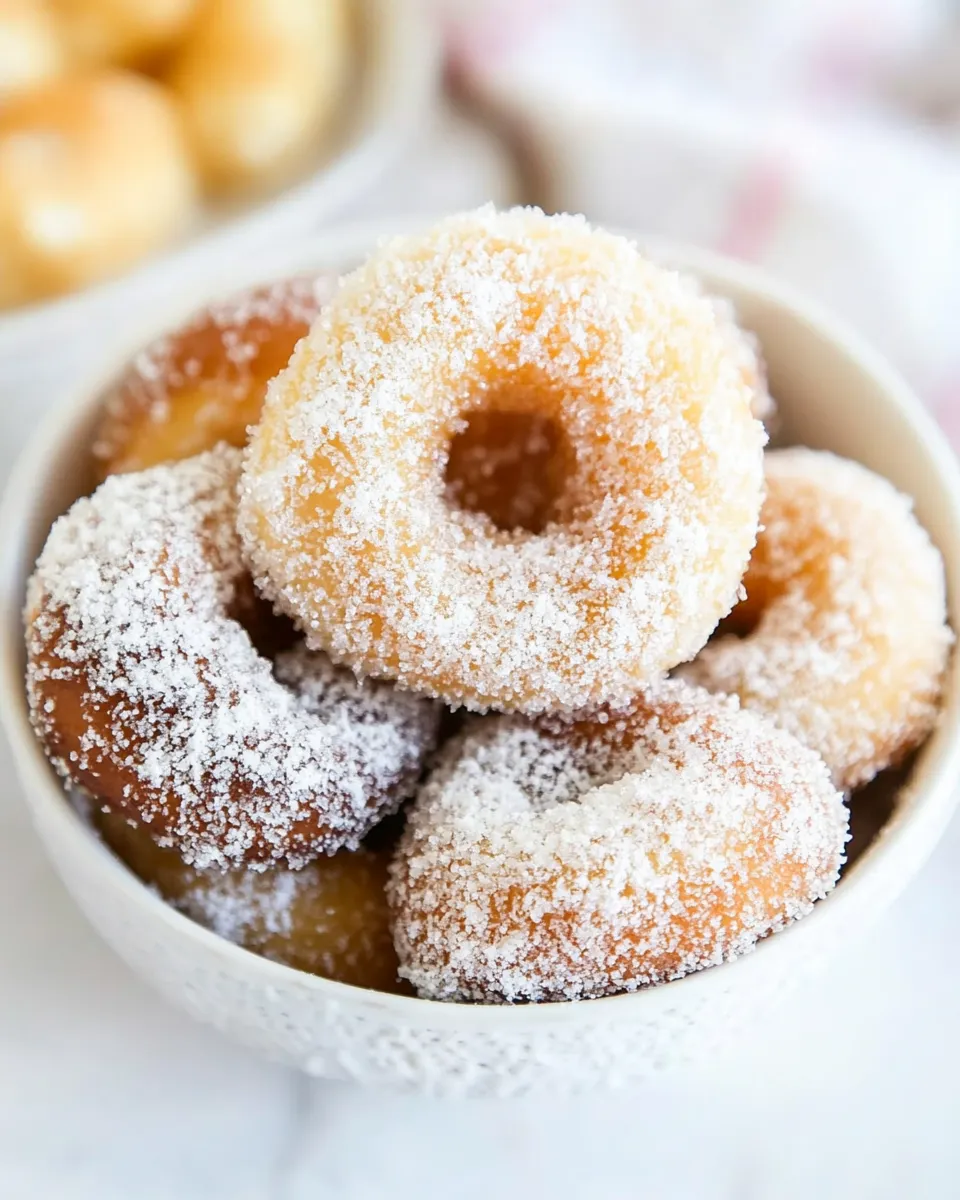
These donuts are the answer when you want something warm, sweet, and homemade without the usual fuss. They come together fast because the dough is simple, the frying is quick, and the sugar coating is instant comfort. You’ll get crisp, golden bites with a tender interior—no proofing, no elaborate shaping.
I love making these on a weekday morning or as an impromptu dessert. The method trusts basic pantry measures and a couple of short steps. Follow the timing and temperature and you’ll have a batch that feels like it took much longer to make.
What Goes In
Ingredients
- 1 1/4cups (176g)all-purpose flour(scoop and level to measure) — the structure for the donut; scoop and level for accurate texture.
- 2tspbaking powder — the lift so the donuts puff and become tender.
- 1/4tspsalt — balances sweetness and enhances flavor.
- 1/2cup (120 ml)buttermilk* — adds acidity and tenderness; helps the baking powder do its job.
- 1/4cup (50g)granulated sugar — a bit of sweetness in the dough and helps with browning.
- 3Tbsp (42g)melted butter — enriches the dough and adds a tender crumb.
- 3 – 4cupsvegetable oil,for frying — the frying medium; use neutral oil with a high smoke point.
- 1/3cup (66g)granulated sugar** — for tossing the warm donuts so they get a bright, crunchy coating.
Cooking 15-Minute Homemade Donuts: The Process
- Pour 3–4 cups vegetable oil into a large sauté pan or pot so the oil is about 1/2 inch deep. Heat over medium until the oil reaches 355°F (use a thermometer) and hold at that temperature.
- While the oil heats, whisk together 1 1/4 cups all-purpose flour, 1/4 cup granulated sugar, 2 tsp baking powder, and 1/4 tsp salt in a medium bowl.
- In a separate bowl, whisk together 1/2 cup buttermilk and 3 Tbsp melted butter.
- Pour the buttermilk mixture into the flour mixture and stir with a fork just until combined; do not overwork the dough.
- Using a 1/2 tablespoon measuring spoon, portion the dough into individual balls and place them on a plate or tray, leaving a little space between each.
- When the oil is at 355°F, fry the dough balls in batches (do not overcrowd the pan). Fry until the bottom is golden brown, then flip and fry the other side until golden brown.
- Remove fried donuts with a slotted spoon or spider and drain on a paper towel–lined baking sheet.
- Put 1/3 cup granulated sugar in a shallow dish. While the donuts are still warm enough for the sugar to adhere but cool enough to handle, roll each donut in the sugar to coat.
- Repeat frying and coating with the remaining dough balls. Let donuts cool slightly before serving.
The Upside of 15-Minute Homemade Donuts
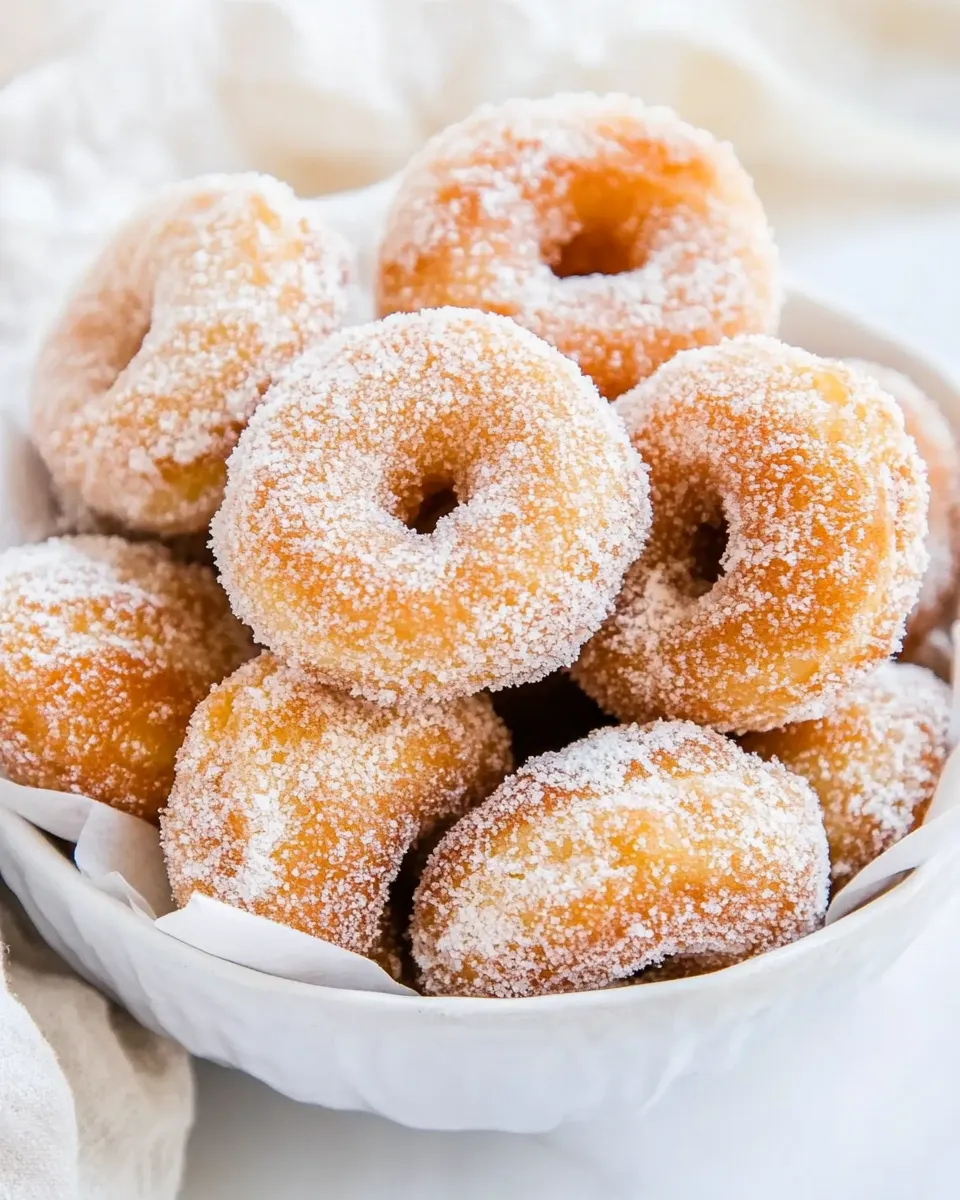
Speed is the biggest win here. From mixing to coating, the whole process moves quickly—perfect when guests arrive or when you want a treat with minimal planning. There’s no yeast, no resting time, and no complicated shaping. The dough is forgiving; slight variations in stirring won’t ruin the texture.
These donuts are also flexible. The basic sugar coating is classic, but you can vary temperatures, coatings, or dips and still keep the same straightforward method. They deliver great texture: a crisp outer layer, soft interior, and that sugary finish that gives every bite a little crunch.
Healthier Substitutions
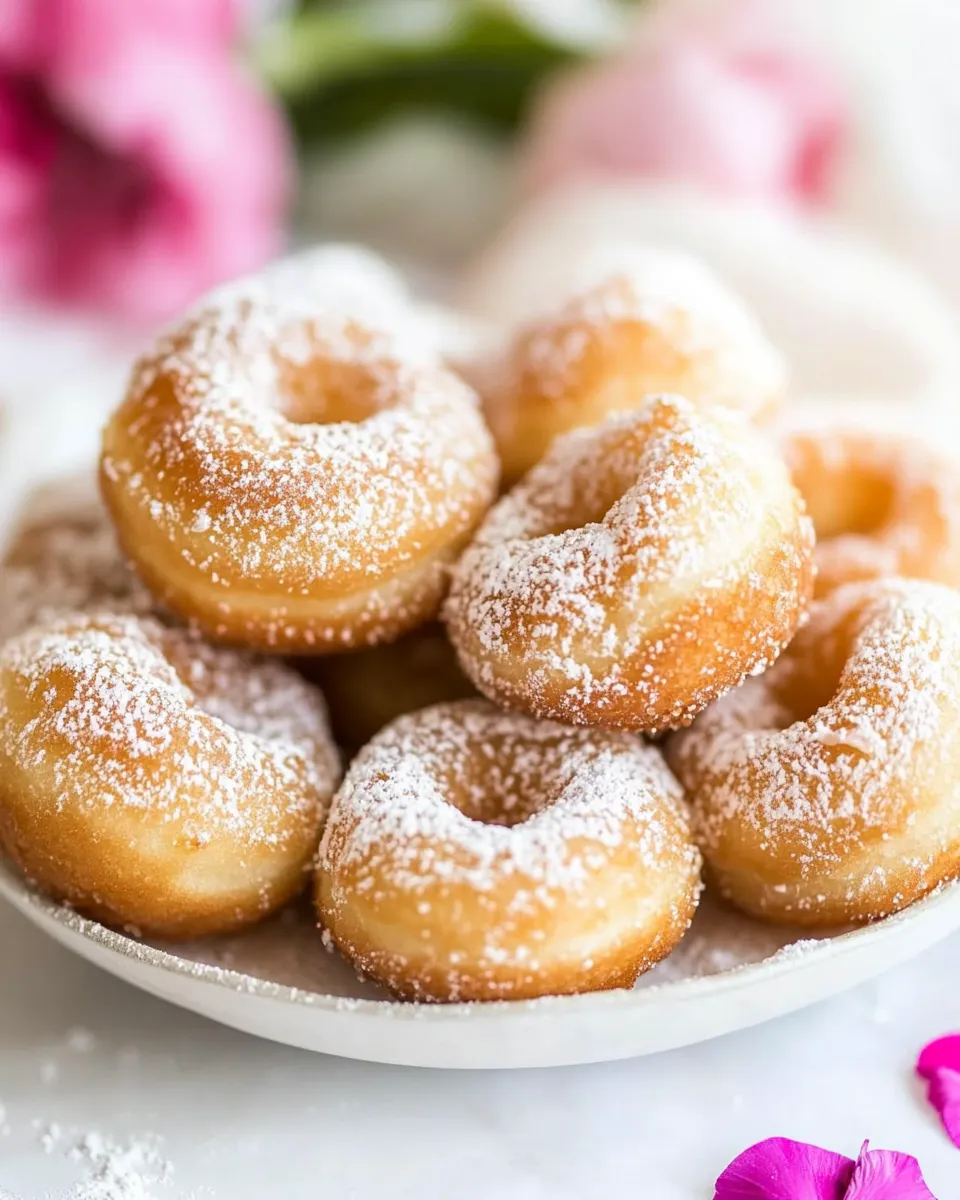
Donuts are an indulgence, but a few swaps can lower fat or add fiber while preserving the experience.
Dairy & fats
- Substitute low-fat buttermilk or yogurt thinned with a splash of milk for regular buttermilk to cut calories slightly.
- Use a light vegetable oil for frying if you want a lower-saturated-fat option than butter-heavy recipes. Keep in mind frying still adds calories.
Flour & sweetener options
- Replace up to 25% of the all-purpose flour with whole wheat pastry flour for a bit more fiber; the texture will be slightly denser.
- Swap the sugar coating for a cinnamon-sugar mix that allows you to use slightly less straight sugar while keeping bold flavor.
Cook’s Kit
- Large sauté pan or pot — big enough to hold 3–4 cups of oil with a 1/2-inch depth and room to fry in batches.
- Deep-fry thermometer — essential to hold the oil steady at 355°F for even cooking.
- Mixing bowls — one for dry, one for wet ingredients.
- 1/2 tablespoon measuring spoon — for consistent donut balls.
- Slotted spoon or spider — to lift fried donuts safely and drain excess oil.
- Baking sheet lined with paper towels — for draining and cooling the donuts.
- Shallow dish — for the sugar coating.
What Not to Do
- Don’t overcrowd the pan. Crowding drops the oil temperature and leads to greasy, unevenly cooked donuts.
- Don’t skip the thermometer. Frying at the wrong temperature will either burn the outside or leave the center undercooked.
- Don’t overwork the dough. Stir until just combined. Overmixing tightens the gluten and makes the donuts tough.
- Don’t salt the sugar coating. Salt in the dough is fine, but salty sugar will taste off unless you balance intentionally with other flavors.
- Don’t handle while piping hot. Wait until the donuts are cool enough to roll in sugar safely to avoid burns.
Seasonal Serving Ideas
Change the finishing touches with the seasons for quick updates that feel special:
- Spring: Toss with lemon zest in the sugar for bright freshness; serve alongside a light berry compote.
- Summer: Add a dusting of freeze-dried fruit powder to the coating or serve with cold coffee or iced tea.
- Autumn: Mix in a tablespoon of pumpkin pie spice with the sugar, or drizzle with a warm maple glaze.
- Winter: Use a cinnamon-cardamom sugar and serve with hot cocoa or mulled cider for a cozy pairing.
Flavor Logic
This recipe balances a few simple elements. Flour and baking powder provide structure and lift. Buttermilk contributes acidity and a tender crumb; it also reacts with the baking powder to create quick lift during frying. Sugar in the dough adds light sweetness and helps with browning, while the final sugar coating gives texture contrast—crisp, granular outside, soft inside.
The fat from the melted butter enriches the dough and keeps it moist. Frying at a steady 355°F sets the exterior quickly, forming a barrier so the interior steams and cooks evenly. If the oil is too cool, the dough soaks up oil; too hot and the exterior burns before the center cooks. That precise temperature is the key to the ideal mouthfeel.
Best Ways to Store
- Short term (room temp, up to 8 hours) — Keep donuts in a single layer in an airtight container at room temperature. Paper towels can help absorb residual oil.
- Overnight — Store in an airtight container at room temperature for the first day. Reheat briefly in a warm oven (300°F for 3–4 minutes) to refresh texture.
- Freezing — You can freeze unfrosted donuts individually wrapped in plastic and stored in a freezer bag for up to 1 month. Thaw at room temperature and reheat gently in a warm oven before coating with sugar.
Ask the Chef
Q: My donuts turn out greasy. What am I doing wrong?
A: The usual culprits are oil temperature and overcrowding. Use a thermometer and keep the oil at 355°F. Fry in small batches so the oil temperature doesn’t drop. Drain well on paper towels and avoid stacking while they’re hot.
Q: Can I bake these instead of frying?
A: You can, but the texture will change—baked versions are less crisp and won’t have the same fried exterior. If you bake, portion the dough onto a greased sheet, bake at 375°F until golden, and then roll in sugar while warm.
Q: My interior is doughy. How do I make sure they cook through?
A: Keep the oil at a steady 355°F and avoid making the dough balls too large. If you want larger donuts, lower the heat slightly and fry a bit longer; check one by cutting it open to confirm doneness.
Hungry for More?
If you enjoyed these quick donuts, try experimenting with the coating and dipping flavors. A simple powdered sugar glaze, a cinnamon-cocoa mix, or a quick lemon-sugar toss each offers a different profile using the same base recipe. Keep a thermometer and measuring spoons on hand—once you master the temperature and portioning, this method becomes a go-to for last-minute baking wins.

15-Minute Homemade Donuts
Ingredients
Ingredients
- 1 1/4 cups 176 gall-purpose flour(scoop and level to measure)
- 2 tspbaking powder
- 1/4 tspsalt
- 1/2 cup 120 mlbuttermilk*
- 1/4 cup 50 ggranulated sugar
- 3 Tbsp 42 gmelted butter
- 3 - 4 cupsvegetable oil for frying
- 1/3 cup 66 ggranulated sugar**
Instructions
Instructions
- Pour 3–4 cups vegetable oil into a large sauté pan or pot so the oil is about 1/2 inch deep. Heat over medium until the oil reaches 355°F (use a thermometer) and hold at that temperature.
- While the oil heats, whisk together 1 1/4 cups all-purpose flour, 1/4 cup granulated sugar, 2 tsp baking powder, and 1/4 tsp salt in a medium bowl.
- In a separate bowl, whisk together 1/2 cup buttermilk and 3 Tbsp melted butter.
- Pour the buttermilk mixture into the flour mixture and stir with a fork just until combined; do not overwork the dough.
- Using a 1/2 tablespoon measuring spoon, portion the dough into individual balls and place them on a plate or tray, leaving a little space between each.
- When the oil is at 355°F, fry the dough balls in batches (do not overcrowd the pan). Fry until the bottom is golden brown, then flip and fry the other side until golden brown.
- Remove fried donuts with a slotted spoon or spider and drain on a paper towel–lined baking sheet.
- Put 1/3 cup granulated sugar in a shallow dish. While the donuts are still warm enough for the sugar to adhere but cool enough to handle, roll each donut in the sugar to coat.
- Repeat frying and coating with the remaining dough balls. Let donuts cool slightly before serving.
Equipment
- large sauté pan or pot
- Thermometer
- Medium Bowl
- Separate Bowl
- 1/2 tablespoon measuring spoon
- Fork
- Slotted spoon or spider
- plate or tray
- paper towel–lined baking sheet
Notes
**Cinnamon sugar, powdered sugar or a vanilla glaze are other great options for coating fried donuts.
Use a thermometer to take temperature of oil so donuts fry up properly.
Don't try to fry all the donut holes at once, otherwise you'll lower the temperature of the oil and they won't fry properly (they'll start absorbing the grease).
These are best eaten within a few hours.