This marinade does the heavy lifting so your chicken doesn’t have to. It’s bright from lemon, savory from soy, rounded with olive oil, and lifted by garlic. Those four ingredients, with an optional pinch of thyme, give you a reliable, dinner-ready flavor in under an hour.
No chef’s degree required. The technique matters more than the ingredient list. Little choices—how long you marinate, whether you pat the chicken dry—decide if you get a good weeknight bite or a truly great one. I’ll walk you through the straightforward steps, troubleshooting, and smart swaps.
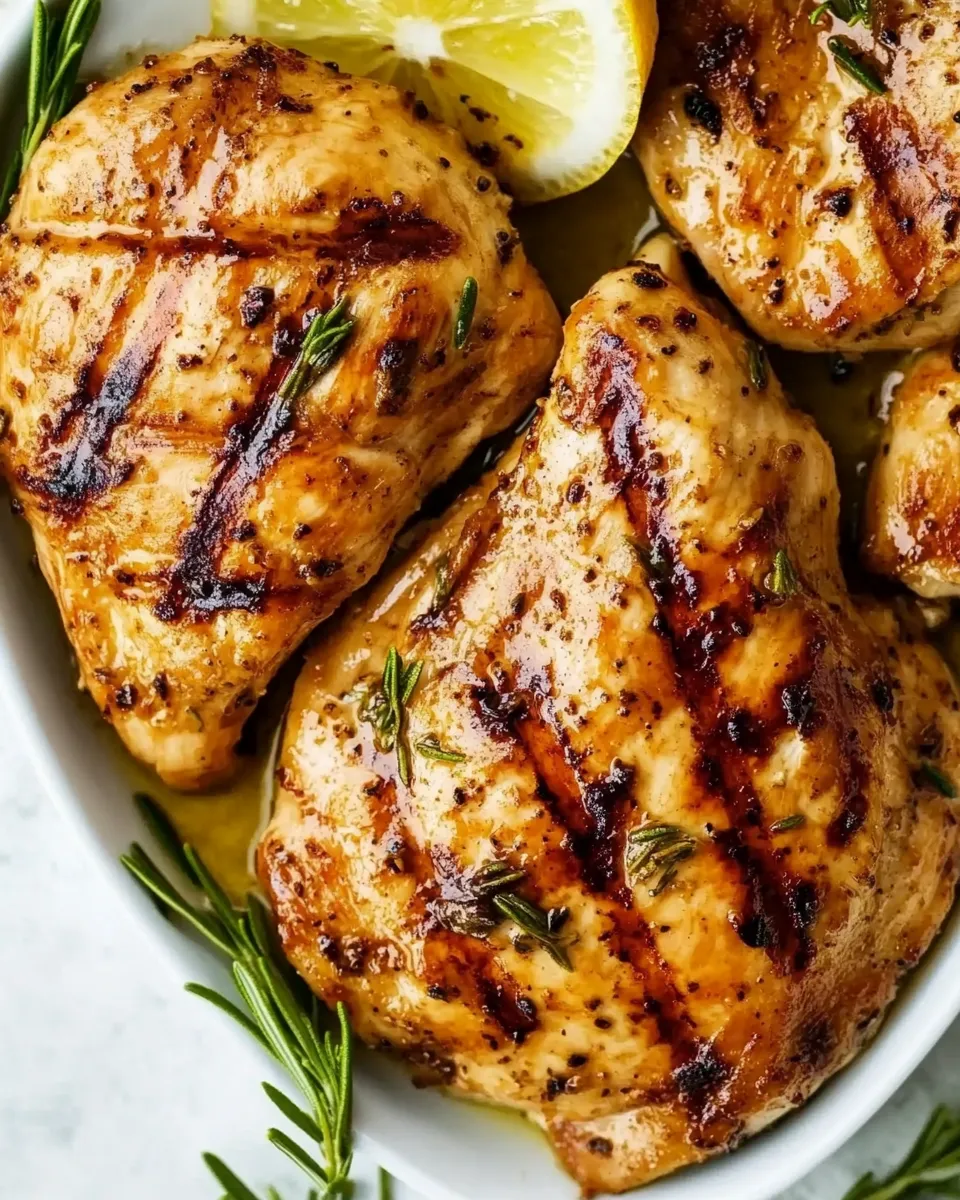
Use this as a base. Grill it, pan-sear it, or bake it. It works for bone-in, skin-on cuts and for quick boneless breasts or thighs. Read on for exact measurements, method, and the small details that make the difference.
What’s in the Bowl
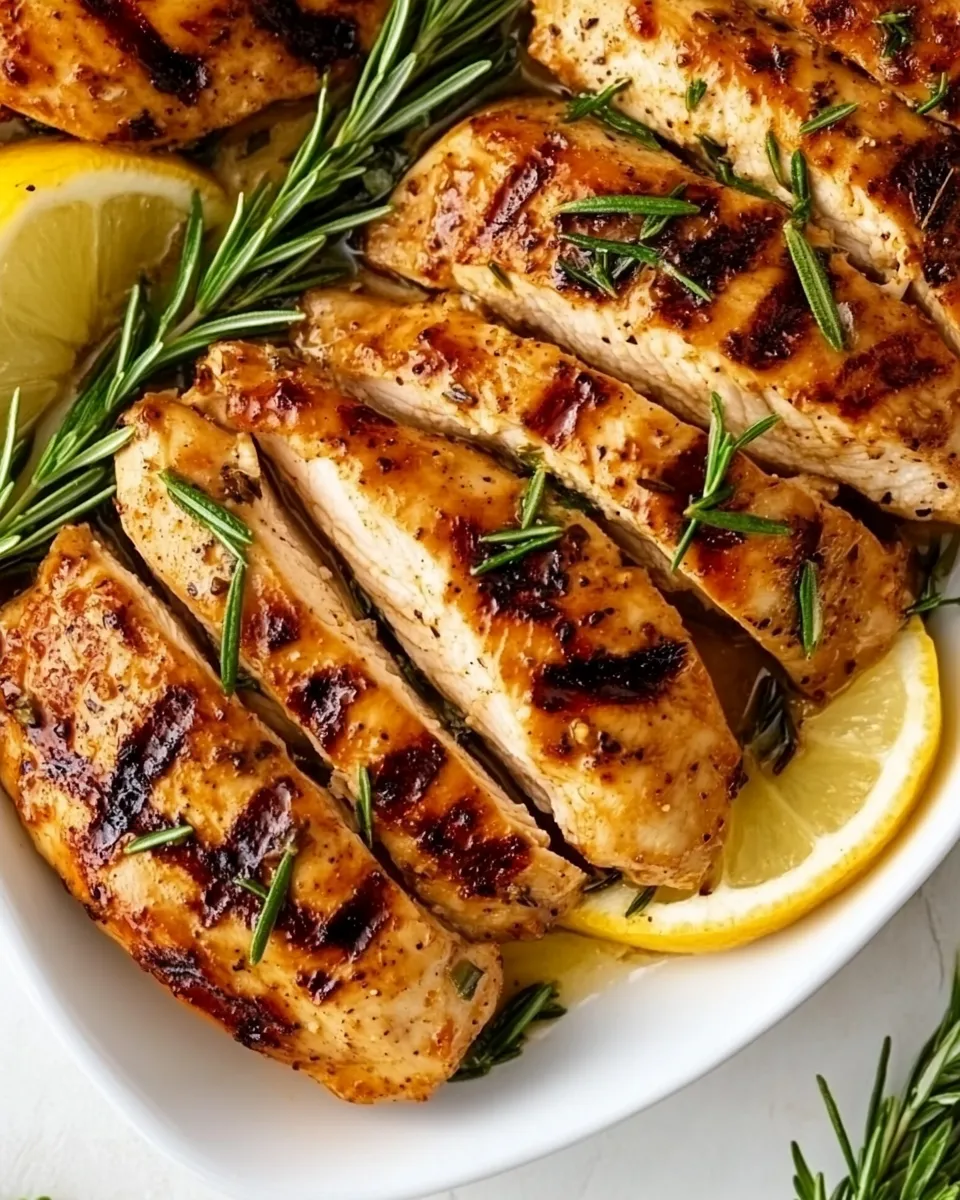
When you whisk these components together you get a balance of acid, salt, fat, and aromatics—basic culinary chemistry. Lemon juice adds brightness and helps tenderize, soy sauce brings salt and umami, olive oil coats and transfers heat evenly, and garlic delivers real savory depth. The thyme is optional but pleasant if you have it.
This is a flexible, forgiving mixture. It’s not overloaded with sugar or heavy creams, so it won’t mask the chicken’s natural flavor. Keep the ratios as written for best results; this mix was chosen to marinate up to 2 pounds of chicken comfortably.
Ingredients
- 2 cloves garlic, minced — primary aromatic; releases flavor quickly when minced.
- 1/4 cup lemon juice — acid for brightness and mild tenderizing; don’t over-marinate with strong acids.
- 1/4 cup soy sauce — salt and umami; balances the lemon and seasons the chicken through.
- 2 tablespoons olive oil — fat to carry flavor and promote even browning when cooking.
- 1 teaspoon dried thyme (optional) — subtle herb note; optional so you can skip or swap to fresh if preferred.
4 Ingredient Chicken Marinade, Made Easy
- In a medium bowl, whisk together 2 cloves garlic (minced), 1/4 cup lemon juice, 1/4 cup soy sauce, 2 tablespoons olive oil, and 1 teaspoon dried thyme (optional) until blended.
- Place up to 2 pounds of chicken in a resealable plastic bag or a shallow dish. Pour the marinade over the chicken, press out excess air (if using a bag), and turn the chicken to coat evenly. Refrigerate for at least 30 minutes (up to 8 hours for more flavor).
- When ready to cook, remove the chicken from the refrigerator and discard the used marinade. Pat the chicken dry with paper towels for better browning.
- Cook the chicken by your preferred method (grill, pan-sear, or bake) until the internal temperature reaches 165°F (74°C) and juices run clear.
- Let the chicken rest for about 3–5 minutes before serving. (If you want to use any leftover marinade as a sauce, bring it to a rolling boil for at least 5 minutes before serving.)
Why It’s My Go-To

Simple flavors, reliable results. I reach for this marinade when I want something quick that still tastes like effort. The ingredients are pantry staples for many people. There’s no need for fancy acids or complicated ingredient lists to make a juicy, flavorful chicken.
The balance is key: lemon brightens without making the meat chalky; soy salt-ensures depth; olive oil protects the chicken from drying; garlic seals the savory deal. It’s an adaptable building block—use it as-is, or layer it with a glaze at the end of cooking.
Also, it plays well with different cooking methods. Grill it for char and smokiness, pan-sear for crispy edges, or bake for hands-off convenience. All deliver a clean, consistent result if you follow timing and pat-dry steps.
Healthier Substitutions
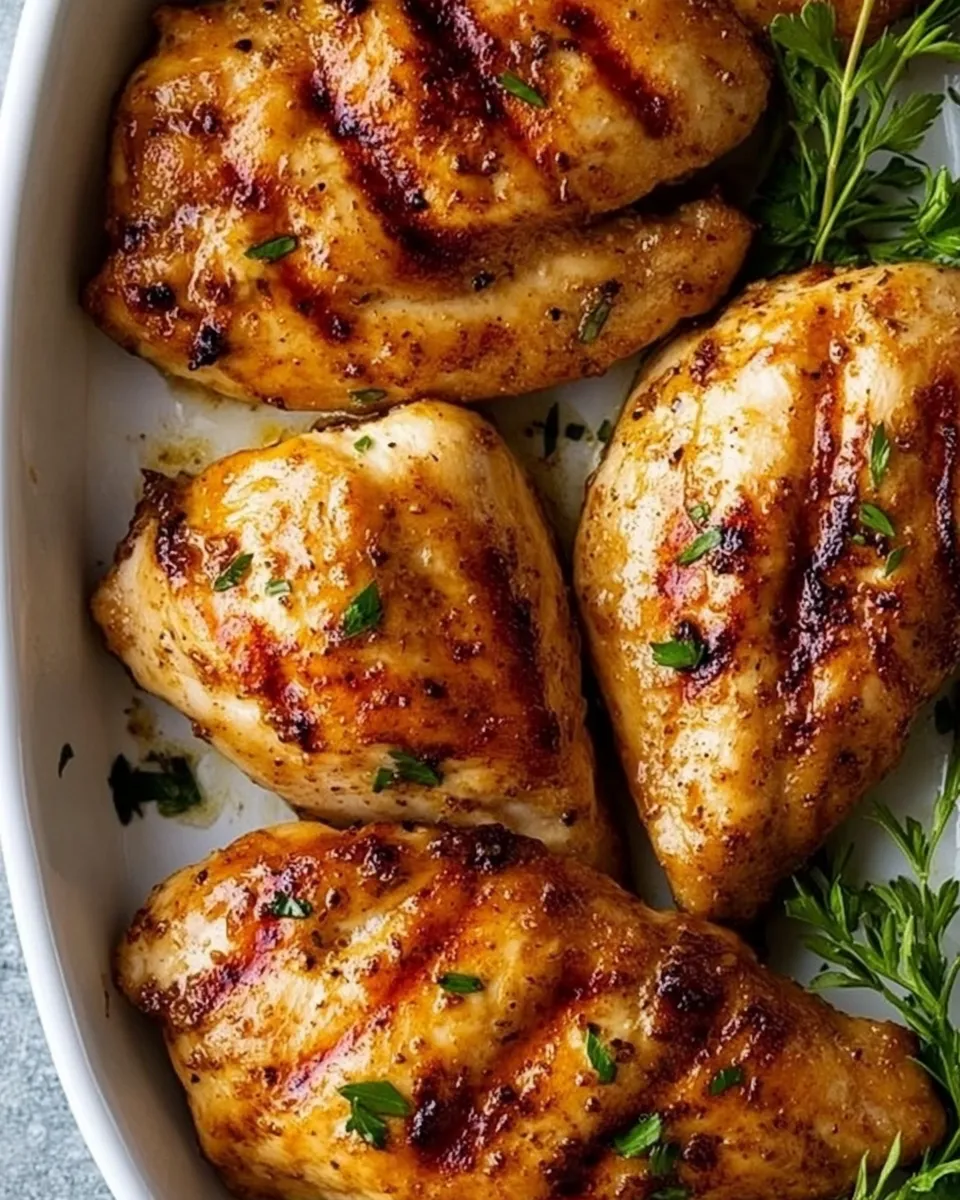
If you want the same flavor profile with lower sodium, use a low-sodium soy sauce. You’ll keep the umami without the salt overload. Swap olive oil for a lighter oil like avocado if you prefer its neutral taste or higher smoke point for grilling.
For a lower-acid option, replace half the lemon juice with a mild vinegar like rice vinegar. The acid still helps tenderize but will be gentler on the surface proteins. If you avoid garlic raw, lightly roast the cloves before mincing to soften the edge.
Equipment at a Glance
You don’t need specialized gear. Here’s what I reach for:
- Medium mixing bowl — to whisk the marinade together.
- Resealable plastic bag or shallow dish — for even coating and easy clean-up.
- Paper towels — to pat the chicken dry before cooking.
- Instant-read thermometer — the most reliable way to know the chicken’s done: 165°F (74°C).
- Skillet, grill, or oven — whichever cooking method you prefer.
Mistakes That Ruin 4 Ingredient Chicken Marinade
Here are common slip-ups and how to avoid them:
- Over-marinating in acid — leaving chicken in lemon juice too long can turn the texture mealy. Stick to the 30 minutes to 8 hours guidance; thin cuts need less time.
- Cooking with wet chicken — not patting dry prevents browning and causes steam. Dab the surface dry before it hits the heat.
- Using the used marinade without boiling — raw chicken juices contaminate the marinade. If you plan to use it as a sauce, boil it hard for at least five minutes.
- Under-seasoning for the method — if you’re grilling over high heat, a little extra oil or a finishing salt can lift the flavor after cooking.
Smart Substitutions
Small swaps can adapt this basic mix to the pantry or desired cuisine:
- Lime instead of lemon — gives a brighter, slightly sweeter citrus note that pairs well with cilantro or chili flakes.
- Tamari for soy sauce — if you need gluten-free or a smoother soy flavor.
- Fresh thyme, chopped — use about 1 teaspoon fresh for a livelier herb presence.
- Minced shallot in place of extra garlic — adds an onion-y background without overpowering the lemon.
Little Things that Matter
These are the micro-choices that change the result:
- Minced vs crushed garlic — minced garlic disperses evenly and releases flavor quickly. Crushing yields a sharper bite.
- Room temperature chicken — let refrigerated chicken sit out briefly (no more than 15–20 minutes) so it cooks more evenly.
- Marinate in a single layer — if using a dish, turn the pieces midway to ensure even exposure to the marinade.
- Rest after cooking — those 3–5 minutes lock in juices. Slice too early and you’ll lose moisture.
Meal Prep & Storage Notes
This marinade is practical for meal prep. Marinated chicken keeps in the fridge for up to 24 hours before cooking. You can also marinate raw chicken and freeze it in the marinade for up to 3 months; thaw in the refrigerator overnight before cooking.
Cooked chicken stored in an airtight container stays good for 3–4 days in the fridge. Reheat gently to avoid drying it out—slice and warm in a skillet with a splash of water or broth, or use the oven at low heat covered with foil.
If you don’t use all the marinade, do not reuse it raw. Either discard it or boil it for at least 5 minutes and use as a glaze or sauce. Boiling eliminates any bacteria from contact with raw poultry.
Popular Questions
Can I marinate chicken for less than 30 minutes?
Yes. Thirty minutes is the minimum to get noticeable flavor into the surface. For thin cuts like cutlets, 15–30 minutes can be enough. If time is tight, even a quick 10–15 minute soak improves taste over plain chicken.
Will the lemon make the chicken tough?
If you marinate too long in high-acid mixes the texture can turn slightly coarse. For this recipe, keep within the 30 minutes to 8 hours window. Thinner pieces need less time; thick bone-in cuts can handle the longer end safely.
Can I use this on turkey or pork?
Yes. The profile works well with pork chops and turkey breasts. Adjust marinating time: pork can take a similar window, turkey benefits from a few extra hours if you prefer deeper flavor.
What if I don’t have olive oil?
Use another neutral or mild oil—avocado, canola, or grape seed. If grilling at high heat, consider an oil with a higher smoke point.
Serve & Enjoy
Serve this chicken with simple sides that complement the bright, savory marinade. A crisp green salad, roasted vegetables, or steamed rice are all reliable. Add a squeeze of fresh lemon and a sprinkle of finishing salt just before serving for an immediate lift.
Leftover chicken makes excellent sandwiches, salads, or wraps the next day. Slice it thin and toss it with a few spoonfuls of plain yogurt and chopped herbs for a quick weekday sauce.
Simple. Practical. Flavorful. Keep this marinade in your repertoire and you’ll have one less decision to make on busy nights—only better-tasting dinner as the reward.

4 Ingredient Chicken Marinade
Ingredients
Ingredients
- 2 clovesgarlicminced
- 1/4 cuplemon juice
- 1/4 cupsoy sauce
- 2 tablespoonsolive oil
- 1 teaspoondried thymeoptional
Instructions
Instructions
- In a medium bowl, whisk together 2 cloves garlic (minced), 1/4 cup lemon juice, 1/4 cup soy sauce, 2 tablespoons olive oil, and 1 teaspoon dried thyme (optional) until blended.
- Place up to 2 pounds of chicken in a resealable plastic bag or a shallow dish. Pour the marinade over the chicken, press out excess air (if using a bag), and turn the chicken to coat evenly. Refrigerate for at least 30 minutes (up to 8 hours for more flavor).
- When ready to cook, remove the chicken from the refrigerator and discard the used marinade. Pat the chicken dry with paper towels for better browning.
- Cook the chicken by your preferred method (grill, pan-sear, or bake) until the internal temperature reaches 165°F (74°C) and juices run clear.
- Let the chicken rest for about 3–5 minutes before serving. (If you want to use any leftover marinade as a sauce, bring it to a rolling boil for at least 5 minutes before serving.)
Equipment
- Medium Bowl
- Whisk
- Resealable Plastic Bag
- Shallow Dish
- Paper Towels
- Grill
- skillet (for pan-searing)
- oven (for baking)
Notes
TO STORE
: Leftover marinade can be stored in the refrigerator, covered, for up to three days.
TO FREEZE
: Place the prepared marinade in an airtight container and store it in the freezer for up to one month. Let the marinade thaw completely before adding it to the chicken.