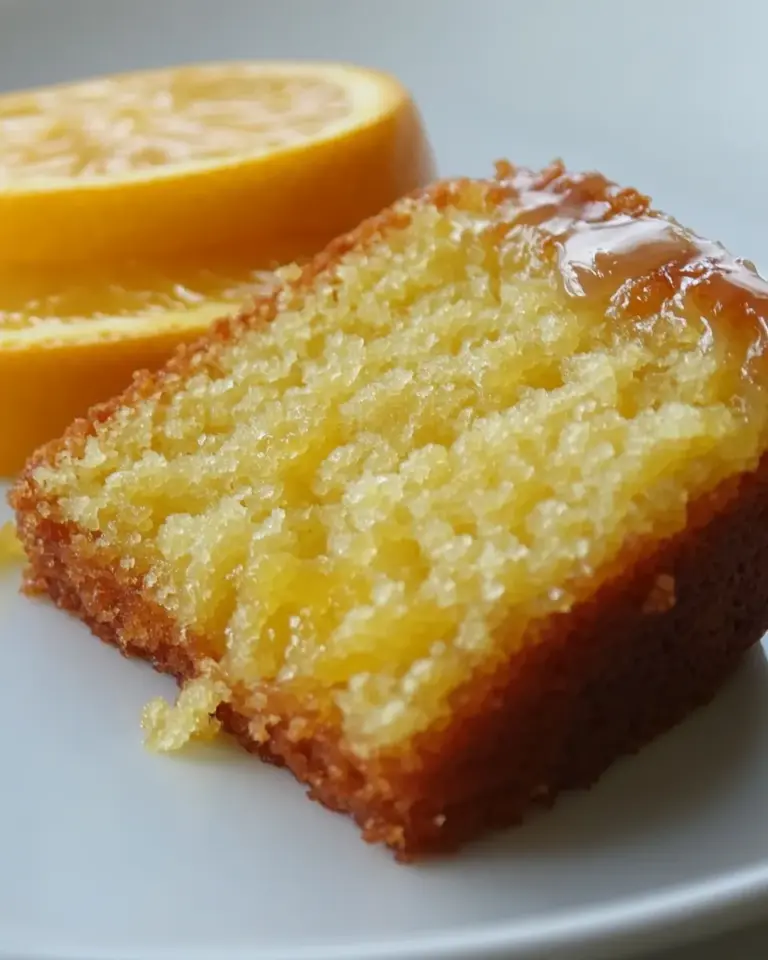
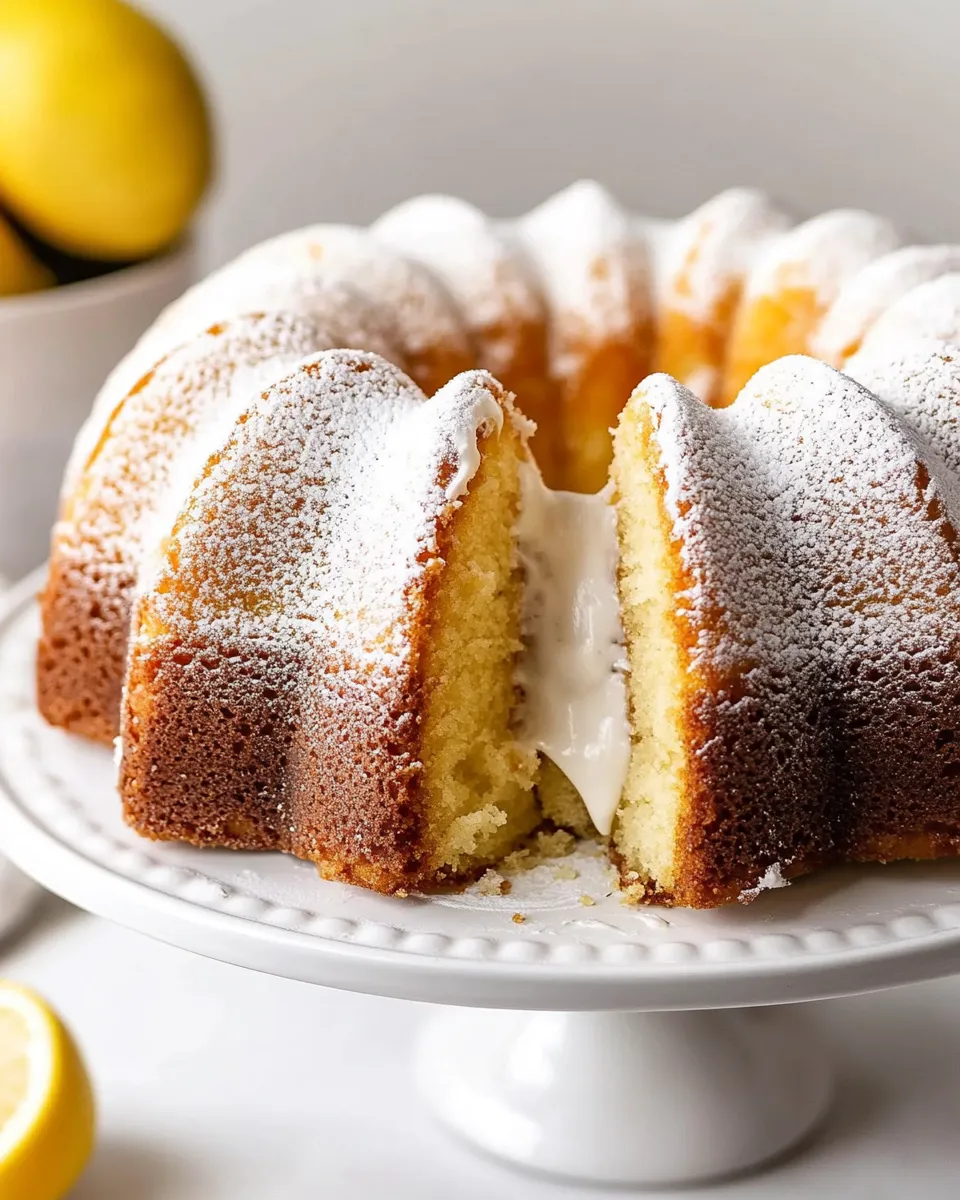
This is the cake I reach for when I want something that feels like a celebration without a lot of fuss. It’s bright, tender, and reliably moist—the kind of cake that slices perfectly and disappears fast. The secret is the lemon-lime soda; it keeps the crumb light and gives a whisper of citrus that pairs perfectly with the lemon extract and zest.
It’s also practical. You don’t need fancy tools or pantry items beyond the usual suspects, and the steps are straightforward. If you can cream butter and sugar and fold in flour, you can make this. The glaze is simple to whisk together and can be adjusted for thickness in seconds.
I write recipes for busy people who still want well-made food. This Bundt cake rewards attention in the bowl and patience in the oven. Make it for a potluck, a holiday table, or a quiet Sunday when you want a good slice and a cup of tea.
What Goes In
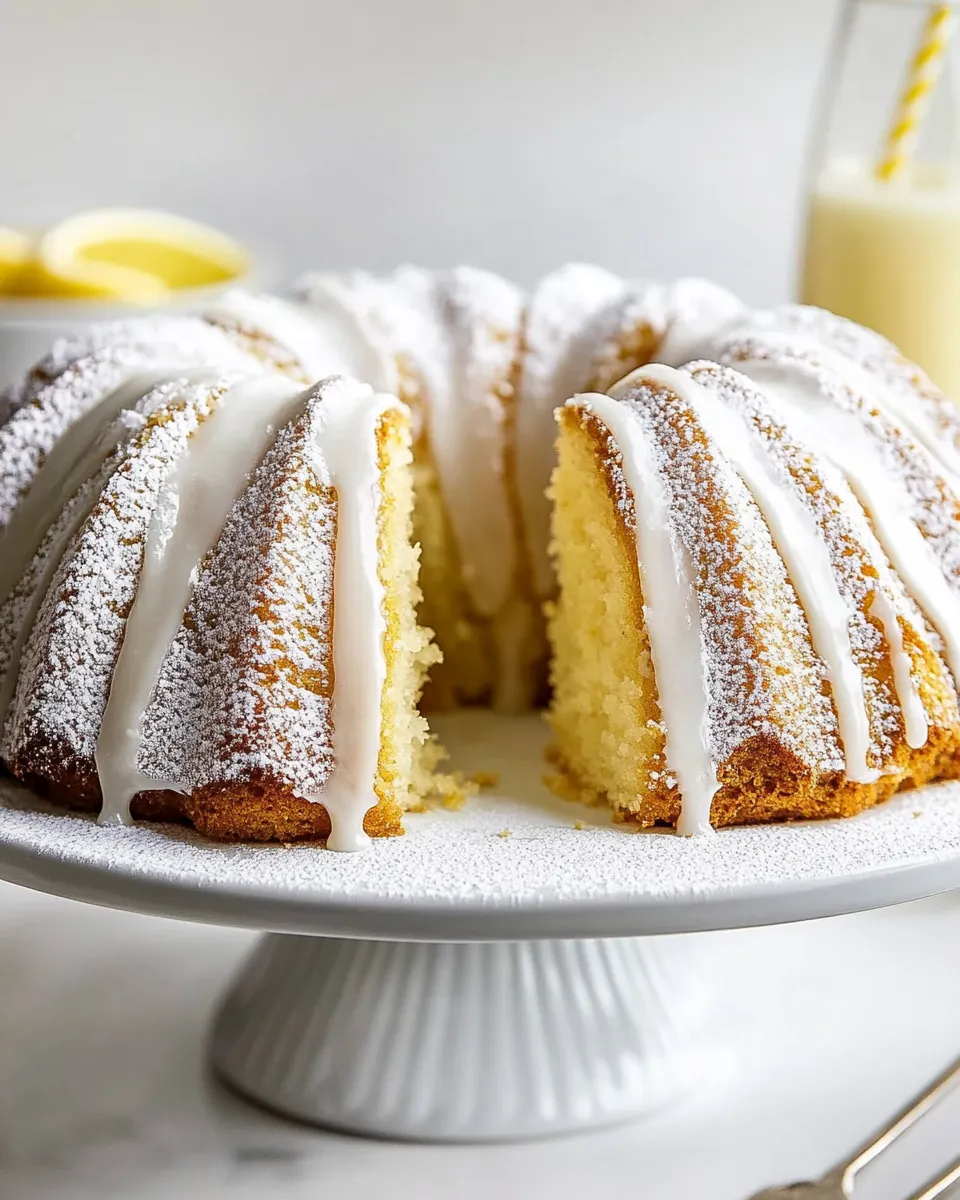
- 3 cups all-purpose flour — provides structure; measure by spooning into the cup and leveling for accuracy.
- ½ teaspoon salt — balances sweetness and enhances flavor.
- 1 ½ cups softened unsalted butter — creamed with sugar to create a light, airy batter; should be soft but not melted.
- 3 cups granulated sugar — sweetens and helps with the cake’s tender crumb through creaming.
- ¾ cup 7Up soda or other lemon-lime soda — adds lift and a subtle citrus note; use room temperature soda for best incorporation.
- 1 tablespoon lemon zest — fresh zest boosts the lemon character in the cake batter.
- 1 tablespoon lemon extract — concentrated lemon flavor; adds clarity without extra moisture.
- 1 teaspoon vanilla extract — rounds and deepens the flavor.
- 5 large eggs — add richness and structure; bring to room temperature before mixing for even incorporation.
- 1 ½ cups powdered sugar — base for the glaze; sift if lumpy for a smooth finish.
- 1 teaspoon lemon zest — for the glaze; a small amount goes a long way in aroma.
- 2-3 tablespoons 7Up soda, or other lemon-lime soda — used to thin the glaze to your preferred consistency; 2 tbsp = thicker, 3 tbsp = thinner.
From Start to Finish: 7UP Bundt Cake
- Preheat the oven to 325°F (163°C). Spray a 10-inch Bundt pan with nonstick cooking spray and dust the inside with flour, tapping out the excess.
- In a small bowl whisk together 3 cups all-purpose flour and ½ teaspoon salt. Set aside.
- In a large bowl, beat 1 ½ cups softened unsalted butter and 3 cups granulated sugar with a hand mixer or stand mixer fitted with the paddle attachment on medium speed until light and fluffy, about 4 minutes.
- Add ¾ cup 7Up soda, 1 tablespoon lemon zest, 1 tablespoon lemon extract, and 1 teaspoon vanilla extract to the butter mixture and beat until combined.
- Add 5 large eggs one at a time, beating well after each addition. Scrape down the sides and bottom of the bowl as needed.
- Add the flour-and-salt mixture to the batter and mix on low speed (or fold) until the batter is smooth and no dry streaks remain. Do not overmix.
- Pour the batter into the prepared Bundt pan and smooth the top with a spatula. Bake for 70–85 minutes, or until a toothpick inserted in the center comes out clean.
- Let the cake cool in the pan for about 10 minutes. Invert the pan onto a cooling rack and remove the pan, then allow the cake to cool completely on the rack.
- When the cake is completely cool, make the glaze: whisk together 1 ½ cups powdered sugar, 1 teaspoon lemon zest, and 2–3 tablespoons 7Up soda until smooth. Use 2 tablespoons for a thicker glaze or 3 tablespoons for a thinner glaze.
- Drizzle the glaze evenly over the cooled cake, let it set briefly, then slice and serve.
Why This Recipe Belongs in Your Rotation
This cake is an every-occasion winner. It’s simple to assemble with familiar kitchen skills and yields a reliably tender, moist result. Where many layer cakes require careful timing and stacking, a Bundt is forgiving—the shape gives beautiful presentation with very little effort.
It also scales emotionally: the citrus brightness makes it feel fresh for spring, but the comfort of a buttery, sugar-crusted slice works perfectly on chilly afternoons. The glaze is quick but acts like a finishing touch that elevates the whole cake.
Ingredient Flex Options
- 7Up soda — the recipe already allows “or other lemon-lime soda.” Swap to whatever lemon-lime soda you prefer; acidity and sweetness vary slightly but it will still work.
- Lemon extract — if you prefer a subtler lemon note, reduce to 2 teaspoons; if you want bolder flavor, keep the tablespoon but be cautious—extracts are concentrated.
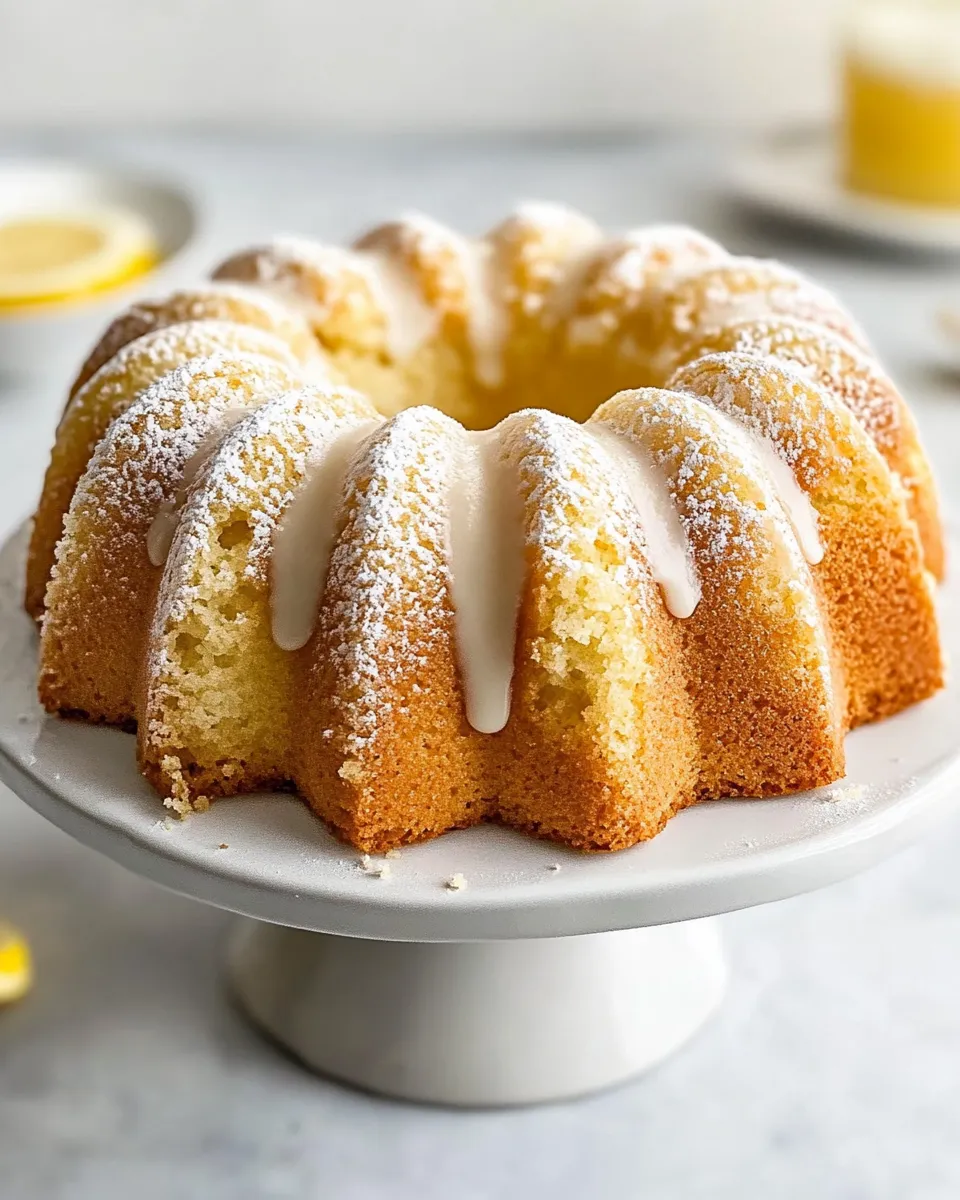
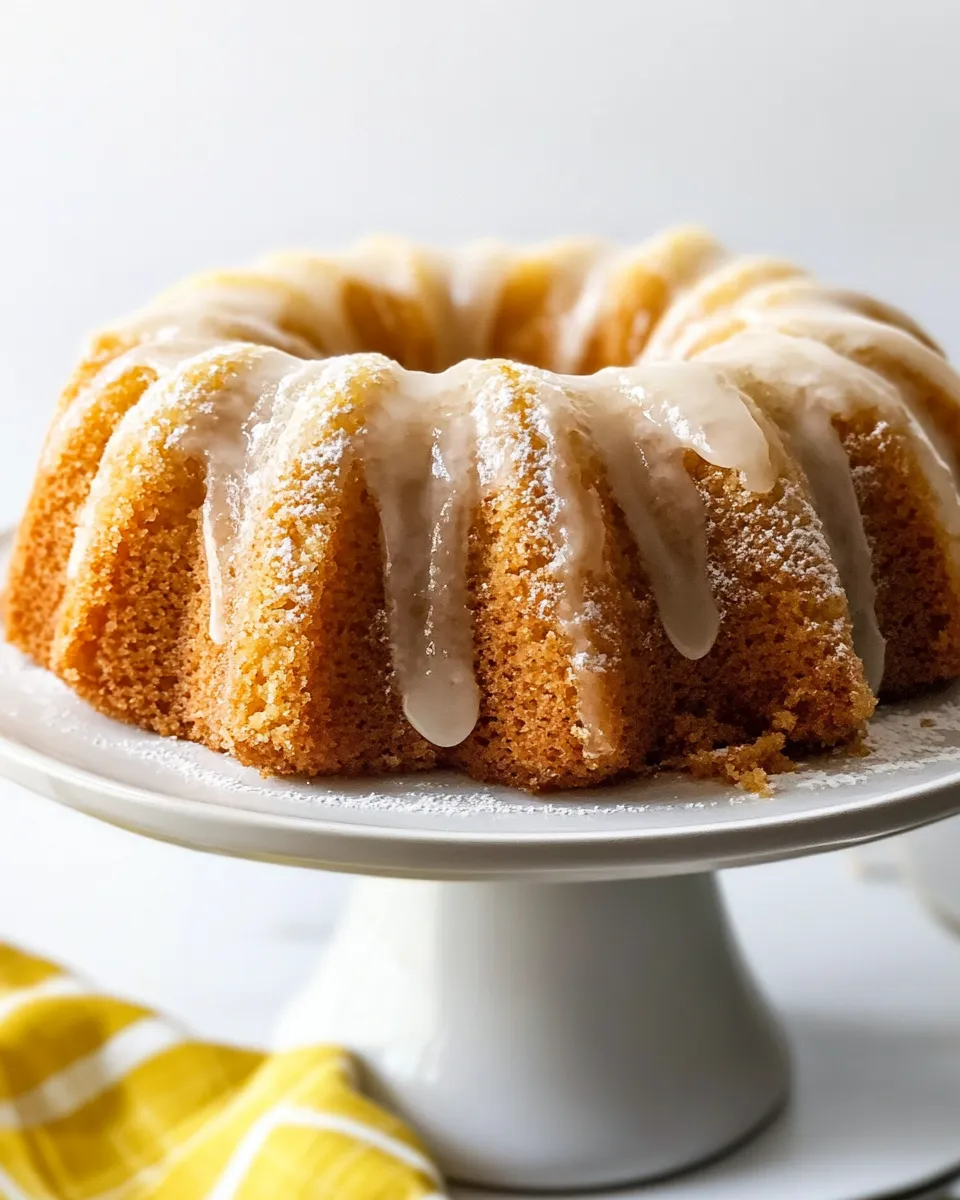
- Glaze thickness — the recipe gives 2–3 tablespoons of soda for the glaze. Use 2 tablespoons for a clingy glaze and 3 for a pourable sheen that drips down the sides.
Recommended Tools
- 10-inch Bundt pan — the size the recipe is written for; a larger or smaller pan will change baking time.
- Stand mixer with paddle attachment or hand mixer — for proper creaming of butter and sugar.
- Rubber spatula — for scraping the bowl and smoothing the batter in the pan.
- Measuring cups and spoons — accurate measuring keeps texture consistent.
- Cooling rack — necessary for even cooling and to avoid soggy bottoms.
- Toothpick or cake tester — to check doneness in the center of the cake.
- Small whisk or fork — for mixing the glaze until perfectly smooth.
Errors to Dodge
- Skipping pan prep: Don’t skimp on greasing and flouring the Bundt pan. Even a well-buttered pan can stick if not floured or properly sprayed with a baking spray that contains flour.
- Overmixing the batter: Once the flour goes in, mix only until combined. Overworking the batter tightens the gluten and yields a denser cake.
- Using cold eggs or butter: Cold ingredients won’t incorporate smoothly. Let eggs and butter sit at room temperature for 20–30 minutes before starting.
- Assuming the center is done by time alone: Ovens vary. Use the toothpick test and check the center; the cake will also pull slightly away from the pan when ready.
- Glazing a warm cake: The glaze will melt right off. Wait until the cake is completely cool.
Variations by Season
Adjust the way you finish and serve the cake to match the season without altering the recipe itself. In warmer months, a thinner glaze (use 3 tablespoons soda) looks lighter and gives a delicate sheen. In cooler months, a slightly thicker glaze (2 tablespoons) stays put and feels more indulgent.
Presentation can shift the mood: keep the glaze minimal and serve with a bright tea or lemonade for spring and summer. In fall or winter, a sturdier slice alongside coffee or a warm milk-based drink gives a cozier experience.
Insider Tips
Batter & Mixing
- Cream until light: Creaming butter and sugar for about four minutes incorporates air. The mixture should look paler and fluffy—this creates lift in the finished cake.
- Add eggs slowly: Add eggs one at a time and beat well after each. This ensures the batter stays emulsified and prevents curdling.
- Fold the flour: Mix the dry ingredients in on low or fold by hand. You want every streak of flour gone, but stop as soon as it’s smooth.
Glaze
- Start with less soda: If your powdered sugar is especially fine, begin with 2 tablespoons of soda and add more if needed to reach the consistency you want.
- Strain if lumpy: If your powdered sugar has lumps, push the glaze through a fine-mesh strainer for a satin finish.
Prep Ahead & Store
You can bake the cake a day ahead and store it overnight on a rack, loosely covered with a clean towel to keep the exterior slightly crisp. If you plan to glaze the next day, keep the cake uncovered in the refrigerator until an hour before glazing so it comes closer to room temperature.
After glazing, store the cake at room temperature in an airtight container for up to 2 days. If you need to keep it longer, wrap tightly and refrigerate for up to 5 days. For longer storage, slice and freeze individual portions wrapped well for up to 3 months; thaw overnight in the refrigerator and bring to room temperature before serving.
7UP Bundt Cake FAQs
- Can I use a different lemon-lime soda? Yes. The recipe accepts other lemon-lime sodas in place of 7Up. Sweetness and acidity may vary slightly, but the method stays the same.
- Why does the recipe use both lemon zest and lemon extract? The zest gives fresh citrus oils and aroma; the extract provides a consistent, concentrated lemon note that carries through the bake.
- How do I know when the cake is done? Use a toothpick or cake tester in the center. It should come out clean or with a few moist crumbs, not wet batter. The top should also spring back slightly and the cake may pull away a touch from the pan.
- My glaze is too thin—what now? Stir in a small amount of additional powdered sugar, a tablespoon at a time, until it reaches the desired thickness. If it’s too thick, add a few drops of soda until it flows.
- Can I halve the recipe? Halving will change baking time and pan volume. If you reduce the recipe, choose a smaller Bundt or individual loaf pans and watch the bake time carefully.
Let’s Eat
Slice this cake thin or thick—either way it’s meant to be shared. The glaze forms a pretty sheen and the lemon-lime lift keeps each bite from feeling heavy. Serve it with something simple to drink: coffee, tea, or a cold glass of milk. Save a slice for later; this one tastes good at breakfast, too.
Make the cake once and you’ll know exactly where it fits in your repertoire: a reliable, forgiving centerpiece that looks like you fussed and tastes like you cared. Happy baking.

7UP Bundt Cake
Ingredients
Ingredients
- 3 cupsall-purpose flour
- 1/2 teaspoonsalt
- 1 1/2 cupssoftened unsalted butter
- 3 cupsgranulated sugar
- 3/4 cup7 Up sodaor other lemon-lime soda
- 1 tablespoonlemon zest
- 1 tablespoonlemon extract
- 1 teaspoonvanilla extract
- 5 large eggs
- 1 1/2 cupspowdered sugar
- 1 teaspoonlemon zest
- 2-3 tablespoons7 Up soda or other lemon-lime soda
Instructions
Instructions
- Preheat the oven to 325°F (163°C). Spray a 10-inch Bundt pan with nonstick cooking spray and dust the inside with flour, tapping out the excess.
- In a small bowl whisk together 3 cups all-purpose flour and ½ teaspoon salt. Set aside.
- In a large bowl, beat 1 ½ cups softened unsalted butter and 3 cups granulated sugar with a hand mixer or stand mixer fitted with the paddle attachment on medium speed until light and fluffy, about 4 minutes.
- Add ¾ cup 7Up soda, 1 tablespoon lemon zest, 1 tablespoon lemon extract, and 1 teaspoon vanilla extract to the butter mixture and beat until combined.
- Add 5 large eggs one at a time, beating well after each addition. Scrape down the sides and bottom of the bowl as needed.
- Add the flour-and-salt mixture to the batter and mix on low speed (or fold) until the batter is smooth and no dry streaks remain. Do not overmix.
- Pour the batter into the prepared Bundt pan and smooth the top with a spatula. Bake for 70–85 minutes, or until a toothpick inserted in the center comes out clean.
- Let the cake cool in the pan for about 10 minutes. Invert the pan onto a cooling rack and remove the pan, then allow the cake to cool completely on the rack.
- When the cake is completely cool, make the glaze: whisk together 1 ½ cups powdered sugar, 1 teaspoon lemon zest, and 2–3 tablespoons 7Up soda until smooth. Use 2 tablespoons for a thicker glaze or 3 tablespoons for a thinner glaze.
- Drizzle the glaze evenly over the cooled cake, let it set briefly, then slice and serve.
Equipment
- 10-inch Bundt pan
- Mixing bowls
- Hand mixer or stand mixer
- paddle attachment
- Spatula
- Cooling rack
Notes
Bake in a 10-inch Bundt pan as directed.