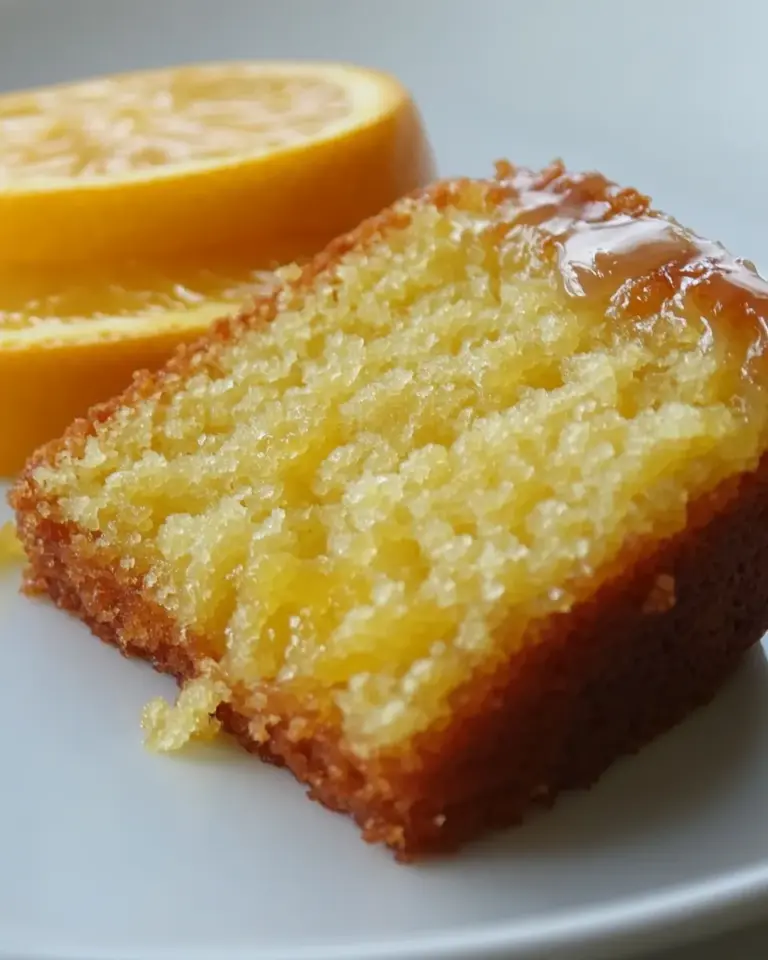
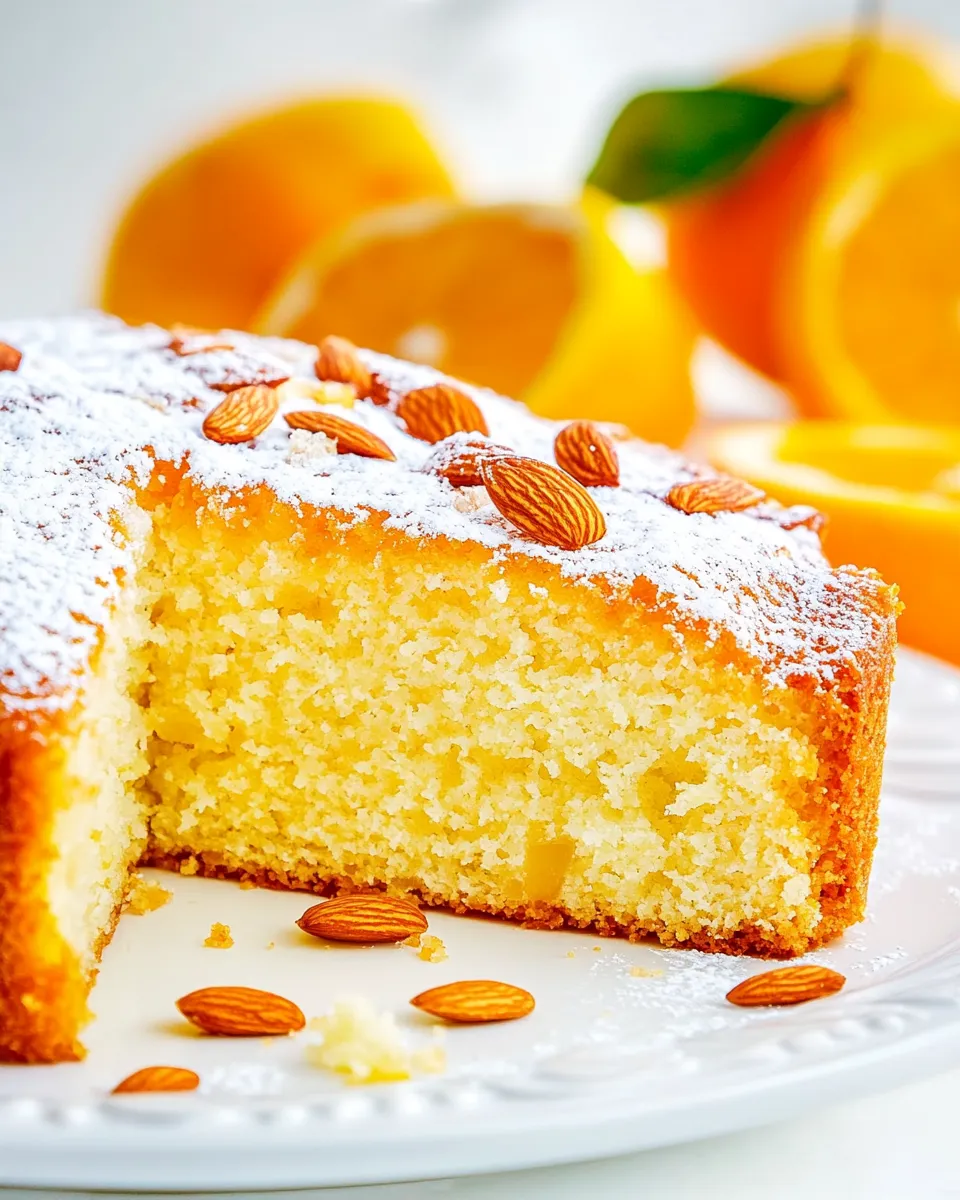
I make this Almond Orange Cake whenever I want a dessert that feels thoughtful without being fussy. It relies on a handful of pantry-friendly ingredients and a simple technique that gives you a bright, tender cake every time. The orange zest and juice cut through the richness of the almond, so each bite is lively and not overly sweet.
This cake is one I trust for brunch, a casual dinner, or a small celebration. You can prepare it on a weeknight and serve it the same day; it holds its texture well and travels safely when wrapped. The method separates whites and yolks, which gives the crumb a light lift while keeping the cake moist and slightly dense in that satisfying almond way.
Below you’ll find the exact ingredients and the step-by-step directions. I’ve included substitution ideas, common mistakes to avoid, and storage tips so you get the best result without guessing.
What We’re Using
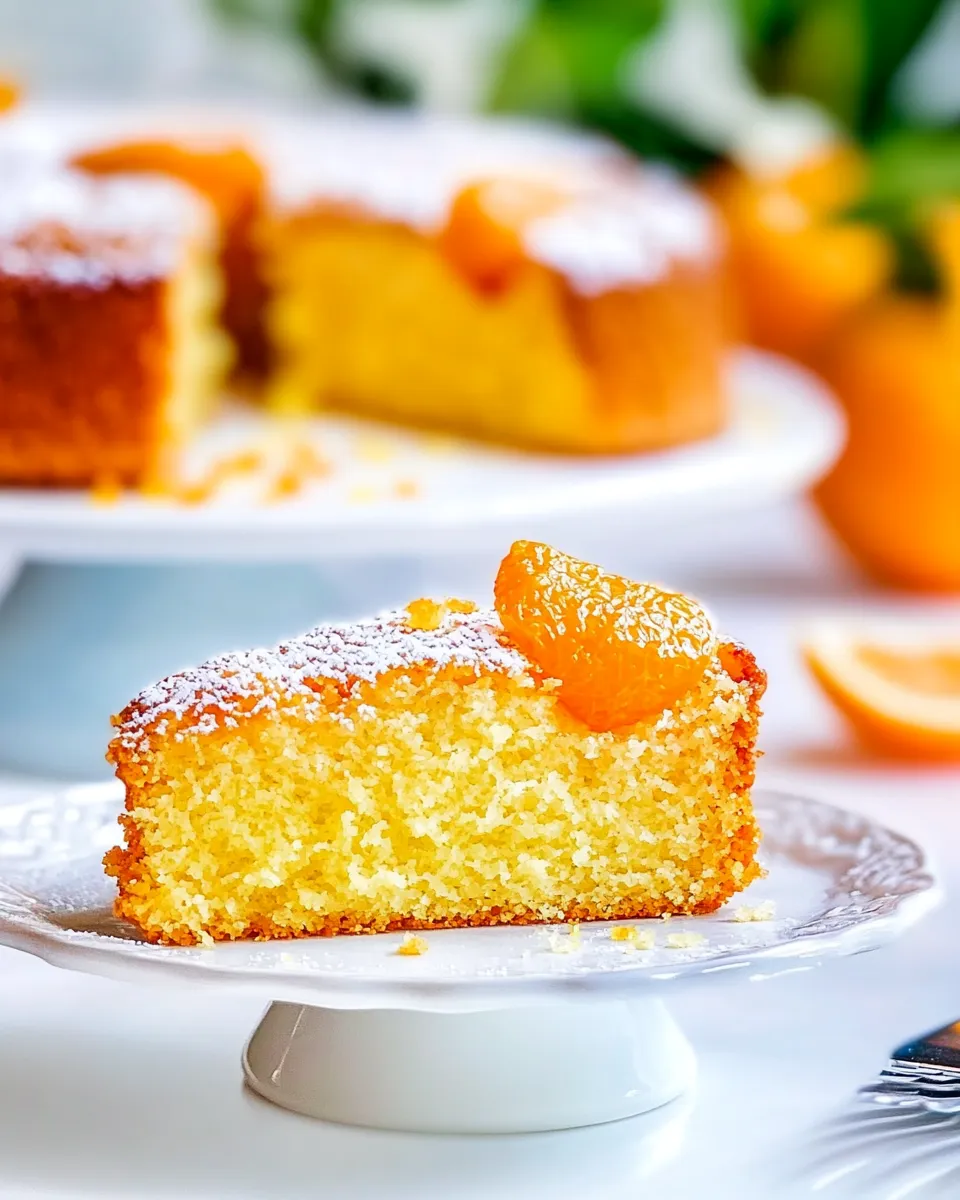
Simple tools, straightforward technique. I keep the gear list short—an electric mixer helps, and a 9-inch round pan is non-negotiable for the shape and bake time. You’ll also want a sieve for the orange juice and a spatula for folding the whites into the batter.
Ingredients
- 1 2/3 cups almond flour — the cake’s base; gives structure, moisture, and that almond flavor.
- 3/4 cup unsalted butter, melted and cooled to room temperature — adds richness without making the cake greasy; cooling prevents scrambling the eggs.
- 3/4 cup sugar — sweetens and helps with browning; balances the citrus.
- 5 tablespoons potato starch — lightens the crumb and improves texture in gluten-free batter.
- 2 medium oranges, zest grated and the juice squeezed — fresh orange zest and juice are the primary flavor lift; zest contains the most aromatic oils.
- 4 eggs, room temperature — separated to give volume from whipped whites and richness from yolks.
- 1 teaspoon baking powder — a small lift agent to help the cake rise evenly.
- 1 teaspoon almond extract — enhances the almond notes; a little goes a long way.
- Powdered sugar — for a dusting just before serving.
- Sliced almonds — toasted or raw, they add a pretty, crunchy finish.
Directions: Almond Orange Cake
- Preheat the oven to 350°F (175°C). Lightly grease a 9-inch round cake pan and sprinkle the inside with some almond flour, tapping out any excess. Set the pan aside.
- If not already, bring the 4 eggs to room temperature. Melt the 3/4 cup unsalted butter and let it cool to room temperature.
- Separate the eggs: place the 4 egg whites in a clean, dry large bowl and the 4 yolks in a separate large bowl.
- Using an electric mixer, beat the egg whites on medium-high speed until stiff peaks form, about 10 minutes. Set the whipped whites aside.
- In the bowl with the egg yolks, add the 3/4 cup sugar. Beat with an electric mixer on medium-high speed for about 5 minutes, until the mixture is light and frothy.
- Wash the oranges. Grate the zest from both oranges, then squeeze the juice. Strain the juice through a sieve to remove any seeds or large pulp pieces.
- Add the grated orange zest and the strained orange juice to the yolk-and-sugar mixture. Add the cooled melted butter and 1 teaspoon almond extract. Mix until combined.
- Add 1 2/3 cups almond flour, 5 tablespoons potato starch, and 1 teaspoon baking powder to the yolk mixture. Stir with a rubber spatula until the batter is smooth and evenly combined.
- Gently fold the whipped egg whites into the batter in two additions: add half the whites, fold to lighten the batter, then fold in the remaining whites until no large streaks remain. Do not overmix.
- Pour the batter into the prepared 9-inch pan and level the surface with a spatula.
- Bake on the middle rack for about 45 minutes, or until a toothpick inserted near the center comes out clean and the top is set and lightly golden.
- Remove the cake from the oven and let it cool completely in the pan on a wire rack before removing.
- Just before serving, dust the cake with powdered sugar and top with sliced almonds.
Top Reasons to Make Almond Orange Cake
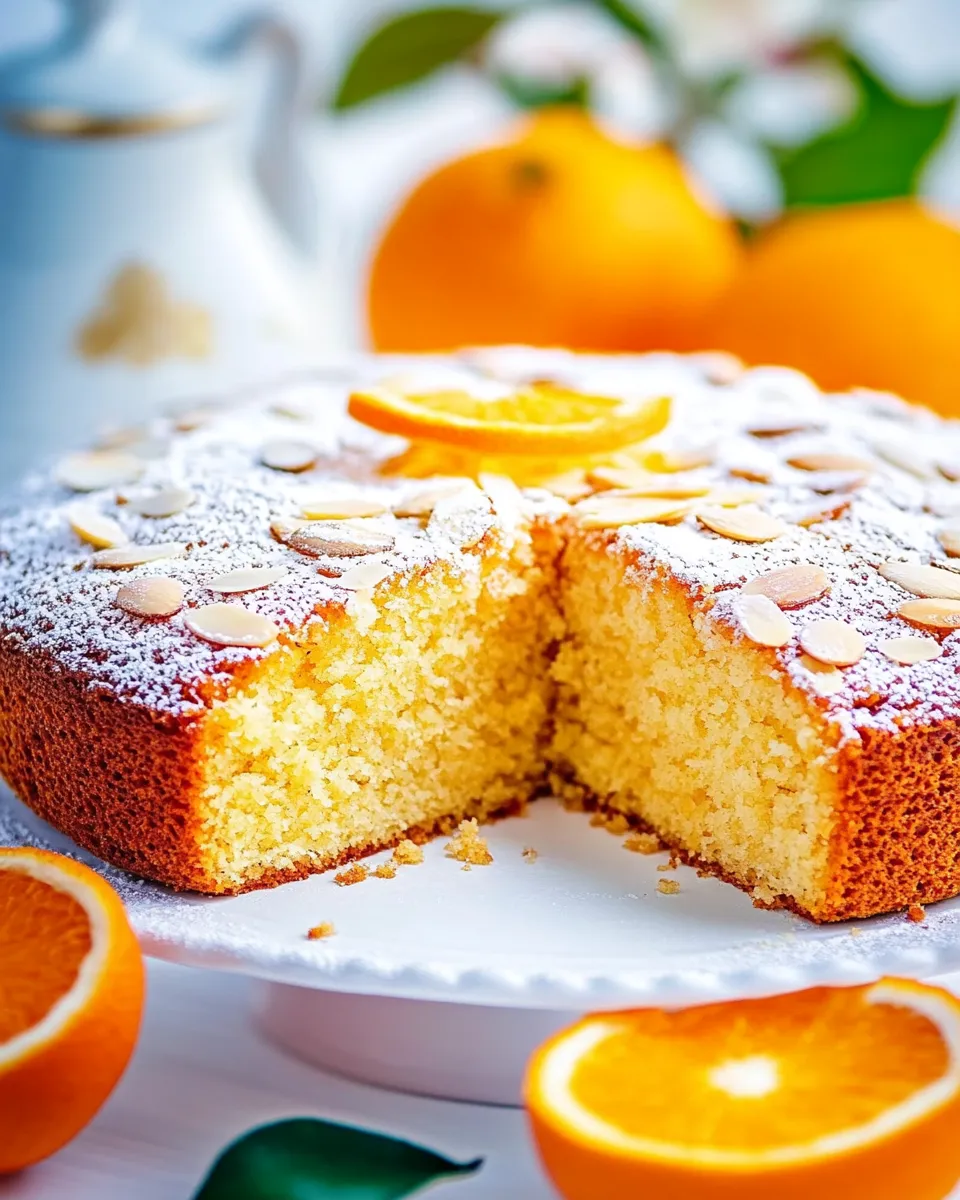
There are many cakes that try to be flashy; this one aims to be reliable and delicious. If you want a dessert that’s not too sweet, that highlights citrus and nut flavors, and that can be made with pantry staples, this is it. The texture is interesting — airy from whipped whites but rich from almond flour and yolks — and the orange keeps it bright.
It’s also forgiving in timing: you can make it a few hours ahead, and it improves slightly as it rests. It’s elegant enough for guests but humble enough for an afternoon with tea. If you have friends who prefer gluten-free options, this can work especially well, since almond flour and potato starch are used in place of wheat flour.
Texture-Safe Substitutions
Need to swap something? Replace thoughtfully so the texture stays right:
- If you’re out of almond flour, don’t substitute a 1:1 all-purpose flour — the cake will be drier and will change the flavor profile. If you must swap, consider a blend of finely ground hazelnuts and a small amount of rice flour, but expect a different result.
- For potato starch, tapioca starch can perform similarly in terms of chew and moisture, but measurements may not translate perfectly; keep the same amount and watch the batter consistency.
- If you lack butter, a neutral oil will work but will alter the mouthfeel. Use the same volume and slightly reduce by a tablespoon if the batter looks too loose.
- No almond extract? You can skip it, but the cake will be less almond-forward. A drop of vanilla is better than nothing, but the orange will still dominate.
What’s in the Gear List
Here’s what I use every time:
- 9-inch round cake pan — the recipe’s bake time and thickness are calibrated to this size.
- Electric mixer — for stable, stiff egg whites and well-aerated yolks.
- Wire rack — cools the cake evenly so it doesn’t steam in the pan.
- Sieve — strains orange juice for a smoother batter and no seeds.
- Rubber spatula — gentle folding without deflating the whites.
Errors to Dodge
A few small missteps will change the outcome, so watch for these:
- Don’t fold the whites too aggressively. Overmixing knocks out air and yields a dense cake. Fold until there are no large streaks; a few small streaks are fine.
- Make sure the whipped egg whites are genuinely at stiff peaks. Under-whipped whites won’t give lift; over-whipped whites can become dry and grainy.
- Allow melted butter to cool. Adding warm butter to the yolks can partially cook them and make the yolk mixture lumpy.
- Use room temperature eggs. Cold eggs won’t whip as well and can change the batter temperature, affecting rise.
- Don’t skip tapping excess almond flour from the pan. Too much will create an uneven crust and may burn slightly during baking.
Make It Fit Your Plan
Planned dinner party? Make the cake in the morning and store it at room temperature in a cake box or covered with a loose tent of foil. Serving for brunch? Dust with powdered sugar and arrange fresh berries on the side. Want it for a small celebration? Brush a little orange syrup (equal parts orange juice and sugar warmed to dissolve) lightly over the warm cake before it cools to add sheen and extra orange flavor.
Freezing tip: slice the cake first, wrap portions tightly, and freeze for easy single servings. Thaw in the refrigerator or at room temperature.
Little Things that Matter
Zest the orange before you squeeze it. It’s faster and you’ll get cleaner zest. When you grate the zest, avoid the white pith — it’s bitter. When folding, fold with the motion that pulls batter from bottom to top, turning the bowl as you go; this preserves air without mixing in circles that level everything out.
For a prettier top, lightly toast sliced almonds in a dry pan until fragrant and golden before arranging them on the dusted cake. The toast brings out nuttiness and makes the cake feel finished.
Shelf Life & Storage
At room temperature, keep the cake covered and it will stay fresh 2–3 days. Stored in an airtight container in the refrigerator, it will last 4–5 days, though chilling may firm the texture slightly—bring it back to room temperature before serving for best flavor. For longer storage, wrap tightly and freeze up to 2 months.
Quick Questions
What if my cake sinks in the center? That usually means the oven temperature was too low or the cake was underbaked. Make sure the center comes out clean on a toothpick test and that you bake on the middle rack.
Can I use bottled orange juice instead of fresh? Fresh is best for flavor and zest. Bottled juice lacks the bright oils from zest and can thin the batter too much.
Do I need to toast the sliced almonds? You don’t have to, but toasting amplifies flavor and adds a pleasant crunch.
Wrap-Up
This Almond Orange Cake becomes a favorite because it’s consistent, fast to put together, and reliably delicious. It showcases how a few good ingredients and a careful folding technique can produce a cake that’s both light and rich. Make it for a weekday treat or a small gathering—either way, expect compliments.
If you try it, give the crust a quick look as it bakes and remember the one rule that matters most: don’t overwork the whites into the batter. Enjoy the bright orange hits against the warm almond base, and slice it thin—one cake goes a long way.

Almond Orange Cake
Ingredients
Ingredients
- 1 2/3 cupsalmond flour
- 3/4 cupunsalted buttermelted and cooled to room temperature
- 3/4 cupsugar
- 5 tablespoonspotato starch
- 2 medium orangeszest grated and the juice squeezed
- 4 eggsroom temperature
- 1 teaspoonbaking powder
- 1 teaspoonalmond extract
- Powdered sugar
- Sliced almonds
Instructions
Instructions
- Preheat the oven to 350°F (175°C). Lightly grease a 9-inch round cake pan and sprinkle the inside with some almond flour, tapping out any excess. Set the pan aside.
- If not already, bring the 4 eggs to room temperature. Melt the 3/4 cup unsalted butter and let it cool to room temperature.
- Separate the eggs: place the 4 egg whites in a clean, dry large bowl and the 4 yolks in a separate large bowl.
- Using an electric mixer, beat the egg whites on medium-high speed until stiff peaks form, about 10 minutes. Set the whipped whites aside.
- In the bowl with the egg yolks, add the 3/4 cup sugar. Beat with an electric mixer on medium-high speed for about 5 minutes, until the mixture is light and frothy.
- Wash the oranges. Grate the zest from both oranges, then squeeze the juice. Strain the juice through a sieve to remove any seeds or large pulp pieces.
- Add the grated orange zest and the strained orange juice to the yolk-and-sugar mixture. Add the cooled melted butter and 1 teaspoon almond extract. Mix until combined.
- Add 1 2/3 cups almond flour, 5 tablespoons potato starch, and 1 teaspoon baking powder to the yolk mixture. Stir with a rubber spatula until the batter is smooth and evenly combined.
- Gently fold the whipped egg whites into the batter in two additions: add half the whites, fold to lighten the batter, then fold in the remaining whites until no large streaks remain. Do not overmix.
- Pour the batter into the prepared 9-inch pan and level the surface with a spatula.
- Bake on the middle rack for about 45 minutes, or until a toothpick inserted near the center comes out clean and the top is set and lightly golden.
- Remove the cake from the oven and let it cool completely in the pan on a wire rack before removing.
- Just before serving, dust the cake with powdered sugar and top with sliced almonds.
Equipment
- 9-inch round cake pan
- Electric Mixer
- large bowls
- Rubber spatula
- sieve
- Wire Rack
Notes
Once you add the almond flour and egg whites, mix gently. Overmixing can make the cake dense instead of light and tender.
I like to use parchment paper along with a bit of oil and flour so the cake comes out easily and doesn’t stick.
As tempting as it is to slice in early, let the cake cool in the pan. It firms up and slices cleaner once cooled.
For extra flavor and crunch, I sometimes toast the sliced almonds before adding them to the top.
To check for doneness, a toothpick inserted into the middle of the cake should come out clean.