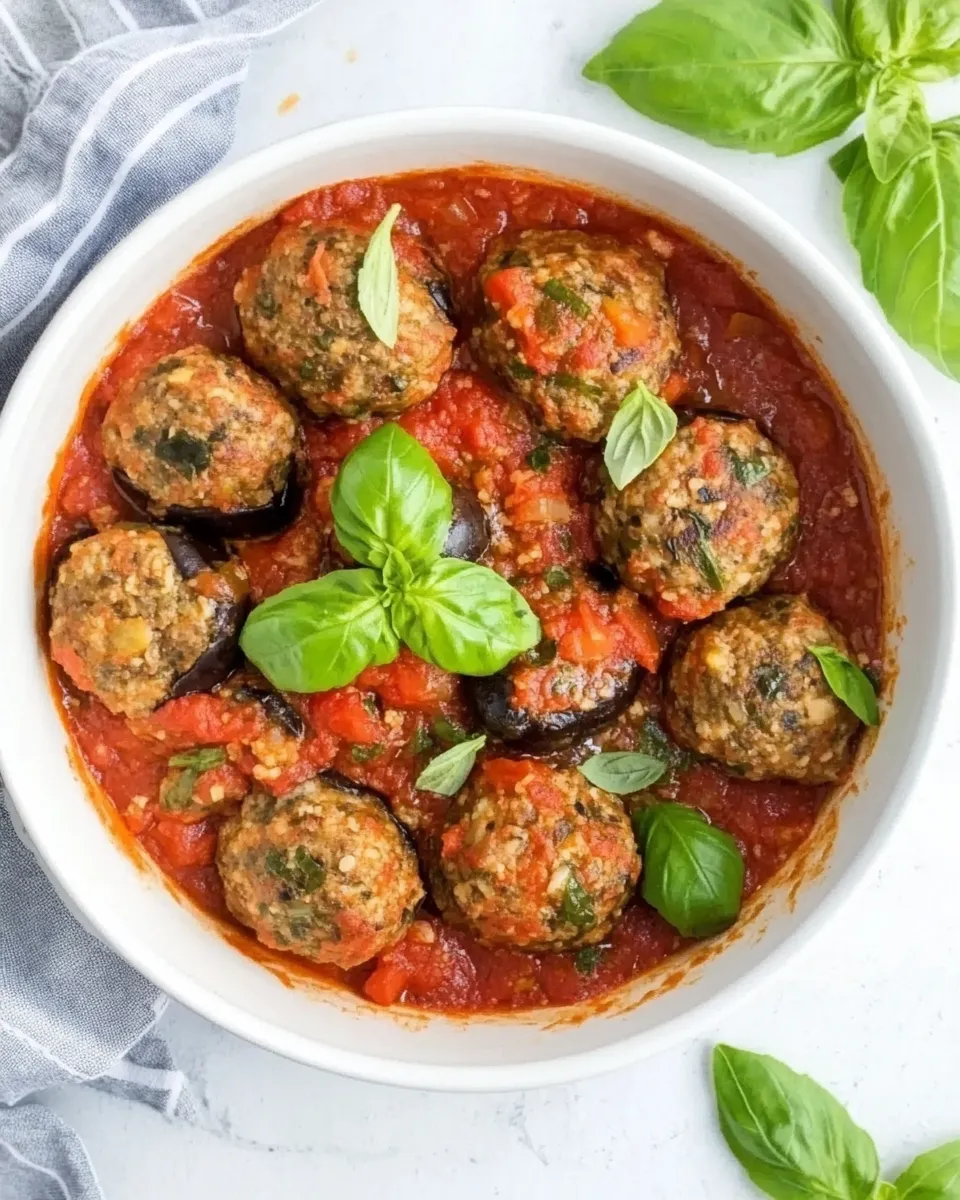
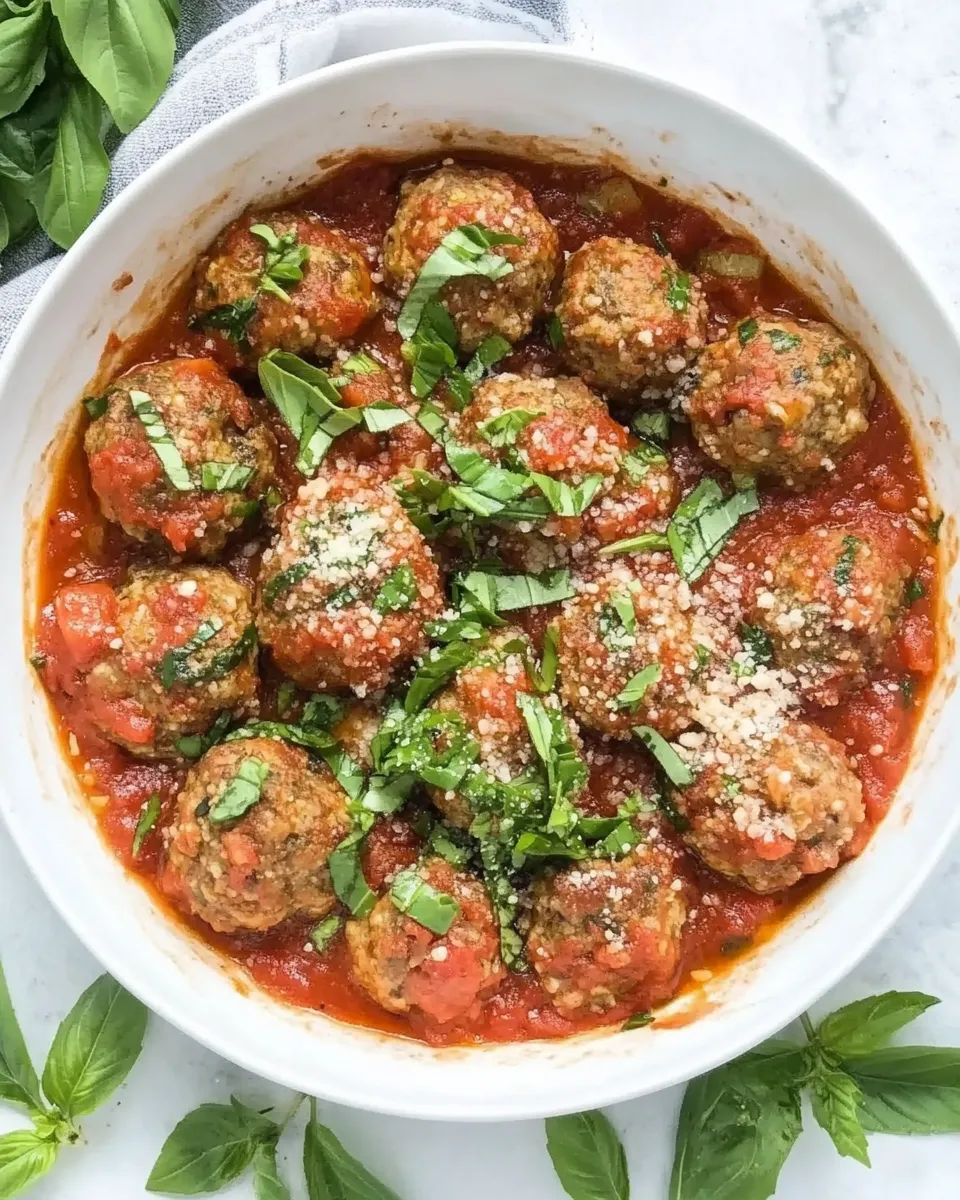
These aubergine meatballs are a small, confident way to enjoy big, comforting flavours without meat. Roasting concentrates the aubergine’s sweetness and softens its flesh so it binds well with breadcrumbs, Parmigiano and pine nuts. The result is tender, slightly nutty balls with a crisp breadcrumb shell when fried.
I use simple steps and a couple of sensible tricks so the mixture holds together, cooks evenly and tastes rounded — lemon zest for brightness, toasted pine nuts for texture and a good hit of Parmigiano for savory depth. They’re forgiving enough to make for a weeknight but nice enough for friends.
Below you’ll find a clear shopping list, the step-by-step method, storage tips, troubleshooting and easy swaps if you need dairy-free or gluten-free options. Read it through once, then get roasting; these come together more quickly than they look.
What to Buy
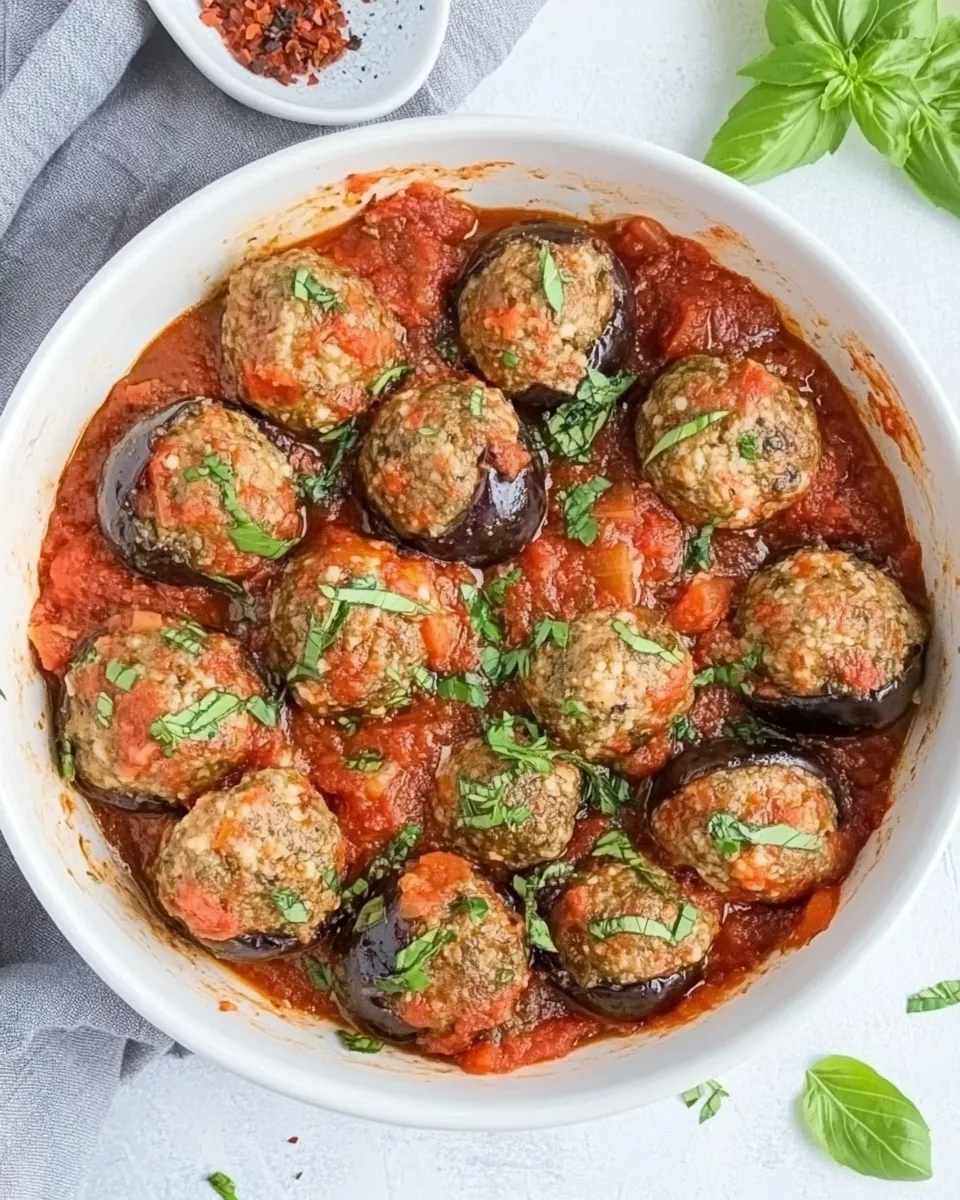
Buy the freshest aubergines you can find — firm skins, heavy for their size. Small to medium aubergines work well; they roast more evenly. For the crunchy contrast, get good-quality breadcrumbs (Panko gives extra crunch, Italian-style breadcrumbs give more uniform coating). Parmigiano Reggiano is listed for its specific umami; if you can, buy a wedge and grate it yourself for the best flavour and texture.
Toast the pine nuts yourself rather than buying pre-toasted ones. Freshly toasted nuts are markedly more aromatic. For frying, a neutral olive oil or light olive oil works. If you prefer to serve them with sauce, pick a simple marinara or Italian tomato sauce — not too sweet — so the meatballs sit comfortably in it without being overwhelmed.
Ingredients
- 2 large aubergines — the main body; roast to concentrate flavour and soften the flesh.
- 1 tablespoon extra-virgin olive oil — used to roast the aubergine and add a little richness.
- sea salt and black pepper — seasoning to taste; salt helps draw out flavour during roasting.
- 2 tablespoon pine nuts — toasted for crunch and a buttery note.
- zest of 1 lemon — lifts the mixture and keeps it bright.
- 100 g Parmigiano Reggiano, finely grated — umami, salt and binding help; finely grated melts into the mix.
- 200 g breadcrumbs, Panko or Italian breadcrumbs — binder and coating; reserve a little for rolling.
- 1 large free-range egg white — adds structure and helps the mixture bind without extra fat.
- 1 tablespoon fresh basil, chopped — herb lift; fold in at the end for freshness.
- 4 tablespoon olive oil — for frying to get a golden, crisp exterior.
- 400 g fresh tomato marinara sauce or Italian tomato sauce, to serve (optional) — optional but recommended for serving; warms and complements the aubergine.
Method: Aubergine Meatballs
- Preheat the oven to 180°C / 350°F and place a rack in the middle position. Line a baking sheet with parchment paper.
- Cut the 2 large aubergines into small 1–2 cm (about ½–¾ inch) cubes. Place them in a single layer on the prepared baking sheet. Drizzle with the 1 tablespoon extra-virgin olive oil, season with sea salt and black pepper, and toss briefly so the cubes are evenly coated.
- Roast the aubergine cubes for about 30 minutes, turning once halfway through, until they are very tender and starting to brown. Remove from the oven and let cool for 5 minutes.
- While the aubergines roast, lightly toast the 2 tablespoons pine nuts in a dry frying pan over medium heat, shaking the pan frequently, until they are golden and fragrant (about 2–3 minutes). Transfer to a plate to cool.
- Put the 200 g breadcrumbs into a small bowl and set aside a little of them in a separate bowl for coating the meatballs later.
- In a large bowl, mash the roasted aubergine with a fork or potato masher until mostly smooth but with some texture remaining. Add the toasted pine nuts, zest of 1 lemon, 100 g finely grated Parmigiano Reggiano, the remaining breadcrumbs, the 1 large free-range egg white, and 1 tablespoon chopped fresh basil. Season with sea salt and black pepper.
- Mix everything thoroughly with a spoon or your hands until well combined. If the mixture feels too wet to hold together, add a little more of the reserved breadcrumbs a tablespoon at a time until it reaches a dense, shapeable consistency.
- Using your hands, form the mixture into 10–12 meatballs (about 1-inch / 2.5 cm diameter each). Roll each ball in the reserved breadcrumbs to coat and press gently so the coating adheres.
- Pour the 4 tablespoons olive oil into a large frying pan and heat over medium heat until the oil shimmers. Fry the meatballs in batches so they are not crowded, turning gently every 2–3 minutes, until they are evenly golden-brown and crisp on all sides (about 6–8 minutes per batch).
- Transfer cooked meatballs to a plate lined with kitchen paper to absorb excess oil.
- Serve warm on their own or with 400 g fresh tomato marinara or Italian tomato sauce, if using.
- Store any leftovers in an airtight container in the refrigerator for up to 3 days.
Why Aubergine Meatballs is Worth Your Time
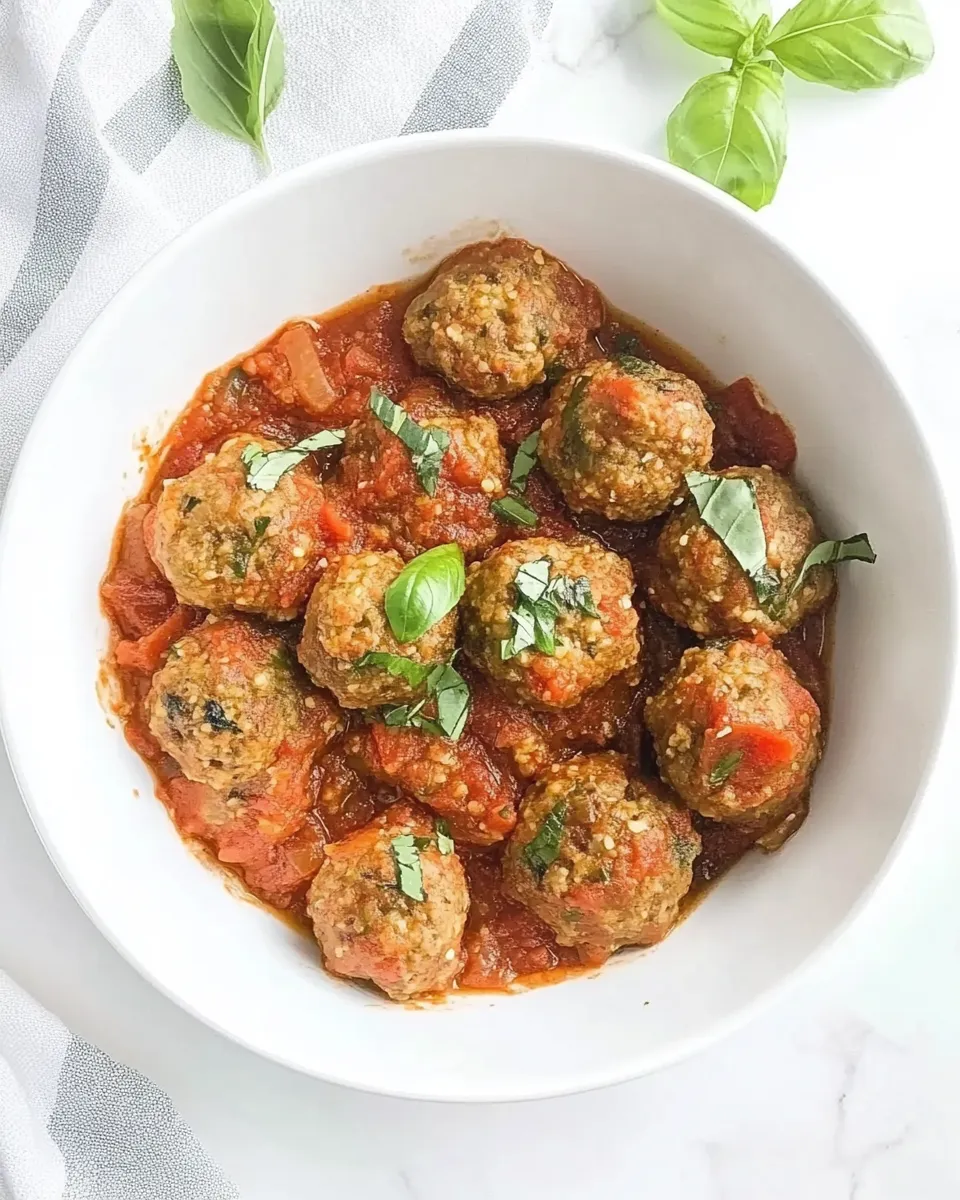
These meatballs deliver texture contrasts — soft, almost creamy aubergine inside and a crisp breadcrumb shell outside. They feel substantial without the heaviness of ground meat and show how simple roasting and toasting transform humble ingredients.
They’re practical. You can roast aubergines ahead, cool them and finish the mixture later. Because they hold up well, they work for casual plates, party platters, or a quick pasta topping. If you want an easy vegetarian centrepiece, these give you bulk, flavour and crowd-pleasing crunch with minimal hands-on fuss.
Dairy-Free/Gluten-Free Swaps
If you need to avoid dairy: replace the Parmigiano with a dairy-free grated alternative or a small handful of nutritional yeast for savory depth. Expect a milder result; compensate with a touch more lemon zest for lift.
For gluten-free: use certified gluten-free breadcrumbs or crushed gluten-free crackers in place of the 200 g breadcrumbs and for the coating. Panko-style gluten-free crumbs give the best crunch.
If you avoid egg: aquafaba (the liquid from a can of chickpeas) can act as a binder. Use it sparingly — two tablespoons of aquafaba mimic the binding quality of an egg white. Dryness or texture can vary; keep reserved breadcrumbs on hand to adjust consistency.
Cook’s Kit
- Baking sheet and parchment paper — for even roasting and easy cleanup.
- Large bowl and small bowl — mixing and holding breadcrumbs separately.
- Potato masher or fork — to break down the roasted aubergine quickly.
- Large frying pan — for shallow frying the meatballs in batches.
- Spatula or tongs — to turn meatballs gently so the coating stays intact.
- Kitchen paper and plate — to drain excess oil after frying.
Missteps & Fixes
Mixture too wet: you already have the fix in step 7 — add reserved breadcrumbs a tablespoon at a time. Work gradually; too many breadcrumbs dry the mix and make the centre crumbly. Let the roasted aubergines cool slightly before mashing to avoid excess moisture from steam.
Meatballs fall apart when frying: make sure the mixture is dense and shapeable before frying. Pressing the coating on and chilling the formed balls for 10–15 minutes helps them hold shape. Fry in a single layer without crowding the pan so they develop a crisp crust quickly.
Greasy finish: drain on kitchen paper right after frying. Use an oil with a medium-high smoke point and maintain medium heat so they brown rather than soak up oil. If oil smokes, reduce the heat slightly.
Season-by-Season Upgrades
Spring: add a spoonful of finely chopped mint and finish with lemon for brightness. Serve with a lightly dressed rocket salad.
Summer: fold through more fresh basil and serve the meatballs with a bright tomato and basil sauce or grilled corn on the cob for a relaxed meal.
Autumn/Winter: stir a pinch of smoked paprika into the breadcrumb coating or serve with a rich, slow-simmered tomato sauce and roasted root vegetables. Toasted walnuts can replace pine nuts for a heartier autumn feel.
Flavor Logic
Everything in the recipe has a purpose. Roasting aubergine concentrates flavour and removes excess moisture so the balls hold together. Pine nuts bring buttery texture; lemon zest cuts through the richness. Parmigiano supplies umami and salt, improving binding and mouthfeel. Breadcrumbs do double duty — a binder in the mix and a crisp exterior when fried. Frying seals the outside quickly so the insides stay tender rather than collapsing into a mash.
The result is layered: soft interior, nutty crunch, citrus lift and a savory backbone. That balance is why these work well alone or paired with a simple tomato sauce.
Save for Later: Storage Tips
Store cooked meatballs in an airtight container in the refrigerator for up to 3 days, as the method states. Reheat gently in a low oven (about 160°C / 325°F) until warmed through to help re-crisp the coating, or refresh in a skillet over medium heat with a splash of oil.
Freezing is possible: freeze in a single layer on a baking sheet, then transfer to a freezer bag once solid. Reheat from frozen in a 180°C / 350°F oven until heated through — add a few minutes if you want the coating extra-crisp. If you plan to freeze, thaw in the fridge overnight before reheating for best texture.
Your Top Questions
- Can I bake instead of frying? Yes. Arrange the coated balls on a baking sheet, spray or brush lightly with oil, and bake at 200°C / 400°F until golden, about 15–20 minutes, turning once. They’ll be less oily but slightly less crisp than frying.
- Are these vegan? Not as written because of Parmigiano and egg white. Use a dairy-free cheese alternative and aquafaba or another binder to make them vegan.
- Can I make the mixture ahead? Yes. Make the roasted aubergine and the mixture a day in advance, shape the balls just before frying, or shape and chill them so they hold together better when fried.
- How do I get a crunchier crust? Use Panko breadcrumbs for coating, press them on firmly, and fry in a well-heated pan without crowding so each ball gets a steady crisping surface.
Before You Go
If you try these, start by roasting the aubergines well — that’s where the flavour begins. Keep the reserved breadcrumbs close and adjust the mix by feel; a dense, slightly tacky mixture is ideal. Serve straight away with a bright tomato sauce or on their own as a snack with a squeeze of lemon.
If you make any tweaks — a dairy-free riff, a baked version, or a seasonal twist — I’d love to hear what worked for you. Leave a note, and pass this on to a friend who loves a tasty vegetarian swap for the usual meatballs.
Aubergine Meatballs
Ingredients
Ingredients
- 2 large aubergines
- 1 tablespoonextra-virgin olive oil
- sea salt and black pepper
- 2 tablespoonpine nuts
- zest of 1 lemon
- 100 gParmigiano Reggiano finely grated
- 200 gbreadcrumbs Panko or Italian breadcrumbs
- 1 large free-range egg whites
- 1 tablespoonfresh basil chopped
- 4 tablespoonolive oil
- 400 gfresh tomato marinara sauce orItalian tomato sauce to serve (optional)
Instructions
Instructions
- Preheat the oven to 180°C / 350°F and place a rack in the middle position. Line a baking sheet with parchment paper.
- Cut the 2 large aubergines into small 1–2 cm (about ½–¾ inch) cubes. Place them in a single layer on the prepared baking sheet. Drizzle with the 1 tablespoon extra-virgin olive oil, season with sea salt and black pepper, and toss briefly so the cubes are evenly coated.
- Roast the aubergine cubes for about 30 minutes, turning once halfway through, until they are very tender and starting to brown. Remove from the oven and let cool for 5 minutes.
- While the aubergines roast, lightly toast the 2 tablespoons pine nuts in a dry frying pan over medium heat, shaking the pan frequently, until they are golden and fragrant (about 2–3 minutes). Transfer to a plate to cool.
- Put the 200 g breadcrumbs into a small bowl and set aside a little of them in a separate bowl for coating the meatballs later.
- In a large bowl, mash the roasted aubergine with a fork or potato masher until mostly smooth but with some texture remaining. Add the toasted pine nuts, zest of 1 lemon, 100 g finely grated Parmigiano Reggiano, the remaining breadcrumbs, the 1 large free-range egg white, and 1 tablespoon chopped fresh basil. Season with sea salt and black pepper.
- Mix everything thoroughly with a spoon or your hands until well combined. If the mixture feels too wet to hold together, add a little more of the reserved breadcrumbs a tablespoon at a time until it reaches a dense, shapeable consistency.
- Using your hands, form the mixture into 10–12 meatballs (about 1-inch / 2.5 cm diameter each). Roll each ball in the reserved breadcrumbs to coat and press gently so the coating adheres.
- Pour the 4 tablespoons olive oil into a large frying pan and heat over medium heat until the oil shimmers. Fry the meatballs in batches so they are not crowded, turning gently every 2–3 minutes, until they are evenly golden-brown and crisp on all sides (about 6–8 minutes per batch).
- Transfer cooked meatballs to a plate lined with kitchen paper to absorb excess oil.
- Serve warm on their own or with 400 g fresh tomato marinara or Italian tomato sauce, if using.
- Store any leftovers in an airtight container in the refrigerator for up to 3 days.
Equipment
- Oven
- Baking Sheet
- Parchment Paper
- Frying pan
- Mixing Bowl
- Plate
- kitchen paper