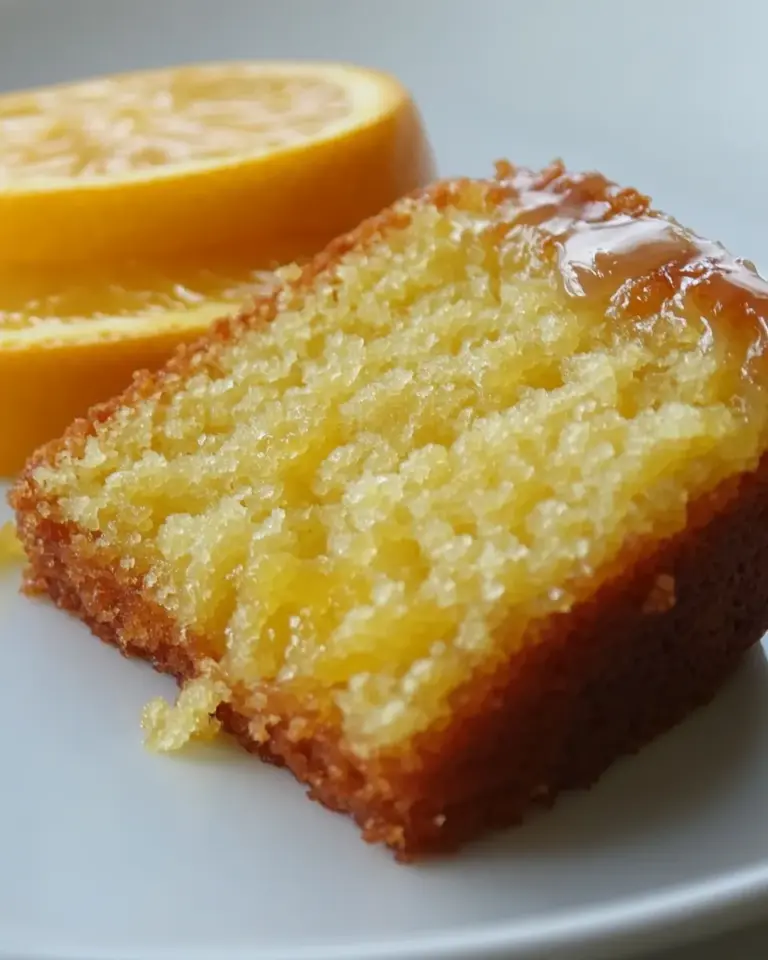
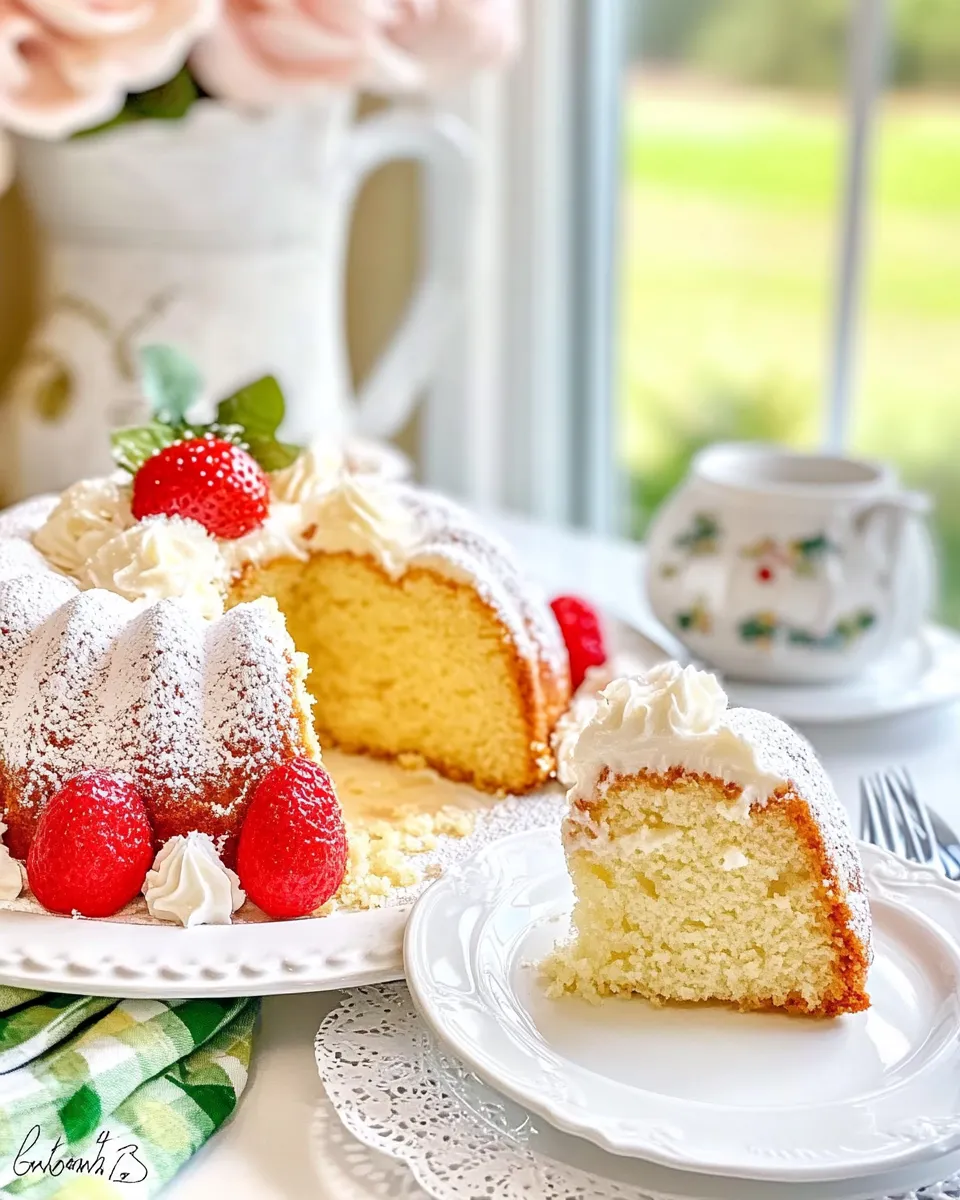
This is a classic, dense yet tender pound cake built on a simple, reliable formula: butter, sugar, eggs, flour, and sour cream. It’s the kind of cake that slices beautifully, travels well, and pairs with coffee or a light fruit compote. No fancy techniques, just attention to temperature, timing, and a gentle hand when combining the batter.
I lean on this recipe when I want something impressive without fuss. The sour cream keeps the crumb moist and fine; the low bake temperature gives the crust a gentle, even color. Follow the steps as written and you’ll get the texture and lift that make this cake feel special.
Below you’ll find everything you need: the exact ingredient list with quick notes, a clear step-by-step guide (no skipping), troubleshooting tips, swap ideas, and timing so you can make it tonight. Read once, then bake with confidence.
The Ingredient Lineup
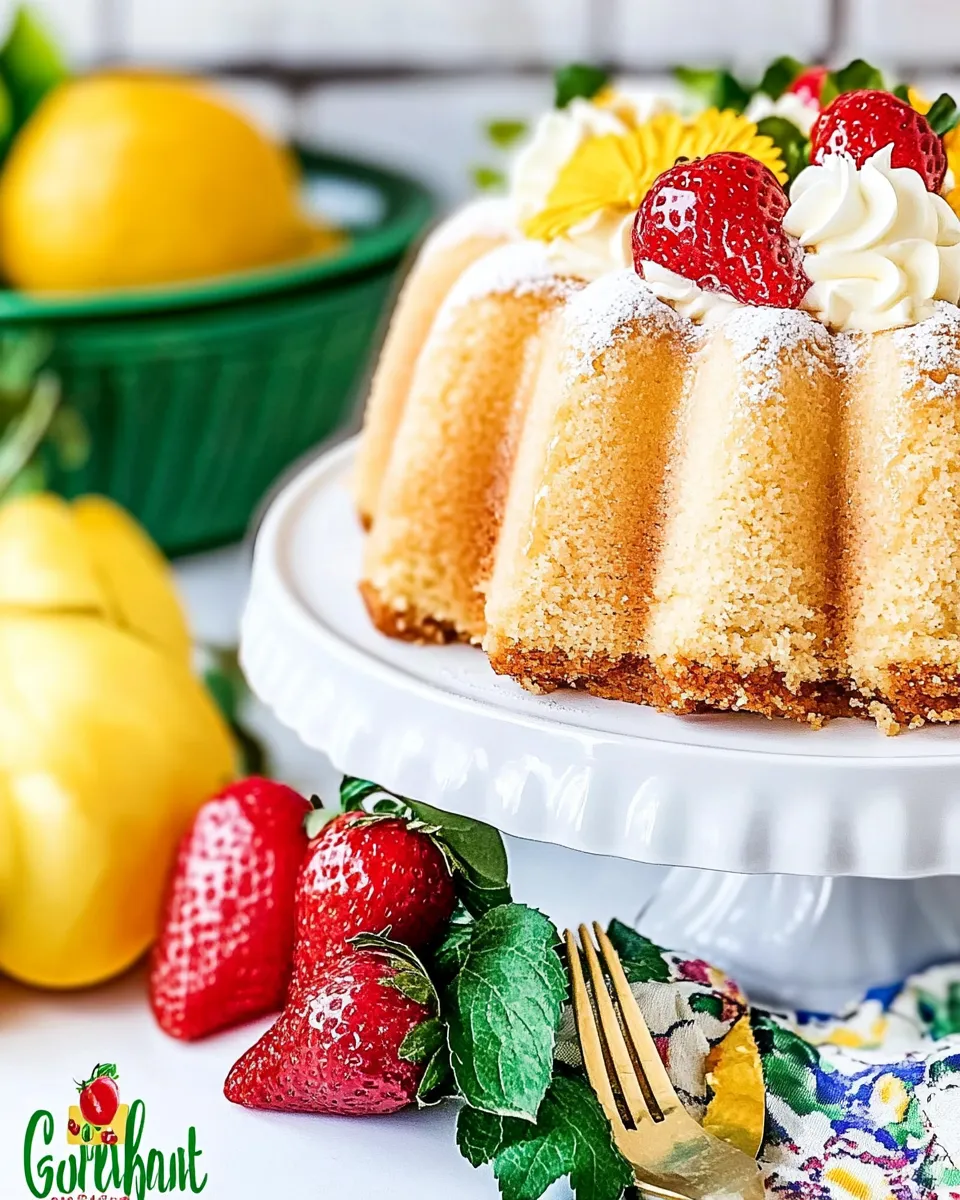
- 1 cup butter, softened (2 sticks) — Provides the cake’s structure and richness; softened butter creams best for aeration.
- 2⅔ cups sugar — Sweetens and helps create a tender crumb; cream thoroughly with butter for a light texture.
- 6 eggs — Add structure and lift; room temperature eggs incorporate more smoothly.
- ¼ tsp baking soda — Reacts with the sour cream to aid a subtle lift; measure precisely.
- 1 (8-oz) carton sour cream — Adds moisture, richness, and a fine crumb; stir the baking soda into it (step below).
- 3 cups all-purpose flour — The main dry structure; spoon and level your measuring cup rather than scooping.
- 1 tsp vanilla — Simple flavor lift; add at the end so the aroma stays bright.
Augusta National Sour Cream Pound Cake Cooking Guide
- Preheat oven to 300°F. Grease and flour a 12-cup Bundt pan.
- In the bowl of an electric mixer fitted with the paddle attachment, cream the softened butter and sugar together on medium-high speed until light and fluffy. Scrape down the bowl and paddle as needed.
- Add the eggs one at a time, mixing well after each addition and scraping the bowl as needed.
- In a separate bowl, stir the 1/4 teaspoon baking soda into the 8‑oz carton of sour cream until combined.
- With the mixer on low speed, add the flour and sour cream alternately to the butter mixture, beginning and ending with flour: add one-third of the flour, mix until just combined; add half the sour cream, mix until combined; add the second third of the flour; add the remaining sour cream; add the final third of the flour. Scrape the bowl and mix only until combined—do not overmix.
- Stir in the vanilla just until incorporated.
- Pour the batter into the prepared Bundt pan and smooth the top.
- Bake at 300°F for 1 hour. Increase the oven temperature to 325°F and continue baking for 15 minutes more, or until a toothpick inserted into the center comes out clean.
- Remove the pan from the oven and let the cake cool in the pan on a wire rack for 10 minutes. Invert the pan to release the cake and cool completely on the rack.
The Upside of Augusta National Sour Cream Pound Cake
This cake rewards patience. The low-and-slow start at 300°F produces an even crumb with minimal doming or cracking. The increase to 325°F for the final minutes helps the center finish and gives a gentle color without overbrowning the edges.
Sour cream is the secret to a moist, fine crumb that stays tender for days. Unlike lighter sponge cakes, this pound cake ages well — slice it a day or two later and it still tastes like it just came from the oven. It’s versatile, too. Serve it plain, dusted with powdered sugar, topped with berries, or alongside a dollop of whipped cream.
Dairy-Free/Gluten-Free Swaps
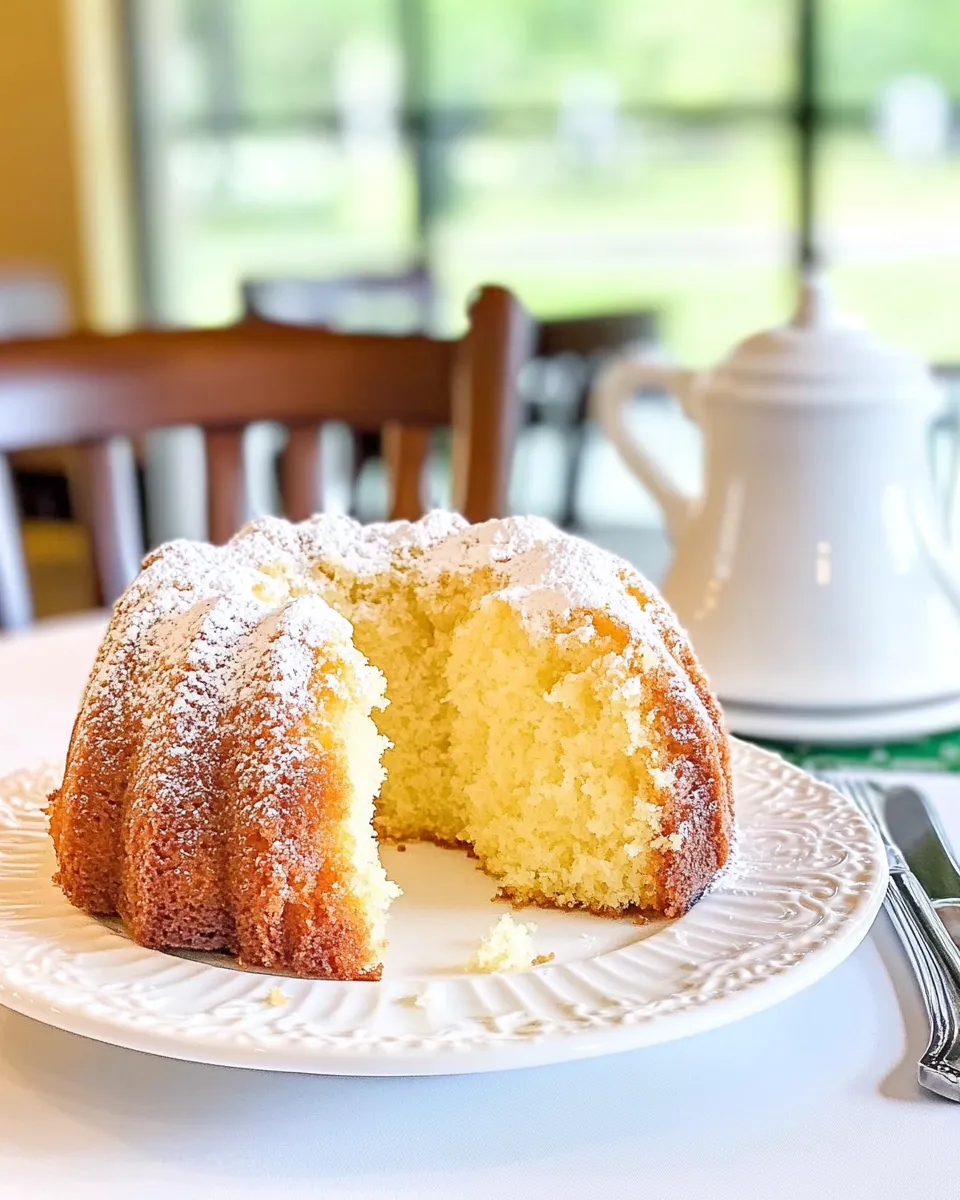
If you need to adapt this cake, a few swaps work, but they change texture and flavor.
Dairy-free note: replace the butter with a neutral, solid baking shortening designed for creaming (measure 1:1) and switch the sour cream to a thick dairy-free yogurt or cultured coconut cream. Expect a slightly different crumb and less rich butter flavor.
Gluten-free note: use a high-quality 1:1 gluten-free flour blend that contains xanthan or guar gum and weighs the same as 3 cups of all-purpose flour. You may notice a different feel in the crumb; the baking time can vary by a few minutes. Test with a toothpick.
Setup & Equipment
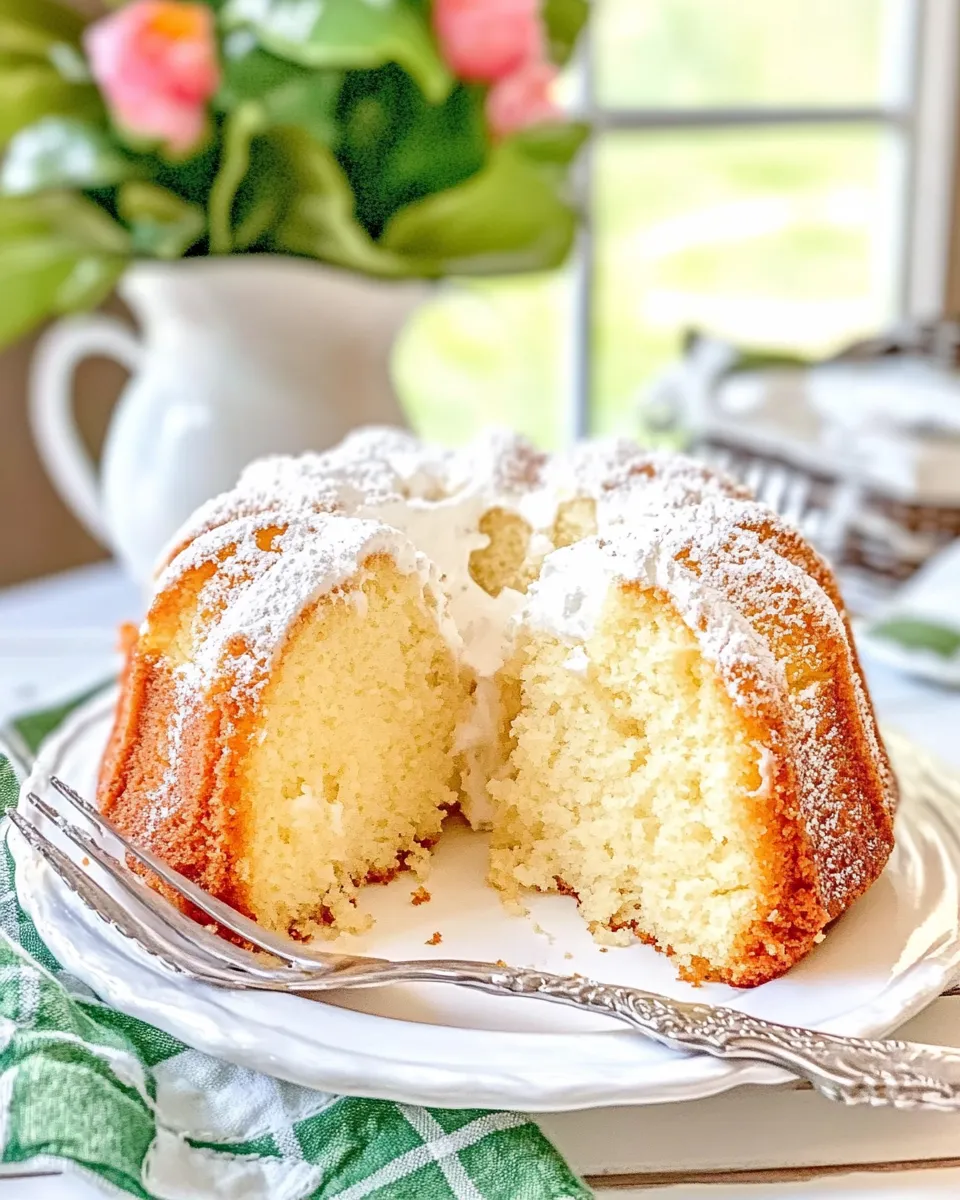
Gather these basics before you start so the bake flows without stops.
- Electric mixer with paddle attachment — Creams butter and sugar efficiently; you can use a stand mixer or a heavy-duty hand mixer.
- 12-cup Bundt pan — The recipe is scaled for this size; a different pan size will change bake time.
- Wire rack — For cooling and preventing soggy bottoms after inverting.
- Measuring cups and spoons — Accurate measuring makes a big difference; spoon and level flour.
- Rubber spatula — For scraping the bowl and smoothing batter in the pan.
- Toothpick or cake tester — To confirm doneness in the center.
Errors to Dodge
Follow the method and avoid these common mistakes:
- Using cold eggs or butter: Cold ingredients don’t incorporate smoothly. Let eggs and butter sit at room temperature until slightly soft (but not melted).
- Overmixing after adding flour: Mix only until combined. Overmixing develops gluten and leads to a tougher crumb.
- Skipping the alternating addition: Adding all the liquid or all the flour at once can break the emulsion and cause a denser cake.
- Not preparing the pan well: A thoroughly greased and floured Bundt pan ensures the cake releases cleanly. For stubborn pans, use baking spray with flour or brush with softened butter and dust with flour.
- Opening the oven often: Every door opening drops the oven temperature. Rely on the listed bake times and check only near the end.
Customize for Your Needs
This pound cake is a platform. Here are simple, reliable ways to alter flavor and presentation without upsetting the balance.
Flavor options
Swap half the vanilla for almond extract (start with 1/2 tsp almond + 1/2 tsp vanilla) for a marzipan note. Fold in 1 cup of finely chopped toasted nuts or 1 cup of lemon zest and a tablespoon of lemon juice for citrus brightness. If you add mix-ins, toss them in a tablespoon of flour first so they don’t sink.
Toppings and finishes
For a quick finish, sift powdered sugar over cooled slices. Make a thin glaze from powdered sugar and milk or lemon juice and drizzle over the top. Fresh berries and whipped cream are classic accompaniments.
Serving tips
Slice with a serrated knife using a gentle sawing motion. Serve at room temperature for the best texture and flavor. If you prefer warm cake, microwave single slices for 10–15 seconds.
Chef’s Rationale
Every choice in this recipe has a purpose. The initial low oven temperature promotes even heat penetration so the outside doesn’t finish long before the center. Increasing the temperature near the end helps finalize the crumb without drying the edges.
Creaming butter and sugar at medium-high speed incorporates air, which contributes to lift. Adding eggs one at a time and scraping the bowl ensures a stable emulsion. The baking soda is first dissolved into the sour cream so it reacts evenly throughout the batter; that interaction with the acidity in sour cream helps a gentle rise.
The alternating additions of flour and sour cream give the batter time to incorporate without becoming overworked. Finish with vanilla to keep its aroma bright; adding it too early during heavy mixing will dissipate some of that delicate scent.
Save It for Later
Storage is easy. Keep slices in an airtight container at room temperature for up to 3 days. Refrigeration will extend life to about 5 days but can dry the cake slightly; bring slices to room temperature before serving.
Freezing works well. Wrap the completely cooled cake or individual slices tightly in plastic wrap and then foil, or use freezer bags. Freeze up to 3 months. Thaw overnight in the refrigerator or at room temperature for a few hours. Warm slices briefly in the microwave to refresh the texture.
Helpful Q&A
Q: Can I use a different pan? A: A 12-cup Bundt is specified for shape and volume. If you use a loaf pan, the bake time and texture will change. You can split the batter between two loaf pans, but watch bake time closely and test with a toothpick.
Q: Why does the recipe call for increasing the oven temperature? A: The stepwise approach finishes the center without overbrowning the outer crust. It’s a controlled way to avoid underbaked middles or cracking surfaces.
Q: My cake is dense. What went wrong? A: Possible causes: overmixing after flour addition, not creaming butter/sugar enough, cold eggs or butter, or incorrect flour measurement. Use the spoon-and-level method for flour and stop mixing as soon as the batter is combined.
Q: Can I make this ahead? A: Yes. You can bake a day ahead, wrap tightly, and keep at room temperature. For longer storage, freeze as noted above.
Make It Tonight
Timing at a glance: active prep about 20–30 minutes, bake time 1 hour 15 minutes, 10 minutes in-pan cooling, then cool completely (about 1 hour). Start in the early evening if you want to serve cooled cake the same night — begin roughly 3 hours before you plan to eat. If you don’t need it cooled thoroughly, you can serve slices after 30–45 minutes of cooling for a warm, more rustic presentation.
Here’s a simple plan: get ingredients and pan ready, preheat your oven, cream butter and sugar, add eggs, prepare the sour cream/baking soda mixture, alternate flour and sour cream, fold in vanilla, and bake. If the rhythm feels comfortable, the rest is patience and the reward is a reliably tender, flavorful pound cake.

Augusta National Sour Cream Pound Cake
Ingredients
Ingredients
- 1 cupbutter ,softened (2 sticks)
- 2 2/3 cupssugar
- 6 eggs
- 1/4 tspbaking soda
- 1 8-ozcarton sour cream
- 3 cupsall-purpose flour
- 1 tspvanilla
Instructions
Instructions
- Preheat oven to 300°F. Grease and flour a 12-cup Bundt pan.
- In the bowl of an electric mixer fitted with the paddle attachment, cream the softened butter and sugar together on medium-high speed until light and fluffy. Scrape down the bowl and paddle as needed.
- Add the eggs one at a time, mixing well after each addition and scraping the bowl as needed.
- In a separate bowl, stir the 1/4 teaspoon baking soda into the 8‑oz carton of sour cream until combined.
- With the mixer on low speed, add the flour and sour cream alternately to the butter mixture, beginning and ending with flour: add one-third of the flour, mix until just combined; add half the sour cream, mix until combined; add the second third of the flour; add the remaining sour cream; add the final third of the flour. Scrape the bowl and mix only until combined—do not overmix.
- Stir in the vanilla just until incorporated.
- Pour the batter into the prepared Bundt pan and smooth the top.
- Bake at 300°F for 1 hour. Increase the oven temperature to 325°F and continue baking for 15 minutes more, or until a toothpick inserted into the center comes out clean.
- Remove the pan from the oven and let the cake cool in the pan on a wire rack for 10 minutes. Invert the pan to release the cake and cool completely on the rack.
Equipment
- Kitchen-Aid Mixer
- Hand Mixer
- Bundt cake pan
Notes
I use Bakers Joy or Pam Baking Spray to grease and flour the bundt pan. Either works great. You can also use Crisco or butter and dust the pan with flour.
If the cake is starting to get too brown, cover it with foil until it is done.
Can pound cake be made in advance? Yes! You can make the cake ahead of time and store it in an airtight container for 3 to 4 days. The cake will keep in the refrigerator for up to a week.
Can pound cake be frozen? Yes! You can freeze the baked cake. Wrap the cooled cake in plastic wrap and aluminum foil. The cake will keep for up to 6 months in the freezer.