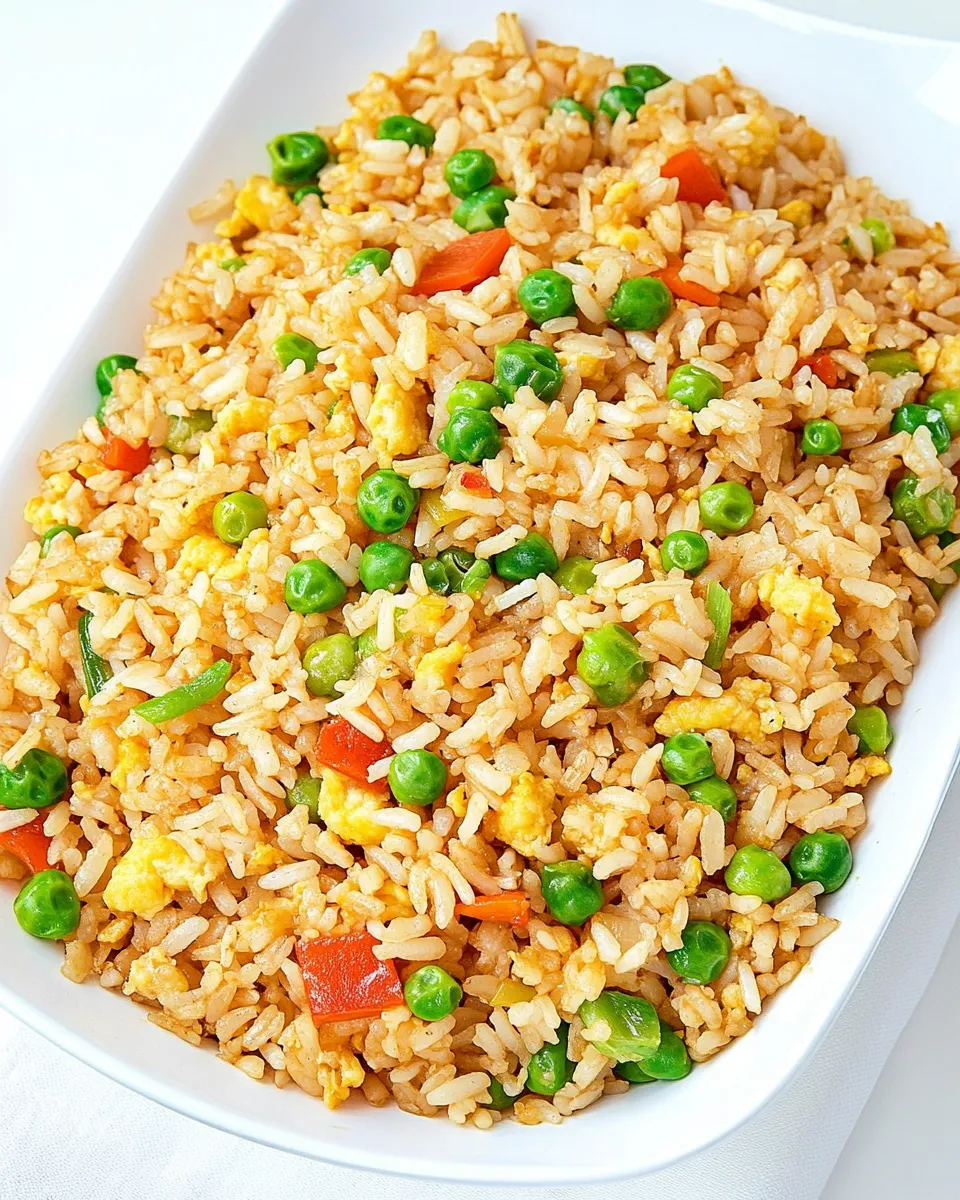
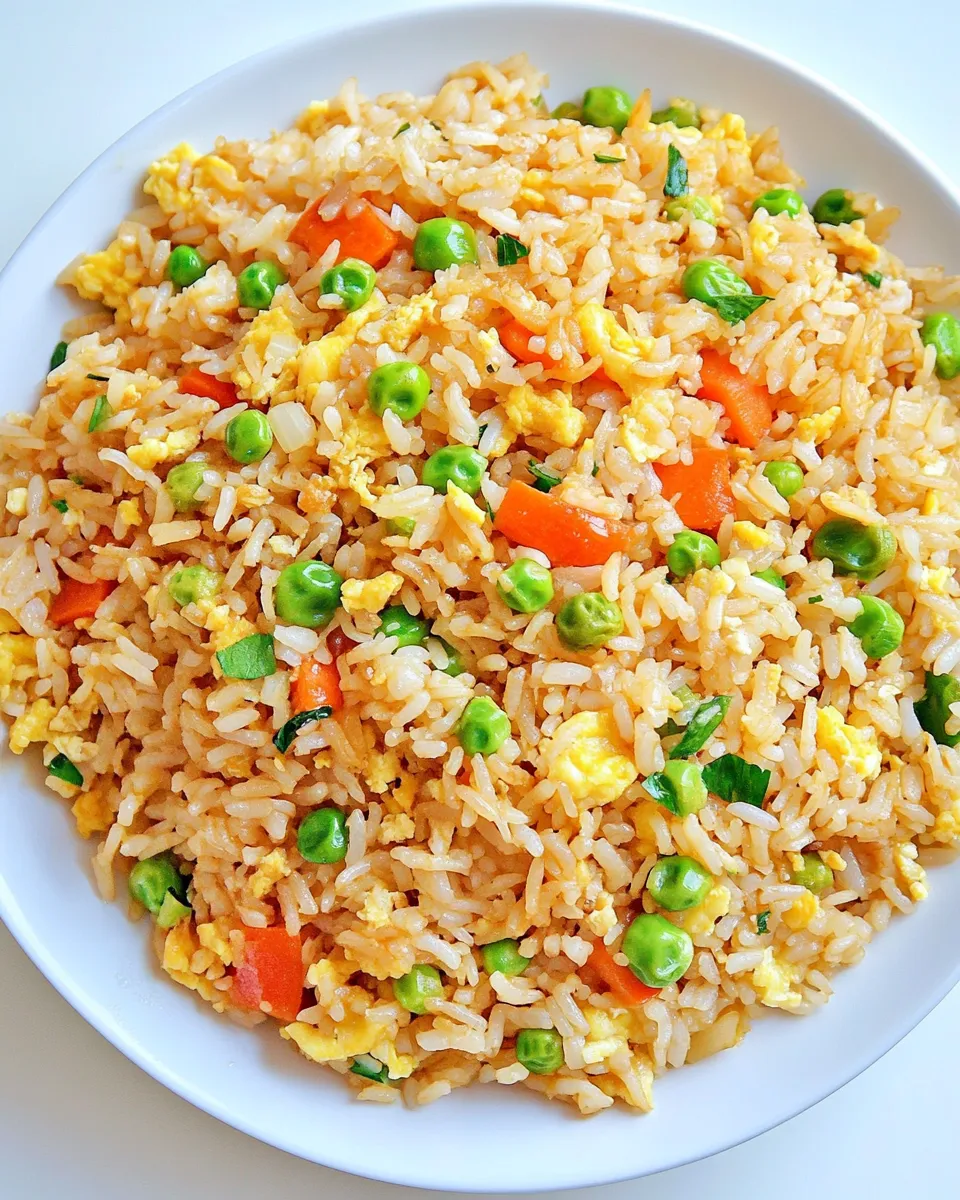
I fell in love with Panda Express fried rice years ago — not for its flash, but for its comforting balance: soft, separated grains, little pops of sweet peas and carrots, whisper of sesame oil, and those soft ribbons of scrambled egg woven through. Recreating that at home felt intimidating at first. Fried rice is deceptively simple; a single misstep and it becomes mushy or greasy. But once you learn the small, deliberate moves, you can get consistently great results.
This version follows a clear, restaurant-style approach that relies on cold, dry rice and high heat. I’ll walk you through each stage — from rinsing the rice to chilling it properly — and point out the small details I use to get the texture and flavor close to what you love from the restaurant. No gimmicks, no mysterious additives — just technique and timing.
Read everything once, then cook. I want you to leave the kitchen with fragrant, springy fried rice that reheats beautifully and pairs with almost any main. Let’s get into it.
What’s in the Bowl
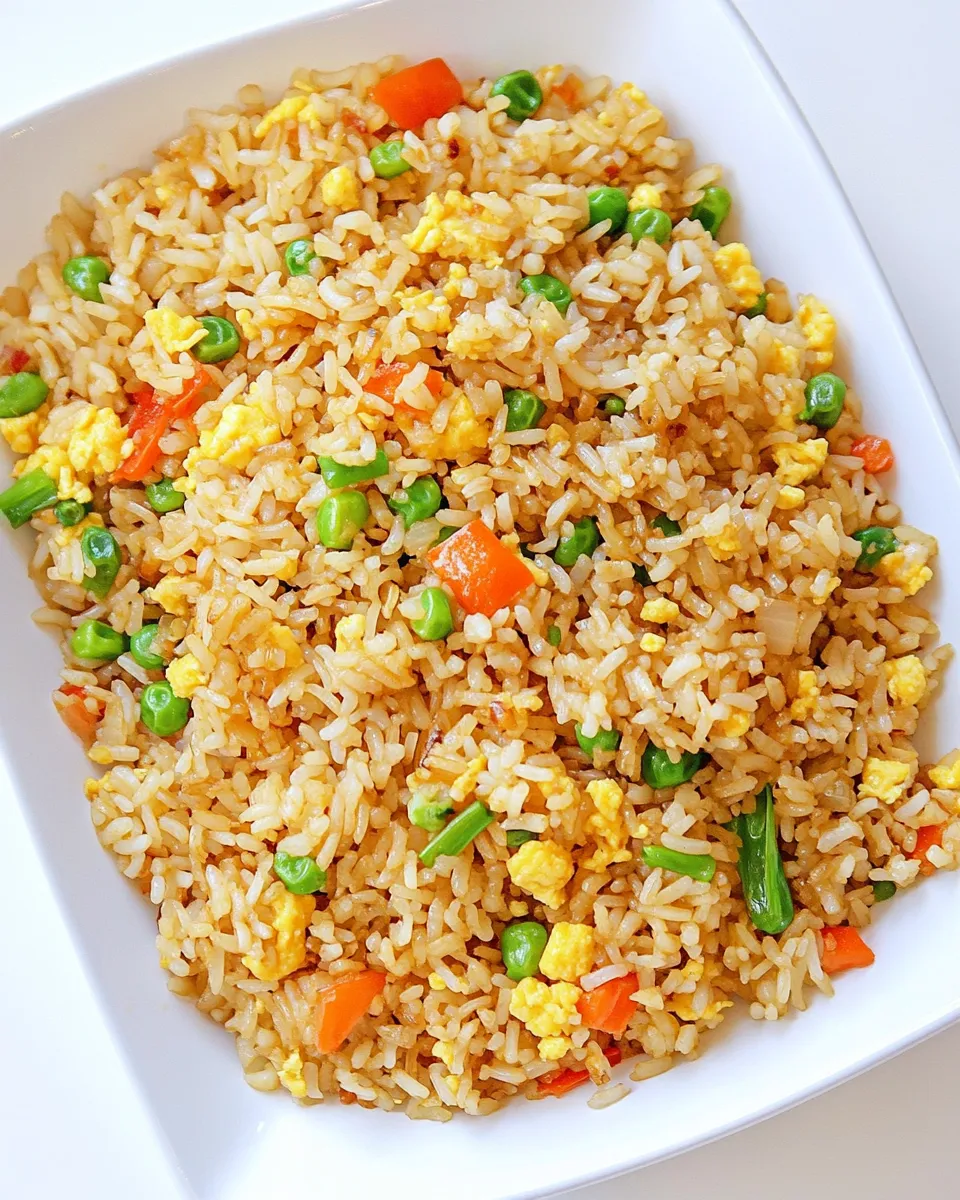
- 2 cups long-grain rice — the base; long-grain stays separate when cooked and chilled.
- 2 cups water — used with the broth to cook the rice for consistent moisture.
- 2 cups vegetable broth — adds savory depth during rice cooking (do not skip or thin it without tasting).
- 1/2 teaspoon salt — seasons the rice as it cooks so the grains are not bland.
- 2 teaspoons vegetable oil — neutral oil for high-heat frying and preventing sticking.
- 2 large eggs (whisked) — scrambled into ribbons for texture and richness.
- 1/3 cup frozen peas and carrots — quick, classic vegetable mix; use frozen for consistent timing.
- 2 tablespoons scallions (thinly sliced) — fresh brightness and mild onion flavor folded in at the end.
- 1/2 teaspoon sesame oil — finishing flavor; use sparingly for the authentic nutty note.
Authentic Panda Express Fried Rice at Home: From Prep to Plate
- Rinse the 2 cups long-grain rice in a colander under cold running water until the water runs clear. Place the rinsed rice in a medium pot with 2 cups water, 2 cups vegetable broth, and 1/2 teaspoon salt.
- Bring the pot to a boil over high heat.
- When it reaches a boil, reduce the heat to low, cover with a lid, and simmer undisturbed for about 20 minutes.
- Remove the pot from the heat and keep the lid on; let the rice sit for about 10 minutes.
- Transfer the rice to a shallow dish or spread it on a baking sheet and place it in the refrigerator. Chill until completely cool, about 1 to 2 hours. (Cooled rice fries better.)
- Heat a wok or large skillet over high heat until very hot.
- Add 2 teaspoons vegetable oil and swirl to coat the pan. Pour in the 2 large eggs (whisked) and scramble them quickly until mostly set. Remove the scrambled eggs to a plate.
- Add the cooled rice, 1/3 cup frozen peas and carrots, and 2 tablespoons thinly sliced scallions to the hot pan. Stir continuously to break up any clumps and to distribute the vegetables, about 2 minutes.
- Return the scrambled eggs to the pan and add 1/2 teaspoon sesame oil. Stir and continue to cook until the rice is heated through, about 1–2 more minutes.
- Remove from heat and serve warm.
What Sets This Recipe Apart
There are two small choices that make the biggest difference here: using a broth-to-water mixture to cook the rice, and chilling the rice until completely cool before frying. The broth layers savory flavor into every grain, so you don’t have to rely on heavy sauces at the end. Chilling the rice firms the grains and dries the surface slightly, which prevents steaming during the stir-fry and produces those separate, slightly toasted grains you expect.
The technique keeps the vegetables and eggs simple and understated. The peas and carrots add color and subtle sweetness, while the eggs add silk and protein without overpowering the dish. Sesame oil is used only as a finishing touch — a little goes a long way.
Smart Substitutions
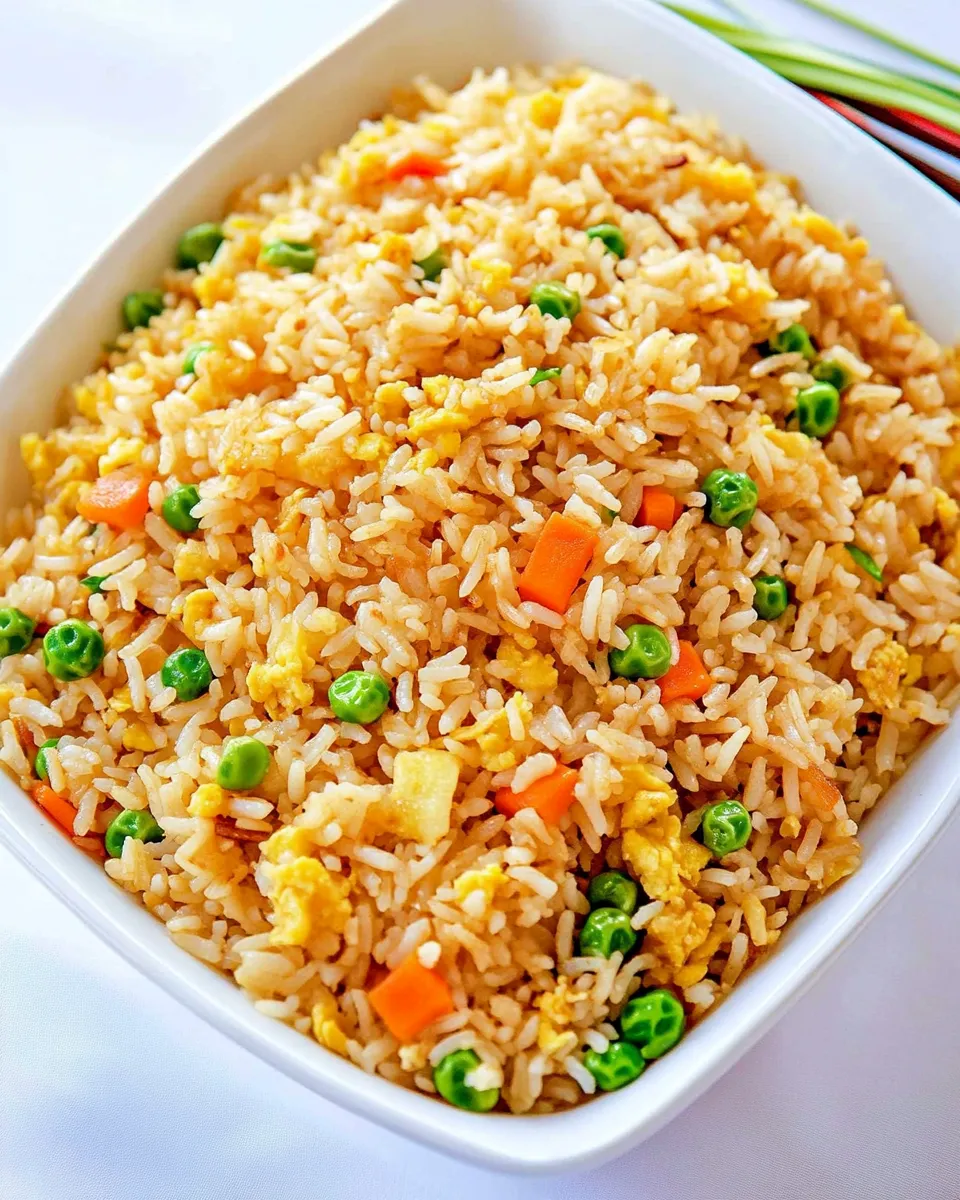
If you need to adapt pantry items or preferences, these swaps keep the outcome close to the original intent:
- Vegetable broth — swap for chicken broth if you want a slightly richer, savory base.
- Peas and carrots — use fresh peas and diced carrots if you prefer; blanch the carrots briefly so they cook through during the stir.
- Semi-vegetarian option — add diced cooked chicken or shrimp in step 8, but make sure it’s pre-cooked and warmed so you don’t overdo the frying time.
- Sesame oil — if you don’t have toasted sesame oil, use a tiny pat of butter for richness and skip the nutty finish.
Appliances & Accessories
You don’t need fancy gear. These items will make the process smoother and the result more consistent:
- Wok or large skillet — a roomy, high-heat surface prevents crowding and gives even browning.
- Fine-mesh colander — for rinsing rice until the water runs clear.
- Medium pot with a tight-fitting lid — for even rice cooking and steam retention during the rest step.
- Baking sheet or shallow dish — spreads rice to cool quickly, preventing clumping when chilled.
- Spatula or wok chuan — to stir and break up clumps quickly without mashing the rice.
Watch Outs & How to Fix
Rice is gummy or mushy
Cause: Rice was overcooked or not rinsed well, or you tried to fry hot, freshly cooked rice. Fix: Next time rinse until water runs clear and follow the cook-and-rest times exactly. If you already have gummy rice, spread it on a baking sheet and chill to firm it up, then fry on very high heat for short bursts to evaporate moisture.
Pan stew instead of fried rice
Cause: Pan temperature too low and crowding the pan. Fix: Work with a hot wok or skillet and fry in a single layer as much as possible. If you have more rice than fits, fry in two batches.
Rice sticks to the pan
Cause: Not enough oil or pan not hot enough. Fix: Heat the pan until very hot before adding oil; swirl to coat. Use a thin metal spatula to loosen stuck grains. For stubborn bits, add a teaspoon of water and scrape quickly to lift them.
Eggs overcooked or rubbery
Cause: Eggs left in the pan too long. Fix: Scramble quickly over high heat until just set and remove immediately — they’ll finish cooking with the rice when you return them.
Smart Substitutions
Here’s another set of pragmatic swaps when you’re short on time or ingredients, but still want great results:
- If you forgot to chill rice — spread hot rice thin on a baking sheet and place it in the freezer for 15–20 minutes, stirring once. It won’t be ideal, but it helps.
- Use leftover day-old rice from the fridge — it’s actually ideal and you can skip the cooking steps; just break clumps before frying.
- No scallions? Use a small amount of finely minced shallot or the white part of a small onion, lightly sautéed first to mellow its bite.
- Want more color and texture? Toss in a handful of chopped bell pepper or thinly sliced cabbage toward the end, but don’t add watery vegetables early or they’ll create steam.
Cook’s Commentary
I always keep two rules top of mind: high heat and minimal fuss. The high heat gives the rice a slight toasty edge, while quick, decisive stirring prevents breakage. When I teach this to friends, they often worry about timing. Don’t. The recipe’s steps give breathing room—scramble the eggs quickly, remove them, and return at the end. That separation keeps the eggs from turning gummy and ensures they distribute evenly.
Also, be deliberate about chilling. It’s the most frustrating step for people short on time, but it’s non-negotiable for texture. The chilled rice fries more like the restaurant version. Think of it as investing time up front for a better final result.
Storing Tips & Timelines
Cool leftovers quickly and refrigerate within two hours. Store in an airtight container:
- Refrigerator: 3–4 days. Reheat in a hot skillet with a splash of oil or water, stirring until just hot. High heat prevents sogginess.
- Freezer: up to 1 month. Freeze in a flat, labeled bag. Thaw in the refrigerator overnight before reheating, or reheat frozen directly in a skillet covered briefly to thaw through, then uncover to crisp.
Note: Don’t reheat more than once. Repeated reheating affects flavor, texture, and food safety.
Ask & Learn
If you’re troubleshooting at home, here are common questions and quick answers:
- Q: Can I use short-grain rice? A: It will be stickier. Long-grain is best for separate grains.
- Q: What oil is best? A: Use a neutral, high-smoke-point oil for frying (vegetable, canola). Save sesame oil for finishing.
- Q: Can I add soy sauce? A: You can, but go light. The broth used in cooking already seasons the rice; too much soy will make it salty and darken the rice.
- Q: Can I double the recipe? A: Yes, but fry in batches to avoid crowding the pan.
Time to Try It
This recipe rewards planning more than technique. If you set aside the chilling time, the actual hands-on work is short — about 10 minutes in the final stir-fry. Follow the steps, keep the pan hot, and treat ingredients gently. You’ll finish with rice that’s bright, slightly toasted, and satisfying in every bite.
Make a batch, serve it with a simple protein or a few steamed vegetables, and taste for yourself. If you want, come back and tell me how it went — I love hearing small adjustments that worked in different kitchens. Enjoy your fried rice.
Authentic Panda Express Fried Rice at Home
Ingredients
Ingredients
- 2 cupslong grain rice
- 2 cupswater
- 2 cupsvegetable broth
- 1/2 teaspoonsalt
- 2 teaspoonsvegetable oil
- 2 large eggswhisked
- 1/3 cupfrozen peas and carrots
- 2 tablespoonsscallionsthinly sliced
- 1/2 teaspoonsesame oil
Instructions
Instructions
- Rinse the 2 cups long-grain rice in a colander under cold running water until the water runs clear. Place the rinsed rice in a medium pot with 2 cups water, 2 cups vegetable broth, and 1/2 teaspoon salt.
- Bring the pot to a boil over high heat.
- When it reaches a boil, reduce the heat to low, cover with a lid, and simmer undisturbed for about 20 minutes.
- Remove the pot from the heat and keep the lid on; let the rice sit for about 10 minutes.
- Transfer the rice to a shallow dish or spread it on a baking sheet and place it in the refrigerator. Chill until completely cool, about 1 to 2 hours. (Cooled rice fries better.)
- Heat a wok or large skillet over high heat until very hot.
- Add 2 teaspoons vegetable oil and swirl to coat the pan. Pour in the 2 large eggs (whisked) and scramble them quickly until mostly set. Remove the scrambled eggs to a plate.
- Add the cooled rice, 1/3 cup frozen peas and carrots, and 2 tablespoons thinly sliced scallions to the hot pan. Stir continuously to break up any clumps and to distribute the vegetables, about 2 minutes.
- Return the scrambled eggs to the pan and add 1/2 teaspoon sesame oil. Stir and continue to cook until the rice is heated through, about 1–2 more minutes.
- Remove from heat and serve warm.
Equipment
- Colander
- Medium Pot
- Wok or large skillet
- Plate
- shallow dish or baking sheet
Notes
🔥 Wok Temperature: Your pan should be hot enough that a drop of water evaporates in 1-2 seconds – this ensures proper frying instead of steaming.
🥄 Seasoning Strategy: Add sesame oil at the very end of cooking to preserve its aromatic properties and prevent it from burning.