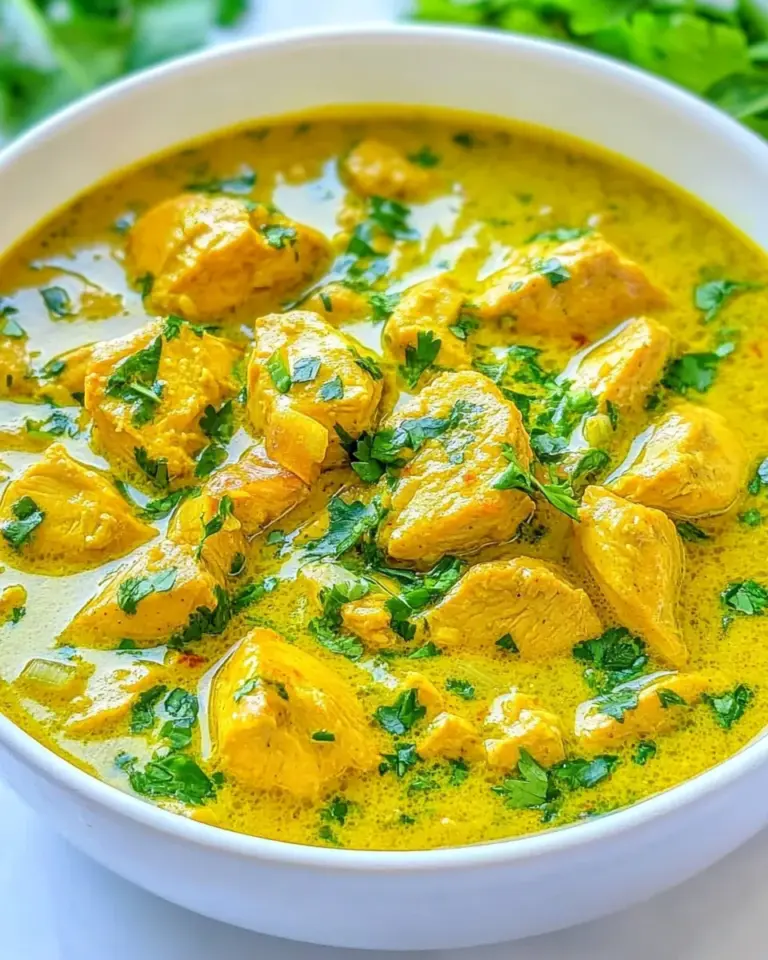
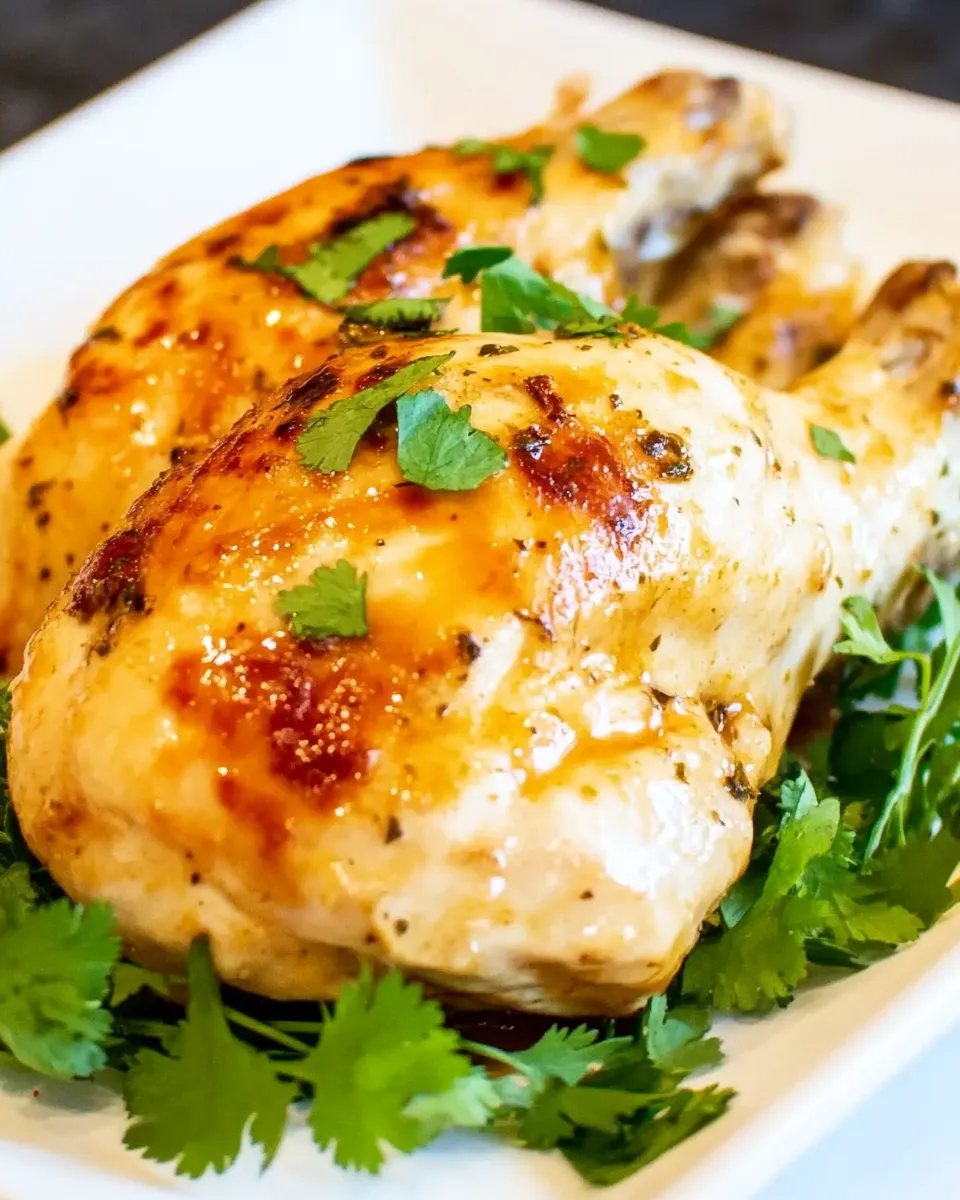
I love a roast chicken that feels effortless but tastes like you fussed. This Baked Cilantro Lime Chicken is built on that idea: a straightforward roast with confident timing and a few bright finishing touches. It’s the kind of dish that makes weeknights feel special and Sundays feel like a proper family dinner.
There are no complicated steps here — just sensible prep, a hot oven, and a reliable resting period. I’ll walk you through the exact roasting schedule, how to check doneness safely, and small adjustments that keep the breast juicy and the thigh tender.
Even though the ingredient list is short, the result is layered. Sharp citrus, fresh herbs, and simple browning transform a whole chicken. Below you’ll find the full ingredient callout, the exact step-by-step method, gear suggestions, common slip-ups to avoid, and practical storage and reheating notes.
What We’re Using

We’re working with a single whole bird and a hot oven. That’s the backbone. From there, small choices—trussing the legs, using a rack, a thermometer—make a big difference in even cooking and a clean finish. I’ll flag where those choices change the result so you can adapt based on time and tools.
Ingredients
- 1 whole chicken, about 5 pounds — the centerpiece. Choose a bird around this size for the timing to be accurate; fresher birds give better texture and flavor.
Baked Cilantro Lime Chicken: How It’s Done
- Remove any giblets from inside the chicken and discard. Wash your hands and any surfaces that touched the raw chicken.
- Pat the chicken dry inside and out with paper towels. Do not rinse under running water.
- Tie the legs together with kitchen string (truss) if desired so the chicken cooks more evenly.
- Place the chicken breast-side up on a rack in a roasting pan (or directly in the pan). If you prefer easier cleanup, you can line the pan or loosely cover it with foil.
- Let the chicken sit at room temperature 20–30 minutes while you preheat the oven. Preheat the oven to 450°F (230°C).
- Roast the chicken for 15 minutes per pound. For a 5‑pound chicken this is about 75 minutes.
- Check doneness with an instant-read meat thermometer inserted into the thickest part of the thigh without touching bone; the internal temperature should read 165°F (74°C). If it hasn’t reached 165°F, continue roasting and recheck every 5–10 minutes.
- Remove the chicken from the oven and let it rest 10 minutes before carving and serving.
Why This Baked Cilantro Lime Chicken Stands Out

This roast hits three practical marks: speed, straightforward technique, and reliable timing. A 450°F start gives the skin a quick burst of color and helps render fat. The 15 minutes per pound rule is forgiving and simple to remember. Combined with a mandatory rest, you avoid dry breast meat and undercooked thighs.
The name promises bright, herb-forward notes. Those come from finishing touches rather than complicated marinades, so the core roasting method stays intact. That approach keeps the bird adaptable — you can layer on herbs and citrus at the end, or serve them alongside as a bright counterpoint without changing the cooking process.
Finally, this method scales. A slightly larger or smaller bird only changes total roast time; the thermometer guides the final decision. That makes it dependable for a family meal or feeding guests without hovering by the oven.
International Equivalents

Roast chicken is universal. Many cultures have similar whole-bird techniques that differ in aromatics and heat profile. For example, a high-heat roast with a short, hot start is close to some Mediterranean approaches that favor crisp skin and juicy interiors. Slow-roasting methods—common in parts of Asia and Europe—swap the initial blast of heat for lower, longer cooking and yield very tender meat but different skin texture.
If you like the flavor profile suggested by the name, you might recognize parallels in Latin American preparations where citrus and fresh herbs finish roasts. Think of it as a cross-cultural canvas: the cooking framework stays the same; the final seasoning shifts the experience.
Gear Checklist
Essentials
- Roasting pan — wide enough to hold the chicken comfortably.
- Oven thermometer — to confirm your oven is actually at 450°F (230°C).
- Instant-read meat thermometer — non-negotiable for safe, perfect doneness.
- Kitchen twine — for trussing, optional but helpful for even cooking.
Nice to Have
- Rack for the roasting pan — lifts the chicken for even air circulation.
- Sharp carving knife and fork — for clean slices after resting.
- Disposable foil or parchment — for easier clean-up when lining the pan.
Mistakes Even Pros Make
1) Not using an instant-read thermometer. Guessing by time or appearance risks dry meat or undercooking. Insert into the thigh, avoiding bone.
2) Skipping the rest. Cutting too soon lets juicy liquids run out and the meat cools unevenly. Ten minutes is the sweet spot for this size bird.
3) Rinsing the chicken. It spreads bacteria and adds no benefit. Patting dry removes surface moisture to encourage browning.
4) Not letting the bird come to room temperature briefly. Cold poultry straight from the fridge can increase cooking time and make timing less predictable. Twenty to thirty minutes is enough.
Holiday & Seasonal Touches
For holidays, roasted chicken can be the centerpiece when you want something less fussy than turkey. Add seasonal sides—roasted root vegetables in autumn, citrus-scented grains in winter, or a bright salad in spring—to round the plate.
If you want to lean into the “cilantro lime” idea, serve the chicken with lime wedges and a chopped herb salsa on the side. That preserves the integrity of the roast while delivering fresh, seasonal brightness. A squeeze of citrus just before serving wakes up the flavors without altering cook times.
Notes from the Test Kitchen
We tested this exact timing with a 5‑pound bird and found 75 minutes at 450°F followed by a 10‑minute rest produced reliable results every time. Smaller birds trend toward slightly less time per pound, and larger birds toward slightly more, but the thermometer is the final authority.
When we tried trussing, the legs stayed tidier and the presentation improved. However, an untrussed bird can brown more quickly in the cavity area. Either approach works; trussing helps predictability and evenness.
We also experimented with rack vs. no rack. A rack improves air circulation and browning under the bird. If you skip the rack, rotate the bird halfway through to promote even color on the underside.
Store, Freeze & Reheat
Store: Cool any leftover chicken to room temperature within two hours, then refrigerate in an airtight container. Use within 3–4 days.
Freeze: Carve the meat off the bones, cool completely, then wrap tightly in freezer-safe packaging. Label with the date and use within 2–3 months for best quality.
Reheat: For sliced chicken, reheat gently to avoid drying. A 300°F oven for 10–15 minutes with a splash of stock or water covered loosely with foil keeps meat moist. For larger pieces, tent with foil and return to a 325°F oven until warmed through. Avoid microwave reheating when possible; it’s quick but uneven and can dry out white meat.
Ask the Chef
Q: Can I brine the chicken? A: Yes, a wet brine can improve juiciness, but it changes timing slightly because the skin retains more moisture. If you brine, pat the bird very dry before roasting to still get good browning.
Q: Do I need to baste? A: Not necessary. Basting can add flavor but opens the oven and lowers temperature. The high-heat start renders fat and browns the skin effectively without basting.
Q: What if my thigh hasn’t reached 165°F but the breast is done? A: Keep roasting and monitor. Turning the oven down slightly and tenting the breast with foil can prevent overbrowning while the thighs finish. Always trust the thermometer in the thigh for safety.
See You at the Table
Roasting a whole chicken should feel like a small victory every time. With the timing above and a thermometer as your guide, you’ll get consistent results: crisp skin, juicy meat, and room for those bright cilantro and lime accents at the end. Serve simply with a side that soaks up the pan juices, and enjoy the comfort a well-roasted bird brings to the table.
If you try this Baked Cilantro Lime Chicken, I’d love to hear what you paired it with and any small changes you made. Happy roasting—and see you at the table.
Baked Cilantro Lime Chicken
Ingredients
Ingredients
- 1 whole chicken about 5 pounds
Instructions
Instructions
- Remove any giblets from inside the chicken and discard. Wash your hands and any surfaces that touched the raw chicken.
- Pat the chicken dry inside and out with paper towels. Do not rinse under running water.
- Tie the legs together with kitchen string (truss) if desired so the chicken cooks more evenly.
- Place the chicken breast-side up on a rack in a roasting pan (or directly in the pan). If you prefer easier cleanup, you can line the pan or loosely cover it with foil.
- Let the chicken sit at room temperature 20–30 minutes while you preheat the oven. Preheat the oven to 450°F (230°C).
- Roast the chicken for 15 minutes per pound. For a 5‑pound chicken this is about 75 minutes.
- Check doneness with an instant-read meat thermometer inserted into the thickest part of the thigh without touching bone; the internal temperature should read 165°F (74°C). If it hasn’t reached 165°F, continue roasting and recheck every 5–10 minutes.
- Remove the chicken from the oven and let it rest 10 minutes before carving and serving.
Equipment
- Roasting pan
- Rack (optional)
- Kitchen string
- Instant-read thermometer
- Aluminum foil (optional)