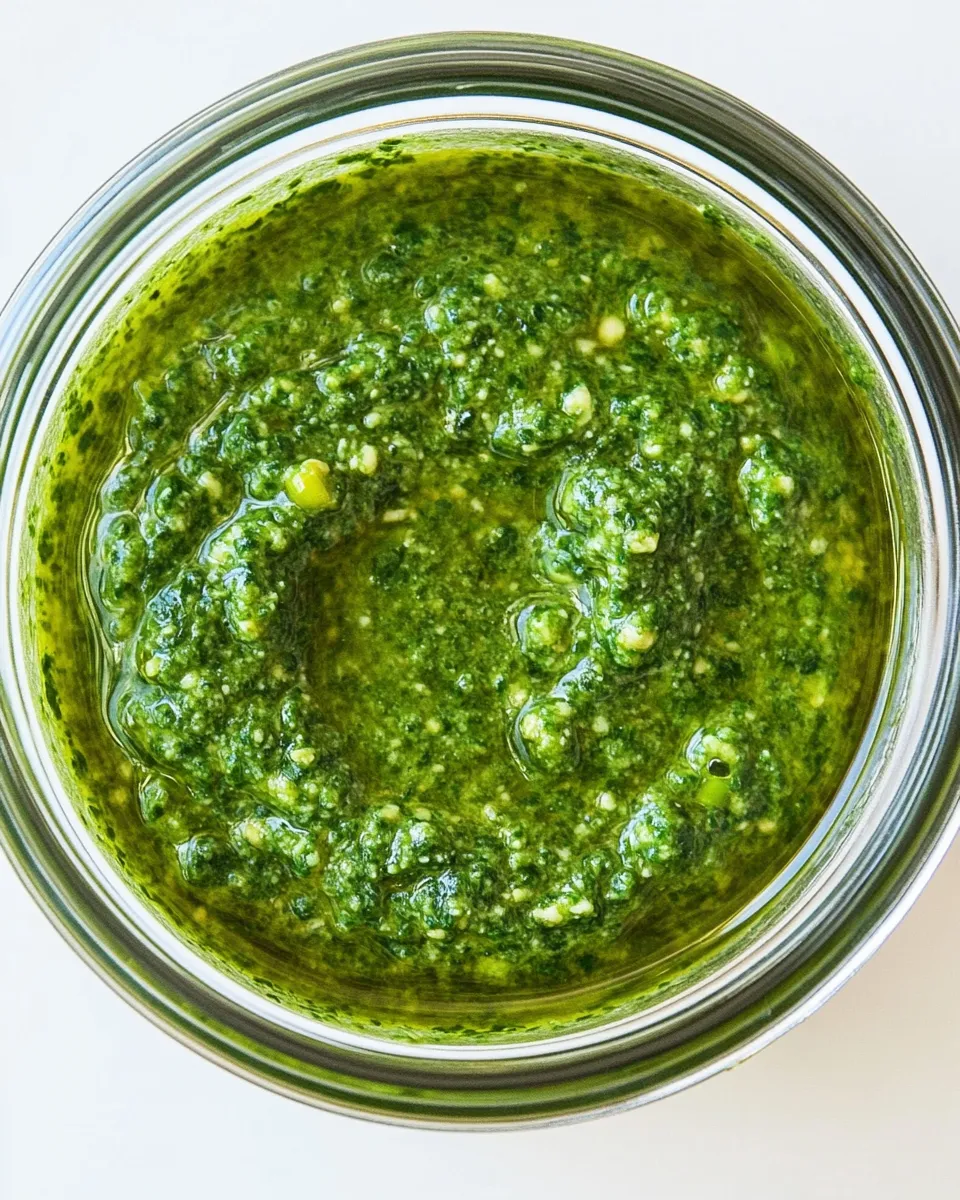
I fell in love with this pesto because it’s bright, green, and forgiving. It gets its lift from fresh basil but gains a silky balance and color boost from baby spinach. The result is a sauce that splashes great flavor across pasta, sandwiches, and roasted vegetables without demanding a long ingredient list or technical skills.
This version is designed to be practical. A food processor or high-speed blender does the heavy lifting: pulse, scrape, and then stream in olive oil until it’s the texture you like. Pecorino Romano gives a savory, tangy backbone, and pine nuts add that classic nutty background. It’s a simple parade of flavors that plays well in weeknight dinners and doubles as a quick prep to keep in the fridge.
Below you’ll find a clear ingredient list, step-by-step instructions exactly as I use them, and sensible tips for swapping, fixing, and storing. No fluff—just directions and advice so you can make a jar of bright green pesto and know exactly how to use it.
Ingredient Breakdown
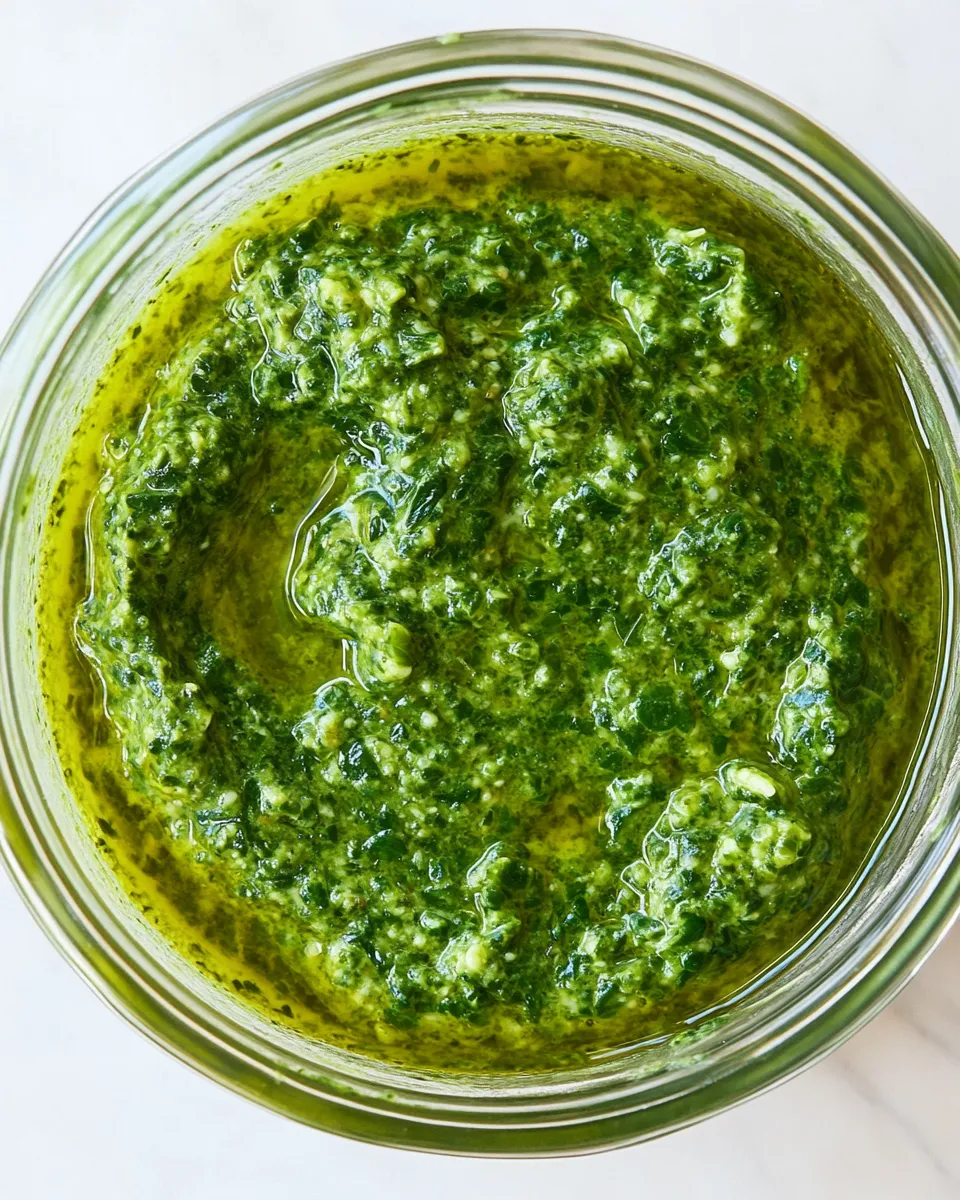
Ingredients
- 1 cup fresh basil, packed — The aromatic core; tear larger leaves to help them process evenly.
- 1 cup baby spinach, fresh, packed — Adds volume, color, and a milder green flavor while keeping the basil front and center.
- 2 garlic cloves — Provides bite; adjust to taste for a more or less garlicky result.
- 1/2 cup pine nuts — Toast them lightly for a richer, deeper nut flavor if you have the time.
- 1/4 teaspoon black pepper — A gentle, warming note; you can increase this for a pepperier finish.
- Kosher or sea salt, to taste — Essential for balance; add slowly and taste as you go because the cheese is salty too.
- 3/4 cup Pecorino Romano cheese, grated, optional Parmesan cheese — Pecorino brings tang and salt; Parmesan works as a milder swap.
- 3/4 cup extra virgin olive oil — The emulsifying liquid; pour steadily for a smooth, spreadable texture.
Build Basil and Spinach Pesto Step by Step
- Add the following to a food processor or high‑speed blender: 1 cup packed fresh basil, 1 cup packed baby spinach, 2 garlic cloves, 1/2 cup pine nuts, 1/4 teaspoon black pepper, kosher or sea salt to taste, and 3/4 cup grated Pecorino Romano cheese (or use Parmesan if you prefer).
- Pulse the mixture in short bursts until the ingredients are finely chopped and mostly combined, stopping to scrape down the sides as needed.
- With the processor running, slowly pour in 3/4 cup extra virgin olive oil in a steady stream until the pesto reaches a smooth, spreadable consistency.
- Taste and adjust seasoning with additional salt or black pepper if desired.
- Transfer the pesto to an airtight container and store in the refrigerator until ready to use.
- To serve with pasta: cook one (16‑ounce) box of whole wheat spaghetti or fettuccine according to the package instructions; drain (reserve a little pasta cooking water if desired).
- Return the drained pasta to the pot or a serving bowl, add the pesto, and toss to coat, adding a splash of reserved pasta water if you need to loosen the sauce.
What Sets This Recipe Apart
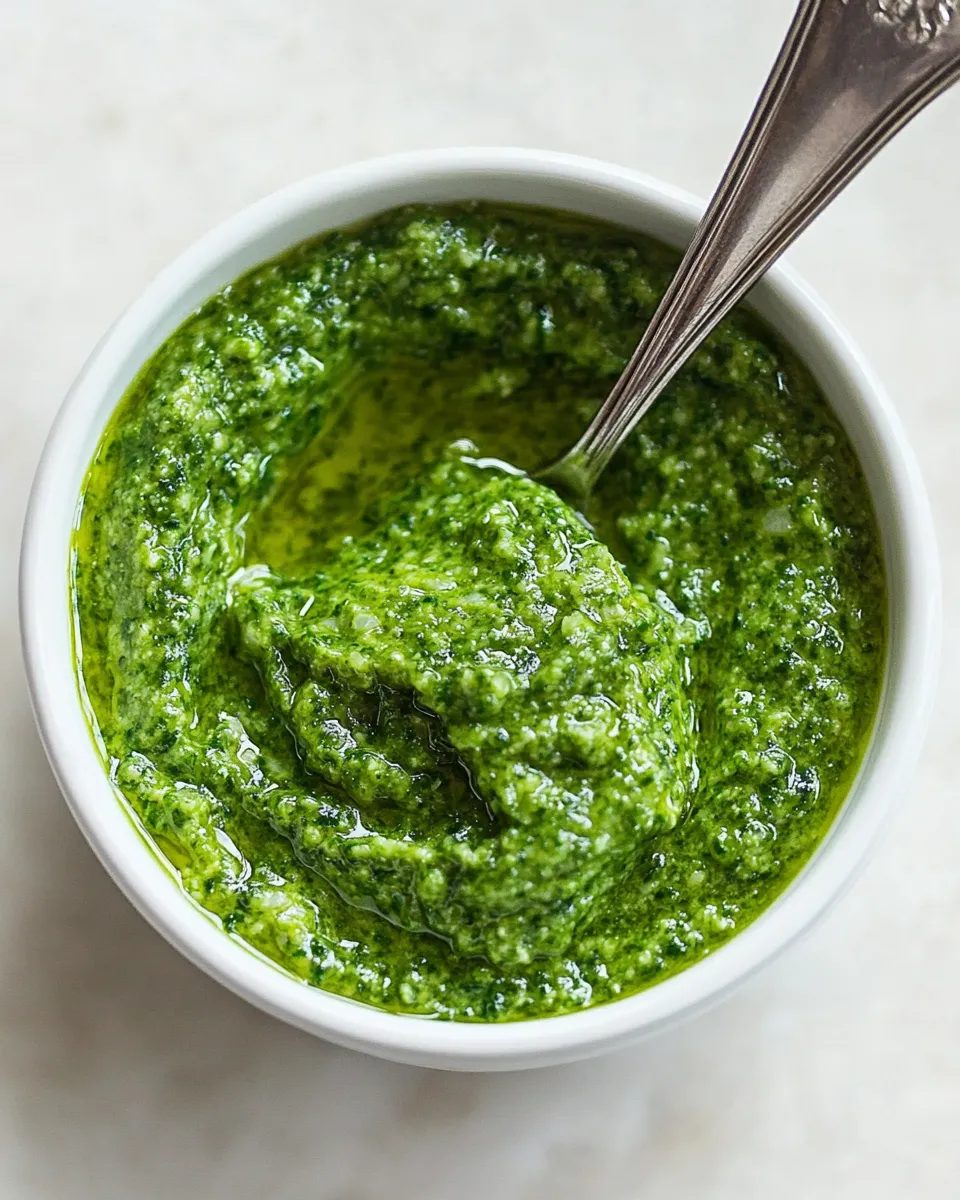
This pesto strikes a balance between intense basil flavor and a softer green character from baby spinach. Using spinach stretches the basil without flattening the aroma. That means you get a vivid green sauce that’s slightly milder and more economical than a pure basil pesto, but still full of herbal brightness.
Pecorino Romano is a deliberate choice here. It’s tangy and assertive, which helps cut through the oil and lift the overall profile. Pine nuts are traditional and give a creamy, buttery background when ground; if you toast them briefly, you’ll notice the sauce takes on a deeper nuttiness. The technique is straightforward: pulse to control texture, then stream in oil for smoothness. That workflow makes it foolproof even if you don’t make pesto often.
Ingredient Swaps & Substitutions
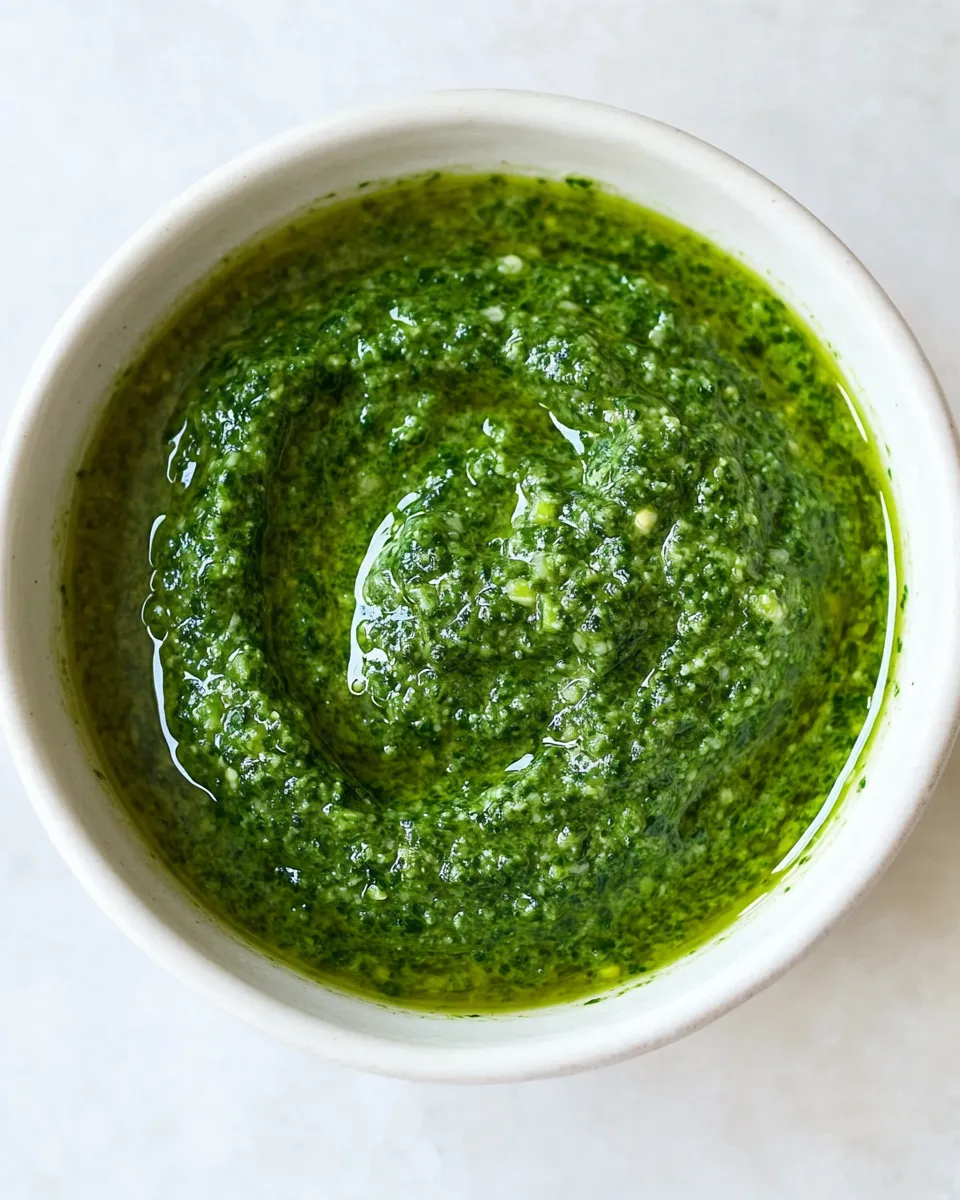
- Basil — If you’re light on basil, keep the 1 cup but increase spinach slightly to maintain volume; the basil-to-spinach ratio is what preserves the signature flavor.
- Pine nuts — Walnuts, almonds, or cashews work well and are more budget-friendly. Toast them first for the best flavor.
- Pecorino Romano — Parmesan is a one-to-one swap and yields a milder, nuttier finish. For a dairy-free version, omit the cheese and add a teaspoon of nutritional yeast for umami.
- Olive oil — Use a good quality extra virgin olive oil for flavor. If you only have lighter olive oil, the texture will be fine but the taste will be less pronounced.
- Garlic — Roasted garlic gives a sweeter, gentler flavor; add one clove roasted and one raw if you want complexity without too much bite.
Gear Up: What to Grab
Make sure you have a food processor or a high-speed blender—this recipe relies on one or the other to reach a smooth texture. A good spatula helps scrape down the sides during pulsing so everything gets even coverage. For serving with pasta you’ll need a large pot and a colander. For storage, an airtight container or small jars are ideal; a light slick of olive oil on top keeps the pesto bright against the air.
Watch Outs & How to Fix
Too bitter or soapy
If the pesto tastes bitter or a little soapy, it can be from over-processing the basil leaves or from low-quality olive oil. Fix it by stirring in a tablespoon of grated cheese or an extra drizzle of olive oil and tasting again. Sometimes a pinch of sugar or a squeeze of lemon (start small) will balance bitterness.
Too thin or too oily
If the pesto feels runny, you’ve likely added oil too quickly. Blend a little more cheese or another tablespoon of nuts to thicken. If you don’t want to alter the flavor, chill the pesto for 30 minutes—cold oil is more viscous.
Too thick or gritty
If it’s grainy because the nuts weren’t processed enough, pulse longer and add olive oil in a steady stream until it smooths out. If it’s thick but you want a looser sauce, stir in reserved pasta cooking water a tablespoon at a time until you reach the desired consistency.
Over-salted
If you overshoot the salt, bulk up the pesto with more basil and spinach, or add a raw potato chunk while blending (remove it before serving). A small amount of acid—lemon juice—can also help mask excess salt, but use it sparingly so you don’t change the sauce profile too much.
Seasonal Flavor Boosts
Late spring and summer: emphasize basil. Use the freshest, quickest-picked leaves you can find; basil is at its sweetest then. Add a touch of lemon zest to brighten without changing the classic pesto flavor.
Fall and winter: add toasted walnuts and swap in a little extra Pecorino for body. Roasted garlic is welcome in cooler months because it adds depth and a rich, mellow sweetness.
Year-round options: fold in a handful of chopped sun‑dried tomatoes for a rustic, savory twist, or stir in a spoonful of ricotta when serving to create a creamier pasta sauce that’s still light.
Behind-the-Scenes Notes
The order and method matter. Pulsing first prevents the leaves from turning into a mush and helps the nuts and garlic incorporate evenly. Streaming the oil with the motor running creates an emulsion that gives a silky, spreadable mouthfeel. If you pour oil in too fast, the sauce separates or becomes overly oily.
Cheese choice changes the attitude of the pesto: Pecorino gives tang and assertiveness; Parmesan softens that edge and leans nutty-sweet. If you decide on a vegan version, remember that cheese is also part of the sauce’s salt content—so taste and salt carefully.
If you want a very smooth restaurant-style pesto, use a high-speed blender and strain through a fine mesh to remove any fibrous bits. For a more rustic, textured version leave it slightly chunky and use a fork to toss with pasta.
Prep Ahead & Store
Refrigerator: Transfer pesto to an airtight container, smooth the surface, and pour a thin layer of olive oil over the top to seal from air. Stored this way, it will keep for about 4–5 days with good flavor.
Freezer: Pesto freezes beautifully. Spoon into an ice cube tray and freeze solid, then pop the cubes into a resealable bag. One cube is perfect for a single pasta portion or to stir into soups and stews. Frozen pesto keeps up to 3 months; thaw in the refrigerator or stir a cube directly into hot pasta to melt it.
Make-ahead pasta: If you plan to toss pesto with pasta later, keep them separate. Cooked pasta with pesto will hold in the refrigerator for 1–2 days, but textures change; freshly tossed is always best. Save a little pasta water to loosen sauce when reheating.
Ask & Learn
Q: Can I use only basil and skip spinach?
A: Yes. Reduce your basil to 2 cups if you want a conserved volume without the spinach. The flavor will be more intensely basil-forward and more aromatic.
Q: How long will the pesto last in the fridge?
A: With a thin oil seal on top, expect 4–5 days. If it smells off or shows mold, discard it. Freezing is the safest way to keep it longer.
Q: Can I make this without nuts?
A: You can omit nuts; the texture will be less rich and creamy. Add an extra tablespoon of grated cheese or a splash more oil to recreate body. Toasted sunflower seeds are a nut-free alternative with good texture.
Q: Is the pesto safe to can?
A: No. Pesto is not suitable for home canning due to low acidity and the presence of oil; freezing or refrigerating are the recommended preservation methods.
Hungry for More?
Pesto is versatile: toss it with roasted vegetables, spread it on grilled bread, fold into scrambled eggs, or use it as a finishing spoonful for grilled fish or chicken. Try it as a base on a homemade pizza or swirl it into soups for an herbal lift. Keep a jar in the fridge and you’ll find endless ways to use it—each one a small shortcut to better, greener flavor.
If you make this pesto, keep notes on any tweaks—extra garlic, different nuts, or a minute more of pulse time—and you’ll quickly land on your ideal version. My version is purposely approachable: bright, adaptable, and ready to move from fridge to table in minutes.
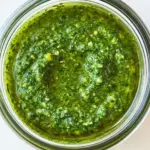
Basil and Spinach Pesto
Ingredients
Ingredients
- 1 cupbasilfresh packed
- 1 cupbaby spinachfresh packed
- 2 garlic cloves
- 1/2 cuppine nuts
- 1/4 teaspoonblack pepper
- kosher or sea saltto taste
- 3/4 cuppecorino romano cheesegrated optional parmesan cheese
- 3/4 cupextra virgin olive oil
Instructions
Instructions
- Add the following to a food processor or high‑speed blender: 1 cup packed fresh basil, 1 cup packed baby spinach, 2 garlic cloves, 1/2 cup pine nuts, 1/4 teaspoon black pepper, kosher or sea salt to taste, and 3/4 cup grated Pecorino Romano cheese (or use Parmesan if you prefer).
- Pulse the mixture in short bursts until the ingredients are finely chopped and mostly combined, stopping to scrape down the sides as needed.
- With the processor running, slowly pour in 3/4 cup extra virgin olive oil in a steady stream until the pesto reaches a smooth, spreadable consistency.
- Taste and adjust seasoning with additional salt or black pepper if desired.
- Transfer the pesto to an airtight container and store in the refrigerator until ready to use.
- To serve with pasta: cook one (16‑ounce) box of whole wheat spaghetti or fettuccine according to the package instructions; drain (reserve a little pasta cooking water if desired).
- Return the drained pasta to the pot or a serving bowl, add the pesto, and toss to coat, adding a splash of reserved pasta water if you need to loosen the sauce.
Equipment
- Food Processor
- High-speed blender
Notes
To freeze pesto, do not add cheese until thawed and ready to serve. Freeze up to 2 months.
Nutritional information does not include pasta.