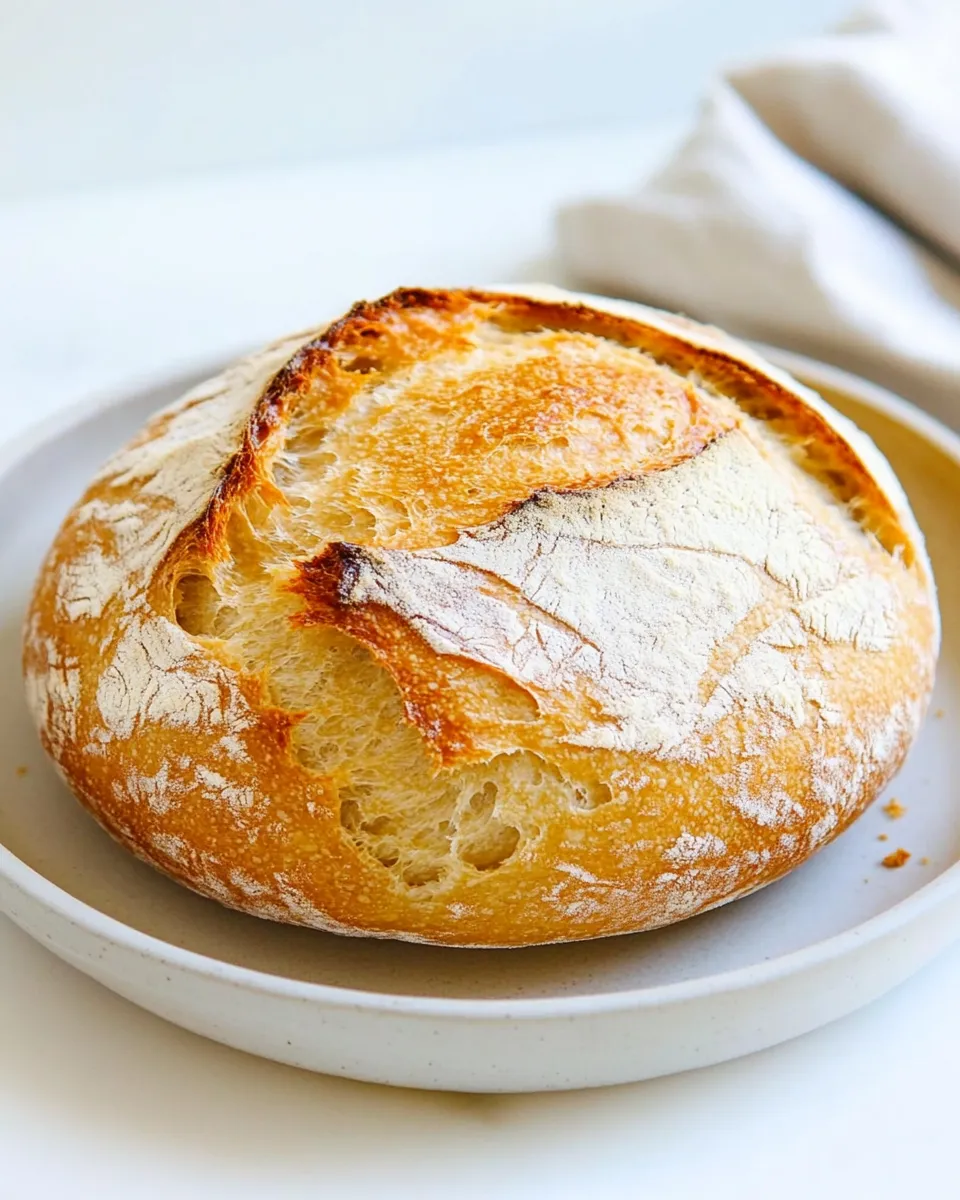
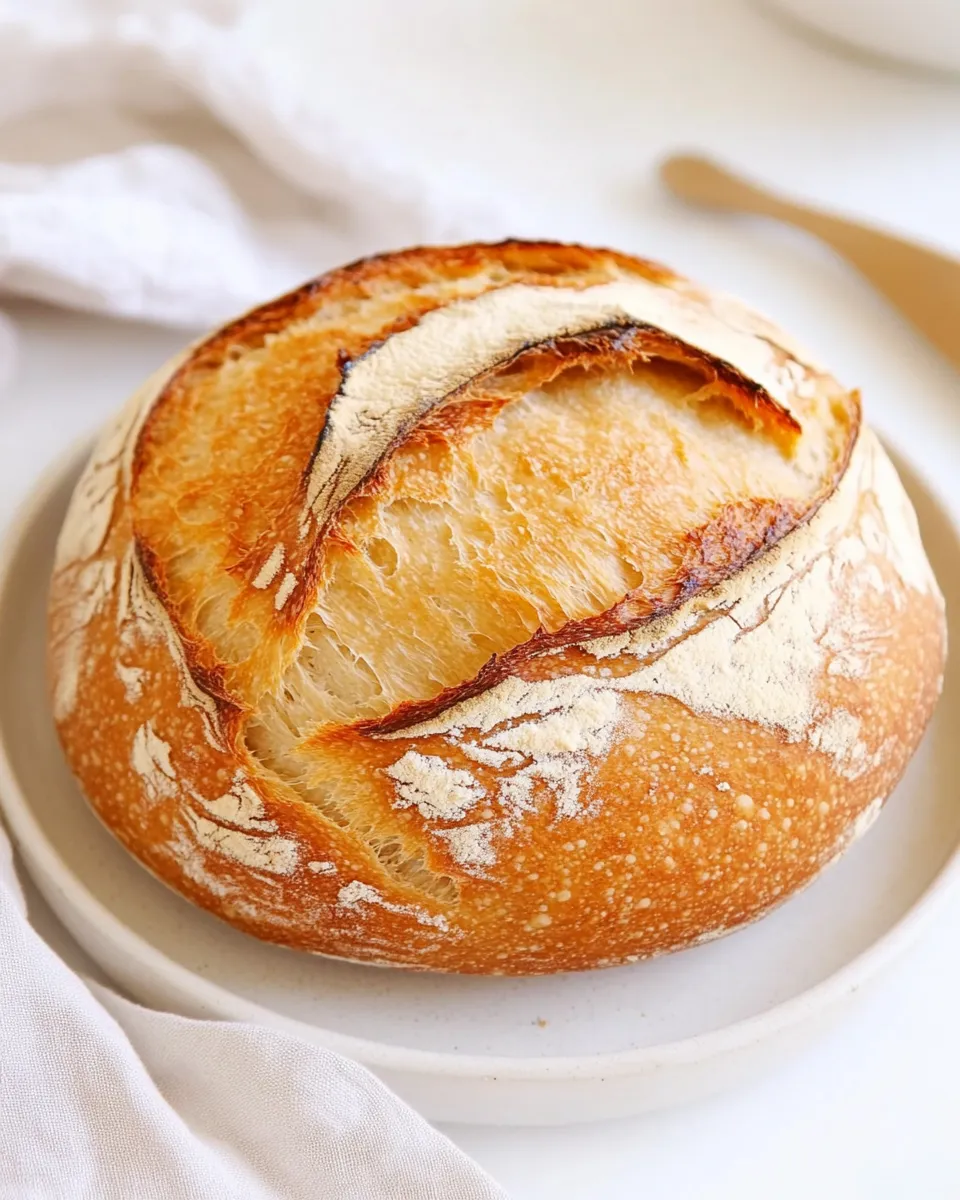
There’s something truly magical about the aroma of freshly baked bread wafting through your home. Sourdough bread, with its tangy flavor and crusty exterior, is a delightful treat that many home bakers dream of mastering. If you’re new to the world of sourdough, fear not! This Beginners Sourdough Bread Recipe is designed to be simple and approachable, making it easy for anyone to create their own beautiful loaves at home. Let’s dive into the process of making this delicious bread that will surely impress your family and friends.
Why This Recipe Works
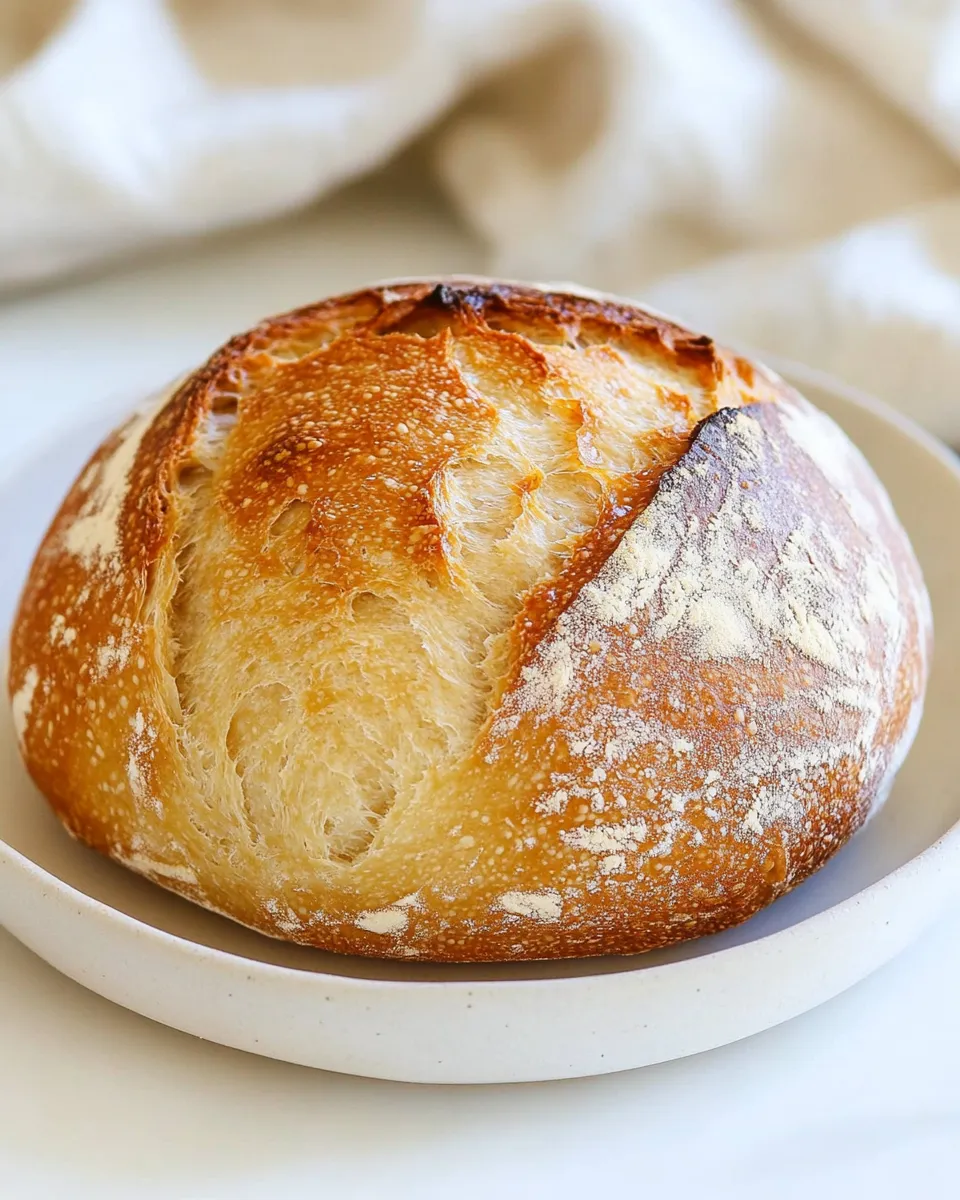
This Beginners Sourdough Bread Recipe is structured to be beginner-friendly while still producing a loaf that is full of flavor and texture. The combination of bread flour, water, sea salt, and a healthy sourdough starter creates a dough that is easy to work with yet yields a wonderfully crusty and chewy bread. The long fermentation time allows the natural flavors to develop, ensuring that your sourdough is both delicious and satisfying. Plus, the simplicity of the ingredients means that you can easily adapt and customize the recipe to fit your tastes.
Ingredient Notes
When it comes to making sourdough bread, quality ingredients are key. Here’s a breakdown of what you’ll need:
- Bread Flour (400 grams / 3 cups): This high-protein flour gives your bread its strength and structure. It’s essential for achieving a good rise and chewy texture.
- Water (300 grams / about 1 1/4 cups): Use filtered or bottled water for the best results, as tap water can sometimes contain chemicals that inhibit yeast activity.
- Sea Salt (11 grams / 2 teaspoons): Salt enhances the flavor of the bread and controls the fermentation process, keeping your dough from rising too quickly.
- Sourdough Starter (100 grams / about 1/2 cup): Your starter is the key to sourdough. It contains the wild yeast and bacteria that will leaven your bread. Make sure your starter is active and bubbly.
- Brown Rice Flour: This is optional but useful for dusting your work surface and the proofing basket to prevent sticking.
Essential Tools for Success
Having the right tools can make the process smoother and more enjoyable. Here are some essentials you’ll need:
- Mixing Bowl: A large bowl for mixing your ingredients.
- Dough Scraper: This handy tool helps you manage the sticky dough and shape your loaf.
- Proofing Basket (Banneton): This is used to shape and support your dough while it rises.
- Baking Stone or Dutch Oven: These create a steamy environment for baking, which helps achieve a perfect crust.
- Kitchen Scale: For accurate measurements, a scale is a must when baking.
Make Beginners Sourdough Bread Recipe: A Simple Method
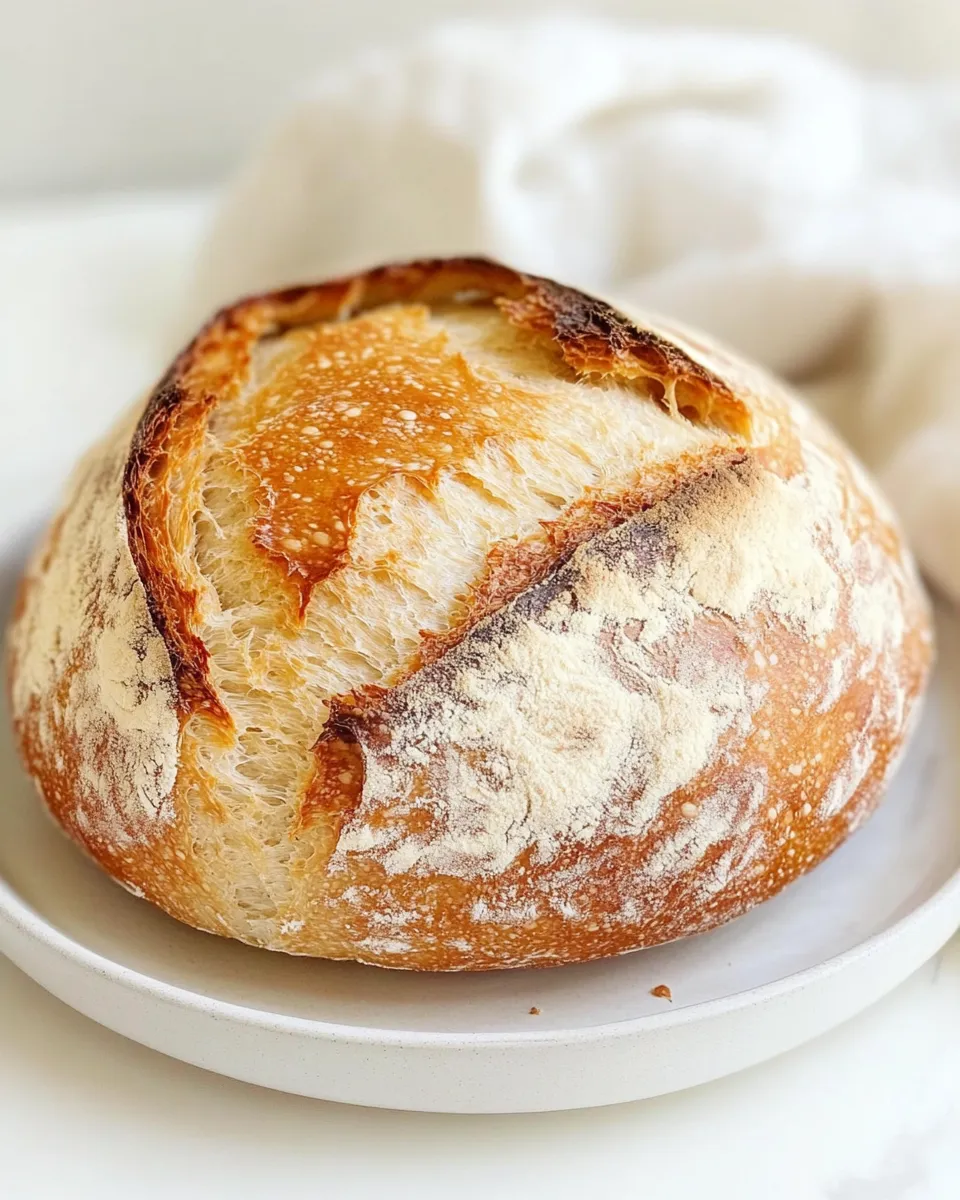
Follow these steps to create your own sourdough bread:
Step 1: Prepare Your Starter
Make sure your sourdough starter is fed and bubbly. If it hasn’t been fed in a while, give it a refresh 4-6 hours before you plan to start baking.
Step 2: Mix the Dough
In a large mixing bowl, combine 400 grams of bread flour and 300 grams of water. Mix until no dry flour remains. Let the mixture rest for 30 minutes. This process is called autolyse and helps with gluten development.
Step 3: Add Salt and Starter
After the autolyse, add 11 grams of sea salt and 100 grams of your active sourdough starter to the dough. Mix well until everything is thoroughly combined.
Step 4: Bulk Fermentation
Cover the bowl with a damp cloth and let the dough rise at room temperature for 4-6 hours, or until it has doubled in size. Every 30 minutes during the first two hours, perform a series of stretch and folds to develop the dough’s strength.
Step 5: Shape the Dough
Once the dough has risen, gently turn it out onto a lightly floured surface. Shape it into a ball by folding the edges toward the center, then flip it seam-side down and tighten the surface by pulling it toward you.
Step 6: Second Rise
Place the shaped dough into a well-floured proofing basket. Cover it with a cloth and let it rest for another 1-2 hours at room temperature, or in the refrigerator overnight for a slower rise and more flavor.
Step 7: Preheat Your Oven
About 30 minutes before baking, preheat your oven to 450°F (230°C) with a baking stone or Dutch oven inside.
Step 8: Bake the Bread
Once preheated, carefully turn the dough out onto a sheet of parchment paper. If using a Dutch oven, carefully place the dough inside. Bake for 30-40 minutes, removing the lid after the first 20 minutes for a beautifully crusty finish.
Step 9: Cool and Enjoy
Let the bread cool on a wire rack for at least an hour before slicing. This allows the crumb to set. Now, you can enjoy your homemade sourdough!
International Equivalents
If you’re following this recipe in different measurement systems, here are some helpful conversions:
- 400 grams of bread flour = about 3 cups
- 300 grams of water = about 1 1/4 cups
- 11 grams of sea salt = about 2 teaspoons
- 100 grams of starter = about 1/2 cup
Common Errors (and Fixes)
Baking sourdough can come with its challenges. Here are some common pitfalls and how to avoid them:
- Dough Too Sticky: If your dough is too sticky, try adding a little more flour during the mixing stage. Just be careful not to overdo it, as too much flour can affect the final texture.
- Not Enough Rise: This can be due to an inactive starter. Ensure your starter is bubbly and has been fed recently before baking.
- Dense Bread: If your bread is too dense, you may not have allowed it to rise long enough during bulk fermentation or second rise. Patience is key!
- Burnt Crust: Keep an eye on your bread in the oven. If it starts to brown too quickly, lower the temperature slightly.
Refrigerate, Freeze, Reheat
To keep your sourdough bread fresh:
- Refrigerate
- Freeze: For longer storage, slice the bread and wrap it tightly before freezing. It can last for up to 3 months.
- Reheat: To refresh your bread, simply pop it in a preheated oven at 350°F (175°C) for a few minutes to regain its crustiness.
Reader Questions
Can I use all-purpose flour instead of bread flour?
Yes, you can use all-purpose flour, but the bread may not rise as well and may have a different texture. Bread flour is higher in protein, which helps create a better structure.
How do I know if my sourdough starter is ready to use?
Your starter should be bubbly, have doubled in size, and have a pleasant, slightly tangy smell. A good test is to perform the “float test” — take a small spoonful of starter and drop it in water. If it floats, it’s ready!
Can I add ingredients like herbs or cheese to the dough?
Absolutely! You can customize your sourdough by adding herbs, cheese, or even spices during the mixing stage. Just be cautious with the quantities to avoid affecting the dough’s hydration.
How long will it take to make this sourdough bread?
The total time for this Beginners Sourdough Bread Recipe is around 6-8 hours, including rising times. If you choose to refrigerate the dough overnight, it can be even more convenient.
If you love baking, check out these delicious recipes:
Before You Go
Baking sourdough bread is not just about the end result; it’s about the journey. With practice and patience, you’ll develop your own techniques and preferences, making each loaf uniquely yours. Enjoy the process, and don’t be afraid to experiment. Happy baking!

Beginners Sourdough Bread Recipe
Ingredients
For the Dough:
- 400 grams Bread Flour
- 300 grams Water (filtered or bottled)
- 11 grams Sea Salt
- 100 grams Sourdough Starter (active and bubbly)
- Brown Rice Flour (optional for dusting)
Instructions
Instructions
- Step 1: Prepare Your Starter. Make sure your sourdough starter is fed and bubbly. If it hasn't been fed in a while, give it a refresh 4-6 hours before you plan to start baking.
- Step 2: Mix the Dough. In a large mixing bowl, combine 400 grams of bread flour and 300 grams of water. Mix until no dry flour remains. Let the mixture rest for 30 minutes.
- Step 3: Add Salt and Starter. After the autolyse, add 11 grams of sea salt and 100 grams of your active sourdough starter to the dough. Mix well until everything is thoroughly combined.
- Step 4: Bulk Fermentation. Cover the bowl with a damp cloth and let the dough rise at room temperature for 4-6 hours, or until it has doubled in size. Every 30 minutes during the first two hours, perform a series of stretch and folds.
- Step 5: Shape the Dough. Once the dough has risen, gently turn it out onto a lightly floured surface. Shape it into a ball by folding the edges toward the center.
- Step 6: Second Rise. Place the shaped dough into a well-floured proofing basket. Cover it with a cloth and let it rest for another 1-2 hours at room temperature, or refrigerate overnight.
- Step 7: Preheat Your Oven. About 30 minutes before baking, preheat your oven to 450°F (230°C) with a baking stone or Dutch oven inside.
- Step 8: Bake the Bread. Once preheated, carefully turn the dough out onto a sheet of parchment paper. Bake for 30-40 minutes, removing the lid after the first 20 minutes.
- Step 9: Cool and Enjoy. Let the bread cool on a wire rack for at least an hour before slicing.
Equipment
- Mixing Bowl
- Dough scraper
- Proofing basket (banneton)
- Baking Stone or Dutch Oven
- Kitchen scale
Notes
- Use a kitchen scale for precise measurements.
- Allow enough time for fermentation for the best flavor.
- Experiment with adding herbs or cheese to customize your bread.