I first made this dish on a weeknight when the fridge held a tidy bunch of chard, a jar of tomato puree, and a can of chickpeas. It leaned on berbere to pull everything together — that warm, smoky African spice blend that smells like a festival in a pan. The result was bright, savory, and unexpectedly comforting: greens wilted until tender, chickpeas soaking up tomato and spice, all spooned over chewy farro for a satisfying, balanced bowl.
This recipe is practical and forgiving. It moves quickly once the pan is hot, so prep your ingredients first: strip and chop the chard, mince the garlic, rinse the chickpeas if using canned. Cook time is short and most of the work is hands-on in a single skillet. A little planning — cooked farro or brown rice waiting in the fridge — turns this into a reliable dinner or lunch the next day.
What I love is the flavor economy. Each component does a job: berbere gives the backbone, tomato puree adds acidity and body, chard keeps things vegetal and slightly bitter, chickpeas provide texture and protein. Garnish with parsley and you get a green, fragrant lift. It’s a dish that makes excellent leftovers and plays well with small swaps depending on season and pantry.
Ingredients
- 2 cups shredded chard leaves (from one large bunch) — the leafy base; shred into 1/2″ strips so it wilts quickly and evenly.
- 1 tablespoon olive or coconut oil — for sautéeing; olive for flavor, coconut for a milder, slightly sweet note.
- 2 cloves garlic (minced) — adds aromatic lift; minced so it disperses and cooks quickly.
- 2 cups cooked chickpeas (drained and rinsed if using canned) — the main protein and texture element; rinse canned chickpeas to remove packing liquid.
- 2 to 3 teaspoons Berbere seasoning — the primary spice; adjust between 2–3 teaspoons depending on how bold and spicy you like it.
- 1 1/2 cups tomato puree (or strained tomatoes) — builds the saucy base and provides acidity; use a good-quality puree for cleaner flavor.
- Salt (to taste (see note)) — finishes the dish; add gradually and taste after the tomato simmers.
- 2 cups cooked farro or brown rice (for serving) — the grain base; farro gives chew and nutty flavor, brown rice is heartier and gluten-free.
- Parsley (for garnish) — brightens and refreshes the finished bowls; finely chop and scatter just before serving.
What’s in the Bowl
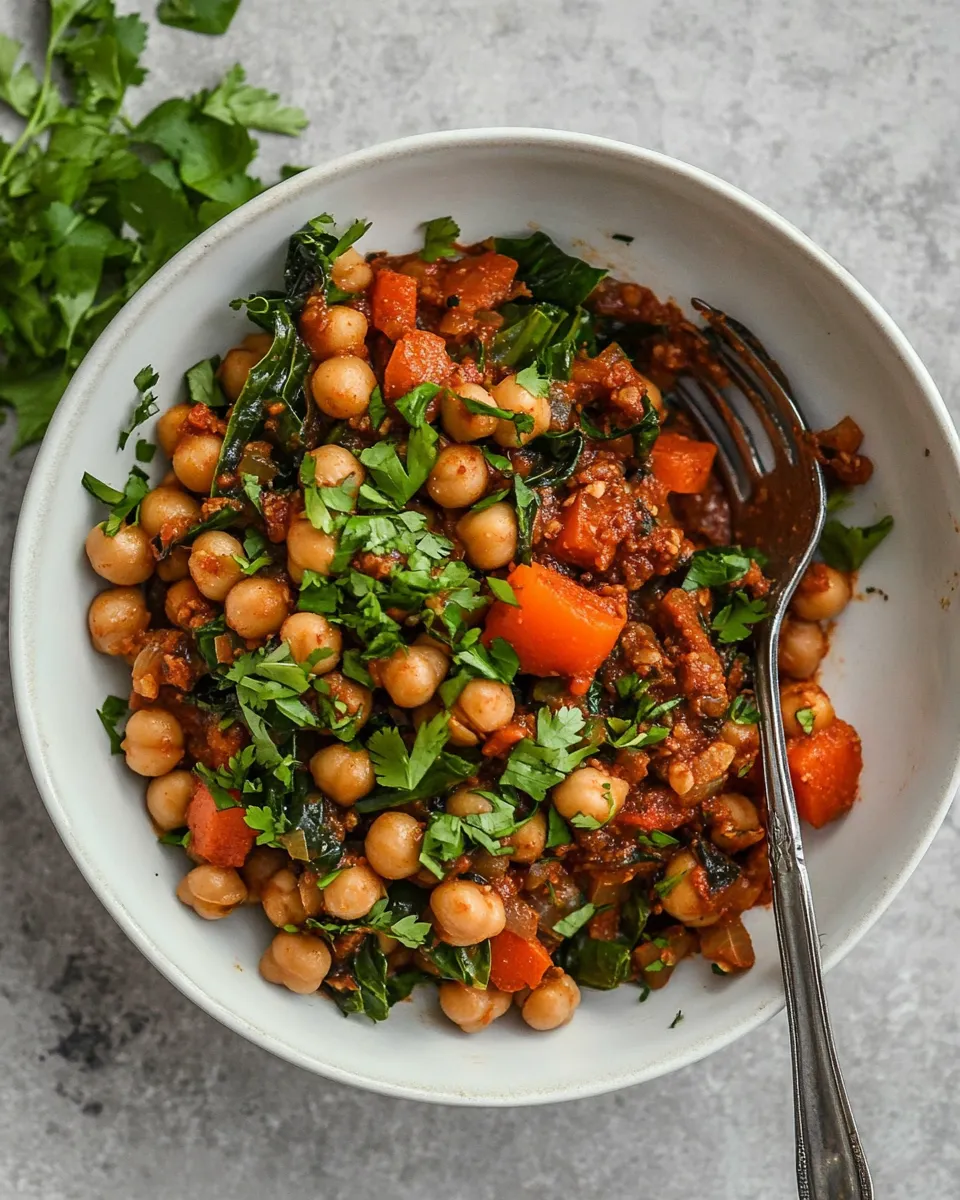
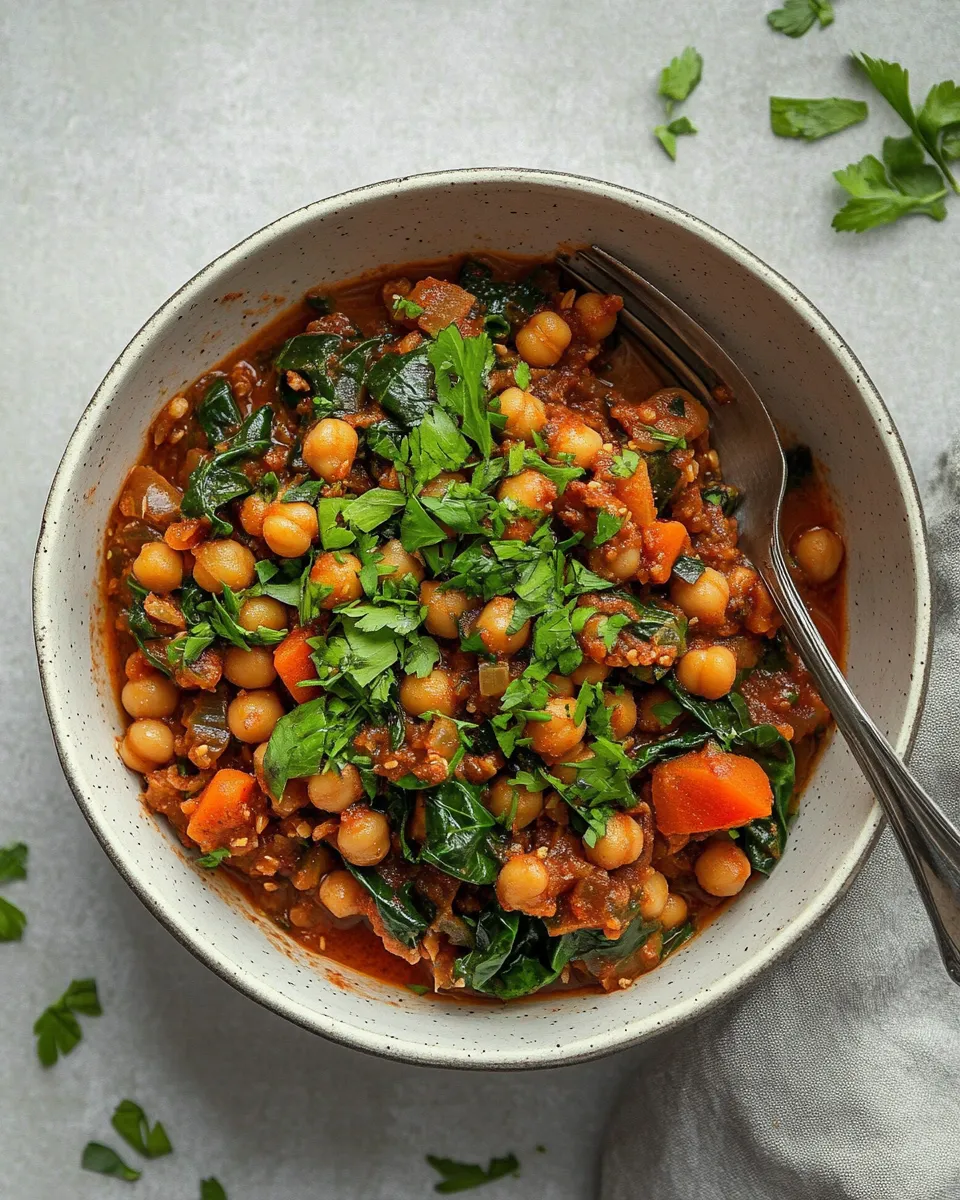
At its heart this is a grain bowl built around three layers: chewy grains (farro or brown rice), a warm tomato-scented chickpea and chard stew, and a fresh herb garnish. The chard wilts into the tomato-chickpea mixture so it feels integrated, not like a separate side. That’s important — you want the greens to carry flavor as much as texture.
Berbere is the star spice here. It brings dried chilies, fenugreek, coriander, and warming aromatics like ginger and cinnamon. Used at 2 to 3 teaspoons, it gives a clear, resonant heat without overwhelming the tomato’s acidity or the chickpeas’ nuttiness. The finished bowl balances savory, sour, and herbaceous notes; it’s simple, but layered.
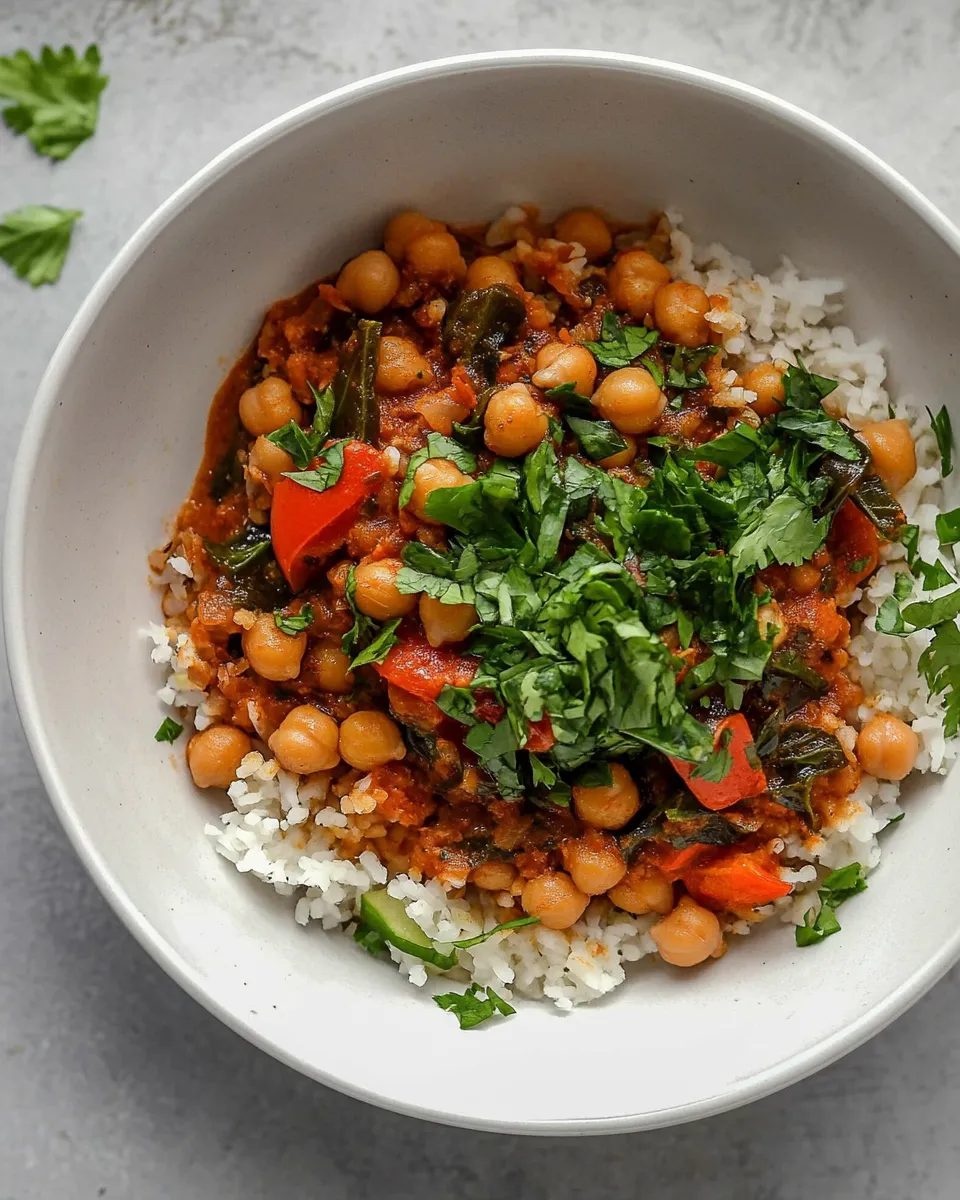
Serve it warm over farro or brown rice. The grains catch the saucy bits and make each spoonful substantial. Parsley on top cuts through the spice and adds a fresh, green finish. This is a flexible weeknight formula that scales well if you want to feed more people or prep lunches for the week.
Make Berbere Chickpeas and Chard: A Simple Method
- Remove the stems from the chard leaves and chop the leaves into 1/2″ wide strips so you have 2 cups shredded chard leaves (from one large bunch). Mince 2 cloves garlic if not already minced.
- Heat a 10″ skillet or frying pan over medium-low heat. Add 1 tablespoon olive or coconut oil and let it warm for 20–30 seconds.
- Add the 2 cups shredded chard leaves to the pan. Cook, stirring, until the chard is mostly wilted.
- Stir in the minced garlic and cook for about 1 minute, until fragrant.
- Add 2 cups cooked chickpeas (drained and rinsed if using canned) and 2 to 3 teaspoons Berbere seasoning. Stir and cook for 1 minute to toast the spice.
- Pour in 1 1/2 cups tomato puree and stir to combine. Continue to cook until the mixture is hot and bubbling, about 4 to 5 minutes. Taste and add salt as desired.
- Divide 2 cups cooked farro or brown rice between two bowls. Spoon the chickpea and chard mixture over the grains.
- Garnish each bowl with parsley and serve.
Why This Berbere Chickpeas and Chard Stands Out
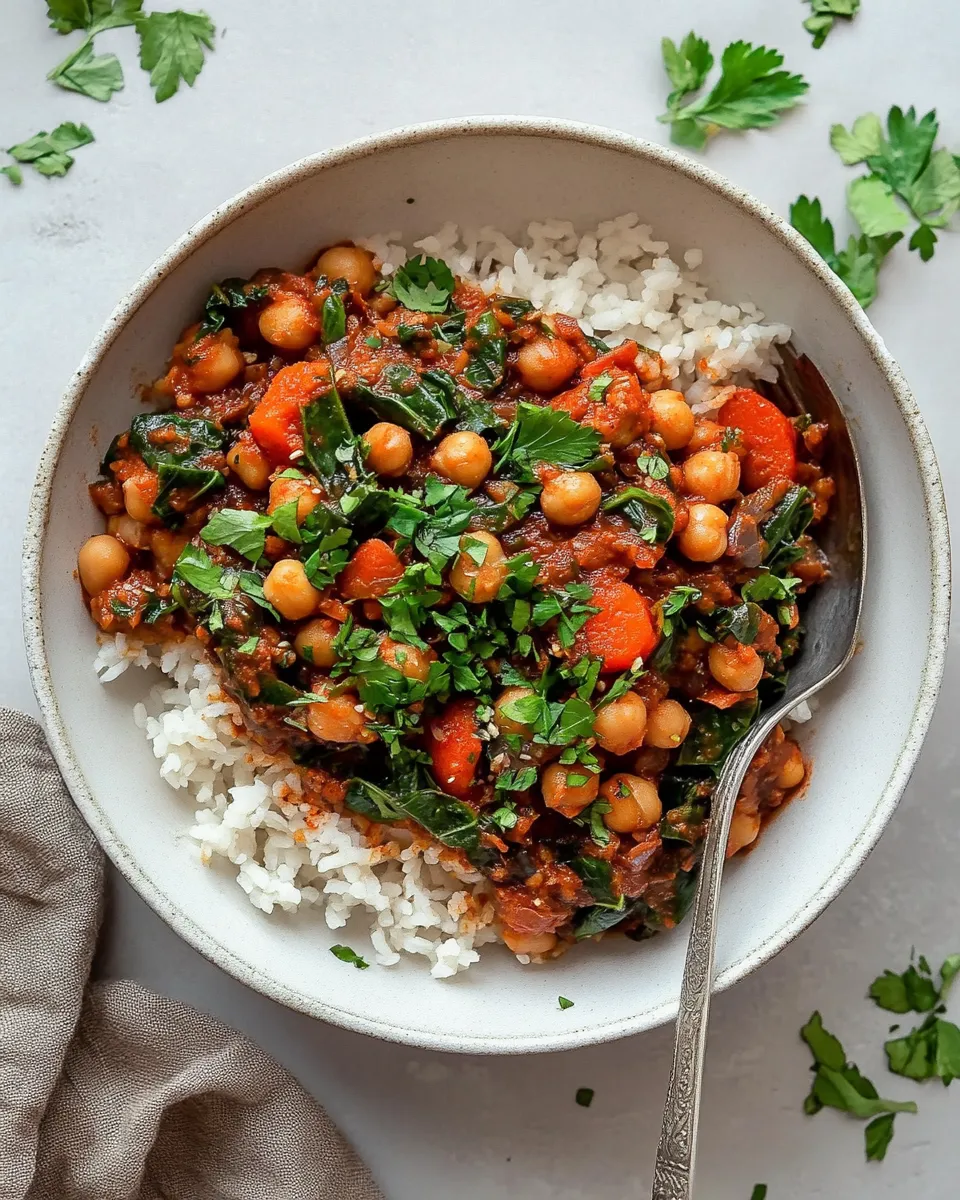
It’s simple, fast, and deeply flavored. The technique is straightforward: wilt, aromatics, toast, add liquid, simmer briefly. Because the berbere is toasted with the chickpeas, its volatile oils bloom and the spice becomes more fragrant and rounded. Tomato puree ties everything together and short-simmers into a silky sauce that clings to the chickpeas and leaves.
The dish also balances nutrition and comfort. Chickpeas provide plant-based protein and texture, chard offers vitamins and a slight bitterness that plays well against the spice and tomato, and the grains make it filling. For people cooking on weeknights, the structure of this recipe — prep, quick stovetop cooking, and a one-pan finish — makes it reliably doable.
Allergy-Friendly Substitutes
- For gluten intolerance: swap cooked brown rice for farro (the recipe already lists brown rice as an option). Brown rice keeps the bowl gluten-free and filling.
- If you need a legume alternative to chickpeas: use cooked white beans or lentils. Be mindful that lentils will break down more than chickpeas and create a thicker texture.
- If avoiding garlic: use a pinch of asafoetida (hing) while cooking the oil, or increase chopped onion for aromatics.
- If coconut oil is used but you have a tree-nut allergy and prefer neutral oil: use a light-tasting vegetable oil or canola instead of coconut; the recipe already allows olive or coconut oil.
Recommended Tools
- 10″ skillet or frying pan — the recipe specifies a 10″ pan; it distributes heat well and gives you space to wilt the chard without crowding.
- Sharp chef’s knife and cutting board — for stripping stems and slicing chard into 1/2″ strips cleanly.
- Measuring spoons and cups — for the 2 to 3 teaspoon berbere range and exact tomato puree volume.
- Spoon or spatula for stirring — use something with a flat edge to scrape the pan and combine ingredients as the tomato simmers.
- Can opener and colander (if using canned chickpeas) — for draining and rinsing.
Common Errors (and Fixes)
- Chard not wilting evenly — Fix: make sure strips are about 1/2″ wide; overcrowding the pan can steam instead of sauté, so give the leaves a moment to settle and stir occasionally.
- Garlic burning — Fix: add garlic after the chard is mostly wilted and keep the heat at medium-low. Garlic needs only about a minute to become fragrant.
- Underseasoned final dish — Fix: taste after the tomato simmers for 4–5 minutes and add salt gradually. Remember that berbere can be salty depending on the blend, so adjust carefully.
- Sauce too thin or watery — Fix: simmer a bit longer to reduce, or mash a few chickpeas against the side of the pan to thicken the sauce naturally.
- Spice too intense — Fix: reduce initial berbere to 2 teaspoons, or add a splash more tomato puree and a small pinch of sugar to balance heat.
In-Season Swaps
- Spring: swap chard for young spinach or tender beet greens; reduce cooking time since these greens wilt faster.
- Summer: use a mix of chard and thinly sliced summer squash for extra texture; add squashes early so they soften in the tomato.
- Fall/Winter: swap in kale or collard greens, but blanch or cook a bit longer since they’re tougher. Consider stirring in a splash of apple cider vinegar at the end to brighten the heavier greens.
- Grain swaps: quinoa for a lighter, higher-protein base; barley for extra chew in colder months.
Notes on Ingredients
Chard: Remove stems if you prefer a uniform wilted texture; the stems are edible but need longer cooking. For even bite, cut leaves into 1/2″ strips as the method specifies.
Oil: Olive oil adds fruitiness; coconut oil contributes a faint sweetness and higher smoke threshold. Choose based on flavor preference and what’s in your pantry.
Chickpeas: Canned chickpeas are convenient; drain and rinse to remove canned liquid flavor. If using home-cooked chickpeas, use them at the same volume (2 cups cooked).
Berbere seasoning: Brands vary. Start at 2 teaspoons and move up to 3 if you want more heat and aromatic punch. Toasting the spice briefly with the chickpeas boosts flavor.
Tomato puree: Use plain puree or strained tomatoes — avoid heavily seasoned canned sauces so you control the final salt and spice.
Salt: Add at the end to taste. If your berbere contains salt, that will influence how much you need. Taste after the mixture has simmered for the 4–5 minutes specified.
Grains: Cook farro or brown rice ahead; the recipe uses 2 cups cooked divided between two bowls. Warm or room-temperature grains both work but warm grains help the sauce meld into the bowl better.
Keep-It-Fresh Plan
Refrigerate leftovers in an airtight container up to 4 days. The chickpea-chard mixture keeps well because the chickpeas hold texture and the greens don’t suffer much from short-term storage. Store grains separately if you want to prevent them from soaking up all the sauce.
To reheat: gently warm the chickpea-chard mix in a skillet over medium-low heat until just steaming, adding a splash of water or tomato puree if it seems dry. Reheat grains in the microwave with a damp paper towel or in a small saucepan with a splash of water to restore moisture.
For freezing: you can freeze the chickpea-chard mixture up to 3 months. Thaw in the fridge overnight before reheating. Note that greens will soften further after freezing, so texture will be softer than fresh.
Helpful Q&A
- Q: Can I make this vegan? A: Yes. The recipe is plant-based as written.
- Q: Is berbere very spicy? A: It can be, depending on the blend. Start with 2 teaspoons and increase to 3 if you want more heat.
- Q: How do I make this nut-free? A: The recipe contains no nuts; choose coconut oil or olive oil per preference. If using any packaged berbere, check labels for cross-contamination if needed.
- Q: Can I prep parts ahead? A: Yes. Cooked grains and rinsed chickpeas can be prepped earlier in the day or the day before. Chop the chard and store in the fridge in a sealed container for up to a day before cooking.
- Q: Can I increase the servings? A: Yes, scale ingredients linearly. Use a larger skillet or cook in batches to avoid overcrowding the pan.
Before You Go
This is the kind of weeknight dinner that feels composed but doesn’t require a lot of ceremony. It rewards simple technique — wilt your greens, bloom your spice, simmer briefly — and gives you a bowl that’s hearty, bright, and ready for leftovers. If you try it, taste for salt at the end and adjust the berbere to your heat comfort zone. A shower of parsley finishes the bowl with a fresh, herbaceous note that ties everything together.
Drop a note below about your favorite swap — did you try quinoa instead of farro, or kale in place of chard? I read every comment and love seeing how you make the recipe your own.

Berbere Chickpeas and Chard
Ingredients
Ingredients
- 2 cupsshredded chard leaves from one large bunch
- 1 tablespoonolive or coconut oil
- 2 clovesgarlic minced
- 2 cupscooked chickpeas drained and rinsed if using canned
- 2 to 3 teaspoonsBerbere seasoning
- 1 1/2 cupstomato puree or strained tomatoes
- Salt to taste (see note)
- 2 cupscooked farro or brown rice for serving
- Parsley for garnish
Instructions
Instructions
- Remove the stems from the chard leaves and chop the leaves into 1/2" wide strips so you have 2 cups shredded chard leaves (from one large bunch). Mince 2 cloves garlic if not already minced.
- Heat a 10" skillet or frying pan over medium-low heat. Add 1 tablespoon olive or coconut oil and let it warm for 20–30 seconds.
- Add the 2 cups shredded chard leaves to the pan. Cook, stirring, until the chard is mostly wilted.
- Stir in the minced garlic and cook for about 1 minute, until fragrant.
- Add 2 cups cooked chickpeas (drained and rinsed if using canned) and 2 to 3 teaspoons Berbere seasoning. Stir and cook for 1 minute to toast the spice.
- Pour in 1 1/2 cups tomato puree and stir to combine. Continue to cook until the mixture is hot and bubbling, about 4 to 5 minutes. Taste and add salt as desired.
- Divide 2 cups cooked farro or brown rice between two bowls. Spoon the chickpea and chard mixture over the grains.
- Garnish each bowl with parsley and serve.
Equipment
- 10-inch skillet or frying pan
Notes
Tips & Tricks:
some pre-blended berbere seasoning contains salt so you will want to taste the dish before adding more. Also, Berbere spice is spicy (it's a chili pepper-based blend). Use accordingly by starting with a small amount (as little as 1/2 teaspoon) and add more to suit your taste. I usually end up with 2 teaspoons.
Stock up:
get the pantry ingredients you will need:
crushed tomatoes
,
chard
,
chickpeas
Nutrition:
see the information.