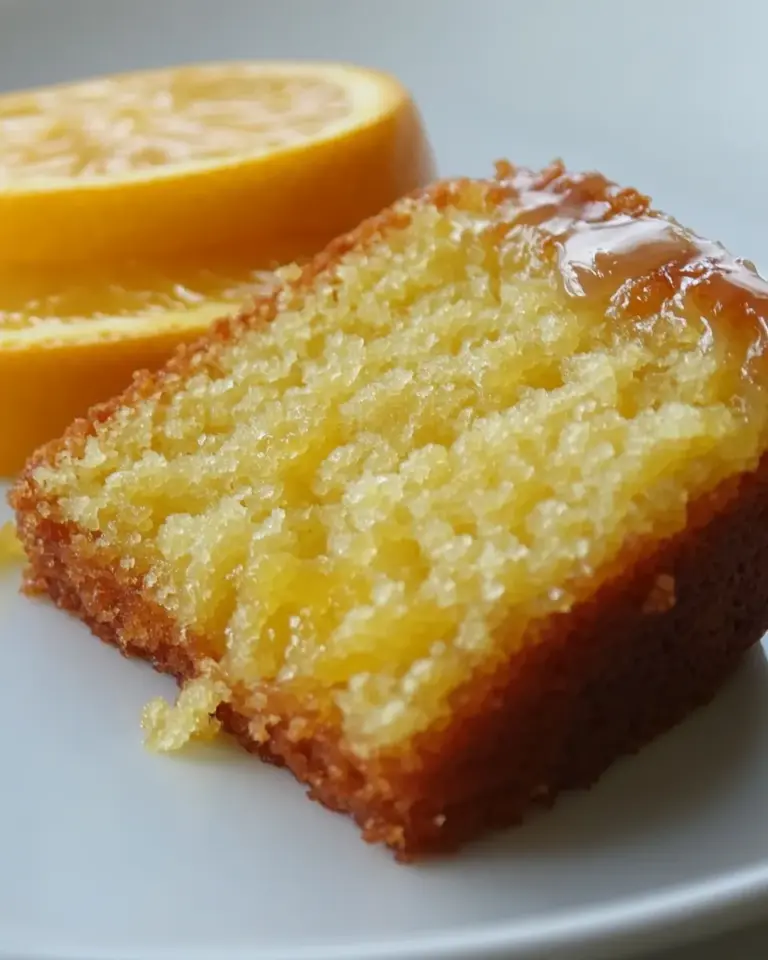
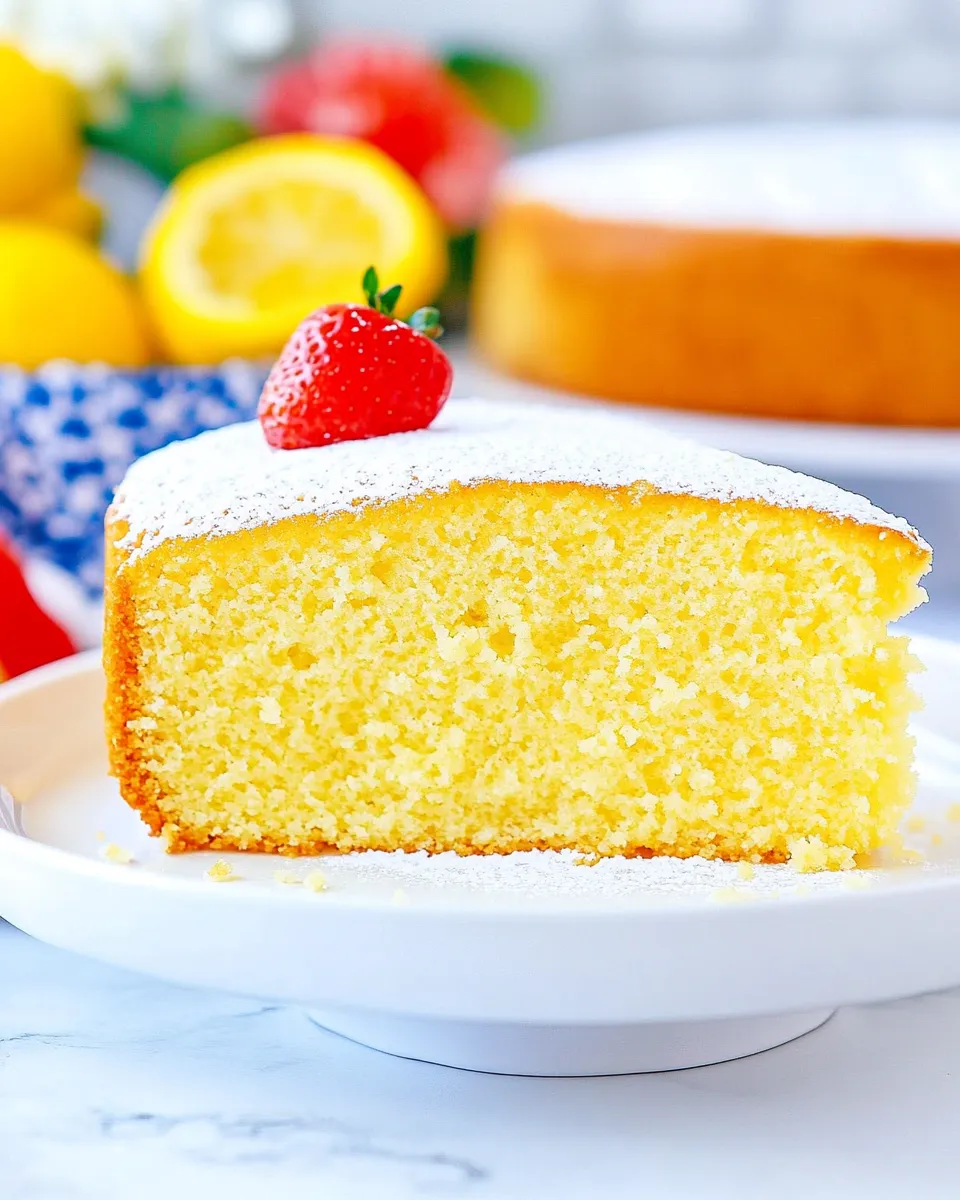
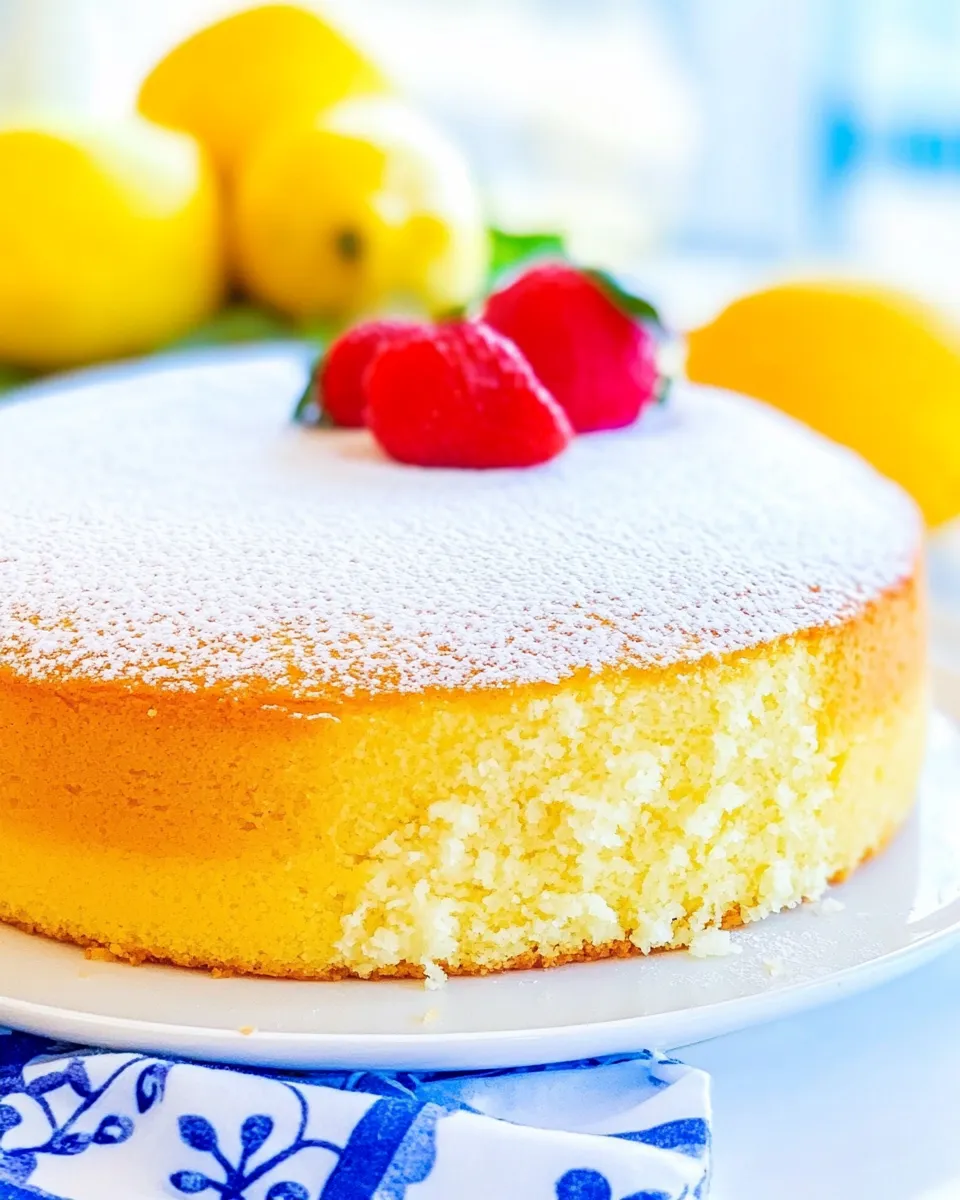
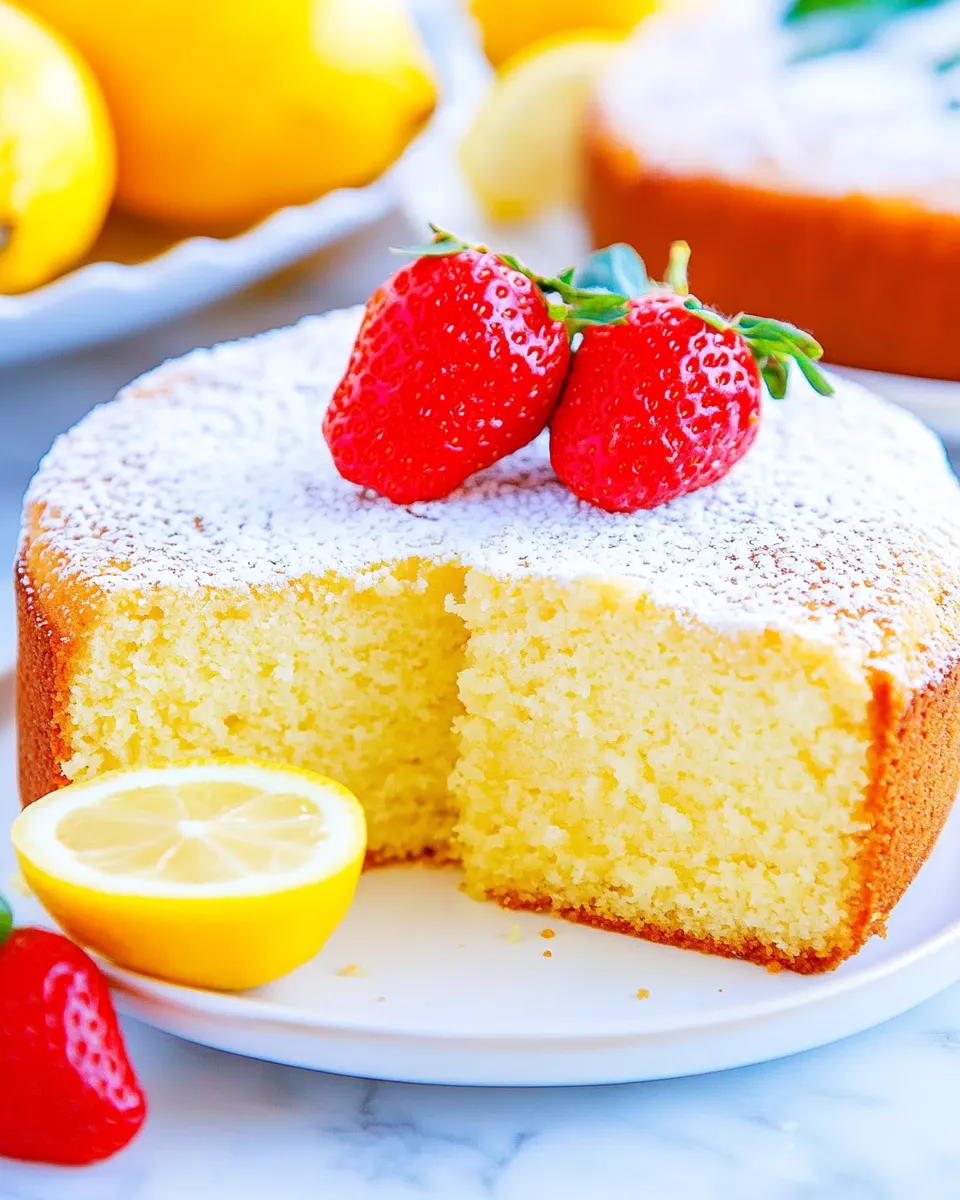
This lemon ricotta cake is the kind of dessert I make when I want something bright, tender, and not too fussy. It comes together with pantry staples, lifts from the ricotta’s creaminess, and finishes with a dusting of powdered sugar. The texture is moist and slightly springy; the lemon keeps it lively.
I like to bake this for small dinners, for a coffee morning, or any time I want a simple cake that feels special without drama. It slices cleanly, carries well to potlucks, and keeps its charm even a day later.
Below you’ll find the exact ingredients and the method I use every time, plus practical tips for substitutions, troubleshooting, and storage. Read through once, gather your tools, and you’ll have a reliably delicious cake in under an hour of oven time.
Gather These Ingredients
- 3/4 cup unsalted butter, softened — the fat for tenderness and flavor; soften to room temperature for easy creaming.
- 1 1/3 cups granulated sugar — sweetens and helps create a fine crumb; measure with a dry cup.
- 15 oz whole milk ricotta cheese — the star for moisture and a gentle tang; use full-fat for best texture.
- 3 large eggs, room temperature — provide structure and lift; bring to room temp to incorporate smoothly.
- 1 teaspoon vanilla — rounds and deepens the flavor.
- 1 large lemon, zested and juiced — zest for bright aromatics, juice for subtle acidity; use a microplane for fine zest.
- 1 teaspoon baking soda — leavens and reacts with the lemon juice for gentle rise.
- 1/4 teaspoon salt — balances sweetness and enhances flavor.
- 1 1/2 cups all-purpose flour — the cake’s structure; do not overpack the cup when measuring.
- Powdered sugar — for dusting the top of the cake before serving.
Make Lemon Ricotta Cake: A Simple Method
- Preheat the oven to 350°F (175°C). Grease a 9-inch springform pan with butter or baking spray and set it aside.
- In a large mixing bowl or the bowl of a stand mixer, beat the 3/4 cup softened unsalted butter and 1 1/3 cups granulated sugar together until creamy and combined. Scrape the sides and bottom of the bowl with a rubber spatula.
- Add the 15 oz whole milk ricotta cheese and beat on medium speed until the mixture is light and fluffy, about 4 to 5 minutes. Scrape the bowl as needed.
- Add the 3 large room-temperature eggs one at a time, mixing briefly after each egg until just incorporated.
- Add 1 teaspoon vanilla, the zest of 1 large lemon, and the lemon juice from that lemon; mix until combined.
- In a separate bowl, whisk together 1 teaspoon baking soda, 1/4 teaspoon salt, and 1 1/2 cups all-purpose flour.
- Add the dry mixture to the wet ingredients and stir or mix on low speed until just combined. Scrape the sides and bottom of the bowl and avoid overmixing.
- Pour the batter into the prepared springform pan and smooth the top with a spatula.
- Bake for 45–55 minutes, or until a toothpick inserted into the center comes out clean or with just a few crumbs (not wet batter).
- Let the cake cool in the pan on a wire rack for 10–15 minutes. Carefully remove the springform ring, then continue cooling the cake completely on the wire rack.
- Dust the top of the cooled cake with powdered sugar before serving.
Why I Love This Recipe
This cake strikes a perfect balance between simple technique and layered flavor. The ricotta keeps the crumb moist without making it heavy; it gives a delicate density that feels more refined than a plain butter cake. The lemon adds brightness but not sharpness, so the cake is enjoyable at any time of day.
The method is forgiving. You cream butter and sugar, add ricotta, then fold in dry ingredients. No complicated folding or special equipment beyond basic tools. It also travels and slices well, so it’s reliable for sharing.
Finally, it’s one of those recipes where you can taste the components: real butter, fresh lemon, whole-milk ricotta. It feels homemade and thoughtful, even when you’re short on time.
Allergy-Friendly Substitutes
If you need to avoid common allergens, here are practical swaps to try. I include options, but keep in mind some changes will alter texture and flavor.
- Dairy-free ricotta — use a store-bought plant-based ricotta or make a simple tofu-based ricotta (blended silken tofu with a bit of lemon and salt) to mimic moisture.
- Butter substitutes — use a high-quality dairy-free margarine or solid coconut oil (solid at room temp) for similar tenderness; expect a slightly different flavor.
- Egg replacers — for each egg, try a commercial egg replacer or 1/4 cup unsweetened applesauce or 1 tablespoon ground flaxseed mixed with 3 tablespoons water (let sit until gelled). Texture will be a bit denser.
- Gluten-free flour — replace the 1 1/2 cups all-purpose flour with a 1:1 gluten-free baking blend that already contains xanthan gum for best results.
Prep & Cook Tools
- 9-inch springform pan — makes release easy and keeps the cake intact.
- Stand mixer or hand mixer — speeds up creaming and gives the batter a light texture.
- Mixing bowls — at least two: one for wet and one for dry ingredients.
- Rubber spatula — for scraping the bowl and smoothing the batter in the pan.
- Microplane or fine grater — for lemon zest.
- Wire rack — cools the cake evenly after baking.
- Toothpick — to test doneness in the center.
Troubleshooting Tips
If the center is underbaked but edges look done
Loosely tent the cake with foil and continue baking in 5–10 minute increments until a toothpick comes out with a few dry crumbs. A 9-inch springform pan can cause thinner edges to bake faster; check the center first.
If the cake is too dense
Make sure the butter and eggs were at room temperature when you mixed them — cold ingredients won’t incorporate as well. Also avoid overmixing once you add the flour; stir just until combined.
If the cake is dry
Do not overbake. Begin checking at the 45-minute mark. Use fresh ricotta if possible; very dry ricotta will reduce moisture in the finished cake.
Adaptations for Special Diets
With a few swaps, this cake can fit a variety of needs. Each substitution changes texture slightly, so test once before serving to guests with strict dietary needs.
- Gluten-free: Use a 1:1 gluten-free flour blend. Let the batter rest briefly before baking if the blend benefits from hydration.
- Vegan: Replace ricotta with a blended tofu ricotta, swap butter for a solid vegan butter, and use flax or commercial egg replacer for the eggs. Expect a softer crumb and slightly different flavor profile.
- Lower sugar: Reduce sugar a bit, but not too much—ricotta and lemon need balance. You can cut up to 20% of the sugar, but keep in mind the cake’s structure and browning will change.
What Could Go Wrong
- Ricotta too wet or watery: If the ricotta is very watery, drain it in a fine sieve lined with cheesecloth for 30–60 minutes before using.
- Batter overmixed: Overworking after adding flour creates gluten and a tough cake. Mix only until no streaks of flour remain.
- Uneven rise: Make sure the oven temperature is accurate. An oven thermometer helps; hot spots can cause one side to rise faster.
- Cracked top: A slight crack is normal, but a deep crack can mean the oven is too hot or that the pan was placed too high in the oven.
Refrigerate, Freeze, Reheat
Storage is straightforward and keeps the cake tasting fresh.
- Room temperature: Wrap the cooled cake loosely with a cake dome or plastic wrap and keep at room temperature for up to 2 days.
- Refrigerator: Store slices in an airtight container for up to 5 days. Chilling firms the crumb slightly and keeps ricotta-safe.
- Freezing: Wrap individual slices tightly in plastic wrap and place in a freezer bag for up to 3 months. Thaw overnight in the refrigerator.
- Reheating: Warm slices in a 300°F oven for 8–10 minutes or microwave for 10–20 seconds to take the chill off; don’t overheat or it will dry out.
Frequently Asked Questions
Can I use low-fat ricotta?
Yes, but the cake will be slightly less rich and may be a touch drier. Full-fat ricotta gives the best texture.
Do I need a springform pan?
A 9-inch round pan can work, but a springform makes removal easier and preserves the cake’s appearance. If using a regular pan, line the bottom with parchment for easier release.
Can I add berries?
You can gently fold a cup of fresh berries into the batter, but this will add moisture and may increase baking time. Larger berries (like blueberries) work best.
Why baking soda?
Baking soda reacts with the lemon juice and ricotta’s mild acidity to give a light rise. Don’t omit it unless you substitute a similar leavening agent.
Time to Try It
This Lemon Ricotta Cake is dependable: straightforward technique, honest ingredients, and a reliably pleasing result. Follow the method, mind the simple tips, and you’ll have a tender, lemony cake that feels homemade and special.
Make it for a weekend brunch, a simple dessert, or to bring when you want to show up with something homemade. Dust with powdered sugar, serve with tea or a small scoop of vanilla ice cream, and enjoy the quiet confidence of a cake that never overpromises and always delivers.

Best Lemon Ricotta Cake Recipe
Ingredients
Ingredients
- 3/4 cupunsalted buttersoftened
- 1 1/3 cupsgranulated sugar
- 15 ozwhole milk ricotta cheese
- 3 large eggsroom temperature
- 1 teaspoonvanilla
- 1 large lemonzested and juiced
- 1 teaspoonbaking soda
- 1/4 teaspoonsalt
- 1 1/2 cupsall-purpose flour
- Powdered sugarfor dusting the top of the cake
Instructions
Instructions
- Preheat the oven to 350°F (175°C). Grease a 9-inch springform pan with butter or baking spray and set it aside.
- In a large mixing bowl or the bowl of a stand mixer, beat the 3/4 cup softened unsalted butter and 1 1/3 cups granulated sugar together until creamy and combined. Scrape the sides and bottom of the bowl with a rubber spatula.
- Add the 15 oz whole milk ricotta cheese and beat on medium speed until the mixture is light and fluffy, about 4 to 5 minutes. Scrape the bowl as needed.
- Add the 3 large room-temperature eggs one at a time, mixing briefly after each egg until just incorporated.
- Add 1 teaspoon vanilla, the zest of 1 large lemon, and the lemon juice from that lemon; mix until combined.
- In a separate bowl, whisk together 1 teaspoon baking soda, 1/4 teaspoon salt, and 1 1/2 cups all-purpose flour.
- Add the dry mixture to the wet ingredients and stir or mix on low speed until just combined. Scrape the sides and bottom of the bowl and avoid overmixing.
- Pour the batter into the prepared springform pan and smooth the top with a spatula.
- Bake for 45–55 minutes, or until a toothpick inserted into the center comes out clean or with just a few crumbs (not wet batter).
- Let the cake cool in the pan on a wire rack for 10–15 minutes. Carefully remove the springform ring, then continue cooling the cake completely on the wire rack.
- Dust the top of the cooled cake with powdered sugar before serving.
Equipment
- 9-inch springform pan
- stand mixer or mixing bowl
- Rubber spatula
- Wire Rack
- toothpick