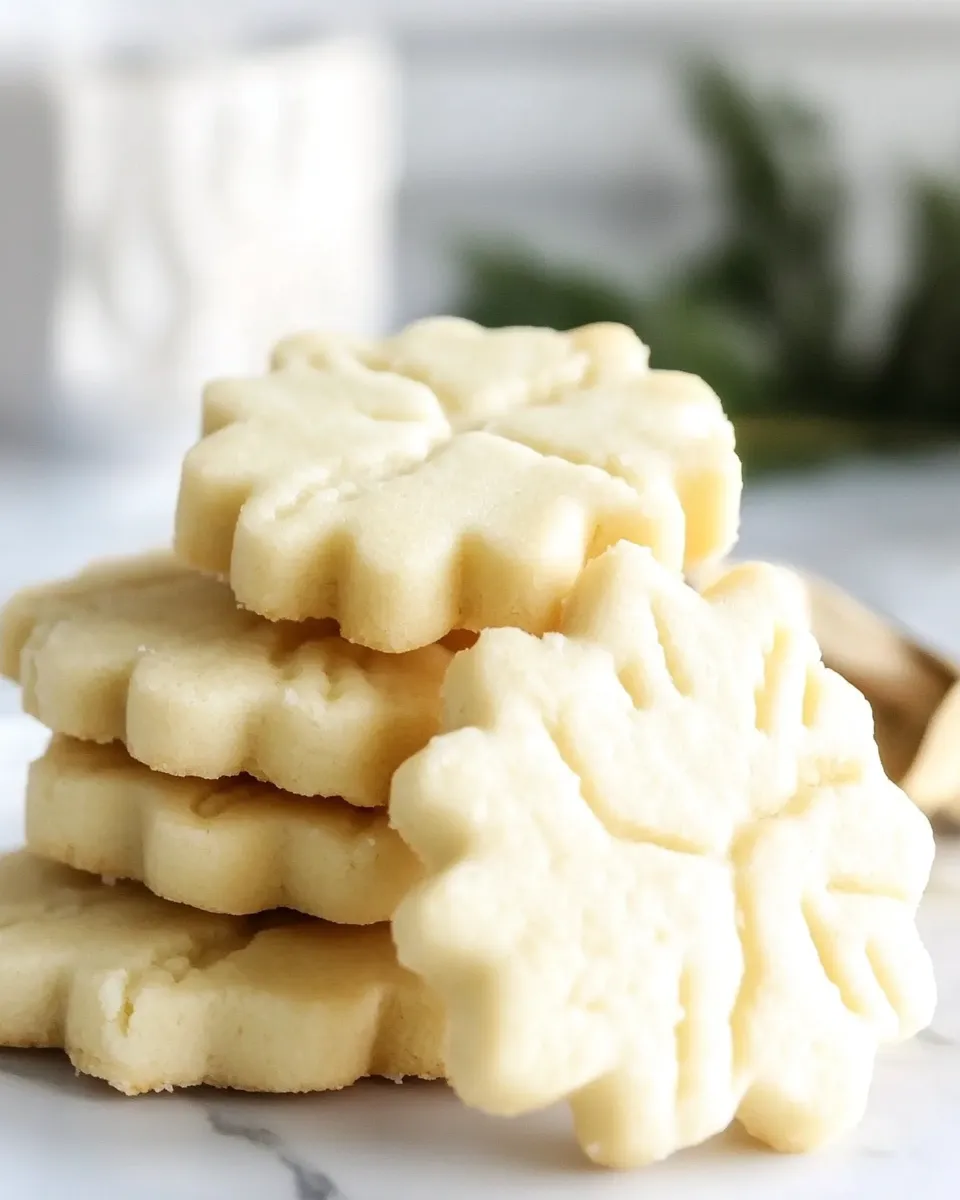
Shortbread is one of those recipes that looks elegant but lives comfortably in the everyday. It’s quiet, buttery, and forgiving. I love how a simple dough and a cookie press can produce the kind of cookies that feel both homemade and a little special.
In this post I’ll walk you through everything I do from shopping to baking, and how to avoid the little hiccups that can make shortbread less than perfect. No fussy techniques, no rare ingredients. The goal is a reliable batch of crisp, melt-in-your-mouth cookies you can make any time.
Read the steps exactly as written in the recipe section when you’re ready to bake. The rest of the post covers why this method works, what tools help, and practical fixes if something goes sideways. Let’s get to it.
What to Buy
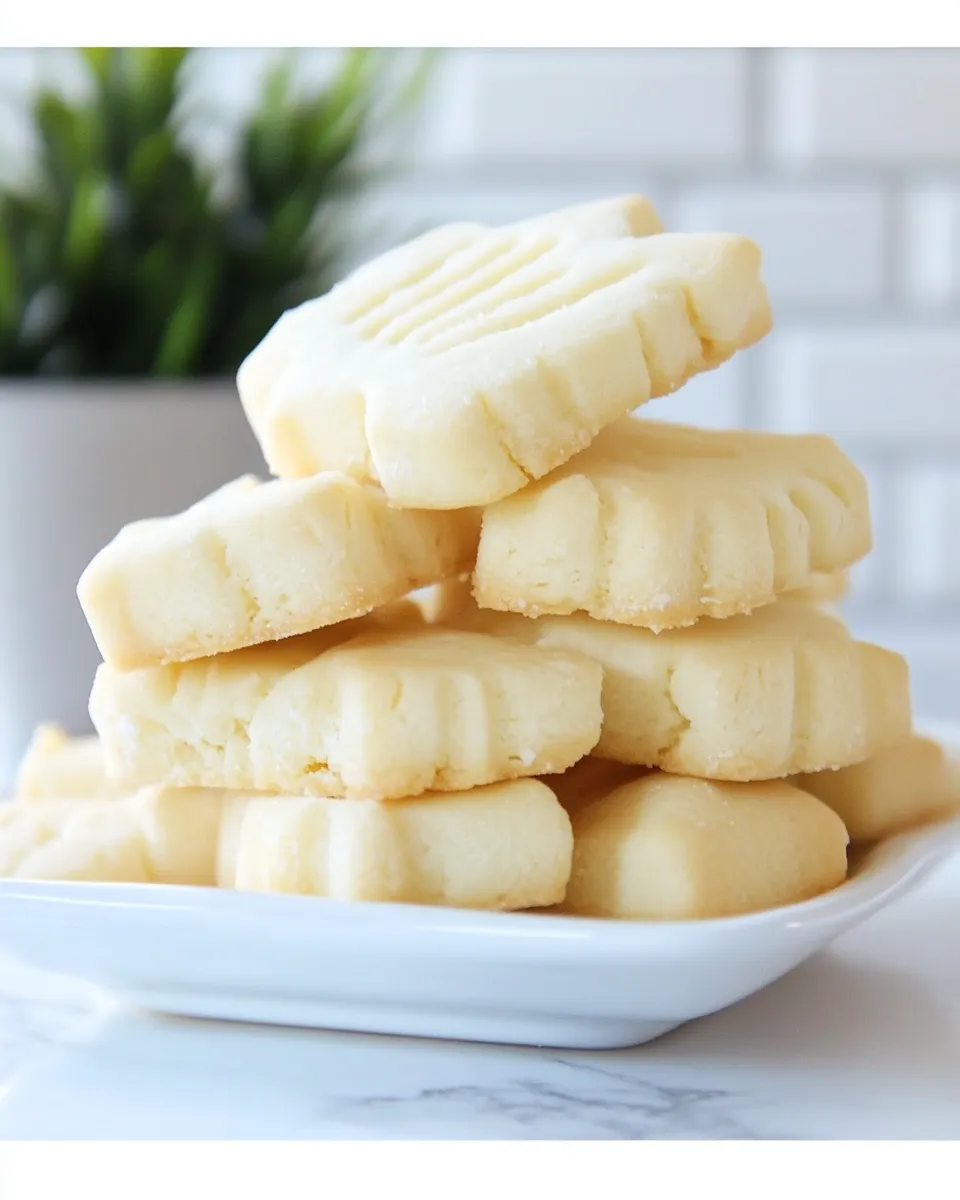
These cookies use very simple pantry items. Buy quality butter if you can — it’s the star. If you bake a lot, buy a larger block and keep it wrapped in the fridge for other recipes.
- 2 cups unsalted butter, softened — provides the rich, tender texture; softened means easy to beat into a light cream.
- 1 cup sugar — sweetens and helps the cookies hold a clean press shape.
- 2 teaspoons vanilla extract — adds gentle aromatic depth; measure it for consistent flavor.
- 4 cups all-purpose flour — structure; sift or spoon into the cup for accuracy if your flour is packed.
- 1-2 tablespoons milk, as needed — optional binder to bring the dough together; use only if dough is dry.
Make Shortbread Cookie Recipe: A Simple Method
- Preheat the oven to 350°F.
- In a large bowl, beat 2 cups softened unsalted butter and 1 cup sugar with a hand mixer on medium speed until the mixture is light and fluffy (about 2–3 minutes). Scrape down the bowl as needed.
- Add 2 teaspoons vanilla extract and mix briefly until incorporated.
- Add 4 cups all-purpose flour to the bowl, mixing on low speed until the dough comes together and no large streaks of dry flour remain.
- If the dough is too dry or crumbly to hold its shape, add 1 tablespoon milk and mix; if still too dry, add up to 1 more tablespoon (use 1–2 tablespoons total) until the dough is pliable and holds together (Play‑Doh–like consistency).
- Fit your cookie press with the desired disc and fill according to the manufacturer’s instructions. Hold the cookie press perpendicular to an ungreased, unlined baking sheet and press to form cookies, spacing them about 1 inch apart as you work. Refill the press as needed and continue placing cookies on the sheet.
- Bake for 10–12 minutes, or until the bottoms are very lightly golden.
- Let the cookies sit on the baking sheet for a few minutes (about 2–3 minutes), then transfer them to a wire rack to cool completely.
Why You’ll Love This Recipe
It’s dependable. The proportions are straightforward and the method minimizes handling, which keeps the texture tender. The cookie press turns a basic dough into beautiful, uniform cookies with virtually no rolling or cutting.
The butter is front and center here — that’s why the recipe calls for unsalted butter so you control the seasoning. The result is a shortbread that’s crisp at the edges and tender in the center, with clean shapes and a balanced sweetness.
No-Store Runs Needed
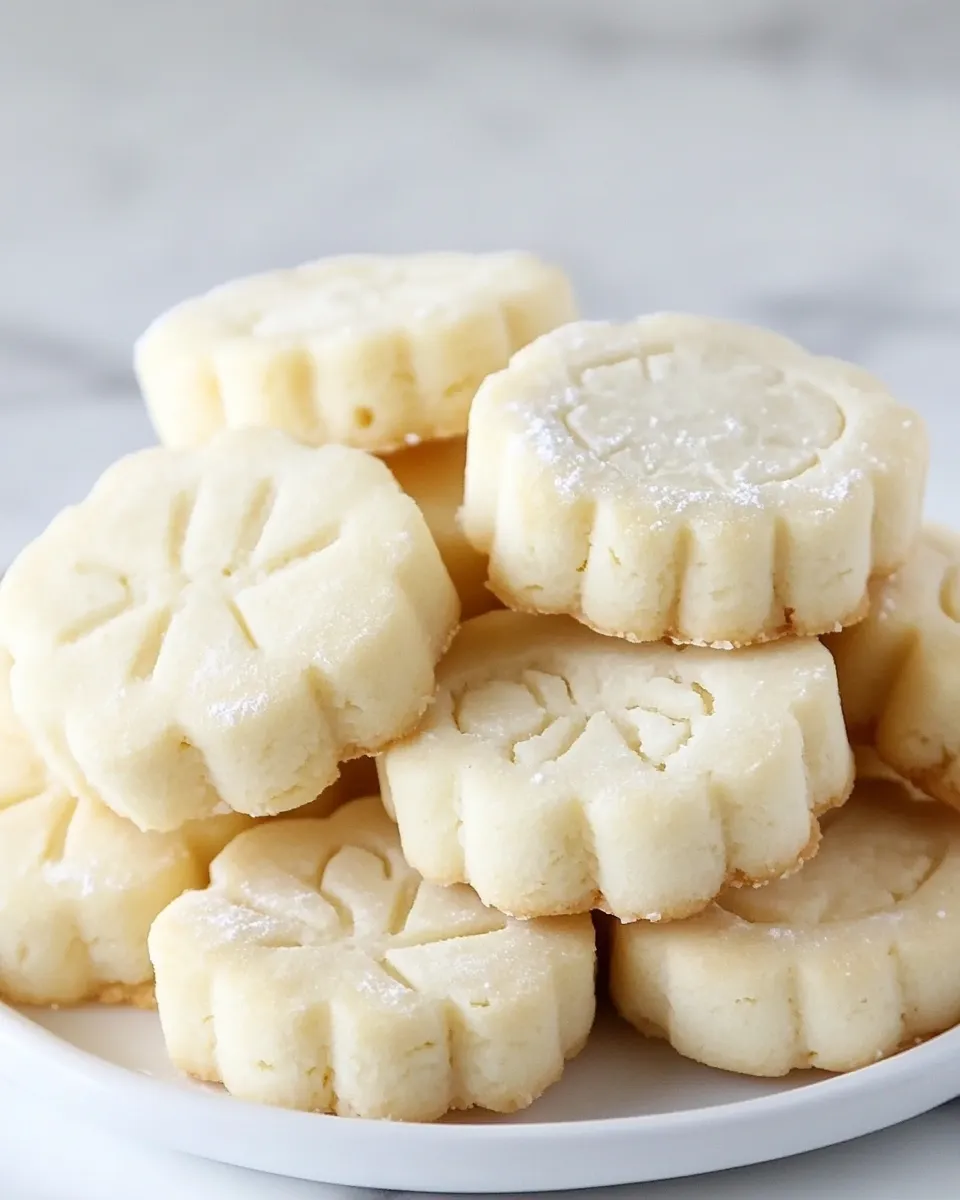
All ingredients are pantry staples: butter, sugar, vanilla, flour, and a tablespoon or two of milk if necessary. If you already keep butter and flour on hand, you can make these without an extra trip to the store. Vanilla extract is optional for some shortbread styles, but it gives a subtle lift.
If you don’t own a cookie press and want the pressed shapes specifically, it’s worth picking one up; otherwise you can press small rounds of dough with a cookie stamp or shape by hand using the same dough (note that the instructions above assume a press).
Tools & Equipment Needed

- Hand mixer — for creaming the butter and sugar quickly and evenly.
- Large mixing bowl — roomy enough to add 4 cups of flour and mix on low speed.
- Cookie press — for the classic pressed shapes; choose the disc you prefer.
- Baking sheet (ungreased, unlined) — this recipe calls for placing the cookies directly on the sheet.
- Wire cooling rack — cools cookies evenly and prevents sogginess.
- Spatula and scraper — for scraping down the bowl and moving dough.
- Measuring cups and spoons — accuracy matters, especially for flour and butter.
Troubles You Can Avoid
Here are the common hiccups and simple fixes that work with this exact recipe:
- Dough too crumbly to press: Add milk 1 tablespoon at a time (the recipe allows 1–2 tablespoons total) until the dough holds together like Play‑Doh. Don’t overdo it.
- Cookies spread or lose detail: Make sure the butter was softened, not melted. Overly soft butter can create a runny dough. Also press cookies straight down (perpendicular) and bake immediately.
- Bottoms browning too fast: Check your oven temperature with an oven thermometer. Bake until the bottoms are very lightly golden and stay on the earlier end of the 10–12 minute window if your oven runs hot.
- Cookie press sticking: Keep the press clean and dry. If dough is too warm, refrigerate it briefly so it firms up and fills the press cleanly.
Customize for Your Needs
Customization here focuses on technique, not changing ingredients. Because the ingredient list is intentionally small, you get most variation through shape, thickness, and bake time.
Shape and Size
Pick different cookie press discs to change appearance. Larger discs will increase baking time slightly; check for very light golden bottoms. Smaller discs yield crispier edges.
Texture Control
For a more tender result, avoid overworking the dough once the flour is added. Mix just until no large streaks of flour remain. If you want a firmer, crunchier cookie, press slightly thinner patterns or bake at the upper end of the time range while watching the bottoms.
Moisture Adjustments
If your kitchen is dry or the dough feels tight, use the 1–2 tablespoons milk allowance to get the right consistency. Add one tablespoon, check, then add the second only if necessary.
If You’re Curious
Yes, this dough is sturdy enough to hold fine detail from a press, which makes it great for holidays or a simple tea-time treat. No extra chilling is required unless your kitchen is unusually warm and the dough becomes hard to handle.
The press method makes the cookie shapes consistent, so you can bake full sheets and expect an even finish. If you prefer cut-out shapes, this dough will also roll and cut, but the texture and handling will differ slightly from a dough designed specifically for cutters.
Make Ahead Like a Pro
This dough is forgiving for short-term make-ahead plans. If you need to prepare in advance, press the cookies onto a baking sheet, freeze them uncovered until firm, then transfer the frozen trays of shaped dough to a labeled freezer bag. Bake from frozen — you may need an extra minute or two, so watch for lightly golden bottoms.
You can also press and bake the full batch, cool completely, and store baked cookies in an airtight container at room temperature for several days. For longer storage, freeze baked cookies in a flat layer, then move to a container or bag once frozen solid.
Troubleshooting Q&A
Q: My dough never came together — it stayed powdery. What did I miss?
A: The most common fix is the optional milk. Add 1 tablespoon, mix, then add a second tablespoon only if needed. You want a Play‑Doh–like consistency so the press leaves clean shapes.
Q: The cookies lost detail and spread flat during baking. Help?
A: Check that your butter was softened, not melted. If it’s too warm, the dough will be loose. Also ensure the press is used perpendicularly and the cookies go straight into the oven after pressing.
Q: The bottoms are dark but the tops look pale.
A: Your oven likely runs hot on the bottom element or the sheet is too thin. Use the middle rack and a slightly shorter bake time (aim for the lower end of 10–12 minutes) and rotate the sheet midway if your oven heats unevenly.
Q: The press is clogging or the cookies tear when pressed.
A: Clean the press and discard any old dough stuck in the mechanism. If the dough is too firm, let it sit a minute at room temperature; if it’s too soft, chill it briefly. The right consistency is key.
Q: Can I skip the vanilla?
A: Yes, but vanilla rounds out the flavor. The recipe will still work without it; the butter flavor will be more upfront.
Q: How do I know when the cookies are done?
A: Look at the bottoms — they should be very lightly golden. The tops will be set but not browned. Pull them at around 10 minutes if your oven is on the hot side, or up to 12 minutes for slightly more color.
Bring It Home
These shortbread cookies are a small triumph of technique over fuss: good butter, careful creaming, measured flour, and a cookie press make them reliable. Work methodically, use the milk allowance sparingly if needed, and trust the visual cue — very lightly golden bottoms — for doneness.
Serve them with coffee, tea, or a glass of milk. They store well and travel nicely, so once you master the press rhythm you’ll find yourself making them often. Happy baking — enjoy the buttery, simple joy of classic shortbread.

Best Shortbread Cookie Recipe
Ingredients
Ingredients
- 2 cupsunsalted butter softened
- 1 cupsugar
- 2 teaspoonsvanilla extract
- 4 cupsall-purpose flour
- 1-2 tablespoonsmilk as needed
Instructions
Instructions
- Preheat the oven to 350°F.
- In a large bowl, beat 2 cups softened unsalted butter and 1 cup sugar with a hand mixer on medium speed until the mixture is light and fluffy (about 2–3 minutes). Scrape down the bowl as needed.
- Add 2 teaspoons vanilla extract and mix briefly until incorporated.
- Add 4 cups all-purpose flour to the bowl, mixing on low speed until the dough comes together and no large streaks of dry flour remain.
- If the dough is too dry or crumbly to hold its shape, add 1 tablespoon milk and mix; if still too dry, add up to 1 more tablespoon (use 1–2 tablespoons total) until the dough is pliable and holds together (Play‑Doh–like consistency).
- Fit your cookie press with the desired disc and fill according to the manufacturer’s instructions. Hold the cookie press perpendicular to an ungreased, unlined baking sheet and press to form cookies, spacing them about 1 inch apart as you work. Refill the press as needed and continue placing cookies on the sheet.
- Bake for 10–12 minutes, or until the bottoms are very lightly golden.
- Let the cookies sit on the baking sheet for a few minutes (about 2–3 minutes), then transfer them to a wire rack to cool completely.
Equipment
- Large Bowl
- Hand Mixer
- cookie press
- Baking Sheet
- Wire Rack
Notes
No cookie press?
Roll into a 2-inch thick log and use a sharp knife to slice even circles. Or, roll the dough out to about ¼ inch thick and use cookie cutters to stamp out shapes.
Store
cookies
in an airtight container for 1-2 weeks at room temperature or freeze for 2-3 months.
Store cookie dough
to bake later. Wrap it tightly in plastic wrap and keep it in the fridge for 3-4 days or 4-6 weeks in the freezer. If freezing the dough, also wrap it with aluminum foil.