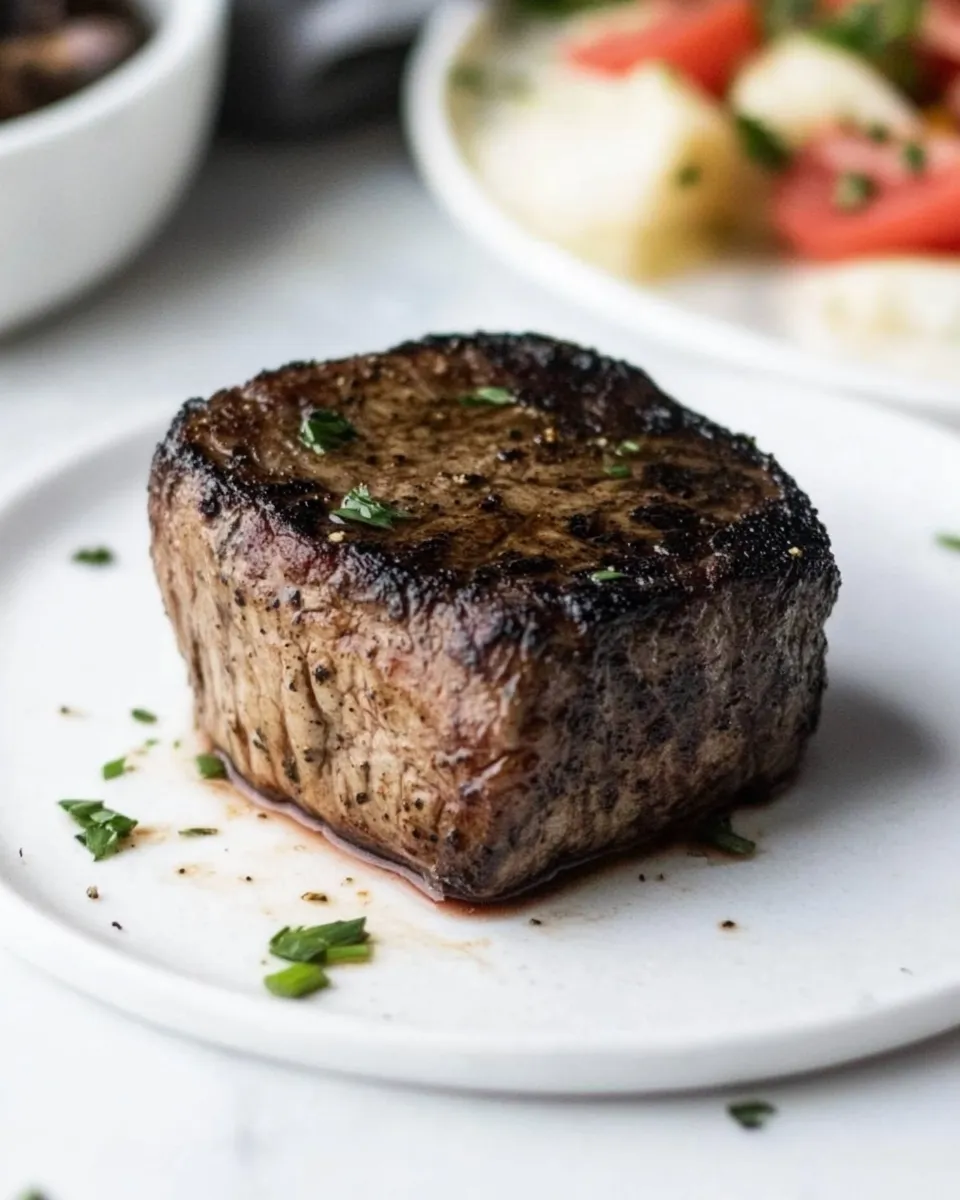
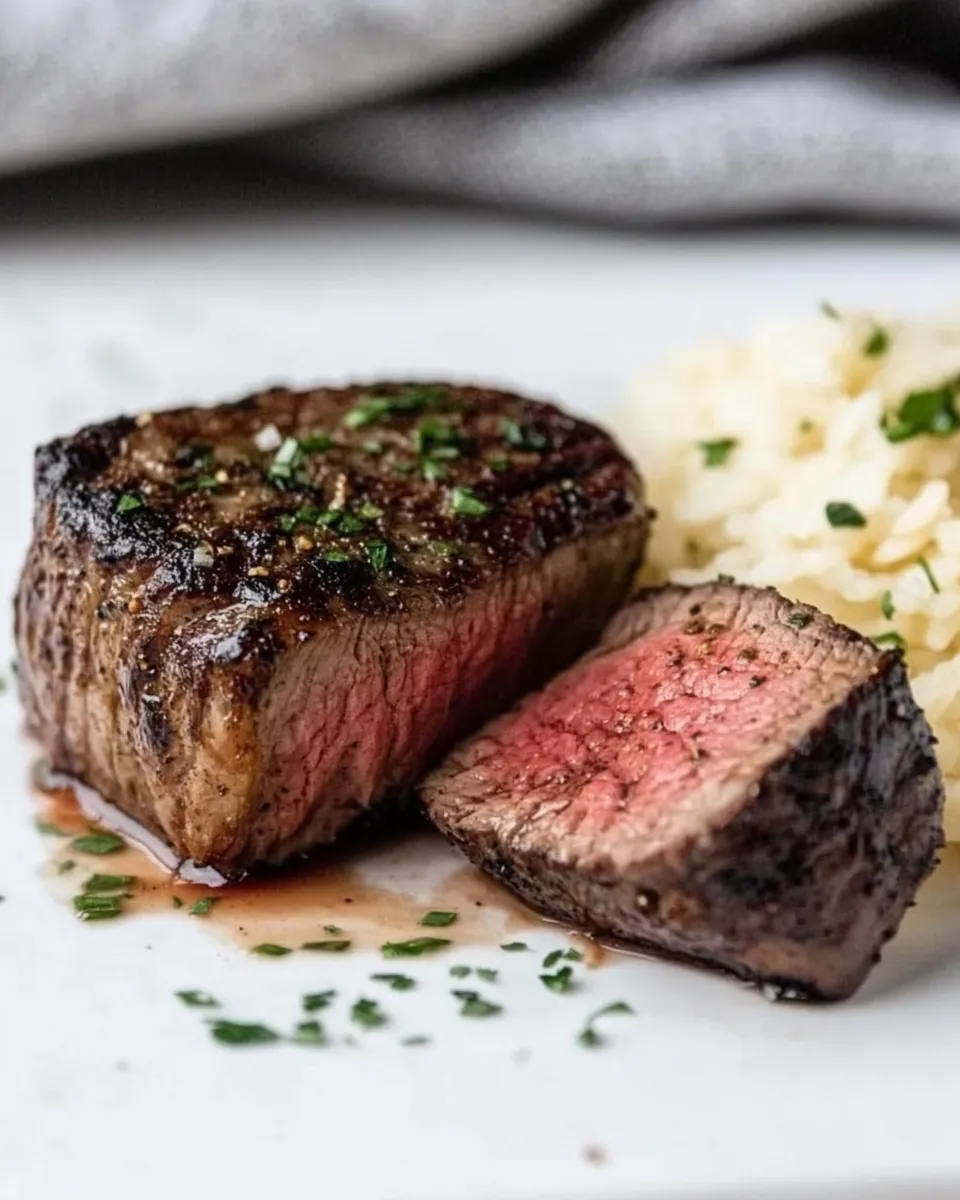
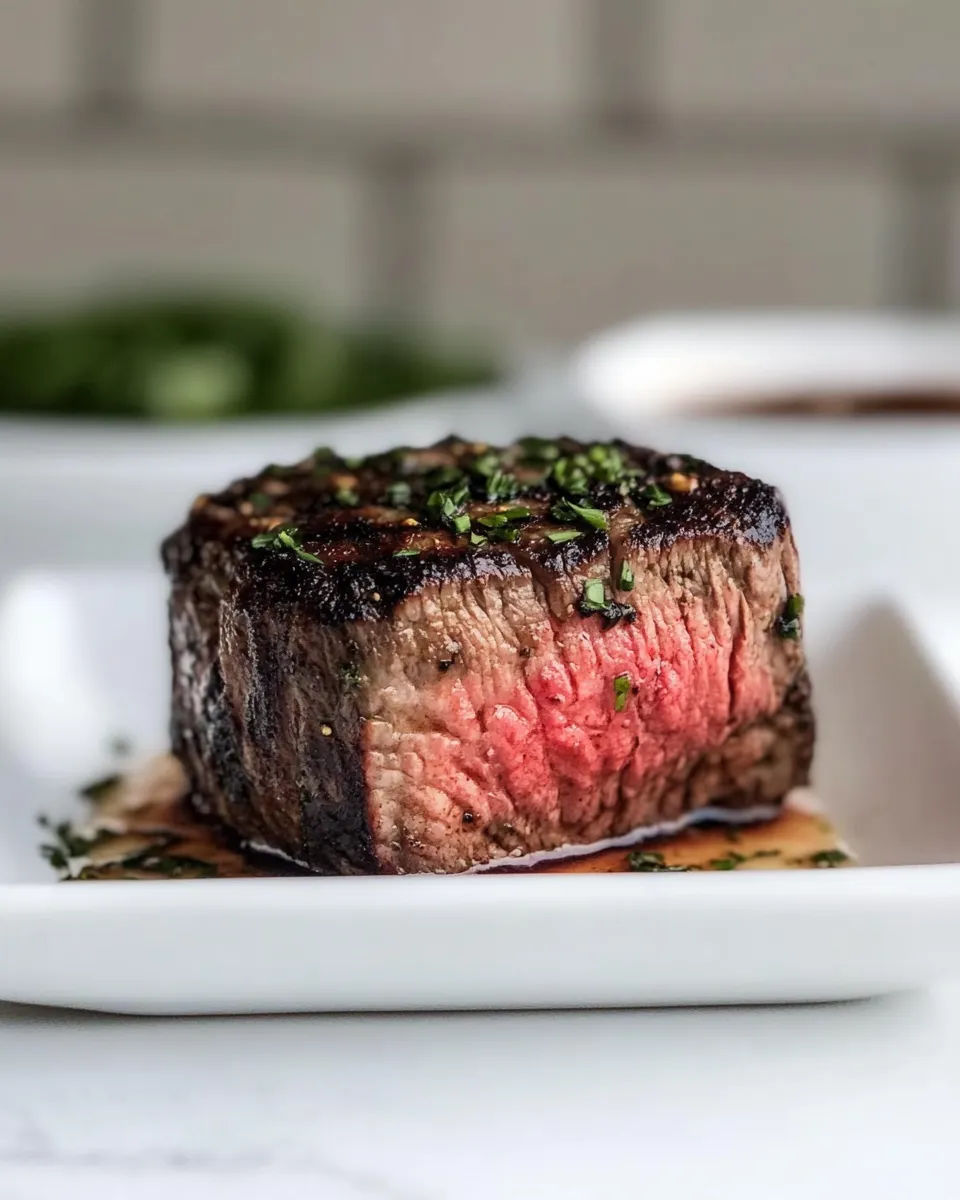
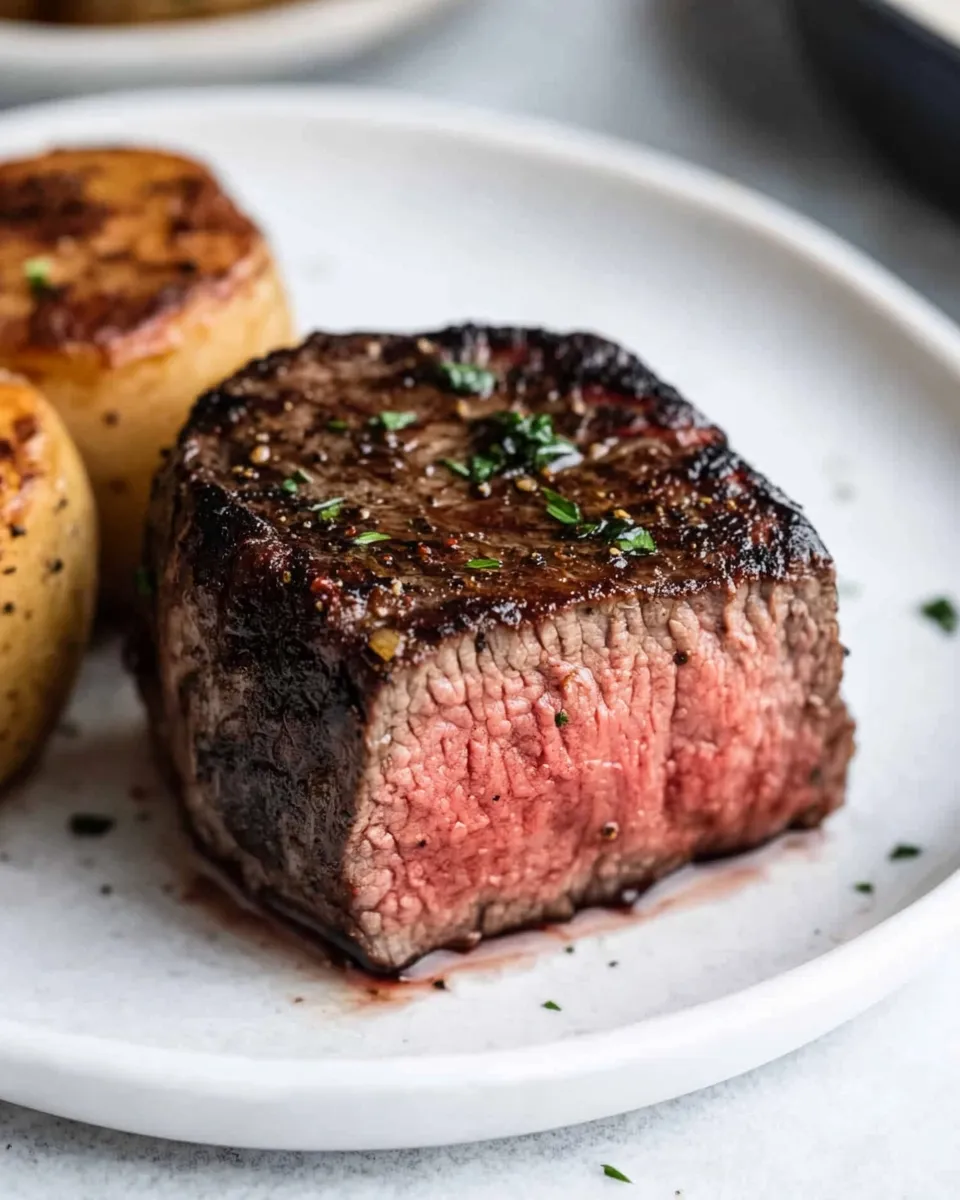
I fell in love with Pittsburgh‑style steak the first time I tasted that contrast: an almost charred, coal-black crust and a cool, rare center that still bleeds when you slice it. It’s dramatic, quick, and absolutely worth the small leap of faith it asks from the grill. You get texture, smoke, and pure beef flavor in every bite — no long marinades, no complicated preparations.
This recipe is straightforward and insists on three things: very high heat, dry steaks, and a little butter (or rendered fat) dropped on top as the meat chars. The technique is easier than most people expect. You can have restaurant-level drama in under 15 minutes from the time your grill hits high heat.
Below I walk through the ingredients, an exact step-by-step using a single reliable method, equipment needs, common slip-ups, allergy-friendly options, and a realistic testing timeline so you know what to expect each time you make it. Read it once, then make it. You’ll get better with each try.
Ingredient Checklist
- 4 teaspoons olive oil — light coating to help the exterior brown and hold seasonings; rub over all sides so the crust sears evenly.
- 4 6-to-8-ounce filet mignons — the star ingredient; tender, thick steaks work best for the blackened outside and rare center contrast.
- 1 stick of ice-cold butter, cut into 8 slices, or meat fat trimmings — placed on top as the steaks hit the heat; supplies immediate browning flavor and helps manage flare-ups.
- coarse salt and fresh cracked pepper to taste — the simplest, most effective seasoning; coarse salt helps form that crunchy crust, and cracked pepper gives bite.
From Start to Finish: Black and Blue Steak (Pittsburgh Style)
- Preheat the grill to high heat (about 550–650°F).
- Pat the filet mignons dry on all sides with paper towels.
- Divide and rub the 4 teaspoons olive oil over all sides of the four steaks.
- Season all sides of the steaks with coarse salt and fresh cracked pepper to taste.
- Cut the stick of ice‑cold butter into 8 slices.
- Place the steaks on the preheated grill. Immediately place two butter slices on top of each steak (or use meat fat trimmings if you prefer). Expect and stand back from occasional flare‑ups as the fat melts.
- Cook 1 to 2 minutes per side, flipping once with tongs, until the outside is deeply charred/blackened but the center remains rare.
- Remove the steaks from the grill and let rest 3–5 minutes.
- Slice (if desired) and serve.
Why This Recipe Is Reliable
This is a method recipe: it relies on temperature and timing, not a long ingredient list or precise thermometer readings. The reliability comes from consistent variables you can control — dry meat, a hot grill, and fat added just as the steak hits the surface. Those three things drive the chemical reactions that produce a blackened exterior without overcooking the center.
You don’t need fancy seasoning or long rest times. The olive oil promotes even contact with the grates. Coarse salt helps form a crunchy surface, and the butter melts into the char for flavor and gloss. Filet mignon’s thickness and tenderness make it ideal; it sears quickly and stays tender inside. Repeatable steps mean repeatable results: hot grill, quick sear, short rest.
Allergy-Friendly Substitutes
If you need to avoid dairy, the simplest swap is to use rendered beef or pork fat trimmings in place of the butter slices. The fat melts and flavors the crust similarly, and it’s already listed as an alternative. For those avoiding olive oil (rare), use a neutral high‑smoke‑point oil like avocado oil — but note the original flavor profile changes slightly.
For a pepper or salt sensitivity, scale back the coarse salt and fresh cracked pepper to taste. The technique still works; you’ll just get a milder exterior. Do not skip fat entirely — the butter or fat is part of how the char develops and how the steak keeps a rich mouthfeel.
Before You Start: Equipment
Good results come from appropriate tools. You don’t need specialty gear, but a few items make the job safe and simple:
- Gas or charcoal grill capable of 550–650°F — key to achieving the blackened crust quickly.
- Tongs — for secure flipping without piercing the meat (keep juices in).
- Paper towels — to pat steaks dry; moisture is the enemy of a crisp char.
- Meat thermometer (optional) — not necessary for this style, but helpful if you’re wary of doneness; rare is the goal, so watch timing closely.
- Heatproof plate or board — for resting the steaks off the grill for 3–5 minutes.
Slip-Ups to Skip
- Don’t grill wet steaks. Moisture prevents proper charring. Pat them dry thoroughly.
- Don’t underheat the grill. This method demands very high surface temperature; lower heat yields grey crusts instead of the desired blackened texture.
- Don’t overcook in fear. The whole point is a rare center. Cook 1 to 2 minutes per side and trust the brief rest to redistribute juices.
- Don’t press the steaks on the grill. That squeezes juices out and interferes with the crust forming.
- Don’t leave the butter out at room temperature. The recipe calls for ice‑cold butter so it briefly melts, sizzles, and encourages charring without immediately pooling.
Allergy-Friendly Swaps
For readers who asked for alternatives again, here are quick swaps framed by allergy type:
- Dairy-free: replace butter with rendered animal fat (beef tallow or pork lard) or a neutral high‑smoke‑point oil if you must.
- Oil allergy or intolerance: use a very light brush of water to help salt adhere, but expect different sear characteristics. Best to use a safe oil alternative where possible.
- Low‑sodium: use less coarse salt; consider a finishing pinch right after resting so you control how much lands on the crust.
Testing Timeline
Here’s a realistic timeline from fridge to table, assuming your grill achieves the target heat:
- Preheat grill to 550–650°F: 10–20 minutes depending on equipment (charcoal can take longer).
- Prep steaks (pat dry, oil, season, cut butter): 5–10 minutes.
- Cook time: 2–4 minutes total (1–2 minutes per side).
- Rest: 3–5 minutes.
- Total active time after preheat: ~10 minutes. Total including preheat: ~20–35 minutes.
If you’re testing the method for the first time, plan for a slightly longer warm‑up period and factor in grilling outdoors where wind or outdoor temps can affect grill performance.
Keep-It-Fresh Plan
Cooked steaks: cool to room temperature no longer than two hours, then refrigerate in a shallow, airtight container. Use within 3–4 days for best quality. Reheat gently: thinly slice and warm in a skillet on low with a splash of beef stock or butter, or rewarm in a 250°F oven to avoid overcooking.
Raw steaks: keep refrigerated and use within 2–3 days of purchase for best texture and flavor, or freeze for longer storage. If frozen, thaw in the refrigerator overnight before using. Do not refreeze once cooked.
Quick Questions
What doneness does this reach?
The method targets a rare center with a deeply blackened exterior. If you prefer medium‑rare, shorten the pre‑sear or use a slightly lower grill setting and watch closely — the technique is optimized for rare inside.
Can I do this in a cast iron skillet instead of a grill?
Yes. A screaming‑hot cast iron pan can mimic the effect. Use high heat, oil the steaks lightly, add cold butter slices when the steak hits the pan, and sear briefly. Expect more smoke indoors—use good ventilation.
Why ice‑cold butter?
Cold butter won’t immediately melt away. It briefly sits, melts, foams, and encourages localized browning and flavor infusion without instantly saturating the surface. It also helps create those dramatic sizzles and occasional flare‑ups when it hits hot grates.
What about flare‑ups?
Stand back and let them happen briefly. The added fat creates short flames that help blacken the crust. If flames get out of control, move the steaks to a cooler part of the grill until flames subside and then finish searing.
Wrap-Up
Black and Blue Steak (Pittsburgh Style) is a fast, high‑impact technique that gives you a restaurant‑style result with minimal fuss. The approach is simple: dry steaks, hot surface, a bit of fat on top, and brief cooking. Follow the exact order above the first few times, pay attention to grill temperature, and you’ll consistently hit that dramatic contrast between a coal‑black exterior and a cool, rare center.
Make a note the first time you try it about your grill’s timing and behavior. Every setup is slightly different. Once you learn those small quirks, the recipe becomes a fast, reliable weeknight triumph or a show‑stopping weekend treat. Now fire up the grill and enjoy the char.

Black and Blue Steak (Pittsburgh Style)
Ingredients
Ingredients
- 4 teaspoonsolive oil
- 4 6- to-8-ounce filet mignons
- 1 stick of ice-cold butter cut into 8 slices, or meat fat trimmings
- coarse salt and fresh cracked pepper to taste
Instructions
Instructions
- Preheat the grill to high heat (about 550–650°F).
- Pat the filet mignons dry on all sides with paper towels.
- Divide and rub the 4 teaspoons olive oil over all sides of the four steaks.
- Season all sides of the steaks with coarse salt and fresh cracked pepper to taste.
- Cut the stick of ice‑cold butter into 8 slices.
- Place the steaks on the preheated grill. Immediately place two butter slices on top of each steak (or use meat fat trimmings if you prefer). Expect and stand back from occasional flare‑ups as the fat melts.
- Cook 1 to 2 minutes per side, flipping once with tongs, until the outside is deeply charred/blackened but the center remains rare.
- Remove the steaks from the grill and let rest 3–5 minutes.
- Slice (if desired) and serve.
Equipment
- Grill
- Tongs
- Paper Towels
Notes
Make-Ahead:
This is meant to be eaten as soon as cooking is done.
How to Store:
Cover and keep in the refrigerator for 3 days. This recipe will not freeze well.
How to Reheat
: This recipe does not reheat well, but if you do need to reheat it, then re-grill it on a hot grill for 2 to 3 minutes per side or until warm.
You can
perform these procedures on a gas grill. However, doing it on a wood or charcoal-burning grill is better and more efficient.
Reheating your
steak will 100% cause it to increase in internal temperature, most likely past medium and into medium-well.
You may
not get the perfect grill marks, and that’s ok. The most important thing is that the steak has dark char marks and is cooked at the ideal internal temperature. Grill marks are for show, nothing else.
The best
beef cuts are those commonly eaten rare to medium-rare. Do not use a cut that requires long, slow cooking times; it will not work for these procedures.
Moisture is
the enemy of getting a dark crust on your steak, which is why patting it dry with paper towels is beneficial.
Optionally
place a grill lid over top to help char the steak more.
If the
butter is melting too fast and the flames are dying too quickly, try drizzling a few tablespoons of neutral-flavored oil directly over the steaks.