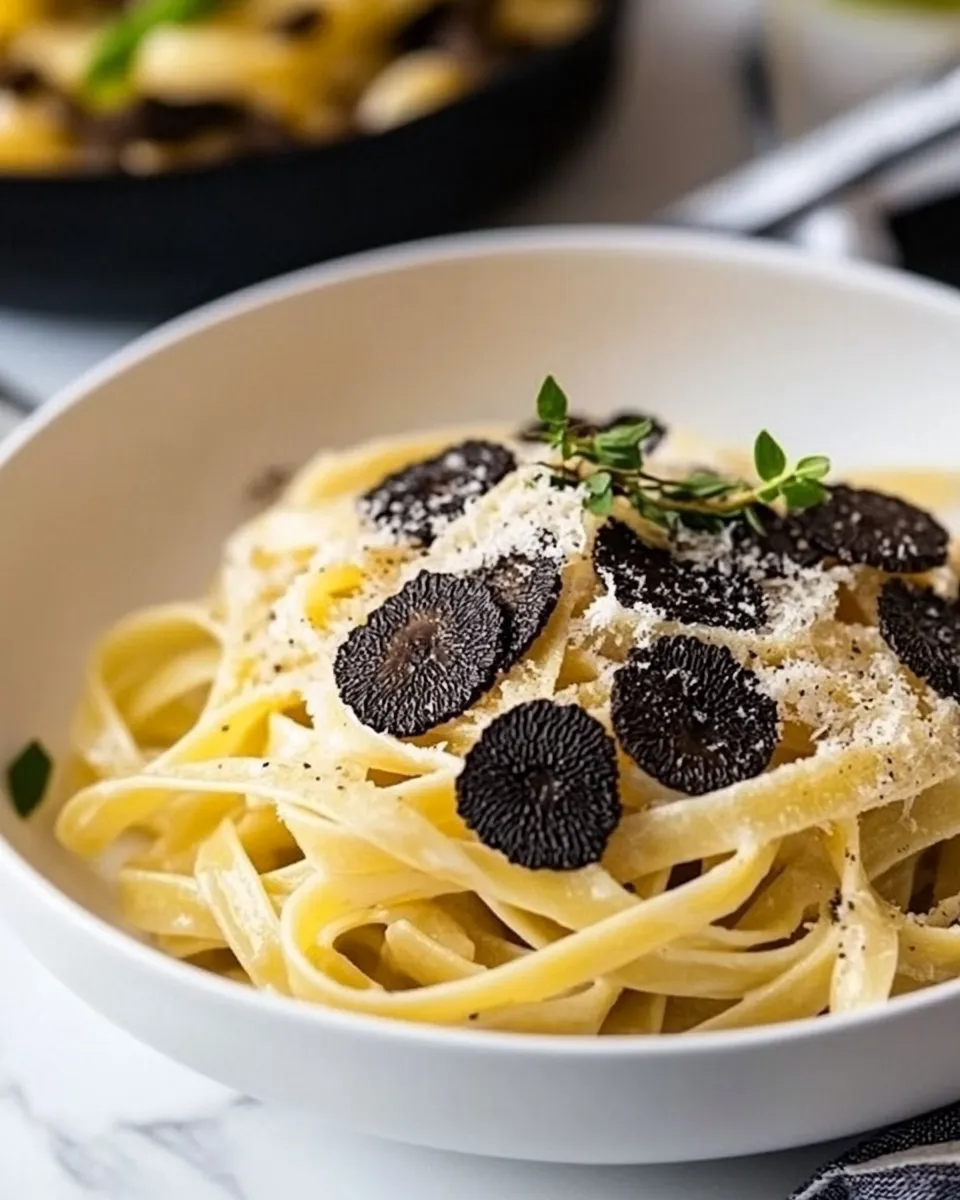
There are recipes that dazzle because they pile on ingredients and technique. This one impresses for the opposite reason: it’s short, focused, and built around one luxury ingredient done justice. Black truffle turns simple pasta into something layered and aromatic, and the rest of the dish exists to support that aroma rather than compete with it.
I’ve pared the method to a few deliberate moves: salty pasta water, a little butter warmed gently to carry the truffle, the starch in reserved pasta water to bind the sauce, and just enough cheese to give creaminess. Timing matters more than complex steps. Get the pasta right, keep heat low, and finish off with a generous shaving of the remaining truffle.
This post answers the practical questions you’ll have while making it: what exactly goes into the pot, how to follow the recipe step-by-step, what to do if the sauce is dry or the flavor feels weak, and how to store and reheat without killing the truffle’s aroma. No fluff—just a reliable approach so the truffle can be the star it deserves to be.
What Goes Into Black Truffle Pasta
Ingredients
- 8ozpasta — your pasta provides the base and starch to create the sauce; long shapes like tagliolini or linguine work especially well because they carry the sauce without overpowering it.
- ½cupParmesan cheese — adds savory umami and helps emulsify the sauce when stirred off the heat; grate finely for a smoother melt.
- ½sticksalted butter — the fat that carries truffle aroma and glosses the noodles; use salted as written, and warm gently so it doesn’t brown.
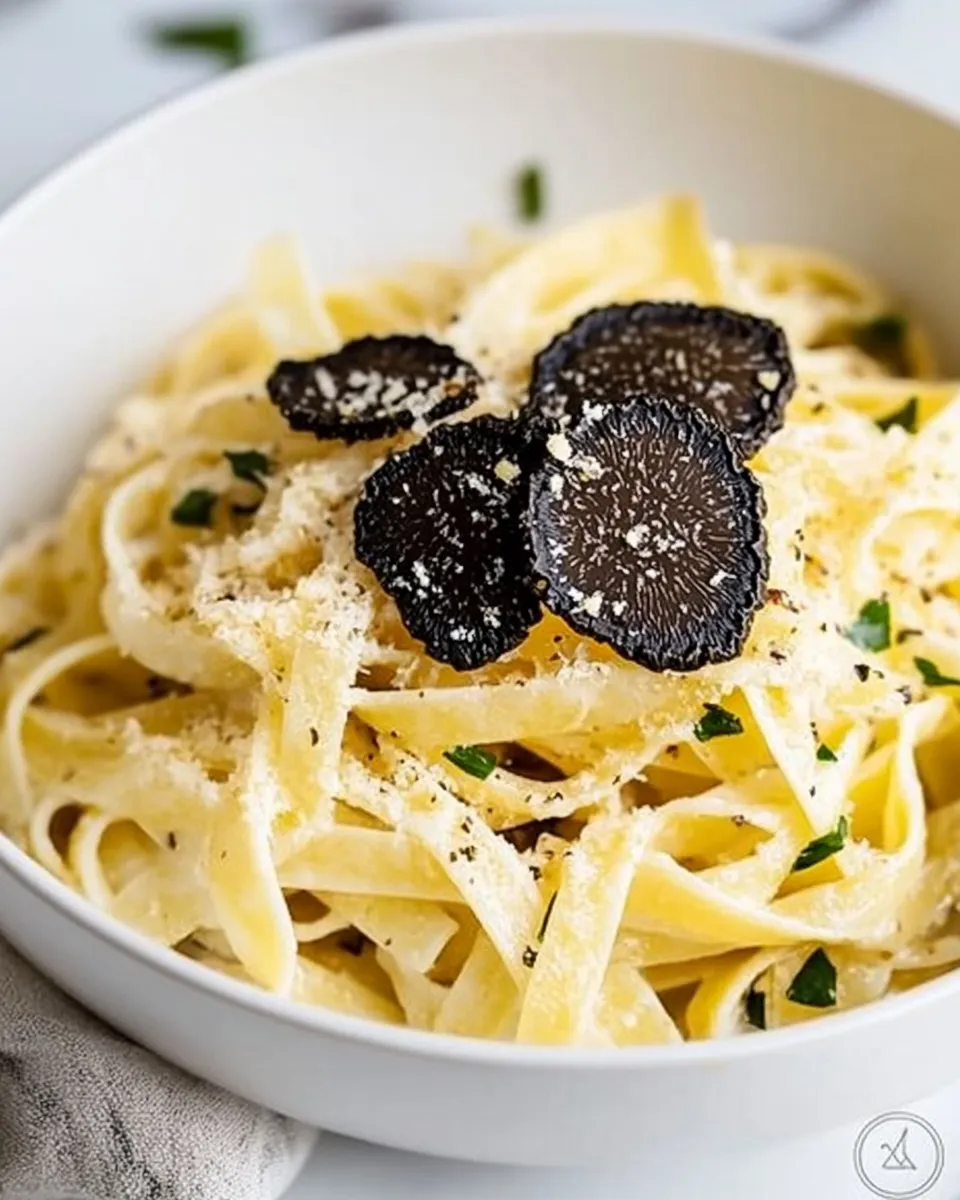
- 1ozfresh black truffle — the star ingredient; most of it is grated into the butter to infuse flavor, with the remainder reserved for finishing.
- fresh parsley — a small herbaceous lift on top; chop finely and use sparingly so it doesn’t compete with the truffle.
- salt and pepper to taste — salt anchors flavor (pasta water should be well salted); freshly cracked black pepper adds mild heat if you like.
Black Truffle Pasta Made Stepwise
- Bring a large pot of water to a boil and salt it generously. Add the 8 oz pasta and cook until al dente (about 1 minute less than the package suggests).
- While the pasta cooks, grate ½ cup Parmesan and set it aside.
- Put ½ stick salted butter in a heavy-based skillet and melt over low heat.
- Grate about ¾ of the 1 oz fresh black truffle into the melted butter, stir to combine, then remove the skillet from the heat. Reserve the remaining truffle for serving.
- When the pasta is nearly done, scoop out and reserve ½ cup of the pasta cooking water, then drain the pasta.
- Return the skillet to low heat, add the drained pasta and ¼ cup of the reserved pasta water, and gently stir/toss until the pasta is coated and combined. If the pasta seems dry or sticky, add more of the reserved cooking water a little at a time (up to the remaining reserved water).
- Remove the skillet from the heat, add the grated Parmesan, and stir gently until the cheese is melted and the sauce is creamy. Season with salt and pepper to taste.
- Serve immediately, garnishing with fresh parsley and the remaining grated or shaved black truffle.
Why It Works Every Time
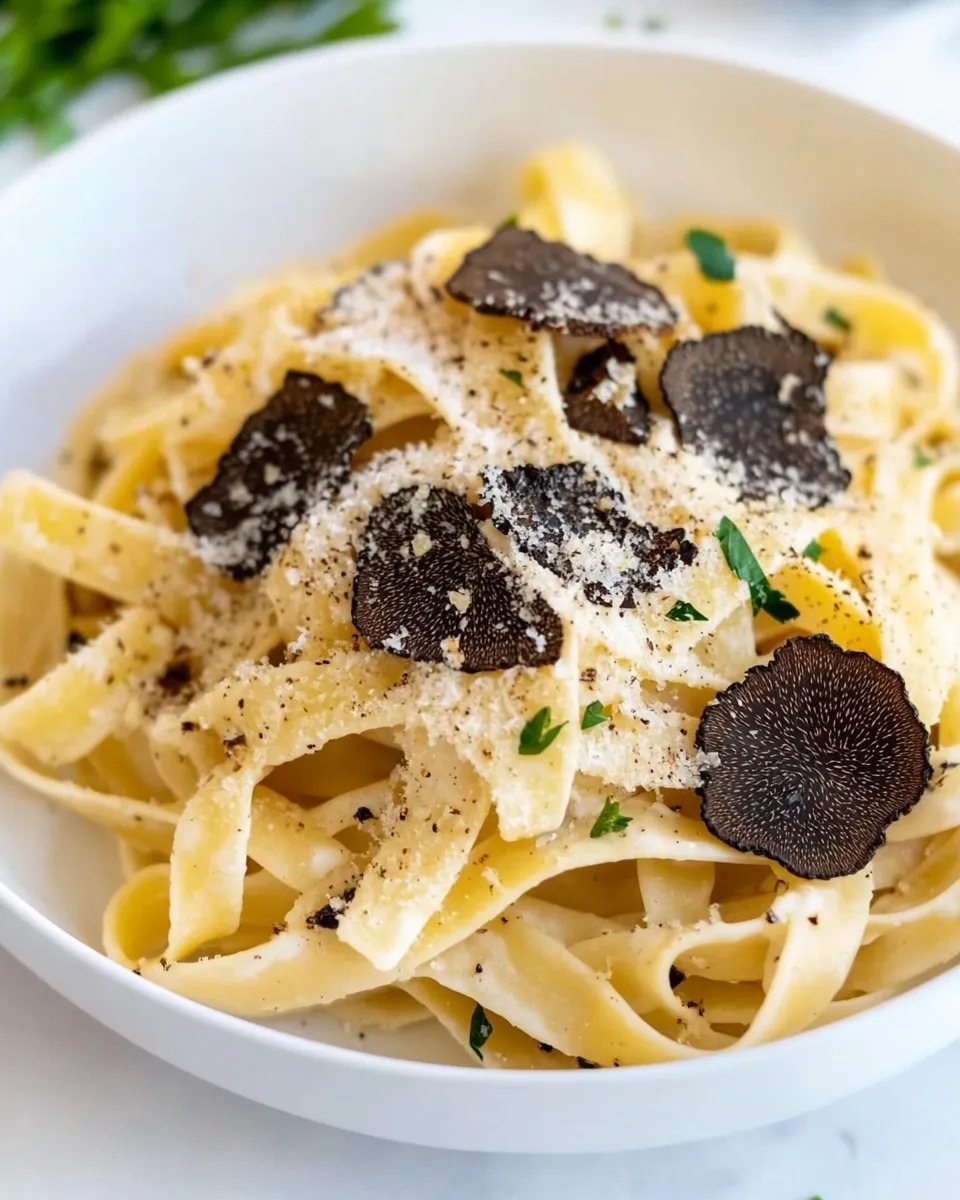
This recipe relies on three simple culinary principles that consistently deliver a silky, aromatic sauce. First: starch. The reserved pasta water contains dissolved starch that acts as an emulsifier when mixed with butter and cheese. That starch creates a glossy, clingy sauce without needing cream.
Second: low heat. Truffle aroma compounds are volatile and can fade if overheated. Melting the butter on low and pulling the skillet off the heat for the final cheese addition preserves those aromas. The butter serves as a gentle carrier, spreading the truffle scent across the pasta.
Third: timing and restraint. Salted pasta water seasons the noodles from within, and adding the cheese off-heat prevents it from clumping or breaking the emulsion. The reserved truffle for finishing supplies an immediate burst of aroma at the table. Each step is small, but together they protect the truffle’s delicate perfume and let it sing.
Substitutions by Category
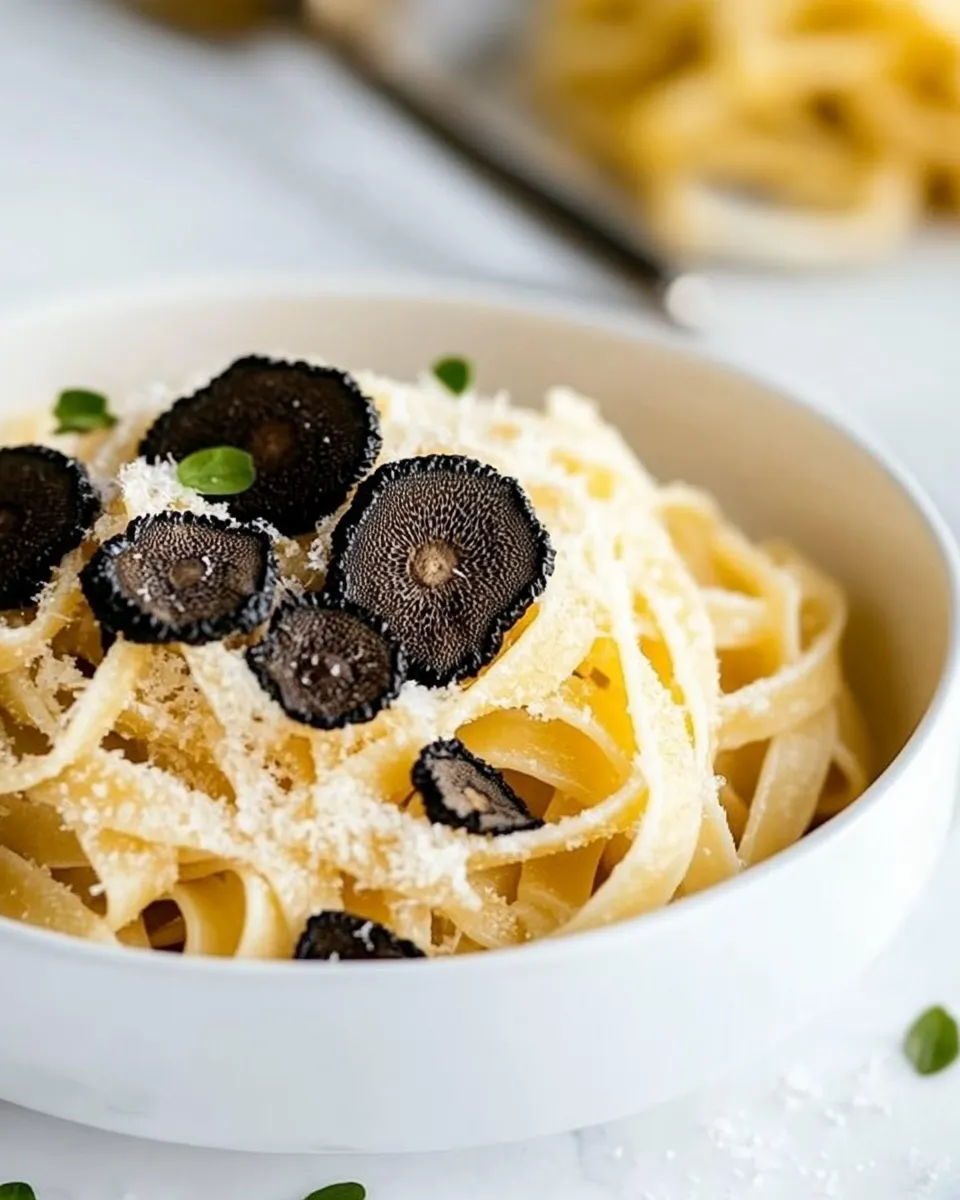
Pasta
- Long thin pastas (linguine, tagliolini, spaghetti) pick up the sauce rhythmically and are classic pairings.
- Short shapes (bucatini, penne) work if you prefer bite-sized pieces; just adjust toss time so sauce covers each piece.
Cheese
- Parmigiano-Reggiano is the specified option. If you must substitute, use Pecorino Romano sparingly—it’s saltier and sharper, so reduce added salt.
Fat
- Butter is here for flavor and mouthfeel. If you need to swap, use unsalted butter plus a pinch of salt and keep quantities the same; olive oil will change the mouthfeel and the way truffle binds to the sauce.
Truffle Alternatives
- If fresh black truffle isn’t available, a small amount of high-quality black truffle preserved in oil or a modest drizzle of truffle oil can mimic aroma—but the flavor won’t be identical. Use these sparingly so they don’t overpower.
Toolbox for This Recipe
- Large pot — for boiling pasta in plenty of salted water.
- Heavy-based skillet — provides even heat and prevents butter from scorching.
- Microplane or fine grater — for grating both the Parmesan and most of the truffle into the butter.
- Cheese grater — box grater or fine rasp for the Parmesan if you don’t have a microplane.
- Tongs or pasta fork — for transferring and tossing the pasta without breaking it.
- Spoon and measuring cup — to reserve exactly ½ cup of pasta water and add it in increments.
- Sharp knife or truffle slicer — for shaving the reserved truffle at the end.
Things That Go Wrong
Common issues are easy to fix once you recognize them.
- Dry or clumpy sauce: often caused by too little reserved pasta water or adding the cheese while the pan is too hot. Solution: add a tablespoon or two of reserved cooking water and stir off heat until glossy.
- Weak truffle aroma: overheating the truffle or adding it too early mutes its scent. Grate most into warm butter (not hot) and save the remainder for finishing raw on the plated pasta.
- Bitter or burnt butter: if the butter browns, it will add unwanted bitterness. Keep heat low and watch the butter; the goal is melted, not browned.
- Over-salted pasta: taste the pasta before you add more salt at the end. Parmesan and salted butter already contribute salt; adjust conservatively.
Seasonal Serving Ideas
Black truffle pasta is elegant as-is, but slight seasonal additions can enhance the dish without stealing focus.
- Spring: a few blanched asparagus tips or a scatter of lightly sautéed sugar snap peas add a green crunch and freshness.
- Summer: pair with a simple salad of peppery arugula dressed in lemon and olive oil to cut richness.
- Fall: finish with a handful of toasted walnuts or a few sautéed wild mushrooms for an earthier texture that complements truffle.
- Winter: add a small amount of browned butter flavor by briefly toasting butter until nutty before adding the grated truffle, but watch heat carefully to avoid losing aroma.
Testing Timeline
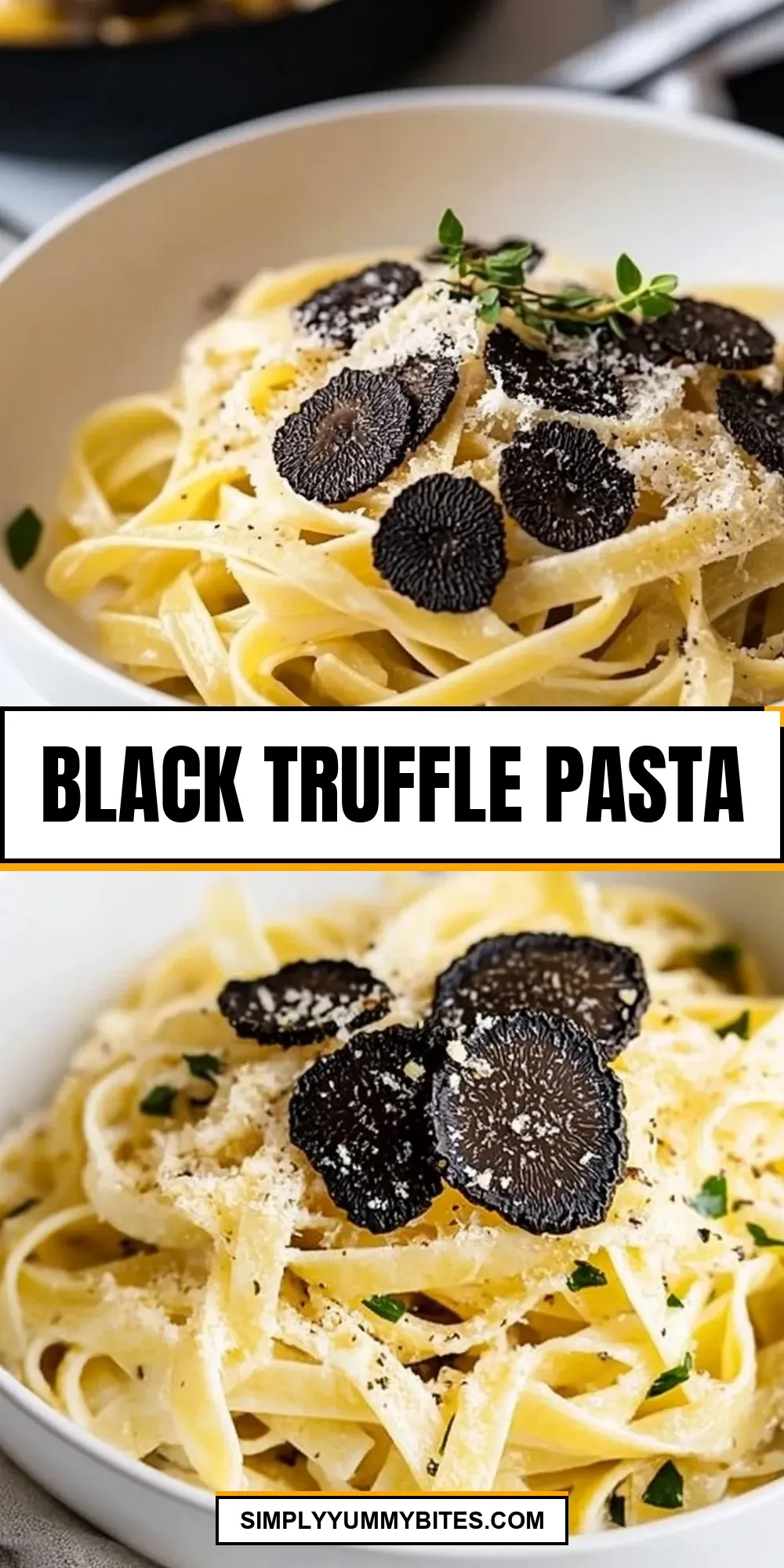
Here’s a compact timeline to help you test and repeat the recipe confidently.
- 0–5 minutes: bring a large pot of water to a rolling boil and salt it well. Prep the truffle and grate the Parmesan while the water heats.
- 5–15 minutes: cook the pasta to 1 minute less than package directions. During this time, melt the butter over low heat and grate about ¾ of the truffle into it, then remove from heat.
- Final minute: reserve ½ cup pasta water; drain pasta. Return skillet to low heat and add pasta plus ¼ cup reserved water. Toss gently until coated (30–60 seconds).
- Finish (30–60 seconds): remove from heat, add Parmesan, stir until creamy, season, and plate. Garnish with parsley and remaining truffle.
- Taste test: sample for salt and texture immediately. If dry, add reserved water a tablespoon at a time; if flat, a touch more cheese or a grind of fresh pepper can help.
How to Store & Reheat
Truffle loses intensity over time, so this pasta is best eaten immediately. If you have leftovers, store them in the refrigerator in an airtight container for up to 24 hours. Keep any extra fresh truffle separate and add it at serving if possible.
To reheat: warm gently over low heat in a skillet with a splash of water or broth to rebuild the sauce’s silkiness. Stir until just coated—do not overheat. Add a fresh shaving of truffle after reheating to restore top notes of aroma.
Questions People Ask
Q: Can I use truffle oil instead of fresh truffle?
A: You can, but use sparingly. Truffle oil is concentrated and has a different flavor profile than fresh truffle. Add a few drops at the very end or mix a tiny amount into the butter off heat. It will mimic truffle aroma, not replicate the complexity of fresh truffle.
Q: What if I don’t have a heavy-based skillet?
A: Any skillet with even heat will work. The key is to avoid hot spots so the butter doesn’t brown. If your pan runs hot, remove it from the burner briefly while you stir in the cheese.
Q: How important is the reserved pasta water?
A: Very. The starch in that water is what binds the butter and cheese into a silky sauce. Without it, the sauce can be oily or clumpy.
Q: Can I make this dairy-free?
A: Dairy-free versions will change texture and flavor. If necessary, use a high-quality dairy-free cheese alternative and a neutral oil instead of butter. Expect a different mouthfeel and consider adding a little extra reserved pasta water to coax creaminess.
Ready to Cook?
Gather your ingredients: 8ozpasta, ½cupParmesan cheese, ½sticksalted butter, 1ozfresh black truffle, fresh parsley, and salt and pepper to taste. Keep the truffle mostly reserved until finish. Boil plenty of salted water, move deliberately with low heat, and taste as you go. The technique is straightforward; the reward is a simple, luxurious pasta that highlights the truffle’s unique aroma. Enjoy the process and the plate.
Black Truffle Pasta
Ingredients
Ingredients
- 8 ozpasta
- 1/2 cupParmesan cheese
- 1/2 sticksalted butter
- 1 ozfresh black truffle
- fresh parsley
- salt and pepper to taste
Instructions
Instructions
- Bring a large pot of water to a boil and salt it generously. Add the 8 oz pasta and cook until al dente (about 1 minute less than the package suggests).
- While the pasta cooks, grate ½ cup Parmesan and set it aside.
- Put ½ stick salted butter in a heavy-based skillet and melt over low heat.
- Grate about ¾ of the 1 oz fresh black truffle into the melted butter, stir to combine, then remove the skillet from the heat. Reserve the remaining truffle for serving.
- When the pasta is nearly done, scoop out and reserve ½ cup of the pasta cooking water, then drain the pasta.
- Return the skillet to low heat, add the drained pasta and ¼ cup of the reserved pasta water, and gently stir/toss until the pasta is coated and combined. If the pasta seems dry or sticky, add more of the reserved cooking water a little at a time (up to the remaining reserved water).
- Remove the skillet from the heat, add the grated Parmesan, and stir gently until the cheese is melted and the sauce is creamy. Season with salt and pepper to taste.
- Serve immediately, garnishing with fresh parsley and the remaining grated or shaved black truffle.