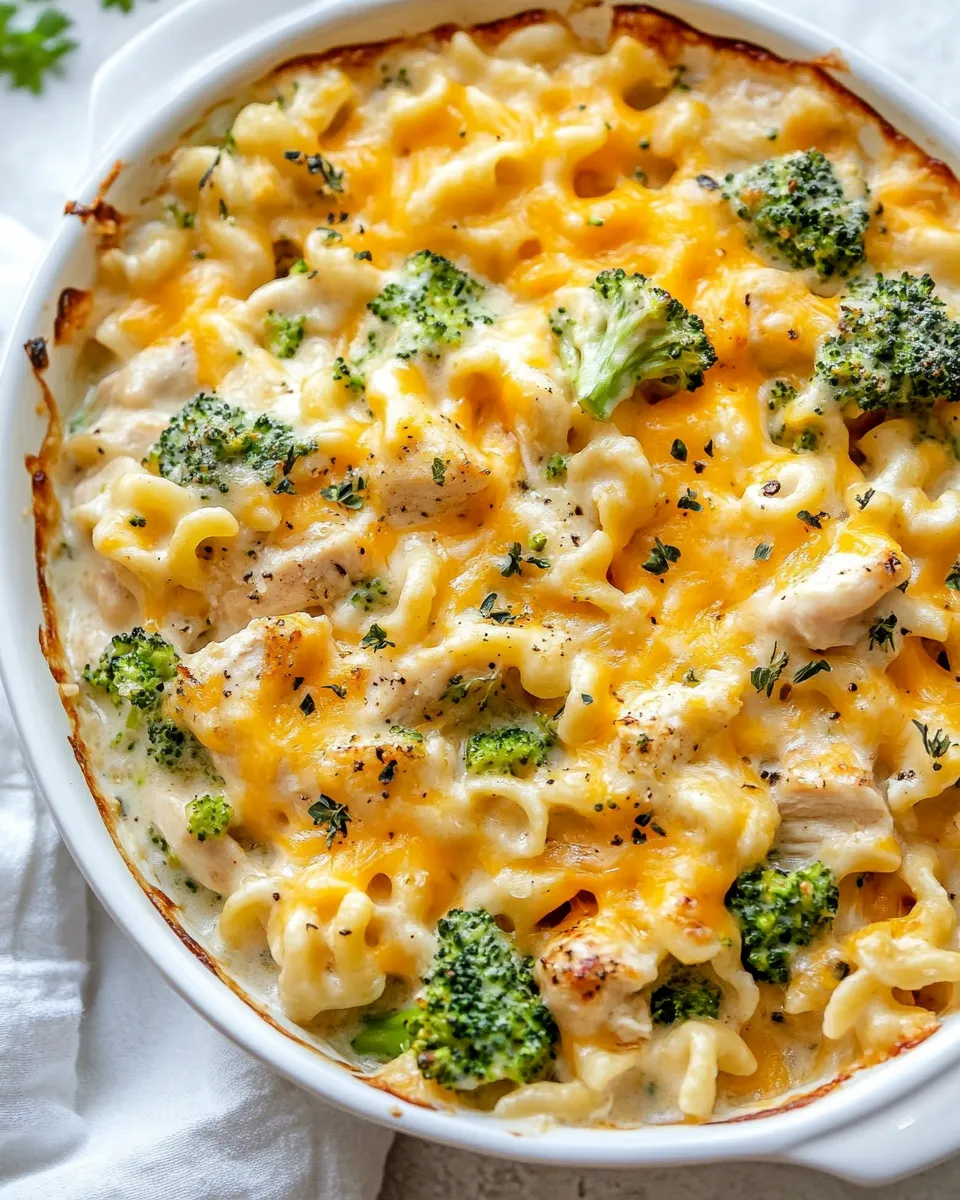
This casserole is one of those weekday heroes: quick to pull together, forgiving, and built around familiar flavors that everyone at the table already likes. It balances tender chicken, bright broccoli, and gooey cheddar with short-cut pasta so you get comfort without fuss. I turn to it when I want something wholesome, cheesy, and practical for dinner—no marathon cooking required.
There are a couple of small technique notes that make this dish reliably good: brown the chicken for flavor, cook the pasta in the same pot so it absorbs the broth and spinach-freezes-like-moisture, and finish it in the oven so the top gets a little browned and cohesive. It’s straightforward, but attention to those steps keeps it from getting watery or bland.
Shopping List
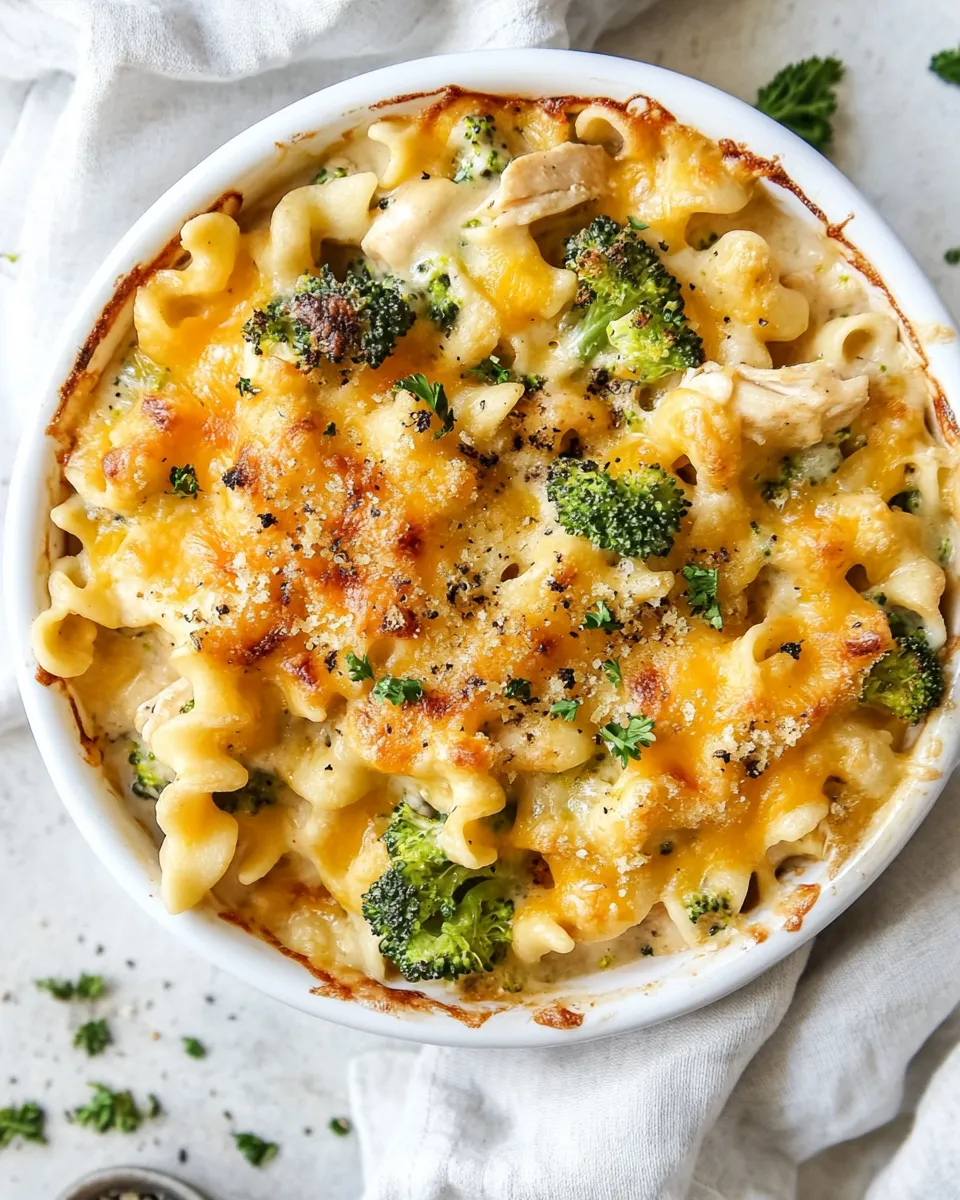
Pick up everything on this list and you can make the casserole end-to-end without detours. I usually grab a block of cheddar and shred it myself for melt and texture, and choose short-cut pasta that holds sauce well—elbows, rotini, or small shells are perfect.
Ingredients
- 1 tablespoon extra-virgin olive oil — heats the pan and provides a flavorful, high-smoke-point start for the aromatics and chicken.
- 1 yellow onion, chopped — gives sweetness and background flavor when softened.
- 2 carrots, chopped — adds texture, color, and a subtle sweetness that pairs with cheddar.
- 3/4 pound boneless chicken breasts, cut into cubes — the main protein; cubed so it cooks quickly and evenly.
- 1 teaspoon garlic powder — boosts savory depth; more flavor without fresh garlic if you prefer.
- kosher salt and black pepper — essential for seasoning at several stages; taste as you go.
- 2 tablespoons salted butter — enriches the pan and helps bloom the spices for a rounded sauce.
- 2 tablespoons fresh thyme leaves — bright, herbal lift; use the leaves only for best texture and flavor.
- 1 teaspoon paprika — adds mild smokiness and color.
- 1/2 teaspoon cayenne pepper, to taste — gives a gentle heat; adjust down if you prefer milder dishes.
- 2 cups low-sodium chicken broth — the cooking liquid for the pasta and a primary flavor base; low-sodium lets you control final seasoning.
- 1 1/2 cups milk — creates a creamy cooking liquid with the broth; whole or 2% both work well.
- 1 pound short-cut pasta — holds sauce and distributes chicken and broccoli throughout the casserole.
- 3 cups broccoli florets, roughly chopped — the vegetable component; chop into pieces that cook through with the pasta.
- 1/3 cup grated Parmesan cheese — adds umami and helps bind the filling.
- 1 1/2 cups shredded cheddar cheese — most goes into the filling; a bit on top for a melty golden finish.
Stepwise Method: Broccoli Cheddar Chicken and Noodle Casserole
- Preheat the oven to 425°F and position a rack in the center.
- Heat 1 tablespoon extra-virgin olive oil in a large, heavy-bottomed pot or large ovenproof skillet over medium heat. Add the chopped yellow onion and chopped carrots and cook, stirring occasionally, until softened and fragrant, about 5 minutes.
- Add the cubed chicken breasts and season with kosher salt and black pepper. Cook, stirring occasionally, until the chicken is browned and no longer pink in the center, about 5–7 minutes.
- Add 2 tablespoons salted butter, 2 tablespoons fresh thyme leaves, 1 teaspoon paprika, 1 teaspoon garlic powder, and 1/2 teaspoon cayenne pepper (or less, to taste). Cook, stirring, until the butter melts and the spices are fragrant, about 2–3 minutes.
- Pour in 2 cups low-sodium chicken broth and 1 1/2 cups milk. Bring the mixture to a gentle boil over medium heat.
- Add 1 pound short-cut pasta and 3 cups broccoli florets to the pot. Season with additional salt and pepper if needed. Stir frequently and cook until the pasta is al dente and most of the liquid is absorbed, about 8–10 minutes.
- Remove the pot from the heat and stir in 1/3 cup grated Parmesan cheese and 1 cup of the shredded cheddar cheese until evenly combined.
- If your pot is not oven-safe, transfer the mixture to an oven-safe casserole dish. Scatter the remaining 1/2 cup shredded cheddar evenly over the top.
- Bake in the preheated oven until the cheese is melted and beginning to brown, about 20 minutes. Let the casserole rest a few minutes before serving.
Why It Works Every Time
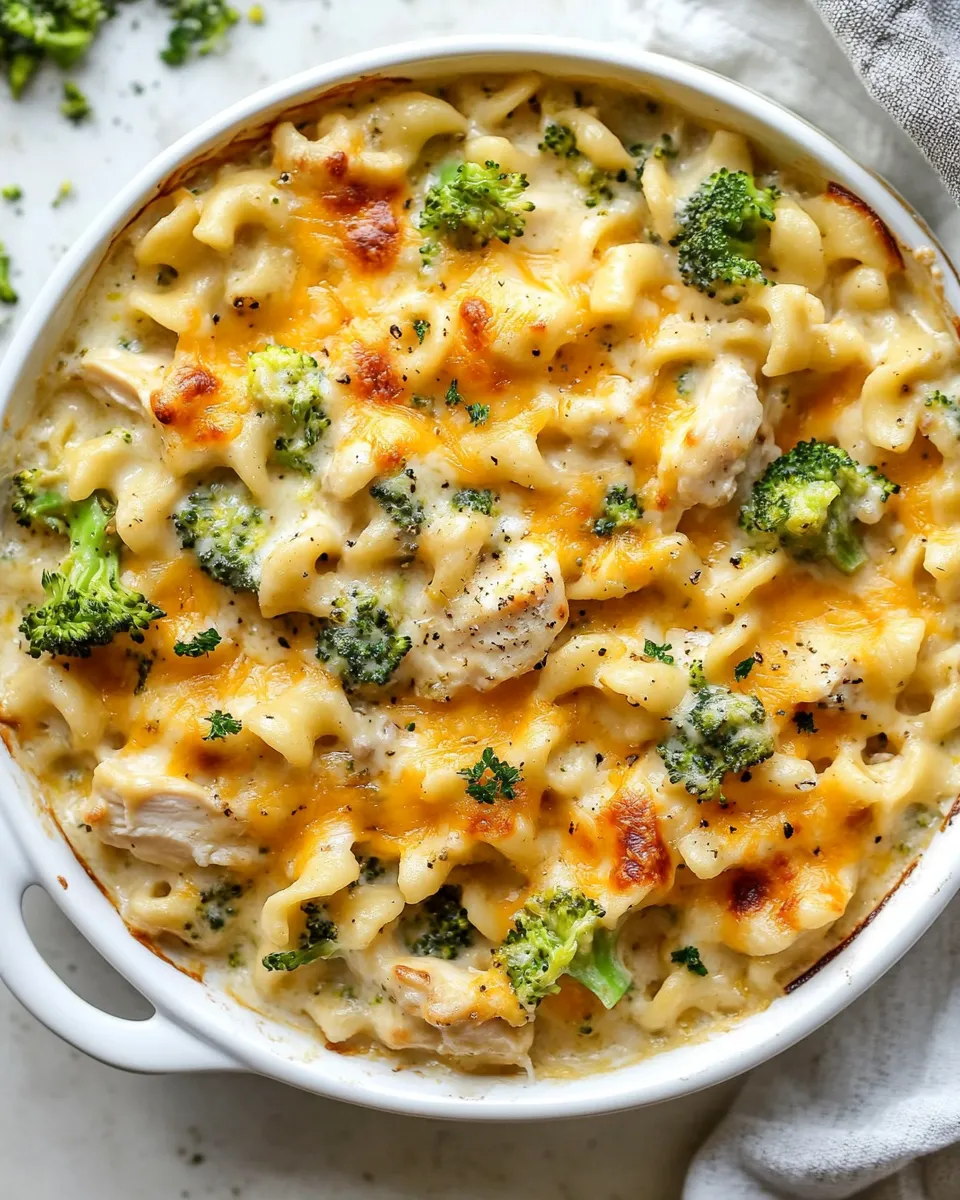
This method layers flavor and controls moisture. Browning the chicken first creates Maillard flavors—those browned bits are where savory notes build. Softening the onions and carrots in oil extracts sweetness and aromatics that become the base of the casserole.
Cooking the pasta directly in the broth-and-milk mixture does two things: it infuses the pasta with flavor and reduces the chance of a watery final dish. The pasta absorbs liquid and releases starch, which helps thicken the base without needing a separate roux. Stirring frequently prevents sticking and ensures even cooking. Finishing with cheese off the heat keeps the dairy from separating, and the brief bake melts and browns the top, giving you a cohesive, attractive casserole rather than a loose, soupy one.
International Equivalents
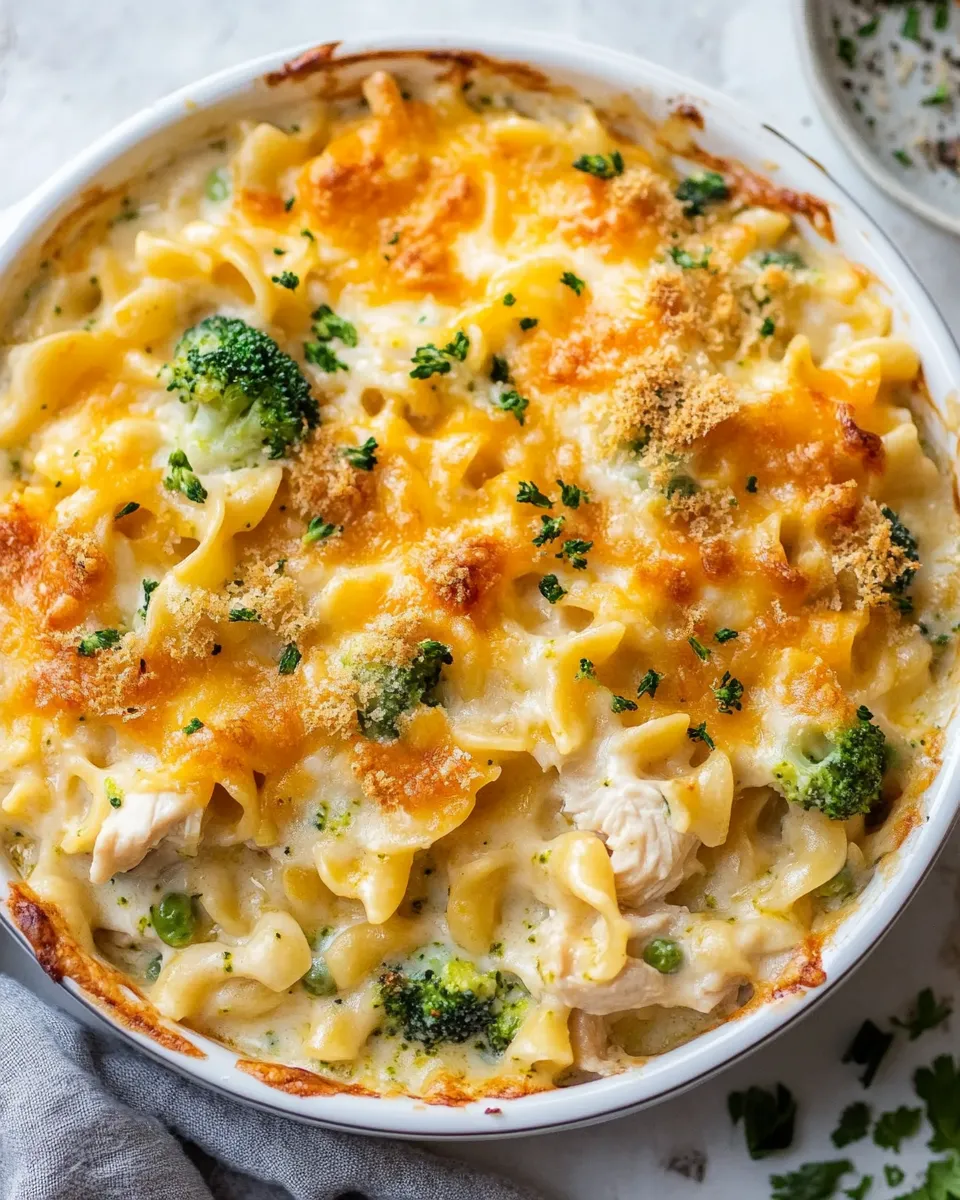
If you work in metric or prefer international pantry names, here are quick equivalents and sensible swaps:
- 1 pound = approximately 450 g.
- 1 cup = about 240 ml.
- 1 tablespoon = 15 ml; 1 teaspoon = 5 ml.
- Short-cut pasta: use small shapes like macaroni, fusilli, or small shells—choose what’s common in your region.
- Cheddar can be substituted with mature local hard cheeses for a similar sharpness; Parmesan is often labeled Parmigiano-Reggiano or Grana Padano.
Tools & Equipment Needed
- Large heavy-bottomed pot or large ovenproof skillet (big enough for 1 pound pasta and extras).
- Oven (set to 425°F) and a center rack.
- If using a non-ovenproof pot: an oven-safe casserole dish or baking pan.
- Measuring cups and spoons for accuracy.
- Chef’s knife and cutting board for onions, carrots, broccoli, and chicken.
- Wooden spoon or heatproof spatula for stirring while pasta cooks.
- Cheese grater if you buy block cheddar and Parmesan.
Problems & Prevention
Common issues and how to avoid them:
- Soggy pasta: Don’t overcook. Aim for al dente in the stovetop step because the oven finish still cooks it slightly. Stir frequently and cook just until most liquid is absorbed.
- Watery casserole: Use low-sodium broth so you can salt at the end, and make sure most liquid is absorbed before removing from heat. If it seems too loose, return to medium heat and simmer a minute or two to reduce.
- Tough chicken: Cut the breasts into uniform cubes so they cook at the same rate. Don’t overcook—they’ll finish gently in the oven.
- Bland flavor: Season in stages—salt and pepper the chicken as it browns and taste before baking; the low-sodium broth allows better control.
- Curdled cheese or broken sauce: Remove the pot from heat before adding the cheeses so they melt smoothly and don’t separate.
Make It Fit Your Plan
Feeding a family, meal-prepping, or fitting dietary needs is easy here. For milder heat, reduce or omit the cayenne. For lower-fat needs, use 2% milk and reduce the butter slightly; the Parmesan helps keep flavor. For larger crowds, scale the recipe in multiples—doubling evenly scales the pasta and liquid. If you need it gluten-free, swap in a gluten-free short-cut pasta and verify the broth is GF.
Want to add more veg? Fold in frozen peas or a handful of chopped spinach at the end of the stovetop step; they wilt quickly and add color and nutrients. To make it extra hearty, stir in cooked beans or a cup of cooked lentils, but remember that will change the texture.
Insider Tips
Timing and texture
Use room-temperature milk if you can—it integrates more smoothly with the hot broth. When the pasta is close to al dente, start checking every minute. The pot should still have some moisture but not be soupy before you transfer to the oven.
Cheese handling
Grate your own cheddar if possible. Pre-shredded cheese often contains anti-caking agents and can melt less smoothly. Stir the cheeses in off the heat to avoid stringy or oily results.
Flavor boosters
Fresh thyme is a bright, subtle herb here—use the leaves only. If you love more aromatics, a splash of Dijon mustard stirred into the sauce at step 7 adds a nice tang without changing the recipe mechanics.
Prep Ahead & Store
Make-ahead options:
- Assemble through step 7, let cool, then cover and refrigerate up to 24 hours. When ready to bake, top with reserved cheddar and bake as directed—add a few extra minutes if cold from the fridge.
- To freeze: cook through step 7, cool completely, transfer to a freezer-safe dish, top with remaining cheddar, and freeze up to 2 months. Thaw overnight in the refrigerator before baking; you may need to add 5–10 minutes to the bake time.
- Leftovers store well: cool, cover, and refrigerate up to 3 days. Reheat in a 350°F oven until warmed through, about 15–20 minutes, or microwave portions until hot.
Quick Q&A
- Can I use dark meat or thigh meat instead of breasts? Yes—cubed boneless thighs will stay moist and add flavor; adjust cooking time until they’re cooked through.
- What if I don’t have fresh thyme? Use 1 teaspoon dried thyme in its place, added with the spices in step 4.
- Can I skip the oven step? You can skip baking if you prefer a saucier, stovetop casserole—just stir remaining cheddar on top and cover until melted. You’ll miss the browned top, though.
- Is the cayenne necessary? It’s optional. It brightens the dish with a background heat. Leave it out for a child-friendly version.
Hungry for More?
If you liked this one, try swapping the broccoli for roasted cauliflower and adding a teaspoon of smoked paprika for a different profile. Or make a lemon-thyme version by replacing half the Parmesan with a tablespoon of lemon zest and using parsley in place of thyme for a fresher finish. This casserole is versatile—little swaps make it feel new while keeping the same easy method.
Wrap up dinner with a simple green salad and a squeeze of lemon. It balances the richness and keeps the meal bright. Enjoy—this is the kind of family-friendly, reliable recipe I go back to when I want something warming and straightforward on the table.

Broccoli Cheddar Chicken and Noodle Casserole.
Ingredients
Ingredients
- 1 tablespoonextra virgin olive oil
- 1 yellow onion chopped
- 2 carrots chopped
- 3/4 poundboneless chicken breasts cut into cubes
- 1 teaspoongarlic powder
- kosher salt and black pepper
- 2 tablespoonssalted butter
- 2 tablespoonsfresh thyme leaves
- 1 teaspoonpaprika
- 1/2 teaspooncayenne pepper to taste
- 2 cupslow sodium chicken broth
- 1 1/2 cupsmilk
- 1 poundshort cut pasta
- 3 cupsbroccoli florets roughly chopped
- 1/3 cupgrated Parmesan cheese
- 1 1/2 cupsshredded cheddar cheese
Instructions
Instructions
- Preheat the oven to 425°F and position a rack in the center.
- Heat 1 tablespoon extra-virgin olive oil in a large, heavy-bottomed pot or large ovenproof skillet over medium heat. Add the chopped yellow onion and chopped carrots and cook, stirring occasionally, until softened and fragrant, about 5 minutes.
- Add the cubed chicken breasts and season with kosher salt and black pepper. Cook, stirring occasionally, until the chicken is browned and no longer pink in the center, about 5–7 minutes.
- Add 2 tablespoons salted butter, 2 tablespoons fresh thyme leaves, 1 teaspoon paprika, 1 teaspoon garlic powder, and 1/2 teaspoon cayenne pepper (or less, to taste). Cook, stirring, until the butter melts and the spices are fragrant, about 2–3 minutes.
- Pour in 2 cups low-sodium chicken broth and 1 1/2 cups milk. Bring the mixture to a gentle boil over medium heat.
- Add 1 pound short-cut pasta and 3 cups broccoli florets to the pot. Season with additional salt and pepper if needed. Stir frequently and cook until the pasta is al dente and most of the liquid is absorbed, about 8–10 minutes.
- Remove the pot from the heat and stir in 1/3 cup grated Parmesan cheese and 1 cup of the shredded cheddar cheese until evenly combined.
- If your pot is not oven-safe, transfer the mixture to an oven-safe casserole dish. Scatter the remaining 1/2 cup shredded cheddar evenly over the top.
- Bake in the preheated oven until the cheese is melted and beginning to brown, about 20 minutes. Let the casserole rest a few minutes before serving.
Equipment
- large heavy-bottomed pot or large ovenproof skillet
- Oven
- Oven-safe casserole dish