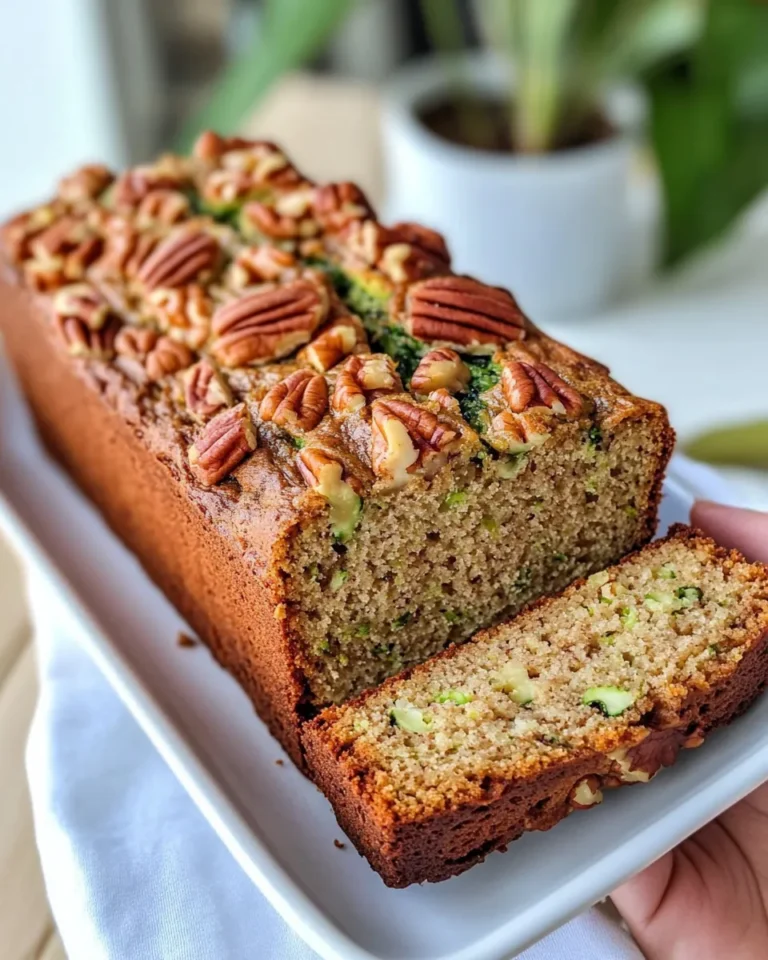
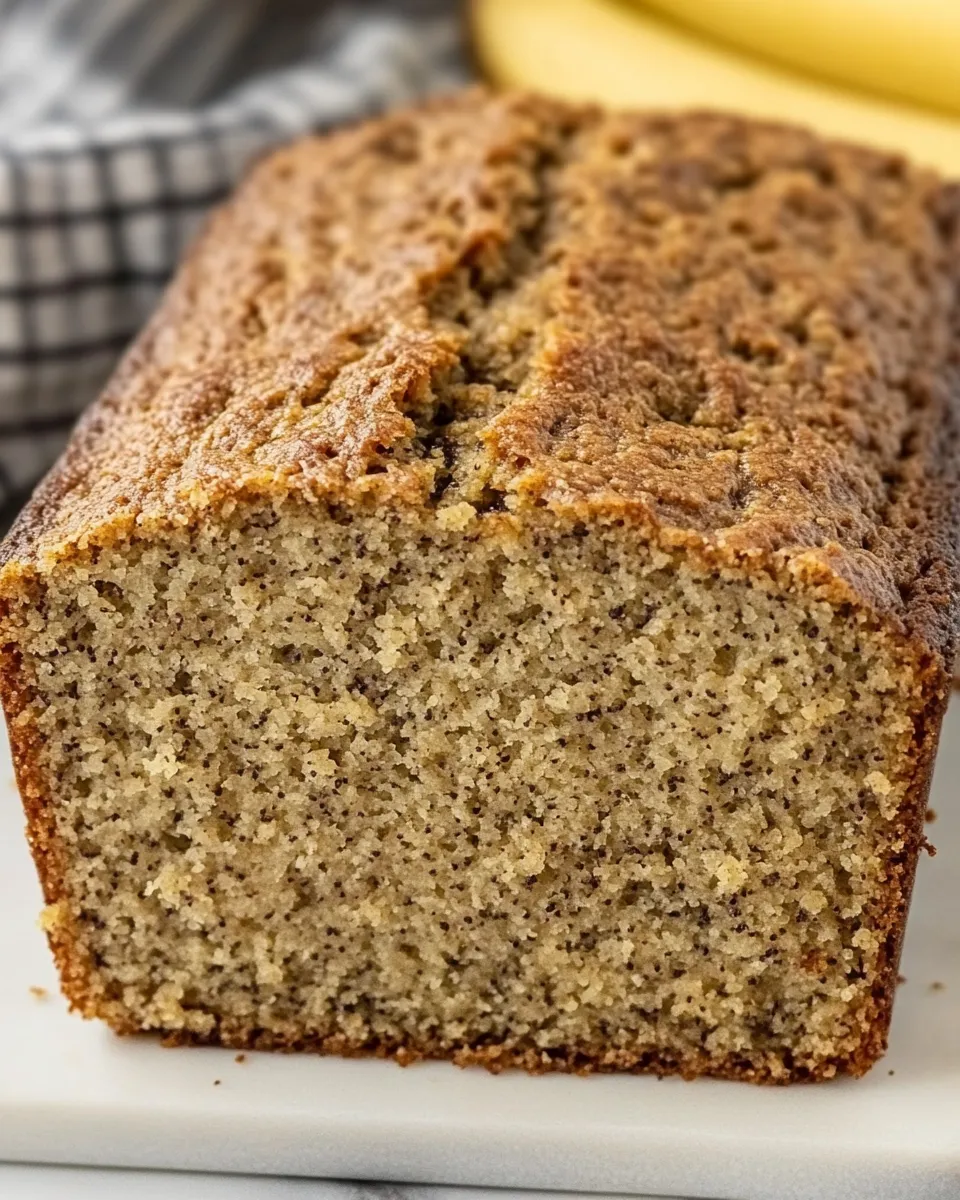
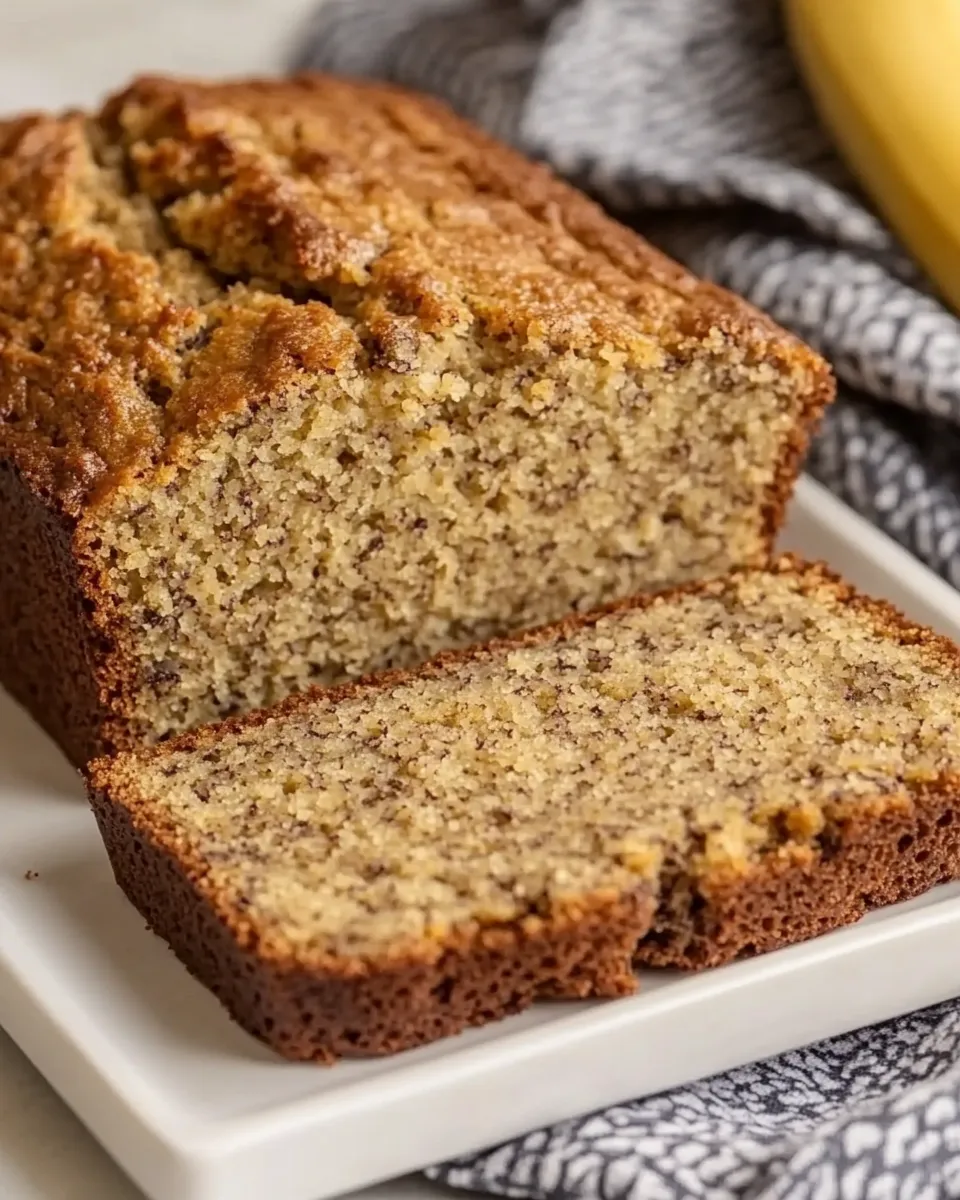
Brown butter turns ordinary banana bread into something quietly unforgettable. The butter browns and develops hazelnut-like notes that cut through the sweetness of ripe bananas and give the loaf a toasty backbone. It’s a small extra step that changes everything, and it’s worth the minute it takes.
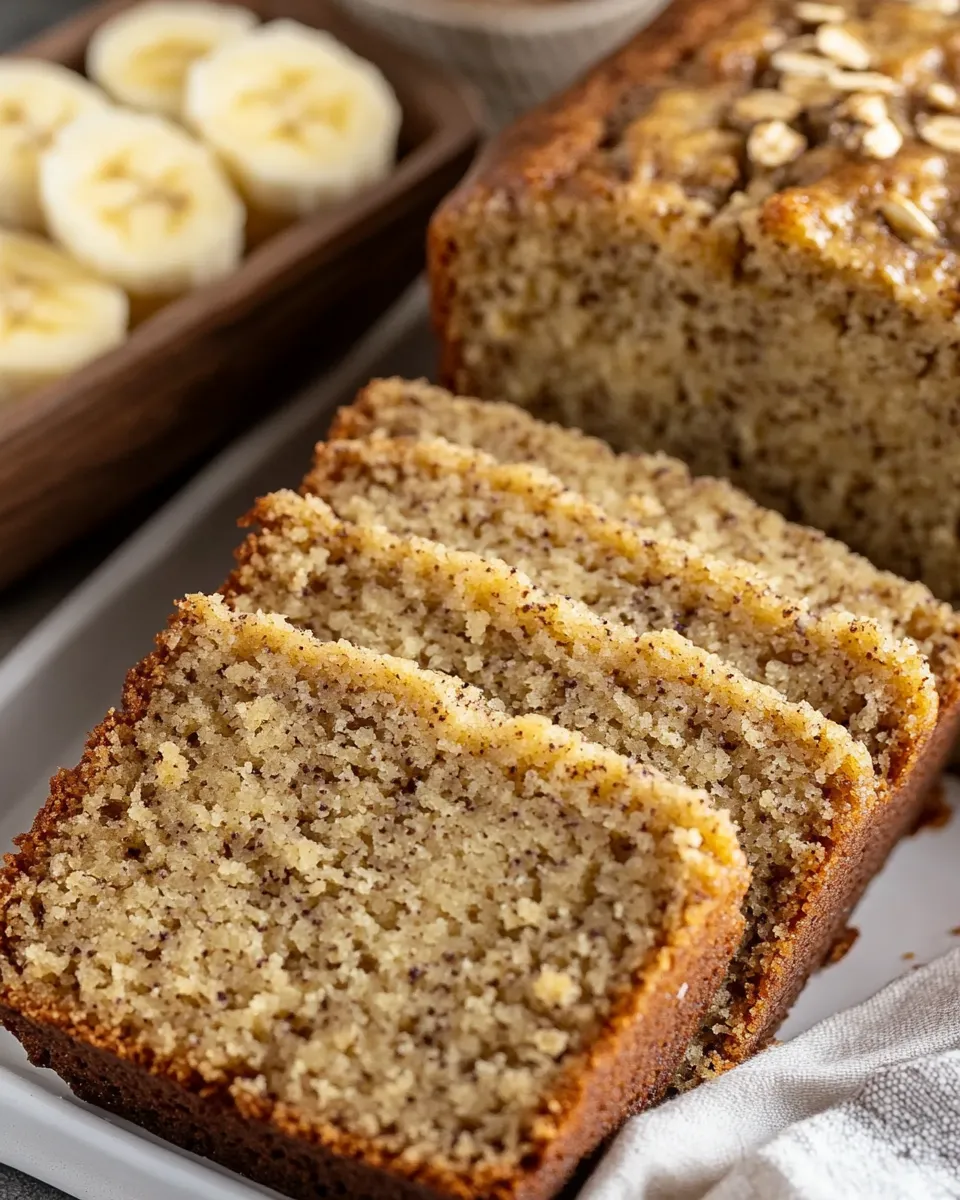
This recipe yields a tender, not-too-sweet loaf with a slightly caramelized edge and a soft, moist crumb thanks to the sour cream. The batter is straightforward: dry mix, wet mix, fold, and bake. If you can mash bananas and brown butter on the stovetop, you’re already halfway there.
I’ll walk you through every stage, what to watch for, and practical swaps if you don’t have exactly what the recipe calls for. There are a couple of documented oddities in the ingredient list (a missing cup amount), so I’ll call those out clearly so you can follow the recipe exactly as written or make an informed substitution.
What Goes In
- ½ cup (225 g) unsalted butter — browned to add nutty, toasty flavor; use unsalted so you control the salt level.
- 2 ¼ cups (270 g) all-purpose flour — the structure for the loaf; labeled “Plain flour” in the UK version.
- 1 teaspoon ground cinnamon — warms the flavor; subtle spice that plays nicely with bananas.
- 1 teaspoon baking soda — the primary leavening; gives lift without a cake-like crumb.
- ½ teaspoon salt — balances sweetness and enhances the other flavors.
- 1 ½ cups (300 g) mashed ripe bananas — about 3 large bananas; ripe ones (lots of brown spots) give the best flavor and sweetness.
- ½ cup (100 g) light brown sugar — provides moisture and a hint of molasses flavor.
- ¼ cup (50 g) granulated sugar — adds sweetness and helps with crust browning.
- ?? cup (85 g) full‑fat sour cream — the recipe lists this amount with a missing cup fraction; it contributes tang and moisture. (The gram amount is provided.)
- 2 large eggs — bind the batter and add richness.
- 1 teaspoon (5 ml) pure vanilla extract — rounds and lifts the flavor.
Brown Butter Banana Bread Made Stepwise
- Preheat the oven to 350°F (180°C) (160°C for a fan oven). Line a 9 × 5 inch (approx. 23 × 13 cm) loaf pan with parchment paper.
- Brown the butter: place ½ cup (225 g) unsalted butter in a medium saucepan over medium heat. Melt the butter, then continue to cook, stirring constantly, until it becomes a caramel shade of brown with a nutty aroma. Remove from heat and transfer the browned butter to a small bowl to cool until warm (not hot).
- In a medium bowl, whisk together 2 ¼ cups (270 g) all-purpose flour, 1 teaspoon ground cinnamon, 1 teaspoon baking soda, and ½ teaspoon salt. Set the dry mixture aside.
- In a large bowl, whisk the 1 ½ cups (300 g) mashed ripe bananas, the cooled browned butter, ?? cup (85 g) full‑fat sour cream, ½ cup (100 g) light brown sugar, and ¼ cup (50 g) granulated sugar until combined.
- Whisk the 2 large eggs and 1 teaspoon (5 ml) pure vanilla extract into the banana mixture until evenly mixed.
- Add the flour mixture to the wet ingredients and fold gently with a spatula until just combined and only a few dry streaks remain. Do not overmix.
- Pour the batter into the prepared loaf pan and smooth the top with a spatula.
- Bake in the preheated oven for 55–65 minutes, or until a toothpick inserted into the center comes out clean or with a few moist crumbs. If the top is browning too quickly, tent loosely with foil for the last 10–15 minutes of baking.
- Remove the pan from the oven and let the loaf cool in the pan on a wire rack for 10 minutes. Use the parchment to lift the loaf from the pan, then transfer it to the wire rack and cool completely before slicing.
Why I Love This Recipe
I love that this banana bread is both familiar and a little elevated. Browning the butter introduces depth without adding complexity. The sour cream keeps the crumb tender and gives a subtle tang that balances the bananas. It’s perfect for breakfast, a snack, or a simple dessert with coffee.
The technique rewards attention to detail: brown the butter just to the point where it smells toasted, fold the batter gently, and don’t rush the cool-down. These are small, intentional moves that produce a reliable loaf—moist but not gummy, flavorful but not cloying.
Easy Ingredient Swaps
- Sour cream: If you don’t have full‑fat sour cream, plain Greek yogurt can sub in at a 1:1 ratio for similar tang and moisture.
- Brown butter: If you’re short on time, melted butter will work; you’ll miss the toasty notes but keep the rich fat. Browned butter is recommended for flavor.
- Flour: You can use an equal amount of plain/white flour. If using whole wheat flour, replace no more than 25–30% to avoid a dense loaf.
- Sugar: Swap light brown sugar for dark brown if you prefer deeper molasses flavor. Reduce any liquid slightly if you use a very moist sugar replacement.
Cook’s Kit
- 9 × 5 inch loaf pan — lined with parchment for easy release.
- Medium saucepan — for browning the butter; a light-colored pan makes it easier to watch the color change.
- Mixing bowls — one medium for dry, one large for wet.
- Whisk and spatula — whisk for combining wet ingredients, spatula for gentle folding.
- Wire rack — for cooling the loaf so the bottom doesn’t steam and get soggy.
- Toothpick or cake tester — to check doneness.
Don’t Do This
- Don’t skip browning the butter (if you’re aiming for the intended flavor): using plain melted butter will work but won’t produce the same toasty notes.
- Don’t use hot browned butter: it can cook the eggs when mixed together; cool it to warm before adding to the bananas and eggs.
- Don’t overmix: fold until just combined. Overmixing develops gluten and will yield a tough loaf rather than a tender one.
- Don’t remove the loaf immediately: cooling for at least 10 minutes in the pan then fully on a rack prevents the loaf from collapsing or tearing when you slice it.
- Don’t ignore the odd measurement: the recipe lists “?? cup (85 g) full‑fat sour cream.” Use the gram amount (85 g) to measure if you don’t have the cup fraction; this avoids guesswork.
Better Choices & Swaps
- Bananas: Use very ripe bananas—brown-speckled or fully brown skin. They mash easily and concentrate sweetness and aroma.
- Sugar balance: The recipe uses both brown and granulated sugar. If you prefer a less sweet loaf, reduce the granulated sugar by 1–2 tablespoons; it won’t compromise texture much.
- Fat content: Full‑fat sour cream gives the best texture. Low-fat dairy will thin the batter and change mouthfeel.
- Add-ins: If you want texture, fold in ½ cup chopped walnuts or chocolate chips at the end—don’t add more or you’ll affect bake time and structure.
Chef’s Rationale
Every ingredient has a job. The browned butter delivers aromatic complexity—maillard reactions in the butter fat create those toasted, hazelnut-like flavors. Banana is the primary flavor and sweetener; its moisture requires structure, which the flour and eggs provide. Baking soda reacts with the banana’s acidity and the sour cream to give lift. The two sugars play different roles: brown sugar adds moisture and depth, while granulated sugar helps with color and a firmer top crust. Sour cream keeps crumb tender and delays staling.
Texture is controlled through mixing technique. Folding just to the point where a few streaks of flour remain means less gluten development and a soft crumb. The baking time and the tenting advice exist because banana bread is dense—it needs time to cook through without charring the top.
Keep It Fresh: Storage Guide
- Room temperature: Wrapped tightly in plastic wrap or in an airtight container, the loaf will keep for 2–3 days at room temperature. Keep it out of direct sunlight.
- Refrigeration: Store in an airtight container for up to 5 days. Bring to room temperature or warm slices gently in a toaster oven before serving; refrigeration can dry the crumb slightly.
- Freezing: Slice the loaf, wrap individual slices in plastic wrap and then foil, or double-wrap the whole loaf. Freeze up to 3 months. Thaw overnight in the fridge or at room temperature for a few hours; refresh in a 300°F (150°C) oven for 8–10 minutes to revive crispness.
- Reheating: Microwave a slice for 10–15 seconds to warm, or toast gently to get a lightly caramelized edge. Avoid overheating or it will dry out.
Ask the Chef
- Q: My loaf is raw in the center but browned on top—what happened? A: Your oven may run hot or the loaf pan was too shallow. Lower the oven temperature by 10–15°F and tent with foil for the final 10–15 minutes next time. Also ensure your oven racks are in the lower third of the oven for an even bake.
- Q: Can I omit the sour cream? A: You can, but the crumb will be less tender. Substitute with plain Greek yogurt for comparable results.
- Q: How do I measure flour properly? A: Spoon flour into the measuring cup and level with a knife. Don’t scoop the cup directly into the bag—compact flour gives you too much and a dry loaf.
- Q: The recipe lists “?? cup” for sour cream—what should I do? A: Use the gram measurement provided (85 g) to get precise results. If you prefer cups, 85 g of full-fat sour cream is roughly a little under ½ cup, but weigh it if you can.
Final Thoughts
This Brown Butter Banana Bread is a dependable, delicious upgrade to a classics shelf. The technique is approachable, the ingredients are straightforward, and the payoff is a loaf with real depth: toasty butter, sweet banana, and a tender, moist crumb. Don’t rush the browning step, be gentle when folding, and use ripe bananas. Follow those small rules and you’ll have a loaf that disappears fast—served warm or at room temperature, plain or with a smear of butter.
Make a double batch of bananas when they’re ripe. You’ll thank yourself the next morning when the house smells like browned butter and cinnamon and there’s a fresh slice waiting with your coffee.
Brown Butter Banana Bread
Ingredients
Ingredients
- ?1/2 cup 225 gunsalted butter
- ?2 1/4 cups 270 gall purpose flourPlain flour in the UK
- ?1 teaspoonground cinnamon
- ?1 teaspoonbaking soda
- ?1/2 teaspoonsalt
- ?1 1/2 cups 300 gmashed ripe bananasabout 3 large
- ?1/2 cup 100 glight brown sugar
- ?1/4 cup 50 ggranulated sugar
- ??cup 85 gfull fat sour cream
- ?2 largeeggs
- ?1 teaspoon 5 mlpure vanilla extract
Instructions
Instructions
- Preheat the oven to 350°F (180°C) (160°C for a fan oven). Line a 9 × 5 inch (approx. 23 × 13 cm) loaf pan with parchment paper.
- Brown the butter: place ½ cup (225 g) unsalted butter in a medium saucepan over medium heat. Melt the butter, then continue to cook, stirring constantly, until it becomes a caramel shade of brown with a nutty aroma. Remove from heat and transfer the browned butter to a small bowl to cool until warm (not hot).
- In a medium bowl, whisk together 2 ¼ cups (270 g) all-purpose flour, 1 teaspoon ground cinnamon, 1 teaspoon baking soda, and ½ teaspoon salt. Set the dry mixture aside.
- In a large bowl, whisk the 1 ½ cups (300 g) mashed ripe bananas, the cooled browned butter, ?? cup (85 g) full‑fat sour cream, ½ cup (100 g) light brown sugar, and ¼ cup (50 g) granulated sugar until combined.
- Whisk the 2 large eggs and 1 teaspoon (5 ml) pure vanilla extract into the banana mixture until evenly mixed.
- Add the flour mixture to the wet ingredients and fold gently with a spatula until just combined and only a few dry streaks remain. Do not overmix.
- Pour the batter into the prepared loaf pan and smooth the top with a spatula.
- Bake in the preheated oven for 55–65 minutes, or until a toothpick inserted into the center comes out clean or with a few moist crumbs. If the top is browning too quickly, tent loosely with foil for the last 10–15 minutes of baking.
- Remove the pan from the oven and let the loaf cool in the pan on a wire rack for 10 minutes. Use the parchment to lift the loaf from the pan, then transfer it to the wire rack and cool completely before slicing.
Equipment
- 9x5-inch loaf pan
- Mixing Bowl
Notes
Use Ripe Bananas:Bananas that are yellow with brown spots are extra sweet and the perfect soft texture for making banana bread.
Let it Cool:It will be hard to wait, but you need to let the browned banana bread cool completely before slicing it, or it might crumble.
Making Browned Butter:It takes 5-8 minutes to cook brown butter, and you should stir constantly as the butter cooks to keep it from burning. Wait for the butter to foam up and then clear, then continue to cook until it turns a golden brown color.
Prep Ahead Option:If you need to, you can make the browned butter up to 5 days ahead of time. Simply brown the butter, let it cool, then transfer it to a sealed container and refrigerate. You can also freeze it for longer storage – up to 3 months.