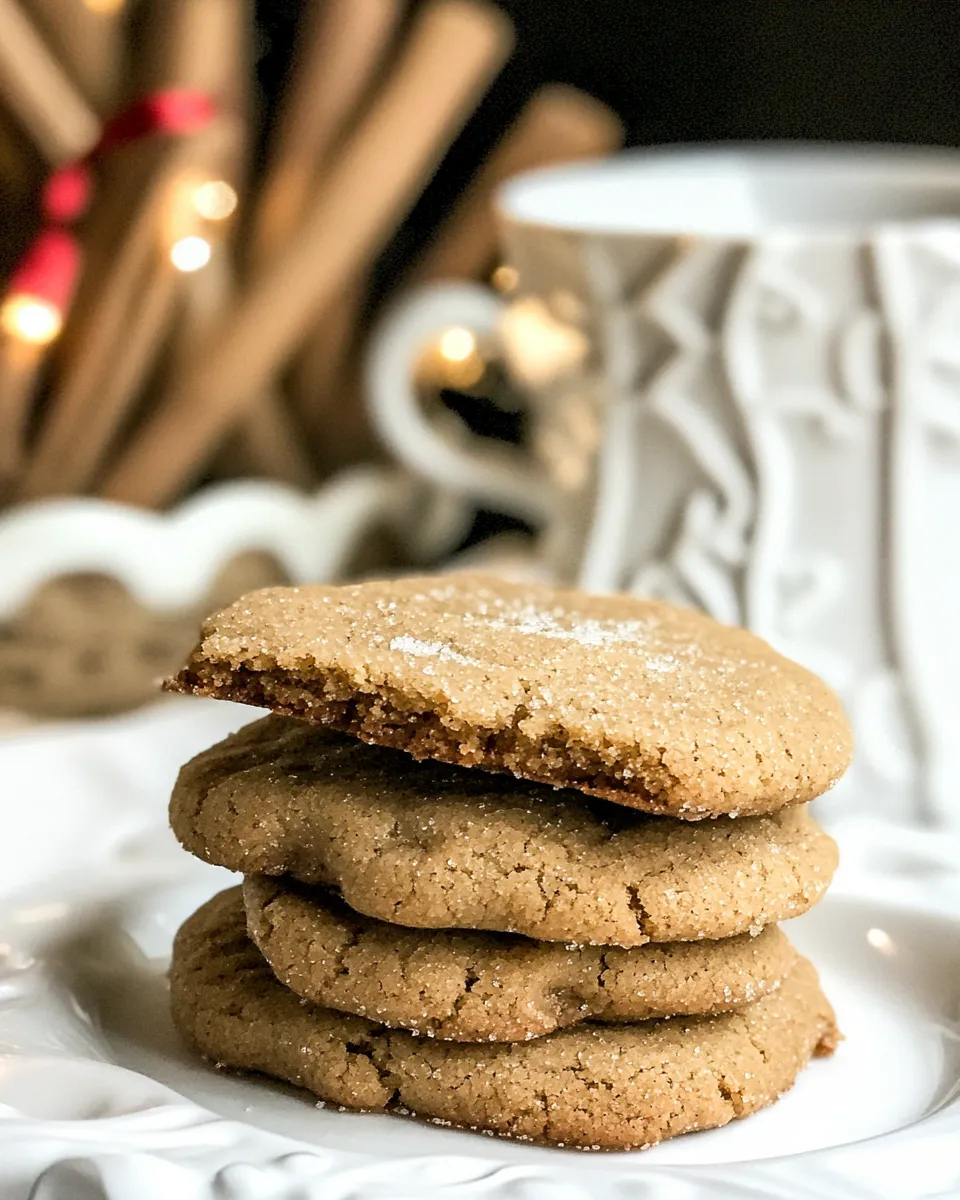
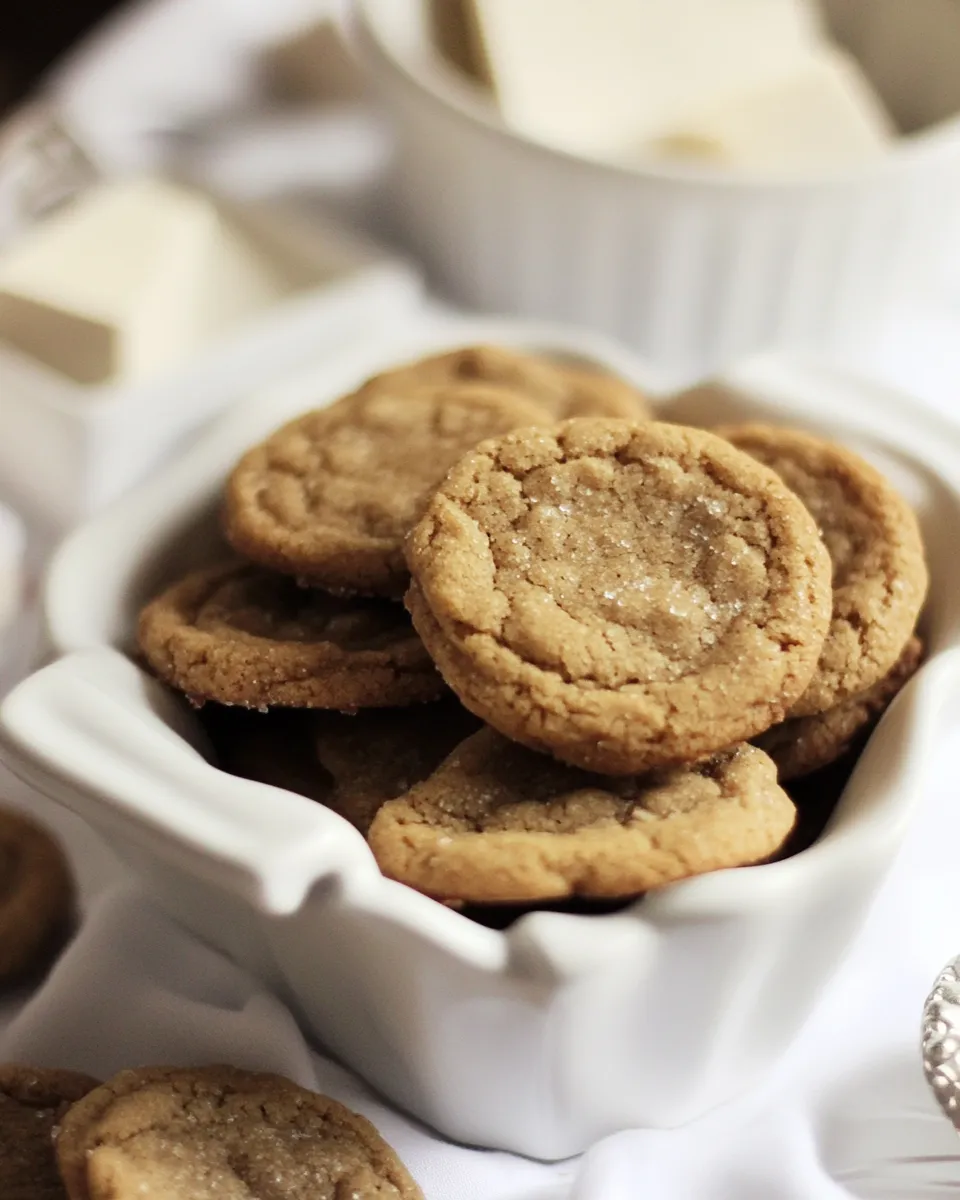
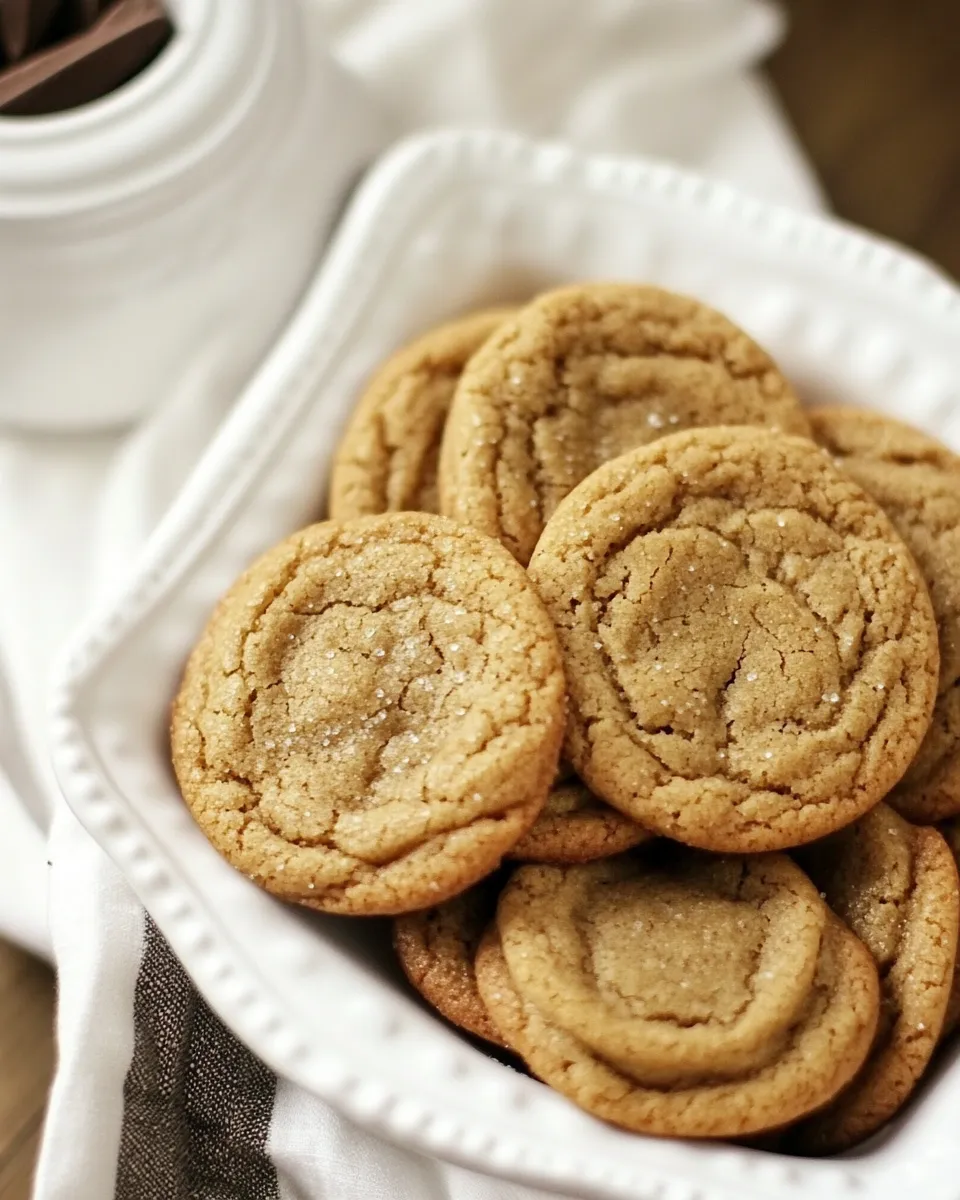
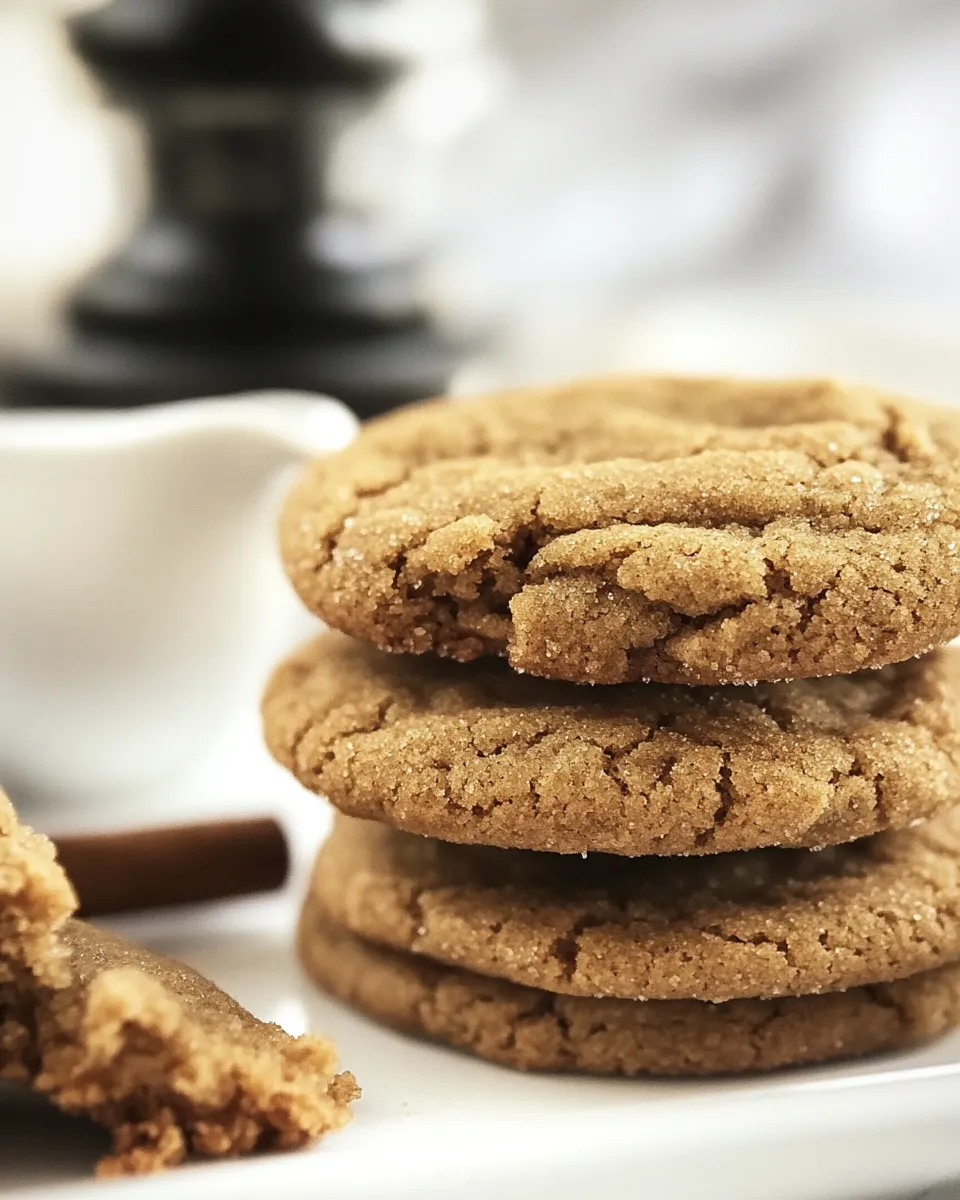
These cookies are straightforward and reliably delicious — nutty brown butter, deep brown sugar, a touch of sea salt on top. They land chewy at the center and slightly crisp at the edges when you time the bake for 8–9 minutes. Let the dough rest and you’ll notice the flavors knit together even better; overnight refrigeration is worth the wait.
I keep this recipe in regular rotation because it’s forgiving and clear. The browned butter gives a caramel-like complexity without any extra steps beyond careful watching. If you want a cookie that tastes like it took longer than it did, this is it.
Ingredient Checklist
Gather everything before you start. Measurements and roles are listed below so you can move quickly when the butter reaches that perfect brown-flecked stage.
- 14 tablespoons butter, divided — split so some is browned and some is added back to smooth and mellow the mixture.
- 2 cups all-purpose flour — structure for the cookies; avoid packing your measuring cup.
- 1 teaspoon baking soda — helps the cookies spread and lighten slightly.
- 1 teaspoon baking powder — adds lift and a small cushion to the crumb.
- 1 teaspoon salt — balances the sweetness; use less only if your butter is very salty (but this recipe assumes unsalted butter).
- 1 3/4 cups brown sugar — the main sweetener; keeps the cookies moist and gives depth.
- 1 large egg — binds and adds moisture.
- 1 egg yolk — extra fat for chew and richness.
- 1 teaspoon vanilla extract — flavor enhancer; small but important.
- Sea salt for sprinkling — a light finishing contrast to the sweet surface.
- 1/4 cup brown sugar for rolling — pairs with granulated sugar to create a lightly textured crust.
- 1/4 cup granulated sugar for rolling — helps the cookies have a classic sugar-crusted exterior.
Brown Butter Brown Sugar Cookies: How It’s Done
- In a small bowl, combine 1/4 cup brown sugar and 1/4 cup granulated sugar; set aside for rolling.
- In a medium bowl, whisk together 2 cups all-purpose flour, 1 teaspoon baking soda, 1 teaspoon baking powder, and 1 teaspoon salt; set aside.
- Place 7 tablespoons butter in a medium saucepan over medium heat. Cook, stirring frequently, until the butter browns and develops a nutty aroma and brown flecks (watch carefully so it does not burn).
- Remove the saucepan from the heat and immediately pour the browned butter into the bowl of a stand mixer (or a large mixing bowl if using a hand mixer).
- Add the remaining butter (7 tablespoons) to the warm browned butter and whisk until the mixture is smooth and the added butter is incorporated.
- Add 1 3/4 cups brown sugar to the butter mixture and whisk until combined. Allow the mixture to cool to room temperature before continuing.
- Once cooled to room temperature, add 1 large egg and 1 egg yolk to the butter-sugar mixture and whisk to combine. Add 1 teaspoon vanilla extract and whisk again.
- Switch to a spatula or wooden spoon and fold the dry ingredient mixture (from step 2) into the wet ingredients until just combined and no large streaks of flour remain. Do not overmix.
- Cover the dough and refrigerate for at least 30 minutes (preferred: refrigerate overnight). The dough can also be frozen for up to 1 month; thaw in the refrigerator before using.
- When ready to bake, preheat the oven to 350°F. Line a baking sheet with parchment paper or a silicone baking mat.
- Measure and scoop the dough into 1-tablespoon portions (use a 1-tablespoon scoop or spoon). Roll each portion in the reserved brown/white sugar mixture so all sides are coated, and place on the prepared baking sheet about 2 inches apart. Sprinkle each cookie lightly with sea salt.
- Bake for 8–9 minutes for chewy cookies, or 10–13 minutes for crispier cookies.
- Remove the baking sheet from the oven, let the cookies cool on the sheet for 30 seconds, then transfer cookies to a wire rack to cool completely.
Why This Recipe Works
Browned butter brings a toasty complexity you don’t get from plain melted butter. The Maillard reaction in the milk solids creates those brown flecks and a caramel-like note that plays against the molasses-heavy brown sugar.
Brown sugar contains more moisture and acidity than granulated sugar, which keeps these cookies soft and gives them chew. The extra egg yolk is an easy trick for richer texture without making the dough more fragile. Chilling the dough firms the fats and prevents excessive spreading, so you get a cookie with a tender interior and defined edge.
If You’re Out Of…
- Brown sugar for rolling — roll the scoops in granulated sugar only; the cookie will still caramelize and get a nice exterior.
- Sea salt — omit the final sprinkle. The cookies will be sweeter but still fine; you can break up a bit of salted butter as a last-minute finish if necessary.
- Time to chill overnight — refrigerate for at least 30 minutes. Chilling concentrates flavors and controls spread, but short chilling still improves handling.
- Stand mixer — a hand mixer or vigorous whisking by hand works. The dough is relatively firm after chilling, so you’ll need a sturdy spoon for folding the flour.
Kitchen Gear Checklist
- Small bowl for rolling sugar mix.
- Medium bowl for dry ingredients.
- Medium saucepan for browning butter.
- Stand mixer or hand mixer and a whisk.
- Spatula or wooden spoon for folding dough.
- Baking sheet(s) plus parchment paper or silicone mat.
- 1-tablespoon scoop or spoon for portioning.
- Wire rack for cooling.
Avoid These Traps
Burning the brown butter is the most common slip. Once the milk solids start to brown, the color will deepen quickly. Remove the pan from the heat and transfer the butter immediately so residual heat doesn’t push it into burning territory.
Another trap: adding eggs to hot butter. If the butter-sugar mixture isn’t cooled to room temperature, the eggs will cook. Give the mixture time to cool, and if you’re in doubt, stir and check with your finger — it should feel neither warm nor cool.
Finally, overmixing after adding flour will develop gluten and yield tough cookies. Fold until just combined; a few streaks that disappear after gentle handling are fine.
Seasonal Spins
These cookies are a blank canvas. In fall, a little cinnamon or finely grated orange zest brightens the brown butter. In winter, a handful of toasted nuts or a few chocolate chips pressed into the tops before baking are welcome additions. In spring and summer, keep it simple and finish with a flake of sea salt for contrast.
Pro Tips & Notes
- Measure flour correctly: spoon it into the cup and level with a knife. Too much flour = dry, cakey cookies.
- Watch and smell the butter when browning. The aroma will turn from buttery to nutty; stop when you see brown flecks and smell the nuttiness.
- If you want perfectly round cookies, chill the dough, then roll the scoops tightly before the sugar coating. Rolling helps keep shapes tidy while baking.
- For consistent size, use a 1-tablespoon scoop. Smaller or larger scoops will change bake times substantially.
- Sea salt is a finishing touch — sprinkle lightly. A little goes a long way and highlights the brown butter notes.
Save for Later: Storage Tips
Unbaked dough: refrigerate for up to 3 days, or freeze portions for up to 1 month. Thaw in the refrigerator before rolling and baking.
Baked cookies: store at room temperature in an airtight container for up to 5 days. To maintain chew, separate layers with parchment. For longer storage, freeze baked cookies up to 2 months; thaw at room temperature for 10–15 minutes before serving.
Your Questions, Answered
- Can I skip browning the butter? You can, but you’ll lose the nutty, caramel notes that define this cookie. Brown butter is the signature element.
- Why both an egg and an egg yolk? The whole egg adds structure and moisture; the extra yolk boosts fat and richness for chew without making the dough greasy.
- How can I make them crispier or chewier? For chewier cookies, bake 8–9 minutes and cool briefly on the sheet. For crisper cookies, bake 10–13 minutes. Oven temps vary, so keep an eye on the first batch.
- Do I have to chill the dough? Chilling is recommended — it firms the dough so cookies don’t over-spread and it deepens flavor. If pressed for time, a 30-minute chill will still help.
Hungry for More?
If you liked these, try baking the dough into slightly larger rounds for soft brown-butter sandwich cookies filled with a lightly sweet buttercream or your favorite jam. Leave a comment with any tweaks you try — I read them all and love hearing what works in your oven.

Brown Butter Brown Sugar Cookies
Ingredients
Ingredients
- 14 tablespoonbutterdivided
- 2 cupall-purpose flour
- 1 teaspoonbaking soda
- 1 teaspoonbaking powder
- 1 teaspoonsalt
- 1.75 cupbrown sugar
- 1 large egg
- 1 egg yolk
- 1 teaspoonvanilla extract
- sea salt for sprinkling
- 1/4 cupbrown sugarfor rolling
- 1/4 cgranulated sugarfor rolling
Instructions
Instructions
- In a small bowl, combine 1/4 cup brown sugar and 1/4 cup granulated sugar; set aside for rolling.
- In a medium bowl, whisk together 2 cups all-purpose flour, 1 teaspoon baking soda, 1 teaspoon baking powder, and 1 teaspoon salt; set aside.
- Place 7 tablespoons butter in a medium saucepan over medium heat. Cook, stirring frequently, until the butter browns and develops a nutty aroma and brown flecks (watch carefully so it does not burn).
- Remove the saucepan from the heat and immediately pour the browned butter into the bowl of a stand mixer (or a large mixing bowl if using a hand mixer).
- Add the remaining butter (7 tablespoons) to the warm browned butter and whisk until the mixture is smooth and the added butter is incorporated.
- Add 1 3/4 cups brown sugar to the butter mixture and whisk until combined. Allow the mixture to cool to room temperature before continuing.
- Once cooled to room temperature, add 1 large egg and 1 egg yolk to the butter-sugar mixture and whisk to combine. Add 1 teaspoon vanilla extract and whisk again.
- Switch to a spatula or wooden spoon and fold the dry ingredient mixture (from step 2) into the wet ingredients until just combined and no large streaks of flour remain. Do not overmix.
- Cover the dough and refrigerate for at least 30 minutes (preferred: refrigerate overnight). The dough can also be frozen for up to 1 month; thaw in the refrigerator before using.
- When ready to bake, preheat the oven to 350°F. Line a baking sheet with parchment paper or a silicone baking mat.
- Measure and scoop the dough into 1-tablespoon portions (use a 1-tablespoon scoop or spoon). Roll each portion in the reserved brown/white sugar mixture so all sides are coated, and place on the prepared baking sheet about 2 inches apart. Sprinkle each cookie lightly with sea salt.
- Bake for 8–9 minutes for chewy cookies, or 10–13 minutes for crispier cookies.
- Remove the baking sheet from the oven, let the cookies cool on the sheet for 30 seconds, then transfer cookies to a wire rack to cool completely.
Equipment
- Small Bowl
- Medium Bowl
- Medium Saucepan
- Stand mixer
- hand mixer (optional)
- Spatula
- Wooden Spoon
- 1-tablespoon scoop or spoon
- Baking Sheet
- Parchment Paper
- Silicone Baking Mat
- Wire Rack