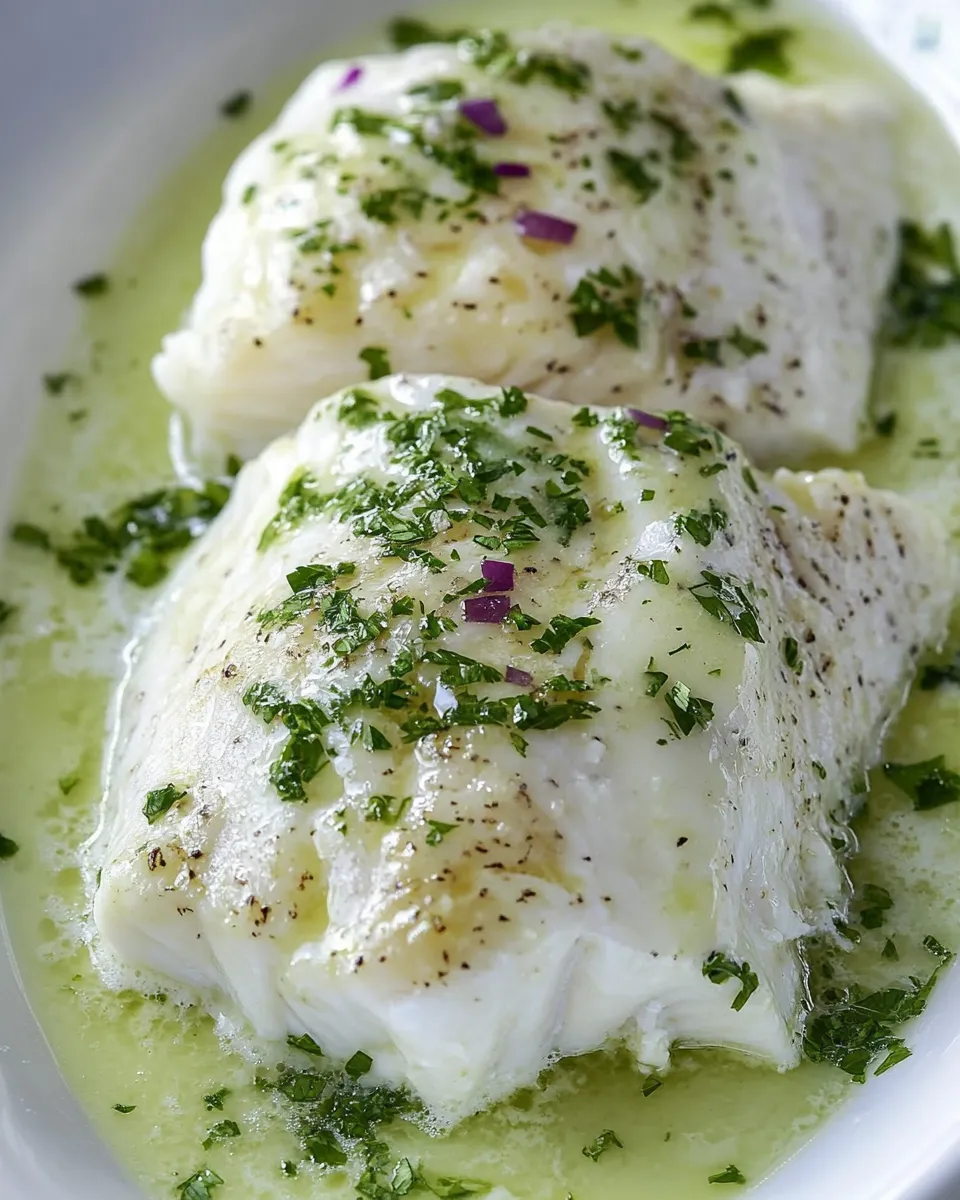
This butter-poached fish is one of those quiet, reliable dinners that looks like effort and tastes like comfort. It relies on two simple ideas: very gentle heat and plenty of butter. The result is fish that feels plush, stays moist, and takes on a glossy finish that makes the plate look finished without fuss.
I keep this recipe in rotation because it’s forgiving, fast, and scalable for a weeknight or a small dinner with friends. The technique highlights the fish itself — clean flavors, a bit of brightness from lemon, and the subtle sweetness of shallots. If you follow the steps, you’ll get consistent results every time.
Ingredients
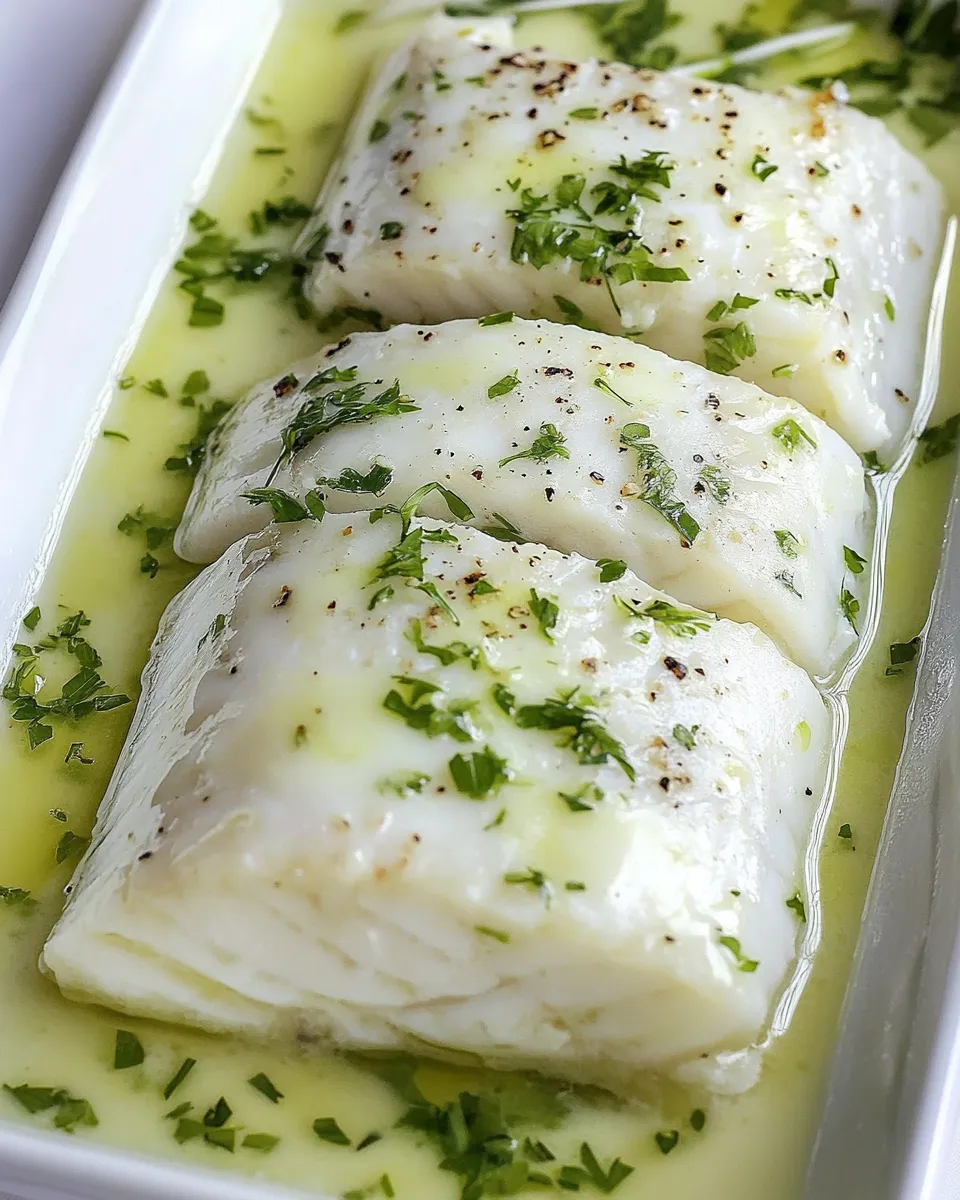
- 12 ounces fish — Use firm, fresh fillets or portioned pieces; dry them well so the butter clings and the exterior doesn’t steam.
- 6 ounces unsalted butter (divided use) — The cooking medium and the finish; dividing it helps control the melt and avoid browning.
- 1 tablespoon lemon juice — Adds bright acidity that cuts the richness and layers flavor into the butter.
- 2 teaspoons finely diced shallots — Gentle aromatics that infuse the butter without overpowering the fish.
- finely chopped fresh herbs such as chives – optional — A fresh finish; sprinkle just before serving for color and a light herbal note.
Your Shopping Guide
Buy the freshest fish you can find. Look for fillets that smell clean and faintly briny, not fishy; the flesh should be firm to the touch and spring back when pressed. If your fishmonger offers portioning, ask for even pieces so they cook at the same rate.
Choose unsalted butter so you can control seasoning at the table. Fresh shallots are easy to miss in grocery stores; choose bulbs that are firm and dry, without soft spots. For lemon juice, buy ripe lemons and squeeze them yourself for the best aromatic lift. If you plan to use herbs, fresh is noticeably superior — pick bright green stems without wilting or brown edges.
Method: Butter Poached Fish
- Pat the 12 ounces fish dry with paper towels and, if desired, portion into serving-size pieces.
- Place a medium saucepan over medium heat and melt 2 tablespoons of the 6 ounces unsalted butter, taking care not to let the butter brown.
- Add the 2 teaspoons finely diced shallots to the melted butter and cook until translucent, about 1–2 minutes.
- Stir in the 1 tablespoon lemon juice, then add the remaining unsalted butter (the rest of the 6 ounces) in pieces so it melts evenly.
- When the butter has fully melted, gently place the fish into the pan. The cooking liquid should come about two-thirds of the way up the sides of the fish; if it does not, tilt the pan and spoon melted butter over the fish to help cover it.
- Increase the heat to bring the butter to a gentle simmer. Once the simmer begins, cook the fish for 3 minutes.
- Reduce the heat to low and cook an additional 1 minute, or until the fish is opaque through the center and flakes easily with a fork.
- Carefully remove the fish from the pan, spoon some of the butter over the top, and finish with the optional finely chopped fresh herbs before serving.
Why It Works Every Time
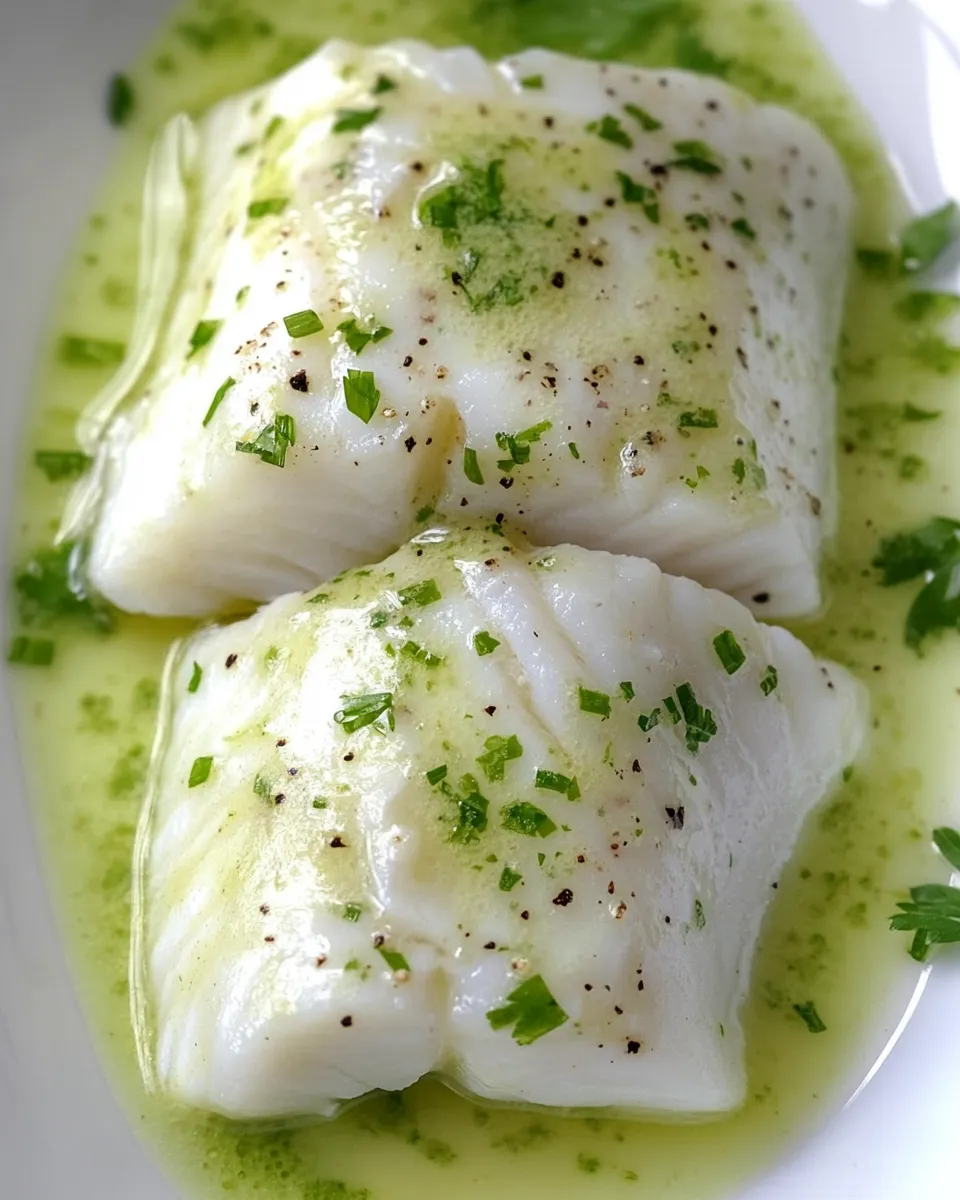
Poaching in butter is essentially cooking with an insulating, low-water-content medium. Butter transfers heat gently and evenly, which keeps delicate fish from overcooking on the outside while the center finishes. Starting with a small amount melted and then adding the rest in pieces ensures the butter never browns — brown butter has flavor, but it’s not the texture or pale color you want for this technique.
Shallots and lemon juice are subtle power players. The shallots lend a sweet, aromatic background without the assertiveness of raw onion. The lemon juice cuts the richness and brightens the final dish. Spoon-basting as the fish cooks keeps the surface glossy and helps the fish cook evenly even if the liquid doesn’t fully submerge the pieces.
Flavor-Forward Alternatives
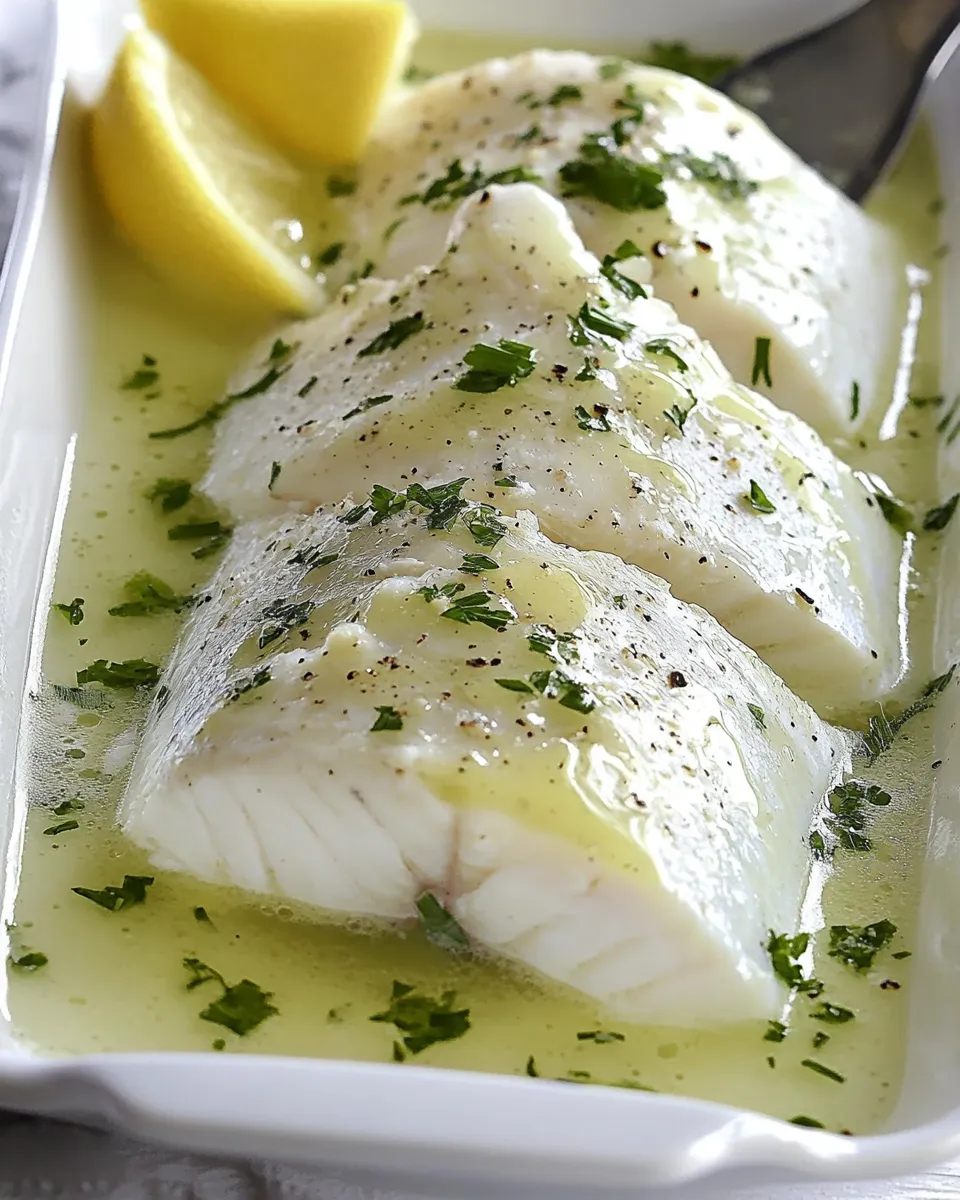
Work within the recipe’s ingredient list for confident variants. Increase the shallots slightly if you want more aromatic depth, or reserve more of the butter to finish the fish with an extra spoonful before serving. If you like a brighter finish, add a small splash more lemon juice just before you remove the fish from the pan, tasting as you go.
For herbs, use the optional finely chopped fresh herbs as your flavor pivot: scatter more for a pronounced fresh note, or use them sparingly for a whisper of green. The technique accepts small adjustments well; it’s forgiving, so experiment with the ratio of shallot to lemon in subsequent batches until you find your preferred balance.
Kitchen Gear Checklist
- Medium saucepan — wide enough to hold the fish in a single layer and shallow so you can spoon the butter over the fillets.
- Paper towels — for drying the fish thoroughly before cooking.
- Sharp knife and cutting board — for portioning fish and finely dicing shallots.
- Spoon (heatproof) — for basting the fish with butter during cooking.
- Tongs or a slotted spatula — to lift the fish gently without breaking it.
- Small bowl or measuring spoon — for the lemon juice and for portioning the initial butter.
Don’t Do This
- Don’t rush the heat. If the pan gets too hot the butter will brown and the fish can overcook on the surface before the center finishes.
- Don’t skip drying the fish. Excess moisture causes steaming and prevents the butter from coating the surface properly.
- Don’t crowd the pan. Pieces of different sizes will cook unevenly; portion first for consistency.
- Don’t forget to taste and adjust at the end. Because the recipe uses unsalted butter, you may want to taste the finished fish and season at the table if necessary.
Make It Year-Round
This approach travels through seasons because it’s about technique more than seasonal pairings. In spring and summer use herbs more liberally to keep the dish bright and light. In cooler months lean on the richness; a slightly larger butter finish and a generous sprinkle of the optional herbs warm the plate without extra effort.
For serving, keep sides simple and seasonal: steamed or roasted vegetables in colder times; a crisp salad or simple boiled new potatoes in warmer months. The fish is rich, so a bright, textural side keeps the meal balanced.
Author’s Commentary
I started cooking this way because I wanted a method that felt indulgent without a long ingredient list or complicated steps. The first time I poached fish in butter I was surprised at how much the texture changed — it became silky rather than dry. I now turn to this method when I want an impressive-looking dish that’s actually quick and quiet in the kitchen.
As a cook who feeds a small family and often entertains friends, I appreciate recipes that allow for small adjustments. The divided-butter trick is one of my favorite small moves: it keeps the butter pale and soft, and it prevents that nutty browning that masks delicate flavors. It feels a little like listening to the fish as it cooks — a short attention span at the stove, a steady spoon to baste, and dinner is ready.
Leftovers & Meal Prep
Store leftover fish in an airtight container in the refrigerator and use within 24 hours for best texture and flavor. Reheating can be tricky because the butter can firm up and the fish can dry if rushed. To reheat gently, warm the fish in a low oven (around 275°F/135°C) loosely covered, spooning some reserved butter over it if you have any. Alternatively, a brief gentle steam over simmering water will bring it back without overcooking.
If you plan to meal prep, consider keeping the butter and herbs separate and adding them when you reheat; that preserves a fresher finish. Use leftover fish in salads or folded into warm grains, and add fresh herbs right before serving to revive the dish.
Common Questions
Can I use salted butter? The recipe specifies unsalted butter so you control the seasoning. If you only have salted butter, reduce any extra seasoning until after cooking and taste before serving.
How do I know when the fish is done? Look for the flesh to turn opaque and to flake easily with a fork. The method calls for a timed approach (3 minutes at simmer + 1 minute at low), but thickness and species will affect exact timing. When in doubt, check the center with a fork.
What if the butter starts to brown? Lower the heat immediately and remove the pan from the hot element until things calm down. Browned butter signals higher heat than this technique needs and will change the flavor and color.
Can I scale the recipe? Yes. Keep the proportions and the method: start with a small amount of butter to sweat the shallots, then add the rest in pieces. Ensure the pan is large enough for a single layer of fish so each portion cooks evenly.
That’s a Wrap
Butter poaching is an easy way to elevate weeknight fish into something gently decadent. It rewards attention to a few small details: dry fish, controlled heat, and a final sprinkle of fresh herbs. Follow the steps, keep your pan ready, and you’ll have a dish that looks like care and tastes like comfort — every single time.

Butter Poached Fish
Ingredients
Ingredients
- 12 ouncesfish
- 6 ouncesunsalted butter divided use
- 1 tablespoonlemon juice
- 2 teaspoonsfinely diced shallots
- finelychoppedfresh herbs such as chives – optional
Instructions
Instructions
- Pat the 12 ounces fish dry with paper towels and, if desired, portion into serving-size pieces.
- Place a medium saucepan over medium heat and melt 2 tablespoons of the 6 ounces unsalted butter, taking care not to let the butter brown.
- Add the 2 teaspoons finely diced shallots to the melted butter and cook until translucent, about 1–2 minutes.
- Stir in the 1 tablespoon lemon juice, then add the remaining unsalted butter (the rest of the 6 ounces) in pieces so it melts evenly.
- When the butter has fully melted, gently place the fish into the pan. The cooking liquid should come about two-thirds of the way up the sides of the fish; if it does not, tilt the pan and spoon melted butter over the fish to help cover it.
- Increase the heat to bring the butter to a gentle simmer. Once the simmer begins, cook the fish for 3 minutes.
- Reduce the heat to low and cook an additional 1 minute, or until the fish is opaque through the center and flakes easily with a fork.
- Carefully remove the fish from the pan, spoon some of the butter over the top, and finish with the optional finely chopped fresh herbs before serving.
Equipment
- Paper Towels
- Medium Saucepan
- Spoon
- Fork
Notes
Make sure there is enough liquid (butter or lemon juice) to cover 2/3 up the side of the fish while cooking.
Finish this recipe with a touch ofFleur de Selor a touch ofsea salt. I think both of these two types of salt add something extra special to the fish.
Use room temperature butter for more even melting
Don’t let the butter get too hot – no bubbling or browning
Choose fillets of similar thickness for even cooking
Pat fish completely dry before poaching
Let fish come to room temperature before cooking