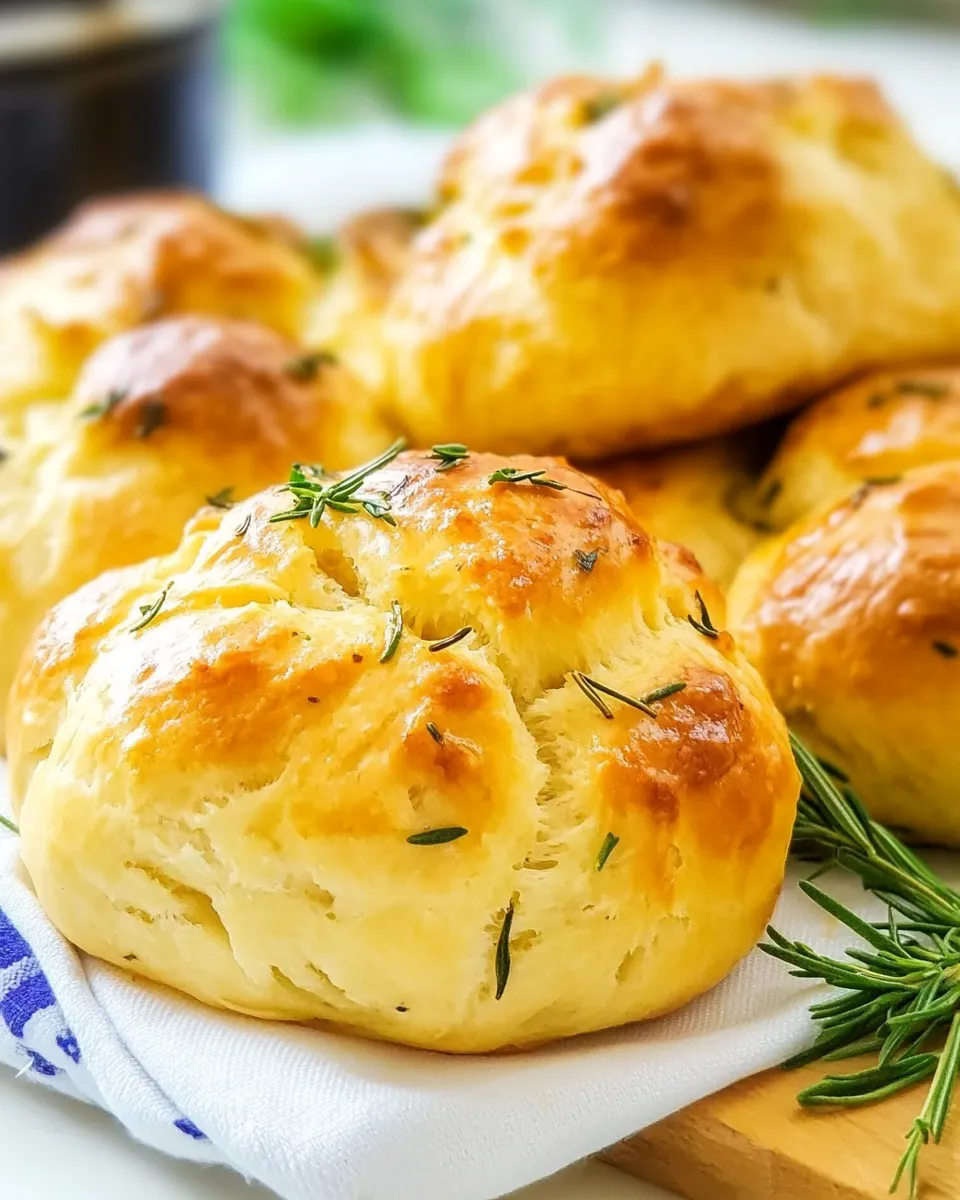
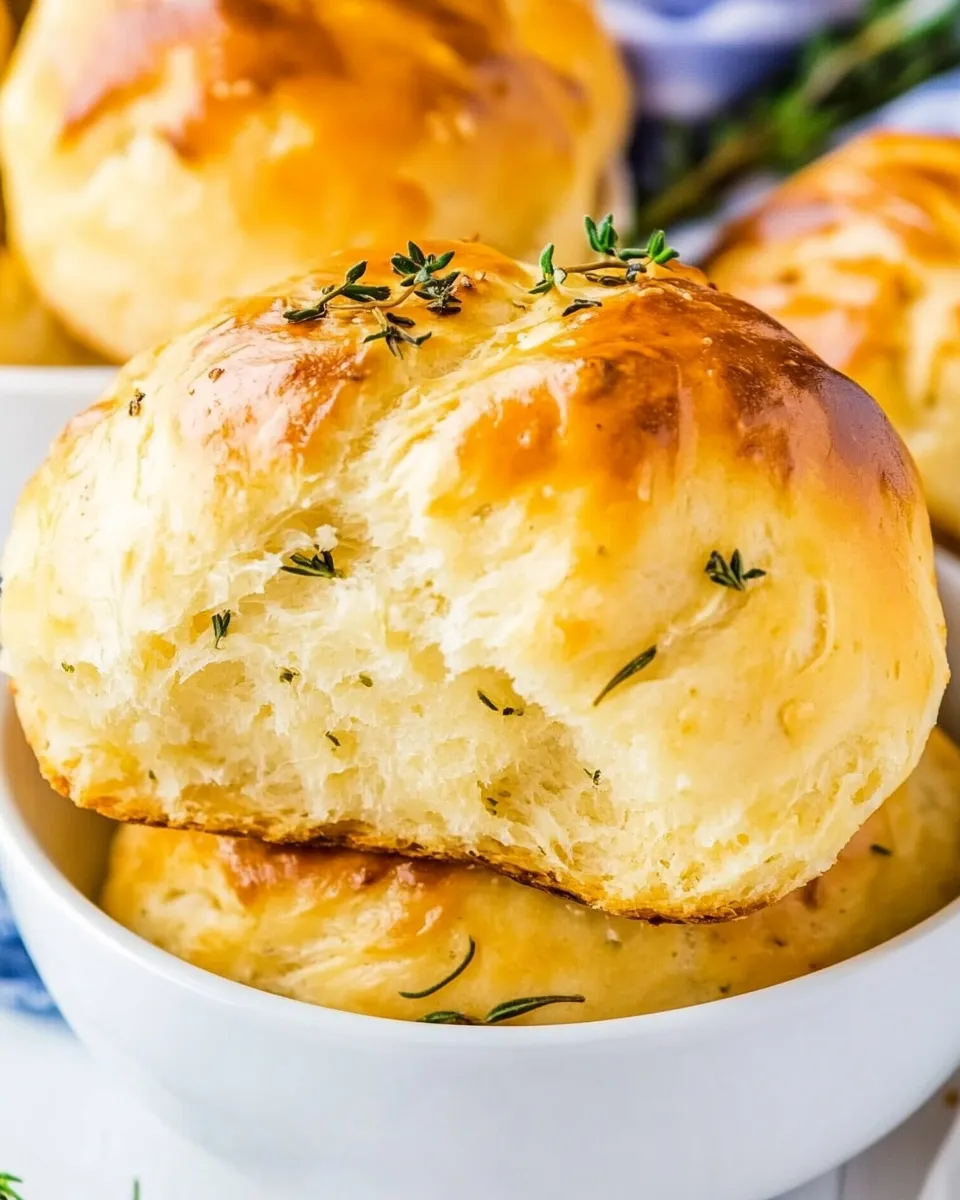
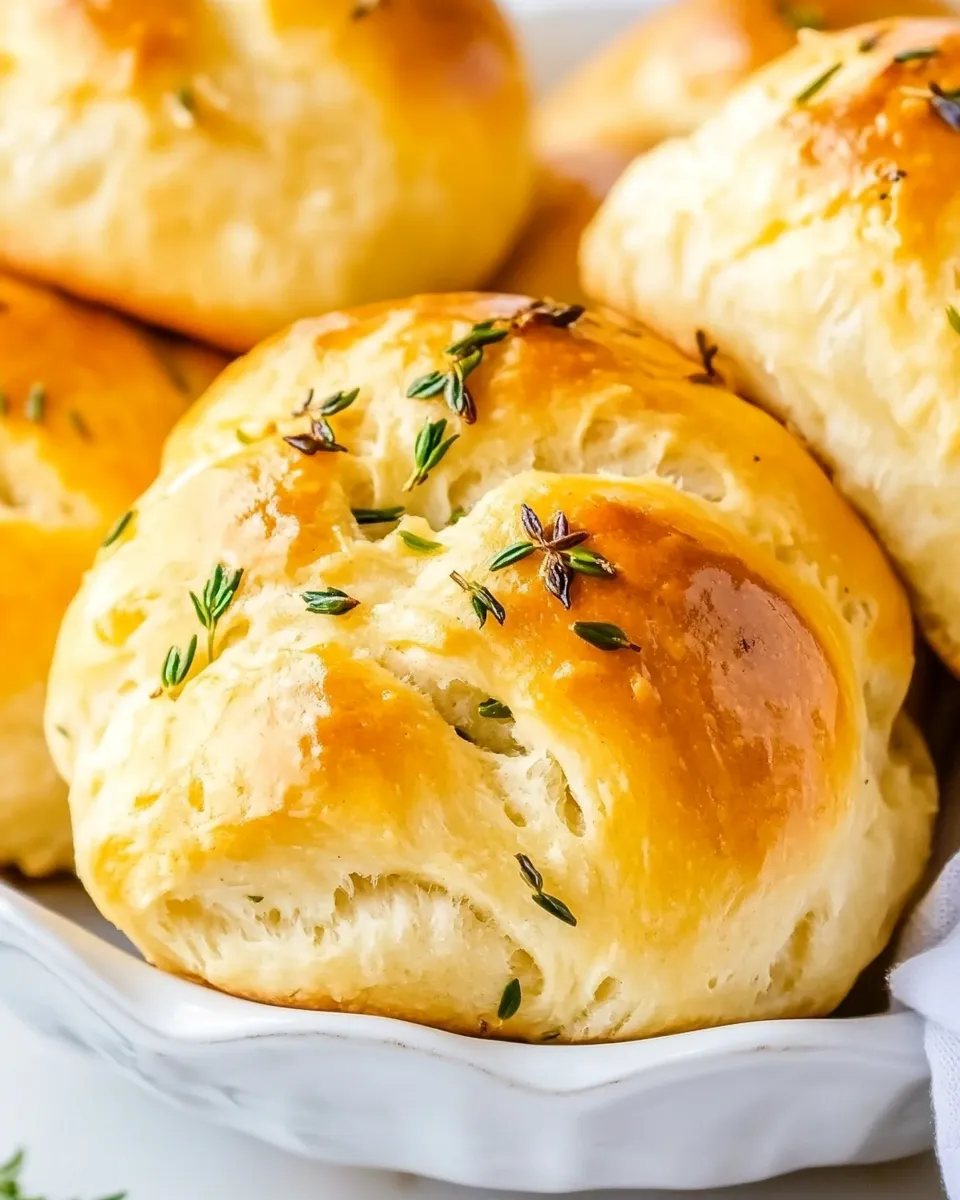
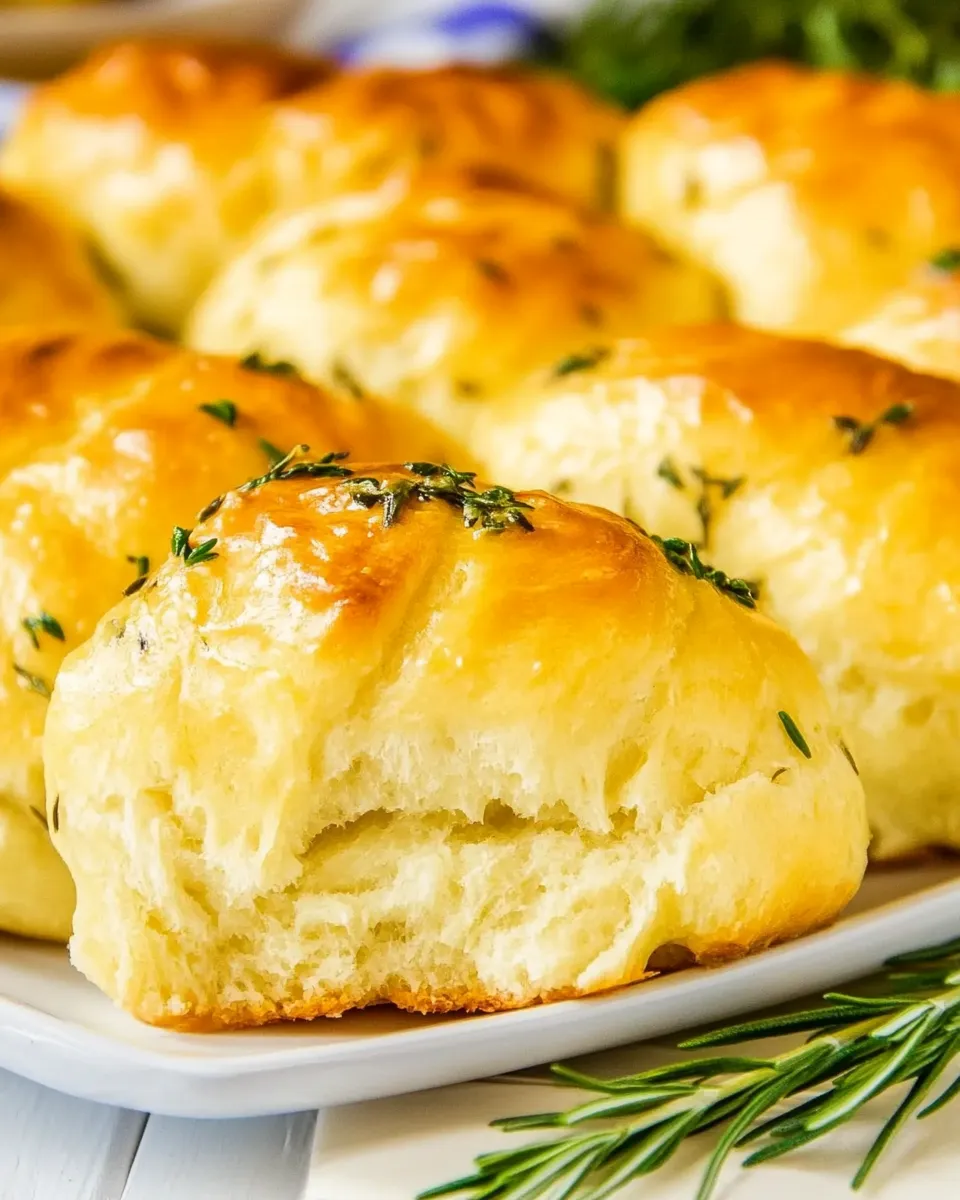
Warm, tender rolls brushed with a fragrant butter-herb glaze are the kind of side that gets requested again and again. This recipe makes 16 individual rolls with a soft crumb, a golden exterior, and an herb-scented finish that takes them from good to unforgettable. I keep this technique in my regular rotation because it’s reliable and the results are worth the modest effort.
The dough is enriched with buttermilk and butter and gets a quick, thorough knead in a stand mixer; if you don’t have one, the recipe still works by hand. The shaping is forgiving — knots or spirals — and the finishing butter is a simple mix of parsley, rosemary and garlic powder that clings to the warm rolls.
Below you’ll find precise ingredient notes, the step-by-step method from proofing to the final brush, and practical tips for timing, storage, and variations. Read straight through once before starting, and you’ll feel confident at every stage.
Ingredient Notes
Ingredients
- 4 cups all purpose flour, plus extra for work surface — The main structure for the rolls; extra for dusting while shaping.
- 1 1/2 teaspoon kosher salt — Balances the sweetness and strengthens gluten for better texture.
- 3 tablespoons sugar — Feeds the yeast and adds a touch of sweetness to the dough.
- 1/4 cup warm water, 105 to 110 degrees F — Activates the yeast; temperature range is important for proofing.
- 1 (1/4-ounce) packet active dry yeast — The leavening agent; check the date for best rise.
- 1 teaspoon sugar — Used with the yeast to encourage foaming during activation.
- 1 cup buttermilk, room temperature — Adds tenderness and a subtle tang to the rolls.
- 2 large eggs, divided — One egg goes into the dough for richness; the other is reserved for an egg wash to create shine.
- 1/4 cup softened unsalted butter — Incorporated into the dough for softness and flavor.
- 1/4 cup unsalted butter — Melted with herbs for the finishing brush that gives flavor and sheen.
- 2 tablespoons chopped fresh parsley — Fresh herb in the finishing butter for brightness.
- 2 teaspoons chopped fresh rosemary — Adds savory, piney notes; chop finely to distribute the flavor.
- 1/4 teaspoon garlic powder — Provides a subtle garlic backbone in the herb butter.
- 1/4 teaspoon kosher salt — Seasoning for the finishing butter to pull flavors together.
Method: Buttery Herb Yeast Rolls
- In the bowl of a stand mixer, combine 4 cups all-purpose flour, 1 1/2 teaspoons kosher salt, and 3 tablespoons sugar.
- In a small bowl, stir together 1/4 cup warm water (105–110°F), 1 (1/4-ounce) packet active dry yeast, and 1 teaspoon sugar. Let sit about 5 minutes, until foamy.
- Add the yeast mixture, 1 cup room-temperature buttermilk, 1 large egg (reserve the other egg), and 1/4 cup softened unsalted butter to the flour mixture. Using the paddle attachment, mix on low/medium until the dough comes together and pulls away from the sides of the bowl.
- Switch to the dough hook and knead on medium speed for 7 minutes, until the dough is smooth and elastic. (If you do not have a stand mixer, turn the dough onto a lightly floured surface and knead by hand for 8–10 minutes.)
- Lightly grease a clean bowl. Transfer the dough to the bowl and turn to coat. Cover with plastic wrap or a clean kitchen towel and let rise in a warm place until doubled in size, about 1 1/2 hours.
- Lightly flour a work surface. Gently deflate the dough and divide it into 16 equal pieces.
- Roll each piece into a rope about 7–8 inches long. Shape each rope into either a knot (form a pretzel shape and tuck the ends under) or a spiral (coil the rope around itself).
- Place the shaped rolls on a large baking sheet lined with parchment paper, leaving space between them for expansion. Cover loosely with plastic wrap or a kitchen towel and let rise until puffy, about 45–60 minutes. Begin preheating the oven to 350°F during the last 15 minutes of this rise.
- Lightly beat the reserved egg in a small bowl. Brush the tops of the risen rolls with the beaten egg.
- Bake the rolls in the preheated 350°F oven for about 15 minutes, or until the rolls are light golden brown.
- While the rolls bake, combine the topping ingredients in a small microwave-safe bowl: 1/4 cup unsalted butter, 2 tablespoons chopped fresh parsley, 2 teaspoons chopped fresh rosemary, 1/4 teaspoon garlic powder, and 1/4 teaspoon kosher salt. Microwave until the butter is melted, then stir to combine.
- Remove the rolls from the oven and immediately brush them with the butter-herb mixture. Let the rolls cool slightly before serving.
Top Reasons to Make Buttery Herb Yeast Rolls
- They pair with almost anything: soups, roasts, weeknight dinners or holiday spreads.
- Texture balance—soft, pillowy crumb inside and a lightly golden exterior.
- The finishing butter is simple but highly flavorful; it transforms ordinary rolls into something memorable.
- Shaping is forgiving. Knots and spirals both bake up beautifully and look homemade in the best way.
- They keep well for a day or two and reheat beautifully with a quick toast and extra butter.
Ingredient Flex Options
Here are practical swaps and adjustments that keep the spirit of the recipe without changing the method or structure.
- If you prefer a richer dough, you can modestly increase the softened unsalted butter in the dough by a tablespoon or two—just watch the dough feel rather than exact texture.
- If you want a milder herb presence, halve the chopped rosemary or skip it in the finish and rely on parsley alone.
- For less shine on top, omit the beaten egg wash; the rolls will still brown but won’t be as glossy.
- To reduce saltiness in the finish for sensitive palates, cut the 1/4 teaspoon kosher salt in the butter-herb mixture in half.
Recommended Tools
- Stand mixer with paddle and dough hook attachments — makes mixing and kneading effortless and consistent.
- Kitchen scale or measuring cups — accurate flour measurement keeps dough texture steady.
- Large baking sheet and parchment paper — ensures even baking and easy cleanup.
- Small bowls for proofing yeast and mixing the finishing butter — simple organization during prep.
- Pastry brush — for applying the beaten egg and herb butter evenly.
Errors to Dodge
Small mistakes can change how your rolls turn out. Watch for these common pitfalls:
- Water too hot for the yeast. Keep the 105–110°F range; hotter water can kill the yeast, colder water stalls activation.
- Too much flour. Add the 4 cups as written, and only dust the surface lightly if the dough is sticky. Over-flouring will yield dense rolls.
- Under- or over-kneading. Seven minutes on a mixer dough hook yields a smooth, elastic dough. Under-kneaded dough won’t hold shape; over-kneaded dough becomes tough.
- Rising in a cold spot. A cool kitchen will stretch proofing times; find a slightly warm, draft-free spot for predictable results.
- Baking too long or at too high a temperature. 350°F for about 15 minutes keeps the rolls tender and light; longer or hotter will dry them out.
Variations for Dietary Needs
Here are ways to adapt the technique while keeping the method intact. These are general suggestions; if you have strict dietary restrictions, test small batches first.
- Lower-dairy approach: Reduce butter in the dough slightly and use the finishing butter sparingly; the structure comes mainly from flour, egg, and buttermilk.
- Egg adjustments: The dough benefits from one egg for richness. If you need to avoid eggs entirely, expect a difference in texture; adding an egg replacer will change handling and rise time—try small experiments.
- Herb-forward or herb-free: Double the parsley for a brighter finish, or omit rosemary for a gentler flavor if strong herbs are an issue.
Author’s Commentary
I love recipes that reward a little attention. These rolls are one of those: you do a couple of predictable rises, a clean knead, and a straightforward bake, and you get something noticeably better than store-bought. The final brush of butter and herbs is my favorite step — it’s quick, aromatic and gives each roll personality.
In my kitchen this recipe is a weekday champion: the dough can be mixed in the morning for an afternoon bake, or shaped and held for a short second rise if timing needs to be shifted. The shapes are an easy way to add charm to a family meal without adding time.
Save for Later: Storage Tips
Store cooled rolls in an airtight container or a resealable bag at room temperature for up to 2 days. For longer storage, freeze cooled rolls in a single layer on a tray until firm, then transfer to a freezer-safe bag; they keep well for up to 3 months.
Reheat: thaw at room temperature, then warm in a 300–325°F oven for 8–10 minutes or split and toast them. For best results, re-brush with a little melted butter after reheating to revive the herb finish.
Buttery Herb Yeast Rolls Q&A
- Q: Can I make the dough ahead? Yes. After the first rise, gently deflate, shape into a log, wrap tightly and refrigerate overnight. Bring to room temperature and continue with shaping, second rise and bake. Allow an extra 15–30 minutes for the chilled dough to warm.
- Q: My rolls didn’t brown evenly. Why? Uneven oven temperatures or placement on the baking sheet can cause uneven browning. Rotate the pan halfway through if your oven has hotspots.
- Q: Can I use active dry yeast directly without proofing? The method here calls for proofing the yeast in warm water with sugar to ensure it’s active. In general, follow the recipe’s yeast activation step for best consistency.
- Q: I don’t have fresh rosemary — can I use dried? Fresh herbs are called for and provide the brightest flavor. If you must use dried, use less (about one-third), since dried herbs concentrate differently. Chop dried rosemary finely before adding.
Final Thoughts
Buttery Herb Yeast Rolls are a dependable, flavorful addition to any meal. They’re not fussy, they travel well from oven to table, and that simple herb butter finish makes all the difference. Follow the steps, mind the temperatures, and you’ll have 16 rolls that taste like effort and care—exactly what you want from homemade bread.
Buttery Herb Yeast Rolls
Ingredients
Ingredients
- 4 cupsall purpose flour plus extra for work surface
- 1 1/2 teaspoonkosher salt
- 3 tablespoonssugar
- 1/4 cupwarm water 105 to 110 degrees F
- 1 1/4-ounce packetactive dry yeast
- 1 teaspoonsugar
- 1 cupbuttermilk room temperature
- 2 largeeggs divided
- 1/4 cupsoftened unsalted butter
- 1/4 cupunsalted butter
- 2 tablespoonschopped fresh parsley
- 2 teaspoonschopped fresh rosemary
- 1/4 teaspoongarlic powder
- 1/4 teaspoonkosher salt
Instructions
Instructions
- In the bowl of a stand mixer, combine 4 cups all-purpose flour, 1 1/2 teaspoons kosher salt, and 3 tablespoons sugar.
- In a small bowl, stir together 1/4 cup warm water (105–110°F), 1 (1/4-ounce) packet active dry yeast, and 1 teaspoon sugar. Let sit about 5 minutes, until foamy.
- Add the yeast mixture, 1 cup room-temperature buttermilk, 1 large egg (reserve the other egg), and 1/4 cup softened unsalted butter to the flour mixture. Using the paddle attachment, mix on low/medium until the dough comes together and pulls away from the sides of the bowl.
- Switch to the dough hook and knead on medium speed for 7 minutes, until the dough is smooth and elastic. (If you do not have a stand mixer, turn the dough onto a lightly floured surface and knead by hand for 8–10 minutes.)
- Lightly grease a clean bowl. Transfer the dough to the bowl and turn to coat. Cover with plastic wrap or a clean kitchen towel and let rise in a warm place until doubled in size, about 1 1/2 hours.
- Lightly flour a work surface. Gently deflate the dough and divide it into 16 equal pieces.
- Roll each piece into a rope about 7–8 inches long. Shape each rope into either a knot (form a pretzel shape and tuck the ends under) or a spiral (coil the rope around itself).
- Place the shaped rolls on a large baking sheet lined with parchment paper, leaving space between them for expansion. Cover loosely with plastic wrap or a kitchen towel and let rise until puffy, about 45–60 minutes. Begin preheating the oven to 350°F during the last 15 minutes of this rise.
- Lightly beat the reserved egg in a small bowl. Brush the tops of the risen rolls with the beaten egg.
- Bake the rolls in the preheated 350°F oven for about 15 minutes, or until the rolls are light golden brown.
- While the rolls bake, combine the topping ingredients in a small microwave-safe bowl: 1/4 cup unsalted butter, 2 tablespoons chopped fresh parsley, 2 teaspoons chopped fresh rosemary, 1/4 teaspoon garlic powder, and 1/4 teaspoon kosher salt. Microwave until the butter is melted, then stir to combine.
- Remove the rolls from the oven and immediately brush them with the butter-herb mixture. Let the rolls cool slightly before serving.
Equipment
- electric stand mixer
- Parchment Paper