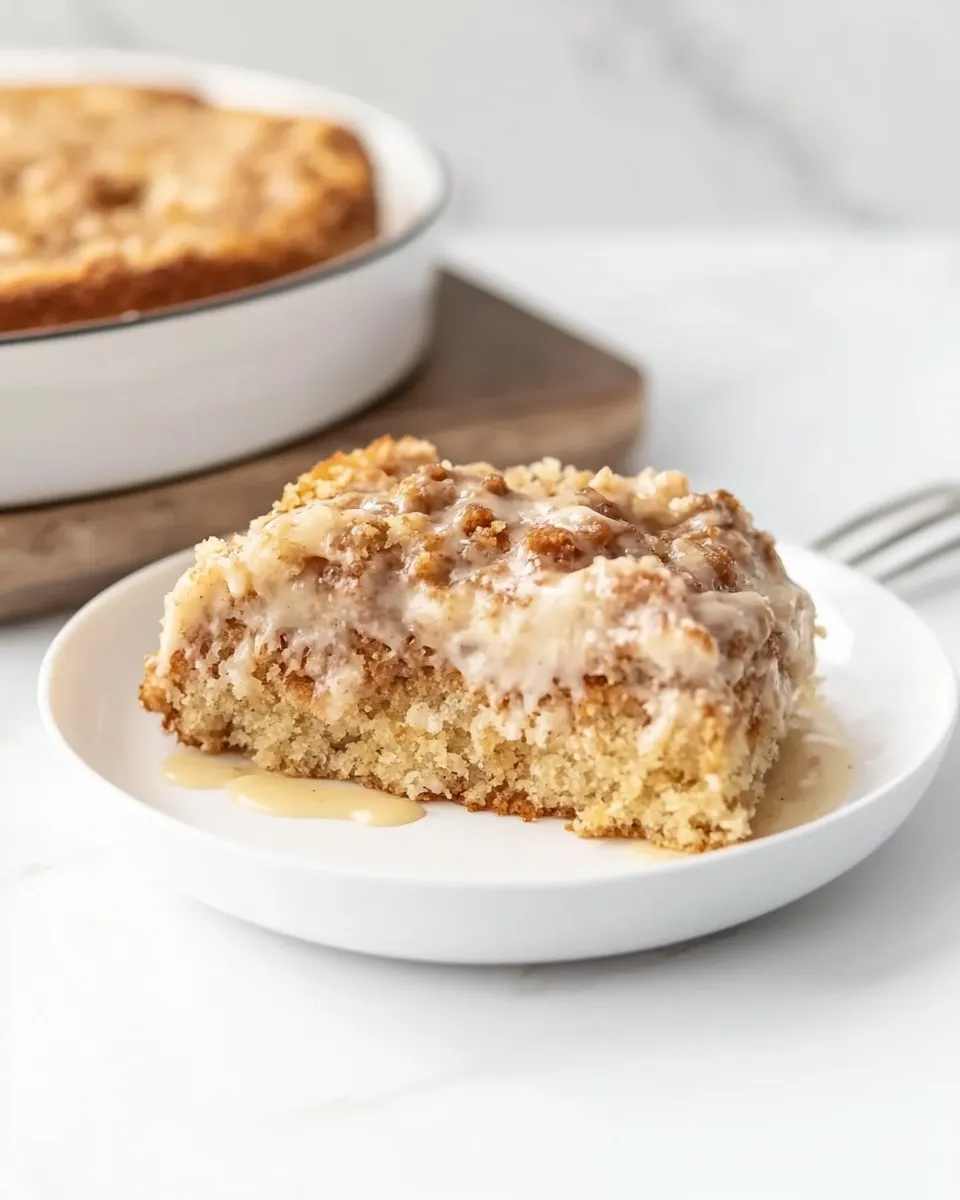
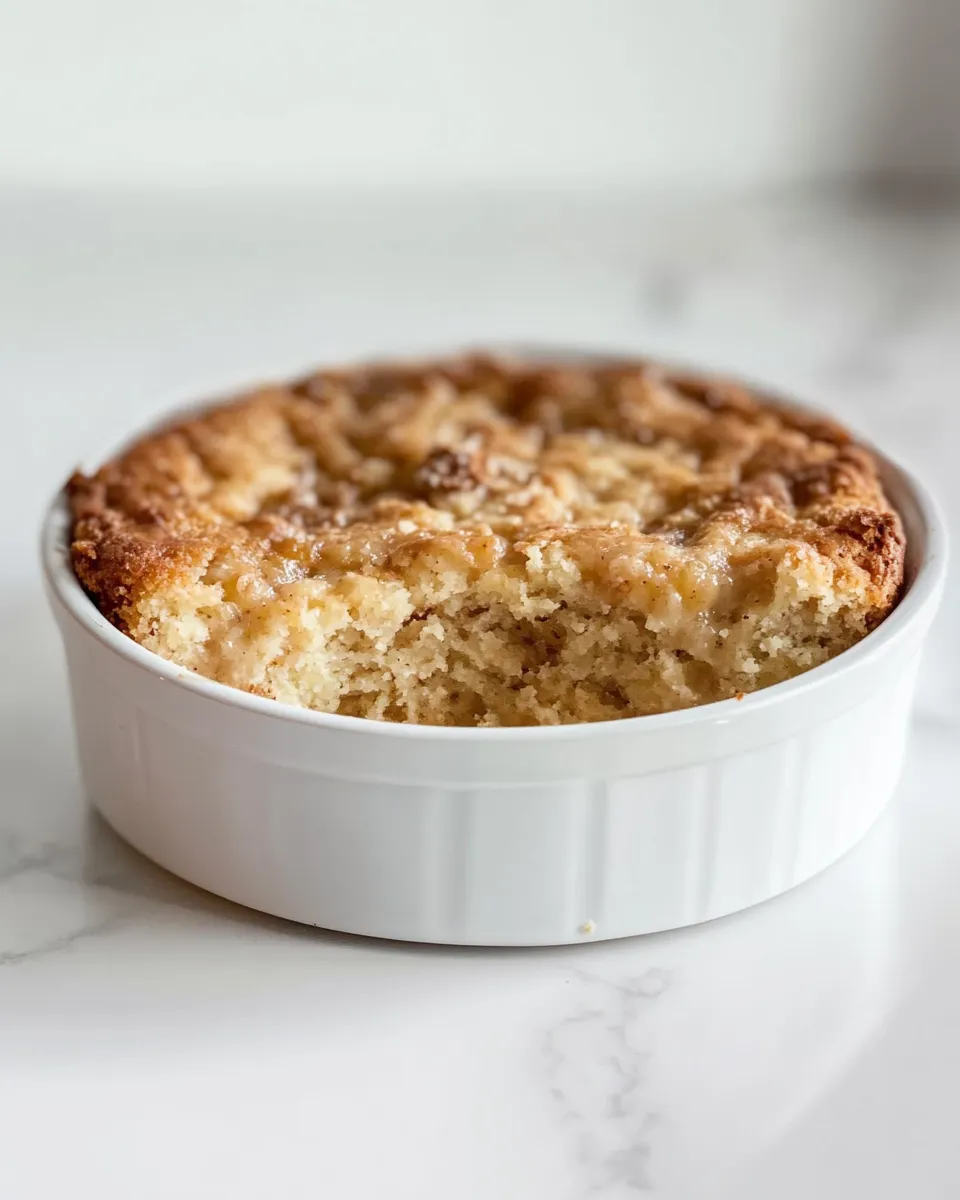
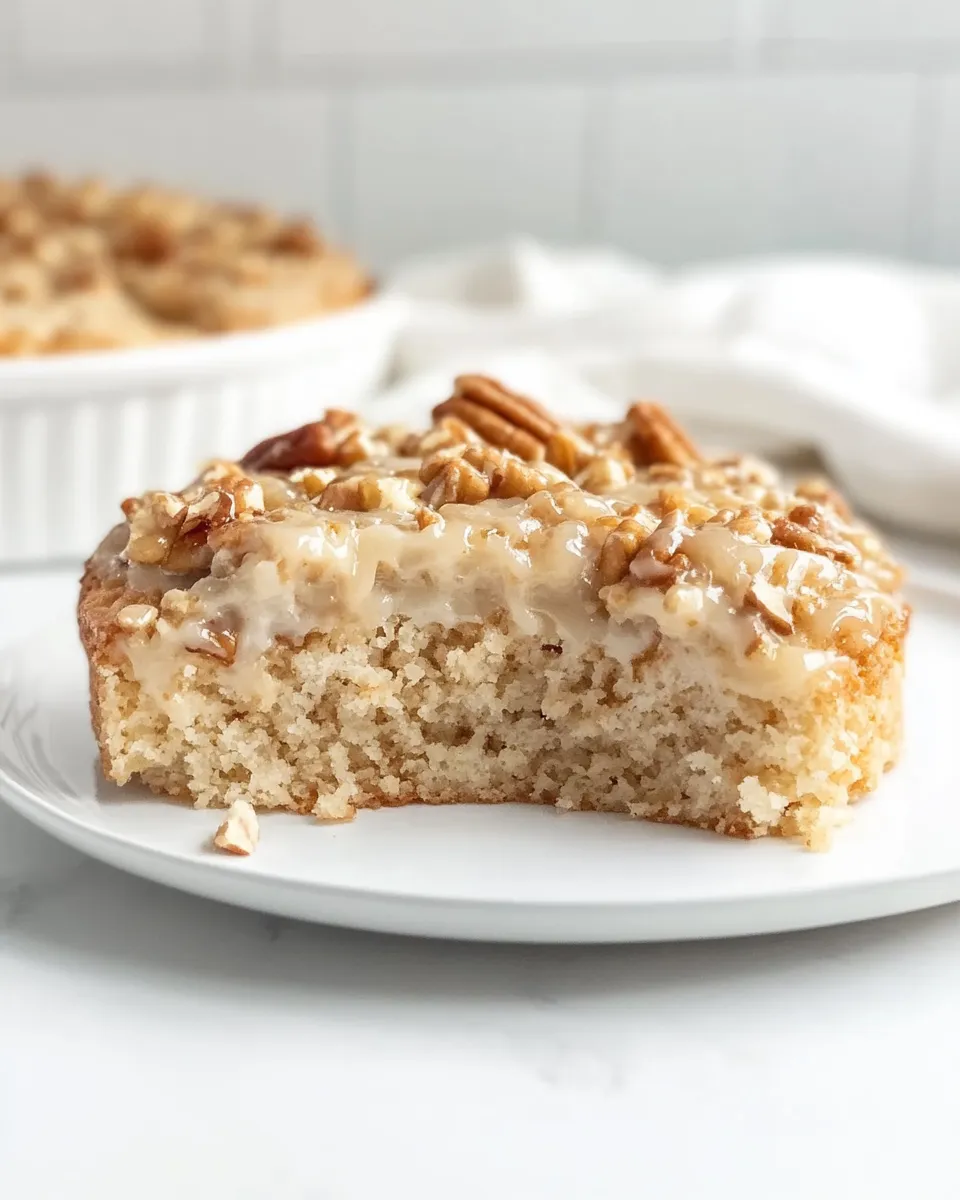
This cake is reliably comforting and honestly simple to pull together. It’s a dense, moist sheet cake with crushed pineapple folded into the batter and finished with a warm, nut-and-coconut glaze poured over the hot cake. It’s the kind of dessert you make when you want something that travels well, feeds a group, and doesn’t require a lot of fuss.
I test recipes until they behave the same way every time, and this one does: a straightforward batter, a short bake, and a glaze that thickens just enough to cling to the top and edges. The ingredients are pantry-friendly and the technique focuses on timing: pour the glaze while the cake is still hot so it sinks in without turning soggy.
Below I break down the ingredients, walk you step-by-step through the method, and share practical tips for swaps, storage, and troubleshooting. Keep this on your mental short list for potlucks, weeknight dessert rescues, or when you need something that’s easy, crowd-pleasing, and distinctly homey.
Ingredient Rundown
- 2¼ cups all-purpose flour (spooned and leveled) — provides the cake’s structure; spoon into the cup and level for an accurate measure.
- 1⅔ cups granulated sugar — sweetens the cake batter; measure carefully for balance with the pineapple.
- 2¼ teaspoons baking soda — the leavening that lifts this otherwise dense, moist cake.
- ½ teaspoon salt — enhances overall flavor and balances sweetness.
- 20 ounces crushed pineapple in natural pineapple juice (undrained) — the moisture and natural acidity here keep the cake tender and add flavor; use undrained as written.
- 2 large eggs (at room temperature and beaten) — bind the batter and add richness; bring eggs to room temperature for even mixing.
- ½ teaspoon pure vanilla extract — lifts and rounds the flavors in the batter.
- 1 cup granulated sugar — for the glaze; dissolves into the milk and butter to form the sweet sauce.
- ¾ cup evaporated milk — adds creaminess and body to the glaze; heat as directed to develop the right texture.
- ½ cup sweet cream butter (salted) — enriches the glaze and helps set the sauce as it cools.
- 1½ teaspoons pure vanilla extract — added to the glaze for depth and aromatics.
- 1½ cups coconut flakes (sweetened) — texture and flavor in the glaze; sweetened coconut contributes chew and contrast.
- 1¼ cups chopped pecans — crunch and toasted flavor in the glaze; stir in at the end of the glaze cook.
Stepwise Method: Cajun Cake
- Preheat the oven to 350°F. Generously spray a 9×13-inch baking dish with nonstick spray and set it aside.
- In a large mixing bowl whisk together 2¼ cups all-purpose flour (spooned and leveled), 1⅔ cups granulated sugar, 2¼ teaspoons baking soda, and ½ teaspoon salt until evenly combined.
- Add 20 ounces crushed pineapple (undrained), 2 large eggs (room temperature, beaten), and ½ teaspoon pure vanilla extract to the dry ingredients. Stir for 1 to 1½ minutes, or until no dry streaks remain and the batter is evenly combined.
- Pour the batter into the prepared 9×13-inch pan and spread it level.
- Bake in the preheated oven for 30 to 35 minutes, or until a toothpick inserted into the center comes out clean or with only a few moist crumbs.
- While the cake bakes, make the glaze: in a 3- to 4-quart saucepan over medium-high heat combine 1 cup granulated sugar, ¾ cup evaporated milk, ½ cup sweet cream butter (salted), and 1½ teaspoons pure vanilla extract. Stir frequently to dissolve the sugar.
- Heat the mixture until it reaches a low, gentle boil, about 6 to 8 minutes, continuing to stir so it does not scorch.
- Reduce the heat to medium and add 1¼ cups chopped pecans and 1½ cups sweetened coconut flakes. Cook, stirring, for 3 to 4 minutes more, until the glaze starts to thicken slightly.
- Remove the saucepan from the heat.
- As soon as the cake is done baking, remove it from the oven and immediately pour the hot glaze evenly over the cake, using a spatula to spread the pecans and coconut if needed.
- Allow the cake to cool completely in the pan before slicing into fifteen 2½-inch × 3-inch slices and serving.
Top Reasons to Make Cajun Cake
- It’s forgiving: the batter mixes quickly and doesn’t require precise folding or tempering.
- Feeds a crowd: the 9×13 pan makes a generous sheet that’s easy to portion for gatherings.
- Texture contrast: tender pineapple-soaked cake under a sticky, nutty, coconut-laced glaze makes every bite interesting.
- Make-ahead friendly: the cake can be baked and glazed the day before for less stress on serving day.
- Minimal equipment and pantry staples: flour, sugar, baking soda, pineapple and a few dairy items—nothing exotic.
- Great for travel: it holds up well during transport because it’s sturdy and glazed rather than frosted.
Budget & Availability Swaps
If a few ingredients are tight in the pantry or store shelves, you can adapt without derailing the cake’s spirit.
- Short on pecans? Reduce them or omit entirely—the glaze will still set and be flavorful from the coconut and butter.
- If sweetened coconut is unavailable, try using a smaller amount of unsweetened if that’s what you have, but expect a less sweet finish and slightly different texture.
- Running low on butter? Use what you have and monitor the glaze: less butter will make a slightly thinner glaze, so cook a bit longer to concentrate it.
- Out of crushed pineapple? Fresh pineapple, finely chopped, will change the moisture balance; drained crushed pineapple is not a recommended substitute because the recipe depends on the undrained juice for moisture.
Must-Have Equipment
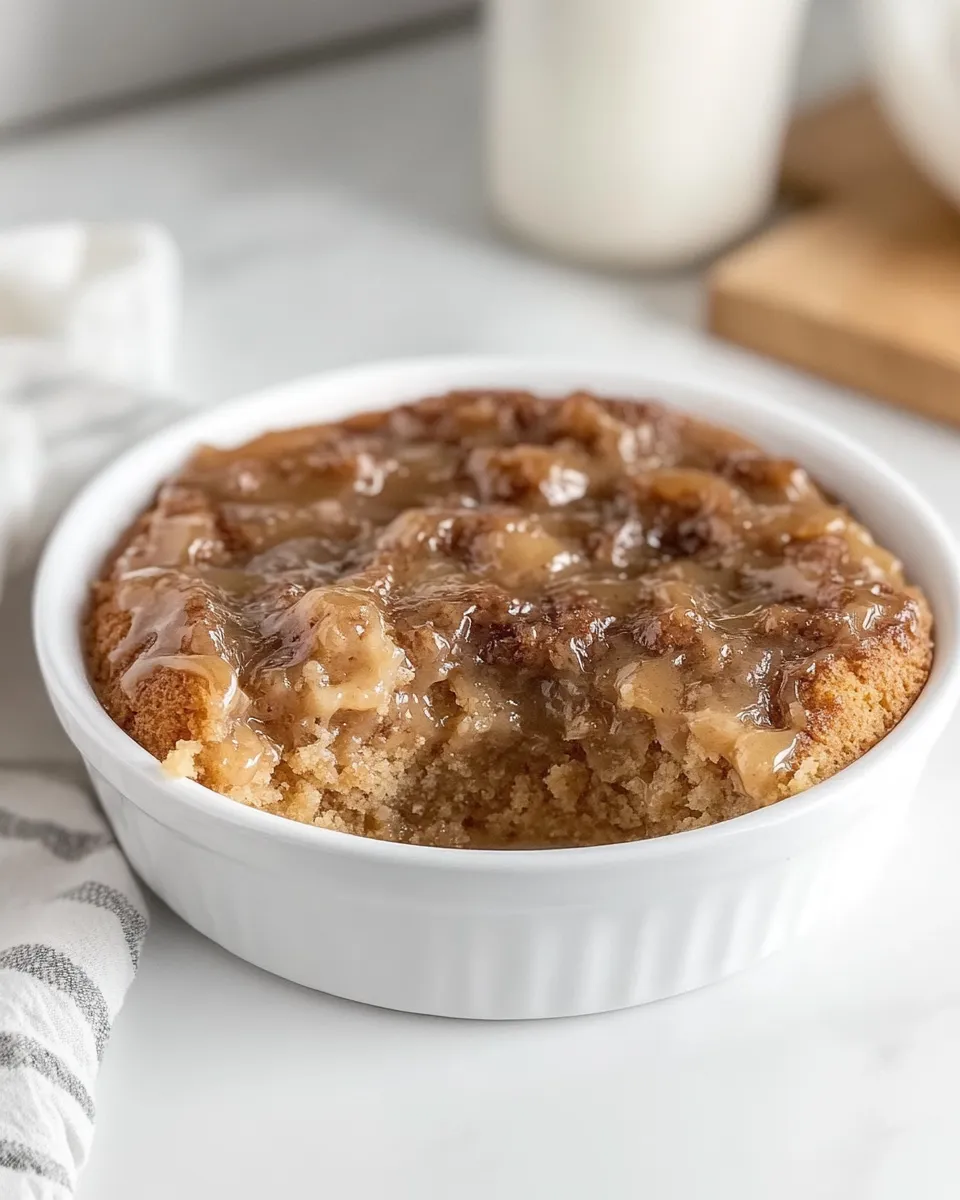
- 9×13-inch baking dish — the recipe’s bake time and depth assume this size.
- Oven that holds 350°F steadily — an oven thermometer helps if yours runs cool or hot.
- Large mixing bowl and whisk — for blending dry ingredients evenly.
- Measuring cups and spoons — precise measuring (especially for flour and leavening) keeps texture consistent.
- 3- to 4-quart saucepan — roomy enough to make the glaze and stir without boiling over.
- Spatula or spoon — to spread batter and push glaze into corners as needed.
- Toothpick or cake tester — to check doneness cleanly.
What Not to Do
- Do not drain the crushed pineapple. The recipe relies on the liquid to hydrate the batter; draining will yield a dry cake.
- Don’t overbake. Check at 30 minutes and watch closely; overbaking dries this style of cake quickly.
- Do not let the glaze scorch. Stir frequently during the 6–8 minute gentle boil and keep the heat moderate to avoid burnt sugar flavors.
- Do not pour the glaze cold. It needs to be hot to penetrate the cake; pouring it too cool will sit on top and not integrate properly.
Dietary Swaps & Alternatives
If you need to alter this recipe for dietary reasons, there are sensible paths that maintain the cake’s character.
- To reduce nuts for allergy concerns, omit the pecans and increase coconut slightly or leave the glaze nut-free; the cake will remain tasty without the crunch.
- For a lower-sugar finish, leave off some of the glaze or use less of the glaze components when making it; be mindful this changes texture and shelf life.
- If you need to make it lactose-free or dairy-free, look for a dairy-free butter and a shelf-stable milk alternative that behaves similarly to evaporated milk; these swaps change mouthfeel and may require longer glaze cooking to thicken.
- For egg alternatives, use a tested egg replacer appropriate for baking two eggs (follow manufacturer instructions); texture will differ from the original.
Testing Timeline
Here’s how I time everything so the cake, glaze, and resting time align smoothly.
- 0–10 minutes: Preheat oven, prep the 9×13 pan, and whisk dry ingredients.
- 10–20 minutes: Combine wet and dry components, spread batter, and place the pan into the oven.
- 20–35 minutes: Bake time window. Start checking at 30 minutes with a toothpick—look for clean or a few moist crumbs.
- During bake (minutes 20–35): Begin the glaze about 8–10 minutes before the cake’s earliest expected finish so it’s ready to pour hot when the cake comes out.
- Immediately when cake is done: Remove from oven and pour glaze evenly over the hot cake. This timing is key—the heat draws the glaze in.
- Cooling: Allow the cake to cool completely in the pan before slicing, usually 1–2 hours depending on room temperature.
Leftovers & Meal Prep
This cake stores well and adapts to simple meal-prep routines.
- Room temperature: Cover tightly and store at room temperature for up to 24 hours; the glaze stays pliable and the cake remains moist.
- Refrigeration: For longer storage, wrap the pan tightly with plastic wrap or transfer slices to an airtight container and refrigerate up to 4–5 days. Bring slices to room temperature before serving for best texture.
- Freezing: Slice and individually wrap pieces for freezing. Wrap tightly in plastic then foil, and freeze up to 2 months. Thaw in the fridge overnight and warm briefly in a low oven or microwave if desired.
- Make-ahead: You can bake the cake the night before and prepare the glaze the next morning, warming it gently before pouring over the hot cake—this shortens prep time on serving day.
Common Questions
- Can I make this in a different pan? A pan of similar volume will work, but the depth changes bake time. If you use a smaller pan, watch it closely for doneness earlier than 30 minutes.
- Why does the recipe use undrained pineapple? The juice adds necessary moisture and a bit of acidity, which keeps the cake tender and flavorful.
- My glaze was thin—what happened? Either the glaze didn’t cook long enough to concentrate, or you used less butter than called for. Return it to medium heat and cook a bit longer while stirring to thicken slightly, then cool just a touch before pouring.
- Can I prepare the glaze ahead? You can make the glaze ahead and store it chilled; warm it gently before pouring. Note that hot glaze penetrates the cake best.
- How do I re-crisp nuts if they get soft? Toast them briefly in a 350°F oven for 5–7 minutes to refresh texture before adding to a freshly made glaze.
Time to Try It
Make this when you want a dessert that’s straightforward, forgiving, and indulgently textured. Give attention to the timing—bake until just done and pour that hot, nutty glaze right away. The result is a cake that looks like you spent a lot more time on it than you did and tastes like a comforting, slightly decadent reward.
If you bake it, take a note: warm slices are wonderful with a scoop of ice cream; cooled slices pack well for a roadside picnic or a friend’s potluck. Let me know how yours turns out and any small changes you tried—I love hearing practical tweaks from people who test recipes in real life.
Cajun Cake
Ingredients
Ingredients
- 2 1/4 cupsall-purpose flour spooned and leveled
- 1 2/3 cupsgranulated sugar
- 2 1/4 teaspoonsbaking soda
- 1/2 teaspoonsalt
- 20 ouncescrushed pineapple in natural pineapple juice undrained
- 2 large eggs at room temperature and beaten
- 1/2 teaspoonpure vanilla extract
- 1 cupgranulated sugar
- 3/4 cupevaporated milk
- 1/2 cupsweet cream butter salted
- 1 1/2 teaspoonspure vanilla extract
- 1 1/2 cupscoconut flakes sweetened
- 1 1/4 cupschopped pecans
Instructions
Instructions
- Preheat the oven to 350°F. Generously spray a 9×13-inch baking dish with nonstick spray and set it aside.
- In a large mixing bowl whisk together 2¼ cups all-purpose flour (spooned and leveled), 1⅔ cups granulated sugar, 2¼ teaspoons baking soda, and ½ teaspoon salt until evenly combined.
- Add 20 ounces crushed pineapple (undrained), 2 large eggs (room temperature, beaten), and ½ teaspoon pure vanilla extract to the dry ingredients. Stir for 1 to 1½ minutes, or until no dry streaks remain and the batter is evenly combined.
- Pour the batter into the prepared 9×13-inch pan and spread it level.
- Bake in the preheated oven for 30 to 35 minutes, or until a toothpick inserted into the center comes out clean or with only a few moist crumbs.
- While the cake bakes, make the glaze: in a 3- to 4-quart saucepan over medium-high heat combine 1 cup granulated sugar, ¾ cup evaporated milk, ½ cup sweet cream butter (salted), and 1½ teaspoons pure vanilla extract. Stir frequently to dissolve the sugar.
- Heat the mixture until it reaches a low, gentle boil, about 6 to 8 minutes, continuing to stir so it does not scorch.
- Reduce the heat to medium and add 1¼ cups chopped pecans and 1½ cups sweetened coconut flakes. Cook, stirring, for 3 to 4 minutes more, until the glaze starts to thicken slightly.
- Remove the saucepan from the heat.
- As soon as the cake is done baking, remove it from the oven and immediately pour the hot glaze evenly over the cake, using a spatula to spread the pecans and coconut if needed.
- Allow the cake to cool completely in the pan before slicing into fifteen 2½-inch × 3-inch slices and serving.
Equipment
- Oven
- 9x13 inch Baking Dish
- Large Mixing Bowl
- 3- to 4-quart saucepan
- Spatula
- Measuring cups and spoons