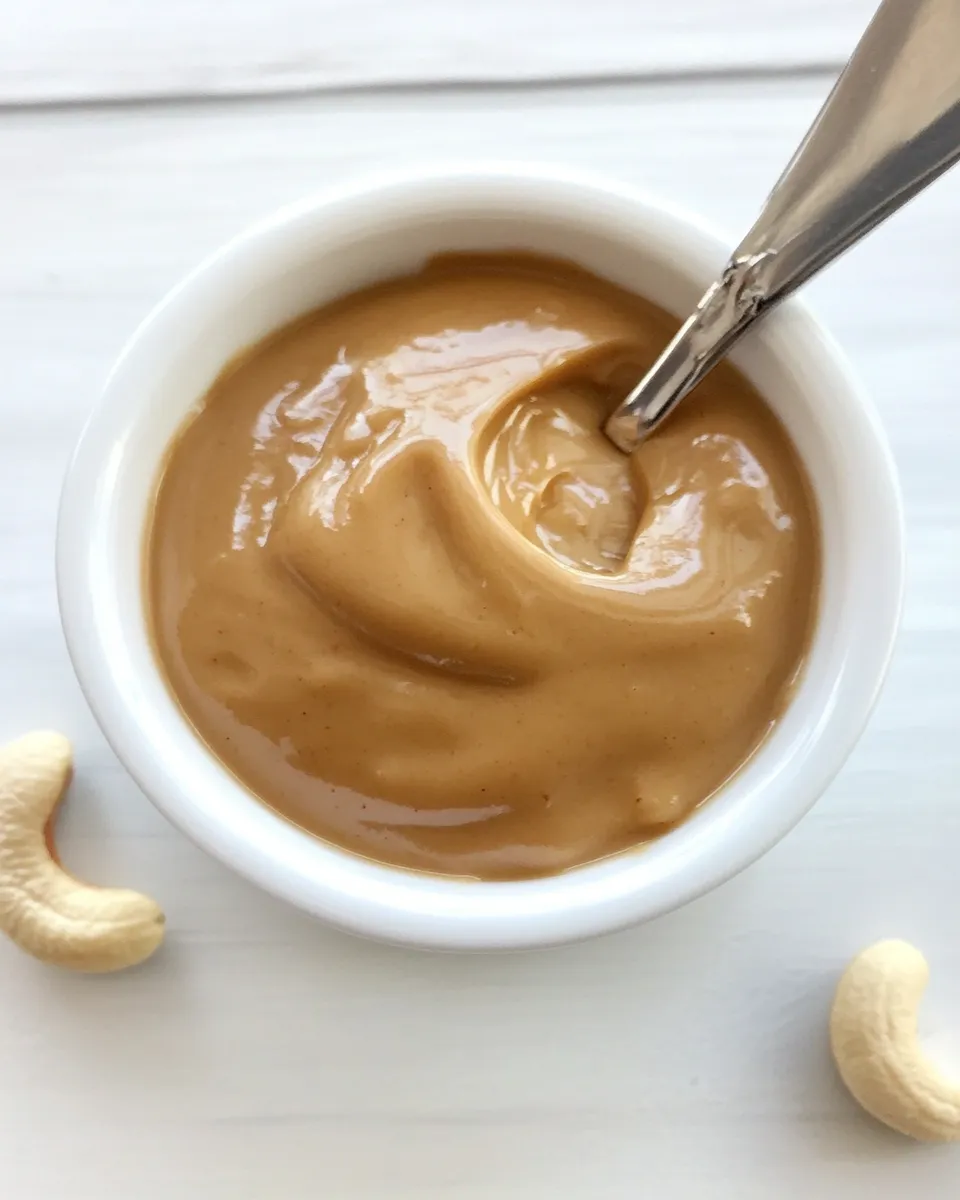
I fell in love with cashew butter the first time I scraped it off a warm, buzzing food processor and tasted that silky, slightly sweet spoonful. It’s one of those pantry staples that feels indulgent but is astonishingly simple to make at home. With just roasted cashews and a touch of salt if you like, you get something far fresher and more vibrant than anything store-bought.
Making nut butter is practical and satisfying. You’ll spend most of the time waiting while the machine works, which makes it a low-effort win for busy mornings or weekend meal prep. The process is forgiving, and the result—creamy, spreadable Cashew Butter—can be used across breakfasts, snacks, and baking.
I’ll walk you through the exact ingredients, the step-by-step method, the gear that makes the job easier, and the little troubleshooting tips I use when my processor starts to sound tired. Whether you want a modest jar for yourself or a bigger batch to share, this recipe will give you reliable results every time.
The Ingredient Lineup
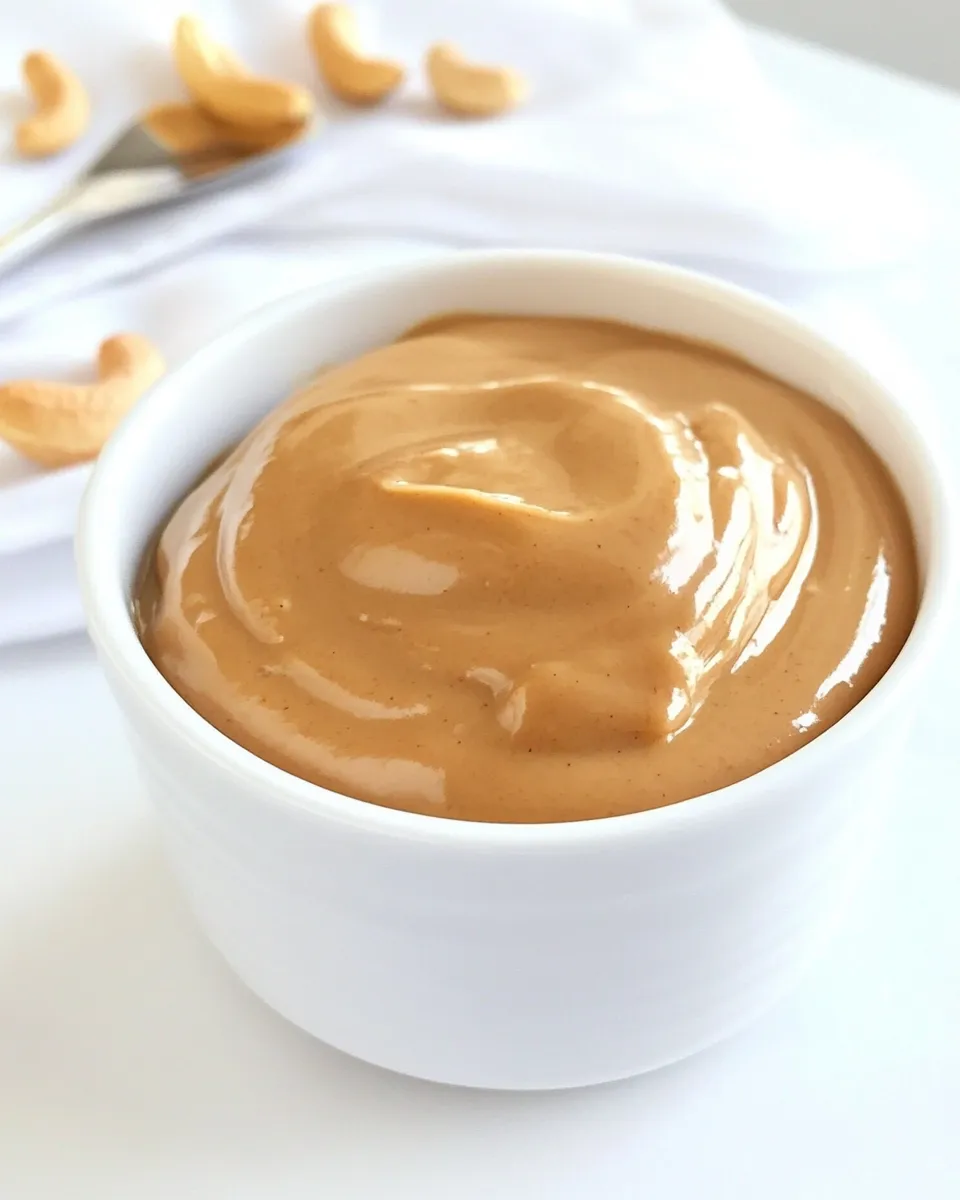
- 16 ounces roasted unsalted cashews — The main ingredient. Roasted cashews bring natural oils and a sweet, creamy base; unsalted lets you control seasoning.
- salt — optional; adds balance and brings out flavor. Add sparingly and taste as you go.
From Start to Finish: Cashew Butter
- Place the 16 ounces roasted unsalted cashews in a food processor.
- Pulse several times to break the nuts into coarse crumbs, then run the processor continuously. Stop every 60–90 seconds to scrape down the sides with a spatula. Continue processing until the mixture becomes smooth and creamy, about 10 minutes total processing time.
- If using salt: add a small amount (a few shakes), pulse to incorporate, then taste. Repeat adding a little salt and pulsing until you reach your desired saltiness.
- Spoon or pour the cashew butter into a clean jar. If it is warm, let it cool to room temperature before sealing.
- Seal the jar and keep refrigerated.
What You’ll Love About This Recipe
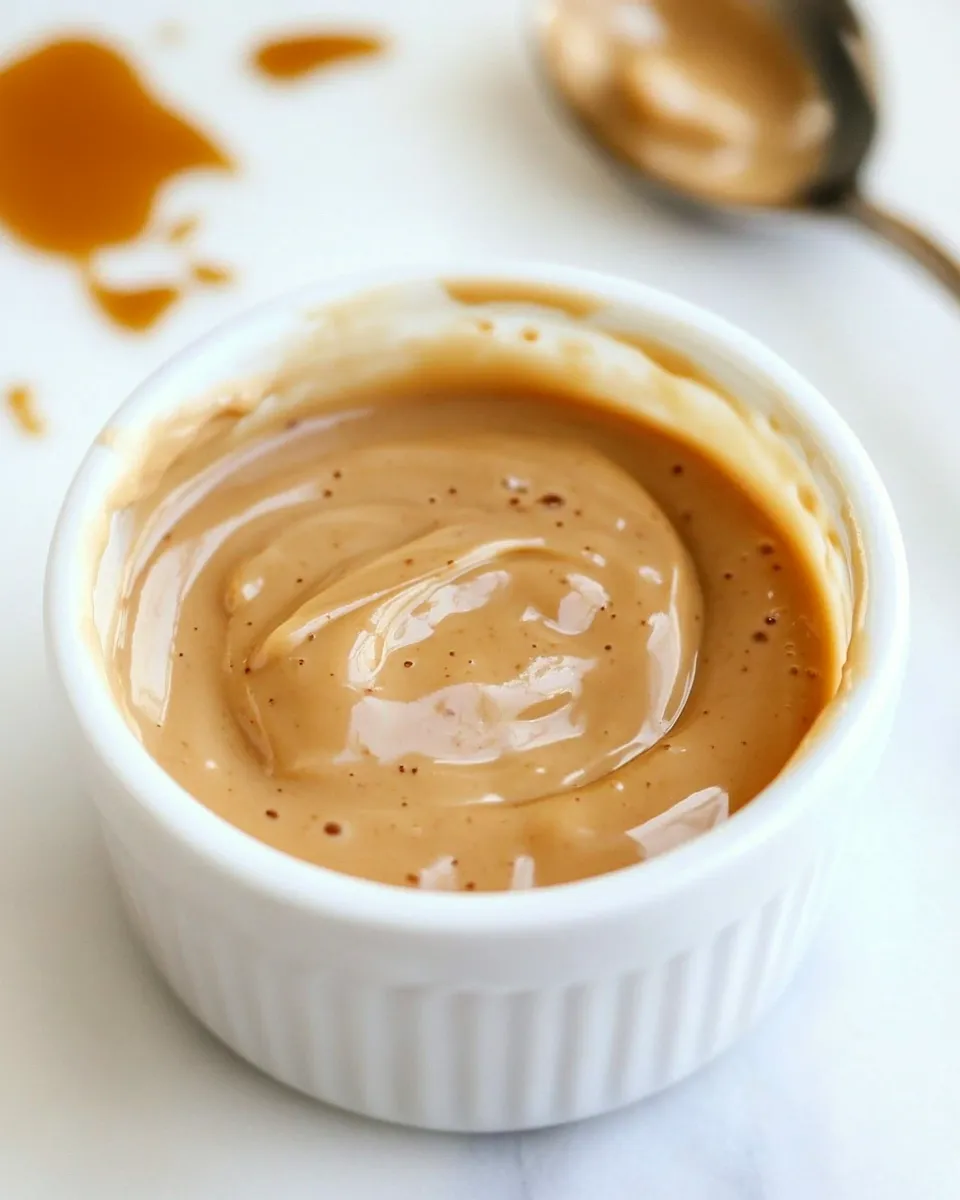
This version is honest and minimalist: you get pure cashew flavor without hidden oils, stabilizers, or preservatives. Because the nuts are already roasted, you’ll hit that deeply nutty, caramel-like note quickly when the food processor warms the cashews and releases their oils.
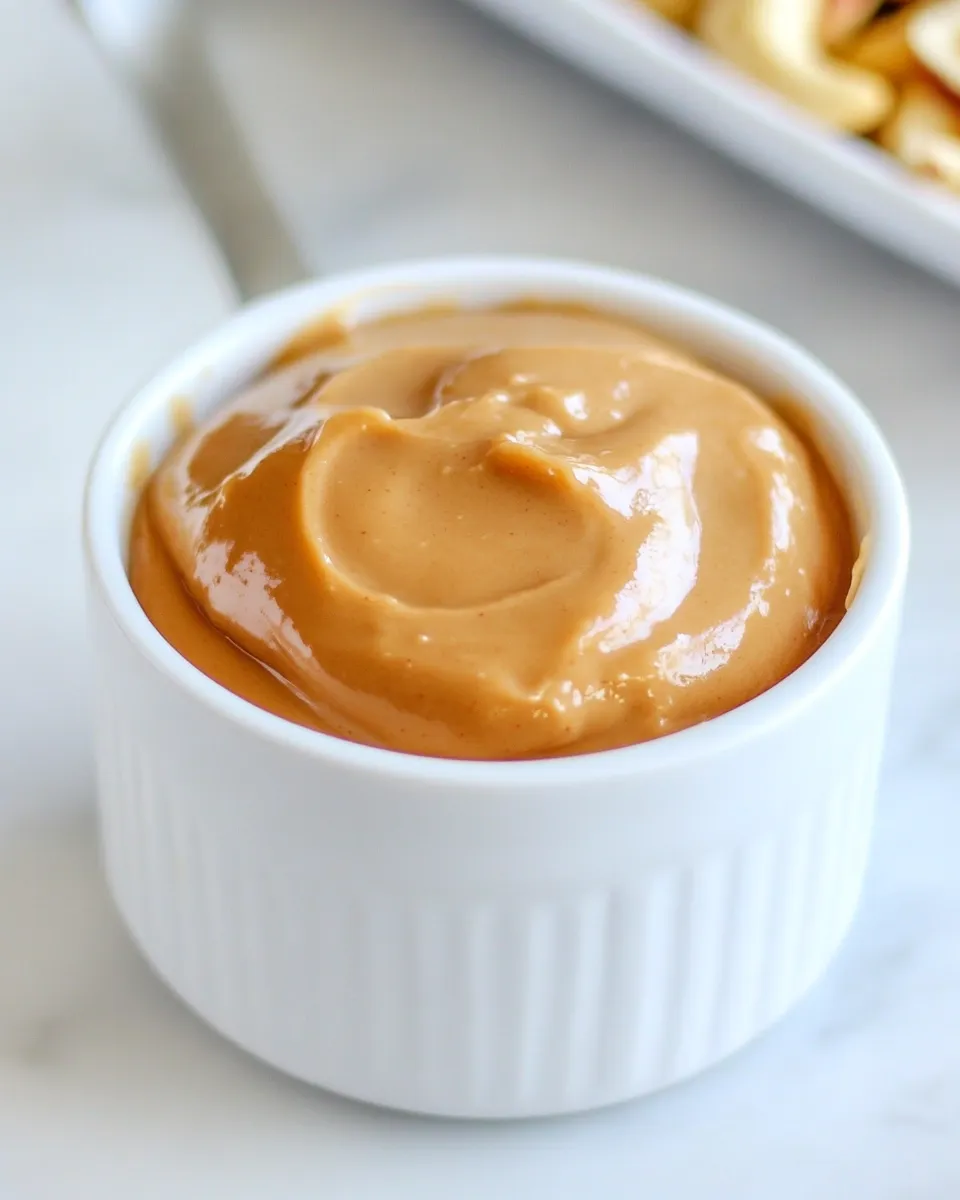
The texture is the real star. With patience during processing and regular scraping, you’ll achieve a smooth, spreadable butter that’s lush but still light. It’s versatile—spread it, scoop it, bake with it—and it behaves predictably in both sweet and savory contexts.
Another advantage is control. You decide how salty it gets, whether to make it ultra-smooth or a little textured, and how much to make. A 16-ounce bag makes one standard jar—an easy scale for first-timers.
Substitutions by Category
- Cashews: If you prefer a different flavor profile, the same method works for other roasted nuts—expect changes in sweetness and oil release. Use roasted nuts rather than raw for the best immediate flavor and creaminess.
- Salt: Leave it out entirely for a pure, unsalted butter, or use if you want flavor contrast. If your nuts are already salted, skip adding more.
- Texture adjustments: For a looser spread you can thin slightly by processing a bit longer to coax more oil, but I don’t recommend adding oils unless you like experimenting; the recipe as written yields a naturally smooth butter.
What You’ll Need (Gear)
- Food processor — This is the main tool. A sturdy processor with a tight-fitting lid makes the job fast and even.
- Rubber spatula — Essential for scraping down the sides between processing cycles so everything gets evenly worked.
- Clean jar with lid — For storing your finished Cashew Butter; choose a glass jar that seals well.
- Measuring scale or cup — To measure the 16 ounces of cashews accurately, especially important if you scale the recipe.
- Optional: towel or oven mitt — To hold the processor steady if it vibrates while running continuously.
Frequent Missteps to Avoid
- Not scraping the sides often enough. The mixture can cling to the walls and the blade won’t reach it; stop every 60–90 seconds and scrape to maintain even processing.
- Expecting instant smoothness. Cashews go through stages—crumbs, a thick paste, then creamy butter. Be patient; it usually takes around 10 minutes total processing time.
- Sealing a warm jar. If you pour the butter in hot and seal immediately, condensation can form and invite spoilage. Let it cool to room temperature first.
- Over-salting. A few shakes at a time is all you need. Taste between additions so you don’t overshoot.
- Running a weak or small processor for too long without breaks. If your machine overheats, give it a rest. Heavy-duty processors handle nut butter best.
Health-Conscious Tweaks
- Salt control: Keep the salt optional as the recipe states. For a lower-sodium approach, omit salt entirely and rely on the cashews’ natural sweetness.
- Portion awareness: Cashew Butter is calorie-dense. Spoon size matters—use a tablespoon measure if you’re tracking servings.
- Cool storage: Refrigerate to slow oxidation and keep flavors bright. Cold storage also helps maintain texture and prevents oils from going rancid prematurely.
- Allergy caution: This recipe is nut-centric. If serving others, label jars clearly and store away from sensitive items to avoid cross-contact.
What Could Go Wrong
Even simple recipes have their pitfalls. Here are the most common problems you might run into and how to fix them:
Texture too gritty or too thick
- Cause: Not processed long enough or not scraped intermittently. Fix: Continue processing in short bursts and scrape more frequently. Total processing time is usually about 10 minutes.
Processor overheating or stalling
- Cause: Continuous heavy use without pauses. Fix: Give your machine short rests—turn it off for a minute between cycles so the motor cools.
Too salty
- Cause: Adding too much salt at once. Fix: Dilute saltiness by blending in more unsalted cashew butter (i.e., process extra unsalted cashews if you want to correct a batch), or make a fresh small jar to mix if you have extra cashews.
Jar sealed while warm causes condensation
- Cause: Sealing warm cashew butter traps moisture. Fix: Let the butter cool to room temperature before sealing; refrigerate after sealing to preserve quality.
Keep-It-Fresh Plan
- Refrigeration: Store sealed jars in the refrigerator. Homemade Cashew Butter will typically last several weeks when kept cold and sealed.
- Label and date: Write the preparation date on the jar so you can track freshness—this is especially helpful if you make multiple batches.
- Small batches: Make what you’ll use in a few weeks to ensure you’re always eating fresh butter. A 16-ounce batch is a manageable size for most households.
- Check before using: If you notice off smells, flavors, or visible mold, discard the jar. Fresh cashew butter should smell pleasantly nutty and sweet.
Frequently Asked Questions
- Do I need to add oil? No. Roasted cashews release enough natural oil as you process them. Adding external oil is unnecessary unless you prefer a thinner texture.
- Can I use raw cashews? You can, but raw nuts will produce a different flavor and may take longer to become creamy. Roasted cashews give immediate flavor and a smoother result.
- How long does this keep? In the refrigerator, expect several weeks of good quality. Shelf life varies with freshness of the nuts and storage conditions, so label your jar with the date.
- Why is my butter grainy? Graininess usually means the mixture hasn’t fully emulsified. Keep processing and scraping until the oils are fully released and the texture smooths out.
- Can I sweeten or flavor it? The base recipe intentionally keeps ingredients minimal. If you choose to experiment, do so in small test batches so you can control proportions and texture.
Next Steps
Once you’ve mastered this basic Cashew Butter, use it boldly. Spread it on warm toast, swirl it into oatmeal, or stir it into yogurt for creaminess. It also makes a lovely base for sauces and dressings—you’ll find it blends into both sweet and savory recipes with ease.
If you enjoyed this jar, consider making two at once: one plain for everyday use and one you experiment on for baking or gifting. Small tweaks—longer processing for extra silkiness, or a few cautious shakes of salt—are all part of finding your personal perfect jar.
Finally, keep notes. Jot down your processor times, how many pulses you used, and how much you added of anything optional. Those little details will make every subsequent batch faster and more consistent. Happy blending—there’s nothing like homemade Cashew Butter straight from the jar.

Cashew Butter
Ingredients
Ingredients
- 16 ouncesroasted unsalted cashews16 ounces
- saltoptional
Instructions
Instructions
- Place the 16 ounces roasted unsalted cashews in a food processor.
- Pulse several times to break the nuts into coarse crumbs, then run the processor continuously. Stop every 60–90 seconds to scrape down the sides with a spatula. Continue processing until the mixture becomes smooth and creamy, about 10 minutes total processing time.
- If using salt: add a small amount (a few shakes), pulse to incorporate, then taste. Repeat adding a little salt and pulsing until you reach your desired saltiness.
- Spoon or pour the cashew butter into a clean jar. If it is warm, let it cool to room temperature before sealing.
- Seal the jar and keep refrigerated.
Equipment
- Food Processor
- Spatula
- Jar
Notes
*I like to buy roasted nuts and then roast them a bit more at home. I think it gives the nut butters a better flavor.
**Salt is optional. I prefer to add a little to bring out the flavor, but not as much as is in commercially salted nut butters.