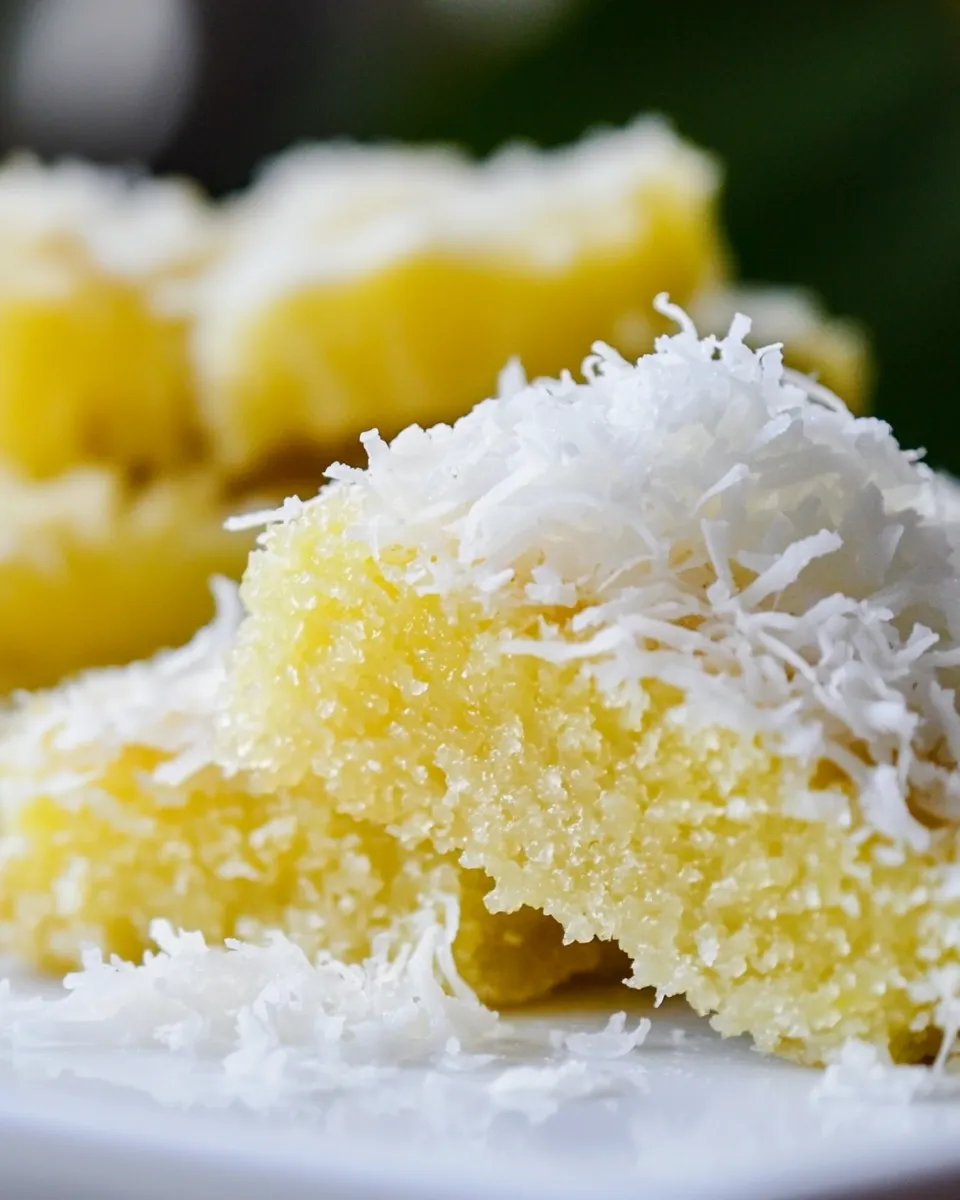
This cassava cake is the kind of simple, honest dessert I reach for when I want something comforting but not fussy. It leans on two dependable ingredients—grated cassava and shredded coconut—and a gentle steam to turn them into a tender, slightly chewy cake that’s perfect for afternoon tea or a casual family gathering.
I love how minimal the technique is: a quick steam of the coconut, a pulse in the food processor, and a patient 35–40 minutes under steam while your kitchen fills with a warm, sweet aroma. Little details—like arranging pandan leaves on top and tossing the cooled squares with the steamed shredded coconut—make the final plate feel homey and thoughtful.
Below you’ll find a detailed shopping guide, the exact step-by-step method, helpful troubleshooting, and practical tips for storing and reheating. This recipe respects the ingredients and keeps the process straightforward so you can make a reliably tasty cassava cake every time.
Ingredients
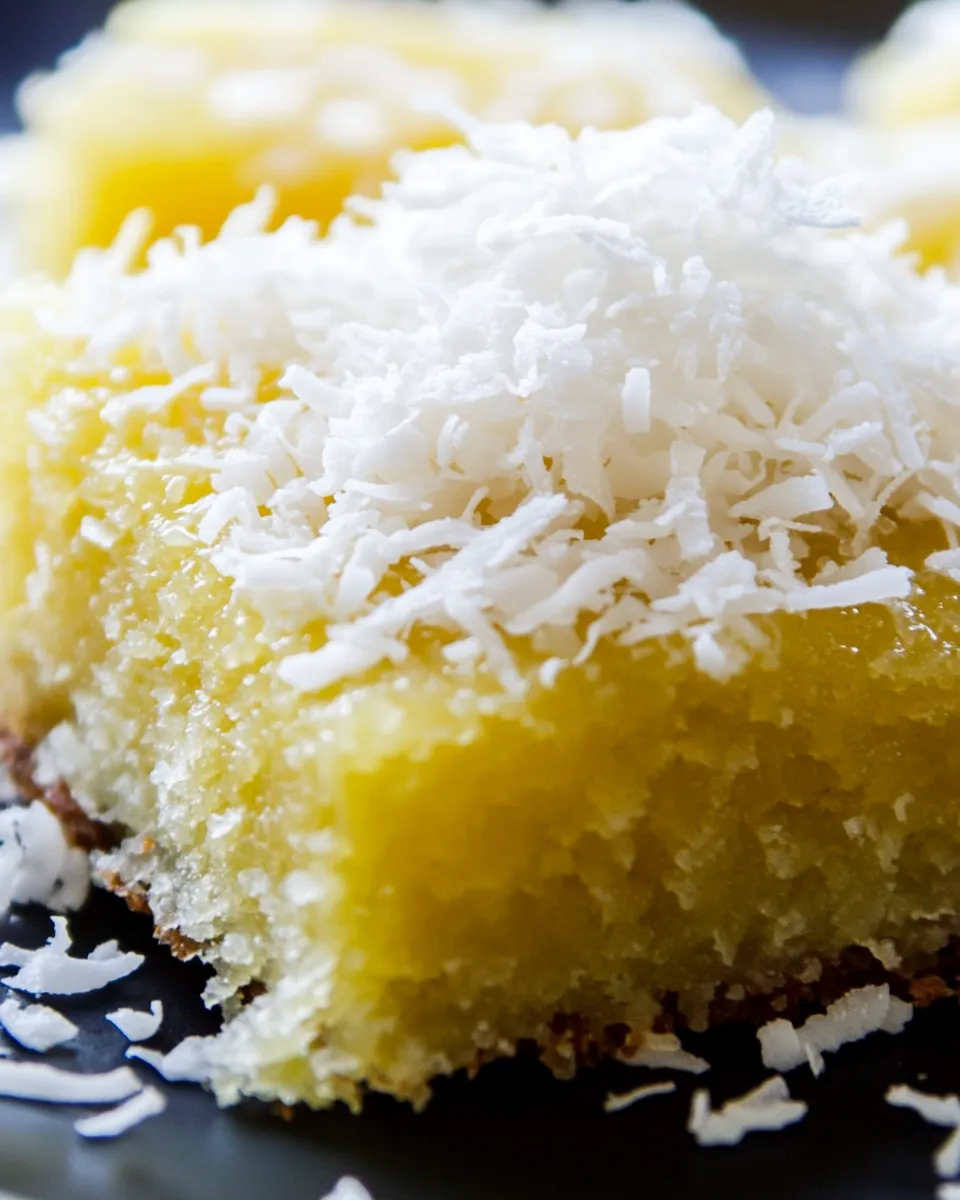
- 3.5 oz shredded coconut — steams briefly to soften and add fresh coconut aroma for tossing with the finished cake.
- 1/8 teaspoon salt — used with the shredded coconut to sharpen its flavor during steaming.
- 14 oz grated Cassava — the base of the cake; provides texture and structure.
- 3 1/2 oz sugar — sweetens the cassava mixture; balance to taste if needed.
- 4 1/2 oz coconut milk — adds richness and coconut flavor to the batter.
- 2 oz water — adjusts the batter consistency so it steams evenly.
- 2 tablespoons potato starch — binder that helps the cake set and gives a pleasant chew.
- 1 pinch salt — small seasoning boost to round the flavors in the batter.
- 3-4 screwpine, pandan leaves, cut into 4-5″ (10–12 cm) length — placed on top to perfume the cake while it steams.
- 1 banana leaf, optional — for presentation; warms the visual and adds a subtle, floral note if used as a liner or serving base.
- Water, for boiling — for the steamer; maintain a steady simmer so the pan sits above the water.
Your Shopping Guide
Cassava: Look for pre-grated cassava at Asian or Latin grocery stores. If you can’t find it pre-grated, ask the market if they sell fresh cassava root and have someone prepare it—some vendors will grate or shred it for you. The recipe calls for 14 oz; buying a 1-lb package gives you a little margin.
Shredded coconut and coconut milk: Fresh shredded coconut is ideal, but unsweetened packaged shredded coconut works fine after a brief steam. For coconut milk, choose a full-fat variety for the best texture and flavor.
Pandan leaves and banana leaf: These are sometimes in the produce section of Asian markets, normally sold in small bundles. Pandan (screwpine) isn’t mandatory, but it adds a fragrant lift while steaming. Banana leaf is optional for serving—but if you want the full presentation, pick one up along with the pandan.
Potato starch and other pantry items: Potato starch is different from potato flour and behaves more like a clear binder; find it near other baking starches or in specialty aisles. If you shop online, search for “potato starch” explicitly to avoid confusion.
Cook Cassava Cake with Shredded Coconut Like This
- Prepare a steamer: add enough water to a wok or pot to accommodate a 6.5-inch (17 cm) square pan on a steaming rack or trivet without the pan touching the water. Bring the water to a boil, then reduce to maintain a steady simmer over medium heat.
- Place the 3.5 oz shredded coconut and 1/8 teaspoon salt in a stainless-steel dish. Steam the coconut for 3–4 minutes. Remove and set aside to cool.
- In a food processor, combine the 14 oz grated cassava, 3.5 oz sugar, 4.5 oz coconut milk, 2 oz water, 2 tablespoons potato starch, and 1 pinch salt. Process until well combined, about 30–45 seconds.
- Pour the cassava mixture into a 6.5-inch (17 cm) square pan and level the top with the back of a spoon.
- Arrange the 3–4 screwpine (pandan) leaves, cut into 4–5″ (10–12 cm) lengths, flat on top of the mixture.
- Place the pan in the steamer, cover, and steam over medium heat for 35–40 minutes, until set.
- Remove the pan from the steamer and let it cool completely in the pan on a rack before cutting.
- Cut the cooled cassava into small squares, toss the pieces with the steamed shredded coconut, and serve. If desired, present on a banana leaf.
The Upside of Cassava Cake with Shredded Coconut
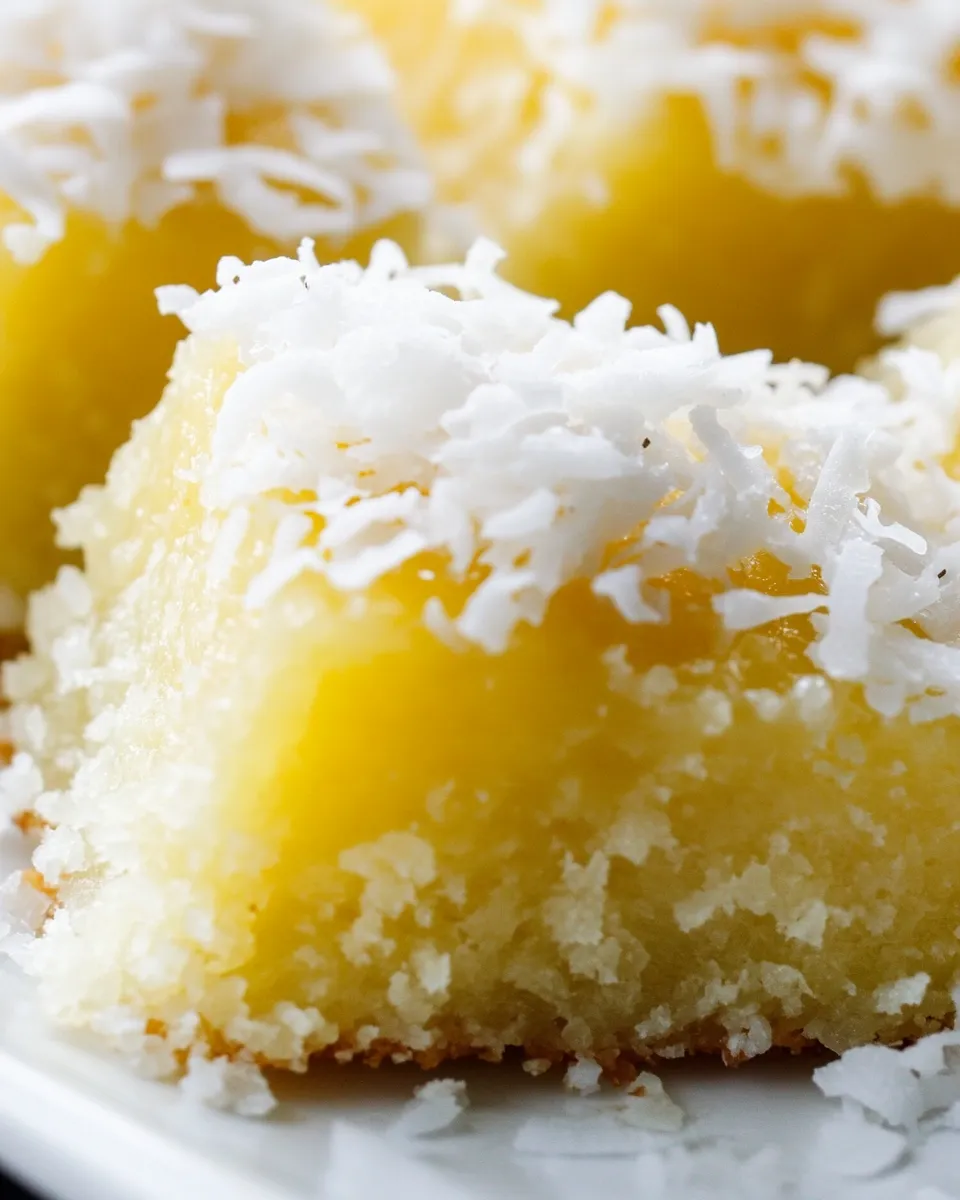
This cake feels rustic and honest. It’s naturally grain-free and relies on starchy cassava and potato starch to set, so the texture is satisfyingly chewy without being gummy when made correctly. The method is low-fuss: no baking, no tempering, and very little active hands-on time.
It’s also versatile in serving: small squares make it a neat snack, while slightly larger pieces transform it into a simple dessert plate. Tossing with steamed shredded coconut at the end keeps every bite moist and aromatic.
Flavor-Forward Alternatives
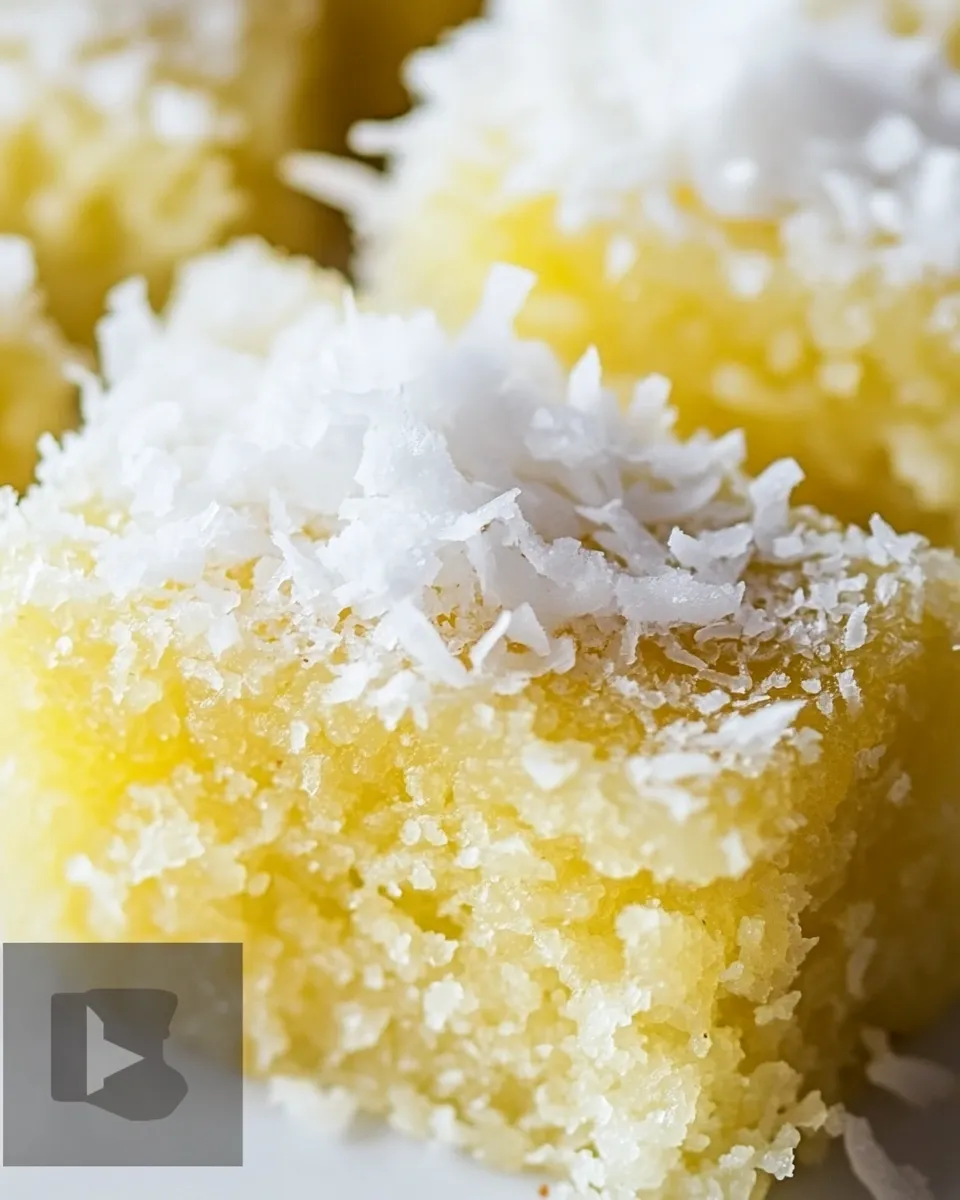
If you want to nudge the flavor without changing the structure, try these gentle shifts that use the recipe’s existing palette:
- Stronger coconut: Use a richer coconut milk if you prefer a creamier result; the cake will have a more pronounced coconut character.
- Pandan emphasis: Press the pandan leaves gently to release more aroma before laying them on top. The leaves are removed before serving but leave a fragrant note.
- Presentation twist: Serve squares on a banana leaf for extra visual appeal and a faint vegetal aroma.
Recommended Tools
- 6.5-inch (17 cm) square pan — the recipe is built around this size; it affects thickness and steaming time.
- Steamer or large wok with steaming rack — you need space for the pan to sit above water without touching it.
- Food processor — combines the grated cassava and liquids uniformly in 30–45 seconds.
- Stainless-steel dish — a small heatproof dish for steaming the shredded coconut.
- Kitchen scale — ingredient weights are precise; a scale helps reproduce the texture consistently.
- Cooling rack and knife — for cooling the pan and cutting neat squares once fully cooled.
Troubles You Can Avoid
Here are common issues and how to prevent them:
Pan touching the water: If the pan sits in the water, the cake will boil, not steam, creating a soggy bottom. Make sure the steaming rack or trivet holds the pan above the waterline.
Undercooked center: The cake should be steamed 35–40 minutes. If your pan is deeper or your heat is lower, add a few extra minutes and test for set—edges should pull slightly from the pan and center should be firm to the touch.
Gummy texture: Over-blending the cassava mixture can sometimes produce a denser result. Process until combined—about 30–45 seconds—then stop. The potato starch is the primary binder; measure it accurately.
Dryness after cutting: Letting the cake cool completely in the pan is important. Warm cassava is fragile; cooling gives it time to firm up so you cut clean squares that hold together when tossed with shredded coconut.
Warm & Cool Weather Spins
Warm weather: The cake is fine at room temperature or slightly chilled. Tossed with the steamed shredded coconut, it stays moist—chill briefly before serving for a refreshing treat.
Cool weather: Serve slightly warmed. Reheating gently in a steamer for a few minutes or microwaving single squares briefly will restore a tender, just-steamed texture.
Chef’s Notes
Measure by weight when possible. Grated cassava and coconut milk volumes can vary; the weights in the ingredient list are what yield the best texture. The potato starch makes a big difference—two tablespoons help the cake hold together and give that signature chew without toughness.
Pandan leaves are aromatic and optional in tight ingredient lists, but they’re worth tracking down. Lay them flat on top while steaming; they infuse subtle fragrance and can be removed before serving.
When tossing the cooled squares with the steamed shredded coconut, be gentle so the pieces don’t crumble. The coconut is primarily a finishing touch that adds moisture and fresh aroma.
Cooling, Storing & Rewarming
Cool completely in the pan on a rack before cutting. This prevents crumbling and helps the cake set properly. Once cut, store in an airtight container.
Refrigeration: Keep the cut pieces refrigerated for up to 3–4 days. The cake will firm up in the fridge; bring to room temperature for 15–30 minutes before serving, or reheat gently.
Reheating: The gentlest method is to steam the squares for a few minutes until warmed through. For quick reheating, microwave single pieces for 10–20 seconds, checking frequently—you want warmth, not a dry cake. Steaming preserves the texture best.
Ask the Chef
Q: Can I bake this instead of steaming?
A: This recipe is formulated for a moist steam finish. Baking would change the texture and likely dry the cake. If you want a baked cassava dessert, you’d need to adapt ratios and expect a different result.
Q: Is there a substitute for potato starch?
A: Potato starch helps the cake hold and gives a clear, slightly elastic texture. Other starches behave differently. If you must substitute, try tapioca starch, but note the texture will change and results may vary.
Q: How do I know it’s done?
A: The surface should appear set and slightly glossy; the edges will pull back a touch from the pan. A gentle press in the center should feel firm, not jiggly.
The Takeaway
This Cassava Cake with Shredded Coconut is a small, dependable recipe that rewards patience more than skill. It’s about clean flavors and a comforting chew. Stick to the measurements, respect the steam, and you’ll have neat little squares that taste of coconut and home. Serve them warm for comfort or chilled for a light, portable treat—either way, the simple combination of cassava and coconut does most of the work for you.
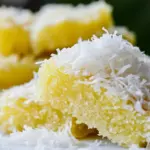
Cassava Cake with Shredded Coconut
Ingredients
Ingredients
- 3.5 ozshredded coconut
- 1/8 teaspoonssalt
- 14 ozgrated Cassava
- 3 1/2 ozsugar
- 4 1/2 ozcoconut milk
- 2 ozwater
- 2 tablespoonspotato starch
- 1 pinchsalt
- 3-4 screwpine pandan leaves, cut into 4-5″ (10-12 cm) length
- 1 banana leaf optional
- Water for boiling
Instructions
Instructions
- Prepare a steamer: add enough water to a wok or pot to accommodate a 6.5-inch (17 cm) square pan on a steaming rack or trivet without the pan touching the water. Bring the water to a boil, then reduce to maintain a steady simmer over medium heat.
- Place the 3.5 oz shredded coconut and 1/8 teaspoon salt in a stainless-steel dish. Steam the coconut for 3–4 minutes. Remove and set aside to cool.
- In a food processor, combine the 14 oz grated cassava, 3.5 oz sugar, 4.5 oz coconut milk, 2 oz water, 2 tablespoons potato starch, and 1 pinch salt. Process until well combined, about 30–45 seconds.
- Pour the cassava mixture into a 6.5-inch (17 cm) square pan and level the top with the back of a spoon.
- Arrange the 3–4 screwpine (pandan) leaves, cut into 4–5″ (10–12 cm) lengths, flat on top of the mixture.
- Place the pan in the steamer, cover, and steam over medium heat for 35–40 minutes, until set.
- Remove the pan from the steamer and let it cool completely in the pan on a rack before cutting.
- Cut the cooled cassava into small squares, toss the pieces with the steamed shredded coconut, and serve. If desired, present on a banana leaf.
Equipment
- wok or pot
- steaming rack or trivet
- 6.5-inch (17 cm) square pan
- stainless-steel dish
- Food Processor
Notes
You can use frozen grated cassava if you can’t find fresh cassava. If using frozen cassava, squeeze out the liquid from the defrosted grated cassava before use. This recipe calls for fresh shredded coconut or frozen shredded coconut (can be found at the frozen section at Asian grocery stores). Dry shredded coconut doesn’t work well for this recipe. You can use a round pan instead of square.