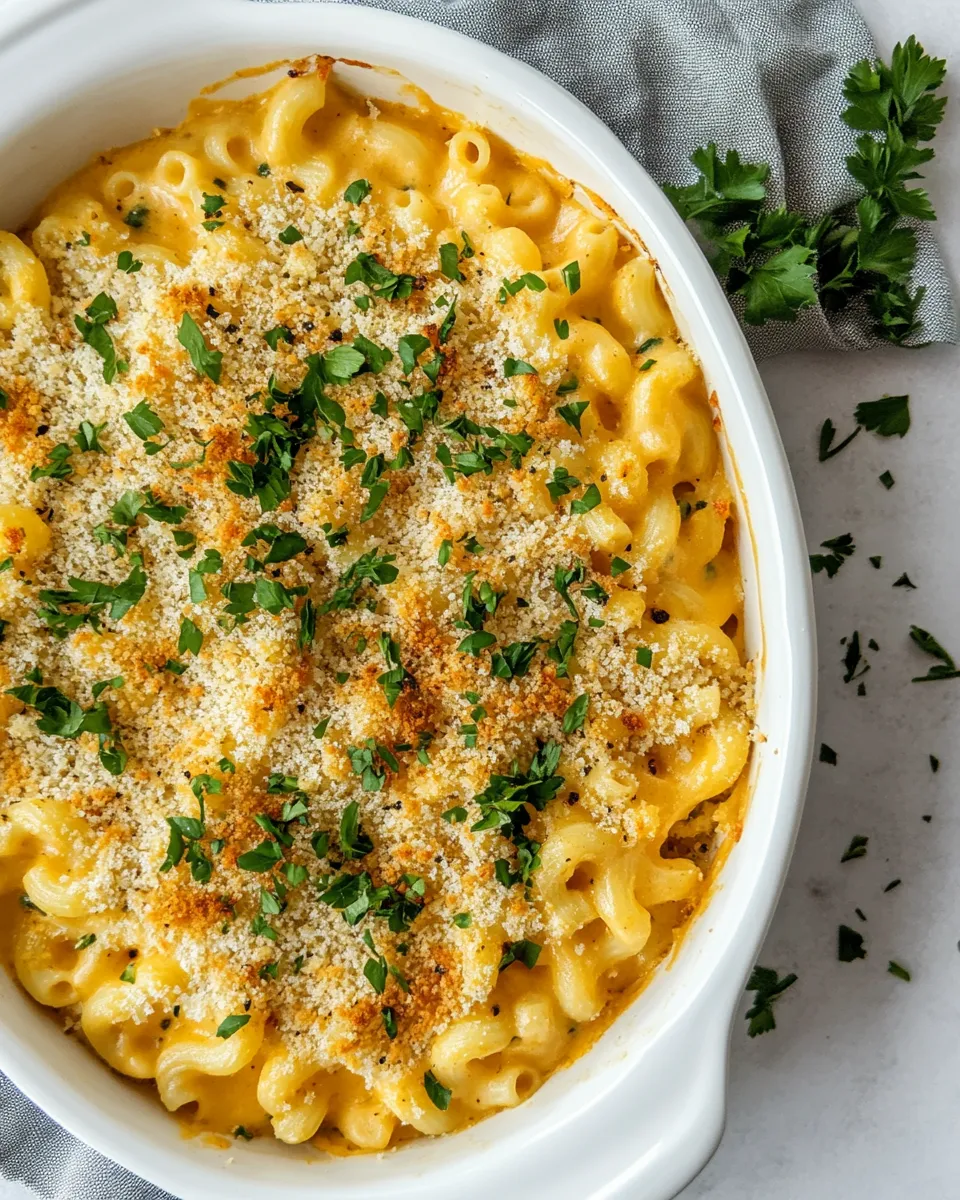
I fell in love with this version the first time I blended steaming cauliflower into a creamy, cheesy sauce. It feels indulgent, yet it leans on vegetables instead of heavy cream. The mouthfeel is surprisingly close to a classic mac and cheese, and the dish still delivers comfort without collapsing into heaviness.
This recipe is practical for weeknights: a single pot for the vegetables and pasta, a blender to finish the sauce, and five clear steps from start to table. You don’t need fancy equipment, and the ingredient list is short. I’ll walk you through the technique, common pitfalls, and how to store leftovers so the second night is just as good.
I write recipes I’d cook for friends, so expect straightforward instructions and honest tips. Read once, then keep the page open while you cook. Let’s get into it.
What Goes Into Cauliflower Mac and Cheese
Ingredients
- 1 small head cauliflower (stem discarded and chopped into small pieces; or about 4 cups florets) — the base of the sauce; cooks into a soft, blendable texture.
- ?? cup milk (warmed slightly) — thins the cauliflower to a saucy consistency; warm to avoid cooling the sauce and pasta.
- 1 cup shredded cheddar cheese — brings the cheesy flavor and richness; shredded melts more smoothly than large chunks.
- 2 tablespoons butter — adds silkiness and helps the sauce carry flavor.
- ¼ teaspoon salt (optional) — seasons the sauce; add to taste especially if your cheese is salty.
- pinch garlic powder (optional) — a small boost of savory depth without fresh garlic’s bite.
- 1 pound pasta (such as elbow or other mini pasta shape) — the vehicle for the sauce; choose a shape that holds the sauce well.
Cook Cauliflower Mac and Cheese Like This
- Bring a large pot of water to a rolling boil. Add the 1 small head cauliflower (stem discarded and chopped into small pieces; or about 4 cups florets) and cook 8–10 minutes, or until a fork easily pierces the cauliflower.
- Use a fine-mesh strainer or slotted spoon to transfer the cooked cauliflower from the pot to a blender. Keep the boiling water in the pot (you will use it to cook the pasta).
- To the blender with the cauliflower add the ?? cup milk (warmed slightly), 1 cup shredded cheddar cheese, 2 tablespoons butter, ¼ teaspoon salt (optional), and a pinch garlic powder (optional). Blend until the mixture is smooth and sauce-like.
- While the sauce is blending (or immediately after), add 1 pound pasta (such as elbow or another mini pasta shape) to the reserved boiling water and cook according to the package directions until al dente. Drain the pasta and return it to the empty pot.
- Pour the blended cauliflower-cheese sauce over the drained pasta and stir until the pasta is evenly coated and everything is heated through. Serve warm.
Why Cooks Rave About It
This recipe hits the sweet spot between comfort and restraint. The cauliflower lends a velvety texture that mimics a traditional white sauce without the need for a roux or heavy cream. That means fewer steps and a lighter finish. The cheddar brings the familiar tang and gooeyness; the cauliflower acts as the quiet, supportive hero.
It’s forgiving. If your cauliflower cooks a minute longer, the sauce will smooth out in the blender. If your pasta cooks a touch further, it still holds up once mixed. The overall result reads like a comforting, familiar dish while shedding some of the usual heaviness—exactly what many people want weeknight after weeknight.
International Equivalents
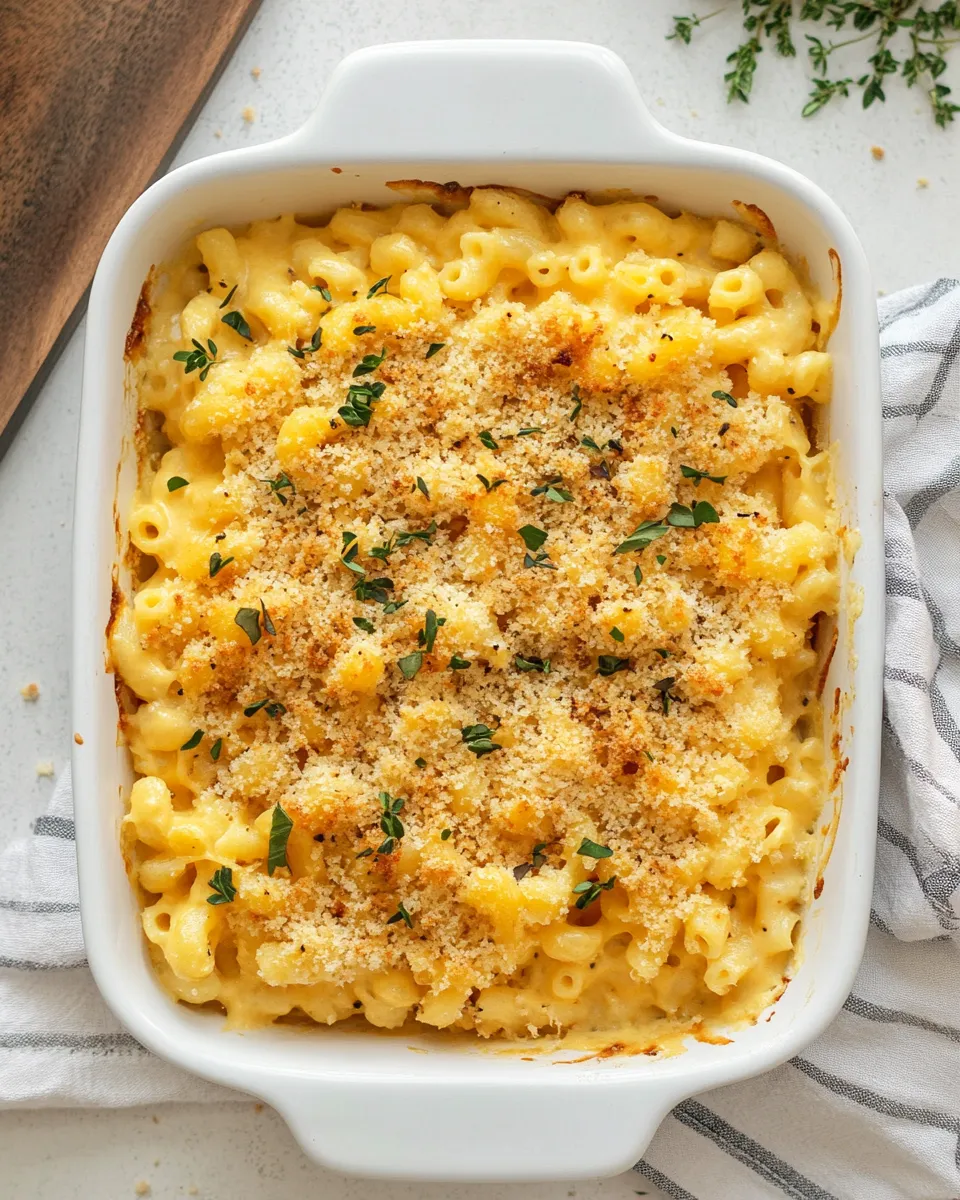
At its core, this is a comfort-food mashup: a vegetable-forward take on a creamy pasta. You’ll see versions of cheesy pasta all over the world, from UK-style cheese and pasta bakes to Italian creamy pastas. Substituting cauliflower for part of the dairy mirrors a broader trend in many cuisines of using pureed vegetables to extend or lighten sauces.
Instead of calling this a direct version of any traditional recipe, think of it as a technique transfer: use pureed cooked vegetable to create a smooth sauce base, then finish with cheese and fat for richness. That flexible method appears in many regional kitchens, adapted to local vegetables and cheeses.
Tools of the Trade
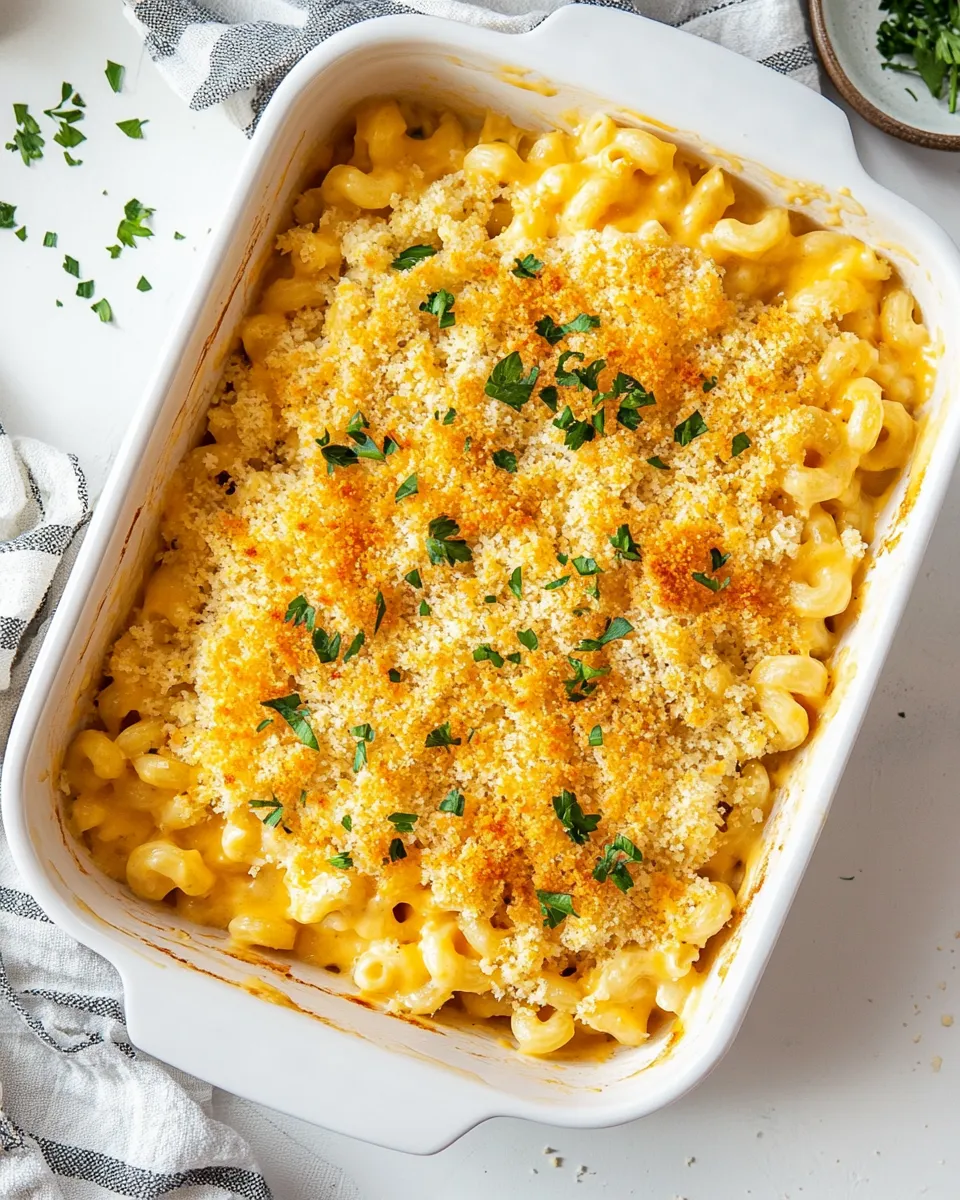
You don’t need a long list of gadgets. Use reliable tools and the process stays simple and fast.
- Large pot — for boiling the cauliflower and then cooking the pasta; using the same pot saves time and cleanup.
- Blender (high-speed preferred) — creates a silky sauce; if your blender is small, blend in batches to avoid overflow.
- Fine-mesh strainer or slotted spoon — for transferring cauliflower without dumping pot water into the blender.
- Colander — to drain the pasta efficiently.
- Heatproof spoon or spatula — for stirring pasta and folding in the sauce.
Avoid These Mistakes
Small errors change the texture more than the taste. Keep an eye on texture first, seasoning second.
Don’t overcook the cauliflower into mush before blending. It should be tender enough to pierce with a fork but not completely falling apart; extremely watery cauliflower will give a thin sauce. Likewise, don’t under-blend—little cauliflower bits can make the sauce grainy instead of silky.
Watch the pasta timing. Overcooked pasta will become gummy once coated. Cook to al dente, drain, and combine with the hot sauce immediately so everything warms evenly.
Seasonal Flavor Boosts
You can tweak warmth and brightness without adding new ingredients beyond what’s listed. For example, in cooler months, increase the amount of butter slightly to enrich the mouthfeel. In seasons when cauliflower is at its peak, let its subtle sweetness shine by sticking to the recipe as written.
If you find the sauce needs an extra lift, a small pinch of salt or garlic powder—both already optional in the ingredient list—will sharpen the overall flavor. Taste as you go, especially because shredded cheeses vary in saltiness.
Notes on Ingredients
Here are practical notes so you use each ingredient for best results.
- 1 small head cauliflower (stem discarded and chopped into small pieces; or about 4 cups florets) — pick a compact head with tight florets for even cooking. Chop into uniform pieces so everything softens at the same rate.
- ?? cup milk (warmed slightly) — warm milk blends more smoothly into hot cauliflower and maintains sauce temperature. Because the recipe lists an uncertain measure, add slowly while blending until you reach a saucy, pourable consistency.
- 1 cup shredded cheddar cheese — shred your own if you can; pre-shredded cheese often contains anti-caking agents that slightly affect melting. Cheddar gives a clear, classic flavor.
- 2 tablespoons butter — adds gloss and coats the sauce particles; room-temperature butter blends more evenly.
- ¼ teaspoon salt (optional) — adjust to the saltiness of your cheddar. Start with less and add more after combining sauce and pasta if needed.
- pinch garlic powder (optional) — a background note; don’t oversalt the sauce because garlic powder can concentrate in small dishes.
- 1 pound pasta (such as elbow or other mini pasta shape) — choose a small shape that traps sauce. Cook to package directions for al dente texture; drain promptly and toss with sauce while both are hot.
Keep It Fresh: Storage Guide
Leftovers store well for 2–4 days in the refrigerator. Transfer the cooled dish to an airtight container to keep moisture consistent and prevent the pasta from drying out. The sauce firms up as it chills; this is normal.
To reheat, add a splash of milk or warm water and gently heat on the stove over low to medium heat, stirring until the sauce loosens. You can also reheat portions in the microwave in short bursts, stirring between intervals. Avoid high heat; it can separate the sauce and change texture.
Freezing is possible but not ideal. The cauliflower-cheese coating and pasta both change texture after freezing and thawing. If you must freeze, portion into shallow containers and use within a month. Thaw in the refrigerator overnight and reheat gently with added liquid.
Questions People Ask
Q: How much milk should I actually use? A: The recipe lists an uncertain amount (?? cup). Start with a small quantity—about a quarter cup—then blend and add more until you reach a smooth, sauce-like consistency. The exact amount can vary based on how much water the cauliflower released while cooking and your preferred sauce thickness.
Q: Can I make the sauce in a food processor instead of a blender? A: A blender will give the smoothest result, but a food processor can work if you process longer and add extra liquid gradually. You may get a slightly coarser texture.
Q: Is this suitable for picky eaters who love classic mac and cheese? A: Yes. The cauliflower melts into the background and the cheddar provides familiar flavor. For the first tries, keep seasonings minimal to match the expected taste profile of a classic mac and cheese.
Q: Can I omit the salt and garlic powder? A: Yes. Both are optional. Remember to taste the final dish, since cheddar brings its own saltiness.
Bring It Home
This Cauliflower Mac and Cheese gives you comfort with a clear conscience. It’s quick enough for a weeknight and flexible when grocery shelves are light. The technique—boil, blend, cook pasta, combine—keeps your dinner flow simple and predictable. Start with the recipe as written, taste and tweak sparingly, and you’ll have a dependable, cozy main that keeps well in the fridge.
Give it a try tonight. Warm the milk, let the blender do the heavy lifting, and enjoy a creamy bowl that manages both heart and balance. If you cook it once, you’ll understand why I reach for this method again and again.

Cauliflower Mac and Cheese
Ingredients
Ingredients
- ?1 small head cauliflower stem discarded and chopped into small pieces; or about 4 cups florets
- ??cupmilk warmed slightly
- ?1 cupshredded cheddar cheese
- ?2 tablespoonsbutter
- ?1/4 teaspoonsalt optional
- ?pinchgarlic powder optional
- ?1 poundpasta such as elbow or other mini pasta shape
Instructions
Instructions
- Bring a large pot of water to a rolling boil. Add the 1 small head cauliflower (stem discarded and chopped into small pieces; or about 4 cups florets) and cook 8–10 minutes, or until a fork easily pierces the cauliflower.
- Use a fine-mesh strainer or slotted spoon to transfer the cooked cauliflower from the pot to a blender. Keep the boiling water in the pot (you will use it to cook the pasta).
- To the blender with the cauliflower add the ?? cup milk (warmed slightly), 1 cup shredded cheddar cheese, 2 tablespoons butter, ¼ teaspoon salt (optional), and a pinch garlic powder (optional). Blend until the mixture is smooth and sauce-like.
- While the sauce is blending (or immediately after), add 1 pound pasta (such as elbow or another mini pasta shape) to the reserved boiling water and cook according to the package directions until al dente. Drain the pasta and return it to the empty pot.
- Pour the blended cauliflower-cheese sauce over the drained pasta and stir until the pasta is evenly coated and everything is heated through. Serve warm.
Equipment
- Calphalon 5-Quart Pot
Notes
You can make the cheese sauce up to 3 days ahead and store it in anairtight container. Warm for 15-30 seconds in the microwave before stirring into the pasta.
Use whichever kind of pasta your family likes best.
I usually buy blocks of cheese and grate the cheese since it tends to be less expensive, but you can use purchased grated cheese if you prefer.
Omit the garlic powder if you’re at all worried that the kids may not like it.
Stir the sauce into the pasta right before serving.