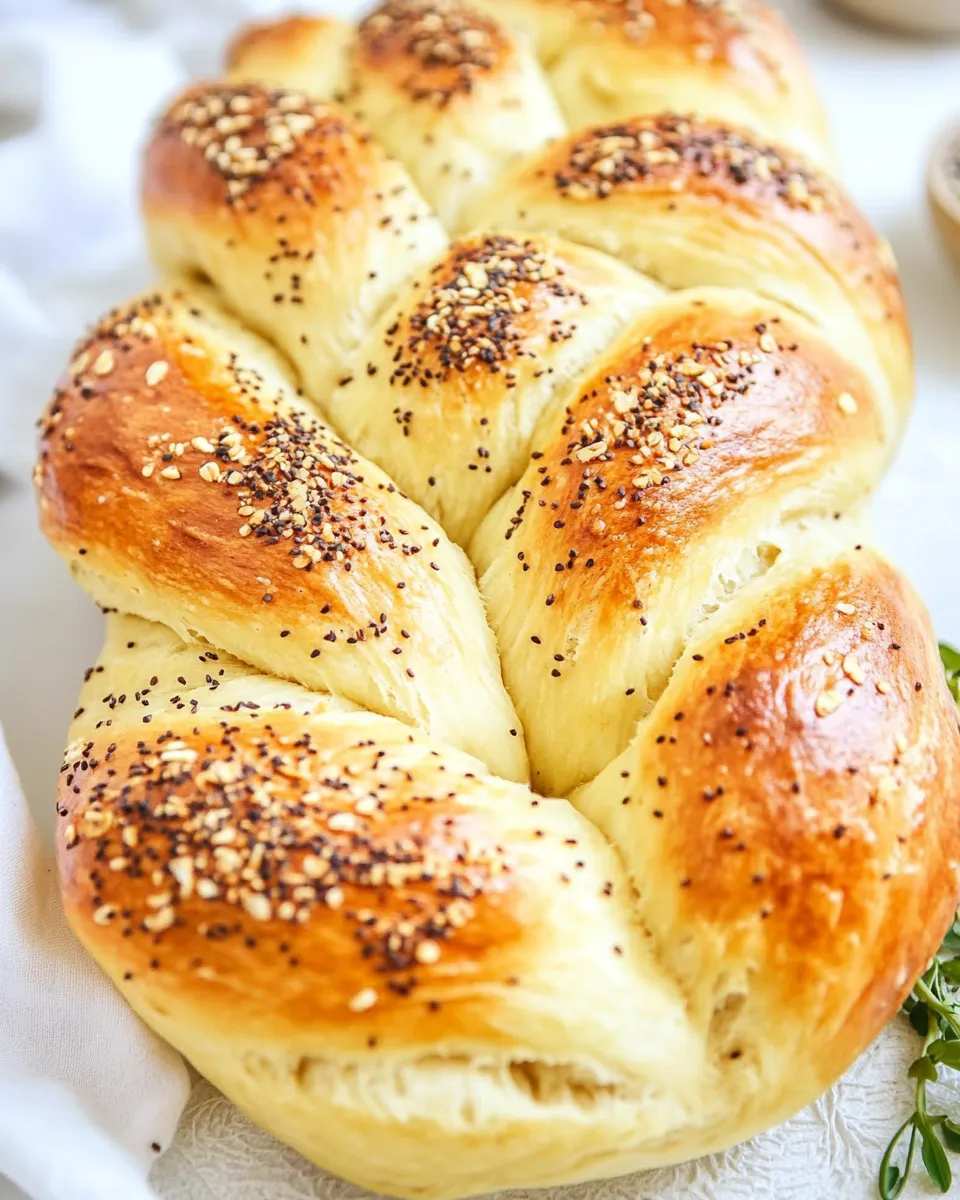
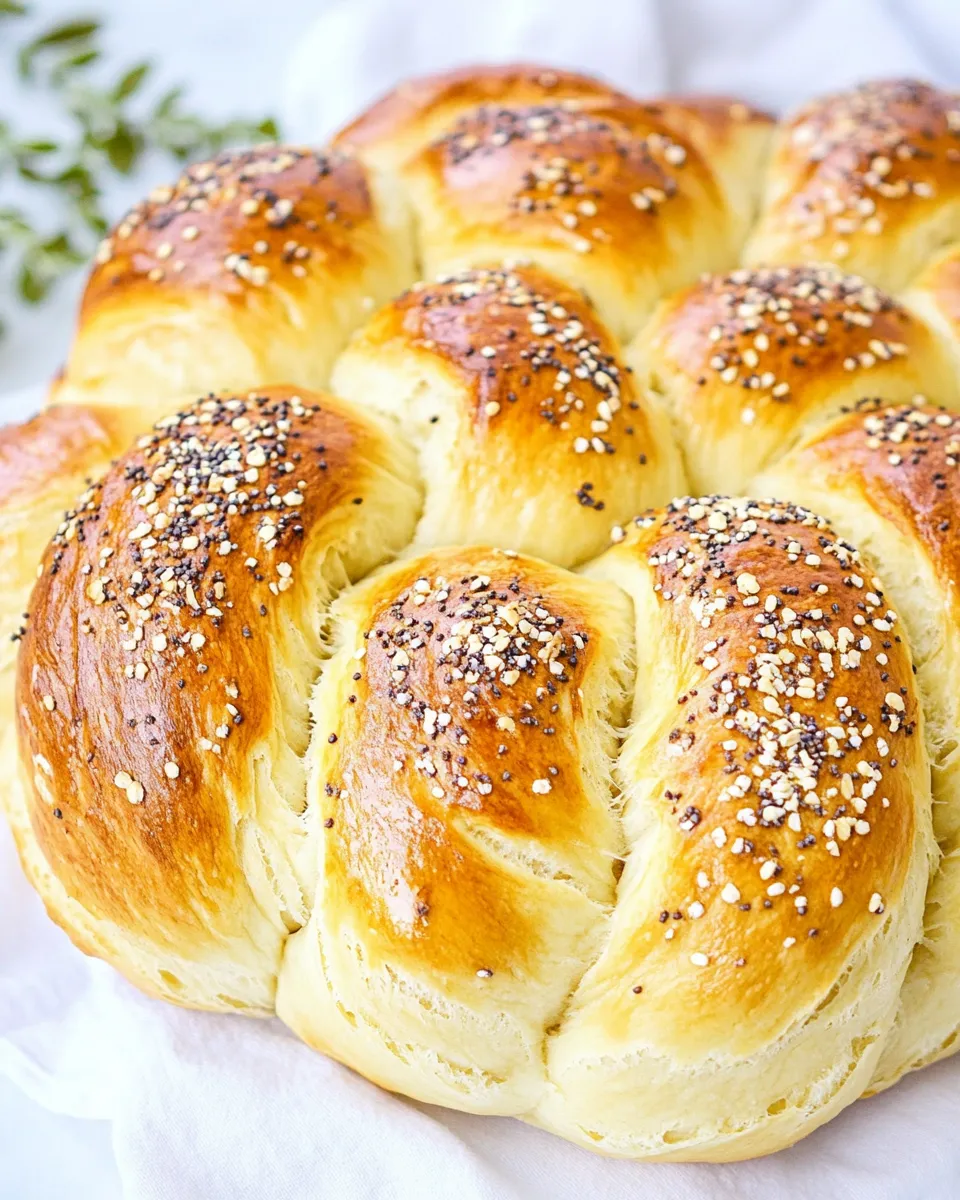
I keep coming back to this challah because it reliably gives you that soft, slightly sweet crumb and a glossy braid that looks like you meant to make it. It’s forgiving enough for a weeknight bake, yet impressive for weekend company. The method below stays close to the classic approach: proof the yeast, mix, knead, proof, braid, and bake.
There are a few little moves that change the outcome: a warm, draft-free spot for rising, a firm but not dry dough, and a confident egg wash right before the oven. Follow the steps below in order and you’ll end up with a loaf that slices neatly and keeps its texture for a few days.
I wrote this for home bakers who want clear, practical guidance—no mysteries, no extra ingredients you don’t already see listed. Read the ingredient notes, follow the steps as written, and use the troubleshooting tips later on if something goes sideways. Then cut yourself a slice while it’s still slightly warm.
The Ingredient Lineup
Ingredients
- 2¼ teaspoon active dry yeast — the leavening power; bloom in lukewarm water to confirm activity.
- 1¼ cup water (lukewarm) — hydrates the flour and activates the yeast; lukewarm helps a quick, reliable rise.
- ¼ cup sugar — sweetens and feeds the yeast for a better rise and tender crumb.
- 3 large eggs — provide structure, richness, and that tender, yellow crumb.
- ¼ cup vegetable oil — keeps the crumb soft and extends shelf life; use a neutral oil.
- 4½ cups all-purpose flour — the main structure; measure by weight if possible for consistency.
- 1½ teaspoons salt — balances flavor and controls yeast activity.
- 1 large egg (beaten) — reserved for the egg wash to give the challah its shiny, golden crust.
- sesame seeds — optional topping for flavor and texture; sprinkle after the egg wash.
Challah Bread: How It’s Done
- Pour the lukewarm water into a small bowl, sprinkle in the active dry yeast, stir gently, and let sit 5–10 minutes until frothy.
- In a separate small bowl, beat 1 large egg and set it aside for the egg wash.
- In another bowl, beat together the 3 large eggs, the 1/4 cup sugar, and the 1/4 cup vegetable oil until combined.
- In a large mixing bowl, whisk together the 4 1/2 cups all-purpose flour and 1 1/2 teaspoons salt. Make a well in the center.
- Pour the yeast mixture and the egg-oil mixture into the flour well. Stir with a wooden spoon (or use a stand mixer with a dough hook) until a shaggy dough forms.
- Knead the dough until smooth and elastic: by hand on a lightly floured surface for about 8–10 minutes, or in the mixer for about 5–10 minutes, until the dough pulls away from the sides of the bowl. If the dough is sticky, dust the surface and dough with small amounts of flour as needed.
- Lightly oil a clean bowl, place the kneaded dough inside, turn to coat, and cover with a damp cloth or plastic wrap. Let rise in a warm, draft-free spot until doubled in size, about 1½–2 hours.
- Punch the risen dough down gently. Divide it into the number of equal portions you want for the braid (commonly 3, 4, or 6).
- Roll each portion into a long, even rope. Pinch the ropes together at the top, braid them, and pinch the bottom ends to seal. Transfer the braided loaf to a parchment-lined baking sheet.
- Loosely cover the braided loaf and let it rise again until puffy, about 30–45 minutes.
- While the loaf is rising, preheat the oven to 375°F (190°C).
- Brush the risen loaf with the reserved beaten egg. Sprinkle sesame seeds over the top if desired.
- Bake in the preheated oven for 25–30 minutes, until the challah is deep golden brown and sounds hollow when tapped on the bottom. If it browns too quickly, tent loosely with foil.
- Transfer the baked challah to a wire rack and let cool before slicing.
Why This Recipe Works
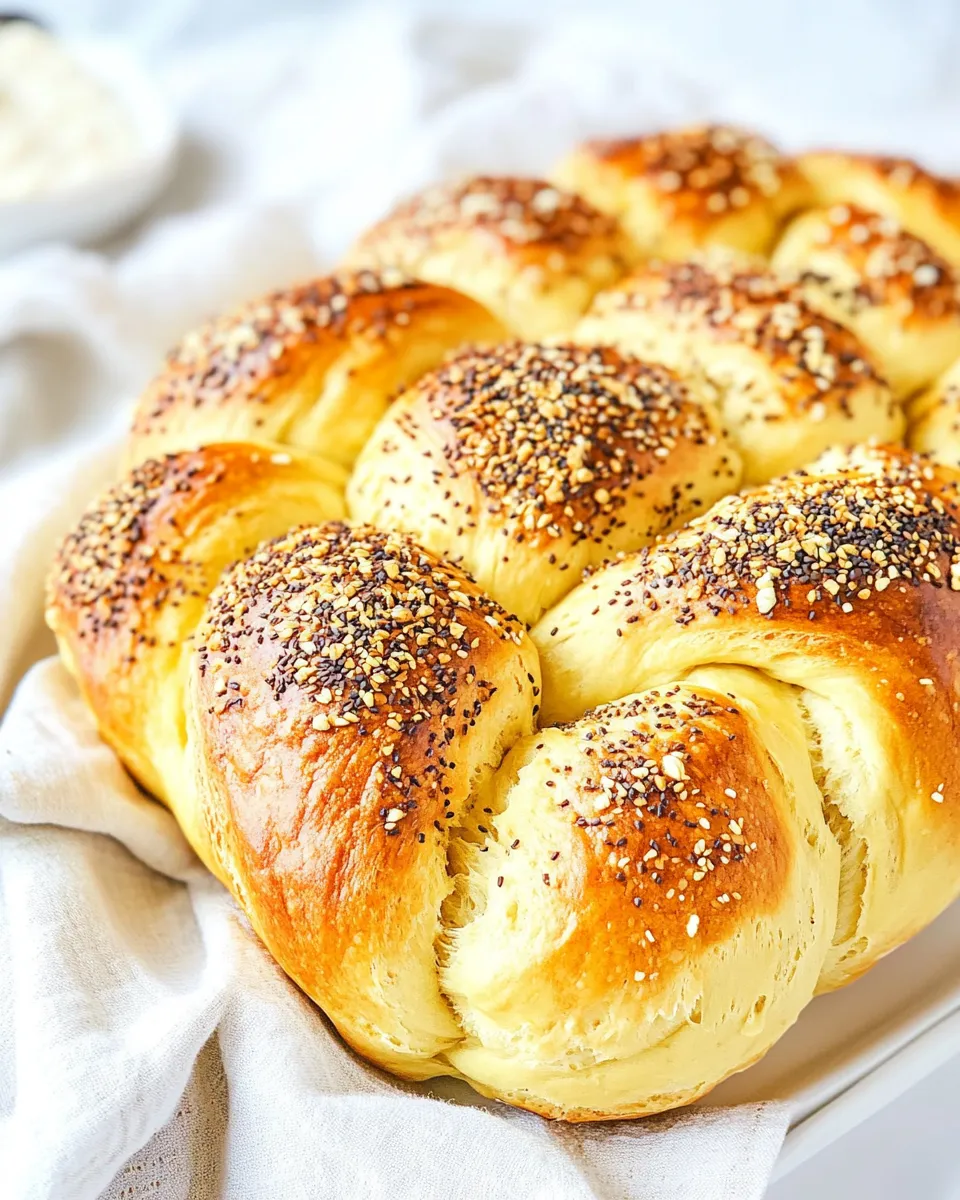
Every ingredient here has a clear job. The yeast creates gas that makes the dough rise. Sugar feeds the yeast and slightly sweetens the crumb. Eggs enrich the dough: they add fat, protein, and moisture, which together create a tender, fine-crumb interior. Vegetable oil keeps the loaf soft and extends its freshness. Salt season-sculpts flavor and moderates yeast action so the rise is controlled.
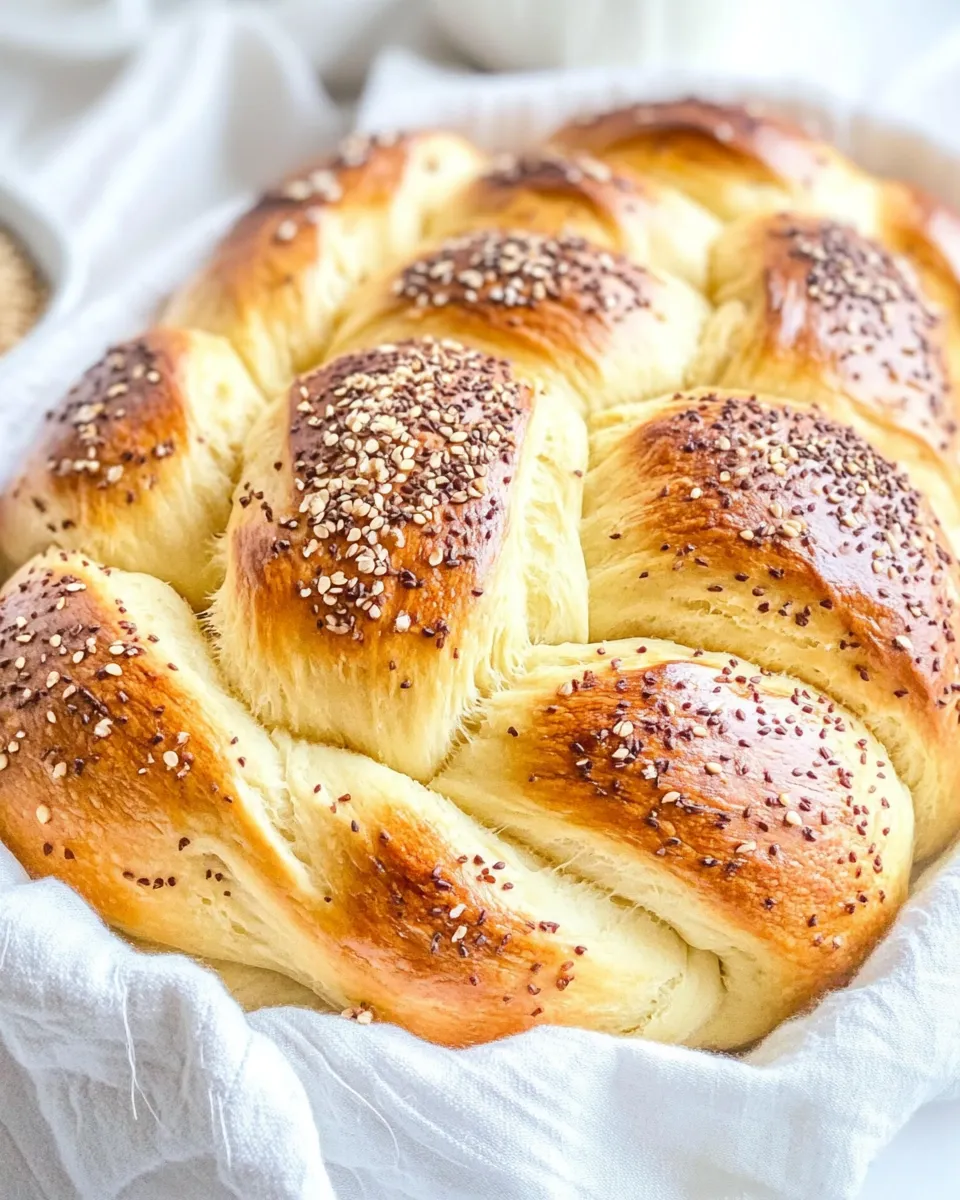
The method balances two key development stages: kneading and proofing. Kneading aligns gluten strands so the dough can trap the gas produced by the yeast, which leads to a good rise and internal structure. The two rises—first for bulk fermentation and second after shaping—allow flavor to develop while keeping the crumb light. Finally, the egg wash is what gives a challah that iconic shiny, deep-gold finish.
Budget & Availability Swaps
- Vegetable oil — if you don’t have it, use another neutral oil you already have. Avoid strong-flavored oils when you want the classic taste.
- All-purpose flour — if you prefer a slightly chewier loaf, you can use part bread flour. If you do, expect the dough to feel a touch firmer; adjust hydration carefully.
- Sugar — you can reduce it slightly if you like a less-sweet challah; the dough will still rise. Don’t eliminate it entirely without adjusting proof times.
- Sesame seeds — optional. If unavailable, leave the loaf plain or use a different seed topping you already have on hand.
- Active dry yeast — if you only have instant yeast, use slightly less and add it directly to the flour; proofing the yeast in water is still fine if you prefer to confirm activity.
Appliances & Accessories
- Stand mixer with dough hook — saves time for kneading, though hand-kneading works equally well.
- Large mixing bowls — for mixing and for the first rise; have a clean oiled bowl ready for proofing.
- Wooden spoon — for the initial mixing if not using a mixer.
- Bench scraper — helpful for dividing and handling dough.
- Parchment paper and a baking sheet — for easy transfer and cleanup.
- Plastic wrap or a damp clean towel — to cover dough during rises and keep humidity consistent.
- Wire rack — for cooling the finished loaf to avoid sogginess on the bottom.
Frequent Missteps to Avoid
- Too-hot water — kills the yeast. Lukewarm is the instruction: aim for around 100–110°F (38–43°C) by feel; it should be warm but not hot.
- Under-kneading — leaves a weak dough that won’t trap gas well. Knead until the dough is smooth and springs back slightly when pressed.
- Over-flouring during kneading — adds too much extra flour and yields a dense loaf. Dust lightly and only as needed to prevent sticking.
- Skipping the second rise — will give you a tight crumb and a smaller loaf. Let the braided loaf become visibly puffy before egg wash and baking.
- Baking at too high a temperature — browns the crust before the center is baked. Tent with foil if the top races ahead.
Make It Fit Your Plan
Want individual rolls? Divide the dough into many small pieces and shape simple knots or rolls. The total bake time will be shorter; watch for a golden color and hollow sound when tapped. Prefer a different braid? Use three, four, or six strands as you wish; the braid count only affects appearance, not the fundamental bake.
Need to save time the day you serve? You can shape the loaf, place it on the sheet, cover it with plastic, and refrigerate overnight. The slow cold rise develops flavor. Take it out to come closer to room temperature for 30–60 minutes before the final rise and bake.
Cook’s Commentary
I appreciate a recipe that gives you room to breathe. This one does. I often make a double batch and freeze one baked loaf for weeks of sandwiches or French toast. When I braid, I don’t fuss over perfect ropes; even imperfect braids bake into beautiful loaves. The egg wash is non-negotiable for the finish. If you want a darker, shinier crust, use the full beaten egg and make sure it’s evenly brushed into the nooks of the braid.
If you have warm weather, a slightly shorter first rise (check the dough, not the clock) prevents overproofing. In winter, give the dough its time in a slightly warmer spot—on top of the oven or in a microwave with a cup of hot water beside it works well.
Store, Freeze & Reheat
- Room temperature — wrap cooled challah in a clean kitchen towel or place it in a bread bag. It will stay good for 2–3 days.
- Freezing — slice or freeze whole. Wrap tightly in plastic, then foil, and freeze up to 3 months. Thaw at room temperature or toast slices directly from frozen.
- Reheating — for a just-baked feel, warm slices in a 350°F (175°C) oven for 5–8 minutes. For individual slices, a toaster works well after thawing.
Common Questions
- My dough is sticky — what now? Dust the surface and your hands lightly with flour and continue kneading. Add flour sparingly; you want a tacky, not dry, dough.
- How do I know when the first rise is done? The dough should roughly double in size. Press lightly with a fingertip; the indentation should hold and slowly spring back.
- Can I use milk instead of water? This recipe is written with water; switching to milk will change texture and browning. If you do swap, expect a slightly softer crumb and quicker browning.
- My loaf browned too fast — how to fix? Tent with foil for the remainder of the bake so the interior finishes without burning the crust.
- How to test for doneness? A fully baked loaf should be deep golden and sound hollow when tapped on the bottom. Internal temperature (if you use a thermometer) should be around 190–200°F (88–93°C) for enriched breads.
See You at the Table
Follow the steps here and you’ll have a dependable, beautiful challah with a tender crumb and a glossy crust. Slice it for sandwiches, toast it the next morning, or serve it as-is at the table. If something didn’t go as planned, revisit the troubleshooting notes above; most issues are fixable with a small adjustment.
Make one tonight. Take a picture. Then slice a thick piece and enjoy it plain—the simplest test of a good challah is how satisfying the first bite is. See you at the table.
Challah Bread
Ingredients
Ingredients
- 2 1/4 teaspoonactive dry yeast
- 1 1/4 cupwater lukewarm
- 1/4 cupsugar
- 3 largeeggs
- 1/4 cupvegetable oil
- 4 1/2 cupsall-purpose flour
- 1 1/2 teaspoonsalt
- 1 largeegg beaten
- sesame seeds
Instructions
Instructions
- Pour the lukewarm water into a small bowl, sprinkle in the active dry yeast, stir gently, and let sit 5–10 minutes until frothy.
- In a separate small bowl, beat 1 large egg and set it aside for the egg wash.
- In another bowl, beat together the 3 large eggs, the 1/4 cup sugar, and the 1/4 cup vegetable oil until combined.
- In a large mixing bowl, whisk together the 4 1/2 cups all-purpose flour and 1 1/2 teaspoons salt. Make a well in the center.
- Pour the yeast mixture and the egg-oil mixture into the flour well. Stir with a wooden spoon (or use a stand mixer with a dough hook) until a shaggy dough forms.
- Knead the dough until smooth and elastic: by hand on a lightly floured surface for about 8–10 minutes, or in the mixer for about 5–10 minutes, until the dough pulls away from the sides of the bowl. If the dough is sticky, dust the surface and dough with small amounts of flour as needed.
- Lightly oil a clean bowl, place the kneaded dough inside, turn to coat, and cover with a damp cloth or plastic wrap. Let rise in a warm, draft-free spot until doubled in size, about 1½–2 hours.
- Punch the risen dough down gently. Divide it into the number of equal portions you want for the braid (commonly 3, 4, or 6).
- Roll each portion into a long, even rope. Pinch the ropes together at the top, braid them, and pinch the bottom ends to seal. Transfer the braided loaf to a parchment-lined baking sheet.
- Loosely cover the braided loaf and let it rise again until puffy, about 30–45 minutes.
- While the loaf is rising, preheat the oven to 375°F (190°C).
- Brush the risen loaf with the reserved beaten egg. Sprinkle sesame seeds over the top if desired.
- Bake in the preheated oven for 25–30 minutes, until the challah is deep golden brown and sounds hollow when tapped on the bottom. If it browns too quickly, tent loosely with foil.
- Transfer the baked challah to a wire rack and let cool before slicing.
Equipment
- KitchenAid Artisan 5 Quart Stand Mixer
- Instant Read Meat Thermometer
- Large Baking Sheet
Notes
Customize the braid.3-strand is classic, but go wild with 4 or 6 if you’re feeling ambitious.
Yes to toppings.Sesame or poppy seeds are classic, but za’atar or flaky salt also make a statement.
French toast potential:high. Save a few slices for breakfast, or don’t. I won’t judge.