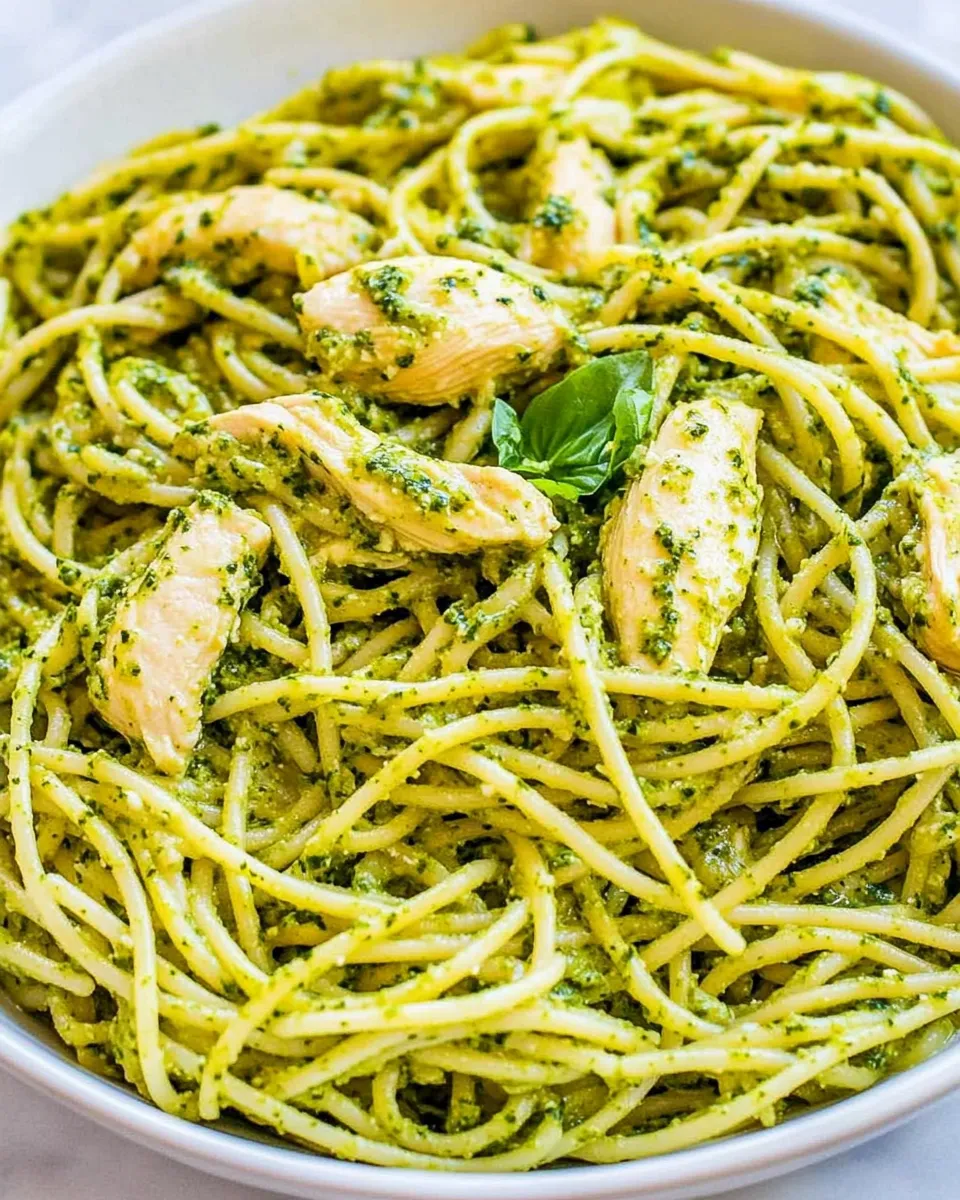
I make this Chicken Pesto Pasta on repeat when I want a dinner that feels put-together but actually comes together in minutes. It’s the kind of weeknight recipe that hits comforting, fresh, and just a little indulgent — thanks to the cheeses — without demanding a lot of hands-on time. You can get it on the table while you’re finishing a work call or while the kids do homework.
The method is straightforward: boil pasta, toss with pesto, fold in chopped cooked chicken and cheeses, warm briefly and serve. There’s no cream to curdle and no long simmering. Each element plays a specific role, and once you understand those roles you can adapt the dish confidently.
Below you’ll find the ingredient checklist with tips, a step-by-step guide straight from the test kitchen, substitutions, tool suggestions, and troubleshooting. Read the notes before you start if you want the best texture and flavor from this simple, reliable recipe.
Ingredient Checklist
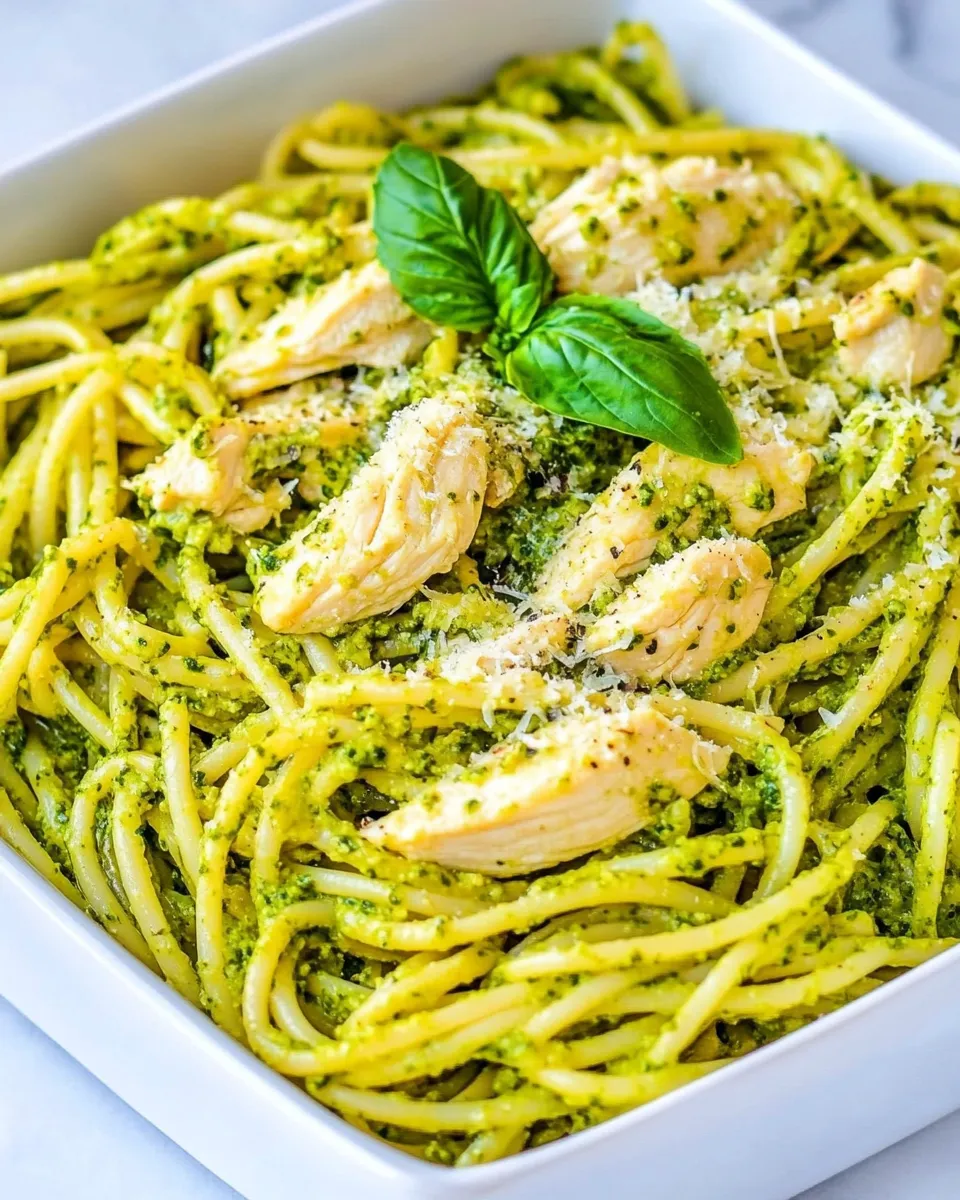
- 1 pound rotini pasta (you can also use shells, campanelle or elbow macaroni) — short, corkscrew shapes hold sauce and bits of chicken well; choose one you like for texture.
- 1/2 cup basil pesto — the flavor backbone: adds herb, garlic, and olive oil; use good-quality jarred or homemade.
- 2 cups cooked chicken, chopped — adds protein and substance; rotisserie or leftover chicken works perfectly.
- 1/2 cup grated Parmesan cheese — salty, umami lift; grate fresh for best melt and flavor.
- 1 1/2 cups grated mozzarella cheese — brings creamy melt and stretch; pre-grated is fine in a hurry.
- 1 teaspoon kosher salt — seasons the pasta and brings out the pesto; add to the boiling water and again to the tossed pasta as directed.
Chicken Pesto Pasta Cooking Guide
- Bring a large pot of water to a boil. Add 1 pound rotini pasta and cook according to package directions until al dente.
- Drain the pasta and return it to the pot off the heat.
- Add 1/2 cup basil pesto and 1 teaspoon kosher salt to the pasta; toss or stir until the pasta is evenly coated.
- Add 2 cups chopped cooked chicken, 1/2 cup grated Parmesan cheese, and 1 1/2 cups grated mozzarella cheese. Stir over low heat just until the cheeses are melted and the chicken is heated through (about 3–5 minutes).
- Remove from heat and serve immediately.
Why It Works Every Time
This recipe is all about balance and timing. The pesto is oil-based and coats the pasta without making it heavy; when the pasta is hot but off the flame the pesto distributes evenly without breaking. The cheeses are added last and finished over low heat so they melt gently into a creamy finish rather than clumping or becoming greasy.
Using cooked, chopped chicken means you’re only warming protein instead of cooking raw meat in the same pan, which keeps the process fast and reduces the risk of overcooking. Kosher salt is called for because its larger crystals are easier to measure and distribute; if you use table salt, reduce the amount slightly.
The ratio of cheeses — a sharp, savory Parmesan and a milder, melty mozzarella — gives both flavor depth and that satisfying, velvety texture that makes every bite feel indulgent without being heavy.
Smart Substitutions
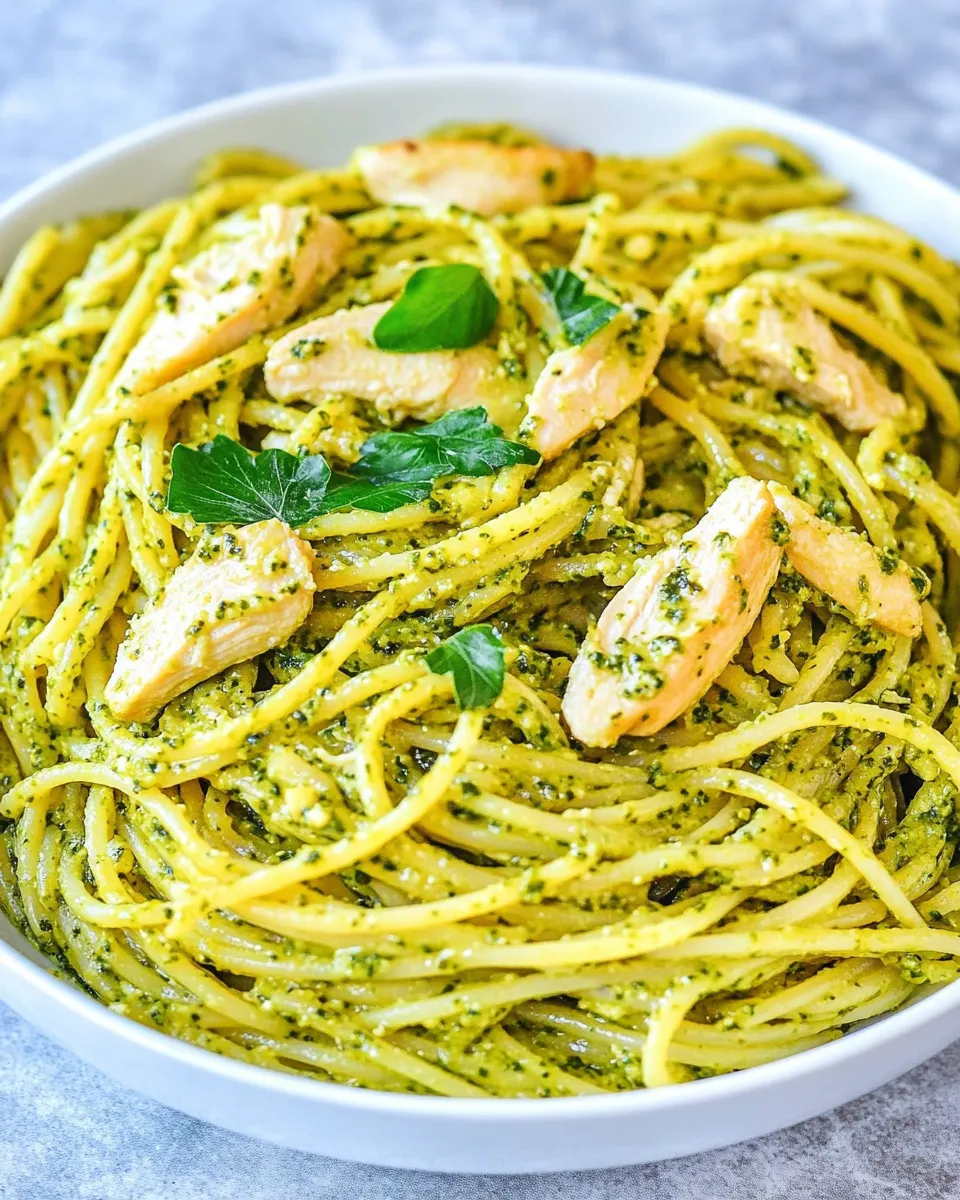
Need to swap something? Here are smart choices that keep the dish reliable.
- Swap the pasta shape — shells, campanelle, or elbows will all trap pesto and chicken; choose based on what you have.
- Chicken options — use leftover roasted chicken, sliced grilled chicken, or shredded rotisserie chicken to save time.
- Pesto alternatives — if basil pesto isn’t available, try sun-dried tomato pesto or a spoonful of tapenade for a different flavor profile (they’ll change the color and tone but still coat the pasta nicely).
- Cheese tweaks — if you want more tang, increase Parmesan slightly; for creamier texture, keep or add more mozzarella in small increments.
- Salt swaps — if you only have table salt, use about half the kosher amount and taste as you go.
Toolbox for This Recipe
None of these tools are fancy, but each makes the process cleaner and faster.
- Large pot — for boiling the pasta with room to move so it cooks evenly.
- Colander — to drain pasta quickly and efficiently.
- Large mixing pot or Dutch oven — you’ll finish the pasta and melt the cheeses here; returning pasta to the same pot keeps cleanup minimal.
- Wooden spoon or heatproof spatula — for gentle stirring while cheeses melt.
- Measuring cups and spoons — to keep pesto and salt proportions consistent.
Avoid These Mistakes
Small missteps can change texture and flavor. Watch for these common issues.
- Don’t overcook the pasta. Al dente texture is important because it finishes with the cheese and holds up to tossing without turning to mush.
- Don’t add cheeses to ridiculously high heat. If the pot is too hot, mozzarella can separate and become stringy in an undesirable way; low, gentle heat is the trick.
- Don’t skimp on tossing the pesto into hot pasta off the heat. If the pesto hits a rolling boil or a screaming-hot pan, the oils can separate and the bright basil flavor will fade.
- Don’t skip salting the pasta water. Pasta needs seasoning from the inside out; it’s an easy place to lose flavor.
Dietary Swaps & Alternatives
Keeping the spirit of the dish while adapting to diets is straightforward.
- Gluten-free — use a gluten-free pasta of similar shape and cook it to package al dente instructions; proceed the same way with the remaining steps.
- Dairy-free — use dairy-free Parmesan-style sprinkle and a plant-based shredded mozzarella; increase pesto slightly if you need more coating or flavor.
- Vegetarian — skip the chicken and add extras like roasted cherry tomatoes, sautéed mushrooms, or toasted pine nuts for protein and texture.
- Lower-sodium — reduce the kosher salt to 1/2 teaspoon and choose a low-sodium pesto if available; taste and adjust at the end.
Notes from the Test Kitchen
We tested this several ways to find reliably good results. A few practical notes to save time and keep quality consistent:
- Use a pot large enough that the pasta can move freely. Crowding the pot can cause uneven cooking.
- Reserve a small cup of the pasta cooking water before draining if you want an option to loosen the sauce. The recipe doesn’t call for it, but a splash can help the pesto adhere if the pasta seems dry.
- Chop the cooked chicken into bite-sized pieces so heat distributes quickly and evenly when you stir everything together.
- Grate cheeses fresh when possible. Pre-grated cheese is convenient but often contains anti-caking agents that can affect melt quality slightly.
Keep-It-Fresh Plan
Leftovers store well and reheat cleanly if done right.
- Refrigeration — cool to room temperature, transfer to an airtight container, and refrigerate up to 3–4 days.
- Freezing — this dish freezes but the texture will change a bit (mozzarella can get slightly grainy). Freeze in single-portion containers for up to 2 months. Thaw overnight in the refrigerator before reheating.
- Reheating — gently warm in a skillet over low heat with a splash of water or broth to loosen the sauce, or microwave in 30-second bursts, stirring between intervals. Avoid very high heat to prevent the cheeses from separating.
Troubleshooting Q&A
Quick answers to the issues readers most often ask about.
Q: My sauce looks oily after adding pesto. What happened?
A: Likely the pesto hit a hot pan or the pasta retained too much heat. Return the pot off the heat and stir; add a spoonful of reserved pasta water to emulsify the oils back into the sauce.
Q: The mozzarella didn’t melt smoothly. Any fixes?
A: Mozzarella sometimes needs a gentler melt. Stir over the lowest possible heat and cover briefly for 30–60 seconds to trap heat and encourage melting. If it still clumps, stir in a tablespoon of warm pasta water to smooth it out.
Q: My pasta is sticky after tossing with pesto. How do I loosen it?
A: Add 1–2 tablespoons of warm pasta water and toss again. The starch in the water loosens and binds the sauce to the pasta without watering it down.
Q: Can I assemble this ahead of time?
A: You can prep the chicken, grate the cheeses, and measure the pesto in advance. Tossing everything and melting cheeses is best done just before serving for optimal texture.
Bring It Home
This Chicken Pesto Pasta is one of those easy, dependable dinners that adapts to what you have on hand. It’s quick, satisfying, and hits the right notes of herb, richness, and comfort without overcomplicating the cooking. Keep quality pesto and good Parmesan on hand and this will become a go-to when you need something fast that still feels special.
Try it with a simple green salad and a squeeze of lemon on the side to brighten the plate. If you make a batch, save a portion for lunch the next day — the flavors deepen nicely. And if you tweak it, jot down what you did; small changes can make this simple formula into your signature weeknight dish.
Chicken Pesto Pasta
Ingredients
Ingredients
- ?1 poundrotini pasta you can also use shells, campanelle or elbow macaroni
- ?1/2 cupbasil pesto
- ?2 cupscooked chicken chopped
- ?1/2 cupgrated parmesan cheese
- ?11/2 cupsgrated mozzarella cheese
- ?1 teaspoonkosher salt
Instructions
Instructions
- Bring a large pot of water to a boil. Add 1 pound rotini pasta and cook according to package directions until al dente.
- Drain the pasta and return it to the pot off the heat.
- Add 1/2 cup basil pesto and 1 teaspoon kosher salt to the pasta; toss or stir until the pasta is evenly coated.
- Add 2 cups chopped cooked chicken, 1/2 cup grated Parmesan cheese, and 1 1/2 cups grated mozzarella cheese. Stir over low heat just until the cheeses are melted and the chicken is heated through (about 3–5 minutes).
- Remove from heat and serve immediately.
Equipment
- Large Pot
- Colander
- Mixing spoon