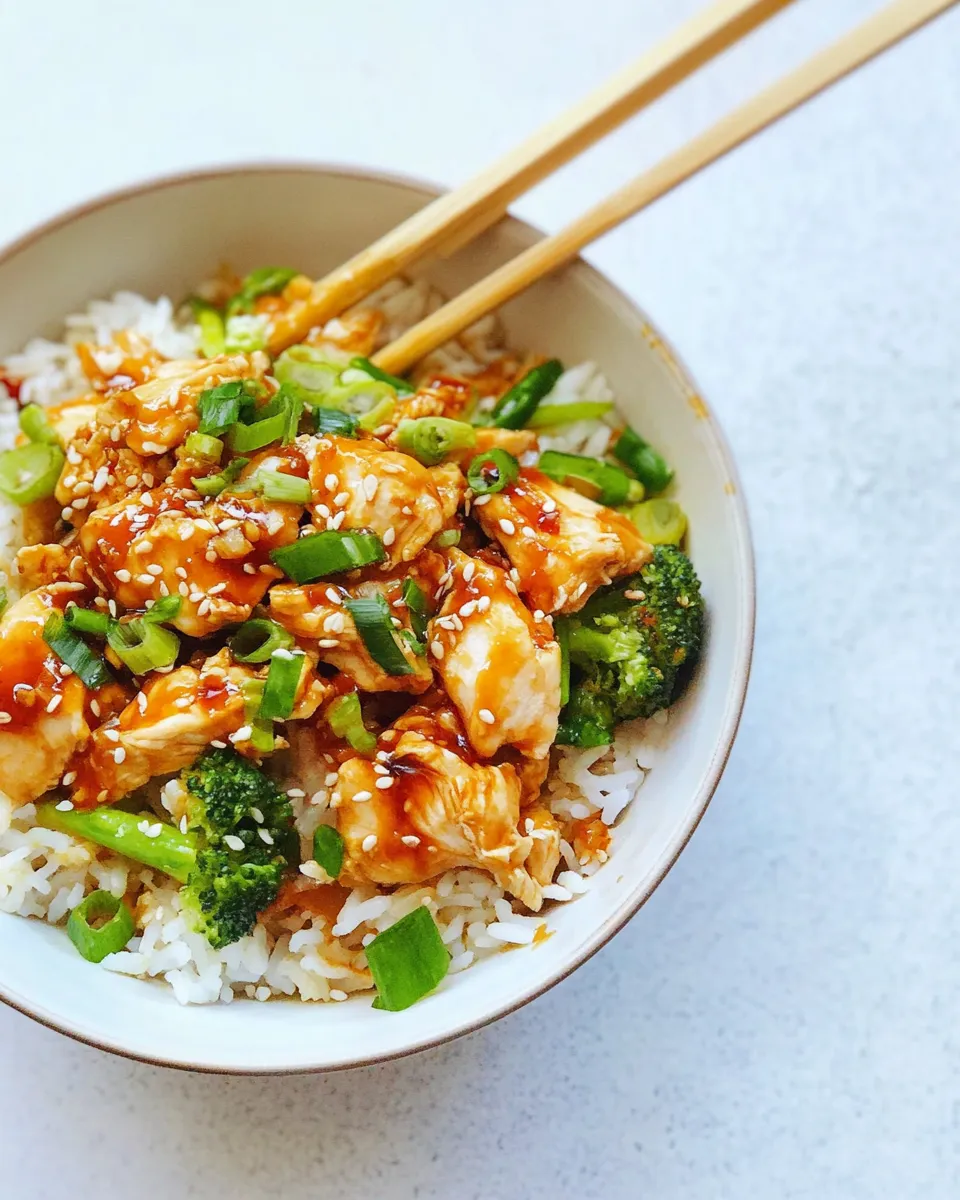
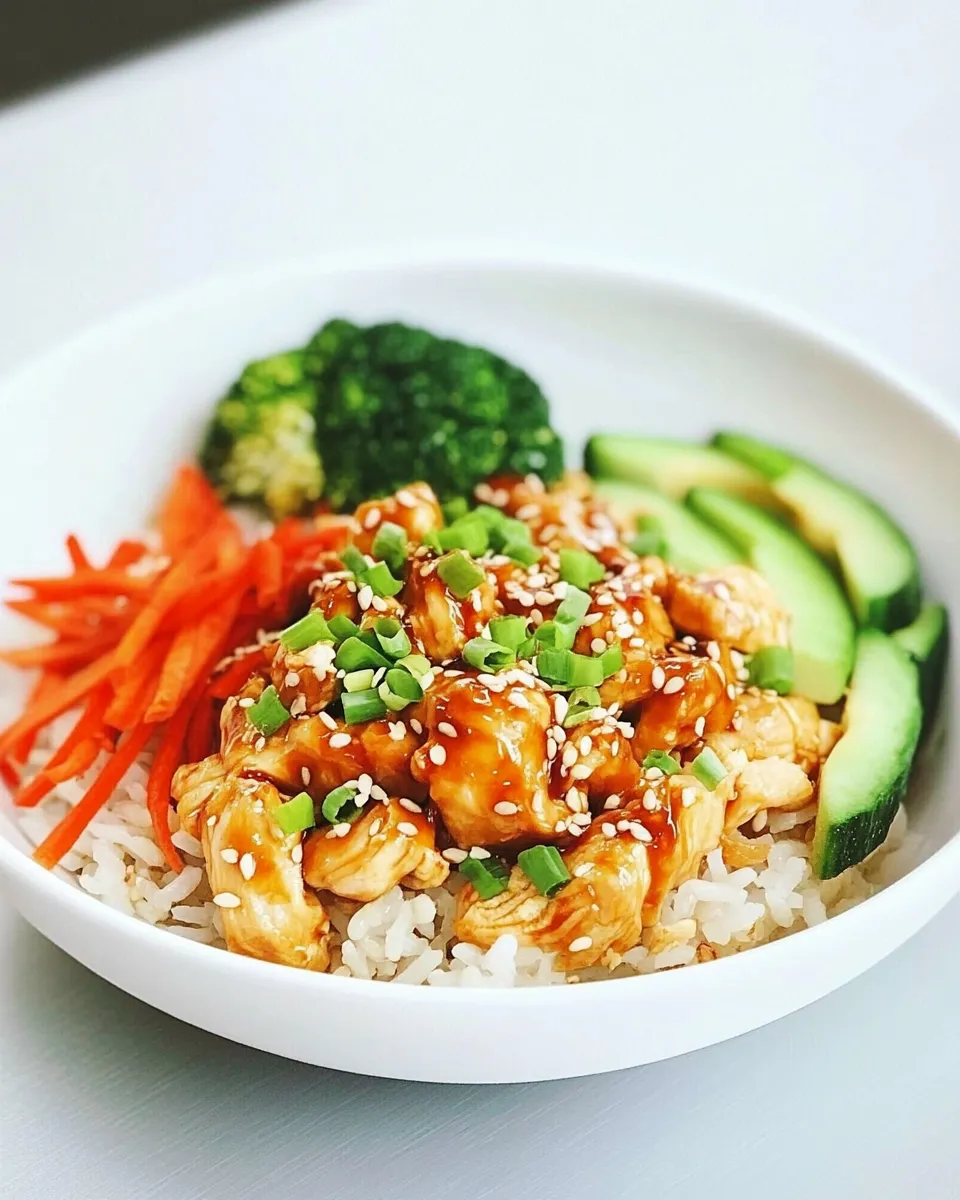
This Chicken Teriyaki Rice Bowl is the kind of weeknight dinner I turn to when I want something fast, filling, and balanced without fuss. It gives you tender chicken, brown rice cooked in the same pan, and bright vegetables, all finished with a hit of teriyaki and sesame flavor. It comes together in one skillet, which means fewer dishes and more time to eat.
I write recipes that work in real kitchens — not just for the food porn. That’s why this bowl leans on pantry-friendly ingredients and simple technique. You’ll find notes on swaps, tools that matter, and the little adjustments that keep this dish from drying out or going gummy.
Follow the steps exactly in the instructions section for reliable results, and use the rest of the article to adapt the meal to what you have on hand. This is a forgiving dish: tweak the veg, switch the protein, or double it for leftovers. Just keep the method intact and you’ll be rewarded with a satisfying bowl every time.
Ingredients
- 1 tablespoon sesame oil — adds toasty flavor and is the cooking fat for the chicken.
- 1 pound boneless and skinless chicken breasts — cut into one inch chunks — the main protein; bite-sized pieces cook quickly and evenly.
- 2 cups brown rice — uncooked, recommend Uncle Ben’s — whole-grain base that holds up to simmering with the chicken.
- 3 1/2 cups water — the cooking liquid for the rice; don’t reduce unless you’re accounting for a different rice type.
- 1/4 cup teriyaki sauce — provides sweet-savory glaze and primary flavor punch.
- 3 tablespoons soy sauce — low-sodium — brings salt and umami without overwhelming the teriyaki.
- 1/2 cup carrots — shredded — adds sweetness, color, and a quick-cook texture.
- 1/3 cup green onion — chopped — fresh aromatics layered in during the rice cook.
- 1/2 cup snow peas — crisp, quick-cooking vegetable for a fresh snap.
- 1 cup broccoli florets — stirred in near the end to steam tender-crisp.
Ingredient Notes
Brown rice is the backbone of this recipe because it keeps its texture when simmered with liquids and proteins. If you prefer a different rice, read the section on swaps below — cooking time and liquid will change. The recipe calls for low-sodium soy sauce because teriyaki and salt levels are easier to control that way.
Using boneless, skinless chicken breast cut into 1-inch chunks ensures every piece cooks through in the time allotted. If you choose thighs, expect slightly different browning and a touch more fat in the pan. Sesame oil is used for flavor at the beginning; it browns fast, so keep the heat to medium-high and watch it.
The vegetables here are chosen to balance texture and cook time. Shredded carrots and snow peas go in early enough to soften slightly but retain bite. Broccoli is added at the end so it steams through without turning mushy. If your florets are large, cut them smaller so they finish in about five minutes like the recipe specifies.
From Start to Finish: Chicken Teriyaki Rice Bowl
- Heat 1 tablespoon sesame oil in a large, high-sided skillet over medium-high heat until shimmering. Add the 1 pound chicken pieces in a single layer and cook, stirring occasionally, until the chicken is no longer pink in the center and is lightly browned, about 6–8 minutes.
- Add 2 cups uncooked brown rice, 3 1/2 cups water, 1/4 cup teriyaki sauce, 3 tablespoons low-sodium soy sauce, 1/2 cup shredded carrots, 1/3 cup chopped green onion, and 1/2 cup snow peas to the skillet. Stir to combine and scrape up any browned bits from the bottom of the pan. Bring the mixture to a boil.
- Reduce heat to low, cover the skillet, and simmer for 20 minutes, or until the rice is tender and most of the liquid is absorbed.
- Stir in 1 cup broccoli florets, re-cover the skillet, and simmer for about 5 more minutes, or until the broccoli is tender and no liquid remains.
- If desired, drizzle additional teriyaki sauce over the mixture. Spoon into serving bowls and enjoy.
The Upside of Chicken Teriyaki Rice Bowl
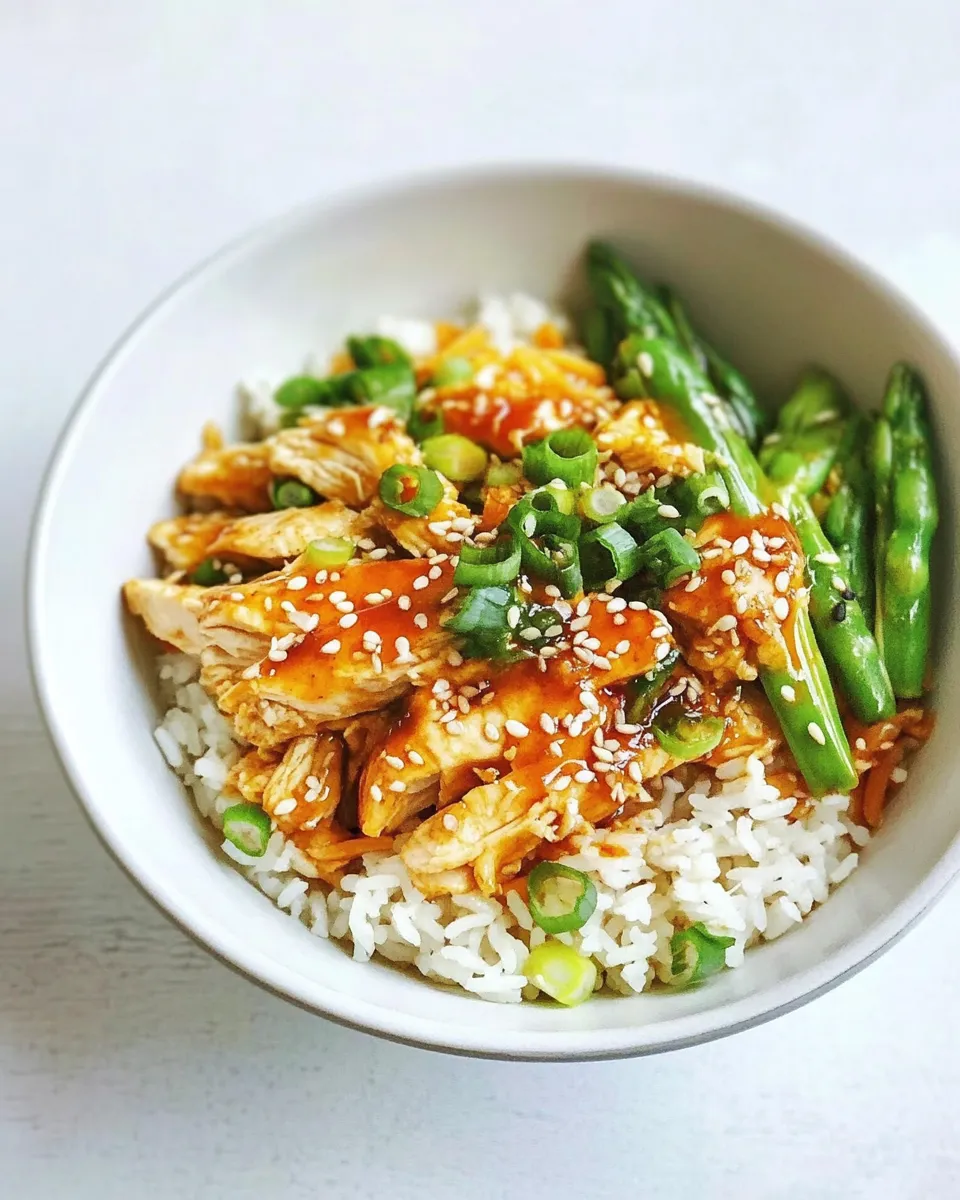
This bowl is efficient: protein, grain, and vegetables cook in one pan with minimal hands-on time. You control the sodium by using low-sodium soy sauce and choosing how much extra teriyaki to drizzle at the end. It’s also very flexible — swap vegetables freely based on what’s fresh or on sale.
Because the rice cooks in the skillet with the chicken, the dish picks up browned bits and concentrated flavor you won’t get if you cook rice separately. That technique saves time and creates a more cohesive, savory profile. It’s a full meal in a single pan, which simplifies clean-up and weeknight logistics.
Budget & Availability Swaps
- Rice: If you only have white rice (jasmine or long-grain), you can use it, but reduce the water and simmering time — white rice needs less liquid and fewer minutes. Watch it closely to avoid overcooking.
- Chicken: Boneless skinless thighs work well if you want more flavor and slightly cheaper protein. Increase initial cook time if pieces are larger.
- Teriyaki sauce: If teriyaki is unavailable, use a mix of soy sauce and a splash of mirin or a small amount of honey and minced garlic to mimic the sweet-savory character.
- Veg: Frozen vegetables (broccoli, peas, mixed stir-fry veg) can be used; add frozen items in the final simmer so they thaw and finish cooking without getting soggy.
- Oil: If sesame oil is scarce, neutral oil plus a small drizzle of toasted sesame oil at the end will deliver the same flavor note without wasting the stronger oil for frying.
Gear Checklist
- Large, high-sided skillet with a tight-fitting lid — essential so rice simmers evenly and liquid reduces properly.
- A sharp knife and cutting board — for quick, even chicken pieces and uniform vegetables.
- Measuring cups and spoons — the rice-to-water ratio matters; measure the 2 cups rice and 3 1/2 cups water accurately.
- Wooden spoon or spatula — for scraping up browned bits and folding in vegetables.
- Optional: small ladle for serving and extra teriyaki drizzle.
Steer Clear of These
- Don’t overcrowd the skillet when browning chicken. If pieces are too close, they steam instead of brown and you lose flavor.
- Avoid lifting the lid during the 20-minute simmer. That releases steam and changes cooking time.
- Don’t over-add liquid. The recipe’s 3 1/2 cups water is calibrated for the rice listed. Adding more will make the rice too soft.
- Skip the temptation to cut broccoli florets very large. Large pieces won’t tenderize in the 5-minute finish and will be undercooked.
- Be conservative with extra teriyaki at the end; add a drizzle, taste, then add more if you want sweetness or gloss.
Seasonal Serving Ideas
- Spring: Finish with a handful of pea shoots or thinly sliced radish for peppery freshness.
- Summer: Swap broccoli for lightly charred summer squash and add a squeeze of lime for brightness.
- Fall: Stir in some roasted sweet potato cubes instead of shredded carrots for earthy sweetness.
- Winter: Add a spoonful of toasted sesame seeds and serve with quick-pickled cucumbers to cut through the richness.
Pro Perspective
For best texture, get a good sear on the chicken at the start. Let the pieces sit without stirring for the first couple of minutes to form a light crust — that brown fond is flavor gold. When you add the rice and liquids, scrape that fond into the mixture; it deepens the overall taste.
Keep the heat steady. Medium-high for searing, then a clear reduction to low for the simmer. Aggressive heat will evaporate the liquid too fast and give unevenly cooked rice. If your skillet lid doesn’t fit tightly, tent the lid with foil first or use a plate that covers the pan to trap steam.
When it’s time to stir in the broccoli, distribute the florets evenly so they steam at the same rate. Overstirring any rice after it’s tender can make the grains break down — fold gently to keep each grain defined.
Freezer-Friendly Notes
You can freeze this dish, but I recommend freezing in two stages for best texture: freeze the cooked chicken/teriyaki separately from the rice if possible. Pack in airtight containers or heavy-duty freezer bags and label with the date.
To reheat from frozen, thaw overnight in the fridge if you have time. Reheat gently on the stovetop over low heat with a splash of water or broth to loosen up the rice and prevent drying. If reheating from frozen, use low heat and cover to bring everything up to temperature without scorching.
For longer freezer storage (up to 3 months), portion into single-serving containers. When reheating in the microwave, add a damp paper towel over the surface to maintain moisture and heat in 60–90 second bursts, stirring between intervals.
Chicken Teriyaki Rice Bowl FAQs
- Can I use white rice instead of brown? Yes. If you use white rice, reduce the water and simmer time because white rice cooks faster and absorbs less liquid. Watch closely and adjust as needed.
- Can I make this gluten-free? Use a gluten-free tamari or coconut aminos in place of soy sauce, and check that your teriyaki sauce is certified gluten-free.
- How do I prevent the rice from sticking? Use a high-sided skillet and keep the heat at low during the covered simmer. Scrape up the fond before you reduce heat so nothing burns later.
- Can I swap tofu for chicken? Yes. Press extra-firm tofu, cut into cubes, and brown it first. Tofu may require gentler handling during simmer so it doesn’t break apart.
- How many servings does this make? This recipe feeds about 4 hungry adults, depending on appetite and side dishes. Adjust quantities if you want more leftovers.
- Is there a recommended garnish? Thinly sliced green onion (extra), toasted sesame seeds, and a small drizzle of extra teriyaki make the bowl look and taste finished.
The Last Word
This Chicken Teriyaki Rice Bowl is reliable, adaptable, and built for busy nights. Stick to the method: good sear, accurate rice-to-water ratio, and a brief, gentle finish for the broccoli. From there you can personalize—swap vegetables, change proteins, or adjust sauces—without losing the structure that makes this one-pan dinner a keeper.
Make it once exactly as written. You’ll learn how the rice behaves in your skillet and how your stove holds heat. After that, tweak with confidence. And the best part? You’ll have a balanced, flavorful bowl on the table with minimal cleanup and maximum return for your effort.
Chicken Teriyaki Rice Bowl
Ingredients
Ingredients
- 1 tablespoonsesame oil
- 1 poundboneless and skinless chicken breastscut into one inch chunks
- 2 cupsbrown riceuncooked recommend Uncle Ben's
- 3 1/2 cupswater
- 1/4 cupteriyaki sauce
- 3 tablespoonssoy saucelow-sodium
- 1/2 cupcarrotsshredded
- 1/3 cupgreen onionschopped
- 1/2 cupsnow peas
- 1 cupbroccoli florets
Instructions
Instructions
- Heat 1 tablespoon sesame oil in a large, high-sided skillet over medium-high heat until shimmering. Add the 1 pound chicken pieces in a single layer and cook, stirring occasionally, until the chicken is no longer pink in the center and is lightly browned, about 6–8 minutes.
- Add 2 cups uncooked brown rice, 3 1/2 cups water, 1/4 cup teriyaki sauce, 3 tablespoons low-sodium soy sauce, 1/2 cup shredded carrots, 1/3 cup chopped green onion, and 1/2 cup snow peas to the skillet. Stir to combine and scrape up any browned bits from the bottom of the pan. Bring the mixture to a boil.
- Reduce heat to low, cover the skillet, and simmer for 20 minutes, or until the rice is tender and most of the liquid is absorbed.
- Stir in 1 cup broccoli florets, re-cover the skillet, and simmer for about 5 more minutes, or until the broccoli is tender and no liquid remains.
- If desired, drizzle additional teriyaki sauce over the mixture. Spoon into serving bowls and enjoy.
Equipment
- large high-sided skillet
Notes
Optional: drizzle additional teriyaki sauce to taste when serving.