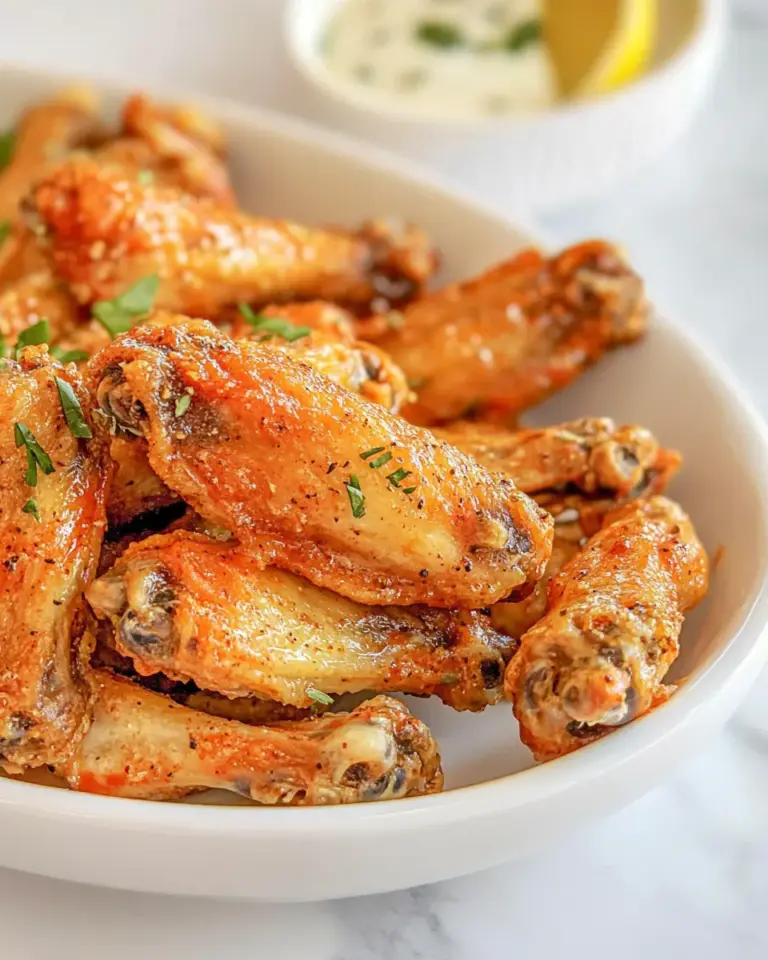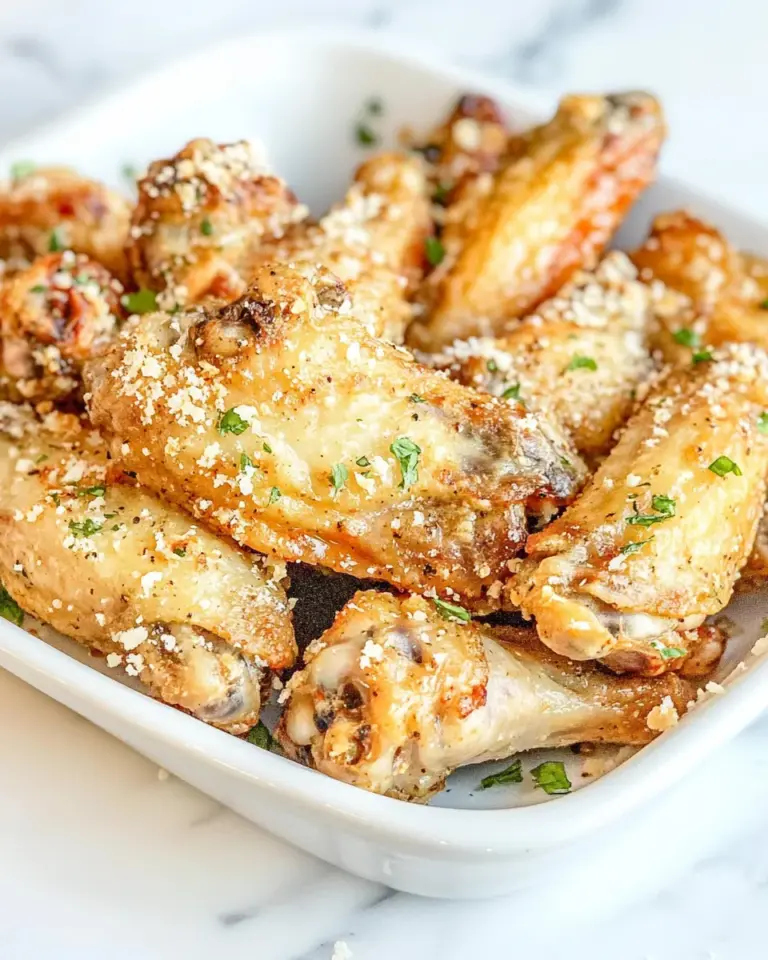
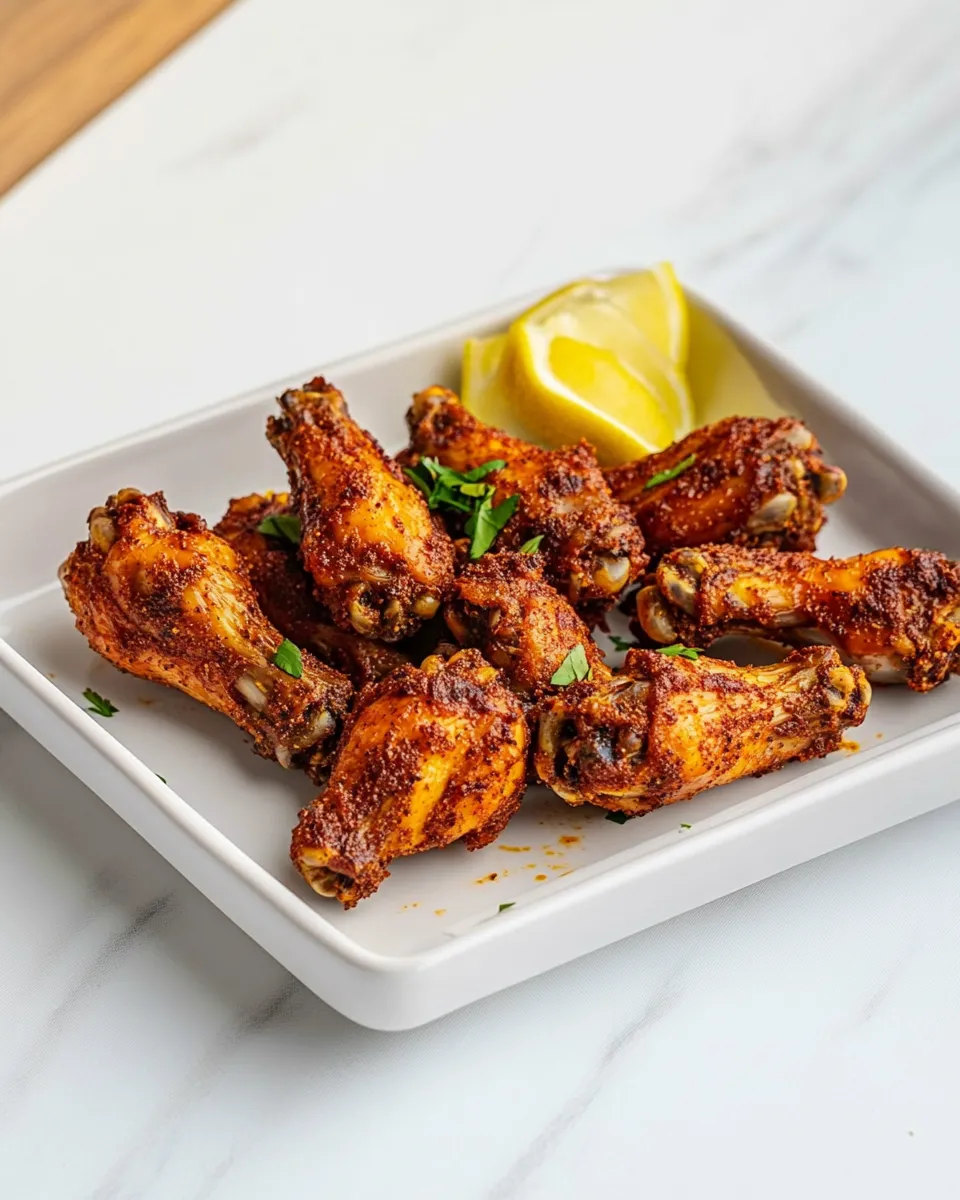
I’ve been making this Chicken Wing Seasoning for years, and it’s one of those blends that feels like a secret weapon — simple, bold, and dependable. It balances smoky, savory, and spicy notes without any fuss. Whether you’re coating a tray of wings for a game night or shaking a little over roasted veggies, it turns everyday food into something worth talking about.
This recipe is intentionally straightforward. It relies on pantry staples and a single mixing bowl, so you can put it together in minutes and store it for weeks. The texture and color should be uniform, and the measuring is forgiving if you want to tweak it later to match your heat tolerance.
I’ll walk you through exact steps, why each ingredient matters, and how to keep the mix fresh. There are also practical substitutions and troubleshooting tips so you can make the blend yours without losing what makes it great.
Gather These Ingredients
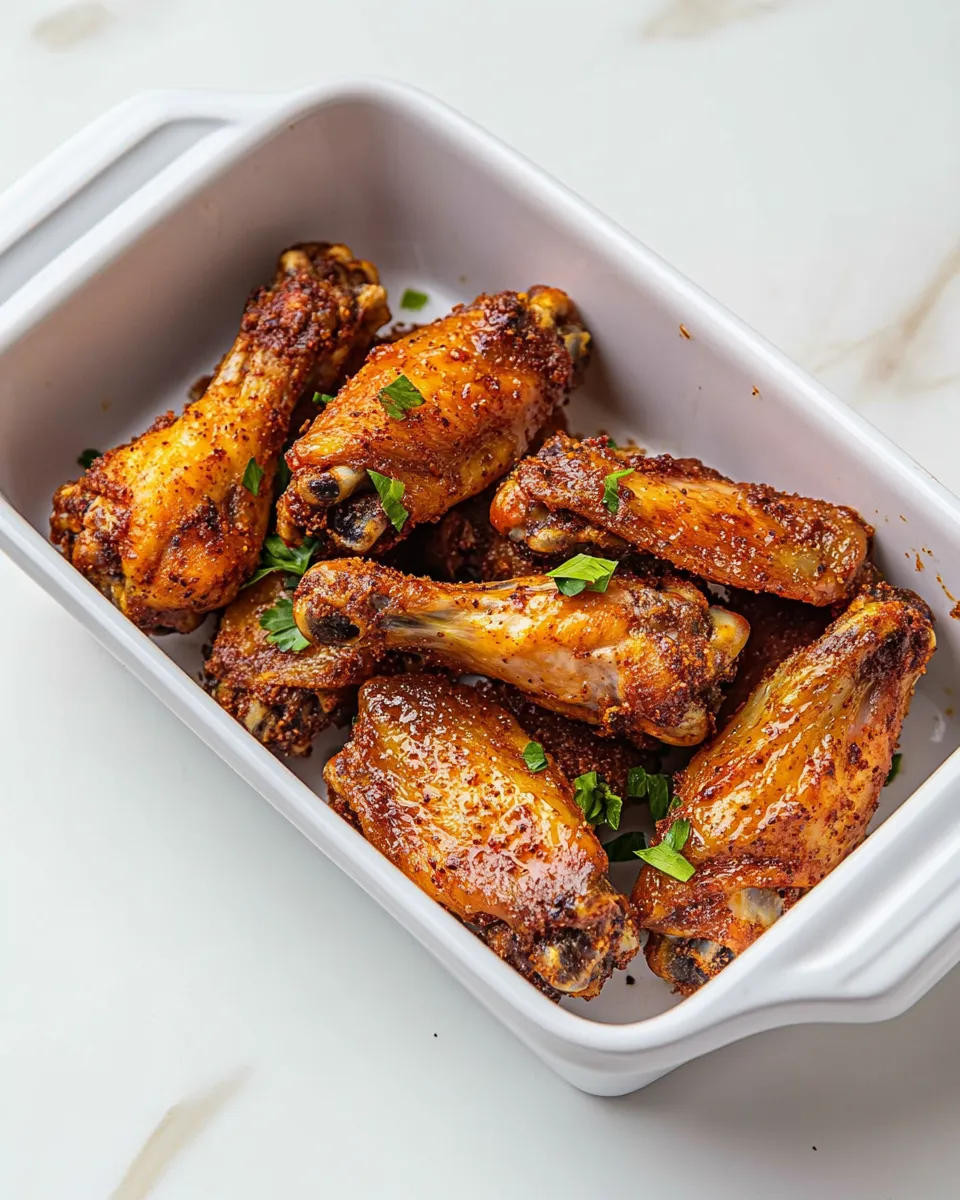
- 2 tablespoons chili powder — brings depth and gentle heat; the base flavor that ties the blend together.
- 2 tablespoons smoked paprika — adds smoky warmth and a rich red color; essential for that grilled, outdoor flavor.
- 1 tablespoon garlic powder — lends savory umami without the moisture of fresh garlic.
- 1 tablespoon onion powder — rounds out the savory profile and adds background sweetness.
- 1 tablespoon kosher salt — seasons everything evenly; adjusts the overall saltiness of the mix.
- 1 tablespoon cayenne pepper — provides sharp heat; control this ingredient to dial the spice level up or down.
Chicken Wing Seasoning: Step-by-Step Guide
Follow these exact steps to make the seasoning. They’re quick and don’t require special tools.
- Measure and add the following to a small mixing bowl: 2 tablespoons chili powder, 2 tablespoons smoked paprika, 1 tablespoon garlic powder, 1 tablespoon onion powder, 1 tablespoon kosher salt, and 1 tablespoon cayenne pepper.
- Stir or whisk the spices until the mixture is uniform in color and texture and there are no visible clumps.
- Use a spoon or small funnel to transfer the seasoning mix into an airtight container.
- Seal the container, label it (name and date), and store it in a cool, dry place away from direct heat or sunlight.
- Use within 6 months for best flavor.
Why It Deserves a Spot
This seasoning deserves a permanent spot in your cabinet because it’s versatile and reliable. The smoked paprika gives that grilled, slightly sweet character you usually chase with a smoker, while the chili powder provides body and a rounded pepper flavor. Garlic and onion powders add savory depth without adding moisture, and kosher salt brings everything into balance. Cayenne gives a focused, clean heat that wakes up the other spices rather than overpowering them.
It’s also a time-saver. With this blend on hand you can quickly season wings, toss it with fries, or sprinkle over roasted cauliflower for a fast, flavorful weeknight meal. It’s a foundation spice blend — not a finishing glaze — so it plays well with other sauces and rubs.
Finally, the formula is forgiving. If you find it a touch too salty or too spicy for a particular dish, you can easily adjust how much you use per pound of chicken or reduce the cayenne the next time you make a batch.
Healthier Substitutions
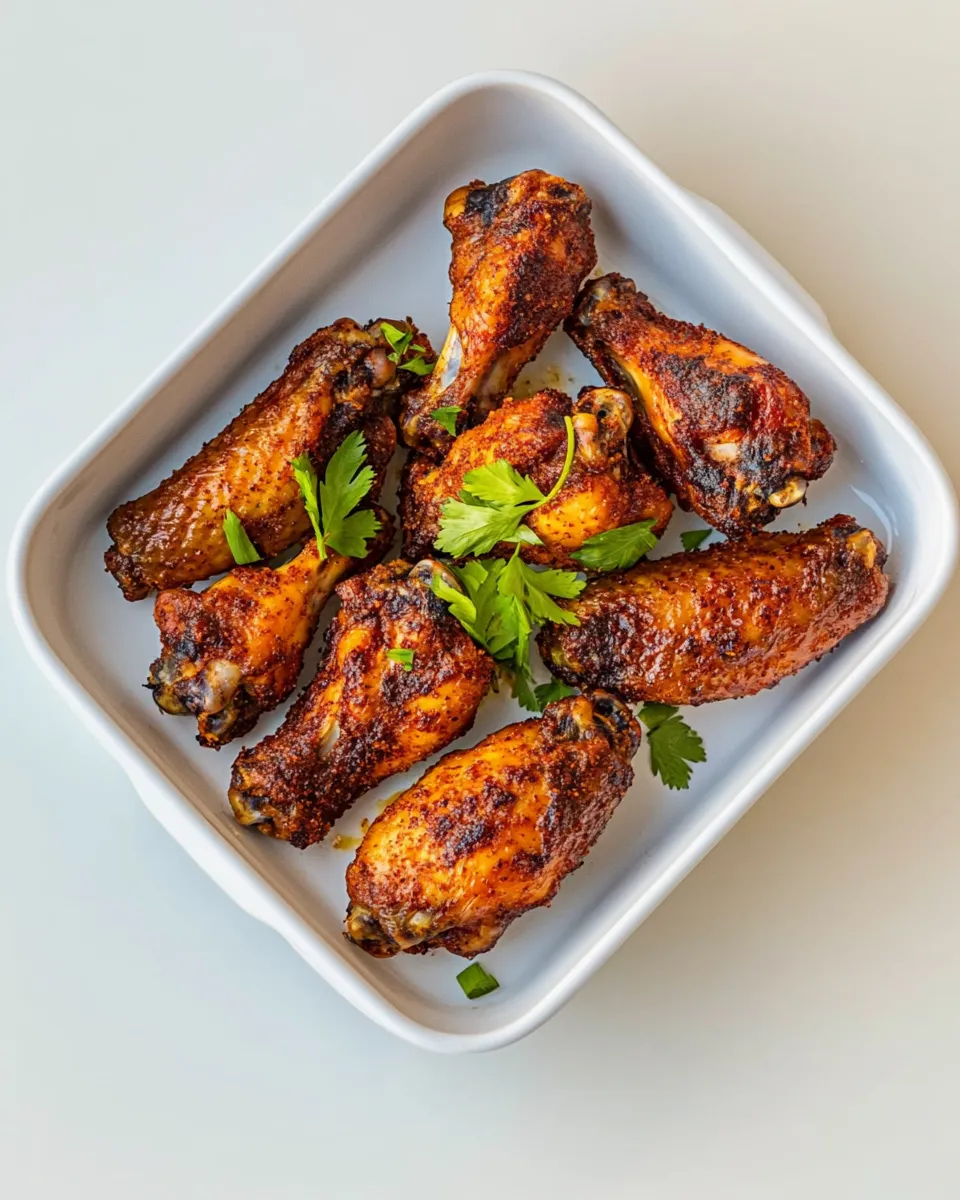
If you want to keep the flavor but make the mix a bit friendlier for certain diets, try these simple swaps and ideas.
- Reduce the kosher salt by half or replace with a lower-sodium salt. This retains seasoning while cutting sodium.
- Cut the cayenne pepper to 1/2 tablespoon or replace part of it with an equal amount of smoked paprika to keep heat mellow but retain flavor.
- To lower overall sodium quickly at the table, use the mix sparingly and finish with a squeeze of citrus when serving; acidity brightens flavors so you use less salt.
- If you avoid nightshades, this exact blend is not suitable; instead, consider a separate herb-forward mix (but note that would be a different recipe).
Must-Have Equipment
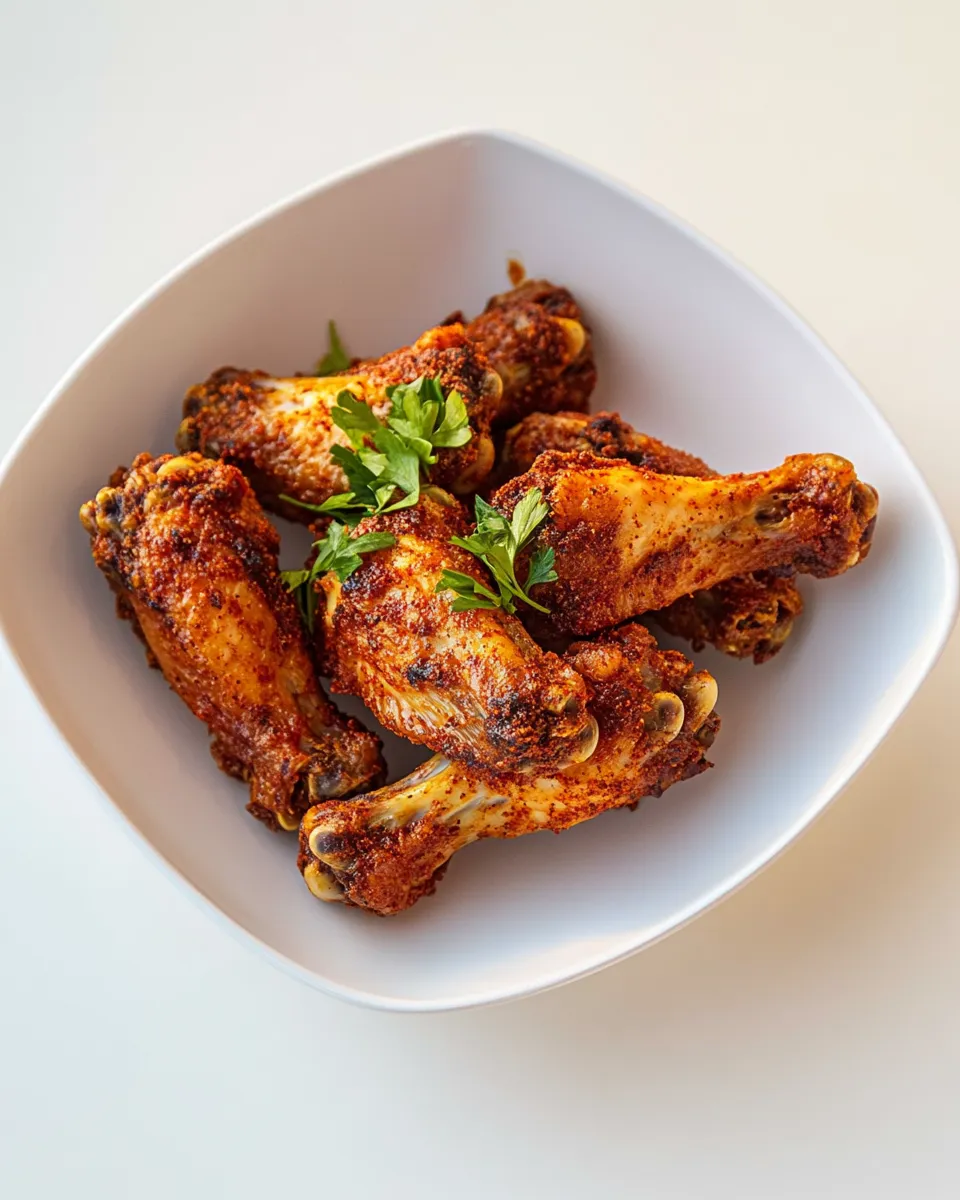
- Small mixing bowl — for measuring and combining the spices.
- Whisk or fork — to break up clumps and blend evenly.
- Spoons — measuring spoons for accuracy and a spoon for transferring.
- Small funnel (optional) — makes filling a jar neat and easy.
- Airtight container or jar — a clean, dry container with a good seal preserves the flavors.
- Label and marker — name and date the batch so you use it within the optimal timeframe.
Troubleshooting Tips
Common issues and how to fix them
- Too clumpy: If the mix clumps, it likely came into contact with moisture. Break clumps apart with a fork, sift through a fine-mesh sieve, and ensure all measuring spoons are completely dry before using.
- Too salty: Use less of the seasoning on the food, or mix the seasoning with a neutral filler like cornstarch when coating wings to stretch the batch without adding salt. You can also reduce the kosher salt to half next batch.
- Too spicy: If the heat is overwhelming, sprinkle a bit of brown sugar or add a sliver of honey when you’re saucing wings — the sugar balances heat. For the seasoning itself, reduce cayenne next time.
- Lacks punch: Fresh spices are brighter. If the mix tastes flat, make a new batch and check the freshness of your chili powder, smoked paprika, and cayenne.
Fresh Seasonal Changes
The core mix is intentionally stable, but you can enhance and pair it with seasonal ingredients at serving time. In summer, toss wings with a squeeze of lime and chopped fresh cilantro after roasting — the citrus lifts the smoky notes. In fall, a touch of maple or honey glaze brushed on near the end of cooking complements the smoky paprika and adds a glossy finish. Winter calls for heartier sides; serve wings with roasted root vegetables and a dollop of cooling yogurt dip to balance the heat.
When you’re working with fresh, seasonal produce, think in contrasts: acid to brighten, sweetness to tame heat, and fresh herbs to add a green lift. The seasoning itself remains the foundation; these seasonal touches are finishing moves that make the dish feel of-the-moment.
Recipe Notes & Chef’s Commentary
I make this blend a little ahead of any large gathering. It’s quick to mix, and the time it sits in the jar actually helps flavors meld. A few practical notes from the kitchen:
- Measure carefully the first time so you know the balance you like. After that, you can double or halve the recipe without changing proportions.
- When seasoning raw wings, toss them in a light coat of oil first so the dry rub adheres and forms a crust during cooking.
- If you plan to use the mix as part of a sauce, mix it into a neutral base (oil, yogurt, or mayo) and taste before adding extra salt.
- Labeling the jar with the date helps you track freshness. Spices don’t spoil quickly, but they do fade.
Shelf Life & Storage
Store your Chicken Wing Seasoning in an airtight container in a cool, dry place away from direct heat or sunlight. A pantry cabinet or spice drawer works well. The blend will be usable for longer than six months, but flavor will start to fade — for best flavor, use within 6 months for best flavor.
Keep the jar away from moisture and heat sources like the stove or dishwasher. If you start seeing any clumping that won’t break apart or detect off smells, discard the batch and make a fresh one.
Reader Q&A
Q: Can I halve or double the recipe?
A: Yes. Keep the proportions the same and simply scale the amounts up or down. Use the same mixing method and transfer to an appropriately sized airtight container.
Q: How much seasoning should I use per pound of wings?
A: A good starting point is about 1 to 2 tablespoons of the seasoning per pound of wings, depending on how bold you want the flavor. Toss the wings with a little oil first so the seasoning sticks.
Q: Can I mix this into a sauce?
A: Absolutely. Stir a teaspoon or two into melted butter, hot sauce, yogurt, or mayonnaise to create a spiced sauce. Taste and adjust salt and heat as needed.
Q: My smoked paprika tastes weak. What now?
A: Paprika potency varies by brand. If it’s weak, try reducing the amount slightly and nudging up the chili powder, or buy a higher-quality smoked paprika for future batches.
The Takeaway
This Chicken Wing Seasoning is a low-effort, high-impact mix that belongs in every home cook’s arsenal. It’s ready in minutes, uses common spices, and adapts to many dishes. Mix a jar, label it, and lean on it whenever you want a fast route to smoky, savory, slightly spicy flavor. Keep it cool, use it within six months, and adjust the cayenne to match your spice comfort level — you’ll find yourself reaching for it more often than you expect.
Chicken Wing Seasoning
Ingredients
Ingredients
- 2 tablespoonschili powder
- 2 tablespoonssmoked paprika
- 1 tablespoongarlic powder
- 1 tablespoononion powder
- 1 tablespoonkosher salt
- 1 tablespooncayenne pepper
Instructions
Instructions
- Measure and add the following to a small mixing bowl: 2 tablespoons chili powder, 2 tablespoons smoked paprika, 1 tablespoon garlic powder, 1 tablespoon onion powder, 1 tablespoon kosher salt, and 1 tablespoon cayenne pepper.
- Stir or whisk the spices until the mixture is uniform in color and texture and there are no visible clumps.
- Use a spoon or small funnel to transfer the seasoning mix into an airtight container.
- Seal the container, label it (name and date), and store it in a cool, dry place away from direct heat or sunlight.
- Use within 6 months for best flavor.