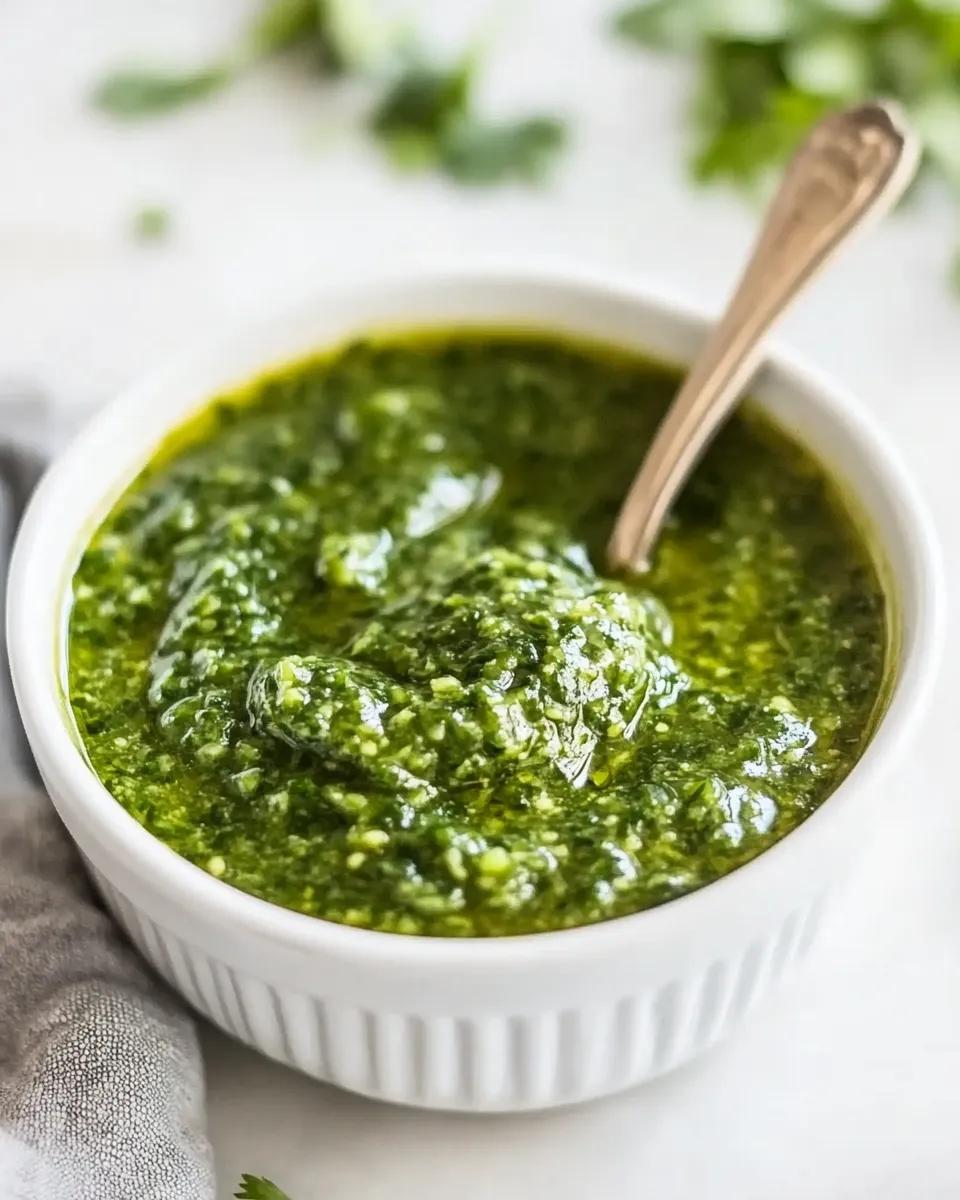
Bright, green, and ready in minutes, this chimichurri is the kind of sauce I reach for when I want an immediate lift to grilled meat, roasted vegetables, or even a plain bowl of rice. It leans on a handful of fresh herbs, garlic, citrus, vinegar, and a generous measure of olive oil. The version here includes kale for body and texture—tiny differences that matter when you want a sauce that clings to food rather than running off.
There’s no need to overthink it: buy good parsley and oregano, use fresh lime, measure the salt, and choose a blender or food processor you trust. This recipe is forgiving, but a few small choices make the final chimichurri sing—things I’ll point out below so you get reliably great results every time.
Make it in the morning and it will taste even better by dinner. Or serve it immediately if dinner can’t wait. Either way, the green sauce will pull a whole meal together with minimal effort.
Gather These Ingredients
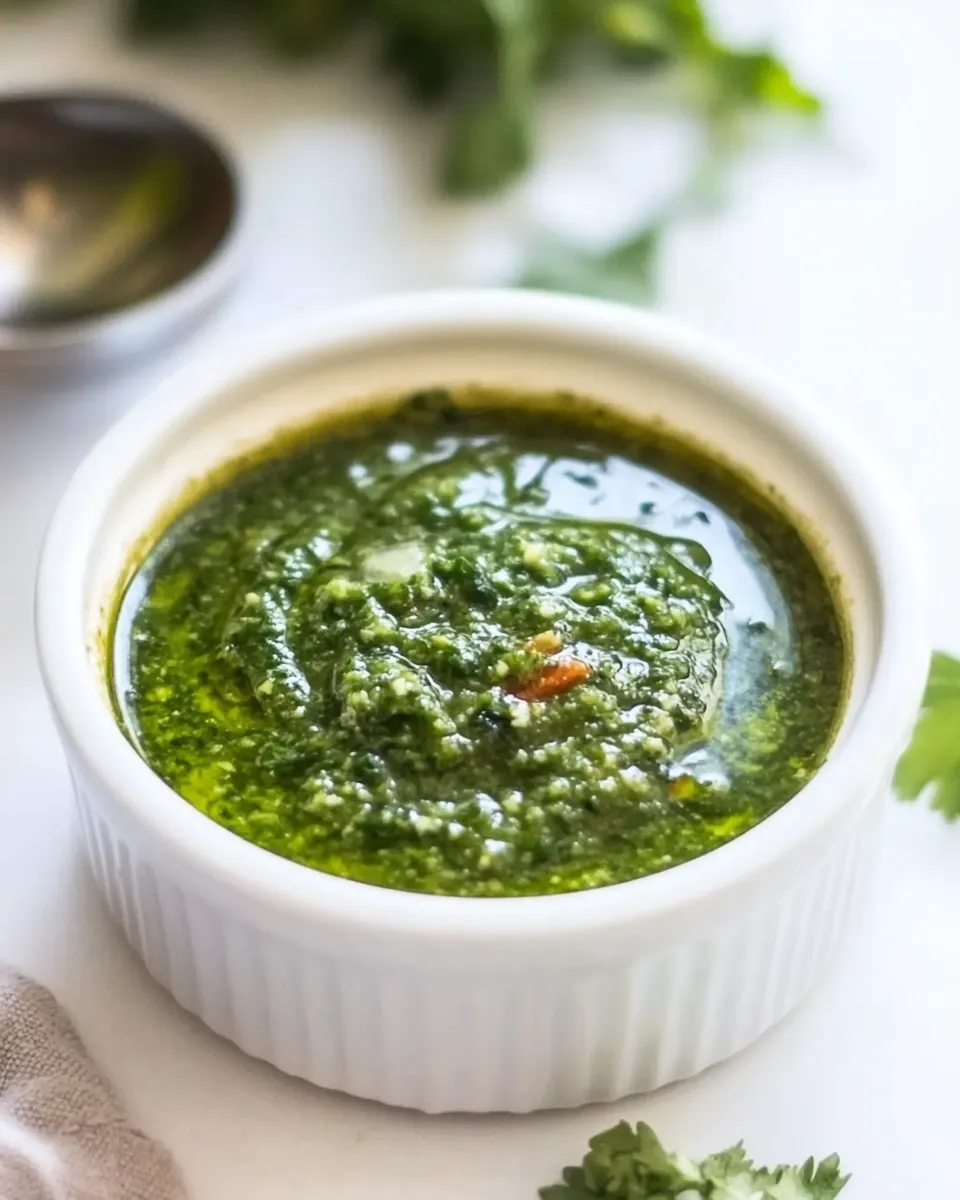
- 2 cups flat-leaf parsley, tightly packed — the primary fresh, bright herb; stems trimmed for a cleaner texture.
- 1 cup kale leaves, tightly packed — adds body and a slightly earthy depth; use tender leaves and remove thick stems.
- 1/2 cup fresh oregano leaves, loosely packed — concentrated herb flavor; pick leaves from stems to avoid woody bits.
- 5 cloves garlic, roughly chopped — provides pungent backbone; roughly chopped so it purees evenly.
- Zest of 1 lime — bright citrus oil that lifts the herbs; zest before juicing.
- 1 tablespoon fresh lime juice — acid for balance and freshness; add after zesting.
- 1 tablespoon white vinegar — sharp acid to cut the oil and stabilize flavor.
- 3/4 teaspoon salt — seasons and draws flavor from the herbs; start here and adjust to taste.
- 1/4 teaspoon black pepper — background spice; freshly cracked if possible.
- 1/4 teaspoon red pepper flakes (optional) — a little heat; include if you like a kick.
- 1 cup olive oil — the vehicle that binds and smooths the sauce; use a good, neutral-to-fruity olive oil.
From Start to Finish: Chimichurri Sauce
- Add the parsley, kale, oregano, garlic, lime zest, lime juice, white vinegar, salt, black pepper, and red pepper flakes (if using) to a blender or food processor.
- Pulse or run the machine on low speed until the herbs and garlic are chopped and beginning to combine, stopping once to scrape down the bowl or sides with a spatula.
- With the machine running on low, slowly pour the olive oil in a thin, steady stream into the mixture so the sauce emulsifies.
- Continue processing until the chimichurri reaches your desired texture (well combined but still slightly textured); stop and scrape the bowl once more if needed.
- Serve the chimichurri immediately, or transfer it to a jar or airtight container and store in the refrigerator.
Why Cooks Rave About It
Chimichurri offers an immediate contrast: bright herbal notes against smooth olive oil and a sour snap from lime and vinegar. That contrast wakes up bland proteins or vegetables. Because it’s mostly herbs and oil, the flavors are intense without being heavy.
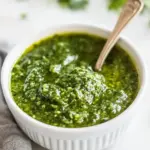
Texture matters. This sauce is not a smooth puree; it should have tiny flecks of herb and garlic so each bite gives you fragrant, fresh bits that adhere to food. That texture plus the emulsified oil gives a satisfying mouthfeel that long cooks or dry rubs can’t provide on their own.
Finally, it’s quick. Five minutes in a machine and you have something that tastes like you worked much harder. That speed and payoff is exactly why home cooks and professionals both keep a jar in the fridge.
Low-Carb/Keto Alternatives
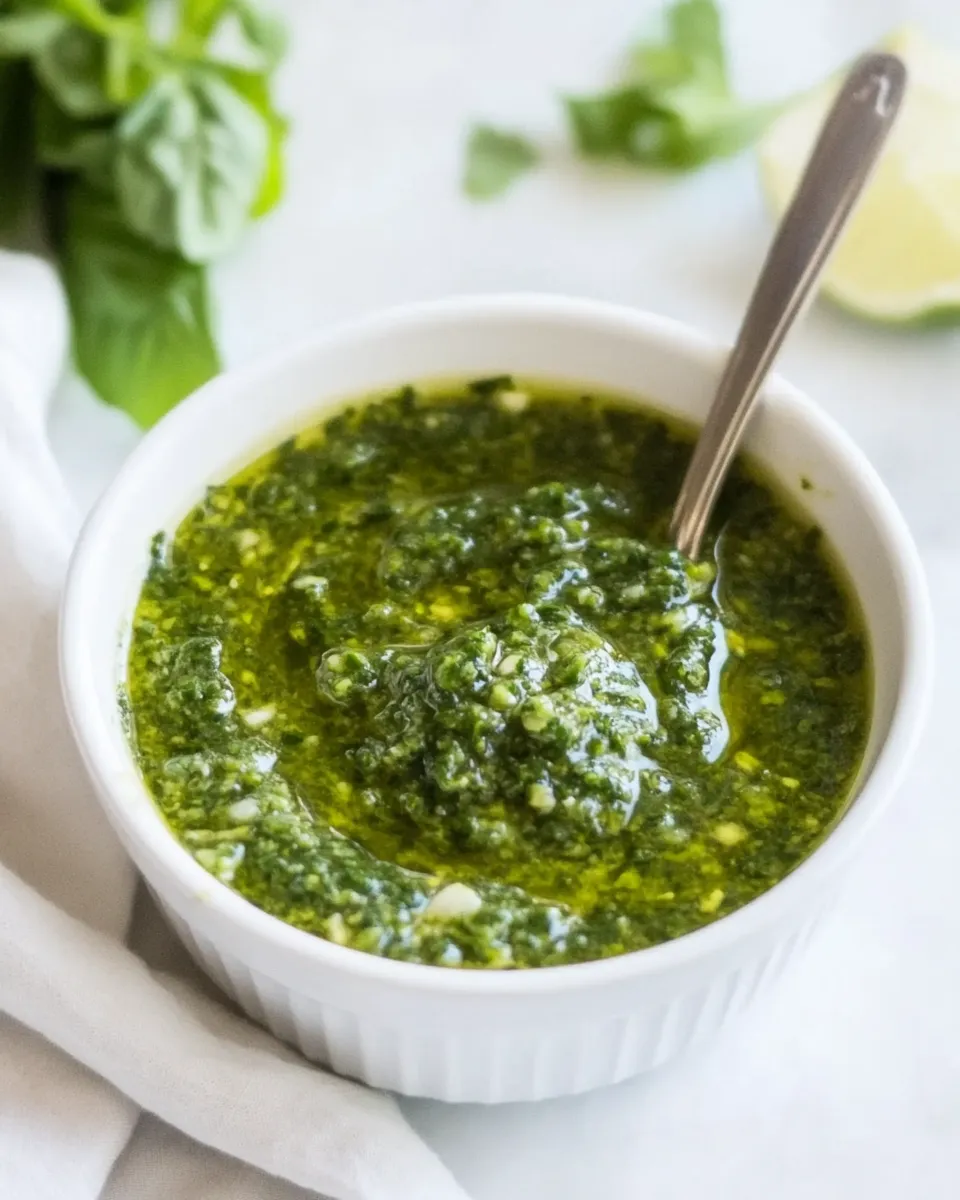
Good news: this chimichurri is naturally low-carb and keto-friendly as written. It’s almost entirely herbs and oil, with a little acid from lime and vinegar, so it fits easily into low-carb menus.
If you need to reduce calories from oil, use the same herb base and slowly whisk in slightly less oil, finishing with a spoon or small whisk to bring it together; the sauce will be thinner but still flavorful. Another practical approach is to use chimichurri as a finishing sauce rather than a dressing so you use less per serving while still getting a big flavor impact.
Recommended Tools
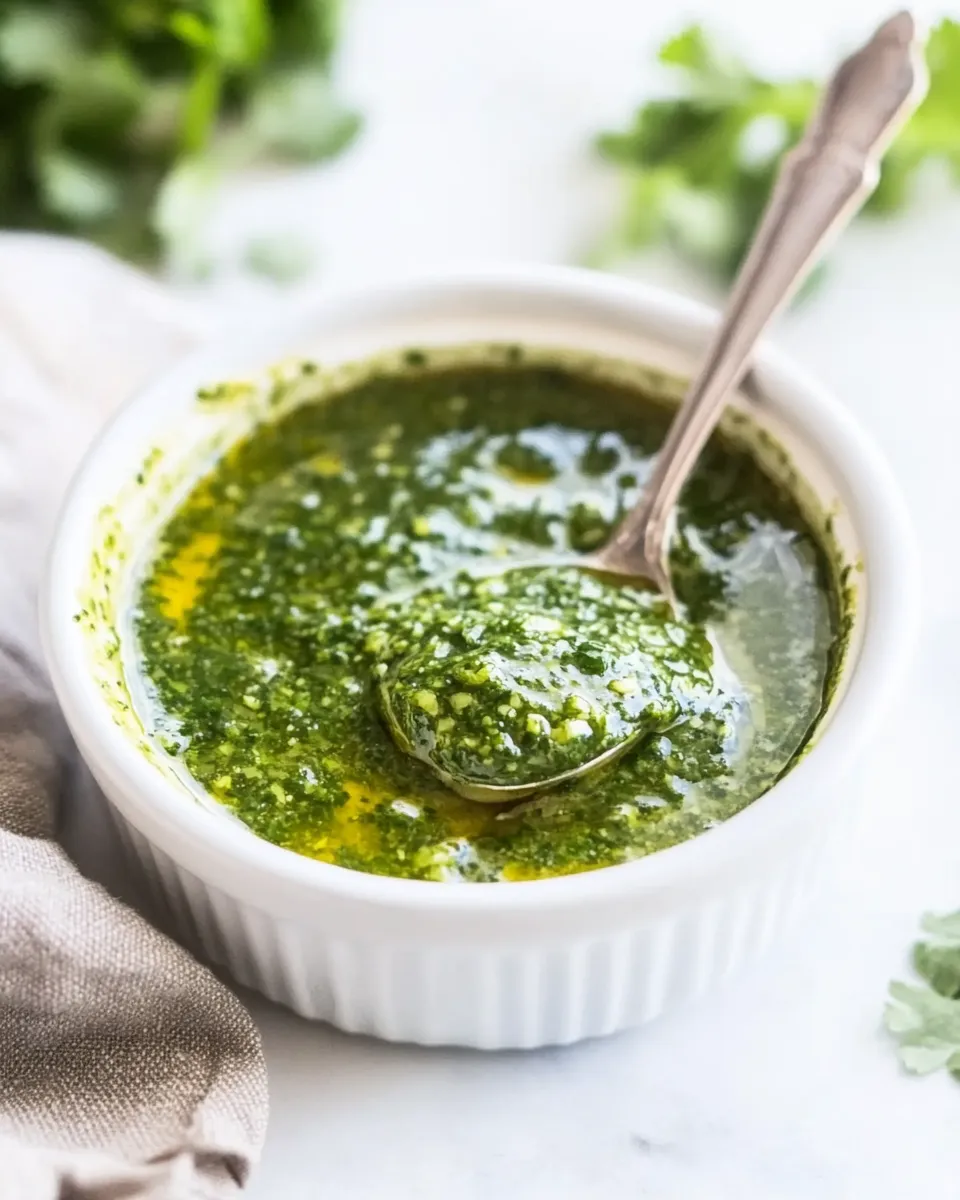
- Blender or food processor — for quick, even chopping and emulsification.
- Microplane or fine grater — for zesting the lime cleanly.
- Measuring spoons and cups — to keep balance consistent, especially salt and oil.
- Spatula — to scrape down sides and get every bit into the mix.
- Glass jar or airtight container — for storing and tasting as the flavors meld.
Easy-to-Miss Gotchas
- Overprocessing: blitzing too long turns chimichurri into a green paste. Stop while it’s slightly textured.
- Adding oil too quickly: pour the oil in a thin, steady stream while the machine runs to allow a proper emulsion; dump it in and the sauce may separate.
- Not scraping the bowl: herbs stick to the sides. Stop once to scrape so everything mixes evenly.
- Using large, woody kale stems: they add bitterness and tough fibers. Strip or discard thick stems before measuring.
- Under-salting: salt brings out herb aromas. The recipe gives a starting point—taste and adjust if needed.
Seasonal Twists
Herb availability shifts through the year. In late spring and summer, use the freshest parsley and oregano at their peak—flavors will be most vibrant. In colder months, the kale helps maintain texture and color when parsley is less lush. Small tweaks to proportions (a bit less kale, a touch more parsley in summer) keep the balance bright.
For a brighter winter version, increase the lime zest slightly for more citrus oil. In summer, let the herbs shine with only a subtle lift from citrus. Those small seasonal adjustments are all you need to keep the sauce tasting like the best version of the season.
Author’s Commentary
I make chimichurri most weekends during grilling season. Sometimes I double the batch because it disappears—used as a spooned-on condiment, a marinade, and even a quick salad dressing. Kale in this recipe is my practical addition: it gives the sauce body so it clings and doesn’t become a thin stream of oil across the plate. If you prefer a looser sauce, reduce the kale or pulse less.
My personal preference is to pulse until the herbs are well broken down but you can still see flecks. I also finish with a final taste for salt and acid—if it feels flat, a quarter-teaspoon more vinegar or a squeeze more lime juice brightens everything up.
Refrigerate, Freeze, Reheat
Refrigerate chimichurri in an airtight jar for up to 4–5 days. The flavors will meld and often taste better after a few hours. If oil solidifies in the fridge, let the jar sit at room temperature for 20–30 minutes or run the container under warm water briefly to liquefy the top layer, then stir.
For longer storage, freeze portions in an ice cube tray. Once frozen, pop the cubes into a labeled bag and keep for up to 3 months. Thaw individual cubes in the refrigerator overnight or at room temperature for an hour before using. Do not microwave—gentle thawing preserves texture and flavor.
Chimichurri Sauce FAQs
Can I make chimichurri ahead of time? Yes. It holds well in the fridge and often tastes better after a few hours when the flavors have had time to marry. Use within 4–5 days.
Should chimichurri be smooth or chunky? That’s a matter of preference. The recipe is written to produce a well-combined but slightly textured sauce. Pulse until you see small herb bits rather than a paste.
How much salt should I use? The recipe starts with 3/4 teaspoon of salt. That suits most palates and balances the herbs and acid; adjust by small increments after tasting.
Can I use this as a marinade? Yes. It’s excellent as a marinade for meat, poultry, or firm vegetables. Reserve a portion squeezed straight over cooked food as a finishing sauce rather than marinating in the portion you plan to spoon over at the end.
Does it keep its color? The green will mellow in the fridge over time. That’s normal. The flavor remains vibrant for several days even if the color deepens.
Bring It Home
This chimichurri is a practical, make-ahead friend in the kitchen—fast to put together, endlessly useful, and forgiving. Follow the straightforward steps, watch your texture, and let the sauce rest a little if you can; the flavors deepen and reward your patience. Keep a jar in the fridge, and you’ll find it livens up dinners more often than you think.
Chimichurri Sauce Recipe
Ingredients
Ingredients
- 2 cupsflat-leaf parsleytightly packed
- 1 cupkale leavestightly packed
- 1/2 cupfresh oregano leavesloosely packed
- 5 clovesgarlicroughly chopped
- Zest of 1 lime
- 1 tablespoonfresh lime juice
- 1 tablespoonwhite vinegar
- 3/4 teaspoonsalt
- 1/4 teaspoonblack pepper
- 1/4 teaspoonred pepper flakesoptional
- 1 cupolive oil
Instructions
Instructions
- Add the parsley, kale, oregano, garlic, lime zest, lime juice, white vinegar, salt, black pepper, and red pepper flakes (if using) to a blender or food processor.
- Pulse or run the machine on low speed until the herbs and garlic are chopped and beginning to combine, stopping once to scrape down the bowl or sides with a spatula.
- With the machine running on low, slowly pour the olive oil in a thin, steady stream into the mixture so the sauce emulsifies.
- Continue processing until the chimichurri reaches your desired texture (well combined but still slightly textured); stop and scrape the bowl once more if needed.
- Serve the chimichurri immediately, or transfer it to a jar or airtight container and store in the refrigerator.
Equipment
- Blender
- Food Processor
- Spatula
- Jar or airtight container
Notes
This sauce is perfect for steak, fajitas, salads, burgers etc.