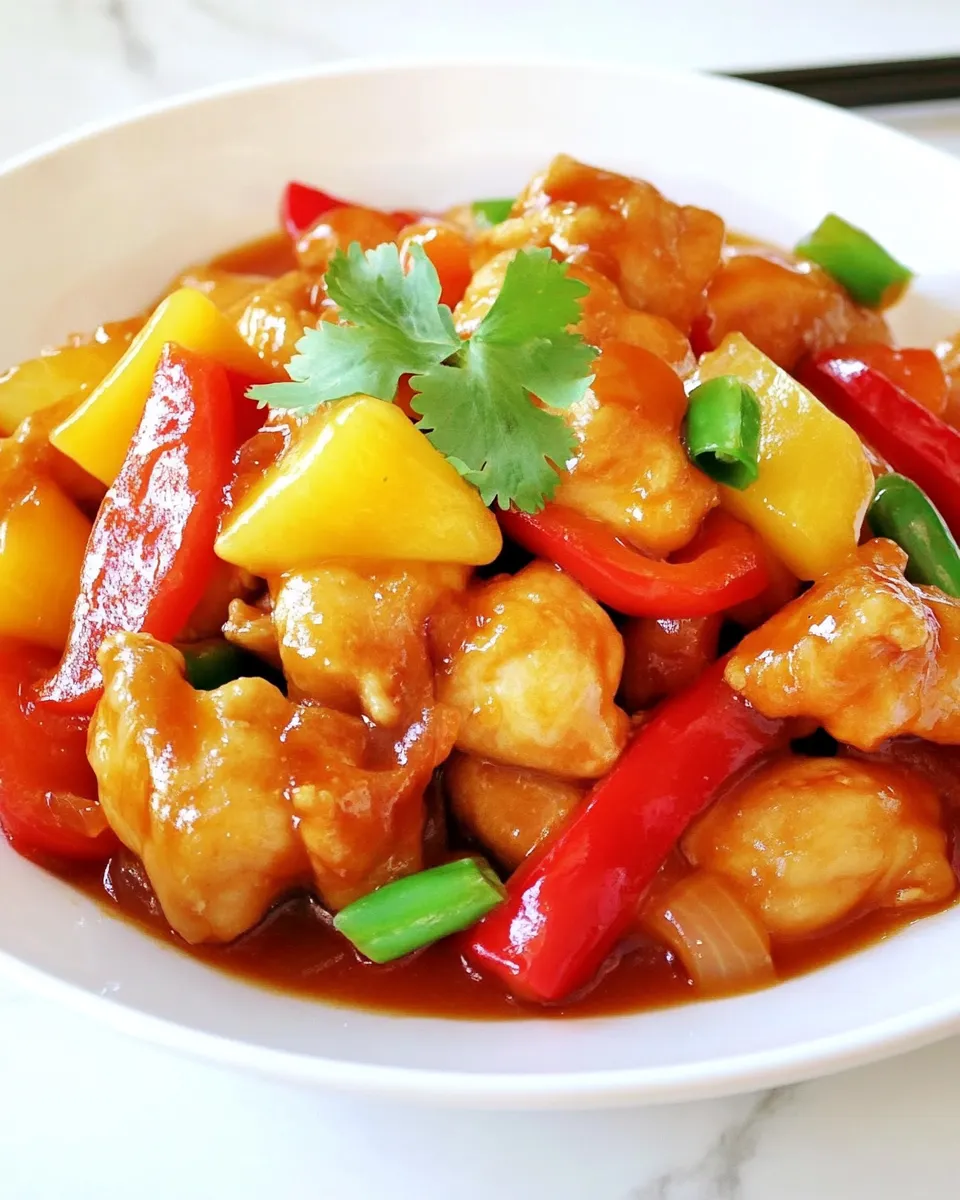
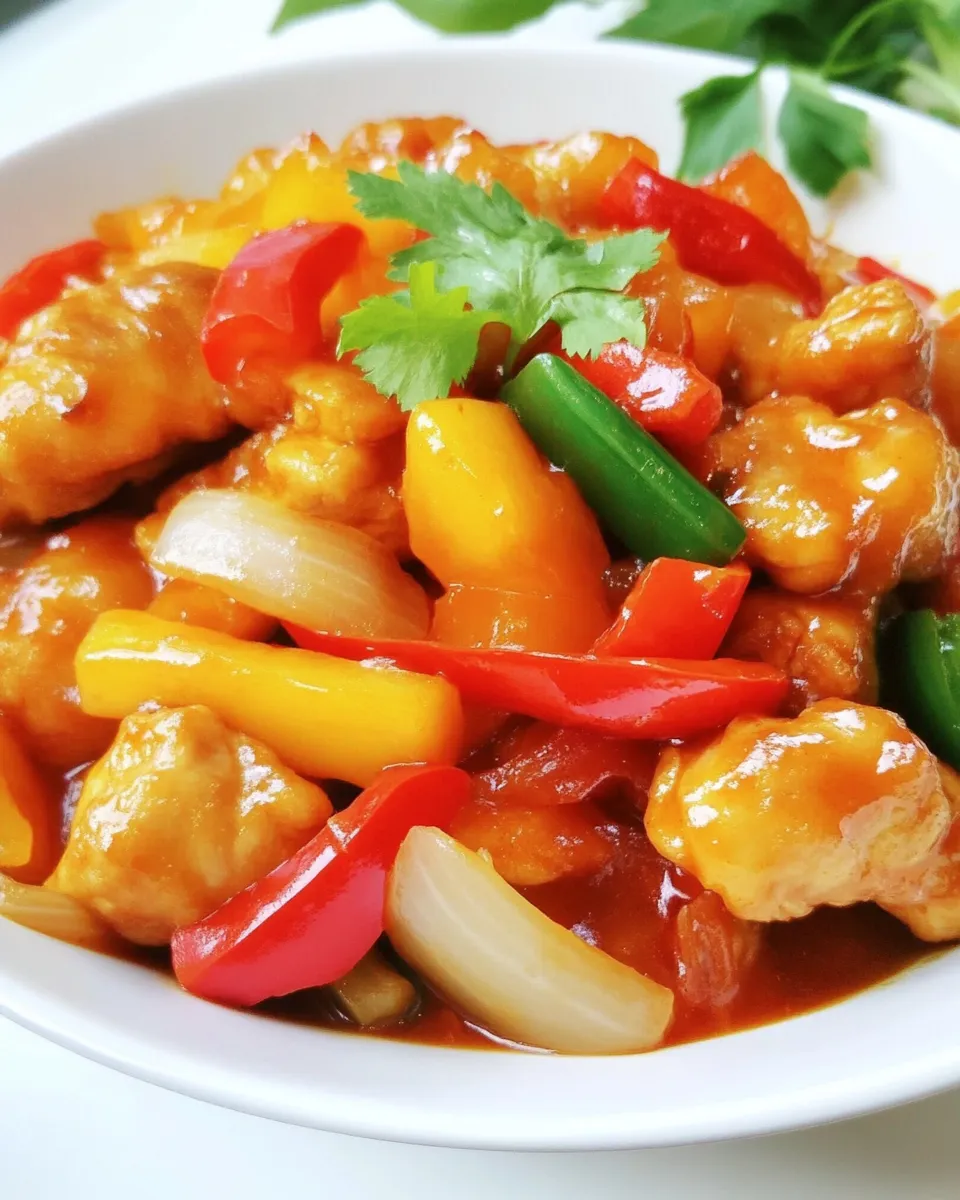
I grew up eating this kind of sweet and sour chicken at restaurants and finally worked out a home version that hits the same notes: crisp-tender chicken, bright bell peppers, juicy pineapple, and a tangy, slightly sweet sauce that clings to every bite. It’s one of those dishes that looks like effort but is actually straightforward once you have your mise en place. I’ll walk you through the exact steps I use so you can get consistent results any night of the week.
What I like most about this recipe is the balance: acid from vinegar and pineapple juice, sweetness from brown sugar and ketchup, and a little heat from cayenne. The coating is light and quick — egg white and cornstarch — which keeps the chicken tender while giving a glossy finish to the sauce. You don’t need to deep-fry or batter for hours; a hot pan and the right timing are all it takes.
Below you’ll find the ingredient list with simple notes, the step-by-step method I follow exactly, helpful swaps that don’t compromise the dish, and practical tips for storing and reheating. Read through once, prep the ingredients, and you’ll be amazed how quickly this comes together.
Gather These Ingredients
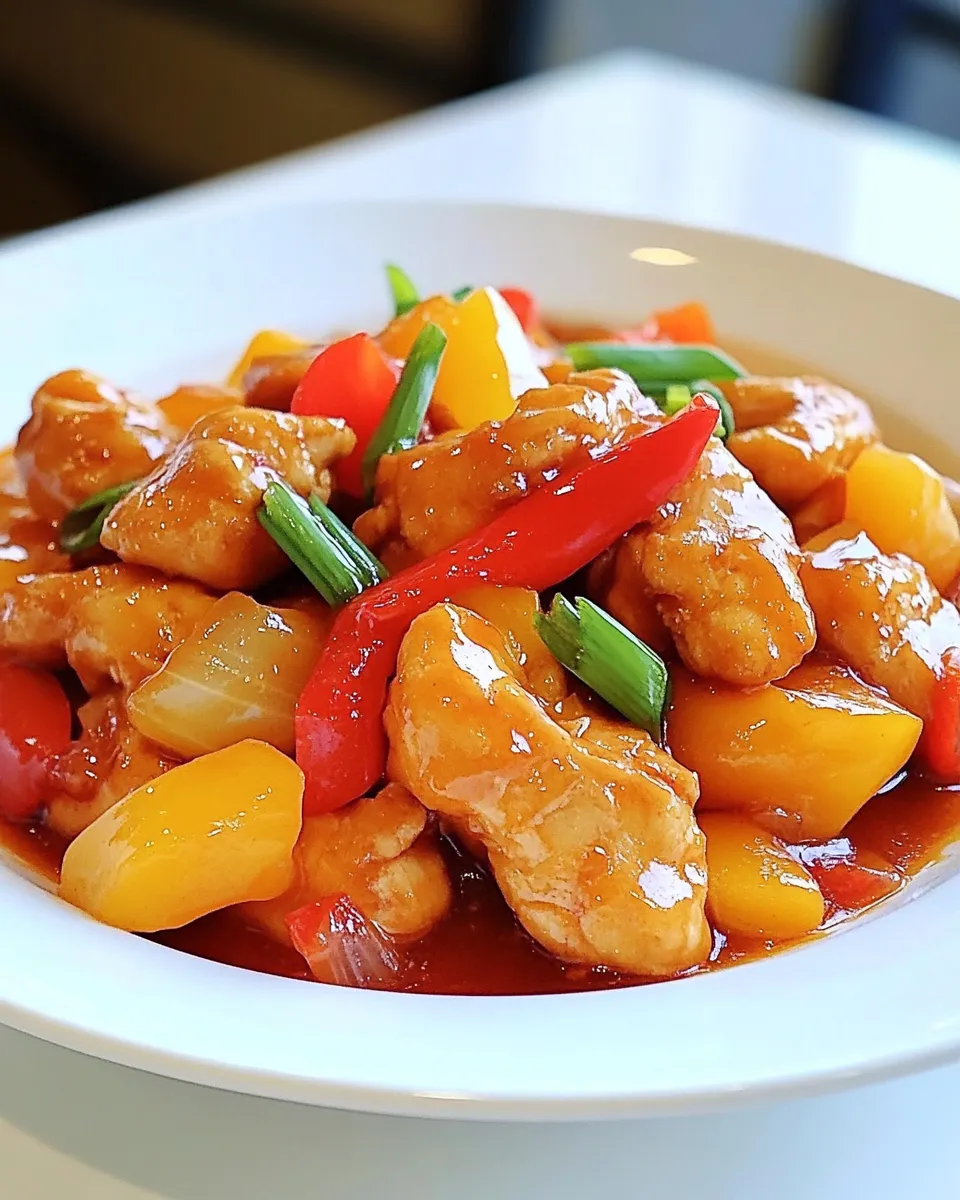
- 1 large egg white — helps the cornstarch cling to the chicken and creates a thin, glossy coating.
- 2 teaspoons cornstarch — the primary coating agent; it crisps slightly and thickens the sauce a touch when combined with the sauce later.
- 1/2 teaspoon salt, divided — seasons both the chicken and the sauce; note that it’s split so the chicken and sauce are balanced.
- 1 pound boneless, skinless chicken breasts or thighs, cut into 1-inch chunks — breasts give lean pieces; thighs add extra richness and stay forgiving if slightly overcooked.
- 8–10 ounces pineapple chunks in juice (reserve the juice) — the pineapple adds sweetness and texture; the reserved juice flavors the sauce.
- 1 teaspoon fresh grated ginger — bright, aromatic backbone for the sauce; don’t skip the fresh if you can help it.
- 1/4 cup white vinegar — provides the tang that balances the sugar and ketchup.
- 1/4 cup ketchup — gives body, color, and a touch of tomato flavor that rounds the sauce.
- 2–3 tablespoons brown sugar — use 2 for milder sweetness, 3 for a sweeter glaze; brown sugar adds a hint of molasses depth.
- 1–2 pinches cayenne pepper — warms the sauce; add more if you like a noticeable kick.
- 2 tablespoons high heat cooking oil, divided (ex. grapeseed, peanut oil) — you need oil that tolerates high heat without smoking; it’s used for quick stir-frying.
- 1 red bell pepper, seeded and cut into 1-inch chunks — color and crunch; cook until slightly tender but still crisp.
- 1 yellow bell pepper, seeded and cut into 1-inch chunks — bright color contrast and sweetness to complement the red pepper.
- 1/2 tablespoon sliced green scallions for garnish (optional) — fresh finish and mild onion flavor; optional but worth using if available.
Cook Chinese Sweet and Sour Chicken Like This
- Drain the pineapple chunks into a bowl, reserving the juice. Measure 1/4 cup of the reserved pineapple juice for the sauce and set it aside; keep the pineapple chunks separate.
- In a medium bowl whisk together 1 large egg white, 2 teaspoons cornstarch, and 1/4 teaspoon of the salt. Add the 1 pound chicken pieces and stir until evenly coated. Let sit 15 minutes at room temperature or cover and refrigerate up to overnight.
- In a second bowl whisk together the reserved 1/4 cup pineapple juice, 1 teaspoon grated fresh ginger, 1/4 cup white vinegar, 1/4 cup ketchup, 2–3 tablespoons brown sugar, the remaining 1/4 teaspoon salt, and 1–2 pinches cayenne pepper. Set the sauce aside.
- Heat a wok or large sauté pan over high heat. Test the heat by flicking a few drops of water into the pan; when a bead of water instantly sizzles and evaporates the pan is ready.
- Add 1 tablespoon of the oil to the hot pan and swirl to coat. Add the red and yellow bell pepper chunks in an even layer and stir-fry for about 2 minutes, until slightly tender but still crisp. Remove the peppers to a plate and wipe the pan dry with a paper towel.
- Return the pan to high heat. When hot (water test), add the remaining 1 tablespoon oil and swirl to coat the pan.
- Add the coated chicken pieces in a single layer, leaving space between pieces if possible. Let the chicken cook undisturbed for about 1 minute, until the bottoms are browned. Flip the pieces and cook the other side about 1 minute; the chicken may still be slightly pink in the middle at this point.
- Add the cooked bell peppers, the pineapple chunks, and the prepared sauce to the pan with the chicken. Stir to combine, then let simmer for about 2 minutes, stirring occasionally, until the chicken is cooked through (no longer pink in the center) and the sauce has thickened slightly.
- Remove the pan from the heat and let the chicken and sauce rest for a few minutes; the sauce will thicken as it cools slightly.
- Garnish with 1/2 tablespoon sliced green scallions if desired and serve warm (for example, over jasmine rice or as part of a multicourse meal).
Why This Recipe Belongs in Your Rotation
This recipe is fast, forgiving, and crowd-pleasing. It comes together in about 20–30 minutes once your chicken is cut and the pineapple juice is measured, so it’s perfect for weeknights when you want something bright and satisfying without a fuss. The method uses a single pan for most of the cooking and keeps the pieces relatively small so they cook quickly and evenly.
The flavors are family-friendly but not bland: the sweetness from brown sugar and pineapple is balanced by vinegar and ginger, and the cayenne adds just a hint of warmth. Because the coating is light, the chicken never gets soggy under the sauce; instead, the sauce clings to the pieces and thickens as it cools, giving a glossy, restaurant-style finish.
Ingredient Swaps & Substitutions
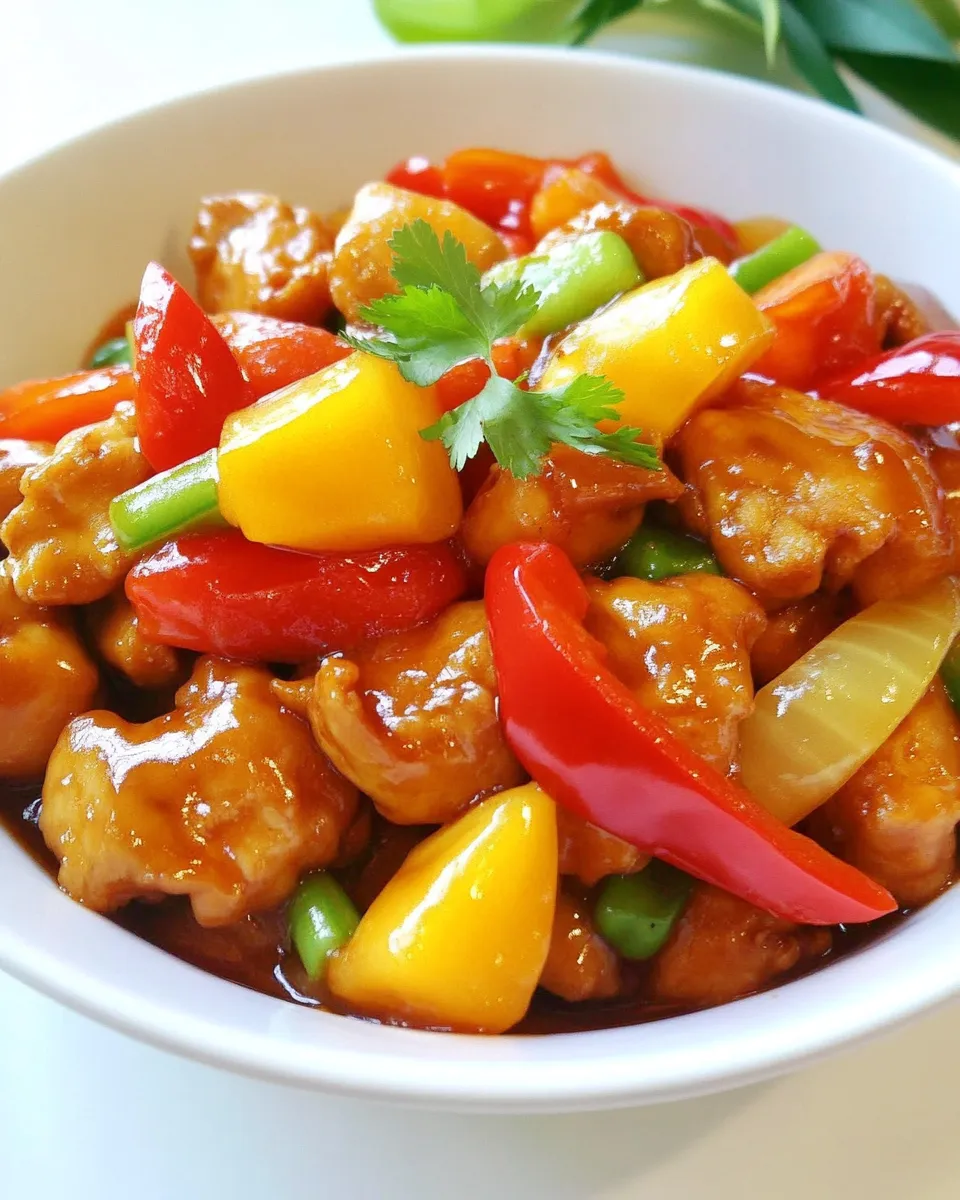
Stick to the provided ingredient list for the core version, but here are safe swaps that keep the dish faithful:
- Chicken breasts vs thighs — the recipe already lists both. Use thighs for juicier meat, breasts if you want leaner pieces.
- Brown sugar amount — use 2 tablespoons for a less sweet sauce, 3 tablespoons if you prefer sweeter glaze; taste the sauce before adding it to the pan if you’re unsure.
- Oil — the recipe names high-heat oils like grapeseed or peanut. Use whichever high-smoke-point oil you have on hand.
- Cayenne — adjust the 1–2 pinches to taste. If you don’t want heat, use the minimum; for a real kick, add a little more.
Appliances & Accessories
A few simple tools make this recipe faster and cleaner:
- Wok or large sauté pan — a wide surface lets you sear chicken in a single layer; a wok concentrates heat well for quick stir-frying.
- Medium bowls — one for the chicken coating and one for the sauce; makes mixing and assembly quick.
- Whisk or fork — to combine egg white, cornstarch, and sauce ingredients smoothly.
- Paper towels — to wipe the pan between cooking peppers and chicken so you get clean, hot sears.
- Tongs or a spatula — for turning chicken pieces without breaking them up.
Easy-to-Miss Gotchas
These small things are easy to overlook but matter:
- Reserve exactly 1/4 cup pineapple juice — using more or less will throw off the sauce balance. Measure it out and set the rest of the juice aside or use it in another recipe.
- Don’t overcrowd the pan — give the chicken pieces space so they brown instead of steaming. Work in batches if necessary.
- Wipe the pan between steps — removing excess moisture after cooking peppers helps you achieve a quick sear on the chicken.
- Let the sauce rest off heat — it thickens slightly as it cools; removing it too early can make it thinner when serving.
- Watch the sugar level — brown sugar varies by brand; if your ketchup is very sweet, start with 2 tablespoons and adjust next time.
In-Season Swaps
When peppers are in season, you’ll notice a marked difference. Use the ripest, crispiest bell peppers you can find — they’ll stay crunchy after a quick stir-fry and add vibrant color. If red and yellow are both available and sweet, use both as written; if one color is more flavorful this week, prioritize that.
Fresh, juicy pineapple will always taste better than a tired can, but if you use fresh pineapple, treat the juice amount carefully: squeeze and measure 1/4 cup for the sauce the same way the recipe directs with reserved canned juice.
Pro Perspective
From a professional standpoint, this recipe is about heat control and timing. Get your pan properly hot for both the peppers and chicken, and don’t rush the browning step — that Maillard reaction gives you the depth of flavor that makes the sauce sing. Wiping the pan between vegetable and protein is a simple chef trick to keep flavors clean and promote rapid searing.
Also, the combination of egg white and cornstarch is intentionally light. It creates a thin barrier that slightly crisps and allows the sauce to coat the chicken rather than shrouding it in heavy batter. For catering or larger batches, you can scale the quantities, but keep the ingredient ratios the same and cook in batches to preserve texture.
Storing, Freezing & Reheating
Store leftover sweet and sour chicken in an airtight container in the refrigerator for up to 3 days. The sauce will thicken as it cools; that’s normal. Reheat gently on the stovetop over medium-low with a splash of water or reserved pineapple juice to loosen the sauce and bring everything back to a glossy state. Microwave reheating works in a pinch, but do short bursts and stir in between to avoid drying the chicken.
I don’t recommend freezing once plated with peppers and sauce — the texture of the peppers changes when thawed. If you need to freeze, freeze the cooked chicken and sauce separately from the peppers and pineapple; defrost overnight in the refrigerator and reheat on the stovetop, adding the peppers near the end to avoid them going limp.
Popular Questions
- Can I use cornstarch alternatives? — The recipe calls for cornstarch specifically; it’s what gives the crisp, glossy coating. If you must substitute, expect differences in texture.
- Why does the sauce go thin sometimes? — Either the pan wasn’t hot enough to reduce slightly, or you added too much liquid. Let the sauce simmer a bit longer and it will thicken as it cools.
- What if my chicken is dry? — That usually means it was overcooked. Use thighs next time or shorten the cooking time, since the pieces are small and will continue cooking in the sauce.
- Can I make the sauce ahead? — Yes. Make and refrigerate the sauce up to a day ahead; bring it to room temperature before adding to the hot pan so it heats evenly.
The Takeaway
This Chinese Sweet and Sour Chicken recipe is a dependable weeknight solution that delivers on color, texture, and flavor without a lot of fuss. Follow the simple coating and pan sequence, measure that reserved pineapple juice, and keep your pan hot. You’ll get glossy, balanced sweet-and-sour sauce, tender chicken, and crisp peppers every time.
Make it once exactly as written, then tweak brown sugar and cayenne to dial the sweetness and heat to your family’s taste. It’s versatile, quick, and one of those dishes that always disappears fast at the table — in other words, a keeper.
Chinese Sweet and Sour Chicken
Ingredients
Ingredients
- 1 largeegg white
- 2 teaspoonscornstarch
- 1/2 teaspoonsalt divided
- 1 poundboneless skinless chicken breasts or thighs, cut into 1-inch chunks
- 8-10 ouncespineapple chunks in juice reserve the juice
- 1 teaspoonfresh grated ginger
- 1/4 cupwhite vinegar
- 1/4 cupketchup
- 2-3 tablespoonsbrown sugar
- 1-2 pinchescayenne pepper or more to taste-- spicy!
- 2 tablespoonshigh heat cooking oil divded(ex. grapeseed, peanut oil)
- 1 red bell pepper seeded and cut into 1-inch chunks
- 1 yellow bell pepper seeded and cut into 1-inch chunks
- 1/2 tablespoonsliced green scallions for garnish optional
Instructions
Instructions
- Drain the pineapple chunks into a bowl, reserving the juice. Measure 1/4 cup of the reserved pineapple juice for the sauce and set it aside; keep the pineapple chunks separate.
- In a medium bowl whisk together 1 large egg white, 2 teaspoons cornstarch, and 1/4 teaspoon of the salt. Add the 1 pound chicken pieces and stir until evenly coated. Let sit 15 minutes at room temperature or cover and refrigerate up to overnight.
- In a second bowl whisk together the reserved 1/4 cup pineapple juice, 1 teaspoon grated fresh ginger, 1/4 cup white vinegar, 1/4 cup ketchup, 2–3 tablespoons brown sugar, the remaining 1/4 teaspoon salt, and 1–2 pinches cayenne pepper. Set the sauce aside.
- Heat a wok or large sauté pan over high heat. Test the heat by flicking a few drops of water into the pan; when a bead of water instantly sizzles and evaporates the pan is ready.
- Add 1 tablespoon of the oil to the hot pan and swirl to coat. Add the red and yellow bell pepper chunks in an even layer and stir-fry for about 2 minutes, until slightly tender but still crisp. Remove the peppers to a plate and wipe the pan dry with a paper towel.
- Return the pan to high heat. When hot (water test), add the remaining 1 tablespoon oil and swirl to coat the pan.
- Add the coated chicken pieces in a single layer, leaving space between pieces if possible. Let the chicken cook undisturbed for about 1 minute, until the bottoms are browned. Flip the pieces and cook the other side about 1 minute; the chicken may still be slightly pink in the middle at this point.
- Add the cooked bell peppers, the pineapple chunks, and the prepared sauce to the pan with the chicken. Stir to combine, then let simmer for about 2 minutes, stirring occasionally, until the chicken is cooked through (no longer pink in the center) and the sauce has thickened slightly.
- Remove the pan from the heat and let the chicken and sauce rest for a few minutes; the sauce will thicken as it cools slightly.
- Garnish with 1/2 tablespoon sliced green scallions if desired and serve warm (for example, over jasmine rice or as part of a multicourse meal).
Equipment
- wok or large sauté pan
- Mixing Bowl
- Whisk
- Measuring cups and spoons
- Plate
- paper towel
Notes
You will also need: Wok or saute pan, medium bowl