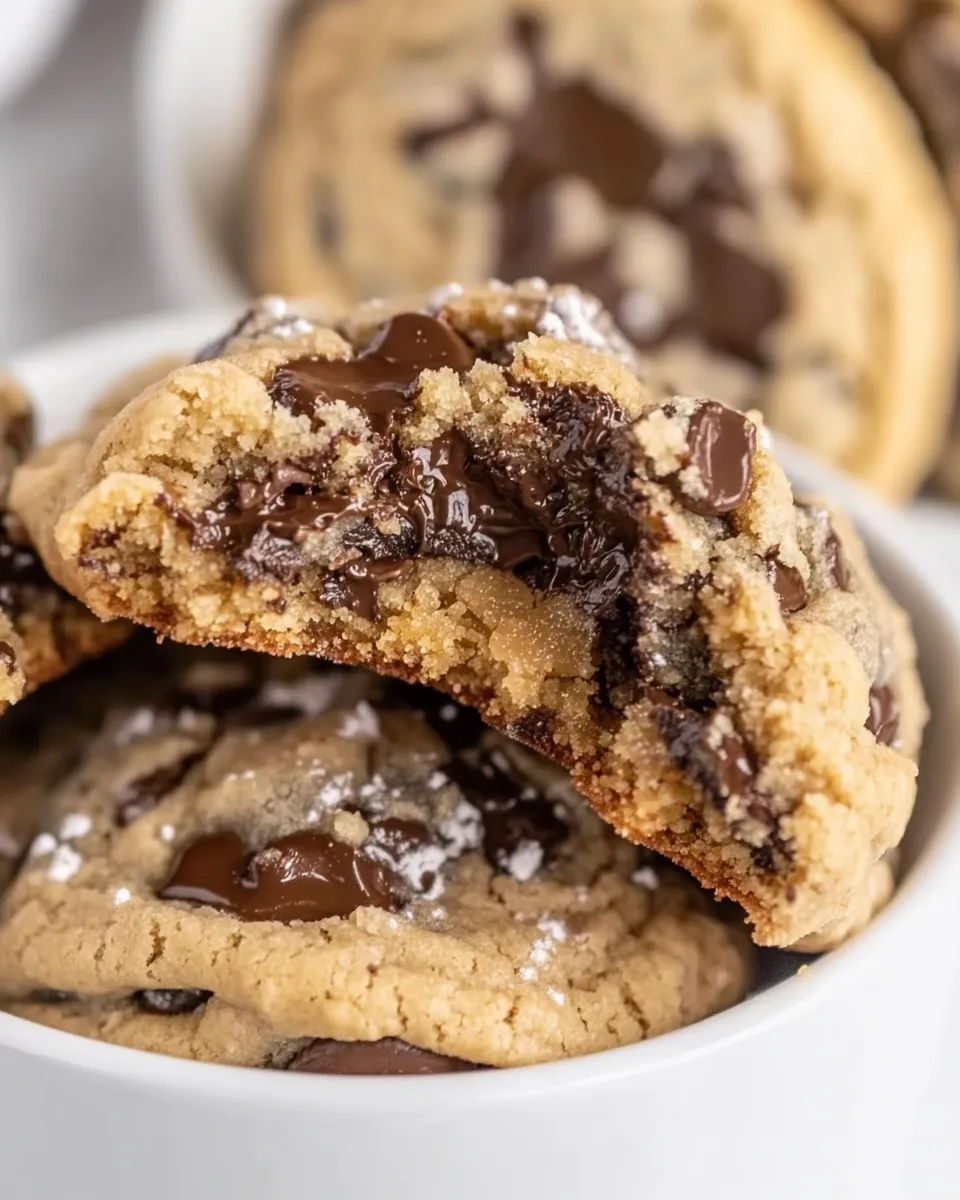
These cookies are the kind you save for company and then eat two while nobody’s looking. Browned butter deepens the flavor, toffee adds a crunchy, buttery pop, and a long rest in the fridge lets the flavors relax and the texture develop. The result is a cookie with crisp, golden edges and a tender, slightly chewy center dotted with dark chocolate and toffee bits.
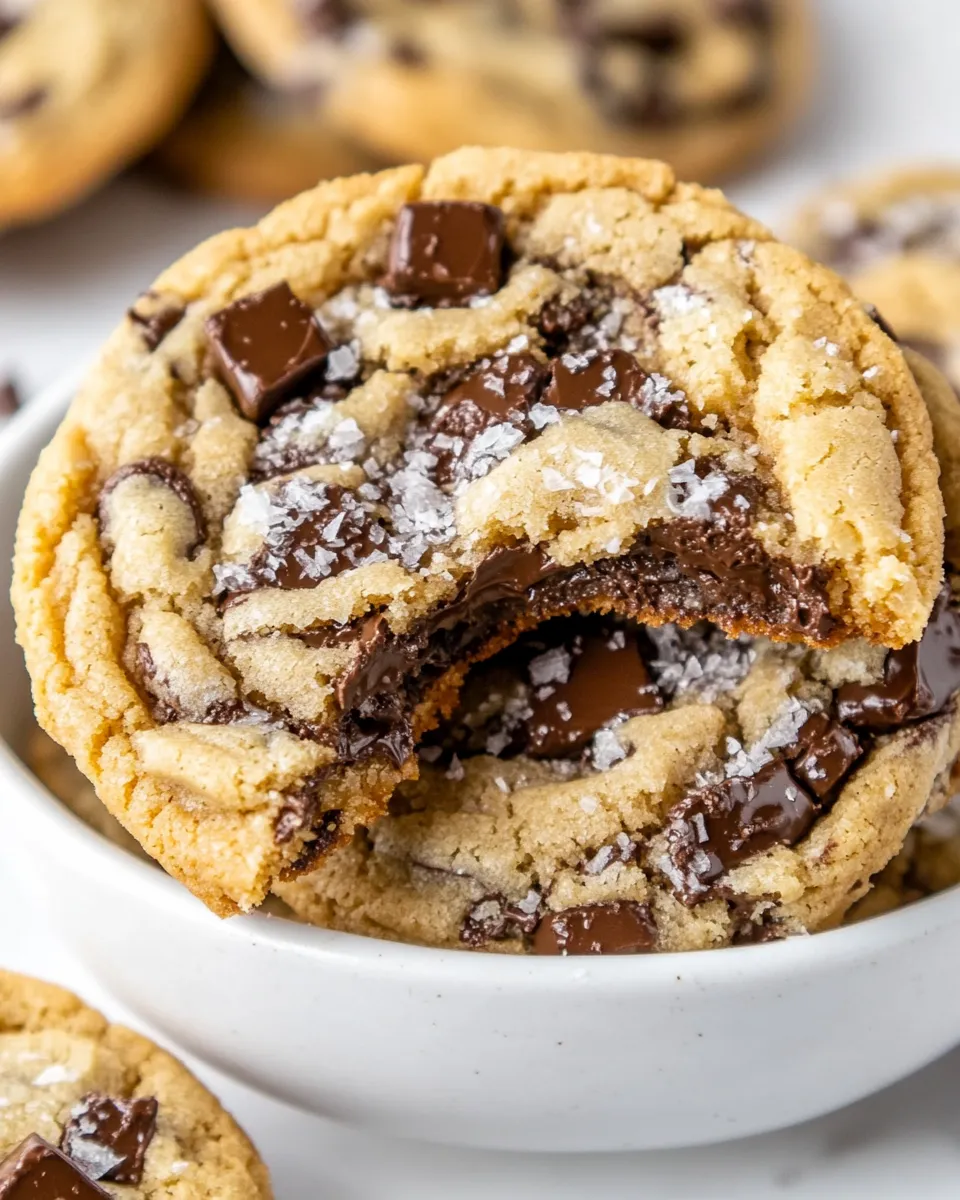
You’ll appreciate that this recipe is all about technique more than showy ingredients. The dough benefits from a brief chill, and the flour mix (cake flour plus bread flour) is calibrated to give structure without heaviness. A sprinkle of flaky sea salt at the end balances the sweetness and highlights the toffee.
I tested this batch across a few ovens and different cooling times so I can tell you exactly what to watch for. Follow the method as written, keep an eye on baking time, and you’ll get consistent cookies every time. Now, let’s walk through the ingredients and the steps so you can get these into your oven with confidence.
The Ingredient Lineup
- 2 cups minus 2 tablespoons cake flour — keeps the interior tender and soft; measure by spooning and leveling for accuracy.
- 1 ⅔ cups bread flour — adds structure and chew; it balances the cake flour to give a slightly chewy edge.
- 1 ¼ teaspoons baking soda — provides lift and helps the cookies spread correctly.
- 1 ½ teaspoons baking powder — supports rise and texture; combined with baking soda for balanced leavening.
- 1 ½ teaspoons kosher salt — seasons the dough; crucial for flavor contrast (reduce only if using fine salt).
- 1 ¼ cups unsalted butter browned and cooled — the flavor star; brown until nutty and then cool so it doesn’t cook the eggs.
- 1 ¼ cups packed light brown sugar — adds moisture and caramel notes; packs naturally around the toffee flavors.
- 1 cup plus 2 tablespoons granulated sugar — balances sweetness and helps with spread and crisp edges.
- 2 large eggs plus 1 egg yolk room temperature — eggs add structure and richness; room temperature blends more evenly.
- 2 teaspoons pure vanilla extract — rounds the flavors and complements the brown butter.
- 1 10-ounce bag dark chocolate chips — for pockets of chocolate that contrast the toffee; use good-quality chips.
- 1 8-ounce bag Heath Milk Chocolate English Toffee Bits — gives crunchy, buttery toffee pieces throughout the cookie.
- flaky sea salt — optional finishing touch; sprinkle sparingly right after baking to enhance contrast.
Stepwise Method: (Chocolate Chip Cookies with Brown Butter and Toffee)
- Sift the cake flour, bread flour, baking soda, baking powder, and kosher salt into a medium bowl and set aside.
- Fit a mixer with the paddle attachment. Add the cooled browned unsalted butter, packed light brown sugar, and granulated sugar to the mixer. Beat at medium speed for about 3 minutes, until smooth and combined.
- With the mixer running at medium-low, add the 2 large eggs one at a time, mixing well after each addition. Add the egg yolk and mix until incorporated. Stir in the vanilla extract.
- Reduce the mixer speed to low. Add the sifted dry ingredients and mix only until just combined, about 5–10 seconds. Scrape the bowl as needed.
- With the mixer still on low, gradually add the dark chocolate chips and the Heath toffee bits. Mix only until they are evenly distributed and the dough is just combined. Do not overmix.
- Press plastic wrap directly against the surface of the dough to prevent a skin from forming. Refrigerate the dough for 24 to 36 hours. (The dough can be used in batches and may be refrigerated for up to 72 hours total.)
- When ready to bake, remove the dough from the refrigerator and let it sit at room temperature for about 30 to 60 minutes to soften slightly. While the dough is softening, preheat the oven to 350°F and line a baking sheet with parchment paper.
- Portion the dough into balls about 3 ounces each using a scale or cookie scoop.
- Place the dough balls on the prepared baking sheet, leaving a few inches between each to allow for spreading.
- Bake at 350°F for 16–18 minutes, until the edges are golden brown but the centers still look soft.
- If desired, immediately sprinkle the hot cookies with flaky sea salt right after they come out of the oven.
- Transfer the baking sheet to a wire rack and let the cookies rest on the sheet for 10 minutes, then move the cookies to another wire rack to finish cooling. Repeat with remaining dough, or keep leftover dough refrigerated for baking later.
Why This Recipe Works
The combination of cake flour and bread flour is deliberate. Cake flour softens the crumb so the center stays tender, while bread flour contributes gluten for chew and structure. That balance yields edges that crisp and centers that remain slightly yielding.
Brown butter changes the flavor profile significantly. Browning concentrates the milk solids and introduces nutty, caramel-like notes that pair beautifully with toffee. Cooling the browned butter before mixing prevents it from cooking the eggs and keeps the dough texture right.
Resting the dough in the refrigerator for 24–36 hours is not just convenience—it’s chemistry. The chill time lets the flour fully hydrate and the flavors meld. Sugar also recrystallizes slightly, which controls spread and deepens flavor. You get better texture and a more complex taste than if you bake right away.
Texture-Safe Substitutions
- Butter — swapping to an all-margarine or plant-based spread will change flavor and likely spread; for similar texture use a high-fat European-style butter if available.
- Flours — replacing the flour blend will alter texture. A straight all-purpose swap will produce a somewhat different chew; if you must, use AP but expect less tender centers.
- Sugars — reducing granulated sugar will reduce crispness; replacing brown sugar with all white sugar will remove molasses flavor and make cookies crisper.
- Chocolate/Toffee — different chocolate percentages or chopped bars work, but avoid very low-quality chocolate that can become greasy when baked.
- Eggs — eggs are structural; swapping to an egg replacer will change tenderness and spread. If you need to adapt, test a small batch first.
Recommended Tools
- Stand mixer with paddle attachment — makes creaming and mixing consistent; the paddle keeps mix gentle.
- Fine-mesh sieve or sifter — for aerating flours and evenly distributing leaveners.
- Kitchen scale — for accurate 3-ounce portions and consistent cookies.
- Cookie scoop or portioning tool — speeds up scooping and keeps portions uniform.
- Parchment paper and wire racks — parchment prevents sticking and racks cool cookies properly.
- Heavy-bottomed skillet or saucepan — for browning butter evenly without burning.
Frequent Missteps to Avoid
- Skipping the chill — baking the dough right away yields flatter, less-flavored cookies. The 24–36 hour rest is important.
- Using hot browned butter — if butter is still warm it can cook the eggs and create greasy dough. Cool fully before mixing.
- Overmixing after adding flour — mix just until combined. Overworked dough develops too much gluten and becomes tough.
- Incorrect portion size — these are 3-ounce cookies; much smaller balls will bake faster and be drier, larger balls need more time to bake through.
- Ignoring oven temperature — an oven thermometer saves you; 350°F should be accurate for the listed bake time.
Tailor It to Your Diet
If you need gluten-free, use a reliable 1:1 gluten-free flour blend that contains xanthan gum; expect some texture differences and shorter chill times may be necessary. For dairy-free, swap to a high-quality plant-based butter with a similar fat content; flavor will be different and toffee bits containing dairy will need a replacement. For egg-free or vegan adaptations, try commercial egg replacers or a tested flax/chia binder, but test a small batch first because eggs contribute lift and chewiness.
For lower-sugar options, reduce granulated sugar slightly and increase bake time carefully to avoid overly soft centers. Remember any change can alter spread, so adjust chilling and baking time accordingly.
If You’re Curious
Brown butter is simply butter cooked until the milk solids toast and turn brown, bringing out nutty, caramel-like aromatics. That flavor depth pairs fantastically with toffee, where caramelized sugar and milk solids already exist. The dark chocolate chips keep the cookie from becoming cloying by adding bitter-sweet contrast.
The split between cake and bread flours is an old baker’s trick. Cake flour has less protein, so it keeps softness. Bread flour has more protein, so it holds up to the toffee bits and prevents the cookie from collapsing. Together they create the best of both worlds.
Save for Later: Storage Tips
- Cooked cookies — store in an airtight container at room temperature for up to 4 days; place a paper towel to absorb excess moisture if needed.
- Longer storage — freeze baked cookies in a single layer on a tray, then transfer to a freezer-safe bag; thaw at room temperature.
- Dough — follow the recipe’s guidance: refrigerate dough for 24–36 hours for best results; dough can be refrigerated up to 72 hours total. For longer storage, freeze portioned dough balls and bake from frozen, adding a couple of extra minutes to the bake time.
Questions People Ask
- Can I skip browning the butter? — You can, but you’ll lose that nutty depth. If short on time, melt and cool butter, but flavor will be milder.
- Why rest the dough so long? — Resting hydrates flour, concentrates flavor, and reduces spread for better texture.
- My cookies came out too flat—what happened? — Likely warm dough, too little flour, or under-chilled dough. Chill longer and check oven temp.
- Can I halve the recipe? — Yes; keep the same proportions and follow the same timeline for chilling and baking.
- Do I have to use Heath toffee bits? — The recipe calls for Heath toffee bits; you can use a similar toffee candy if you prefer but expect flavor differences.
Hungry for More?
If you enjoyed this version, try experimenting with different chocolate types (mix dark and milk) or folding in a few toasted nuts for crunch. Keep notes on any adjustments so you can reproduce your favorite variation. Baking is part technique, part taste—once you master the base recipe you can riff confidently.
These cookies perform well for gifts, parties, or a quiet weekend treat. Make a double batch, portion and freeze the dough, and you’ll have fresh-baked cookies whenever you want them.

Chocolate Chip Cookies with Brown Butter and Toffee
Ingredients
Ingredients
- 2 cupsminus 2 tablespoons cake flour
- 1 2/3 cupsbread flour
- 1 1/4 teaspoonsbaking soda
- 1 1/2 teaspoonsbaking powder
- 1 1/2 teaspoonskosher salt
- 1 1/4 cupsunsalted butterbrowned and cooled
- 1 1/4 cupspacked light brown sugar
- 1 cupplus 2 tablespoons granulated sugar
- 2 large eggs plus 1 egg yolkroom temperature
- 2 teaspoonspure vanilla extract
- 1 10- ouncebag dark chocolate chips
- 1 8- ouncebag Heath Milk Chocolate English Toffee Bits
- flaky sea salt
Instructions
Instructions
- Sift the cake flour, bread flour, baking soda, baking powder, and kosher salt into a medium bowl and set aside.
- Fit a mixer with the paddle attachment. Add the cooled browned unsalted butter, packed light brown sugar, and granulated sugar to the mixer. Beat at medium speed for about 3 minutes, until smooth and combined.
- With the mixer running at medium-low, add the 2 large eggs one at a time, mixing well after each addition. Add the egg yolk and mix until incorporated. Stir in the vanilla extract.
- Reduce the mixer speed to low. Add the sifted dry ingredients and mix only until just combined, about 5–10 seconds. Scrape the bowl as needed.
- With the mixer still on low, gradually add the dark chocolate chips and the Heath toffee bits. Mix only until they are evenly distributed and the dough is just combined. Do not overmix.
- Press plastic wrap directly against the surface of the dough to prevent a skin from forming. Refrigerate the dough for 24 to 36 hours. (The dough can be used in batches and may be refrigerated for up to 72 hours total.)
- When ready to bake, remove the dough from the refrigerator and let it sit at room temperature for about 30 to 60 minutes to soften slightly. While the dough is softening, preheat the oven to 350°F and line a baking sheet with parchment paper.
- Portion the dough into balls about 3 ounces each using a scale or cookie scoop.
- Place the dough balls on the prepared baking sheet, leaving a few inches between each to allow for spreading.
- Bake at 350°F for 16–18 minutes, until the edges are golden brown but the centers still look soft.
- If desired, immediately sprinkle the hot cookies with flaky sea salt right after they come out of the oven.
- Transfer the baking sheet to a wire rack and let the cookies rest on the sheet for 10 minutes, then move the cookies to another wire rack to finish cooling. Repeat with remaining dough, or keep leftover dough refrigerated for baking later.
Equipment
- Nordic Ware Aluminum Half Sheet Pans
- Pre-Cut Parchment Paper Baking Sheets
- Food Scale
Notes
If you don’t have cake flour on hand, try a simplecake flour substitute.
Learnhow to brown butter.
Out of brown sugar or yours has hardened? Learn how to make abrown sugar substituteandhow to soften brown sugar.
Try freezing the dough for cookies on demand! Follow my instructions forhow to freeze cookie dough.