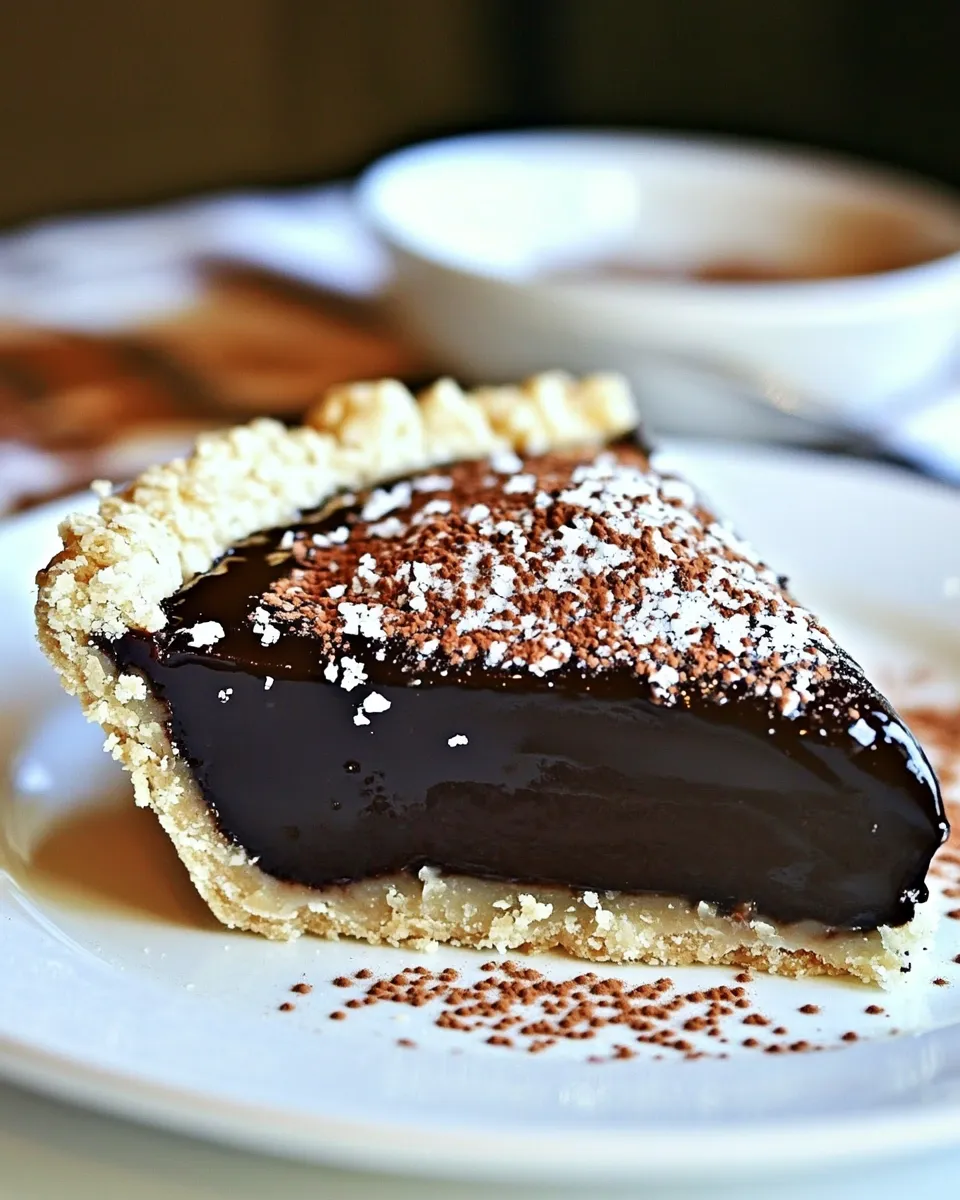
This pie is a weekday-worthy showstopper: crisp nutty crust, dense chocolate ganache, and a confident espresso kick. It’s one of those desserts that looks like it took all day but comes together with a handful of straightforward moves. No tempering, no special skills — just a little patience while the ganache sets.
I like it because it’s forgiving and surprisingly elegant. The almond crust keeps the base gluten-free if you avoid the optional coconut oil swap, and the espresso powder lifts the chocolate so the finish isn’t cloying. Serve it after a simple dinner and watch conversations linger.
Below you’ll find a concise shopping list, the exact ingredient breakdown, step-by-step directions that follow the recipe precisely, and practical troubleshooting tips. If you want variations or storage notes, there’s a section for that too. Let’s make the pie.
What to Buy
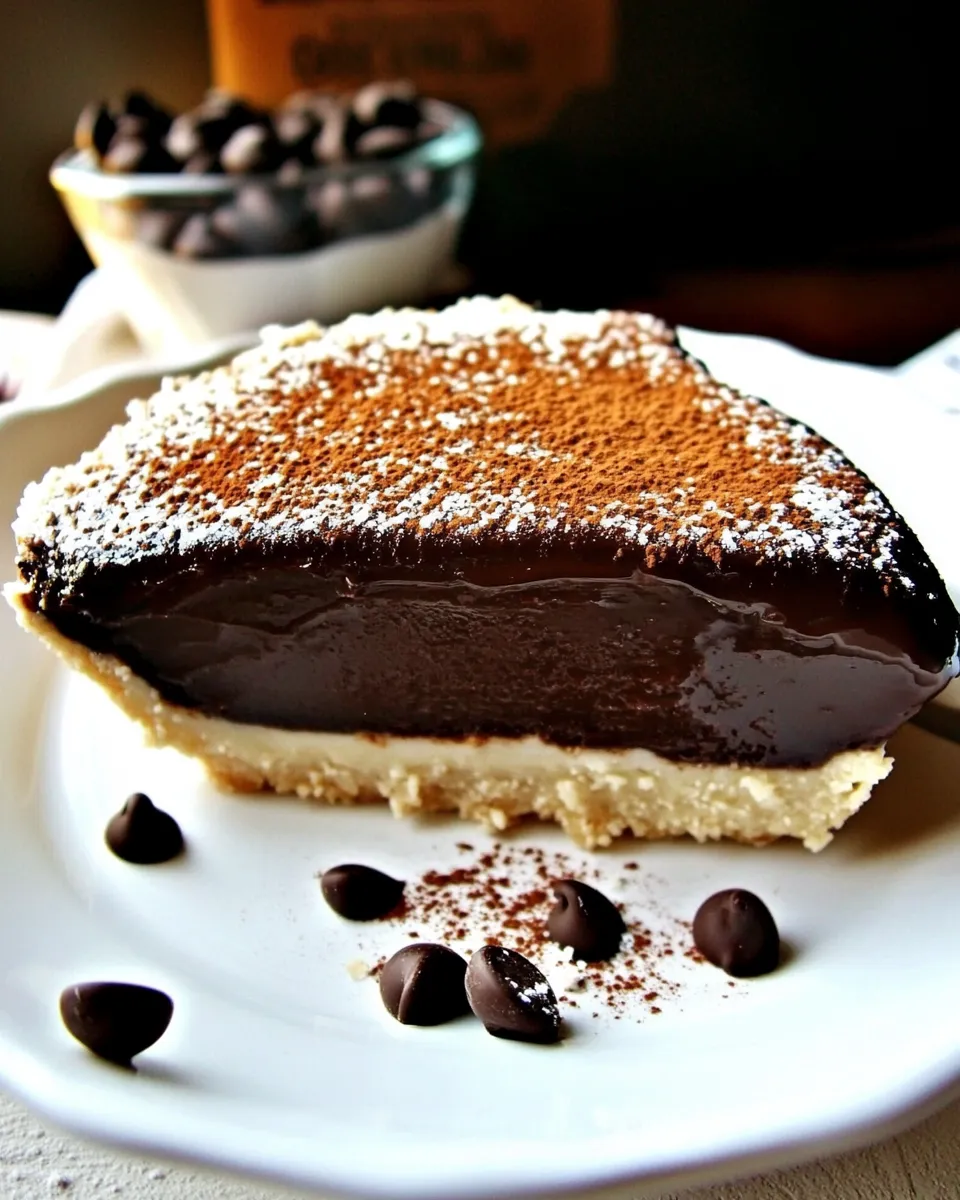
Buy quality chocolate and real espresso powder — they make a measurable difference. Choose a good unsalted butter and fresh heavy cream. If you prefer a dairy-free crust option, pick virgin coconut oil, but keep the ganache dairy unless you want a different chemical outcome.
Ingredients
- 3 cups (288 g) almond flour — forms the nutty, slightly crumbly crust base.
- 1/2 teaspoon (3 g) baking soda — adds a touch of lift and prevents a dense crust.
- 1/4 teaspoon (1 g) kosher salt — balances sweetness and deepens flavor.
- 4 tablespoons (57 g) butter, cold, diced (or coconut oil) — binds the crust and browns lightly; cold pieces create a flaky texture.
- 1 tablespoon (20 g) maple syrup — a small sweetener and binder for the crust; gives subtle caramel notes.
- 12 ounces (340 g) chocolate chips — the ganache base; choose a semisweet or bittersweet blend you enjoy.
- 4 tablespoons (57 g) butter — enriches the ganache and adds sheen.
- 1 cup (238 g) heavy cream — the liquid that turns chocolate into ganache; full fat for best set and flavor.
- 2 tablespoons (14 g) espresso powder — amplifies chocolate without adding coffee bitterness when dissolved properly.
- 2 tablespoons (40 g) maple syrup — sweetens the ganache while keeping it glossy.
- 1/4 teaspoon (0.6 g) kosher salt — a final seasoning to sharpen chocolate notes.
Chocolate Espresso Ganache Pie: How It’s Done
- Preheat oven to 350°F (175°C) and place a rack in the middle position.
- In a large bowl, combine 3 cups (288 g) almond flour, 1/2 teaspoon (3 g) baking soda, and 1/4 teaspoon (1 g) kosher salt. Add 4 tablespoons (57 g) cold diced butter and cut it into the dry ingredients with a pastry blender or two forks until the butter is in small pea-sized pieces. Stir in 1 tablespoon (20 g) maple syrup until the mixture holds together when pressed.
- Press the crust mixture evenly into the bottom (and slightly up the sides, if you like) of a pie pan, compacting it so it forms a firm, even layer.
- Bake the crust for 20–30 minutes, until it is lightly golden brown. Remove from oven and allow the crust to cool while you make the ganache.
- Place 12 ounces (340 g) chocolate chips and 4 tablespoons (57 g) butter in a heatproof bowl.
- In a small saucepan, combine 1 cup (238 g) heavy cream and 2 tablespoons (14 g) espresso powder. Heat over medium, stirring, until the cream is hot and the espresso powder is fully dissolved and the mixture is just simmering—do not boil.
- Pour the hot espresso cream over the chocolate and butter. Let sit 1–2 minutes, then stir gently until the chocolate and butter are fully melted and the mixture is smooth. Stir in 2 tablespoons (40 g) maple syrup and 1/4 teaspoon (0.6 g) kosher salt until incorporated.
- Pour the ganache into the baked, cooled crust and smooth the top. Refrigerate for 4 hours (or up to overnight) until set. Serve cold.
Why Cooks Rave About It
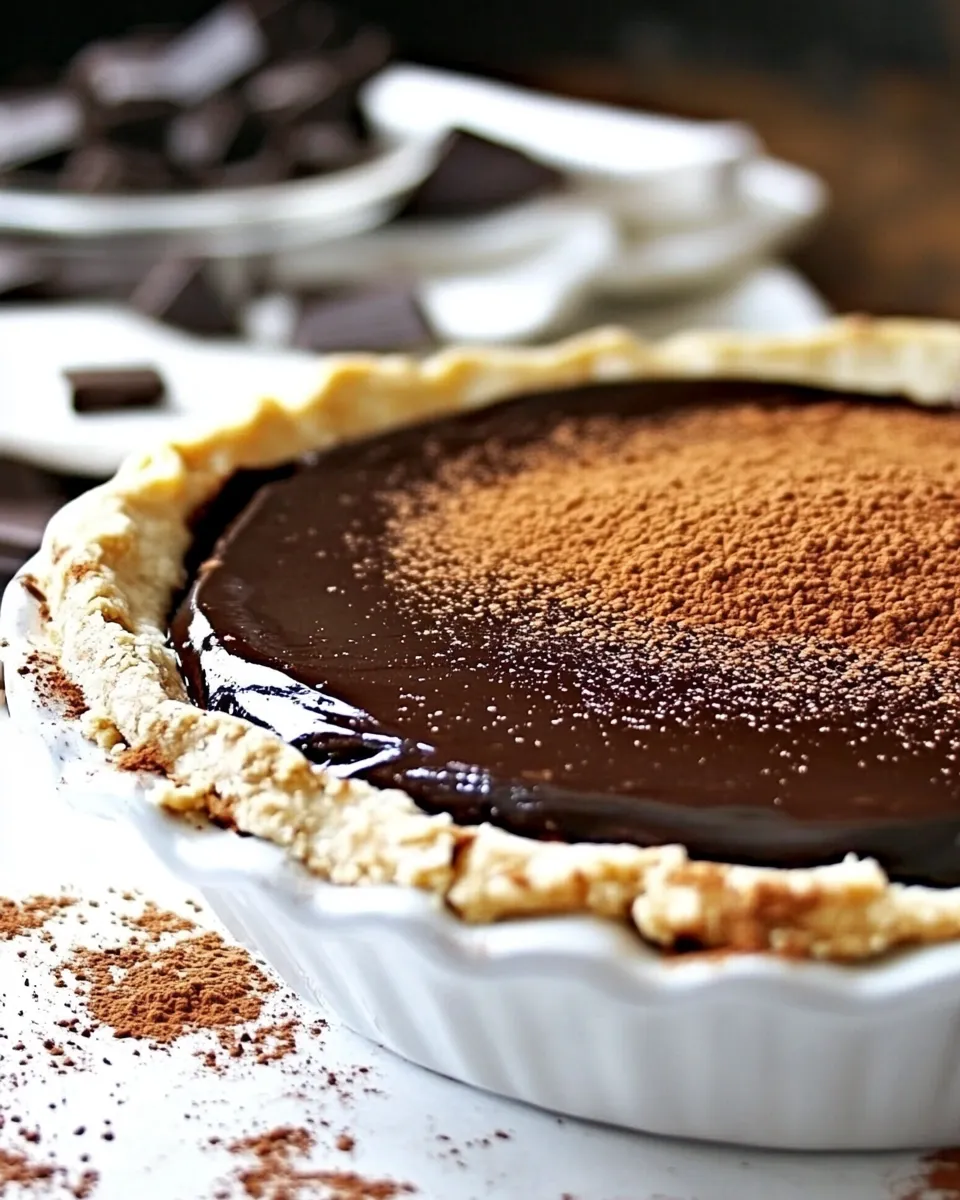
It’s the balance. Rich chocolate and bright espresso create depth without bitterness. The almond crust adds texture and a slightly toasted note that cuts through the ganache’s richness. Bakers appreciate the straightforward technique: there’s no multi-step custard or tempering, and it rewards patience rather than precision.
The flavor profile is versatile. It works after casual family meals and also stands up on a dessert plate for guests. It stores well, slices cleanly when chilled, and the components — crust and ganache — can be tweaked independently without breaking the recipe.
Swap Guide
Want to change one element? Here’s what to expect with safe swaps.
- Almond flour: Substituting with another nut flour (like hazelnut) will change flavor and oil content; reduce added fats slightly if the substitute is oilier. Wheat flour is not a 1:1 swap here and will alter texture significantly.
- Butter in crust: Coconut oil works as suggested, and it produces a crisper, slightly coconutty crust. Use cold, solid coconut oil the way you would butter.
- Chocolate chips: Use a chopped chocolate bar labeled 55–70% cacao for a more complex flavor. Avoid white chocolate unless you want a very different pie.
- Heavy cream: For a lighter ganache, try half-and-half, but expect a softer set and shorter refrigeration time. For dairy-free ganache, use a full-fat coconut cream and be ready for a coconut note.
- Maple syrup: Honey or agave can substitute for maple syrup in small amounts. They’ll affect flavor, so choose based on the profile you want.
Must-Have Equipment
You don’t need special tools, but these items make the process smoother:
- Pie pan (9-inch recommended) — for even shape and predictable bake time.
- Pastry blender or two forks — to cut cold butter into the almond flour.
- Heatproof bowl — for melting chocolate safely over hot cream or in a double-boiler setup.
- Small saucepan — for heating cream and dissolving espresso powder.
- Spatula and whisk — to stir ganache until glossy and homogenous.
Pitfalls & How to Prevent Them
Crust problems
Undercooked crust: If the crust is pale and soft after the prescribed bake, return it to the oven for 5–10 minutes and check again. Use the edge color and a lightly browned surface as your cue.
Too crumbly crust: If you pressed the crust too lightly or didn’t get enough cold butter distributed, it will crumble. Re-press the warm crust and allow it to cool and firm. In future batches, ensure the butter stays cold and compact the mixture firmly into the pan.
Ganache problems
Seized chocolate: Overheating the cream or letting it boil can cause issues. Heat the cream until it just simmers. When you pour it over the chocolate, give it the 1–2 minute rest before stirring; this lets the heat soften the chocolate gradually.
Runny ganache: If the ganache won’t set, it might be because the ratio of cream to chocolate is off or the pie wasn’t refrigerated long enough. This recipe balances those ratios, so follow measurements closely and chill for the full 4 hours or overnight for a firm set.
Grainy texture: Stir gently and deliberately once the cream hits the chocolate. Whisking too vigorously while the chocolate is melting can introduce graininess. A gentle fold and patience produce a smooth finish.
Fresh Takes Through the Year
Winter: Garnish with candied orange peel or a dusting of flaky salt and cocoa for contrast. The warm citrus pairs nicely with the deep chocolate-espresso notes.
Spring: Top with lightly macerated berries for a bright counterpoint. The acidity cuts richness and makes slices feel lighter on the tongue.
Summer: Keep it simple and serve thin slices with a scoop of vanilla bean ice cream. The cold ice cream softens the intense chocolate experience.
Autumn: Stir a pinch of cinnamon or cardamom into the crust mixture for a cozy, spiced twist. It’s subtle but seasonally resonant.
Cook’s Commentary
I make this pie when I want something impressive that doesn’t require last-minute theatrics. The ganache is my favorite part — smooth, shiny, and deeply flavored. The espresso powder is the secret amplifier; it doesn’t make the pie taste like coffee, but it opens the chocolate and makes it sing.
Note on chocolate choice: I use a blend of semisweet and bittersweet chips if I have both on hand. It’s an easy way to get depth without hunting for a single-origin chocolate. If you want pronounced dark notes, pick a higher-percentage bar and chop it finely so it melts evenly.
Make-Ahead & Storage
Make the pie up to 24 hours ahead. After the ganache sets in the fridge, cover lightly with plastic wrap. It keeps well for 3–4 days chilled. For longer storage, wrap the whole pie tightly and freeze for up to one month; thaw overnight in the refrigerator before serving.
When slicing, run a knife under hot water, wipe dry, and cut cleanly through the chilled ganache for neat slices. Reheat slices slightly in a warm oven (short burst) or let them sit at room temperature for 10–15 minutes to soften up if you prefer a softer texture.
Helpful Q&A
Q: Can I use instant coffee instead of espresso powder?
A: Espresso powder is concentrated and designed to dissolve cleanly. If you use instant coffee, start with the same weight but taste the hot cream before pouring it over the chocolate to ensure it isn’t bitter. You can reduce the amount if needed.
Q: My ganache separated. What now?
A: If the ganache looks oily or separated, warm it gently over a double boiler and whisk slowly until it comes back together. If it won’t emulsify, you can add a teaspoon of hot cream and whisk, or add a tiny amount of corn syrup to help bind it (only if you’re comfortable straying from the base recipe).
Q: Can I make mini tarts with this recipe?
A: Yes. Reduce baking time for crusts and use smaller pans. Ganache will set faster in mini tart shells, so check after 1–2 hours in the fridge.
Hungry for More?
If you liked this one, try variations like a sea-salt chocolate tart or an orange-chocolate cream pie. For simpler weeknight sweets, a chocolate pot de crème shares similar technique but serves in jars for easier portioning. Bookmark this recipe — it’s a keeper for celebrations and quiet, cozy nights alike.
Chocolate Espresso Ganache Pie Recipe
Ingredients
Ingredients
- 3 cups 288 galmond flour
- 1/2 teaspoon 3 gbaking soda
- 1/4 teaspoon 1 gkosher salt
- 4 tablespoons 57 gbutter, cold, diced (or coconut oil)
- 1 tablespoon 20 gmaple syrup
- 12 ounces 340 gchocolate chips
- 4 tablespoons 57 gbutter
- 1 cup 238 gheavy cream
- 2 tablespoons 14 gespresso powder
- 2 tablespoons 40 gmaple syrup
- 1/4 teaspoon 0.6 gkosher salt
Instructions
Instructions
- Preheat oven to 350°F (175°C) and place a rack in the middle position.
- In a large bowl, combine 3 cups (288 g) almond flour, 1/2 teaspoon (3 g) baking soda, and 1/4 teaspoon (1 g) kosher salt. Add 4 tablespoons (57 g) cold diced butter and cut it into the dry ingredients with a pastry blender or two forks until the butter is in small pea-sized pieces. Stir in 1 tablespoon (20 g) maple syrup until the mixture holds together when pressed.
- Press the crust mixture evenly into the bottom (and slightly up the sides, if you like) of a pie pan, compacting it so it forms a firm, even layer.
- Bake the crust for 20–30 minutes, until it is lightly golden brown. Remove from oven and allow the crust to cool while you make the ganache.
- Place 12 ounces (340 g) chocolate chips and 4 tablespoons (57 g) butter in a heatproof bowl.
- In a small saucepan, combine 1 cup (238 g) heavy cream and 2 tablespoons (14 g) espresso powder. Heat over medium, stirring, until the cream is hot and the espresso powder is fully dissolved and the mixture is just simmering—do not boil.
- Pour the hot espresso cream over the chocolate and butter. Let sit 1–2 minutes, then stir gently until the chocolate and butter are fully melted and the mixture is smooth. Stir in 2 tablespoons (40 g) maple syrup and 1/4 teaspoon (0.6 g) kosher salt until incorporated.
- Pour the ganache into the baked, cooled crust and smooth the top. Refrigerate for 4 hours (or up to overnight) until set. Serve cold.
Equipment
- Oven
- Pie Pan
- Large Bowl
- pastry blender or forks
- Heatproof bowl
- Saucepan
- Spatula
Notes
Traditional pastry or a graham cracker crust may be used in place of almond crust if grain and gluten is not of concern. You may also use equal amounts of honey in place of agave nectar in crust as well as filling.