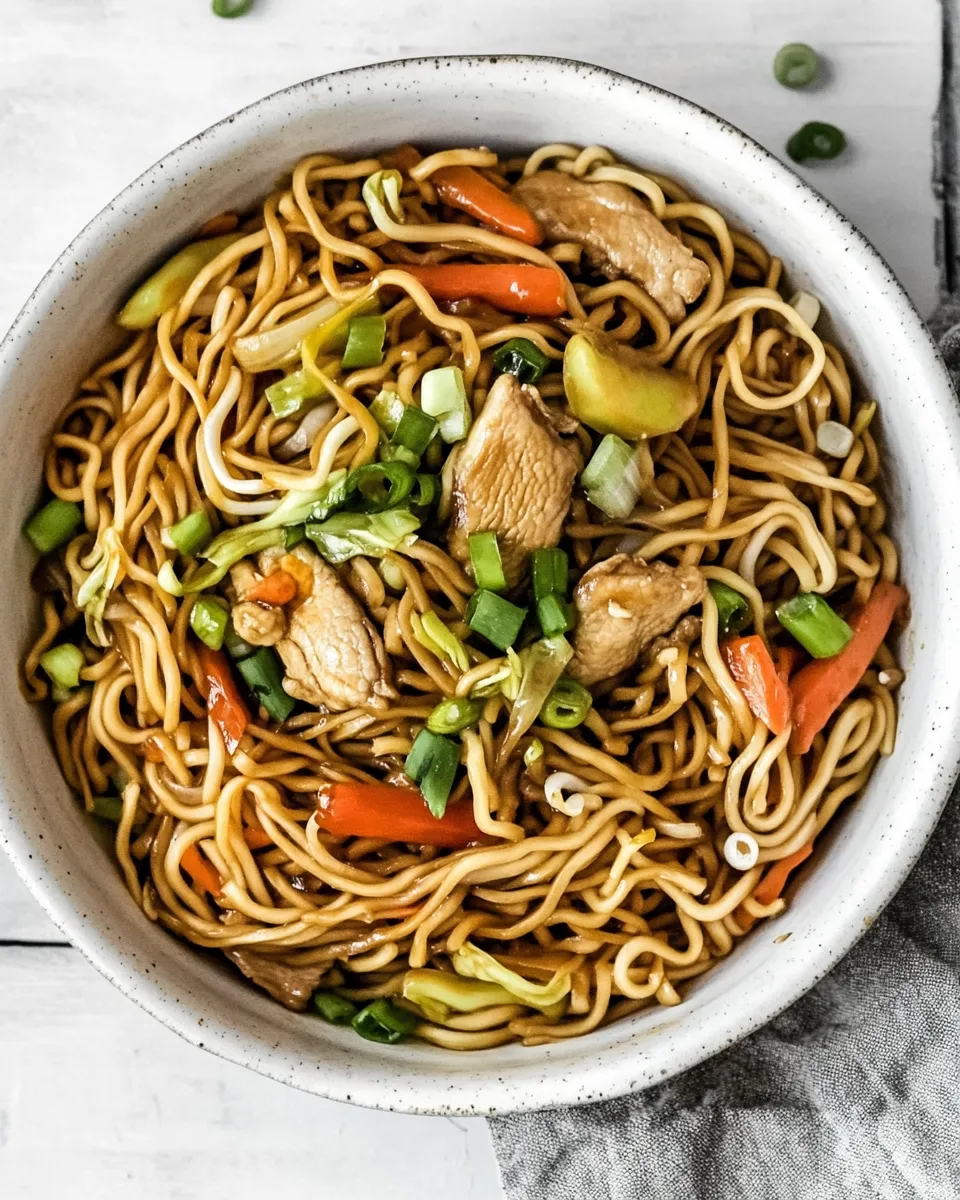
I make chow mein on a weeknight when I want something fast, savory, and a little nostalgic. It’s the kind of dish that feels like a hug from the inside: crisp vegetables, tender chicken, and noodles coated in a glossy, umami-rich sauce. You don’t need complicated prep or exotic equipment to get a restaurant-quality plate on the table.
This version balances quick stir-fry technique with a simple, reliable sauce. The sauce comes together in a whisk and thickens quickly on the hot pan, so timing matters—but not in a stressful way. If you can prep your vegetables and protein ahead, the whole dish finishes in under 15 minutes of active cooking.
I’ll walk you through every step, explain the role of each ingredient, and offer practical substitutions and troubleshooting tips so you can make Chow Mein confidently at home. Expect clear instructions, a few short tips to improve texture, and ideas to dress it up for holidays or feed a crowd.
Ingredient Rundown
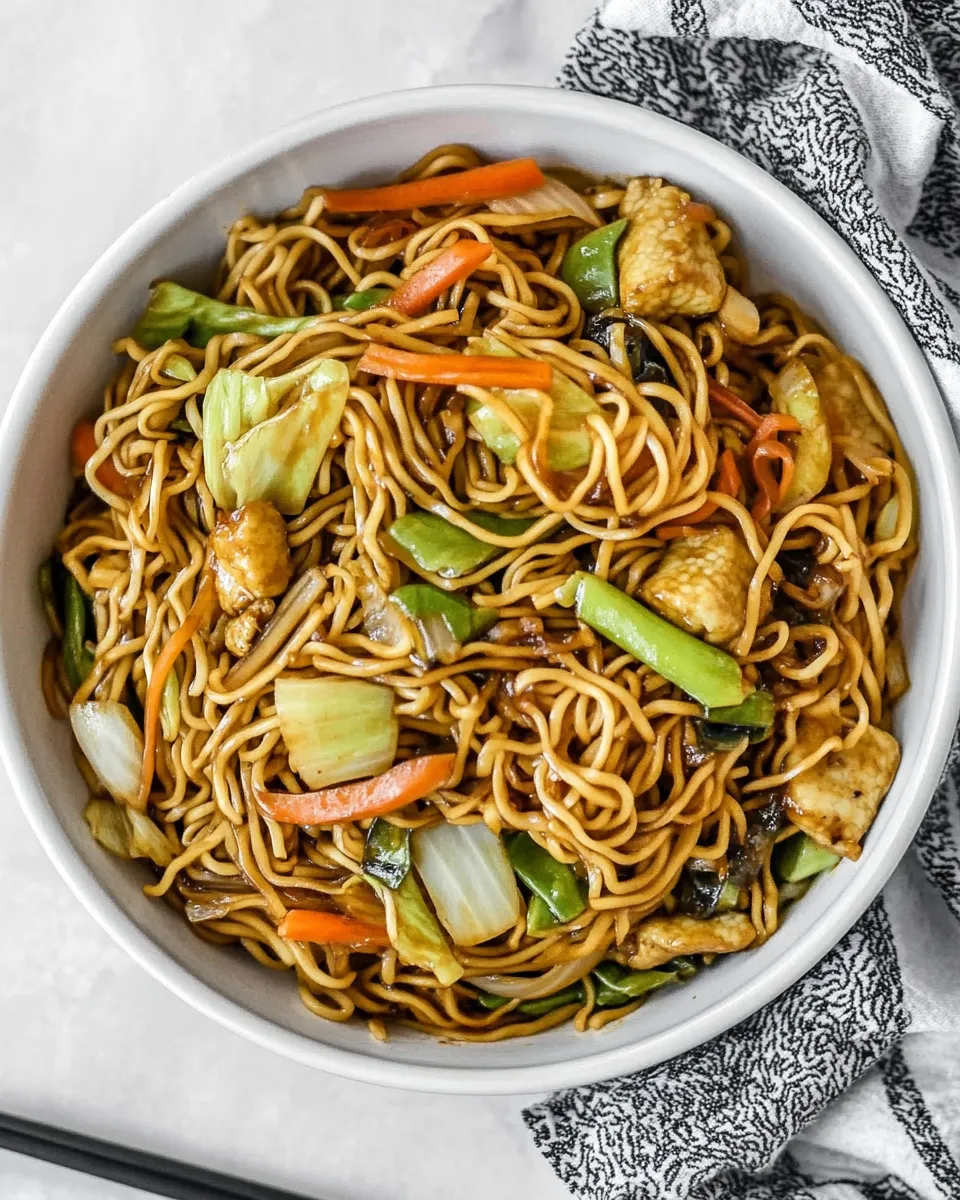
- 14 oz yakisoba refrigerated noodles, or 16 oz chow mein noodles* — The base of the dish; use refrigerated yakisoba for a chewier, pull-apart texture or the dried chow mein noodles cooked per package for a lighter bite.
- 1 lb boneless skinless chicken breasts — Lean protein; slice thinly so pieces cook quickly and stay tender.
- salt and pepper — Simple seasoning for the chicken; use sparingly and adjust to taste at the end.
- 3 Tablespoon vegetable oil, or canola oil, divided — High-heat oil for stir-frying; divided so you get a good sear and don’t crowd the pan.
- 2 cups finely shredded cabbage** — Provides crunch and bulk; shred finely to soften quickly without becoming mushy.
- 1 large carrot, shredded — Adds sweetness, color, and texture; shredding helps it cook fast.
- 2 ribs celery, chopped — Adds aromatic crunch and contrast to the softer elements.
- 4 green onions, chopped, white and green separated — Whites add savory foundation while greens finish the dish as a bright garnish.
- 3 cloves garlic, minced — Primary aromatic; add near the end of the veg stir-fry to avoid burning.
- 2 teaspoons freshly grated ginger — Gives brightness and a gentle heat; grate fresh for best flavor.
- 1 cup fresh bean sprouts (optional) — Optional crunchy, juicy element; add at the end so they retain their snap.
- 1/4 cup oyster sauce — Key umami and savory backbone for the sauce.
- 1/3 cup low-sodium soy sauce — Salty base; low-sodium helps control overall saltiness.
- 2 Tablespoons sesame oil — Toasty flavor; part of the sauce for aroma—don’t use too much or it becomes overpowering.
- 1 Tablespoon rice vinegar — Brightens and balances the sauce.
- 1 teaspoon cornstarch — Thickener; suspends in the sauce so it coats the noodles.
- 1 Tablespoon light brown sugar — Balances salt and acidity with gentle sweetness.
- 1-2 teaspoons Asian Garlic Chili Sauce, for spice, optional — Optional heat and garlicky depth; use 1 teaspoon to start and add more if you like it spicy.
From Start to Finish: Chow Mein
- Make the sauce: In a small bowl whisk together 1/4 cup oyster sauce, 1/3 cup low-sodium soy sauce, 2 tablespoons sesame oil, 1 tablespoon rice vinegar, 1 teaspoon cornstarch, 1 tablespoon light brown sugar, and 1–2 teaspoons Asian Garlic Chili Sauce (optional). Set aside.
- Prepare the noodles: If using 16 oz chow mein noodles that require cooking, cook them according to package instructions, drain, and set aside. If using 14 oz refrigerated yakisoba noodles, separate/loosen the noodles by hand and set aside.
- Slice the 1 lb boneless skinless chicken breasts into thin strips or bite-size pieces and season with salt and pepper.
- Heat a large pan or wok over high heat until hot. Add 1 tablespoon vegetable (or canola) oil. Add the chicken in a single layer and sauté, stirring occasionally, until cooked through and browned (about 4–6 minutes). Remove the chicken to a plate.
- Add the second tablespoon of oil to the hot pan. Add 2 cups finely shredded cabbage, 1 large shredded carrot, 2 ribs chopped celery, and the white parts of the 4 chopped green onions. Stir-fry over high heat 1–2 minutes, until vegetables are bright and beginning to soften.
- Add 3 cloves minced garlic and 2 teaspoons freshly grated ginger to the pan and stir 30 seconds until fragrant. Remove the vegetables to a plate.
- Add the last tablespoon of oil to the pan. Add the prepared noodles and stir-fry about 1 minute to heat and separate them.
- Give the sauce a quick whisk (to re-suspend the cornstarch) and pour it over the noodles. Cook, tossing frequently, until the sauce thickens and coats the noodles, about 1–2 minutes.
- Return the cooked chicken and vegetables to the pan along with 1 cup fresh bean sprouts (optional). Toss everything together and cook 1–2 minutes more, until heated through and well coated with sauce.
- Remove from heat, garnish with the green parts of the chopped green onions, and serve immediately.
What Sets This Recipe Apart
This chow mein leans on a balanced sauce—oyster sauce for depth, soy for salt, sesame oil for toasted aroma, and a touch of rice vinegar for brightness. The cornstarch is key: it thickens quickly and clings to noodles, creating that glossy finish restaurants usually achieve with woks and high heat.
Another difference is the noodle options. Using refrigerated yakisoba gives a pleasantly elastic, slightly chewy bite that holds up to tossing. The dried 16 oz chow mein noodles produce a lighter texture, especially if you rinse and drain well after boiling. Either way, separating noodles by hand before the final toss prevents clumping and ensures even sauce coverage.
Texture-Safe Substitutions
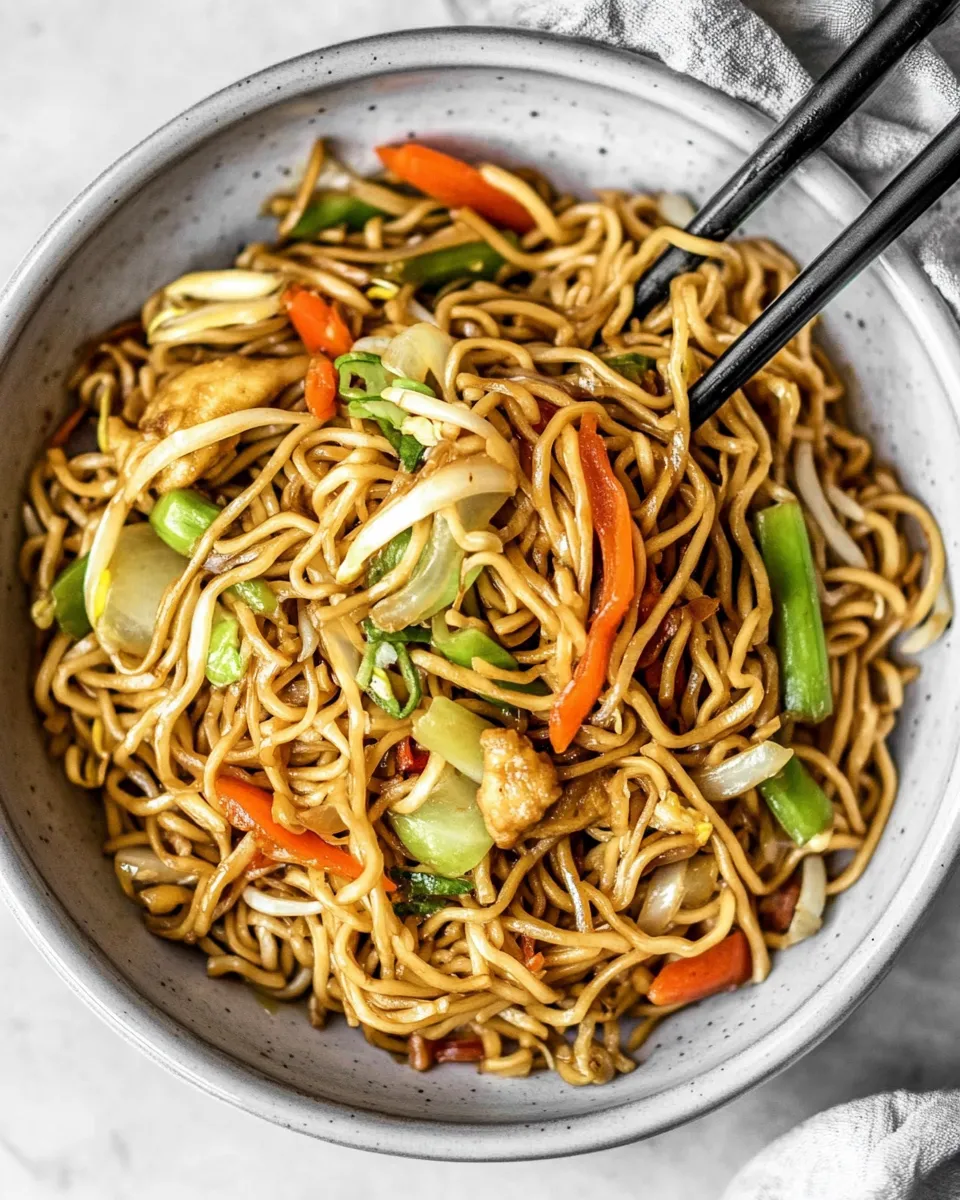
- Protein swap: Replace chicken with the same weight of thinly sliced pork loin or firm tofu. Cook times differ—pork may need slightly longer; tofu benefits from a quick pan-sear to build texture.
- Noodles: If you don’t have yakisoba or chow mein, use 14–16 oz of egg noodles or even spaghetti in a pinch. Cook and toss immediately to avoid clumping.
- Veggies: If you can’t do cabbage, double the carrot and celery or add thinly sliced bell pepper. Keep the veg cut small so they cook quickly.
- Heat: Asian Garlic Chili Sauce is optional. Use chili garlic paste or a drizzle of Sriracha instead, starting small so it doesn’t overpower the other flavors.
Hardware & Gadgets
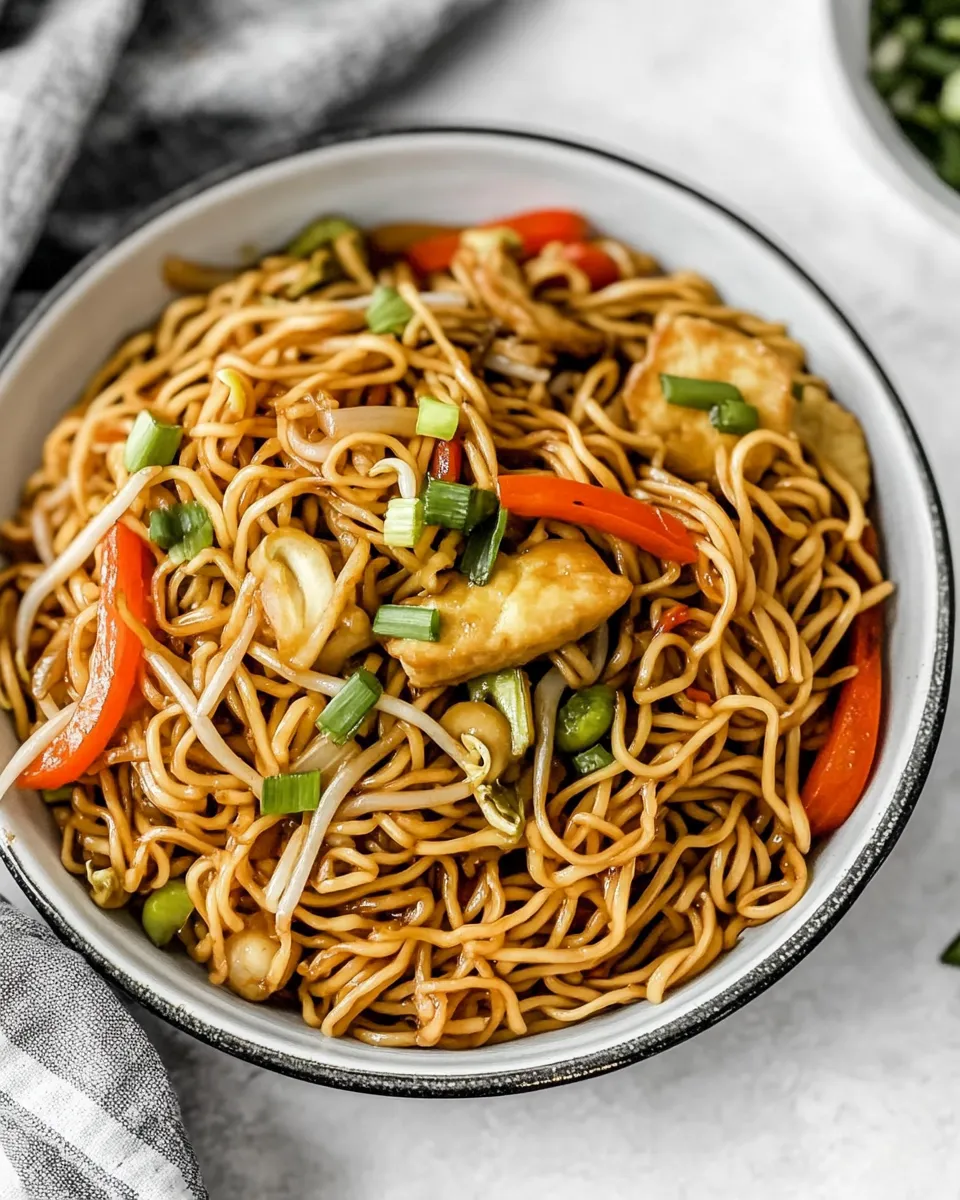
A heavy-bottomed wok or large skillet is ideal. The large surface area and high sides make it easy to toss ingredients over high heat, which gives good caramelization without crowding. A pair of tongs and a flat spatula help turn noodles and scrape up any browned bits that add flavor.
If you make stir-fries often, a fine grater for fresh ginger and a bench scraper to quickly transfer chopped vegetables are worth the small investment. But you can make this with a simple nonstick pan and a knife—no specialty gear required.
Troubleshooting Tips
- Soggy noodles: If your noodles turn limp, they were likely overcooked or sat with sauce too long. Cook dried noodles al dente and rinse under cold water, then toss briefly in the hot pan just to heat and coat.
- Clumpy noodles: Use a little oil and separate strands by hand before stir-frying. Stir-fry noodles in batches if your pan is small.
- Watery sauce: Make sure to whisk the cornstarch well and pour the sauce into a hot pan. The sauce should thicken in 1–2 minutes; if it doesn’t, briefly increase heat while tossing.
- Burning aromatics: Garlic and ginger burn quickly. Add them after the initial veg stir-fry and only cook about 30 seconds until fragrant.
- Undercooked chicken: Slice chicken thin and uniform. If pieces vary, finish cooking the chicken separately and add back in when the noodles are nearly done.
Holiday-Friendly Variations
For a festive table, boost color and texture. Add thinly sliced snow peas, julienned bell peppers, or blanched broccolini. Toss in toasted sesame seeds and a handful of toasted cashews or peanuts for crunch. Swap chicken for thinly sliced beef or double the protein to serve a crowd.
To make it a celebratory main, finish with a splash of toasted sesame oil and a squeeze of fresh lime at the end. Plate the Chow Mein on a large platter and scatter the green onion tops and a few cilantro leaves for a fresh, bright presentation.
Cook’s Notes
Use high heat and a hot pan. That’s the single most important technique to get good browning on the chicken and quick cooking for the vegetables without turning them soggy. Keep ingredients prepped and within reach—stir-frying moves fast once the pan is hot.
Measure the sauce components before you begin. The cornstarch will settle, so give it a quick whisk right before pouring it into the pan. Taste at the end and adjust: a pinch more sugar, a splash more vinegar, or an extra teaspoon of chili sauce will tweak the balance to your preference.
Prep Ahead & Store
Prep: Chop the vegetables and slice the chicken up to 24 hours ahead and store each component separately in airtight containers in the fridge. If using refrigerated yakisoba, loosen the noodles and keep them covered so they don’t dry out.
Store: Leftovers keep well for 2–3 days in the refrigerator in a sealed container. Reheat gently in a skillet over medium heat; you may add a splash of water or a few drops of oil to prevent sticking and revive the sauce.
Freeze: I don’t recommend freezing this finished dish—the noodles can become too soft and the texture degrades. Freeze cooked chicken or vegetables separately if you want to assemble fresh noodles later.
Your Top Questions
Q: Can I make this vegetarian? A: Yes. Replace chicken with firm tofu or extra vegetables and swap oyster sauce for vegetarian oyster sauce or a mushroom-based substitute.
Q: How spicy is 1–2 teaspoons of Asian Garlic Chili Sauce? A: It depends on the brand, but 1 teaspoon gives mild heat and a garlicky note; 2 teaspoons will be noticeably spicy. Start with less if you’re unsure.
Q: Do I have to use cornstarch? A: Cornstarch is important for that glossy, clingy sauce. You can skip it, but the sauce will be thinner and less glossy.
Time to Try It
Chow Mein is a forgiving weeknight recipe with a few technical points that really improve the result: hot pan, properly prepared noodles, and a well-whisked sauce. Follow the steps in order, prep ahead where you can, and don’t be afraid to tweak the seasonings at the end. Make a batch tonight—serve it hot, garnish with green onion tops, and enjoy that perfect combination of savory, sweet, and slightly tangy that makes chow mein a lasting favorite.
Chow Mein
Ingredients
Ingredients
- 14 ozyakisoba refrigerated noodles or 16 oz chow mein noodles*
- 1 lbboneless skinless chicken breasts
- salt and pepper
- 3 Tablespoonvegetable oil or canola oil, divided
- 2 cupsfinely shredded cabbage**
- 1 largecarrot shredded
- 2 ribscelery chopped
- 4 green onions chopped, white and green separated
- 3 clovesgarlic minced
- 2 teaspoonsfreshly grated ginger
- 1 cupfresh bean sprouts optional
- 1/4 cupoyster sauce
- 1/3 cuplow-sodium soy sauce
- 2 Tablespoonssesame oil
- 1 Tablespoonrice vinegar
- 1 teaspooncornstarch
- 1 Tablespoonlight brown sugar
- 1-2 teaspoonsAsian Garlic Chili Sauce for spice, optional
Instructions
Instructions
- Make the sauce: In a small bowl whisk together 1/4 cup oyster sauce, 1/3 cup low-sodium soy sauce, 2 tablespoons sesame oil, 1 tablespoon rice vinegar, 1 teaspoon cornstarch, 1 tablespoon light brown sugar, and 1–2 teaspoons Asian Garlic Chili Sauce (optional). Set aside.
- Prepare the noodles: If using 16 oz chow mein noodles that require cooking, cook them according to package instructions, drain, and set aside. If using 14 oz refrigerated yakisoba noodles, separate/loosen the noodles by hand and set aside.
- Slice the 1 lb boneless skinless chicken breasts into thin strips or bite-size pieces and season with salt and pepper.
- Heat a large pan or wok over high heat until hot. Add 1 tablespoon vegetable (or canola) oil. Add the chicken in a single layer and sauté, stirring occasionally, until cooked through and browned (about 4–6 minutes). Remove the chicken to a plate.
- Add the second tablespoon of oil to the hot pan. Add 2 cups finely shredded cabbage, 1 large shredded carrot, 2 ribs chopped celery, and the white parts of the 4 chopped green onions. Stir-fry over high heat 1–2 minutes, until vegetables are bright and beginning to soften.
- Add 3 cloves minced garlic and 2 teaspoons freshly grated ginger to the pan and stir 30 seconds until fragrant. Remove the vegetables to a plate.
- Add the last tablespoon of oil to the pan. Add the prepared noodles and stir-fry about 1 minute to heat and separate them.
- Give the sauce a quick whisk (to re-suspend the cornstarch) and pour it over the noodles. Cook, tossing frequently, until the sauce thickens and coats the noodles, about 1–2 minutes.
- Return the cooked chicken and vegetables to the pan along with 1 cup fresh bean sprouts (optional). Toss everything together and cook 1–2 minutes more, until heated through and well coated with sauce.
- Remove from heat, garnish with the green parts of the chopped green onions, and serve immediately.
Equipment
- Small Bowl
- large pan or wok
- Plate
Notes
Cabbage and Carrots:
If you’re in a hurry, you could use bagged coleslaw mix that has shredded cabbage and carrots.
Chow Mein Noodles:
I often use Yakisoba noodles because I can get them at my local grocery stores (discard the seasoning packet), but for the most authentic noodles, use fresh chow mein noodles from a local Asian foods market, or Dry chow mein noodles that are labeled as “hong kong” or “pan fried” chow mein noodles, which have already been par-boiled and can be added right to the pan. You could also use dry wonton noodles or lo mein noodles, cook according to package instructions, drain well, and remove excess moisture from them before adding to stir-fry.
Add More Vegetables
like Bok choy, bell peppers, mushrooms, snap peas, broccoli, and water chestnuts would all work well.
Protein:
Substitute beef, tofu, or shrimp.
Vegetarian:
Leave out the chicken, or swap with tofu or your favorite vegetarian protein source.
Vegan:
Leave out the chicken, or swap with your favorite vegan protein source. Substitute hoisin sauce instead of the oyster sauce.