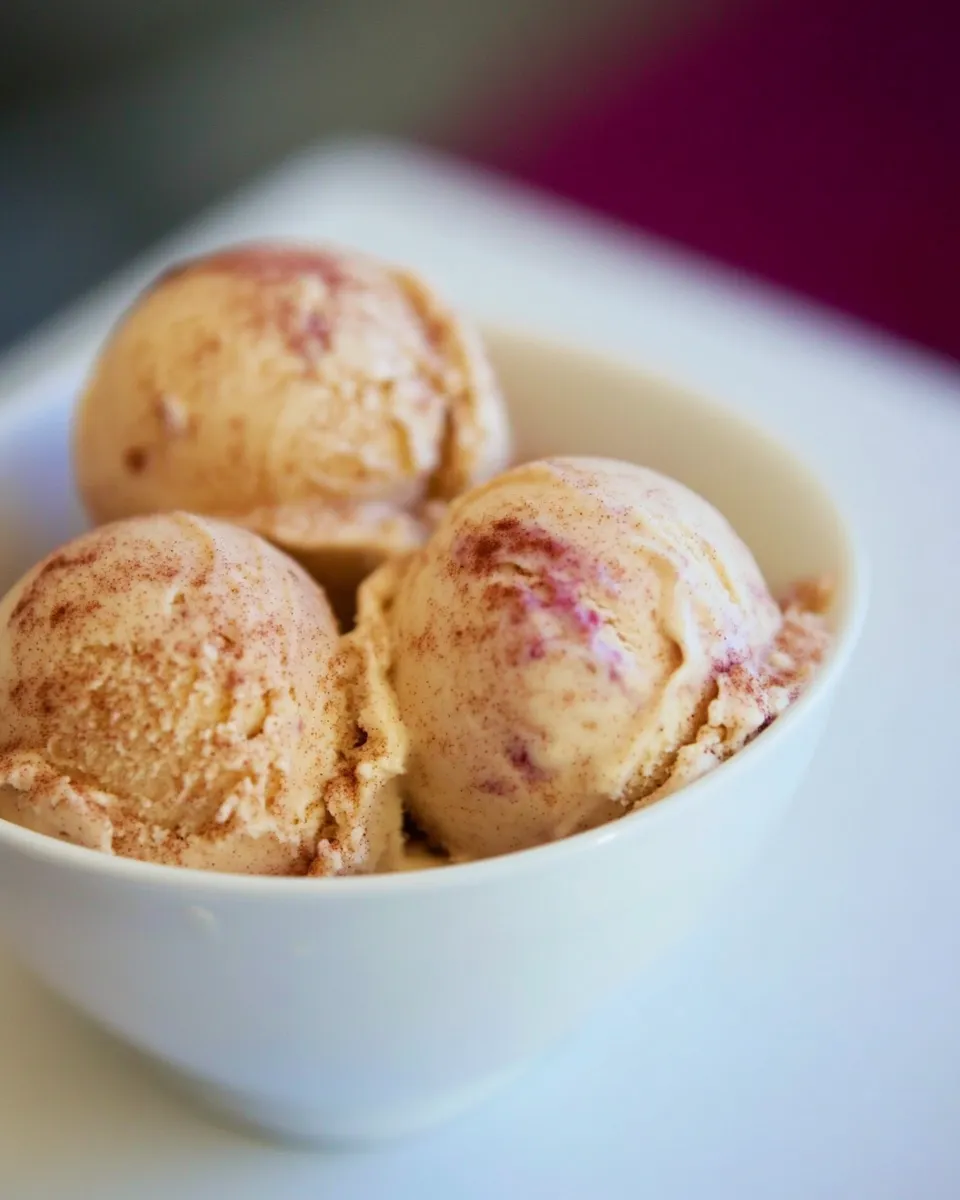
I crave ice cream that tastes like a hug. Cinnamon does that for me: warm, aromatic, and just a touch unexpected in a frozen dessert. This cinnamon ice cream is a straightforward, custard-based recipe that relies on steeping whole spices in dairy and finishing with a smooth, chilled custard. It’s not fussy, but it does reward patience.
I test desserts until they’re consistent, scoop after scoop. The method here is reliable: steep, temper, cook to a nappe, rapidly cool, and churn. Each stage has a clear purpose and a practical tip to keep the texture silky and the flavor true to cinnamon.
This post walks through what to buy, exactly how to make it using the steps below, and the little details that make a difference. I’ll also cover common mistakes, useful swaps, and how to store the finished ice cream so it stays scoopable and bright.
What to Buy
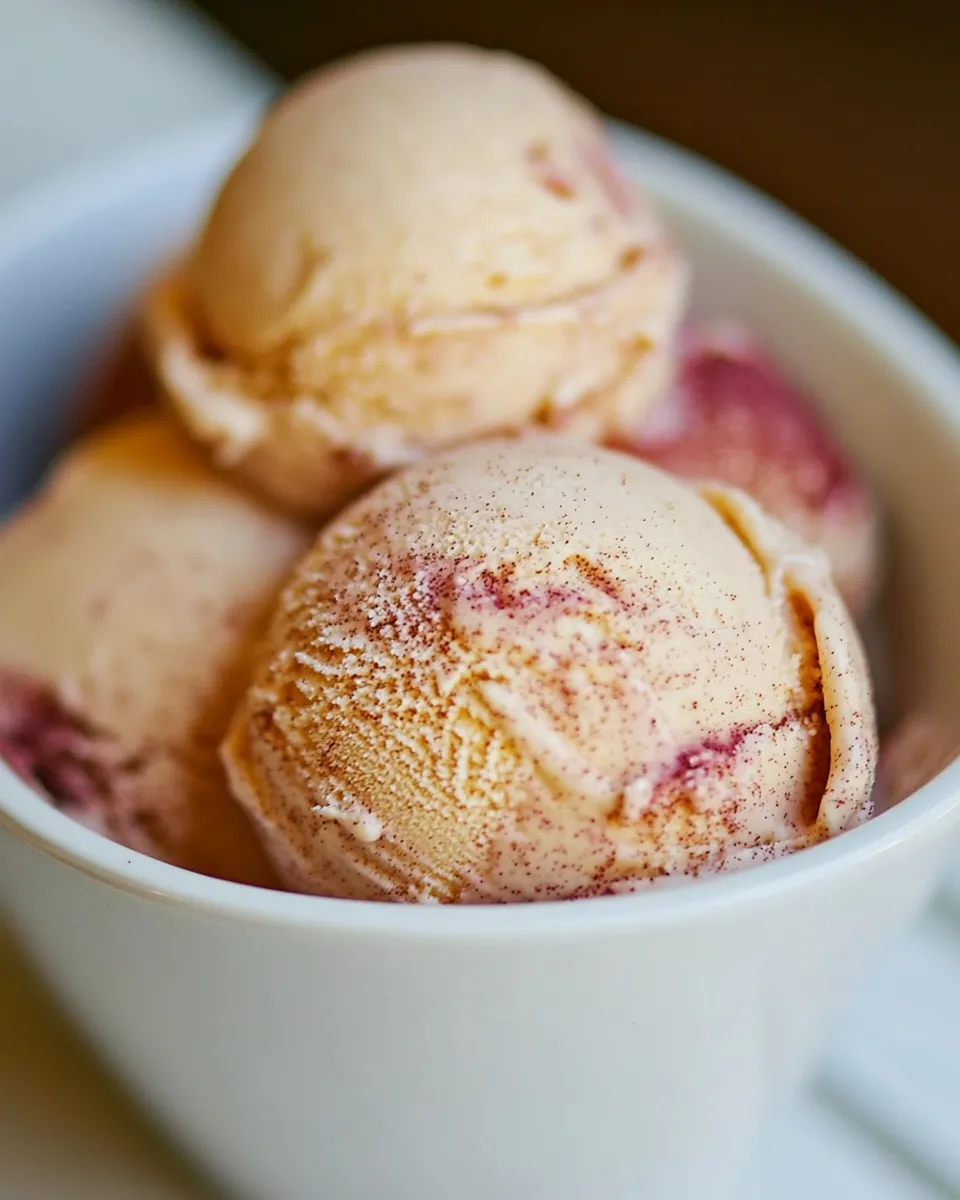
Buy fresh dairy and real cinnamon sticks. The recipe leans on whole milk, heavy cream, and egg yolks to create a rich custard base. Use the best cinnamon sticks you can find: they release oils during the steeping step, which is where the dominant flavor comes from. Fresh sugar and good-quality eggs round out the list.
If you don’t use your ice cream maker often, consider a compact model that fits in your freezer. A good fine-mesh strainer and a heatproof spatula are inexpensive and will save you frustration when you’re straining and scraping the hot custard.
Ingredients
- 1cup (250ml) whole milk — provides the water and body for the custard base.
- 3/4cup (150g) sugar — sweetens and helps control freezing point for scoopable texture.
- pinchof salt — rounds and brightens the cinnamon flavor; don’t skip.
- 10 cinnamon sticks, broken up (in a mortar & pestle, or with a hammer in a ziptop bag) — the primary spice and aroma source; breaking them releases more flavor while steeping.
- 2cups (500ml) heavy cream — contributes fat for richness and a creamy mouthfeel; split between infusion and cooling step.
- 5large egg yolks — thicken and stabilize the custard for a smooth, custardy ice cream.
- ground cinnamon: optional — for final adjustment of spice intensity after tasting the chilled base.
Cinnamon Ice Cream Cooking Guide
- Combine the whole milk, sugar, pinch of salt, the broken cinnamon sticks, and 1 cup of the heavy cream in a medium saucepan. Heat gently, stirring occasionally, until the sugar dissolves. Cover, remove from heat, and let the mixture steep for 1 hour.
- After steeping, return the saucepan to low–medium heat and warm the mixture until it is steaming and just starting to simmer (do not boil). Use a slotted spoon to remove and discard the cinnamon sticks.
- While the milk mixture is warming, prepare an ice bath: partially fill a large bowl with ice and cold water and nest a medium bowl inside it. Set a fine-mesh strainer over the medium bowl and pour the remaining 1 cup of heavy cream into the medium bowl so it stays cold.
- In a small bowl, whisk the egg yolks until smooth. Temper the yolks by whisking and gradually adding a few spoonfuls of the warm milk mixture to the yolks in several additions until the yolks are warmed and smooth.
- Pour the tempered yolks back into the saucepan with the remaining warm milk mixture. Cook over medium heat, stirring constantly and scraping the bottom with a heatproof spatula, until the custard thickens enough to coat the spatula.
- Immediately remove the saucepan from the heat and pour the hot custard through the mesh strainer into the cold cream in the bowl set in the ice bath. Use the back of a spoon or spatula to help the custard pass through the strainer; discard any solids.
- Stir the combined custard and cream until it cools, then cover and chill thoroughly in the refrigerator, preferably overnight.
- Taste the chilled mixture and add ground cinnamon if desired, stirring to combine. Freeze the custard in your ice cream maker according to the manufacturer’s instructions.
Why This Recipe Is Reliable

This recipe follows a classic custard method and keeps the critical science simple. Steeping broken cinnamon sticks in a warmed milk and cream mixture extracts essential oils without overcooking the dairy. Covering and letting it rest for 1 hour builds flavor gently rather than aggressively. That matters because boiling would drive off aromatics and risk a cooked flavor.
Tempering the yolks protects them from scrambling and gives you control over thickening. Cooking until the custard coats a spatula (nappe) is a repeatable visual cue that doesn’t require exact temperatures. Finally, chilling the base thoroughly before churning improves texture by giving the fat and stabilizers time to integrate, which yields a smoother churned ice cream.
No-Store Runs Needed
Most of the ingredients are pantry or fridge staples: sugar, milk, cream, salt, eggs, and cinnamon sticks. If you already have basic dairy and a jar of cinnamon sticks, you’re set. The single optional item—ground cinnamon—can wait until after chilling so you can adjust intensity to taste without an emergency run to the store.
If you’re missing an ice cream maker, you can still make this base and freeze it in a shallow pan, stirring every 30–45 minutes to break up ice crystals until set. It won’t be as aerated as churned ice cream, but the custard base will still deliver great flavor.
Essential Tools for Success
- Medium saucepan — roomy enough for stirring and tempering without splashing.
- Slotted spoon — for removing cinnamon sticks cleanly.
- Fine-mesh strainer — catches cooked egg bits and cinnamon fragments for a silky texture.
- Heatproof spatula — for scraping and checking the custard’s body.
- Whisk and small bowl — to beat and temper the egg yolks.
- Medium bowl nested in a larger ice bath — for rapid cooling of the custard into the cold cream.
- Ice cream maker — for the best texture; follow its manufacturer’s instructions for freezing and churning.
Mistakes That Ruin Cinnamon Ice Cream
- Boiling the milk mixture — loses volatile aromatics and risks a cooked dairy flavor. Keep it steaming and just at a simmer.
- Skipping the tempering step — adding hot milk directly to yolks can create scrambled bits and a grainy texture.
- Not chilling the base long enough — warm custard churned will produce coarse ice crystals and a soft, icy texture.
- Overcooking the custard — cook just to nappe; too thick and it will set too firmly and feel heavy when frozen.
- Forgetting to remove the cinnamon sticks — leaving them in will make the spice too intense and can create unpleasant chewy bits.
Better Choices & Swaps
The approach is flexible, but the core ingredients are chosen for texture and flavor balance. Keeping the dairy fat and the egg yolks as written yields the classic custard mouthfeel. If you need less richness, you can reduce heavy cream later, but expect a firmer freeze and a less luxurious mouthfeel.
For the cinnamon, the broken sticks are doing the heavy lifting. If your sticks are particularly strong, use fewer or shorten steep time. If they’re mild, you can sprinkle in a little ground cinnamon after chilling. Taste before adding ground cinnamon—the steeped sticks often give plenty of spice on their own.
Cook’s Notes
Steeping is the single most important flavor-building step. Covering the saucepan while the mixture cools allows volatile cinnamon oils to remain in the liquid rather than evaporating. One hour is enough for a pronounced cinnamon note; if you prefer subtler flavor, reduce the steep time slightly.
When you’re thickening the custard, stir constantly and scrape the bottom of the pan to avoid local overheating. Look for the custard to coat the back of a spatula cleanly and leave a defined line when you run your finger through it. That’s a better indicator than a single temperature because stovetops vary.
Chill fully—overnight is best. It improves both flavor and final texture. When adding ground cinnamon at the end, do so conservatively: ground spice can read chalky if overused.
Best Ways to Store
Transfer churned ice cream to a shallow, airtight container. Press a piece of plastic wrap or parchment directly onto the surface before sealing with a lid; this prevents ice crystals from forming. Store in the coldest part of the freezer, not the door.
For best scooping texture, remove the container from the freezer 5–10 minutes before serving to soften slightly. Properly stored, the ice cream will keep well for up to two weeks without significant loss of quality.
FAQ
Q: Can I use only milk or only cream?
A: The balance of milk and heavy cream creates the right fat content for mouthfeel and scoopability. Using only milk will produce a firmer, icier result; only cream can work but will be very rich and may affect the freezing dynamics.
Q: Can I make the base ahead and freeze it before churning?
A: You can refrigerate the base for 24–48 hours before churning. Freezing the base solid is not recommended because it makes even cooling and churning difficult. Chill thoroughly in the refrigerator, then churn when ready.
Q: Is it safe to use raw egg yolks?
A: The yolks are cooked when you return the tempered mixture to the saucepan and heat until the custard thickens. Properly cooked custard is safe to eat once cooled.
Q: How can I make the cinnamon flavor stronger?
A: Increase steep time slightly or add a small pinch of ground cinnamon after chilling, tasting as you go. Remember ground spice packs a more immediate punch than steeped sticks, so add cautiously.
Serve & Enjoy
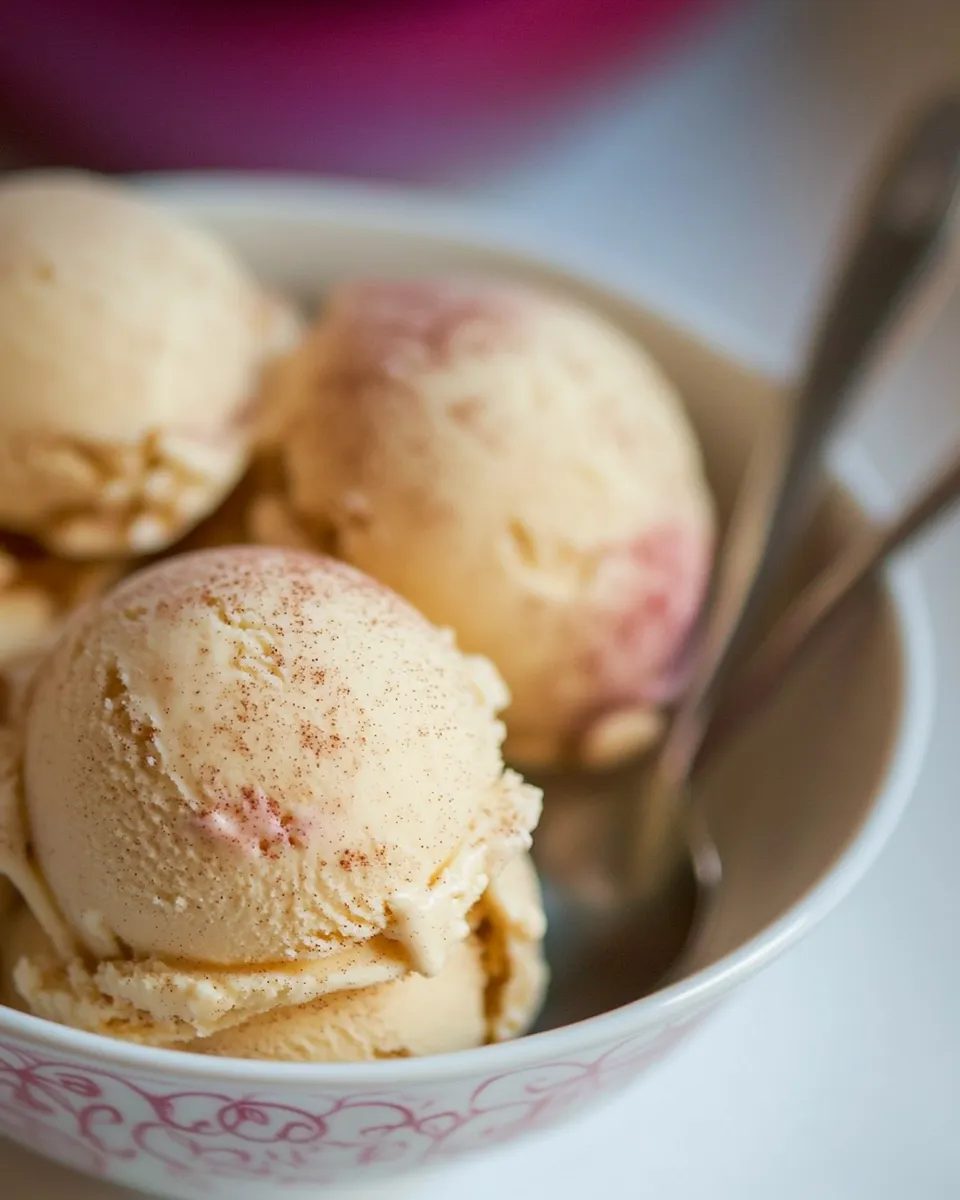
Scoop this cinnamon ice cream into bowls and enjoy it plain to appreciate the spicy, creamy base. It pairs wonderfully with coffee or a slice of apple pie for a classic match. A light dusting of ground cinnamon on each scoop brightens the aroma and presentation.
Store leftovers properly and bring them out for a weekend treat. This cinnamon ice cream is one of those small, reliable recipes that performs well whether you serve it to guests or scoop it for yourself after dinner. Vintage spice, modern technique—simple and true.

Cinnamon Ice Cream
Ingredients
Ingredients
- 1 cup 250 mlwhole milk
- 3/4 cup 150 gsugar
- pinchof salt
- 10 cinnamon sticks broken up (in a mortar & pestle, or with a hammer in a ziptop bag)
- 2 cups 500 mlheavy cream
- 5 large egg yolks
- ground cinnamon: optional
Instructions
Instructions
- Combine the whole milk, sugar, pinch of salt, the broken cinnamon sticks, and 1 cup of the heavy cream in a medium saucepan. Heat gently, stirring occasionally, until the sugar dissolves. Cover, remove from heat, and let the mixture steep for 1 hour.
- After steeping, return the saucepan to low–medium heat and warm the mixture until it is steaming and just starting to simmer (do not boil). Use a slotted spoon to remove and discard the cinnamon sticks.
- While the milk mixture is warming, prepare an ice bath: partially fill a large bowl with ice and cold water and nest a medium bowl inside it. Set a fine-mesh strainer over the medium bowl and pour the remaining 1 cup of heavy cream into the medium bowl so it stays cold.
- In a small bowl, whisk the egg yolks until smooth. Temper the yolks by whisking and gradually adding a few spoonfuls of the warm milk mixture to the yolks in several additions until the yolks are warmed and smooth.
- Pour the tempered yolks back into the saucepan with the remaining warm milk mixture. Cook over medium heat, stirring constantly and scraping the bottom with a heatproof spatula, until the custard thickens enough to coat the spatula.
- Immediately remove the saucepan from the heat and pour the hot custard through the mesh strainer into the cold cream in the bowl set in the ice bath. Use the back of a spoon or spatula to help the custard pass through the strainer; discard any solids.
- Stir the combined custard and cream until it cools, then cover and chill thoroughly in the refrigerator, preferably overnight.
- Taste the chilled mixture and add ground cinnamon if desired, stirring to combine. Freeze the custard in your ice cream maker according to the manufacturer’s instructions.
Equipment
- Medium Saucepan
- Slotted spoon
- mortar and pestle (optional)
- zip-top bag (optional)
- Large Bowl
- Medium Bowl
- Fine-mesh strainer
- Whisk
- heatproof spatula
- Ice Bath
- Ice Cream Maker