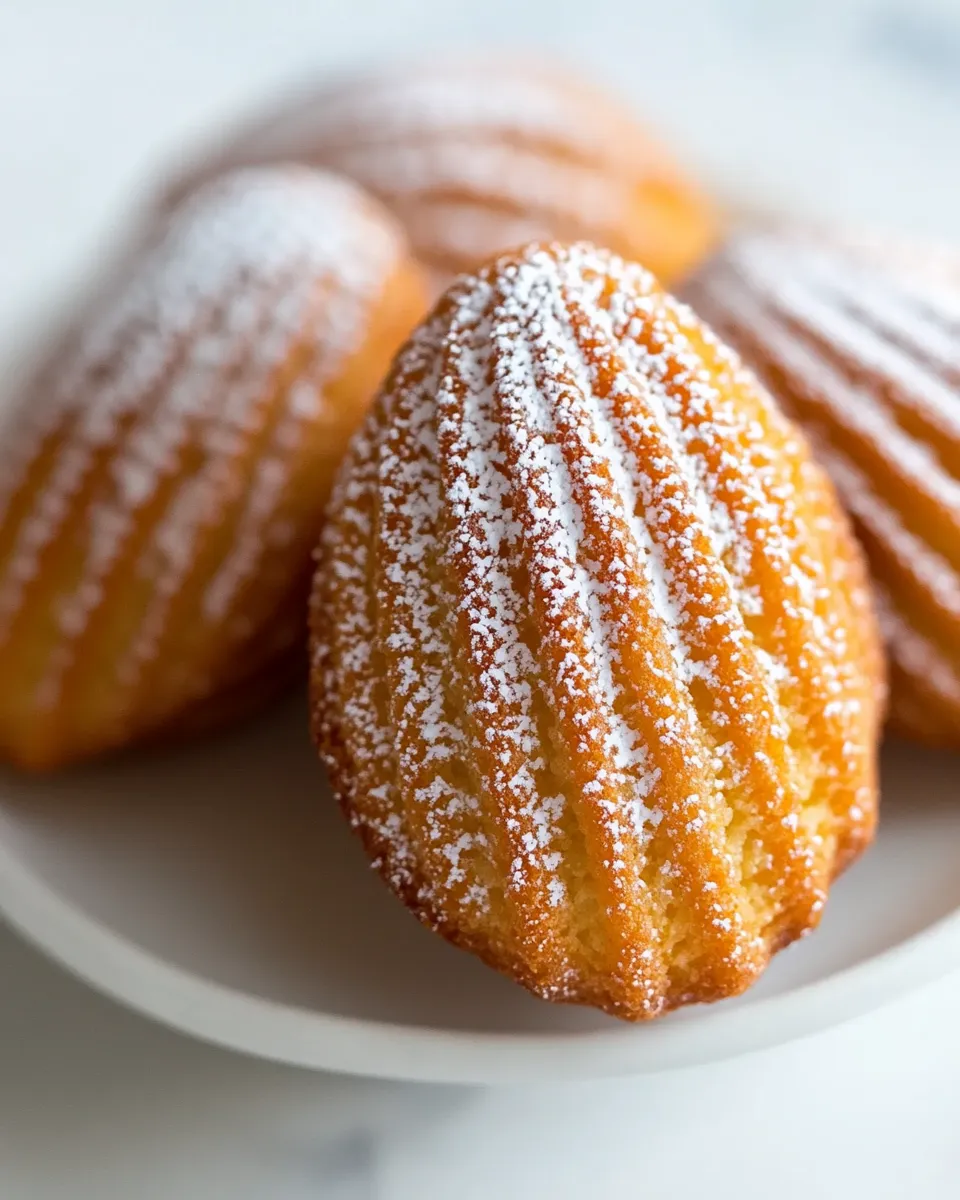
These shell-shaped sponge cakes are deceptively simple: a batter that starts airy and finishes with a crisp edge and a soft, buttery interior. They hinge on a few precise steps—browning butter, whipping eggs and sugar until pale, folding flour gently, and resting the batter—so patience pays off. I keep the method straightforward and repeatable, because consistent technique makes the difference between pretty cakes and truly memorable ones.
I’ll walk you through the exact ingredients and the step-by-step method I use when I want perfectly domed, tender madeleines with that classic lemon-vanilla lift. Expect practical tips you can apply at the stove and troubleshooting notes for the common problems bakers run into. No romanticizing—just clear, useful guidance so you get the results you want.
These are great with an afternoon coffee or as a small, elegant dessert. They look like a fuss, but once you follow the process a couple of times, they become a comforting ritual. Let’s get into the what, the how, and the little adjustments that keep things reliable.
What Goes Into Classic French Madeleines
Ingredients
- 1 stick (4 ounces) unsalted butter, melted until browned — browning adds nutty, caramel notes that lift the flavor; cool to warm before adding.
- 2 teaspoons vanilla extract — anchors the sweetness and complements the lemon zest.
- 1 and 1/2 teaspoons lemon zest, finely grated — brightens the batter; finely grated avoids bitter pith.
- 1 cup all-purpose flour — provides structure; measure by spooning into the cup and leveling.
- 1 and 1/4 teaspoons baking powder — gives lift and helps form the recognizable “bellies.”
- 1/4 teaspoons salt — balances sweetness and enhances flavor.
- 3 large eggs, at room temperature — whipping these with sugar creates the batter’s airy base; don’t use cold eggs.
- 3/4 cup granulated sugar — folded and whipped into the eggs to produce volume and tenderness.
- 1/2 cup confectioners sugar, sifted, optional — for a light dusting before serving, if desired.
Make Classic French Madeleines: A Simple Method
- Cut the butter into tablespoons and place them in a heavy saucepan over medium heat. Once the butter has fully melted, reduce the heat to low and continue cooking, stirring or swirling occasionally, until the milk solids sink and turn golden brown, about 10 minutes. Remove from heat and pour the browned butter into a small bowl.
- Stir the vanilla extract and the finely grated lemon zest into the browned butter, then set the bowl aside to cool until the butter is warm or at room temperature (not hot).
- In a medium bowl, whisk together the all-purpose flour, baking powder, and salt. Set aside.
- In the bowl of a stand mixer fitted with the whisk attachment, add the room-temperature eggs. Begin beating at medium speed and slowly add the granulated sugar a little at a time. After all the sugar has been incorporated, increase the speed to medium-high and whip until the mixture is very thick and pale in color, about 3 to 4 minutes.
- Turn the mixer off. Using a silicone spatula, gently fold the flour mixture into the whipped eggs in three additions, stirring only until each addition is just combined (do not overmix).
- Fold the cooled browned butter mixture into the batter until just combined. Be gentle so the batter keeps its air.
- Cover the bowl and refrigerate the batter for at least 4 hours and up to 2 days.
- About 30 minutes before baking, preheat the oven to 375°F. Generously brush each mold of a madeleine pan with butter, then lightly dust with flour and tap out any excess.
- Using a medium cookie scoop, place a level scoop of batter into the center of each mould; do not spread the batter.
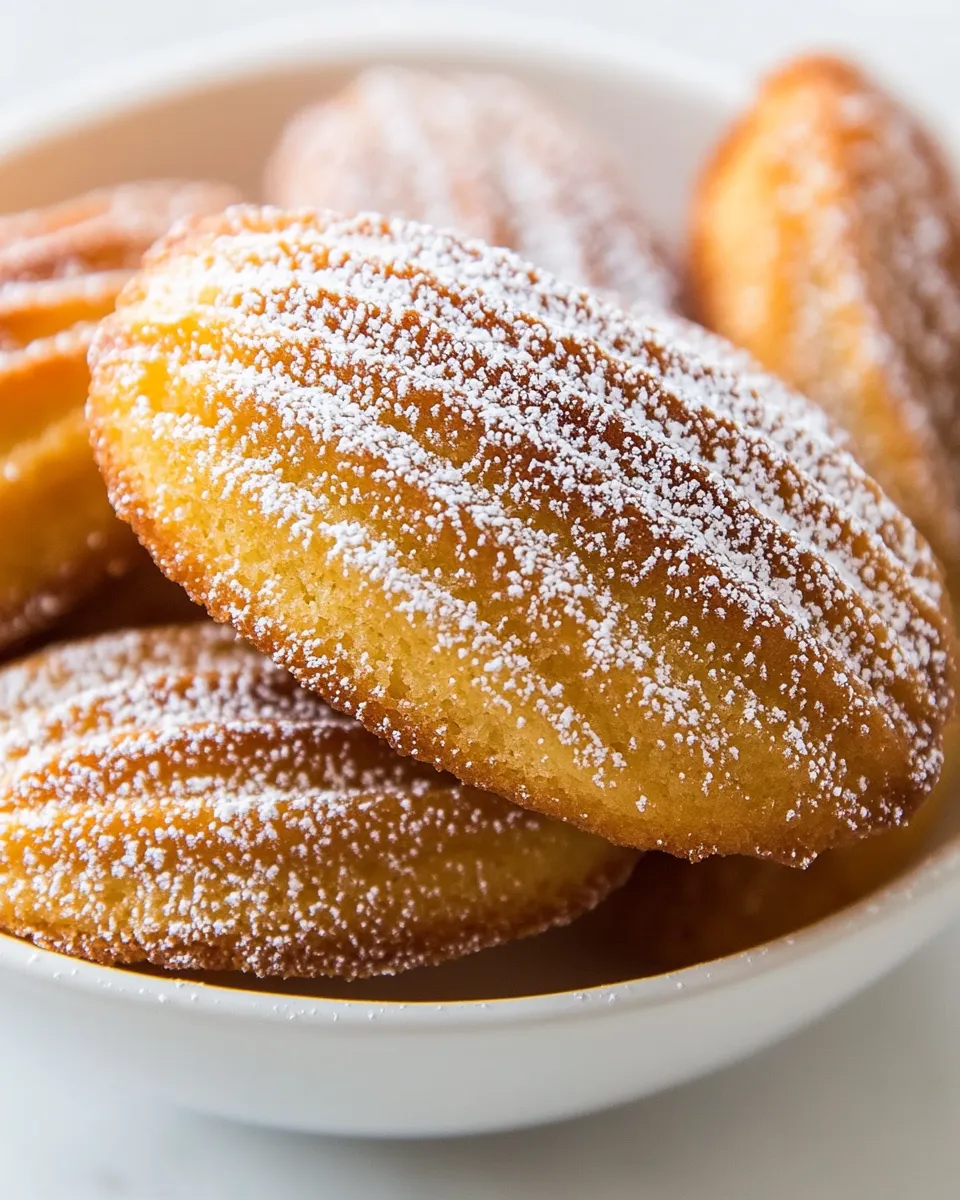
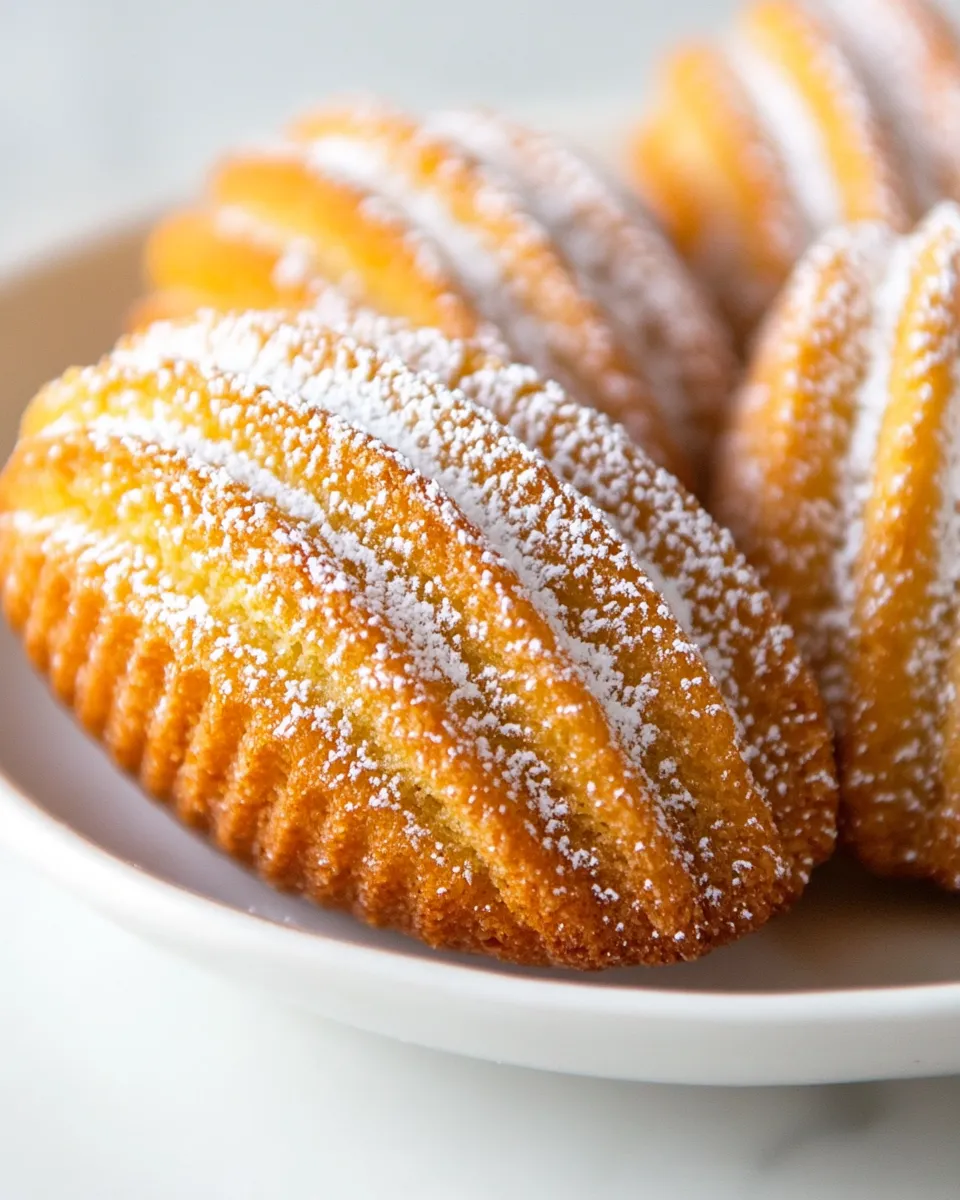
- Bake the madeleines for about 12 minutes, or until the characteristic “bellies” have risen and the outsides are golden brown.
- Remove the pan from the oven and set it on a cooling rack. Let the madeleines cool in the pan for 1 to 2 minutes, then gently loosen each one and remove. If any stick, carefully run a small knife around the edge to release them.
- If desired, dust the madeleines with the sifted confectioners’ sugar and serve warm.
Why It’s Crowd-Pleasing
Madeleines look intricate but taste like approachable comfort—light, buttery, and slightly citrusy. They pair with coffee, tea, and a glass of dessert wine. The texture contrast—crisp edges and a tender interior—keeps people curious and satisfied. They’re also small and shareable, so they disappear fast at a gathering.
Most home bakers have pantry staples like eggs, flour and sugar on hand, so these feel like a treat you can produce without hunting down specialty items. The browned butter and lemon zest add depth that feels special, even though the ingredient list is short.
No-Store Runs Needed
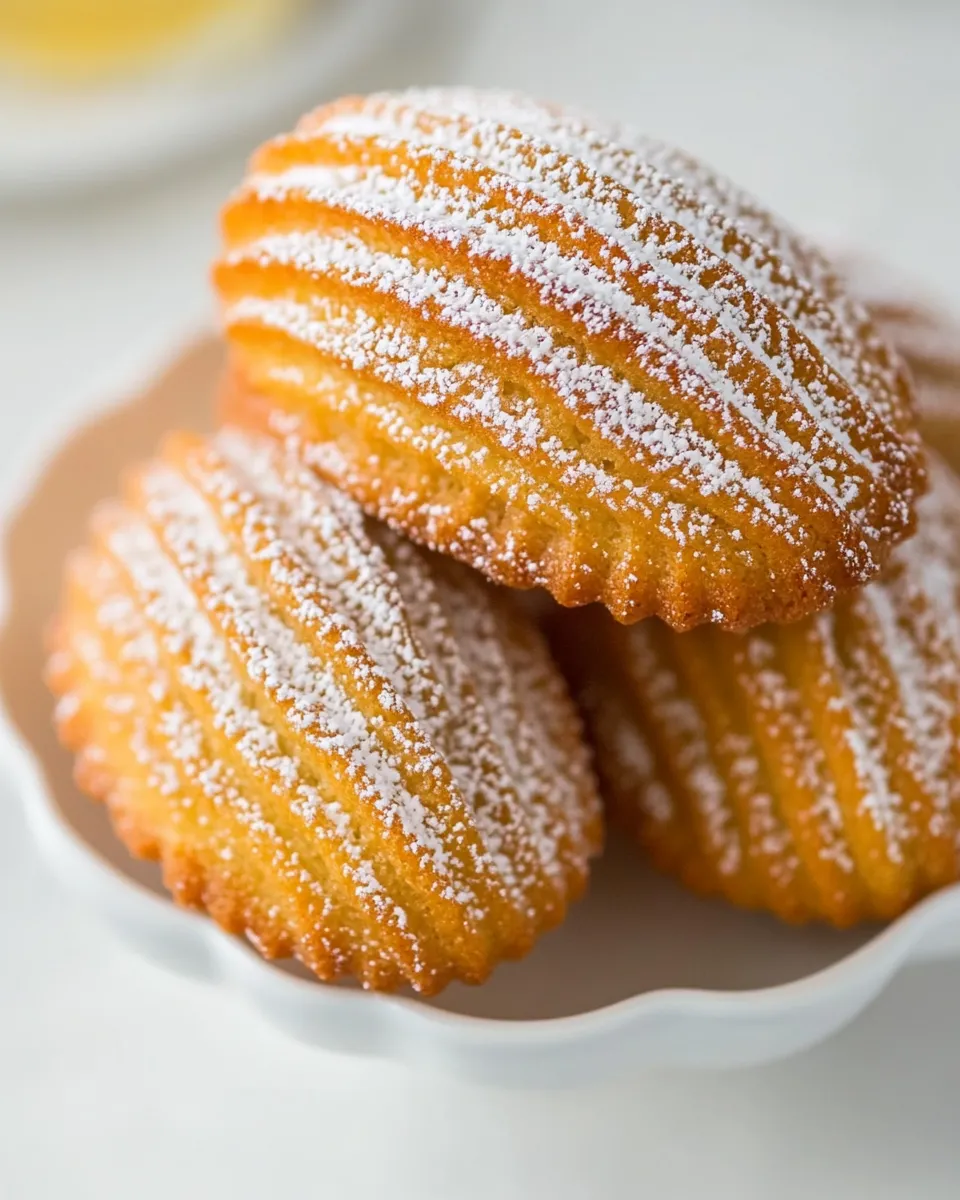
This recipe relies on basics you probably already have: flour, sugar, eggs, salt, and butter. Vanilla and a lemon are the only extras. If you’re out of confectioners’ sugar, skip the dusting—the madeleines are lovely on their own. The method is forgiving: patience with the batter rest replaces the need for exotic ingredients.
Equipment at a Glance
- Madeleine pan — essential for the shape and the “bellies.”
- Stand mixer with whisk attachment — helps reliably whip the eggs and sugar to the right volume; a hand mixer will also work.
- Heavy saucepan — for browning butter safely and evenly.
- Small bowl — to hold the browned butter while it cools.
- Medium bowl and silicone spatula — for combining dry ingredients and gentle folding.
- Medium cookie scoop — for consistent portioning (a tablespoon or small scoop works if you don’t have one).
- Cooling rack and small knife — to release and cool the madeleines without breaking them.
Pitfalls & How to Prevent Them
Dense or flat madeleines
If the batter isn’t whipped enough, you’ll lose lift. Whip the eggs and sugar until very thick and pale—3 to 4 minutes as noted. Folding the flour too vigorously will deflate air; fold in three additions and stop as soon as each addition is incorporated.
No “bellies” or uneven rise
Make sure the oven is fully preheated to 375°F and the pan is well-buttered and floured. The resting time in the refrigerator helps the butter solidify slightly and creates a sharper contrast between the cold batter and the hot oven—this encourages the hump. Do not spread the batter in the molds; place it into the center and let the oven do the work.
Sticking to the pan
An inadequately greased pan is the usual culprit. Brush generously with butter and dust with flour, tapping out excess. If one sticks, run a small knife gently around the edge rather than forcing it out.
Warm & Cool Weather Spins
In warm months, keep the batter chilled the full 4 hours so it’s easier to scoop and the contrast in the oven is maximized. Serve them slightly warm—taken straight from the pan—so their aroma is strongest.
In cooler months, you can let the batter rest longer (up to the 2-day maximum) to fit your schedule and develop slightly deeper flavors. A light dusting of the optional confectioners’ sugar adds a simple festive touch for holiday gatherings.
If You’re Curious
Browning the butter is a small step that makes a big difference. It compounds the nutty notes and adds complexity without additional ingredients. Vanilla and lemon are a classic pairing here—vanilla rounds the acidity of the lemon, and the lemon keeps the finish clean and bright.
If you don’t have a madeleine pan, you can still make a similar batter into mini-muffin tins, though you’ll lose the signature shape and may need a slightly different bake time. The method—browned butter, whipped eggs and sugar, gentle folding, and a chill—remains the same.
Prep Ahead & Store
Make the batter up to 2 days ahead and keep it covered in the refrigerator. Remove it 30 minutes before you plan to bake so the batter is easier to scoop. Baked madeleines are best the day they’re made; store any leftovers in an airtight container at room temperature for up to 2 days. If you need longer storage, freeze in a single layer on a tray, then transfer to a freezer-safe container—reheat briefly in a low oven to refresh.
Questions People Ask
- Do I have to brown the butter? — It’s recommended. Browned butter deepens flavor and gives the madeleines a toasty, caramel nuance you miss with plain melted butter.
- Can I skip chilling the batter? — The chill matters. It helps the batter set and promotes the classic dome during baking. At least 4 hours is the target.
- My madeleines stick—what now? — Let them cool 1–2 minutes, then loosen with a small knife. Next time, be more generous with buttering and flouring the mold and tap out the excess flour.
- Can I make this without a stand mixer? — Yes. Use a hand mixer to achieve similar volume when whipping eggs and sugar, though it may take a bit longer.
- How do I get the signature hump? — Thoroughly preheat the oven to 375°F and chill the batter. Also, don’t overfill the molds—use a medium scoop and place the batter in the center.
Ready to Cook?
Here’s a quick checklist before you bake: brown and cool the butter; zest a lemon finely; bring eggs to room temperature; preheat the oven to 375°F 30 minutes before baking; and butter and flour your madeleine pan well. Scoop the batter into the center of each mold—don’t spread—and bake about 12 minutes until the bellies form and the edges are golden.
Follow the steps in order and trust the resting time. These are small cakes, but their success hinges on technique more than rare ingredients. Make a batch, and you’ll soon have the timing and feel down so it becomes a reliably impressive, everyday dessert.

Classic French Madeleines
Ingredients
Ingredients
- 1 stick 4 ounces unsalted butter, melted until browned
- 2 teaspoonsvanilla extract
- 1 and 1/2 teaspoons lemon zest finely grated
- 1 cupall-purpose flour
- 1 and 1/4 teaspoons baking powder
- 1/4 teaspoonsalt
- 3 large eggs at room temperature
- 3/4 cupgranulated sugar
- 1/2 cupconfectioners sugar sifted, optional
Instructions
Instructions
- Cut the butter into tablespoons and place them in a heavy saucepan over medium heat. Once the butter has fully melted, reduce the heat to low and continue cooking, stirring or swirling occasionally, until the milk solids sink and turn golden brown, about 10 minutes. Remove from heat and pour the browned butter into a small bowl.
- Stir the vanilla extract and the finely grated lemon zest into the browned butter, then set the bowl aside to cool until the butter is warm or at room temperature (not hot).
- In a medium bowl, whisk together the all-purpose flour, baking powder, and salt. Set aside.
- In the bowl of a stand mixer fitted with the whisk attachment, add the room-temperature eggs. Begin beating at medium speed and slowly add the granulated sugar a little at a time. After all the sugar has been incorporated, increase the speed to medium-high and whip until the mixture is very thick and pale in color, about 3 to 4 minutes.
- Turn the mixer off. Using a silicone spatula, gently fold the flour mixture into the whipped eggs in three additions, stirring only until each addition is just combined (do not overmix).
- Fold the cooled browned butter mixture into the batter until just combined. Be gentle so the batter keeps its air.
- Cover the bowl and refrigerate the batter for at least 4 hours and up to 2 days.
- About 30 minutes before baking, preheat the oven to 375°F. Generously brush each mold of a madeleine pan with butter, then lightly dust with flour and tap out any excess.
- Using a medium cookie scoop, place a level scoop of batter into the center of each mould; do not spread the batter.
- Bake the madeleines for about 12 minutes, or until the characteristic “bellies” have risen and the outsides are golden brown.
- Remove the pan from the oven and set it on a cooling rack. Let the madeleines cool in the pan for 1 to 2 minutes, then gently loosen each one and remove. If any stick, carefully run a small knife around the edge to release them.
- If desired, dust the madeleines with the sifted confectioners’ sugar and serve warm.
Equipment
- heavy saucepan
- Small Bowl
- Medium Bowl
- Stand mixer
- whisk attachment
- Silicone spatula
- Madeleine pan
- Medium cookie scoop
- Cooling rack