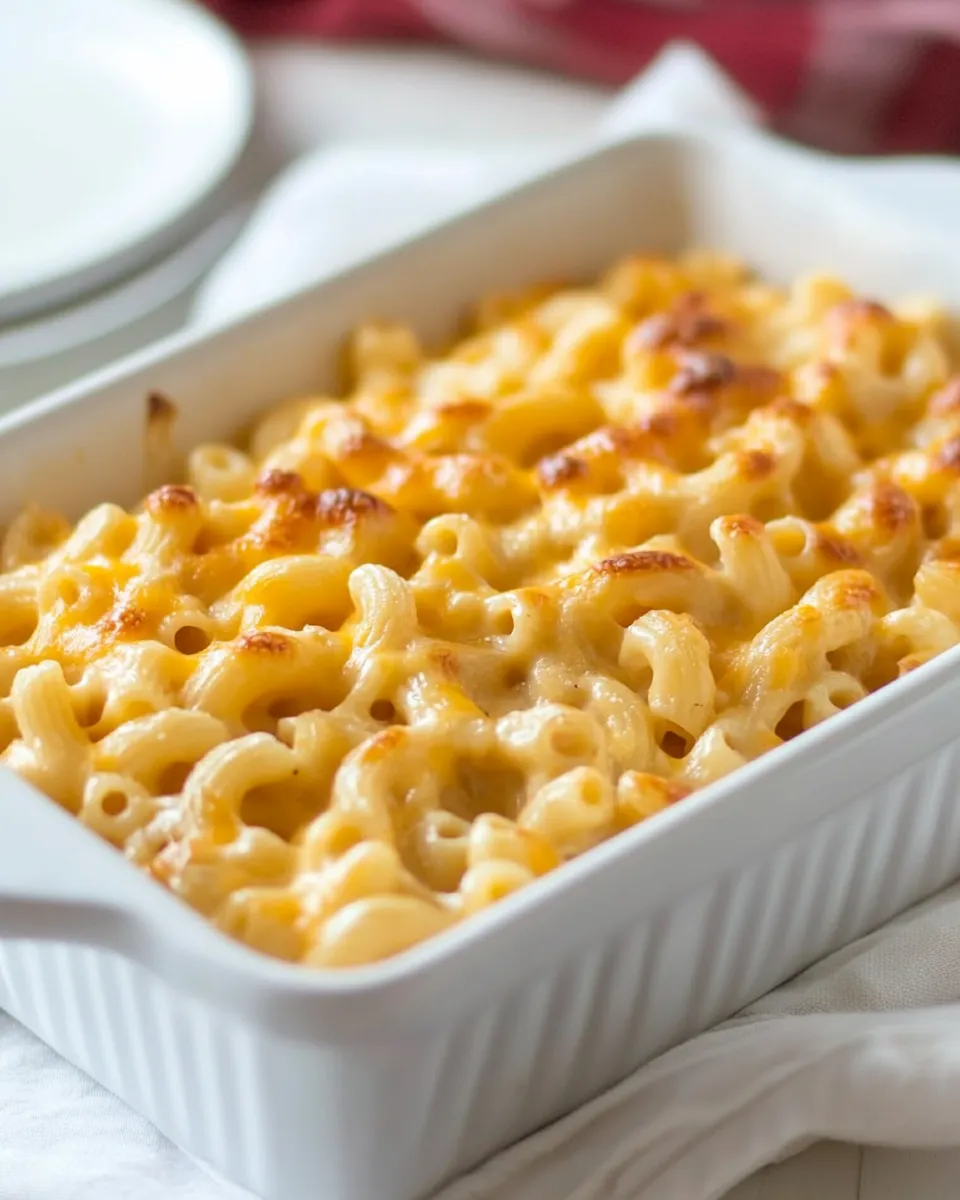
This is the kind of recipe I keep coming back to: straightforward, comforting, and exactly what you want on a chilly evening or a busy weeknight. It doesn’t rely on tricks. It leans on technique — a smooth, properly made sauce, pasta cooked just right, and a finish that gets a little bubbly and golden in the oven. That combination is what makes macaroni and cheese feel both homey and reliably excellent.
You’ll move through a few clear stages: cook the pasta, make a roux-based cheese sauce, combine, then bake. Each step is short, and you’ll see how small details change the outcome: warming the milk before adding it, simmering the sauce just long enough, and stirring in the cheese in batches. Those are the things that separate a bland glue-y casserole from a silky, cheesy classic.
No frills, no exotic ingredients. Just patience and attention. If you follow the sequence and keep an eye on temperatures, you’ll finish with a creamy center and a satisfyingly cheesy crust. Ready? Let’s gather your ingredients and get going.
Gather These Ingredients
- 8 ounces elbow macaroni — the pasta shape in the recipe; cooks quickly and holds sauce in its curve.
- 2 cups milk — warmed before adding to the roux to ensure a lump-free sauce.
- 1/4 cup (1/2 stick) butter — melts into the roux to give the sauce body and flavor.
- 1/4 cup all-purpose flour — combined with butter to form the roux that thickens the sauce.
- 1/2 teaspoon salt — seasons the sauce; adjust later to taste.
- 1/2 teaspoon Tabasco sauce — adds a subtle heat and brightness behind the cheese.
- freshly ground black pepper, to taste — layers savory depth; add gradually.
- 1/2 cup heavy whipping cream — enriches the sauce for a creamier mouthfeel.
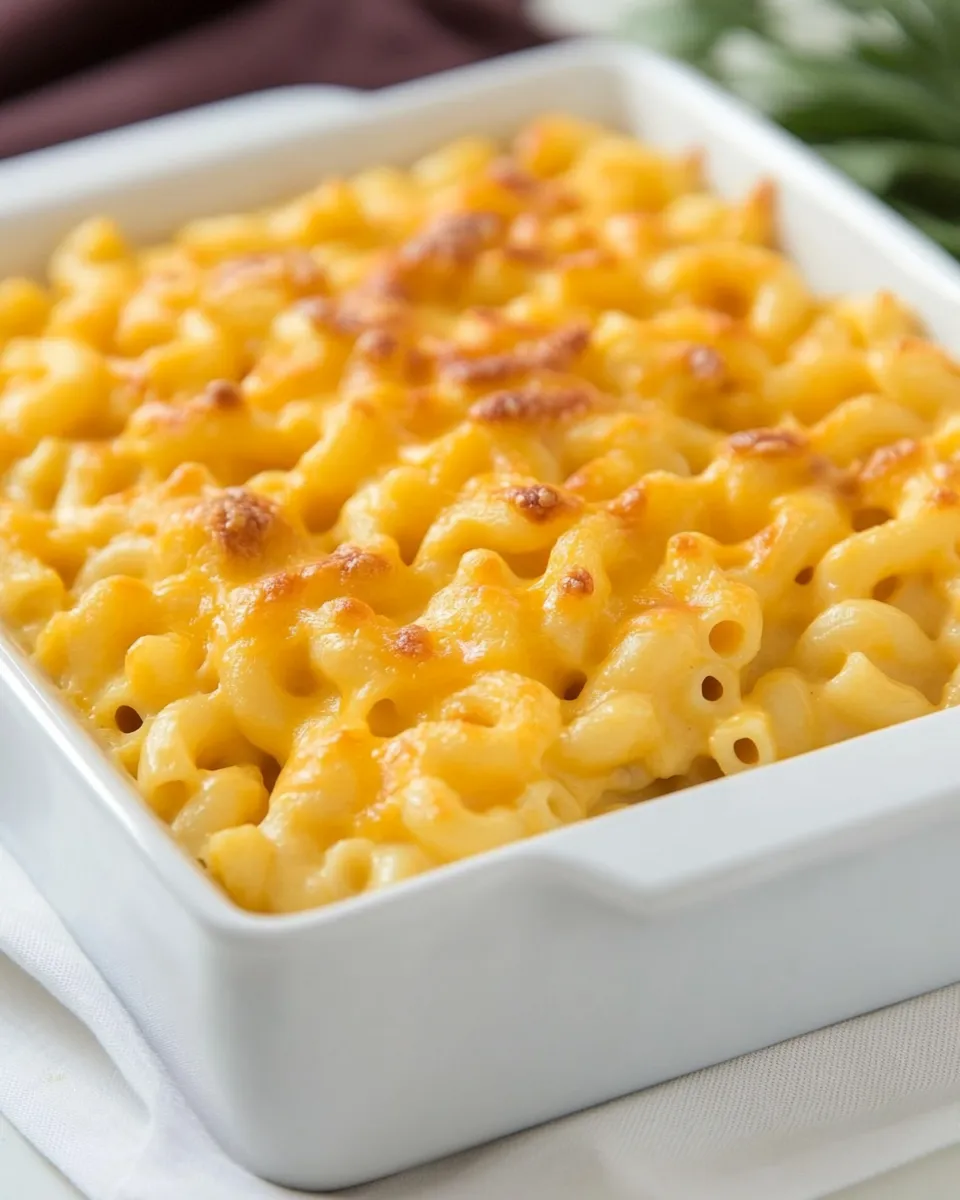
- 16 ounces sharp cheddar cheese, shredded — the primary flavor; most is stirred into the sauce and a portion goes on top to brown.
Classic Macaroni and Cheese — Do This Next
- Preheat the oven to 350°F. Spray an 8×8-inch baking pan with nonstick spray.
- Cook 8 ounces elbow macaroni according to the package directions until al dente. Drain the pasta well and place it in a large bowl.
- Warm 2 cups milk in a small saucepan over medium heat; keep it warm (do not boil).
- In a separate medium saucepan, melt 1/4 cup (1/2 stick) butter over low heat. Whisk in 1/4 cup all-purpose flour and cook, stirring constantly, for about 3 minutes until the mixture is smooth and bubbly.
- Gradually whisk the warm milk into the flour-butter mixture, whisking constantly to avoid lumps. Increase the heat to medium-high and bring the sauce just to a boil, stirring frequently.
- Reduce the heat to low and simmer the sauce for a few minutes, stirring occasionally.
- Stir in 1/2 teaspoon salt, 1/2 teaspoon Tabasco sauce, and freshly ground black pepper to taste.
- Add 1/2 cup heavy whipping cream to the sauce and mix well. Simmer 3 to 4 minutes, stirring occasionally.
- Stir 12 ounces of the shredded sharp cheddar cheese into the sauce in batches, stirring frequently until the cheese is fully melted and the sauce is smooth.
- Pour the cheese sauce over the drained pasta in the large bowl and stir until the pasta is evenly coated.
- Spoon the coated pasta into the prepared 8×8-inch pan. Sprinkle the remaining 4 ounces of shredded sharp cheddar cheese evenly over the top.
- Bake for 20 to 30 minutes, or until the casserole is bubbly. If desired, broil for 2 to 3 minutes more to brown the top—watch closely to avoid burning.
Why This Recipe is a Keeper
It gets the fundamentals right. A roux (butter and flour) is the backbone: it thickens without relying on instant thickeners, and it gives a silkier texture than simply melting cheese into milk. Warming the milk avoids temperature shock that creates lumps. Simmering the sauce briefly concentrates flavor and integrates the cream without breaking the emulsion. Those are small moves that produce a reliably smooth sauce.
The balance of sharp cheddar and cream gives both tang and richness. The Tabasco is a quiet note — it won’t make the dish spicy, but it lifts the cheese and prevents the sauce from tasting flat. Baking it finishes the job: heat melds flavor and creates that comforting contrast between a soft interior and a slightly browned top.
Allergy-Friendly Substitutes
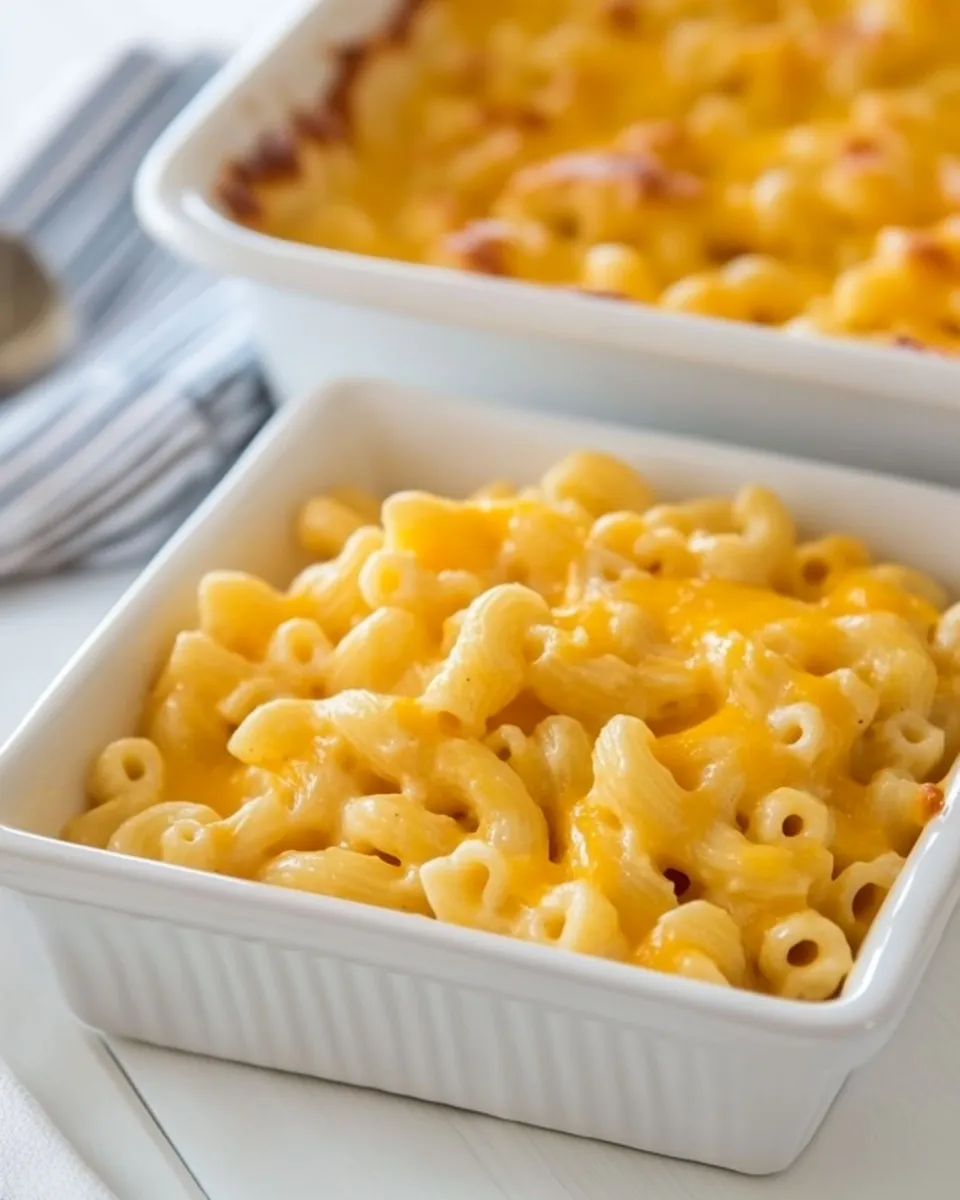
If dairy or gluten is a concern, you can adapt the approach while keeping the structure. Use a plant-based milk that stands up to heat (neutral, unsweetened) and a plant-based melting-style cheese if you prefer dairy-free. For a gluten-free version, choose a gluten-free pasta and replace the flour in the roux with a 1:1 gluten-free flour blend, or use a small amount of cornstarch slurry added to the warmed milk to thicken. When adjusting, keep the method: warm the liquid, whisk steadily, and melt cheese into the finished sauce for best texture.
What You’ll Need (Gear)
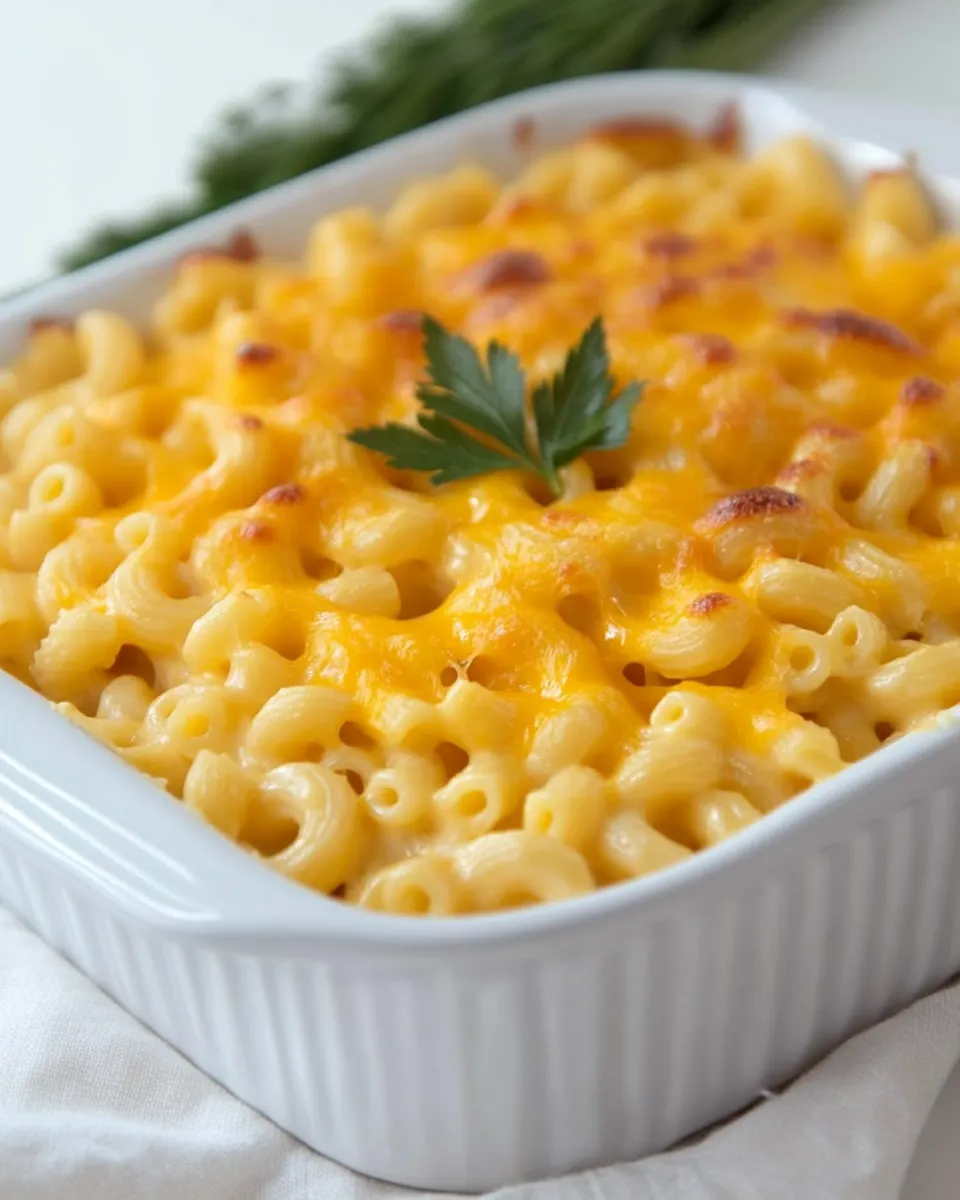
- 8×8-inch baking pan, sprayed with nonstick spray.
- Large pot for cooking pasta and a colander for draining.
- Small saucepan to warm the milk.
- Medium saucepan to make the roux and sauce.
- Whisk for smoothing the roux and incorporating milk.
- Large mixing bowl for combining pasta and sauce.
- Oven with optional broiler to finish and brown the top.
Frequent Missteps to Avoid
- Adding cold milk straight into the roux. That can create lumps. Warm the milk first.
- Boiling the milk. Keep it warm but not boiling; boiling can change texture and scorch.
- Overheating the cheese. High heat can make the cheese grainy and separate. Add it off the high heat and stir until smooth.
- Under-salting. Cheese varies in saltiness; taste the sauce and adjust before baking.
- Skipping the drain or leaving soggy pasta. Drain thoroughly so sauce clings instead of thinning out.
- Walking away during broiling. The top can go from golden to burnt in seconds. Watch closely if you broil.
Year-Round Variations
The method here is your foundation; seasonal tweaks come from technique rather than a complicated list of additions. In colder months, extend the bake a few minutes for a deeper brown and mellower flavors. In warmer months, shorten the bake so it stays looser and brighter. If you like more torn texture, fold in a small portion of the cheese off the heat so some strands stay distinct. If you prefer a creamier casserole, stir in the extra 4 ounces of cheese into the sauce instead of saving it for the top — it will remain molten and silky, though you’ll lose the browned cheese top.
Chef’s Rationale
Every decision in this recipe is about control. Warming the milk reduces shock to the roux and keeps the béchamel smooth. Cooking the roux briefly removes the raw flour taste but doesn’t brown it, so the sauce stays pale and creamy. Bringing the milk-roux mixture briefly to a boil activates thickening; simmering afterward integrates the cream and lets flavors meld. Adding most of the cheese to the sauce in batches ensures even melting and a glossy texture. The reserved cheese on top browns and signals that familiar casserole comfort.
Storage Pro Tips
Cool the casserole to room temperature within an hour, then cover and refrigerate for up to 3 days. Reheat individual portions in the oven at 325°F or in a microwave; if microwaving, cover loosely and stir halfway through to heat evenly. For larger reheats, add a splash of milk to revive creaminess before warming.
Freezing is possible. Cool completely, cover tightly, and freeze for up to one month. Thaw overnight in the refrigerator before reheating. Expect a slightly different texture after freezing: sometimes the sauce loosens a bit, so stir in a little warmed cream or milk while reheating to bring it back to life.
Quick Questions
- Can I make this ahead? Yes. Assemble, cover, and refrigerate up to a day before baking. Add a few extra minutes to the bake time if baking cold from the fridge.
- Can I skip the oven and serve it stovetop? You can. After coating the pasta with the finished sauce, skip the bake and serve immediately for a creamier, not-browned finish.
- Why warm the milk? Warming prevents lumps when the milk hits the roux and helps the sauce come together smoothly.
- What if the sauce becomes grainy? That usually means the cheese was overheated or the sauce boiled after cheese was added. Remove from heat and stir in a splash of cold cream or milk to cool it slightly and restore creaminess.
Bring It Home
This recipe rewards attention, not complexity. Follow the sequence and watch your temperatures — warm liquids, moderate heat, and patience while melting the cheese will get you reliably great results. It’s the kind of dish that brings people together, nostalgia on a plate, and a simple technique you can lean on week after week.
Make a batch, note what you liked or would nudge next time (a touch more Tabasco, a minute less in the oven), and share the results. The better you get at the base method, the more confidently you can tailor it to your family’s tastes. Enjoy that first spoonful hot from the oven — it’s worth the little effort.

Classic Macaroni and Cheese
Ingredients
Ingredients
- 8 ounceselbow macaroni
- 2 cupsmilk
- 1/4 cup 1/2 stickbutter
- 1/4 cupall purpose flour
- 1/2 teaspoonsalt
- 1/2 teaspoonTabasco sauce
- freshly ground black pepper to taste
- 1/2 cupheavy whipping cream
- 16 ouncessharp cheddar cheese shredded
Instructions
Instructions
- Preheat the oven to 350°F. Spray an 8x8-inch baking pan with nonstick spray.
- Cook 8 ounces elbow macaroni according to the package directions until al dente. Drain the pasta well and place it in a large bowl.
- Warm 2 cups milk in a small saucepan over medium heat; keep it warm (do not boil).
- In a separate medium saucepan, melt 1/4 cup (1/2 stick) butter over low heat. Whisk in 1/4 cup all-purpose flour and cook, stirring constantly, for about 3 minutes until the mixture is smooth and bubbly.
- Gradually whisk the warm milk into the flour-butter mixture, whisking constantly to avoid lumps. Increase the heat to medium-high and bring the sauce just to a boil, stirring frequently.
- Reduce the heat to low and simmer the sauce for a few minutes, stirring occasionally.
- Stir in 1/2 teaspoon salt, 1/2 teaspoon Tabasco sauce, and freshly ground black pepper to taste.
- Add 1/2 cup heavy whipping cream to the sauce and mix well. Simmer 3 to 4 minutes, stirring occasionally.
- Stir 12 ounces of the shredded sharp cheddar cheese into the sauce in batches, stirring frequently until the cheese is fully melted and the sauce is smooth.
- Pour the cheese sauce over the drained pasta in the large bowl and stir until the pasta is evenly coated.
- Spoon the coated pasta into the prepared 8x8-inch pan. Sprinkle the remaining 4 ounces of shredded sharp cheddar cheese evenly over the top.
- Bake for 20 to 30 minutes, or until the casserole is bubbly. If desired, broil for 2 to 3 minutes more to brown the top—watch closely to avoid burning.
Equipment
- 8x8-inch baking pan
- Saucepan
- Medium Saucepan
- Large Bowl
- Whisk
- Colander