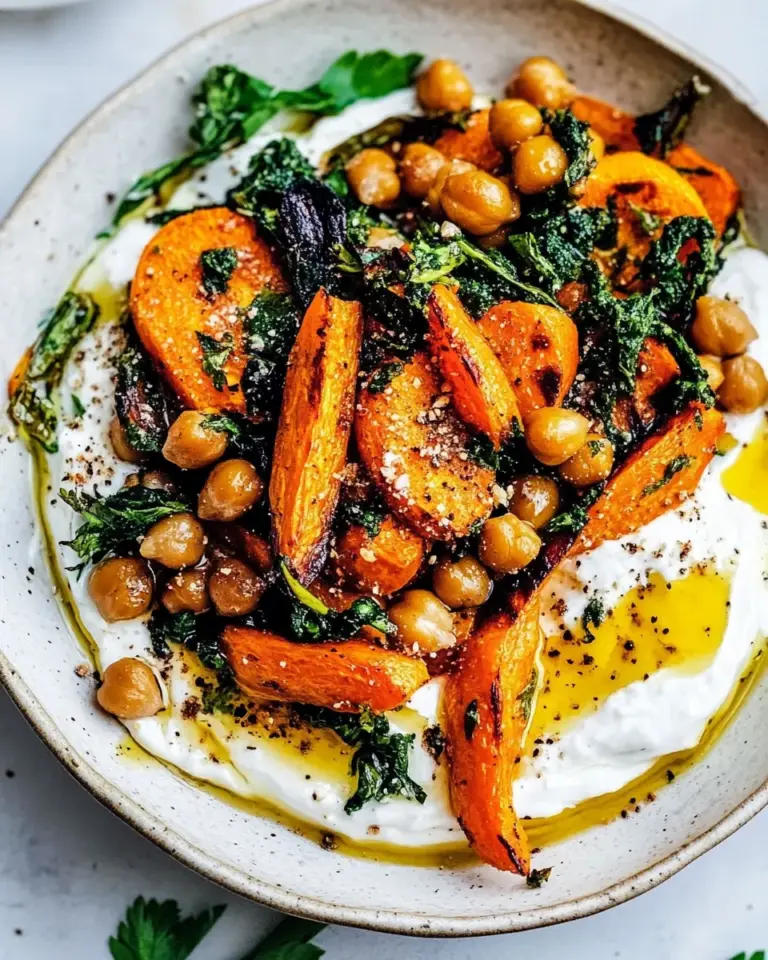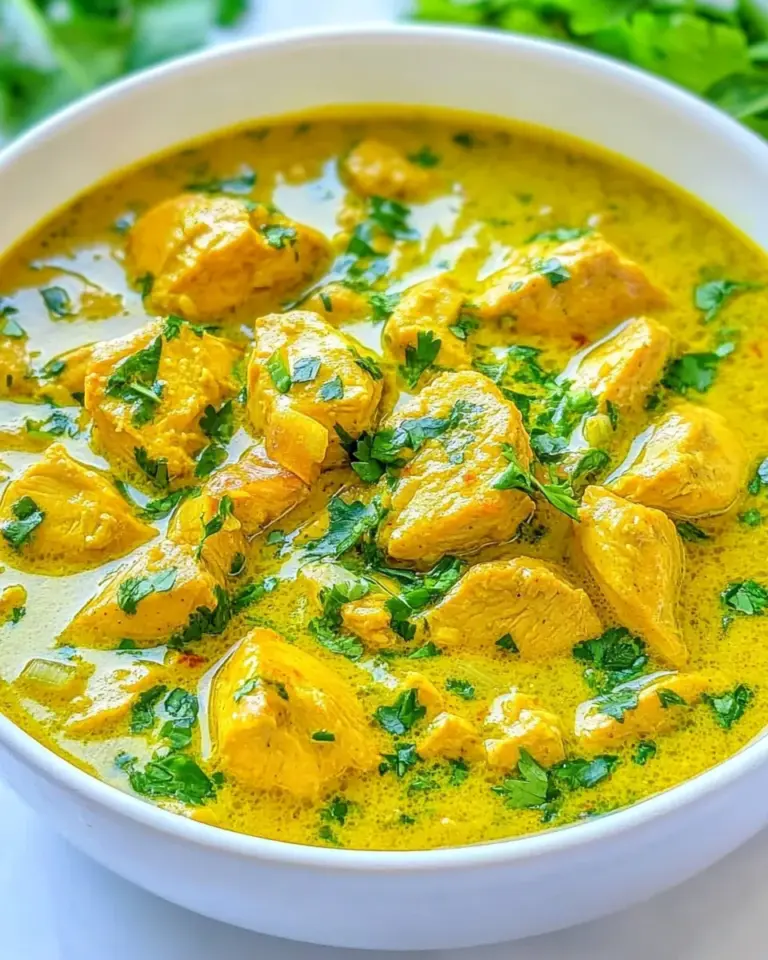
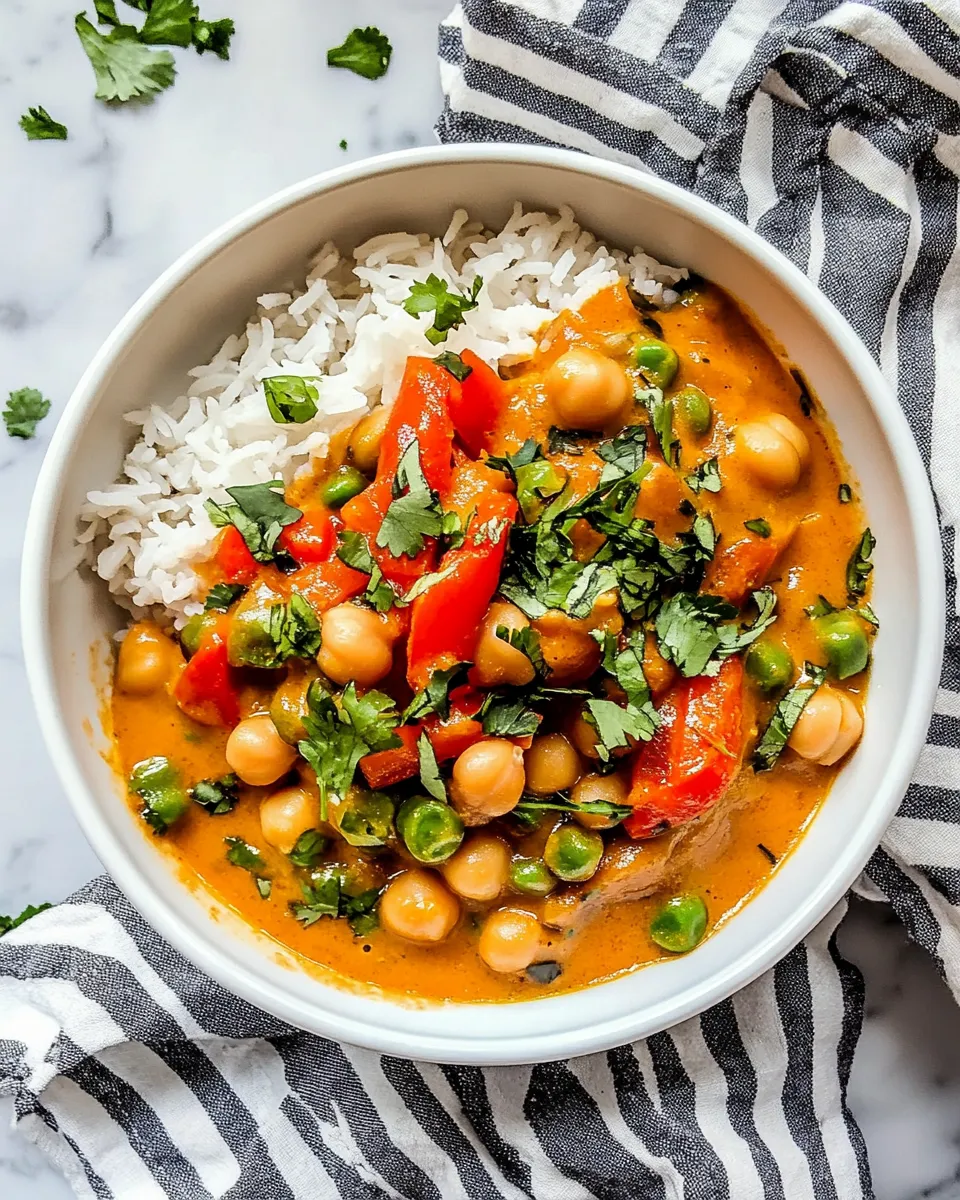
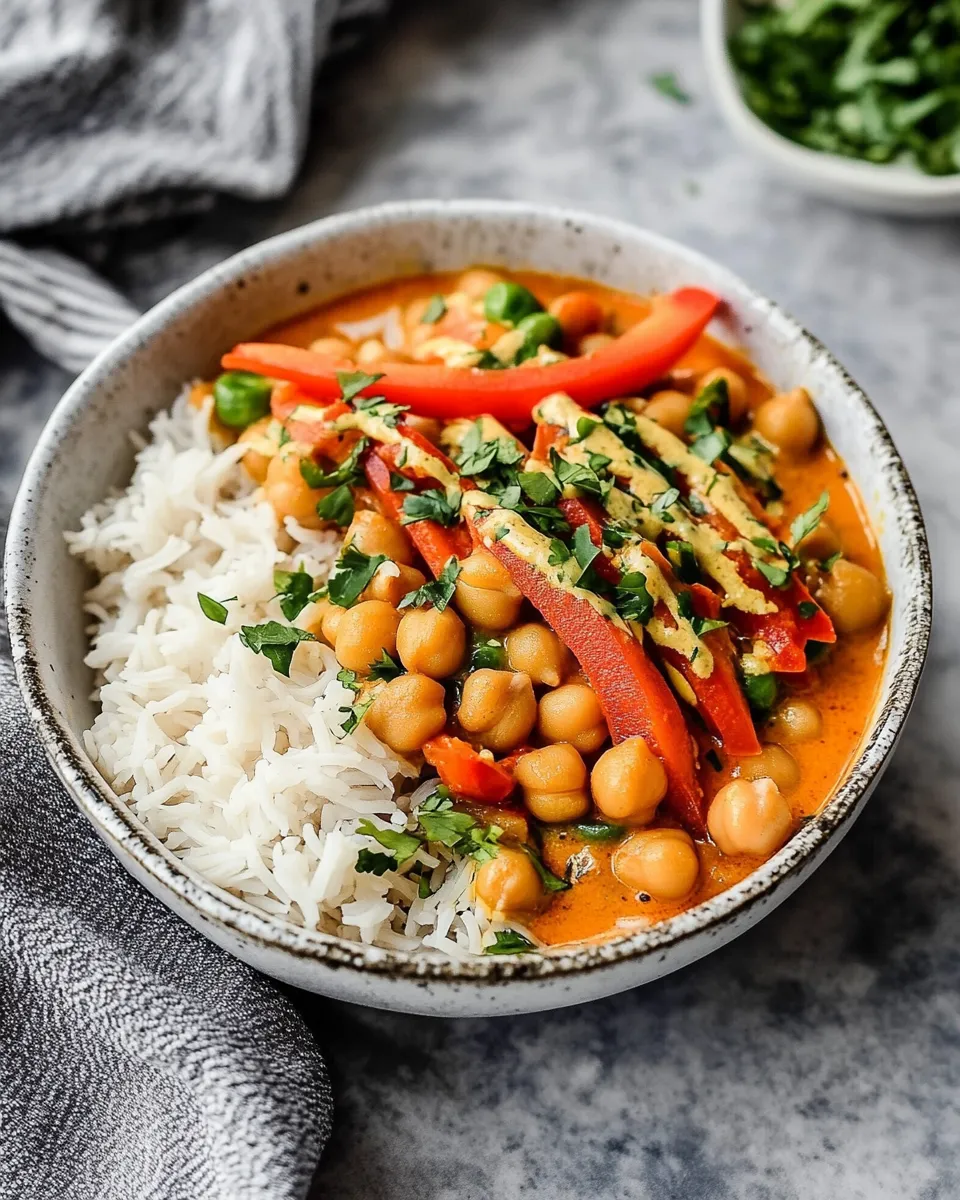
This Coconut Chickpea Curry is my go-to weeknight meal when I want something cozy, flavorful, and fast. It balances creamy coconut, bright rice vinegar, and the warm heat of Thai red curry paste. The chickpeas make it satisfying and the vegetables keep it light; it comes together in about 30–40 minutes start to finish.
I like to keep the prep simple: slice the onion and peppers, peel and round up the carrots, and have the garlic and ginger ready. From there the curry builds quickly as you bloom the paste and finish with coconut milk and chickpeas. It’s forgiving: taste and tweak the soy sauce, curry paste or sugar in the final stage to match your mood.
Serve it over brown rice or quinoa and garnish with chopped fresh cilantro. Leftovers taste even better the next day, so I often make a double batch and keep it in the fridge for lunches.
Ingredient Notes
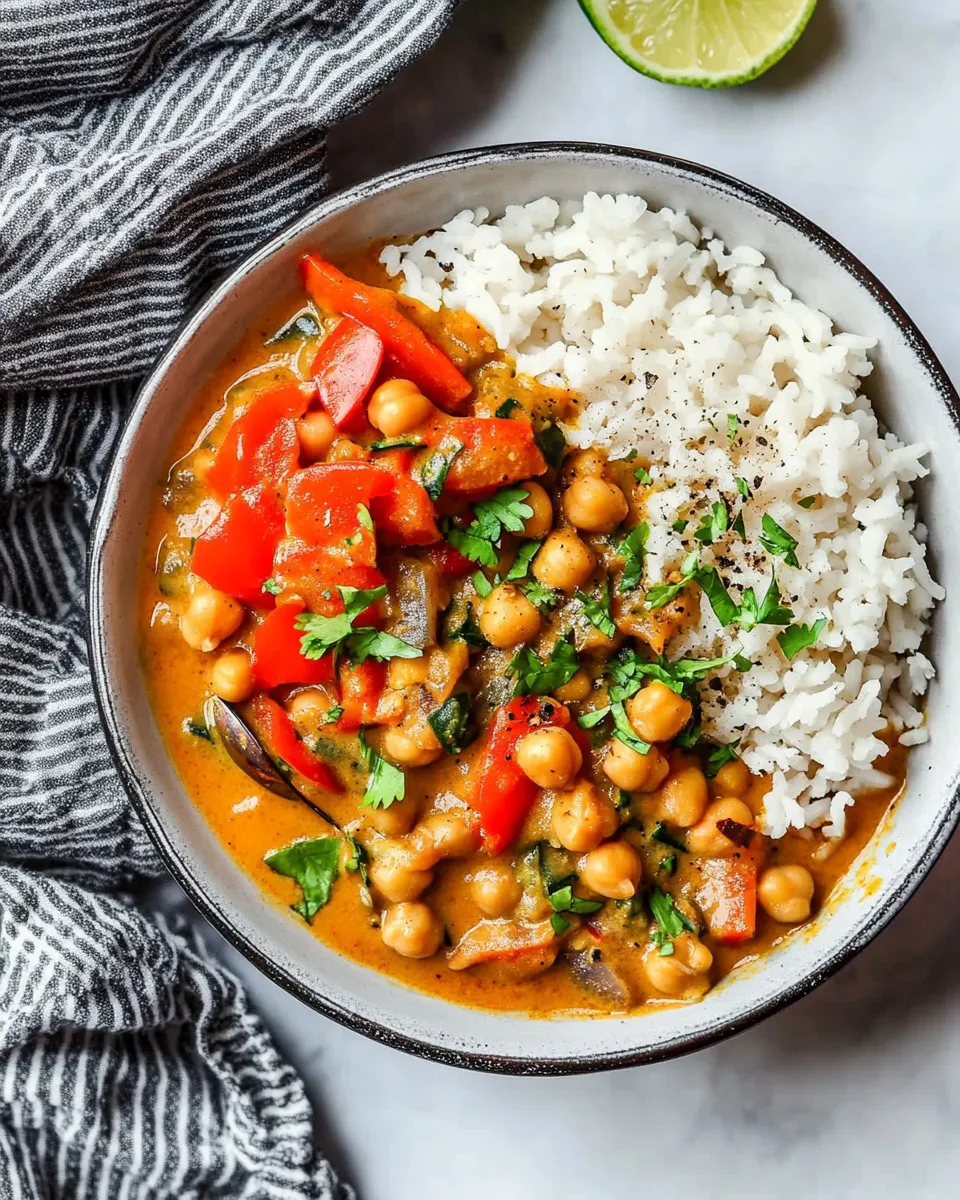
These ingredients are chosen to create a curry that’s both aromatic and creamy without a lot of fuss. The Thai red curry paste is the backbone of flavor—use the amount in the recipe and then adjust at the end if you want more heat or depth. Light coconut milk keeps the sauce silky without being overly heavy; the chickpeas add texture and protein while frozen peas finish the curry with a sweet pop.
Ingredients
- 1 tablespoon coconut oil — used to sauté aromatics; you can substitute extra-virgin olive oil or grapeseed oil.
- 1 medium yellow onion, thinly sliced — softens and builds savory flavor.
- 4 cloves garlic, minced — adds depth and a bright savory note.
- 2 tablespoons minced fresh ginger — gives fresh warmth; in a pinch use 2–3 teaspoons ground ginger.
- 3 tablespoons Thai red curry paste — primary flavor base; recipe also allows for an extra 2 teaspoons if you want more heat.
- ¼ teaspoon red pepper flakes — gentle heat that complements the curry paste.
- 6 small/medium carrots, peeled and cut into ¼-inch-thick rounds (about 2 cups) — tender-crisp texture and natural sweetness.
- 2 large red bell peppers, cored and sliced — bright color and sweetness.
- 2 cans light coconut milk (14-ounce cans) — creates the creamy sauce without being too heavy.
- 2–4 teaspoons coconut sugar — balances acidity and heat; you may use brown sugar or turbinado sugar if preferred.
- 1 can reduced-sodium chickpeas (15 ounces), rinsed and drained — the protein and texture anchor of the dish.
- 2 tablespoons soy sauce — brings savory saltiness; recipe notes an additional 2 teaspoons are optional.
- tamari — use tamari instead of soy sauce to make the recipe gluten-free (as noted in the directions).
- 2 tablespoons rice vinegar — adds brightness and balances the richness.
- 1 cup frozen peas — quick-cooking, sweet finish.
- Chopped fresh cilantro — for serving and fresh herbal lift.
- Prepared brown rice or quinoa — for serving; the curry is spooned over these grains.
Coconut Chickpea Curry: From Prep to Plate
- Heat a large pot or Dutch oven over medium heat. Add 1 tablespoon coconut oil and let it heat until shimmering. Add the 1 medium yellow onion (thinly sliced) and sauté, stirring occasionally, for 2–3 minutes, until the onion is slightly softened and translucent.
- Add the 4 cloves garlic (minced) and 2 tablespoons minced fresh ginger (or 2–3 teaspoons ground ginger). Cook, stirring, for about 30 seconds, until fragrant.
- Stir in 3 tablespoons Thai red curry paste and 1/4 teaspoon red pepper flakes. Cook, stirring constantly, for 1 minute to bloom the spices and evenly coat the aromatics.
- Add the carrots (peeled and cut into 1/4-inch rounds) and the 2 red bell peppers (cored and sliced). Stir to coat the vegetables with the curry mixture and cook 2–3 minutes to start softening them.
- Pour in the 2 cans light coconut milk and add the 1 can reduced-sodium chickpeas (15 ounces), rinsed and drained. Stir in 2 teaspoons of the coconut sugar (you may use brown or turbinado sugar if you prefer). Bring the mixture to a gentle simmer over medium-high heat.
- Reduce the heat to low and let the curry simmer uncovered for 10–15 minutes, stirring occasionally, until the sauce has slightly thickened and the vegetables are crisp-tender.
- Stir in 2 tablespoons soy sauce (or tamari to make the recipe gluten-free) and 2 tablespoons rice vinegar. Taste and adjust seasoning as desired: you can add up to 2 additional teaspoons soy sauce for more saltiness, up to 2 additional teaspoons red curry paste for more curry flavor, more sugar (up to a total of 4 teaspoons) for sweetness, or a pinch more red pepper flakes for heat.
- Stir in 1 cup frozen peas and cook for 3 minutes more, until the peas are heated through.
- Remove from heat and serve the curry warm over prepared brown rice or quinoa. Garnish with chopped fresh cilantro.
What You’ll Love About This Recipe
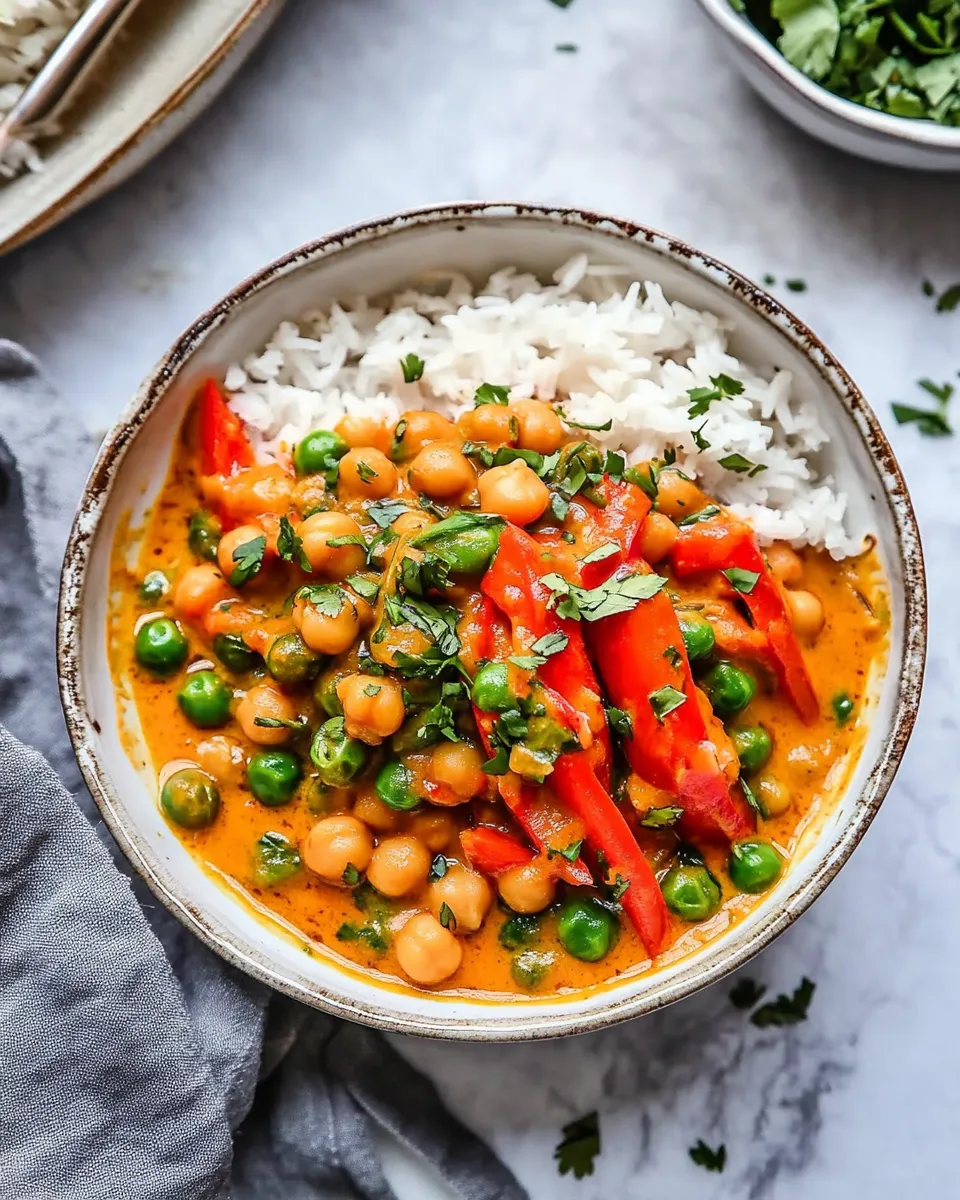
- Speed: Prep and cook in under an hour; most of the time is hands-off simmering.
- Balance: Creamy coconut milk, tangy rice vinegar, and savory soy sauce create a layered flavor profile that’s easy to tweak.
- Texture: Chickpeas add chew and body while the carrots and peppers remain slightly crisp for interest.
- Flexible: It plays well with what you have in the pantry—double the chickpeas or swap grains depending on what’s on hand.
- Make-ahead friendly: It flavors better after a rest, so leftovers are reliably delicious.
Texture-Safe Substitutions
- Mash some chickpeas against the pot wall for a creamier mouthfeel while keeping whole chickpeas for bite.
- Use ground ginger if you don’t have fresh—2–3 teaspoons ground ginger stands in for 2 tablespoons minced fresh ginger (as noted in the ingredient list).
- If you prefer less chew, cook the carrots a few minutes longer in step 6 until softer, or slice them thinner so they soften faster.
- Swap soy sauce for tamari exactly as the recipe notes to keep the texture the same but make the dish gluten-free.
Cook’s Kit
- Large pot or Dutch oven — needed for sautéing and simmering the curry.
- Wooden spoon or heatproof spatula — for stirring and scraping the pot.
- Measuring spoons and cups — the recipe uses precise spoon measures for balance; keep them handy.
- Chef’s knife and cutting board — for slicing onion, peppers and carrots cleanly and quickly.
- Can opener and colander — to open and rinse the chickpeas before adding them.
- Ladle and serving bowls — make plating the curry over brown rice or quinoa easy and neat.
Pitfalls & How to Prevent Them
- Burning the curry paste — prevent by stirring constantly for the minute you bloom it (step 3) and watching the heat. If the paste sticks, lower the heat and add a splash of coconut milk to deglaze.
- Onions not softening — slice them thinly and give them the full 2–3 minutes in step 1; a little translucence is all you need before adding garlic and ginger so they don’t scorch.
- Sauce too thin — simmer uncovered in step 6 for the full 10–15 minutes to reduce it. If you need a faster fix, simmer a bit longer or mash some chickpeas into the sauce to thicken naturally.
- Too salty or too sweet — follow step 7’s tasting advice. Add soy sauce, curry paste or sugar a little at a time and taste between additions to avoid overshooting.
- Vegetables overcooked — remove from heat as soon as vegetables are crisp-tender; they’ll keep cooking a bit off the heat, so take the pot off promptly in step 9.
Fresh Takes Through the Year
Keep the base the same and shift the produce and intensity to match the season. In spring and summer, increase the peppers and reduce the sugar for a brighter curry. In cooler months, let the carrots cook a bit longer so they break down and add a cozier mouthfeel. Frozen peas are in the recipe because they’re delicious year-round and add a fresh pop even when fresh beans are not available.
If you want a heartier winter bowl, serve the curry with a larger scoop of warm quinoa. In warm weather, serve slightly less grain and add a bigger mound of cilantro for a fresher impression. Adjust the curry paste up or down to match seasonal appetites for heat.
Chef’s Notes
Always rinse canned chickpeas well—the rinse removes canning liquid that can mute flavor. Use light coconut milk for a silky sauce that still allows the aromatics to sing; full-fat coconut milk will be richer and thicker, which is fine if you prefer that texture but it will alter the mouthfeel.
Taste at the end and remember small adjustments add up: a teaspoon of soy or a squeeze more rice vinegar can rebalance the whole pot. I often keep extra curry paste on hand so I can bump the heat at the table if guests want more.
Make-Ahead & Storage
- Refrigerator: Cool the curry, then store in an airtight container for up to 4 days. Reheat gently on the stovetop over low heat, adding a splash of water or coconut milk if the sauce tightens.
- Freezer: Freeze in portions for up to 2 months. Thaw overnight in the fridge before reheating. Texture of the vegetables may soften after freezing, but flavor holds up well.
- Reheating tip: Reheat slowly over low heat and stir frequently. Add a tablespoon or two of water or coconut milk if it seems dry or the sauce has thickened too much.
Coconut Chickpea Curry FAQs
- Is this recipe vegan? — Yes. All listed ingredients are plant-based; use tamari in place of soy sauce if you need gluten-free.
- Can I use full-fat coconut milk? — Yes. Full-fat will make the curry richer and thicker. The recipe specifies light coconut milk for a lighter sauce, but either works.
- Can I make this spicier or milder? — Yes. Increase the Thai red curry paste by up to 2 additional teaspoons (as the recipe notes) or add more red pepper flakes for heat. To mellow, reduce the curry paste or add a touch more coconut sugar.
- What grains pair best? — The recipe suggests brown rice or quinoa. Both soak up the sauce well and hold together for leftovers.
- How long will leftovers last? — Up to 4 days in the refrigerator; freeze up to 2 months for longer storage.
Bring It to the Table
Spoon the warm curry over bowls of prepared brown rice or quinoa, scatter chopped fresh cilantro on top, and serve family-style so everyone can adjust their portion. Keep extra soy sauce or tamari and an extra jar of curry paste nearby for simple table-side adjustments. This curry is hearty enough for a weeknight dinner, pretty enough for guests, and forgiving enough to be a reliable staple — just what I reach for when I want something that tastes like effort but comes together quickly.
Coconut Chickpea Curry
Ingredients
Ingredients
- 1 tablespooncoconut oilor substitute extra-virgin olive oil or grapeseed oil
- 1 mediumyellow onionthinly sliced
- 4 clovesgarlicminced
- 2 tablespoonsminced fresh gingeror in a pinch 2–3 teaspoons ground ginger
- 3 tablespoonsThai red curry pasteplus 2 teaspoons
- 1/4 teaspoonred pepper flakes
- 6 small/mediumcarrotspeeled and cut into 1/4-inch-thick rounds about 2 cups
- 2 largered bell pepperscored and sliced
- 2 canslight coconut milk 14-ounce cans
- 2-4 teaspoonscoconut sugarbrown sugar or turbinado sugar
- 1 canreduced-sodium chickpeas 15 ounces, rinsed and drained
- 2 tablespoonssoy sauceplus 2 teaspoons ortamarito make the recipe gluten free
- 2 tablespoonsrice vinegar
- 1 cupfrozen peas
- Chopped fresh cilantrofor serving
- Preparedbrown riceorquinoafor serving
Instructions
Instructions
- Heat a large pot or Dutch oven over medium heat. Add 1 tablespoon coconut oil and let it heat until shimmering. Add the 1 medium yellow onion (thinly sliced) and sauté, stirring occasionally, for 2–3 minutes, until the onion is slightly softened and translucent.
- Add the 4 cloves garlic (minced) and 2 tablespoons minced fresh ginger (or 2–3 teaspoons ground ginger). Cook, stirring, for about 30 seconds, until fragrant.
- Stir in 3 tablespoons Thai red curry paste and 1/4 teaspoon red pepper flakes. Cook, stirring constantly, for 1 minute to bloom the spices and evenly coat the aromatics.
- Add the carrots (peeled and cut into 1/4-inch rounds) and the 2 red bell peppers (cored and sliced). Stir to coat the vegetables with the curry mixture and cook 2–3 minutes to start softening them.
- Pour in the 2 cans light coconut milk and add the 1 can reduced-sodium chickpeas (15 ounces), rinsed and drained. Stir in 2 teaspoons of the coconut sugar (you may use brown or turbinado sugar if you prefer). Bring the mixture to a gentle simmer over medium-high heat.
- Reduce the heat to low and let the curry simmer uncovered for 10–15 minutes, stirring occasionally, until the sauce has slightly thickened and the vegetables are crisp-tender.
- Stir in 2 tablespoons soy sauce (or tamari to make the recipe gluten-free) and 2 tablespoons rice vinegar. Taste and adjust seasoning as desired: you can add up to 2 additional teaspoons soy sauce for more saltiness, up to 2 additional teaspoons red curry paste for more curry flavor, more sugar (up to a total of 4 teaspoons) for sweetness, or a pinch more red pepper flakes for heat.
- Stir in 1 cup frozen peas and cook for 3 minutes more, until the peas are heated through.
- Remove from heat and serve the curry warm over prepared brown rice or quinoa. Garnish with chopped fresh cilantro.
Equipment
- Large Pot or Dutch Oven
Notes
TO REHEAT: Warm in a skillet over medium heat until steaming. You can also microwave in a covered microwave-safe container until heatedthrough.
TO FREEZE: I do not recommend freezing, as I have not had the best luck freezing sauces that have a coconut milk base.