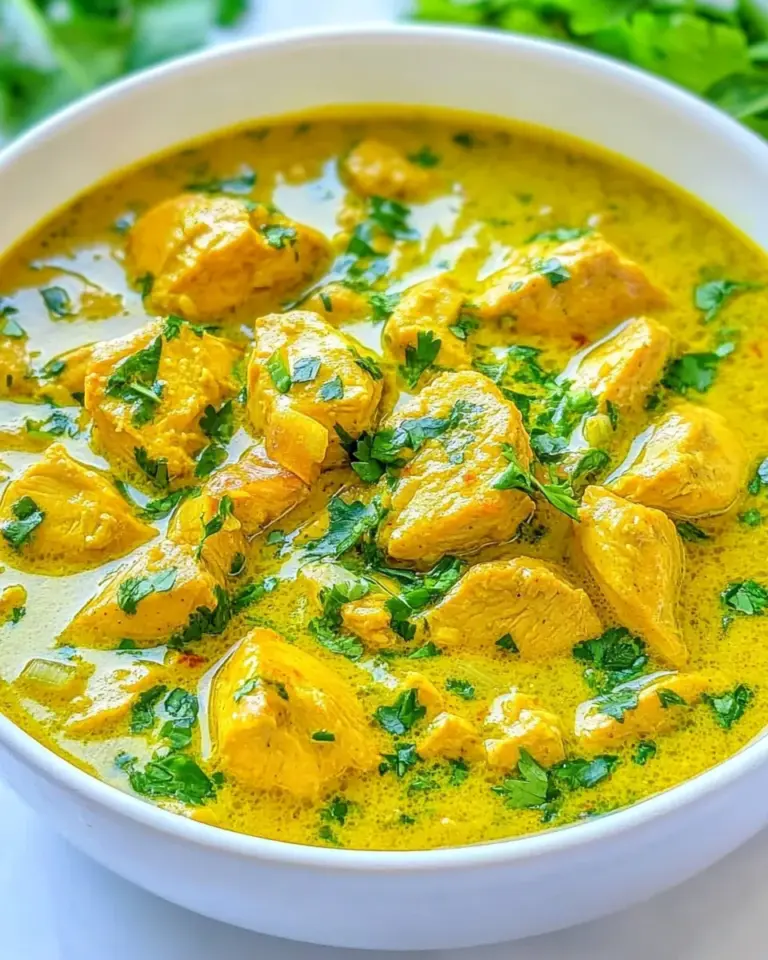
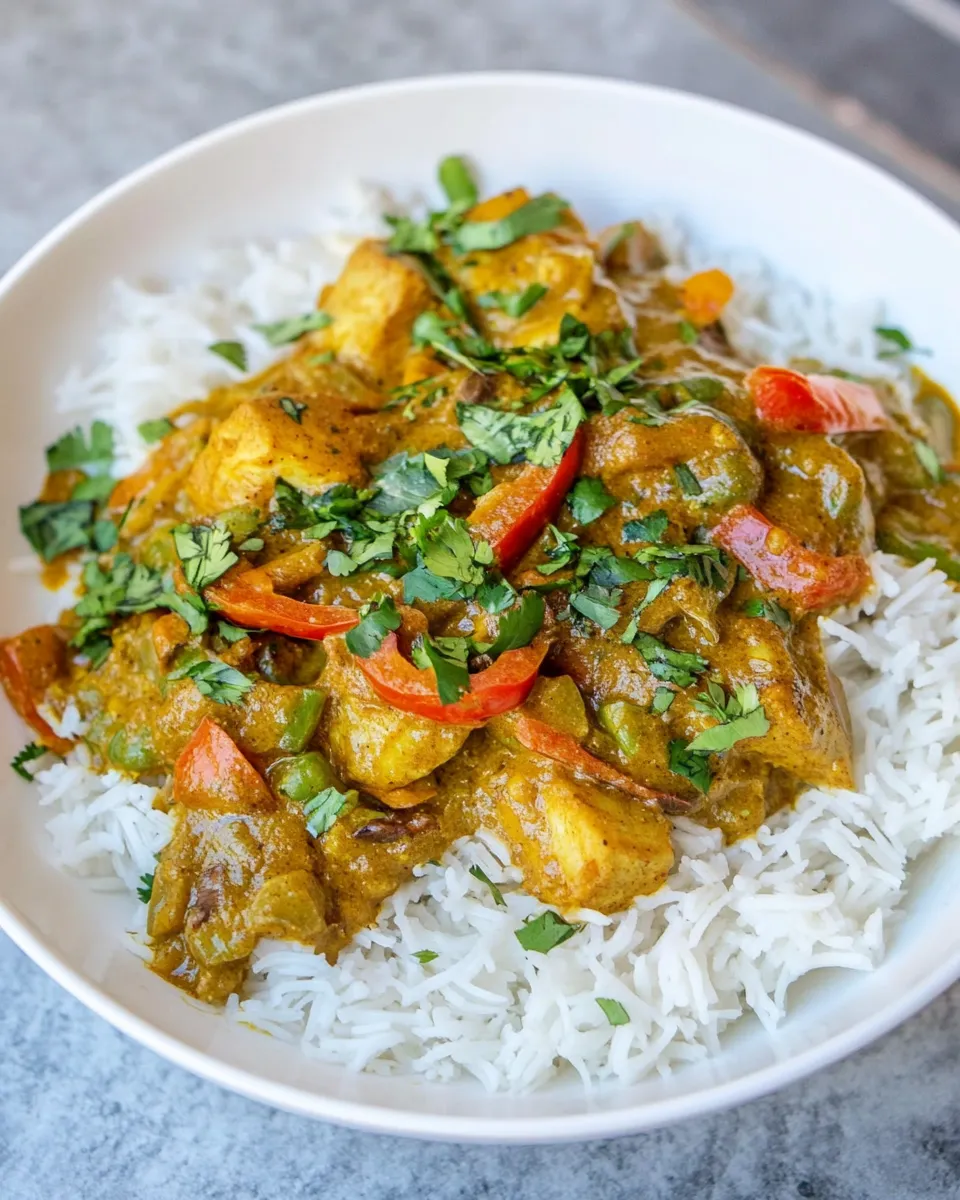
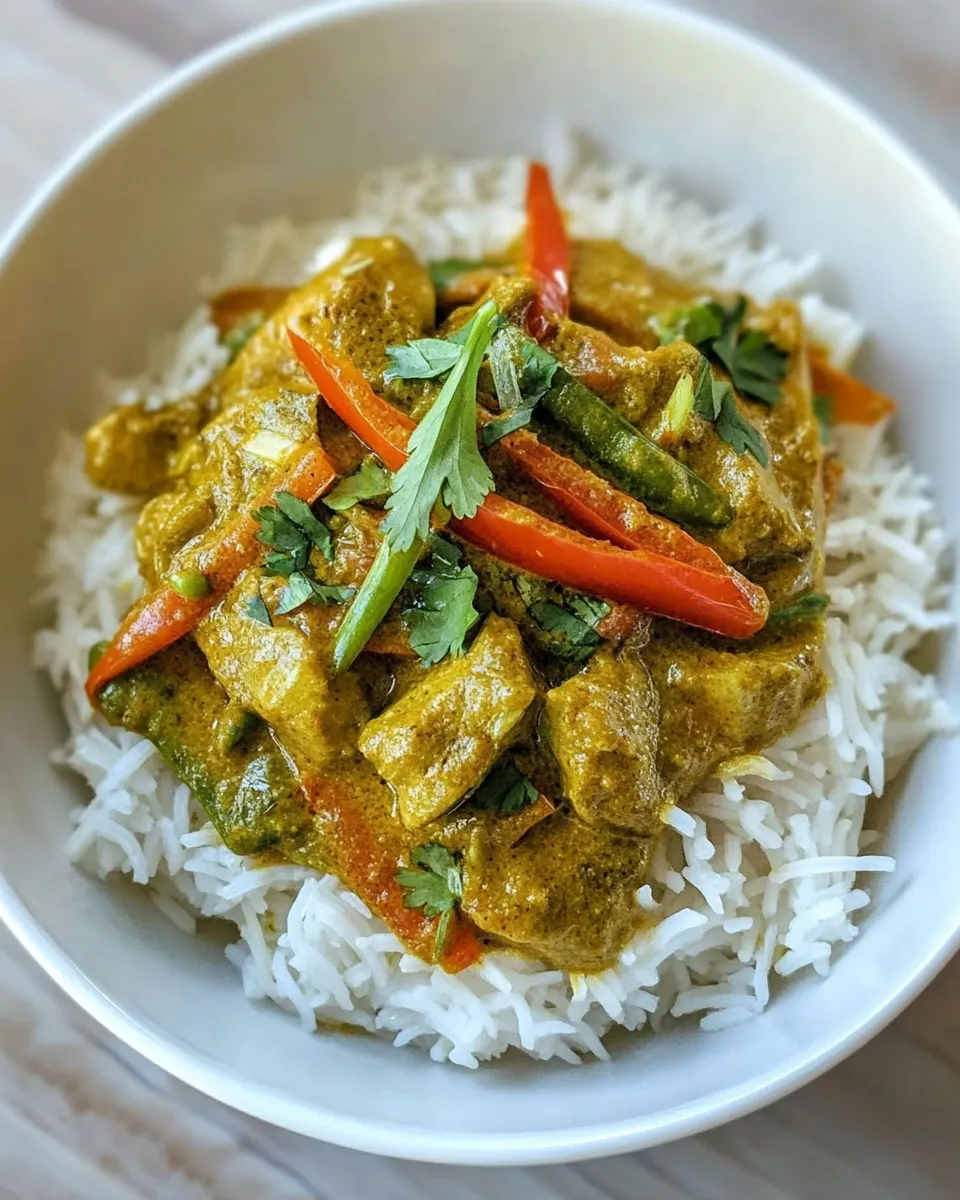
This coconut curry is the kind of dinner I reach for when I want something comforting, fast, and reliably delicious. It’s creamy, bright with lime and cilantro, and built on pantry spices you probably already have. The sauce is rich without being heavy, and the short cooking time keeps the chicken tender and the bell pepper pleasantly crisp-tender.
There’s no pretension here: a handful of spices, a can of full‑fat coconut milk, and a quick sauté turn into a saucy meal that’s excellent over rice, cauliflower rice, or with warm naan. The method focuses on coaxing flavor out of onions and spices, then finishing with fish sauce and lime so the whole dish hits savory, salty, and acidic notes.
I’ll walk you through the exact ingredients and the step-by-step process I used while testing, plus swaps, troubleshooting, and storage tips so this Coconut Curry becomes an easy go-to on your rotation.
Ingredient Checklist
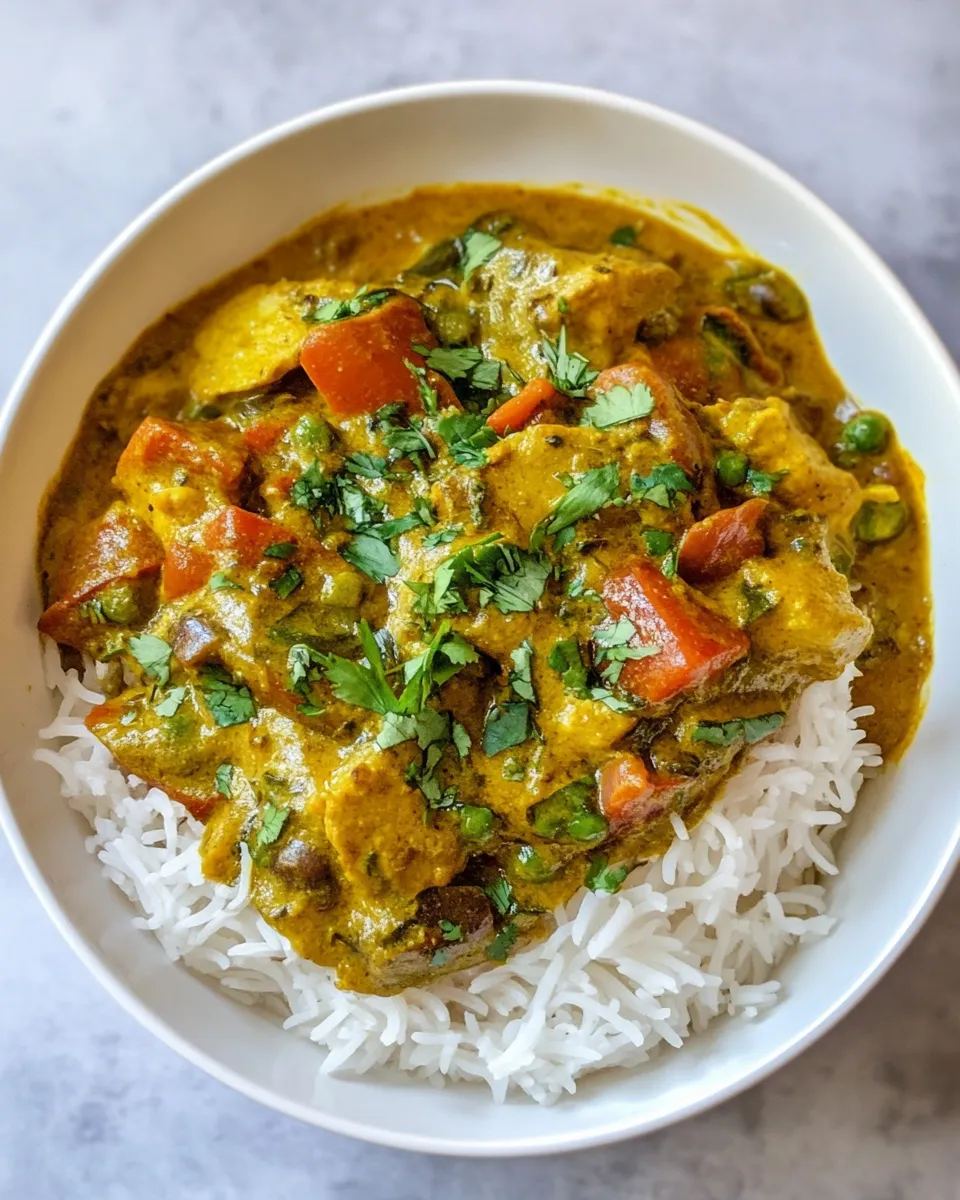
Ingredients
- 2 pounds boneless, skinless chicken thighs or breasts — I love thighs for this but both work; they’re the main protein and soak up the spice mix.
- 1 tablespoon ground paprika — adds color and a gentle smokiness.
- 2 teaspoons kosher salt — seasons the chicken and the sauce; you can add more later if needed.
- 2 teaspoons curry powder — the spice backbone; use your favorite blend.
- ½ teaspoon ground turmeric — gives warm flavor and golden color.
- ¼ teaspoon ground cayenne pepper — brings heat; adjust to taste.
- 1 large yellow onion — finely diced; softens into the sauce and builds flavor.
- 4 garlic cloves — minced; adds depth and aroma.
- 1 inch piece of ginger (enough to yield 1 tablespoon minced) — fresh ginger brightens and lifts the curry.
- 1 red bell pepper — sliced; provides sweetness and texture.
- 3 tablespoons coconut oil or canola oil, plus additional as needed — for sautéing; coconut oil reinforces the coconut flavor.
- 1 (13-ounce) can unsweetened coconut milk — use full fat, or the sauce may separate; it’s the creamy base.
- 1 ½ tablespoons fish sauce — gives umami and savory depth; add more to taste.
- 1 tablespoon freshly squeezed lime juice — brightens the finished dish; have extra lime wedges for serving.
- 1 cup roughly chopped fresh cilantro, divided — half goes into the sauce, the rest is garnish for freshness.
- Cooked rice, cauliflower rice, or Homemade Naan — for serving; these are the vehicles for the curry.
How to Prepare (Coconut Curry)
- Cut the chicken into 1-inch pieces and place in a large bowl. Add the paprika, 2 teaspoons kosher salt, curry powder, turmeric, and cayenne. Toss to coat and set aside to marinate while you prep the remaining ingredients.
- Finely dice the large yellow onion. Mince the 4 garlic cloves. Mince the 1-inch piece of ginger until you have 1 tablespoon minced ginger. Cut the red bell pepper into thin slices, then cut those slices in half crosswise to shorten them.
- In a Dutch oven or other large, heavy pot, heat 3 tablespoons coconut oil (or canola oil) over medium heat until shimmering.
- Add the diced onion, reduce the heat to medium-low, and gently sauté, stirring occasionally, until the onion is translucent and soft, about 10 minutes. Do not let the onion brown.
- Stir in the minced garlic and minced ginger and cook, stirring constantly, until very fragrant, about 1 minute.
- Increase the heat to medium and add the seasoned chicken to the pot. Cook for 1 minute, stirring continuously to bloom the spices and distribute the chicken. If the pan starts to stick, add a little more oil as needed.
- Pour in the 13-ounce can of unsweetened coconut milk and add 1 1/2 tablespoons fish sauce. Stir to combine, then add the prepared red bell pepper.
- Bring the mixture to a rapid simmer (not a full boil). Reduce heat as needed to maintain a steady simmer and cook, stirring occasionally, until the chicken is cooked through (no pink remains) and the bell pepper is tender, about 10 minutes.
- Stir in 1 tablespoon freshly squeezed lime juice and half of the roughly chopped fresh cilantro. Taste and adjust seasoning with additional kosher salt or fish sauce as desired.
- Serve the coconut curry over cooked rice, cauliflower rice, or with homemade naan. Garnish with the remaining cilantro and additional lime wedges for serving.
Why This Recipe Belongs in Your Rotation
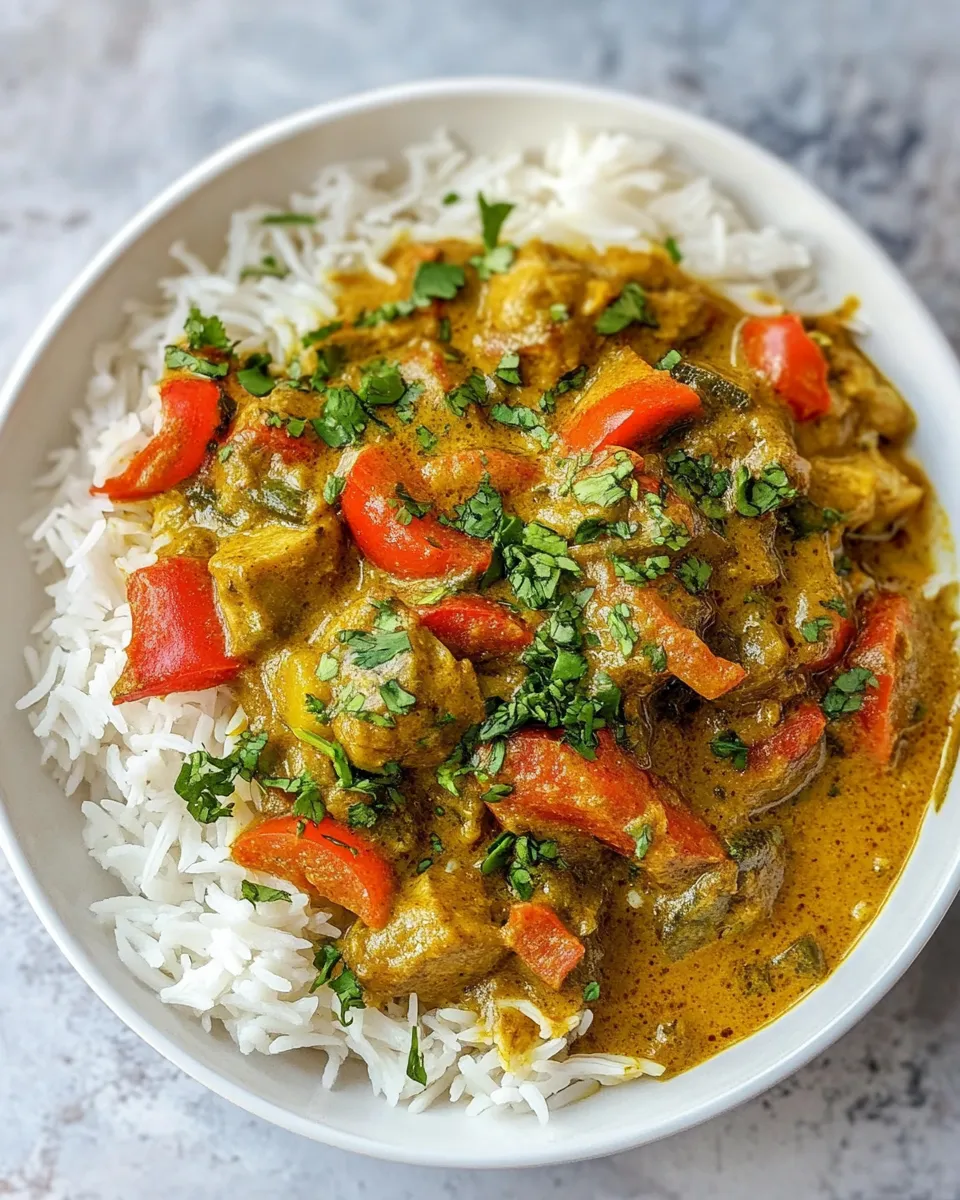
This Coconut Curry is fast, forgiving, and consistently satisfying. It comes together in roughly 30 minutes of hands-on time, so it works for weeknights when you need something better than takeout. The spice blend is straightforward, and the coconut milk creates a lush sauce that masks little imperfections in timing or heat control.
It’s versatile: swap the rice for cauliflower rice to keep it lighter, or serve with naan for scooping. The flavor profile—curry powder, turmeric, ginger, and fish sauce—feels restaurant-worthy but is built from pantry staples you can rely on.
Allergy-Friendly Substitutes
If you need to avoid specific ingredients, here are safe swaps that keep the character of the dish without changing technique.
- Fish sauce — substitute low-sodium soy sauce or tamari for a similar savory note; coconut aminos work if you need gluten-free and soy-free.
- Coconut milk — if you can’t have coconut, a neutral full-fat canned plant milk (like a thick almond or oat creamer) can work, but expect a different flavor and possibly a thinner sauce.
- Chicken — swap for firm tofu cubes or chickpeas to make a vegetarian version; cook times will differ so check for heat-through and tenderness.
- Spice heat — reduce or omit cayenne if you’re sensitive to spice; ground paprika still gives color without heat.
Equipment & Tools
- Large bowl — for marinating the chicken.
- Chef’s knife and cutting board — for dicing onion, mincing garlic and ginger, and slicing pepper.
- Dutch oven or heavy-bottomed pot — the even heat prevents scorching and keeps the sauce smooth.
- Wooden spoon or heatproof spatula — for stirring and scraping bits off the bottom.
- Measuring spoons and cups — for accurate spice balance.
- Citrus juicer or small reamer — helps get every last drop of lime juice.
Troubleshooting Tips
Here are quick fixes for the most common issues you might run into.
- Onions browned too much: If the onions start to brown before they’re soft, reduce the heat and add a splash of water to deglaze and slow cooking.
- Sauce separated: Using full‑fat coconut milk helps prevent separation. If it happens, whisk in a tablespoon of cold water off heat and warm gently to recombine.
- Flavor too flat: Add a little more fish sauce or a pinch of kosher salt, then balance with lime juice to brighten.
- Chicken is dry: Reduce simmer time and avoid overcooking; thighs are more forgiving than breasts.
- Too spicy: Stir in a splash more coconut milk or a small spoonful of plain yogurt to tame heat (only if you tolerate dairy).
Better Choices & Swaps
Small adjustments can make the dish more aligned with your pantry, diet, or preferred textures.
- Protein choice: Use dark meat (thighs) for more forgiving texture and juiciness; breasts cook faster and can dry out if overdone.
- Oil: Coconut oil reinforces the coconut flavor. Use canola if you want a more neutral oil and a lower coconut profile.
- Coconut milk: Full-fat gives the creamiest result; light coconut milk will produce a runnier sauce that may separate.
- Veg additions: If you want more veggies, quick-cooking items like snap peas or chopped spinach can be stirred in near the end so they stay tender-crisp.
What I Learned Testing
When I tested this recipe repeatedly, timing and heat control were the two biggest determinants of a great result. Cook the onions slowly and don’t rush them—translucent, soft onions create the foundation for a smooth sauce. If you crank the heat to brown them, the curry loses that mellow sweetness and can taste sharper.
Blooming the spices for just a minute with the chicken at medium heat makes their flavors pop without burning. Also, let the curry reach a rapid simmer rather than a rolling boil; a calm, steady simmer cooks the chicken through without breaking the coconut milk emulsion. Finally, taste at the end for salt and acid—fish sauce and lime juice are small, powerful adjustments that lift the whole dish.
Keep It Fresh: Storage Guide
Store leftovers in an airtight container in the refrigerator for up to 3–4 days. Reheat gently on the stovetop over low heat, stirring occasionally; if the sauce has thickened, add a splash of water or coconut milk to loosen it. For longer storage, freeze in a freezer-safe container for up to 2 months. Thaw overnight in the refrigerator and reheat slowly to avoid separation.
Troubleshooting Q&A
Q: My sauce is grainy after reheating—what happened?
A: Coconut milk can seize or separate if heated too quickly. Reheat slowly over low heat and whisk; add a little warm water or additional coconut milk to smooth the texture.
Q: The chicken ended up rubbery—how can I prevent that?
A: Overcooking is usually the cause. Cut pieces evenly, simmer at a steady but not violent temperature, and check for doneness early. Thighs are more forgiving than breasts.
Q: I don’t have fish sauce—will soy sauce work?
A: Yes—use low-sodium soy sauce or tamari to approximate the savory depth, and taste for balance. Coconut aminos are a quieter, slightly sweeter alternative if you need gluten-free.
Wrap-Up
This Coconut Curry is practical, flexible, and dependable. Follow the steps for gentle onion cooking, quick spice blooming, and a steady simmer, and you’ll have a saucy, flavorful meal in under an hour. Keep full-fat coconut milk and a small spice kit on hand—those two things make this an easy, weeknight-friendly dinner that still feels special.
Make a double batch of rice and some extra cilantro, and you’ll have lunches and second-night dinners sorted. Enjoy: creamy, bright, and just the right kind of simple.
Coconut Curry
Ingredients
Ingredients
- 2 poundsboneless skinless chicken thighsor breasts – I love thighs for this but both work
- 1 tablespoonground paprika
- 2 teaspoonskosher saltplus additional as needed
- 2 teaspoonscurry powder
- 1/2 teaspoonground turmeric
- 1/4 teaspoonground cayenne pepper
- 1 largeyellow onion
- 4 garlic cloves
- 1 inchpiece of gingerenough to yield 1 tablespoon minced
- 1 red bell pepper
- 3 tablespoonscoconut oilor canola oil plus additional as needed
- 1 13-ounce can unsweetened coconut milk(use full fat, or the sauce may separate)
- 1 1/2 tablespoonsfish sauceplus additional to taste
- 1 tablespoonfreshly squeezed lime juiceplus additional lime wedges for serving lemon also works
- 1 cuproughly chopped fresh cilantrodivided
- Cooked ricecauliflower rice orHomemade Naan, for serving
Instructions
Instructions
- Cut the chicken into 1-inch pieces and place in a large bowl. Add the paprika, 2 teaspoons kosher salt, curry powder, turmeric, and cayenne. Toss to coat and set aside to marinate while you prep the remaining ingredients.
- Finely dice the large yellow onion. Mince the 4 garlic cloves. Mince the 1-inch piece of ginger until you have 1 tablespoon minced ginger. Cut the red bell pepper into thin slices, then cut those slices in half crosswise to shorten them.
- In a Dutch oven or other large, heavy pot, heat 3 tablespoons coconut oil (or canola oil) over medium heat until shimmering.
- Add the diced onion, reduce the heat to medium-low, and gently sauté, stirring occasionally, until the onion is translucent and soft, about 10 minutes. Do not let the onion brown.
- Stir in the minced garlic and minced ginger and cook, stirring constantly, until very fragrant, about 1 minute.
- Increase the heat to medium and add the seasoned chicken to the pot. Cook for 1 minute, stirring continuously to bloom the spices and distribute the chicken. If the pan starts to stick, add a little more oil as needed.
- Pour in the 13-ounce can of unsweetened coconut milk and add 1 1/2 tablespoons fish sauce. Stir to combine, then add the prepared red bell pepper.
- Bring the mixture to a rapid simmer (not a full boil). Reduce heat as needed to maintain a steady simmer and cook, stirring occasionally, until the chicken is cooked through (no pink remains) and the bell pepper is tender, about 10 minutes.
- Stir in 1 tablespoon freshly squeezed lime juice and half of the roughly chopped fresh cilantro. Taste and adjust seasoning with additional kosher salt or fish sauce as desired.
- Serve the coconut curry over cooked rice, cauliflower rice, or with homemade naan. Garnish with the remaining cilantro and additional lime wedges for serving.
Equipment
- Dutch oven or large heavy pot
Notes
TO STORE: Refrigerate leftovers in an airtight container for up to 4 days.
TO REHEAT: Warm coconut curry in a pan on the stovetop over medium heat or in the microwave. The liquid will thicken, but it should loosen up once reheated. If not, add a splash of water or broth.
TO FREEZE: Transfer to an airtight container or freezer bag and freeze for up to 3 months. Thaw in the refrigerator before reheating.