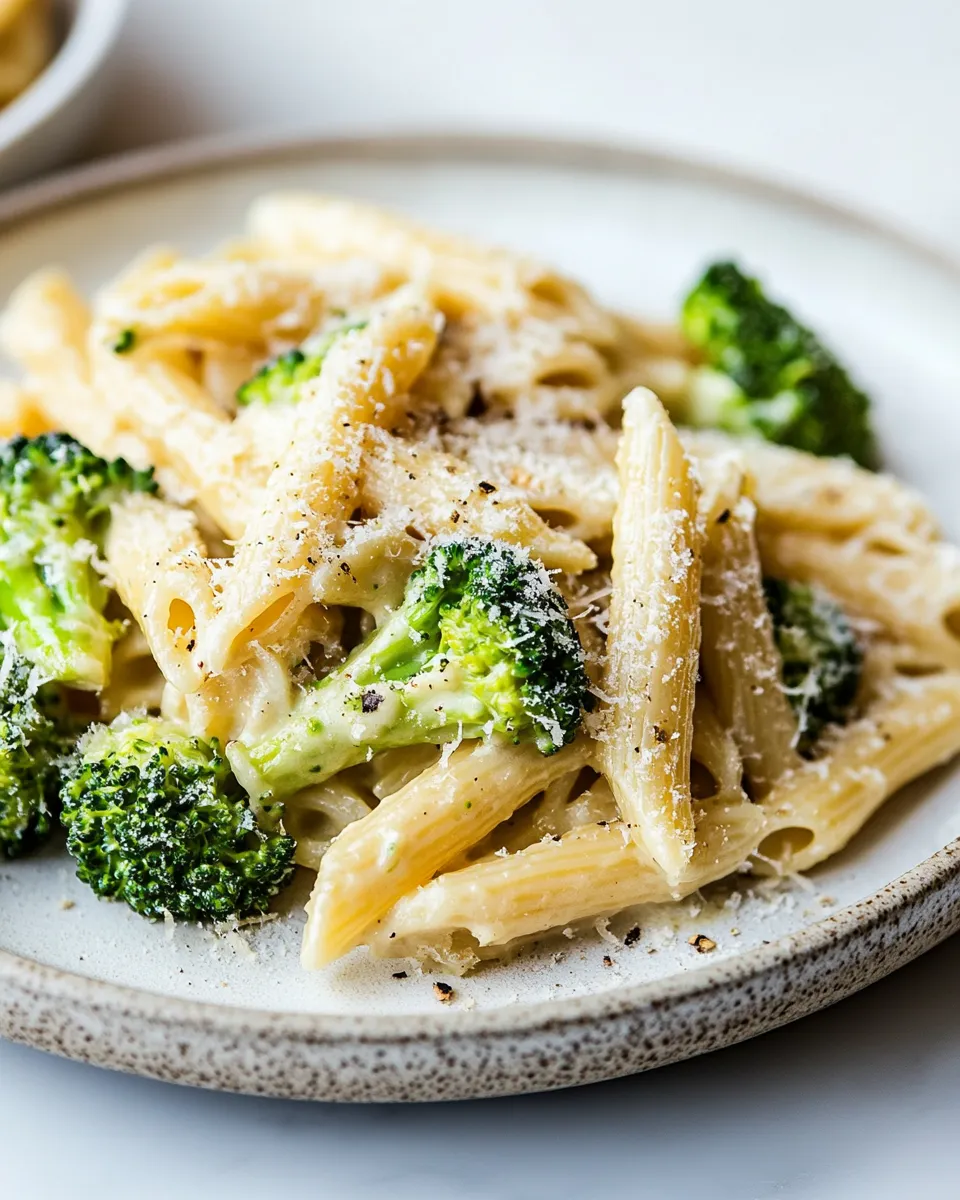
This is one of those weeknight dinners I make when I want something comforting without fuss. Bright lemon keeps the sauce from feeling heavy while the broccoli gives the dish texture and color. It comes together fast, and it behaves — forgiving if the timing slips by a few minutes.
There’s a simple rhythm to it: pasta water, a quick roux, a splash of broth and cream, then Parmesan to finish. You don’t need complicated technique to get silky sauce that clings to every bite. A little reserved pasta water is the secret glue.
I’ll walk you through every step, explain why each ingredient matters, and offer sensible swaps if you need them. No fluff — just reliable guidance so your dinner turns out great tonight.
What We’re Using
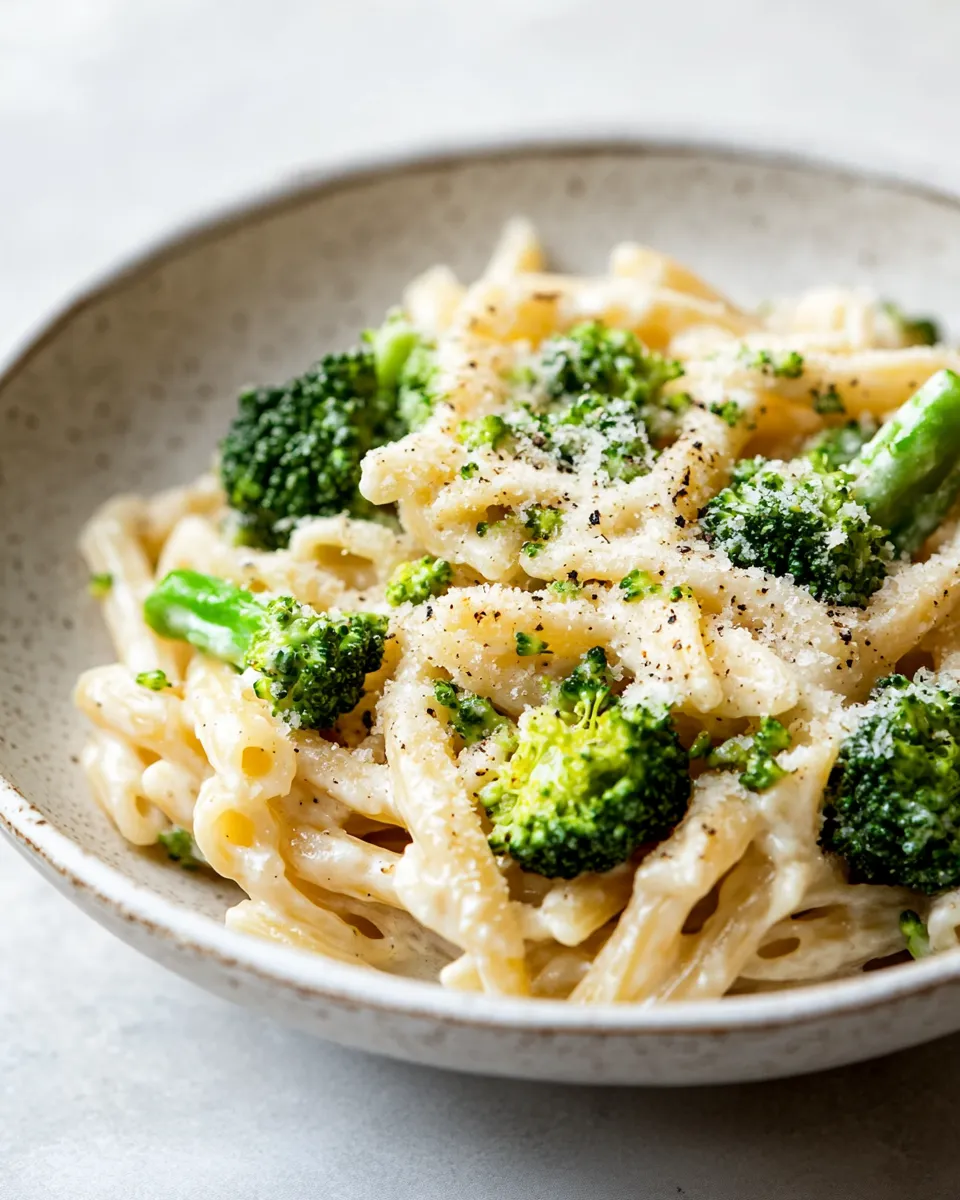
Everything here is pantry-friendly. The base is straightforward: pasta, broccoli, butter, a touch of flour for thickness, broth for flavor, cream for richness, lemon for lift, and Parmesan to finish. Keep a jar of Italian seasoning on hand and use good-quality Parmesan — it makes a noticeable difference.
Ingredients
- 8 ounces uncooked pasta (I used penne) — provides the main body; choose a shape that catches sauce.
- 3 heaping cups broccoli cut into small florets — cooks with the pasta so it stays bright and tender-crisp.
- 2 tablespoons butter — the fat for the roux and flavor base; gives the sauce a silky mouthfeel.
- 1/2 tablespoon flour — thickens the sauce; cook it briefly to avoid a raw flour taste.
- 1-2 cloves garlic minced — aromatic lift; adjust to your garlic tolerance.
- 1/4 cup chicken or vegetable broth — adds savory depth and thins the roux enough to become a sauce.
- 2 teaspoons lemon juice — brightens and balances the cream; add more sparingly if you like it tangier.
- 1/4 teaspoon Italian seasoning — quick herb note; oregano/basil/thyme blend adds warmth.
- 1 cup heavy/whipping cream — the body of the sauce; use the real thing for the smoothest result.
- 1/3 cup freshly grated Parmesan cheese — melts into the sauce and adds savory umami; grate it fresh for best texture.
- Salt & pepper to taste — finish with seasoning; salt amplifies flavors, pepper gives a gentle bite.
Cooking (Creamy Lemon Broccoli Pasta): The Process
- Bring a large pot of salted water to a boil. Add 8 ounces pasta and cook according to package directions until al dente. When the pasta has about 2–3 minutes left, add 3 heaping cups broccoli florets to the pot so they cook with the pasta. Before draining, reserve about 1/2 cup of the pasta cooking water, then drain the pasta and broccoli.
- While the pasta is cooking, heat a skillet over medium heat and add 2 tablespoons butter. When the butter is melted and bubbling gently, sprinkle in 1/2 tablespoon flour and whisk continuously for 1–2 minutes to cook the flour (this makes a roux).
- Add 1–2 cloves minced garlic, 1/4 cup chicken or vegetable broth, 2 teaspoons lemon juice, and 1/4 teaspoon Italian seasoning to the skillet. Stir and let the mixture bubble gently for about 1 minute.
- Whisk in 1 cup heavy/whipping cream. Bring the sauce to a gentle simmer and cook, stirring occasionally, for 2–4 minutes until the sauce thickens to a consistency that will coat the back of a spoon.
- Remove the skillet from the heat and stir in 1/3 cup freshly grated Parmesan cheese until melted and the sauce is smooth. If you prefer a thinner sauce, add a little of the reserved pasta water, 1 tablespoon at a time, until you reach the desired consistency.
- Add the drained pasta and broccoli to the skillet with the sauce. Toss gently to combine and coat everything evenly; add more reserved pasta water if needed to loosen the sauce.
- Taste and season with salt and freshly ground black pepper to your preference.
- Serve immediately, dividing among plates while hot.
The Upside of Creamy Lemon Broccoli Pasta
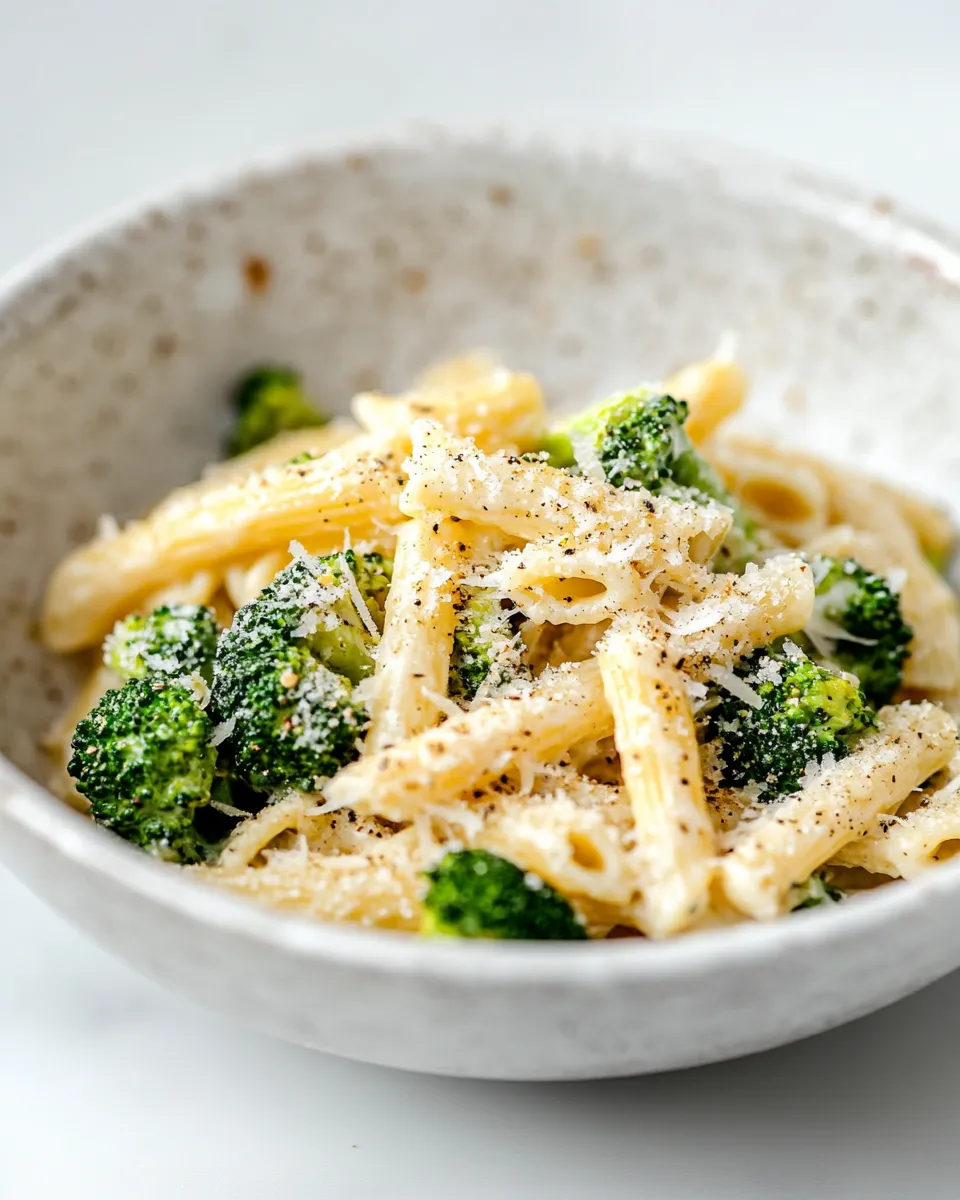
This dish balances comfort and brightness. The cream and Parmesan give you that indulgent, cozy mouthfeel, while lemon and broccoli keep it from feeling heavy. It’s fast: from boiling water to dinner in about 20–25 minutes if you’re organized.
It’s also flexible. Use what you have: different pasta shapes, vegetable broth for a vegetarian base, or a heartier green like broccolini if you prefer. Leftovers reheat well on the stovetop with a splash of water or broth to loosen the sauce.
Serve it as a weeknight main or a simple side for a protein. It’s approachable enough for beginners but polished enough to bring when you want a satisfying, unpretentious meal.
Quick Replacement Ideas
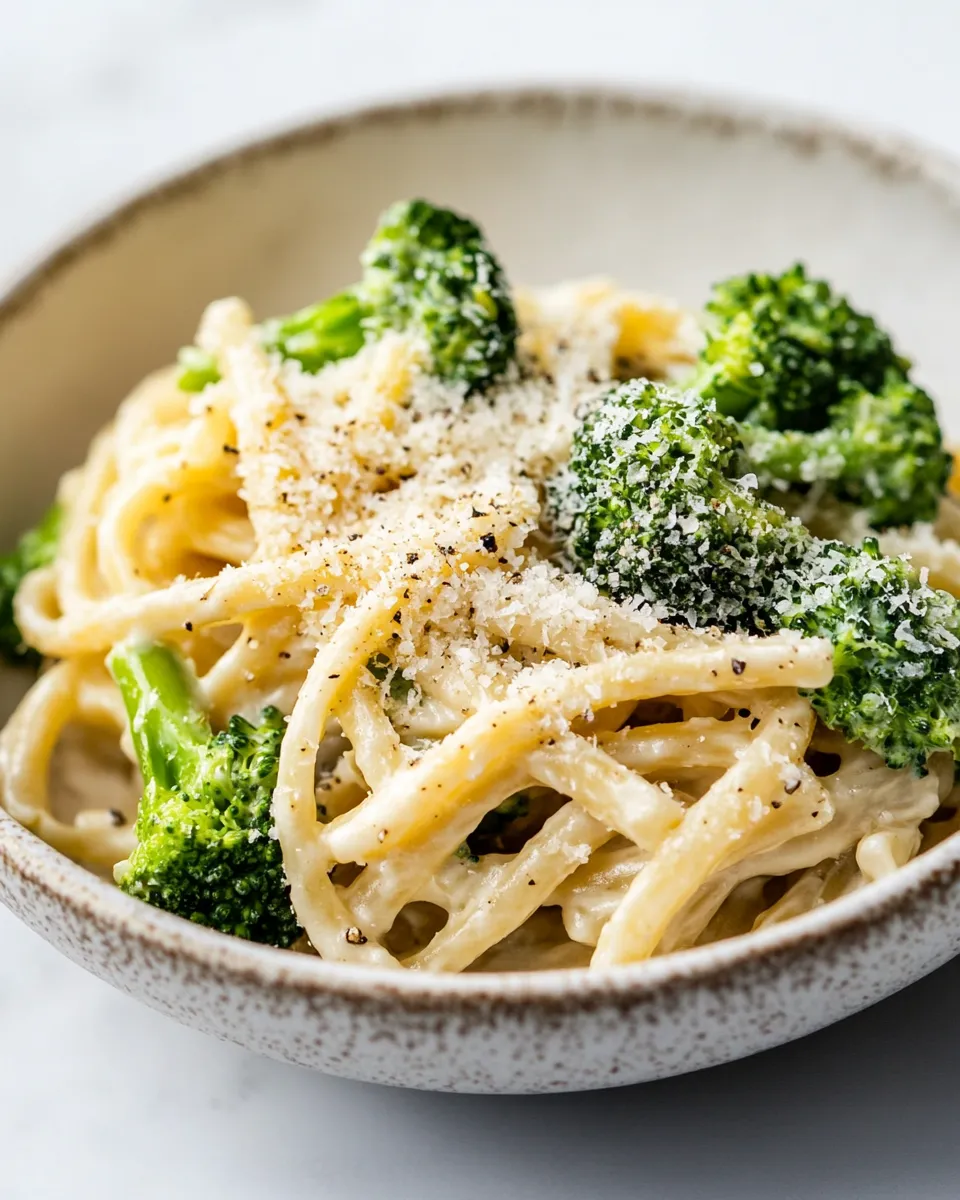
- Pasta: Swap penne for fusilli, farfalle, or rigatoni — shapes with nooks catch sauce nicely.
- Broccoli: Use broccolini, cauliflower florets, or green beans if broccoli isn’t available.
- Butter: Use olive oil for a dairy-light option, though the flavor will shift slightly.
- Flour thickener: Use 1/2 tablespoon cornstarch mixed with 1 tablespoon cold water as a slurry — add after the broth step and simmer until thickened.
- Broth: Chicken or vegetable are both listed; use whichever you have.
- Cheese: Pecorino Romano works if you want a sharper bite.
Protein & dietary options
- Chicken: Add sliced cooked chicken breasts or rotisserie chicken when you toss the pasta.
- Seafood: Quick-cooked shrimp folded in at the end makes it more substantial.
- Dairy-free: Use a plant-based cream substitute and a nutritional yeast finish, but note the flavor and texture will differ from the original.
Cook’s Kit
- Large pot — for boiling pasta and steaming broccoli together.
- Colander — to drain pasta and broccoli and to reserve pasta water.
- Large skillet (10–12 inches) — wide enough to toss pasta and sauce without spilling.
- Whisk — essential for making the roux and smoothing the cream sauce.
- Spoon or tongs — for folding and serving.
- Measuring spoons/cups — keep the sauce proportions steady.
What Not to Do
- Don’t skip reserving pasta water. That starchy water is what makes the sauce silky and helps it cling to the pasta.
- Don’t rush the roux. Cook the flour for 1–2 minutes in the butter to remove the raw taste; undercooking yields a floury sauce.
- Don’t boil the cream. Keep the sauce at a gentle simmer; high heat can cause the dairy to break or scald.
- Don’t overcook the broccoli. Add it with 2–3 minutes left in the pasta cooking time so it stays bright and slightly firm.
- Don’t add salt until the end. Parmesan and broth already contribute salt; taste before adding more to avoid over-salting.
Seasonal Spins
Shift the flavors across the year without changing the backbone of the recipe:
- Spring: Stir in blanched asparagus tips and a handful of fresh peas for a bright, green plate.
- Summer: Toss in halved cherry tomatoes and a few basil leaves just before serving to add freshness and color.
- Fall: Add sautéed mushrooms and a pinch of nutmeg to warm the flavor profile.
- Winter: Fold in roasted squash cubes and finish with sage for a cozy variation.
Behind-the-Scenes Notes
I developed this version because I wanted something creamy that didn’t feel heavy after a long day. Lemon does the heavy lifting: a small amount brightens the whole bowl. The technique — cooking broccoli with the pasta — saves time and avoids an extra pan to clean.
When testing, the key variable was sauce thickness. If the sauce is too thick after adding Parmesan, reserve water is your friend. If it’s thin, let it simmer a little longer, but keep the heat gentle. Freshly grated Parmesan melts more smoothly than pre-grated; if you can, grate it right before you use it.
Make-Ahead & Storage
- Make-ahead: You can prepare the sauce up to 24 hours in advance and refrigerate. Reheat gently on the stovetop, then toss with freshly cooked pasta and broccoli so the pasta isn’t mushy.
- Storage: Leftovers keep in an airtight container in the refrigerator for 3–4 days. The sauce firms up when cold; loosen with a splash of broth or water when reheating.
- Freezing: I don’t recommend freezing this cream-based pasta — dairy sauces can separate on thawing and reheating.
Ask & Learn
Q: Can I use half-and-half instead of heavy cream? A: You can, but the sauce will be slightly thinner and less rich. Cook it a bit longer to concentrate, and be gentle with the heat to avoid splitting.
Q: How do I keep the broccoli bright green? A: Shock the broccoli in an ice bath if you’re not serving immediately. For this recipe, adding the broccoli to the pasta water with 2–3 minutes left keeps it crisp-tender and vivid.
Q: My sauce is grainy after adding cheese — why? A: If your pan is too hot when you add the Parmesan, it can clump. Remove from heat and stir the cheese in; if needed, add a splash of warm pasta water to smooth it out.
Final Thoughts
Creamy Lemon Broccoli Pasta is an easy, dependable weeknight dish that still feels a little special. The technique is forgiving: if the sauce needs loosening, a tablespoon or two of reserved pasta water fixes it. Keep good Parmesan on hand and don’t skimp on the lemon — that small sour note pulls everything together.
Make it as written the first time, then experiment with seasonal tweaks or protein additions as you get comfortable. It’s a simple recipe that rewards attention to small steps: the roux, the reserved pasta water, and the finish with Parmesan and lemon. Enjoy.
Creamy Lemon Broccoli Pasta
Ingredients
Ingredients
- 8 ouncesuncooked pasta I used penne
- 3 heaping cupsbroccolicut into small florets
- 2 tablespoonsbutter
- 1/2 tablespoonflour
- 1-2 clovesgarlicminced
- 1/4 cupchicken or vegetable broth
- 2 teaspoonslemon juice
- 1/4 teaspoonItalian seasoning
- 1 cupheavy/whipping cream
- 1/3 cupfreshly grated parmesan cheese
- Salt & pepperto taste
Instructions
Instructions
- Bring a large pot of salted water to a boil. Add 8 ounces pasta and cook according to package directions until al dente. When the pasta has about 2–3 minutes left, add 3 heaping cups broccoli florets to the pot so they cook with the pasta. Before draining, reserve about 1/2 cup of the pasta cooking water, then drain the pasta and broccoli.
- While the pasta is cooking, heat a skillet over medium heat and add 2 tablespoons butter. When the butter is melted and bubbling gently, sprinkle in 1/2 tablespoon flour and whisk continuously for 1–2 minutes to cook the flour (this makes a roux).
- Add 1–2 cloves minced garlic, 1/4 cup chicken or vegetable broth, 2 teaspoons lemon juice, and 1/4 teaspoon Italian seasoning to the skillet. Stir and let the mixture bubble gently for about 1 minute.
- Whisk in 1 cup heavy/whipping cream. Bring the sauce to a gentle simmer and cook, stirring occasionally, for 2–4 minutes until the sauce thickens to a consistency that will coat the back of a spoon.
- Remove the skillet from the heat and stir in 1/3 cup freshly grated Parmesan cheese until melted and the sauce is smooth. If you prefer a thinner sauce, add a little of the reserved pasta water, 1 tablespoon at a time, until you reach the desired consistency.
- Add the drained pasta and broccoli to the skillet with the sauce. Toss gently to combine and coat everything evenly; add more reserved pasta water if needed to loosen the sauce.
- Taste and season with salt and freshly ground black pepper to your preference.
- Serve immediately, dividing among plates while hot.
Equipment
- Large Pot
- Skillet
- Whisk
- Colander
- spoon or tongs
Notes
One pound of broccoli should easily yield 3+ cups when cut into florets.