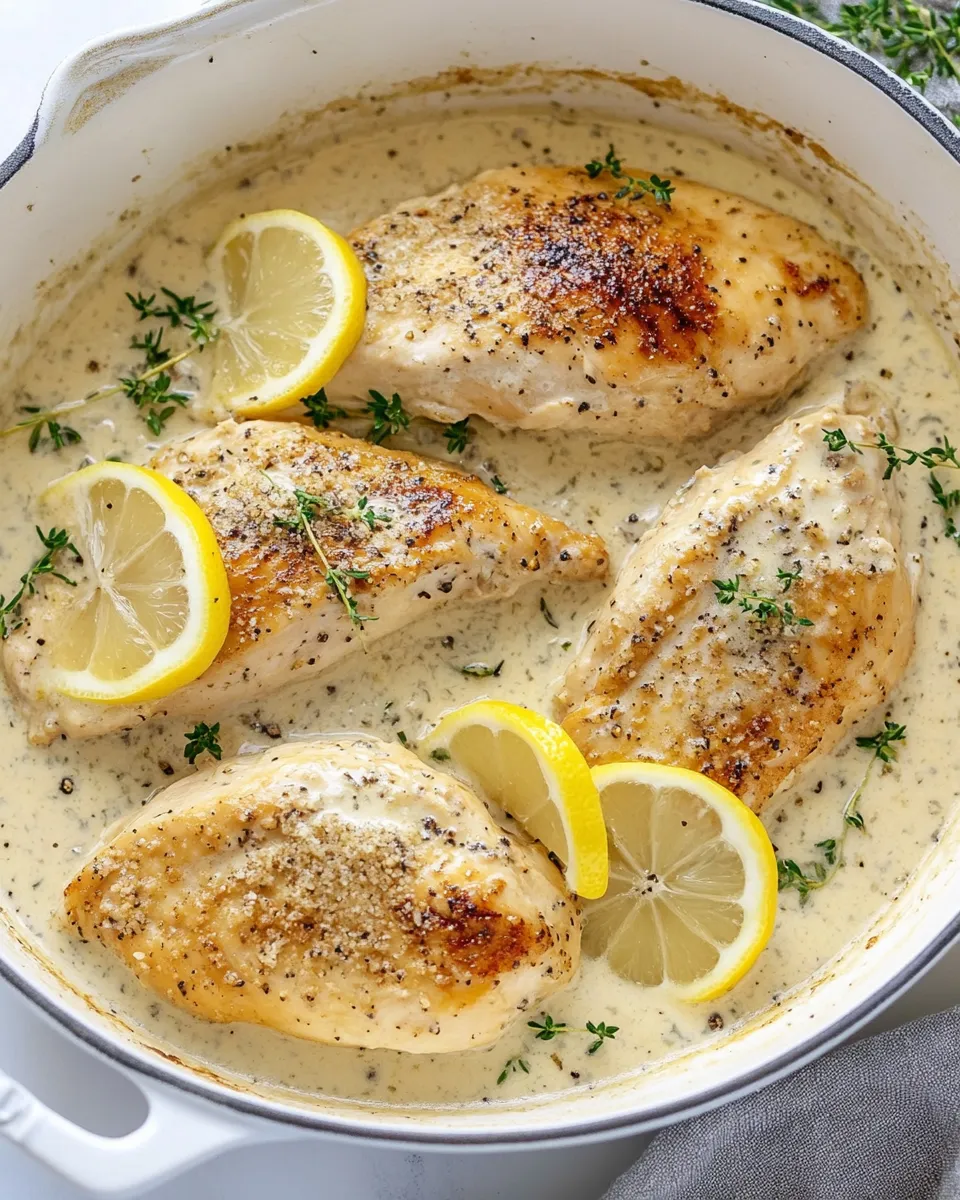
I make this Creamy Lemon Parmesan Chicken when I want dinner that feels special but doesn’t demand hours in the kitchen. It’s bright from lemon, silky from cream, and has that savory snap of Parmesan. The technique is straightforward: sear the chicken, build a quick pan sauce, and finish by coating the chicken in the sauce. It’s one-pan comfort with a fresh lift.
This recipe is forgiving. A quick sear gives color and flavor; the sauce brings everything together. You can have it on the table in about 30 minutes if your mise en place is ready. I’ll walk you through the ingredients, what to watch for, and a few swaps to suit diets or what’s sitting in your fridge.
Below you’ll find the ingredients list, step-by-step instructions straight from the recipe itself, and practical notes I’ve learned making this dozens of times. No frills—just reliably delicious results.
Ingredients
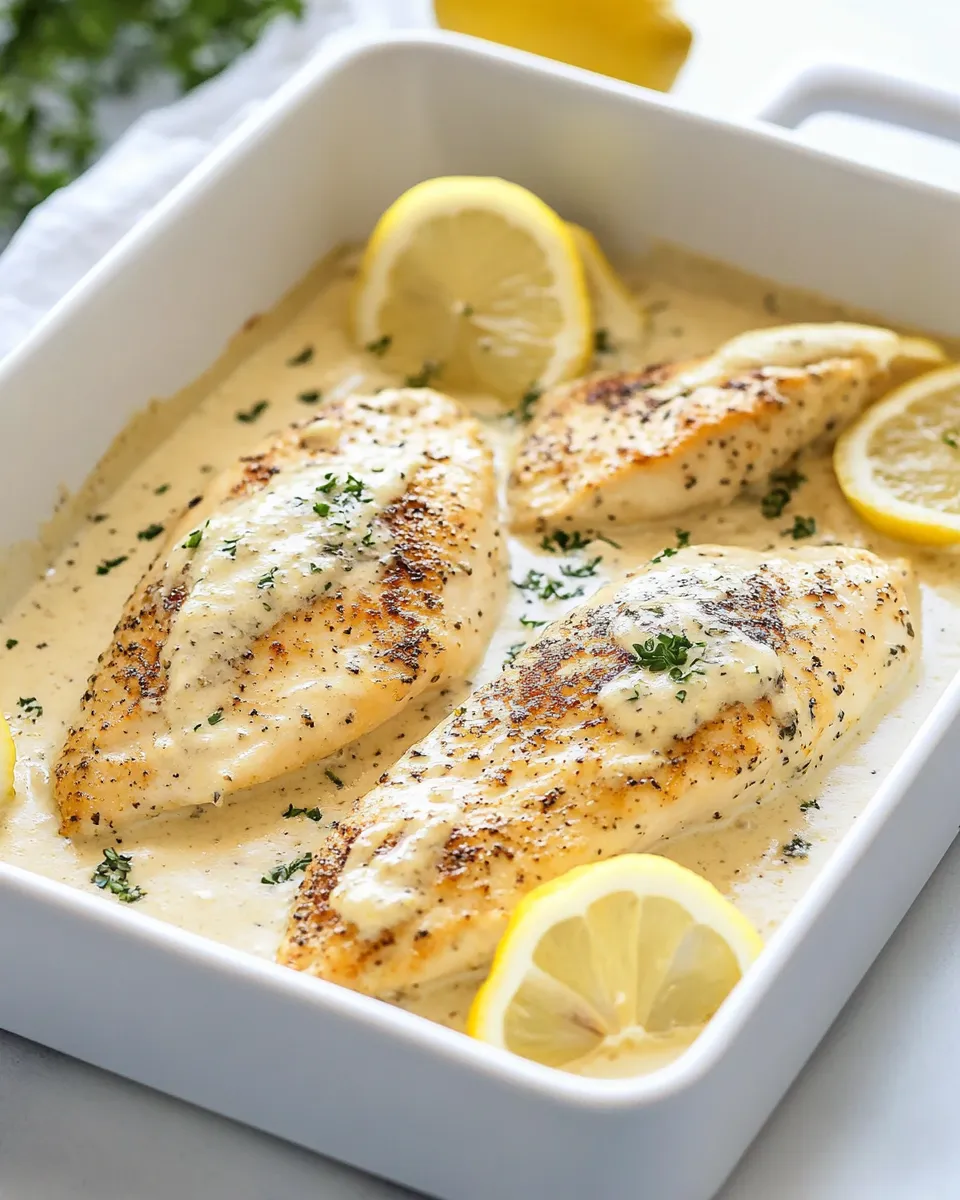
- 4 chicken breasts, boneless and skinless — the main protein; even thickness helps cook evenly.
- 2 tablespoons olive oil — for searing; heats well and adds flavor.
- 3 garlic cloves, minced — provides aromatic backbone; add to taste if you prefer more or less.
- 1 cup heavy cream — creates the rich, silky sauce.
- ½ cup chicken broth — balances the cream and adds savory depth.
- juice from one lemon, about 1/4 cup — brightens and lifts the sauce; taste before serving.
- 1 teaspoon garlic powder — deepens the garlic flavor without adding more minced garlic.
- 1 teaspoon Italian seasoning — an herb blend for a warm, familiar profile.
- ½ cup grated Parmesan cheese — melts into the sauce for umami and thickness.
- 2 tablespoons cornstarch — makes the slurry to thicken the sauce.
- 2 tablespoons water — used to make the cornstarch slurry.
Your Shopping Guide
Buy the best chicken you can within your budget. Boneless, skinless breasts are convenient and what this recipe calls for. Look for even-sized breasts so they cook at the same rate. If one breast is much thicker, slice it horizontally or pound it gently to even thickness.
Parmesan matters here. Use freshly grated Parm from a wedge if possible. Pre-grated packets often contain anti-caking agents that change the melting behavior and texture of the sauce. For the cream and broth, use what you normally prefer—if you want a slightly lighter sauce, low-sodium chicken broth helps you control salt.
Finally, choose a lemon that feels heavy for its size; it will be juicier. If your lemons are small, you may need a second to reach the 1/4 cup juice called for.
How to Prepare Creamy Lemon Parmesan Chicken
- Pat the 4 chicken breasts dry with paper towels. Heat 2 tablespoons olive oil in a large skillet over medium-high heat until shimmering. Add the chicken breasts and cook 3–5 minutes per side, until browned and cooked through (no longer pink in the center). Remove the chicken from the skillet and set aside on a plate.
- Reduce the heat to medium. Add the minced 3 garlic cloves to the same skillet and sauté about 30 seconds, stirring constantly, until fragrant.
- Pour in 1 cup heavy cream, ½ cup chicken broth, and the juice from one lemon (about 1/4 cup). Add 1 teaspoon garlic powder and 1 teaspoon Italian seasoning. Stir to combine.
- Stir in ½ cup grated Parmesan cheese until the cheese melts into the sauce.
- In a small bowl, whisk together 2 tablespoons cornstarch and 2 tablespoons water until smooth to make a slurry.
- Whisk the cornstarch slurry into the sauce. Increase heat slightly if needed and simmer the sauce 1–2 minutes, stirring, until it thickens.
- Return the cooked chicken to the skillet and spoon the sauce over each piece. Simmer 1–2 minutes more, until the chicken is heated through and coated in sauce.
- Serve immediately (optionally over pasta).
Why Creamy Lemon Parmesan Chicken is Worth Your Time
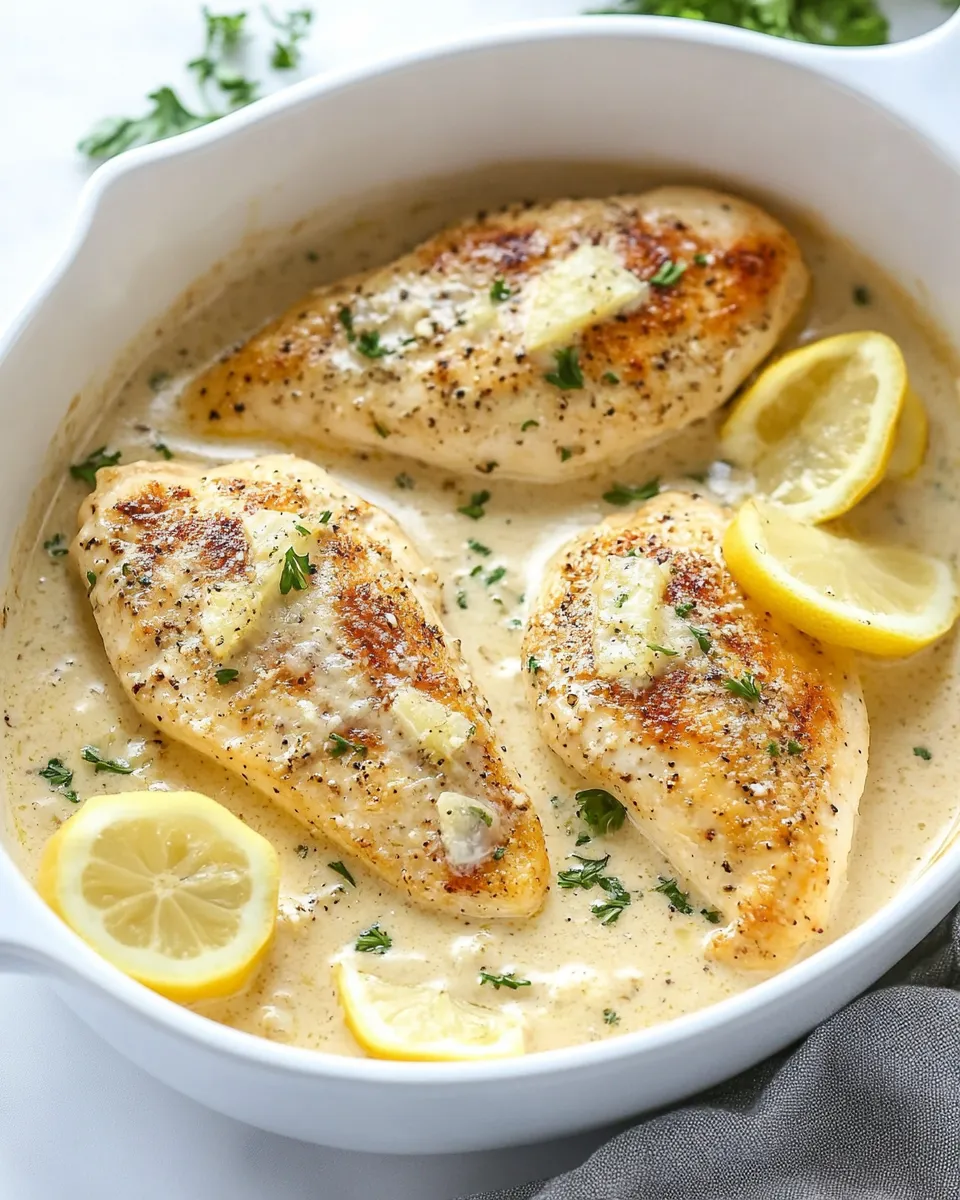
This dish hits multiple markers: fast, comforting, and bright. The lemon cuts through the cream so the sauce never feels cloying. Parmesan brings savory richness and helps the sauce cling to the chicken. It’s quick enough for weeknights, but the flavors feel dinner-party worthy.
It’s also adaptable. Serve it over pasta, mashed potatoes, rice, or alongside roasted vegetables. The technique—sear, build sauce, return protein—is a template you’ll use again and again for other proteins and sauces.
Flavor-Forward Alternatives
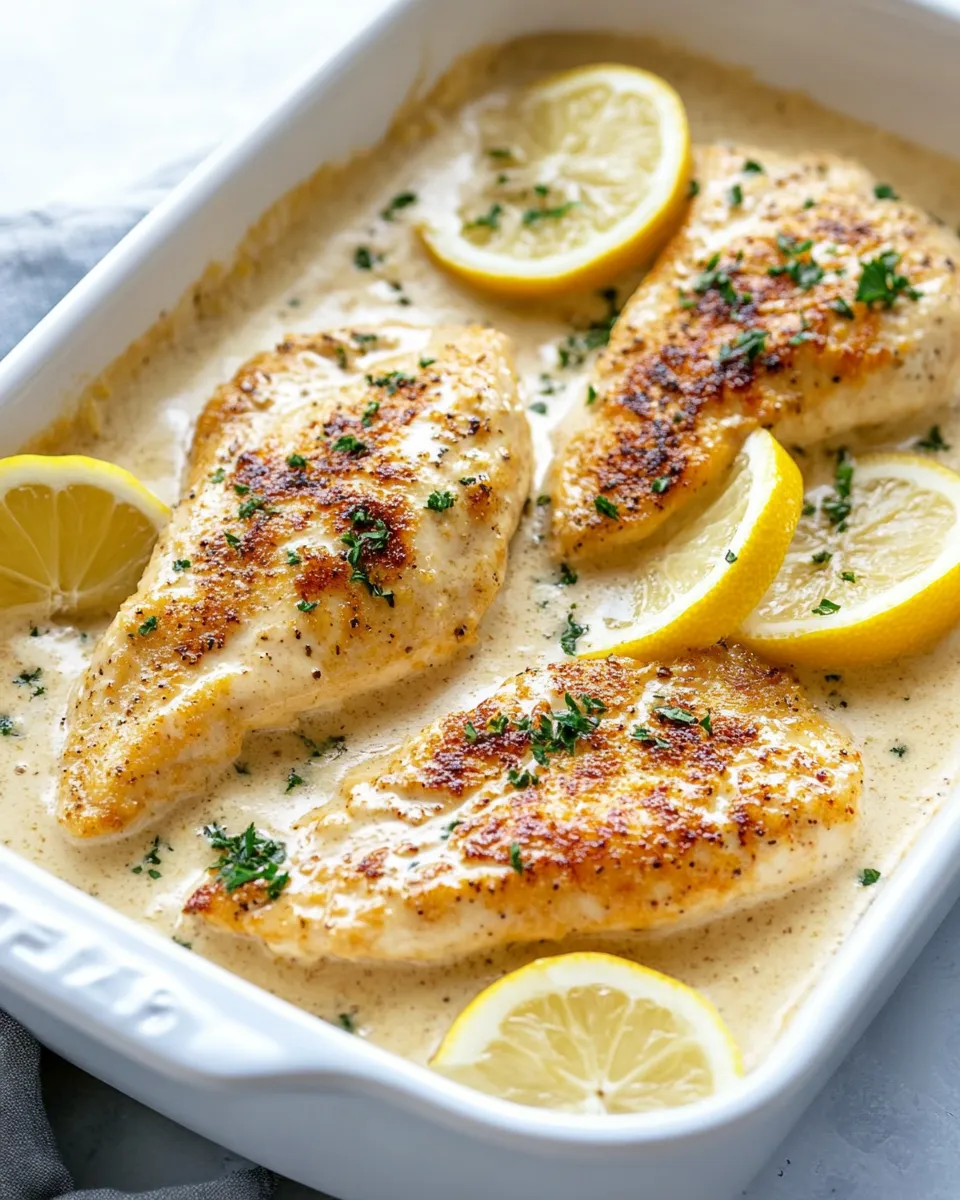
- Capers and lemon zest — add a tablespoon of capers when you pour in the cream for a briny pop. Finish with a sprinkle of lemon zest for extra brightness.
- Mushrooms — sauté sliced cremini in the pan after removing chicken, then proceed with the garlic and liquids for an earthy twist.
- Sun-dried tomatoes — chop and fold in with the cream for a sweet-tangy counterpoint to the cheese.
- Herb-forward — fresh thyme or tarragon added at the end lifts the sauce; add sparingly to avoid overpowering the lemon.
Toolbox for This Recipe
- Large skillet (preferably nonstick or heavy-bottomed) — gives even heat and enough surface area to sear four breasts.
- Tongs — for flipping and removing the chicken cleanly.
- Measuring cups and spoons — the recipe includes precise measures for consistent results.
- Small bowl and whisk — for the cornstarch slurry to prevent lumps in the sauce.
- Instant-read thermometer (optional) — handy to check chicken reaches 165°F if you want absolute precision.
Don’t Do This
Don’t skip patting the chicken dry. Excess surface moisture steams the meat and prevents proper browning. A good brown crust adds flavor and texture.
Don’t add the cornstarch slurry without mixing it first. If you dump cornstarch straight into the hot liquid, it clumps. Mix the 2 tablespoons cornstarch with 2 tablespoons water until smooth before whisking into the sauce.
Also, don’t crank the heat to “boil” the cream. Gentle simmering is enough. High heat can separate cream and make the sauce grainy.
Allergy-Friendly Swaps
- Dairy-free: use a full-fat coconut cream (unsweetened) in place of heavy cream and a dairy-free grated “Parmesan” alternative for a cheese flavor—note the sauce will taste different but remain rich.
- Nut-free: the recipe is nut-free as written; just avoid nut-based cream substitutes if you’re replacing dairy.
- Vegetarian: swap the chicken for thick slices of seared portobello or tofu (pressed and seared), and use vegetable broth instead of chicken broth.
Flavor Logic
This sauce balances fat, acid, and umami. Heavy cream brings richness and mouthfeel. Lemon juice provides acid to cut that richness and brighten flavors. Parmesan melts into the sauce and supplies umami and slight saltiness, so taste before adding any extra salt. Garlic and Italian seasoning give aromatic depth without overwhelming the lemon.
Cornstarch is used instead of reducing the sauce down because it thickens quickly and keeps the sauce creamy rather than too concentrated. The slurry achieves a glossy finish that clings to the chicken.
Leftovers & Meal Prep
Store leftover chicken and sauce in an airtight container in the fridge for up to 3 days. The sauce will thicken as it cools; when reheating, add a splash of water or broth and warm gently over low heat, stirring, until the sauce loosens. Avoid boiling when reheating to keep the cream from separating.
For meal prep: portion over cooked pasta or rice and store in individual containers. Add a small lemon wedge to each container for freshness—squeeze just before eating for best flavor.
Your Top Questions
- Can I use thighs instead of breasts? Yes. Bone-in thighs will take longer; boneless thighs work similarly and stay moist if you adjust cooking time.
- How do I know the chicken is done? Cut into the thickest part to make sure there’s no pink, or use an instant-read thermometer—165°F is the safe internal temperature.
- What if my sauce is too thin? Make a little more cornstarch slurry (start with 1 teaspoon cornstarch + 1 teaspoon water), whisk it in and simmer briefly until it thickens.
- Can I make this ahead? You can cook the chicken and sauce, store separately, then reheat and combine just before serving. That preserves texture best.
Final Thoughts
This Creamy Lemon Parmesan Chicken is one of those recipes that feels luxurious but is built on straightforward techniques. Browning the chicken well, using fresh lemon juice, and finishing with freshly grated Parmesan make the difference between good and memorable. Keep the steps simple and your timing honest—sear, build the sauce, and finish—then enjoy the results.
Make it once as written, then try one of the flavor-forward alternatives next time. It’s a reliable go-to whether you’re feeding family on a weeknight or entertaining and want something that looks and tastes like you put in a lot more effort than you actually did.

Creamy Lemon Parmesan Chicken
Ingredients
Ingredients
- 4 chicken breasts boneless and skinless
- 2 tablespoonsolive oil
- 3 garlic cloves minced
- 1 cupheavy cream
- 1/2 cupchicken broth
- juice from one lemon about 1/4 cup
- 1 teaspoongarlic powder
- 1 teaspoonItalian seasoning
- 1/2 cupgrated parmesan cheese
- 2 tablespoonscornstarch
- 2 tablespoonswater
Instructions
Instructions
- Pat the 4 chicken breasts dry with paper towels. Heat 2 tablespoons olive oil in a large skillet over medium-high heat until shimmering. Add the chicken breasts and cook 3–5 minutes per side, until browned and cooked through (no longer pink in the center). Remove the chicken from the skillet and set aside on a plate.
- Reduce the heat to medium. Add the minced 3 garlic cloves to the same skillet and sauté about 30 seconds, stirring constantly, until fragrant.
- Pour in 1 cup heavy cream, ½ cup chicken broth, and the juice from one lemon (about 1/4 cup). Add 1 teaspoon garlic powder and 1 teaspoon Italian seasoning. Stir to combine.
- Stir in ½ cup grated Parmesan cheese until the cheese melts into the sauce.
- In a small bowl, whisk together 2 tablespoons cornstarch and 2 tablespoons water until smooth to make a slurry.
- Whisk the cornstarch slurry into the sauce. Increase heat slightly if needed and simmer the sauce 1–2 minutes, stirring, until it thickens.
- Return the cooked chicken to the skillet and spoon the sauce over each piece. Simmer 1–2 minutes more, until the chicken is heated through and coated in sauce.
- Serve immediately (optionally over pasta).
Equipment
- Large Skillet
- Paper Towels
- Small Bowl
- Whisk
- Spoon
- Tongs
Notes
Originally posted March 31, 2019
Updated on March 15, 2025