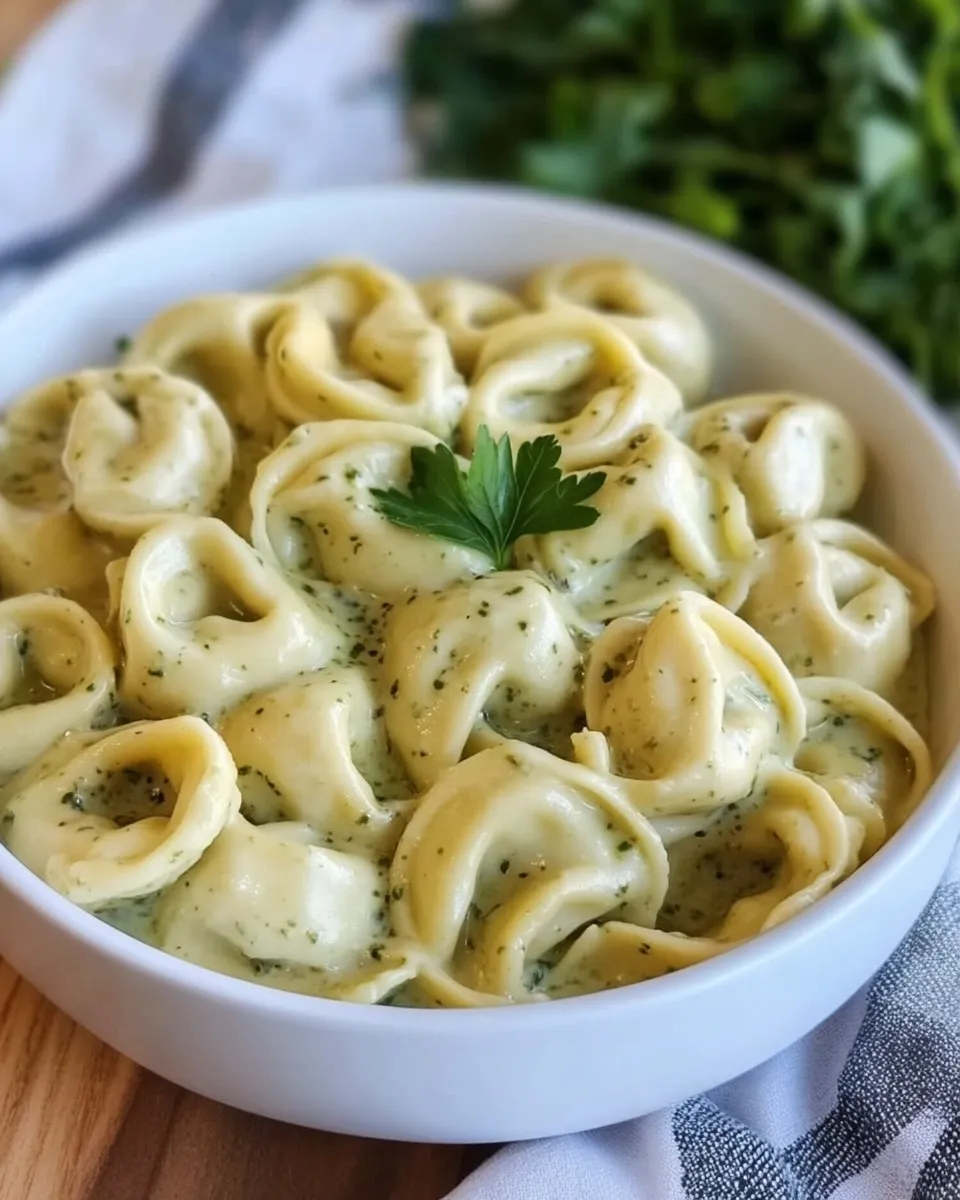
I make this dish on busy weeknights and lazy weekends alike because it’s fast, comforting, and always feels a little special. The sauce is silky from cream and Parmesan, bright from prepared pesto, and the tortellini do the rest—pillowy, cheesy bites that carry flavor in every forkful. No complicated mise en place, just a few pantry staples and a skillet.
This recipe is forgiving: you can use frozen or refrigerated tortellini, chicken or vegetable broth, and store-bought pesto. Still, a couple of small choices change the result—how long you simmer, how much starchy pasta water you save, whether you finish with fresh basil. I’ll point out the little moves that keep the sauce smooth and the tortellini perfectly tender.
Below I break down the ingredients and the exact steps I follow, plus swaps, tools, and troubleshooting so you can get a consistent result every time. If you like bold, herb-forward dinners that come together in under 30 minutes, this will be on repeat.
Ingredient Notes
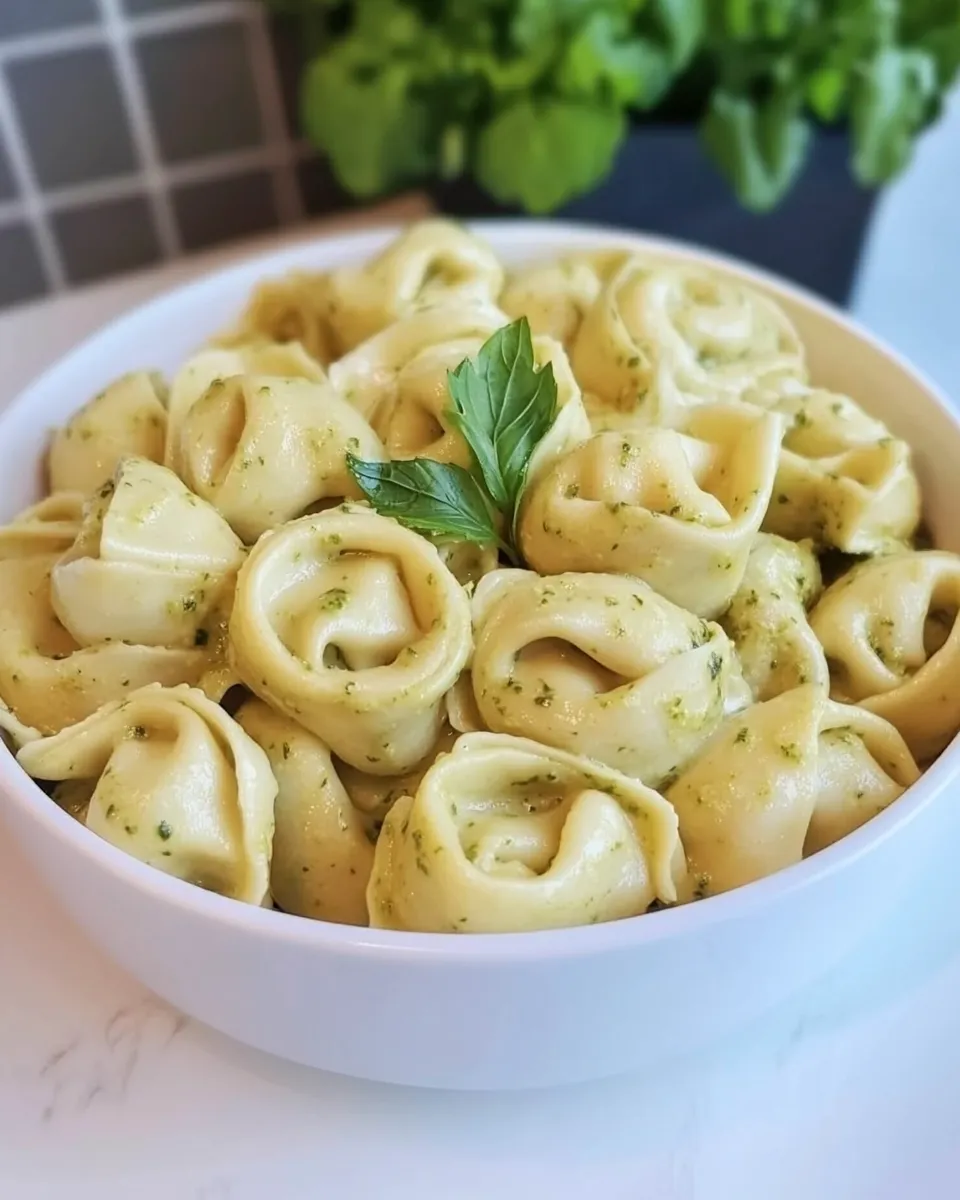
Ingredients
- 2 tablespoons butter — melts to start the roux; adds richness and helps brown the flour slightly for depth.
- 2 tablespoons flour — thickening agent for the sauce; whisked into the butter to form a roux.
- 1.5 cup heavy cream — makes the sauce creamy and silky; full-fat gives the best texture.
- 1 cup chicken broth, or vegetable broth — thins the roux and adds savory backbone; use vegetable broth for a vegetarian option.
- 1/3 cup pesto, prepared — the flavor star; use high-quality prepared pesto for best results.
- 1/4 cup grated Parmesan cheese — adds umami and helps the sauce finish with a cheesy tang.
- 38 ounces cheese tortellini, frozen or refrigerated (about 2 bags) — tender pockets that soak up the sauce; use your favorite brand or handmade if you have it.
- chopped fresh basil — garnish and bright finish; adds a fresh, herby contrast to the rich sauce.
Quick notes on quality: a good prepared pesto (basil, Parmesan, pine nuts, oil) will transform the sauce more than small tweaks elsewhere. If your Parmesan is pre-grated and dry, the sauce will still be fine, but a freshly grated aged Parmesan adds a sharper, nuttier finish. For the tortellini, frozen varieties are convenient and have excellent texture when cooked briefly in the sauce.
Creamy Pesto Tortellini in Steps
- In a large skillet over medium heat, melt 2 tablespoons butter until it becomes foamy.
- Whisk in 2 tablespoons flour and cook, whisking constantly, for 30–60 seconds to form a roux.
- Slowly whisk in 1 cup chicken broth (or vegetable broth) until the mixture is smooth. Bring the mixture to a gentle simmer.
- Gradually whisk in 1.5 cups heavy cream until fully combined. Bring back to a simmer and let it simmer 2–3 minutes, whisking occasionally, until the sauce slightly thickens.
- Whisk in 1/3 cup prepared pesto and 1/4 cup grated Parmesan until the sauce is smooth.
- Add 38 ounces cheese tortellini (frozen or refrigerated) directly to the sauce, stirring to coat. Simmer gently for 4–5 minutes, stirring occasionally, until the tortellini are heated through and tender.
- Remove from heat, garnish with chopped fresh basil, and serve immediately.
The Upside of Creamy Pesto Tortellini
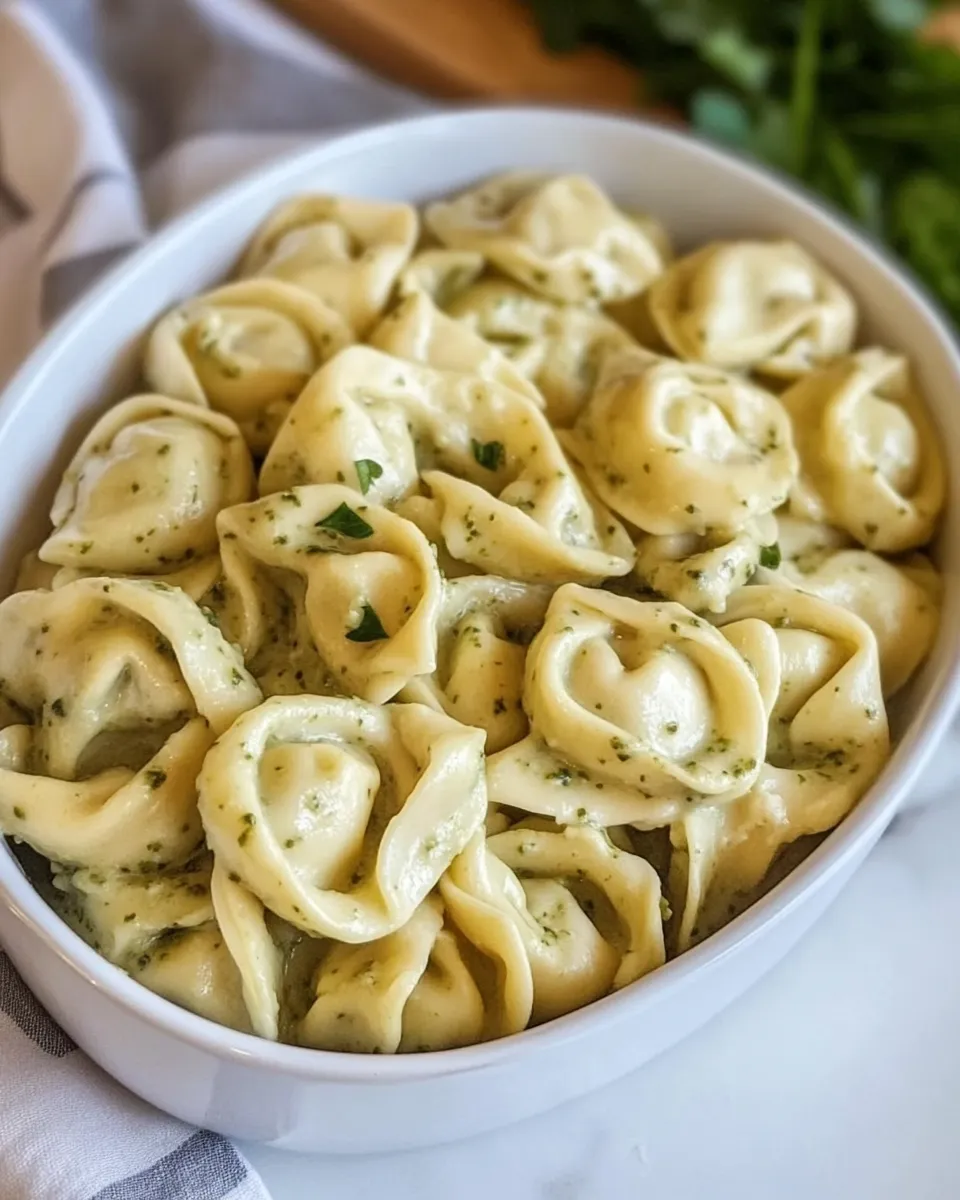
This dish hits three important marks: speed, comfort, and flexibility. From butter to basil, every component plays a clear role and comes together quickly. It’s a 25–30 minute skillet meal that feels elevated enough for guests but simple enough for a solo dinner. The sauce clings to the tortellini so you get flavor in every bite, and the pesto keeps it bright so the cream doesn’t feel one-note.
Because the recipe uses prepared pesto and store-bought tortellini, the active hands-on time is minimal. That makes it great for weeknights or when you want a low-effort dinner that still tastes like you took your time. It’s also great as a base—add wilted spinach, roasted cherry tomatoes, or grilled chicken if you want protein or veg without changing the core technique.
Budget & Availability Swaps
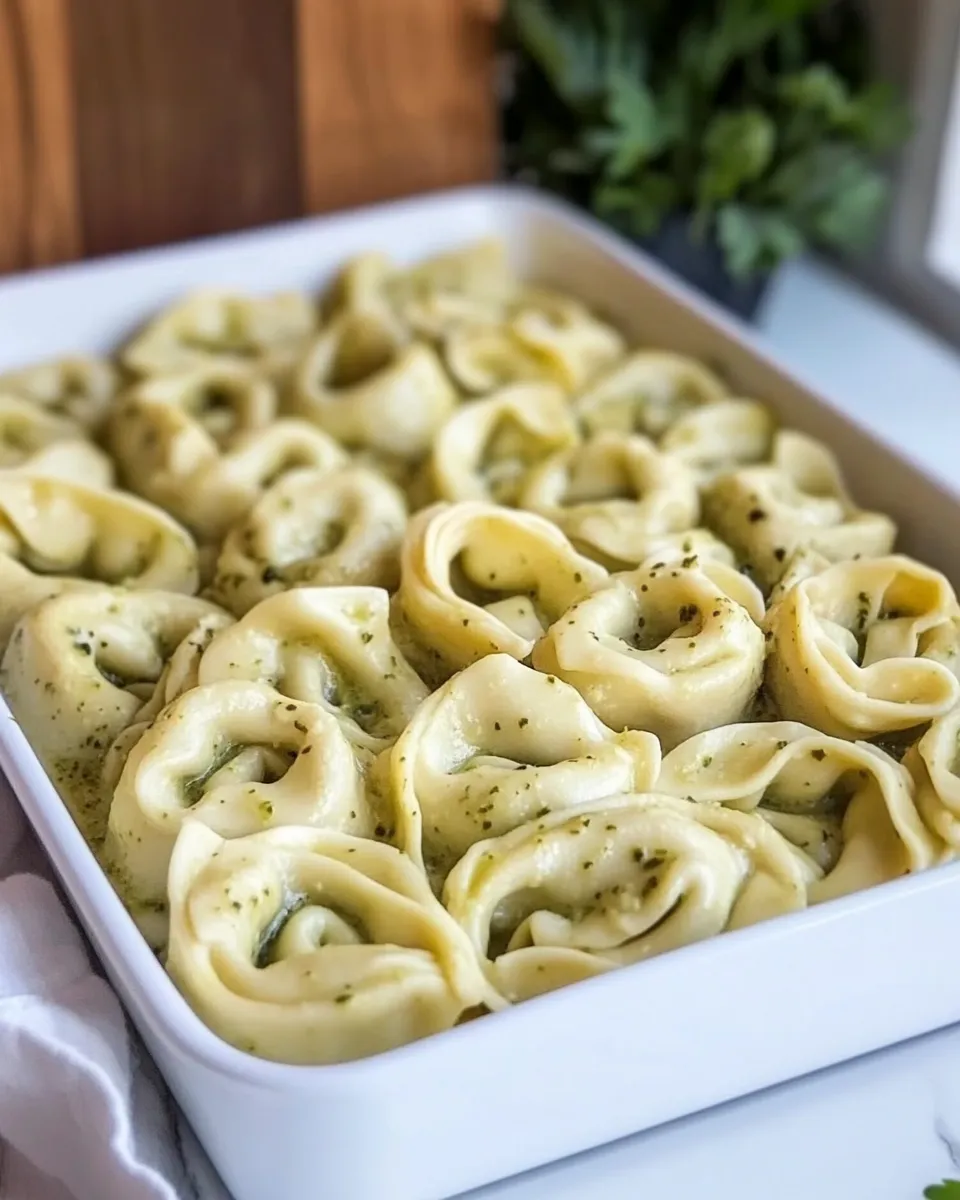
When shopping or stretching the recipe, here are practical swaps that keep the spirit of the dish:
- Broth: Use vegetable broth instead of chicken to keep it vegetarian and often cheaper if you already have bouillon on hand.
- Pesto: Store-brand pesto works well; you can also buy pesto in smaller jars if you’re cooking for fewer people. If pesto is unavailable, a simple mix of chopped basil, olive oil, and a spoonful of reserved pasta water will add some green freshness (though this does introduce an ingredient not listed in the source-of-truth ingredients).
- Tortellini: Frozen tortellini is typically more budget-friendly than refrigerated fresh packs. If you find smaller packages, adjust portions accordingly—two 19-ounce bags equal about the recipe amount.
- Cheese: If grated Parmesan is expensive, use slightly less and season with a pinch more salt to taste; the broth and pesto contribute savory notes.
Essential Tools for Success
These are the few items that make the process consistent and fast:
- Large skillet with lid — roomy enough for 38 ounces of tortellini and allows gentle simmering without crowding.
- Whisk — keeps the roux smooth and prevents lumps when adding broth and cream.
- Measuring cups and spoons — the recipe uses precise amounts for a reliable sauce thickness.
- Heatproof spatula or spoon — for stirring the tortellini without tearing delicate pasta.
Easy-to-Miss Gotchas
Small missteps can turn a silky sauce into a separated one or undercooked pasta. Watch for these:
- Roux timing: Don’t let the roux brown beyond a light blond. If it darkens too much, it can change the sauce color and flavor.
- Adding broth too quickly: Pour slowly and whisk so the roux incorporates without lumps. If lumps form, whisk vigorously and bring to a simmer; most will dissolve.
- Simmer temperature: Keep to a gentle simmer—too high and the cream can scald or separate.
- Overcooking tortellini: Simmer only 4–5 minutes as directed. Frozen tortellini often needs less time than fresh; check one before assuming.
- Salt control: Pesto and Parmesan are salty. Taste before adding extra salt.
Make It Fit Your Plan
Scaling: The sauce ratio here pairs well with about 38 ounces of tortellini. If you need to halve or double, keep the butter:flour:broth:cream proportions consistent (2 Tbsp butter : 2 Tbsp flour : 1 cup broth : 1.5 cups cream) per batch, then adjust pesto and Parmesan to taste.
Meal prep: Make the sauce ahead and reheat gently, then add warmed tortellini at serving to avoid overcooking. If you must combine and refrigerate, expect the sauce to thicken—stir in a splash of broth or cream when reheating to loosen it.
Flavor Logic
Here’s why the components work together: the roux (butter + flour) creates a stable base that allows the sauce to thicken without graininess. Broth adds savory depth so the cream isn’t cloying. The pesto brings concentrated basil, bright oil, and nutty cheese—an herbaceous lift that balances the dairy. Parmesan rounds the sauce with umami and helps it finish with a slightly sharp edge. Finally, tortellini add texture and cheesy pockets that soak up the sauce.
In short: the roux brings body, the broth brings backbone, the cream brings silk, the pesto brings lift, and the Parmesan brings savory finish. Together they create a balanced, clingy sauce that complements rather than overwhelms the tortellini.
Storage Pro Tips
Refrigeration: Store leftovers in an airtight container for up to 3 days. The sauce will thicken as it cools.
Reheating: Reheat gently in a skillet over low heat with a splash of broth or cream to loosen the sauce. Stir frequently to avoid scorching. Microwave works in a pinch—heat in short bursts and stir between intervals, adding liquid if it seems dry.
Freezing: Cream-based sauces don’t always freeze and reheat perfectly; the texture can separate. If you plan to freeze, do so with caution: freeze in a shallow container and plan to reheat very slowly with added liquid and vigorous whisking. Freshly cooked is best for texture.
Troubleshooting Q&A
Q: My sauce is lumpy after adding the broth. What went wrong?
A: Likely the roux didn’t fully incorporate with the liquid. Whisk vigorously while adding the broth slowly. If lumps appear, keep whisking over medium heat; many will dissolve. You can also pass the sauce through a fine-mesh sieve, but that’s usually unnecessary if you whisk more patiently next time.
Q: The cream looks curdled after simmering—can I save it?
A: If it’s slightly grainy, lower the heat immediately and whisk in a small splash of cold broth or cream off heat to bring it together. If it’s badly separated, you may need to start a new small roux and whisk this sauce into it to re-emulsify.
Q: The tortellini are still a bit firm after 5 minutes.
A: Check the package cooking instructions—frozen tortellini brands vary. Simmer an extra minute or two and test a piece. If the sauce is thickening too much while you wait, add a splash of broth to maintain sauciness.
Q: The sauce is too thin.
A: Simmer a little longer to reduce and thicken, whisking occasionally. If you need quicker thickening, make a small slurry of equal parts flour and room-temperature water, whisk it in, and simmer briefly—but this is rarely necessary if you stick to the roux quantities.
Q: Too salty after adding pesto and Parmesan.
A: Add a small splash of cream or unsalted broth to balance, and add acid if you have it on hand (a squeeze of lemon brightens without adding salt). Taste as you go next time before adding extra salt.
The Takeaway
This Creamy Pesto Tortellini is a practical weeknight winner: quick, richly flavored, and forgiving. Follow the roux-first method, add liquids slowly, simmer gently, and finish with basil. Keep prepared pesto and good tortellini on hand and you’ll have a dinner that feels both effortless and elevated. Cook once, taste as you go, and adjust small things—temperature and timing matter more than fancy ingredients.
Make it your own by adding a handful of greens at the end or topping with toasted pine nuts for crunch. But if you want the straightforward version that reliably delivers silky sauce and tender pasta, follow the steps above and enjoy.

Creamy Pesto Tortellini
Ingredients
Ingredients
- 2 tablespoonsbutter
- 2 tablespoonsflour
- 1.5 cupheavy cream
- 1 cupchicken broth or vegetable broth
- 1/3 cuppesto prepared
- 1/4 cupgrated parmesan cheese
- 38 ouncescheese tortellini frozen or refrigerated (about 2 bags)
- chopped fresh basil
Instructions
Instructions
- In a large skillet over medium heat, melt 2 tablespoons butter until it becomes foamy.
- Whisk in 2 tablespoons flour and cook, whisking constantly, for 30–60 seconds to form a roux.
- Slowly whisk in 1 cup chicken broth (or vegetable broth) until the mixture is smooth. Bring the mixture to a gentle simmer.
- Gradually whisk in 1.5 cups heavy cream until fully combined. Bring back to a simmer and let it simmer 2–3 minutes, whisking occasionally, until the sauce slightly thickens.
- Whisk in 1/3 cup prepared pesto and 1/4 cup grated Parmesan until the sauce is smooth.
- Add 38 ounces cheese tortellini (frozen or refrigerated) directly to the sauce, stirring to coat. Simmer gently for 4–5 minutes, stirring occasionally, until the tortellini are heated through and tender.
- Remove from heat, garnish with chopped fresh basil, and serve immediately.
Equipment
- Large Skillet
- Whisk
- Spoon
Notes
Chicken Broth– Use chicken stock or vegetable broth
Parmesan Cheese– Romano or Grana Padano are good alternatives.
Cheese Tortellini– Any flavor of tortellini can be used instead as long as it pairs well with pesto and is either refrigerated or frozen.
How to Store:
To save leftovers, separate into meal sized portions and then place in an airtight container and store in the refrigerator for 3-4 days. Unfortunately this recipe is not freezer friendly. I do not recommend freezing Creamy Pesto Tortellini.
How to Reheat:
This creamy pesto tortellini can be reheated in the microwave using 30 second bursts, or on the stovetop over low heat. If the sauce has thickened, add a splash of stock or water to loosen it up.
How to Scale:
This recipe can easily be halved to reduce the number of servings, or doubled in a large Dutch oven or stock pot to serve a crowd.