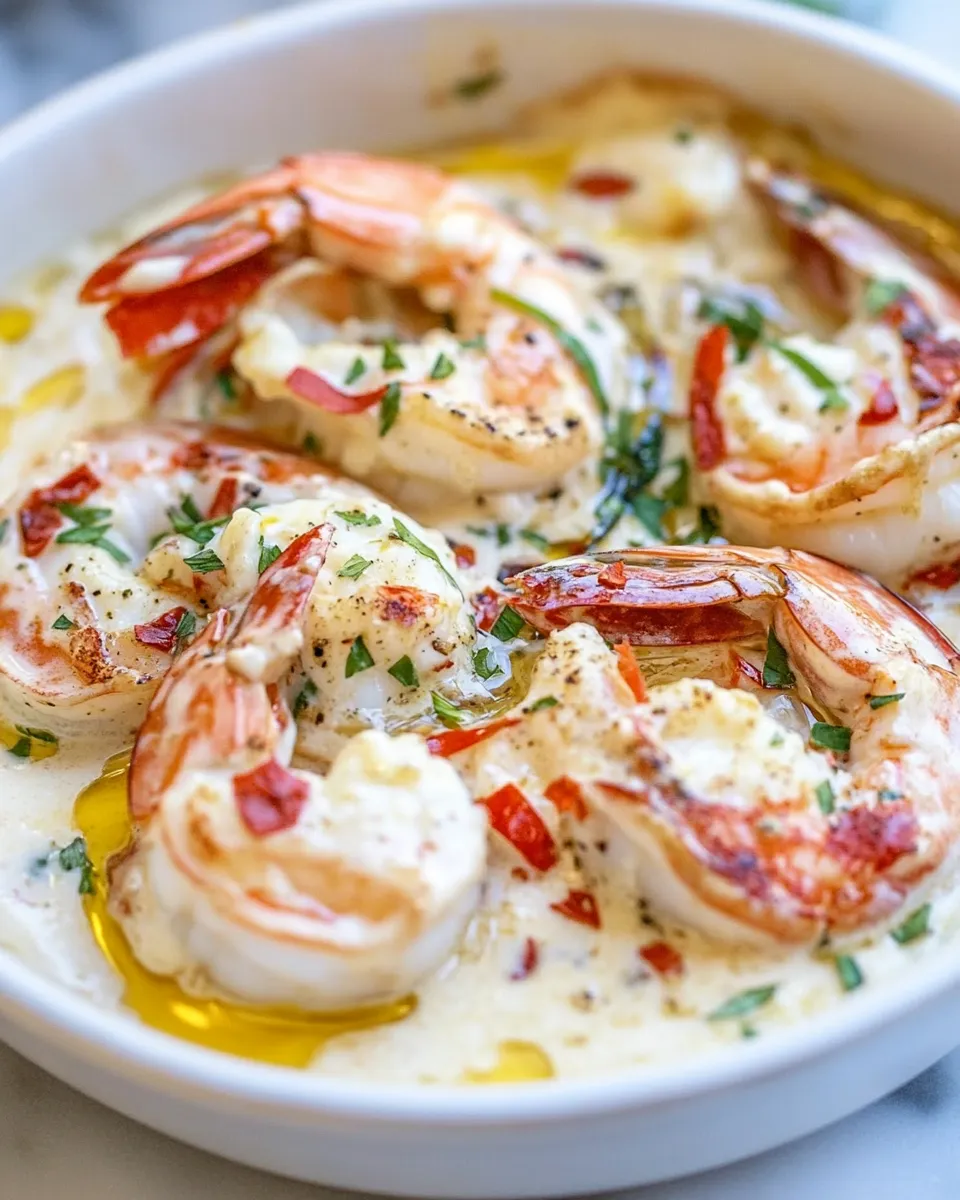
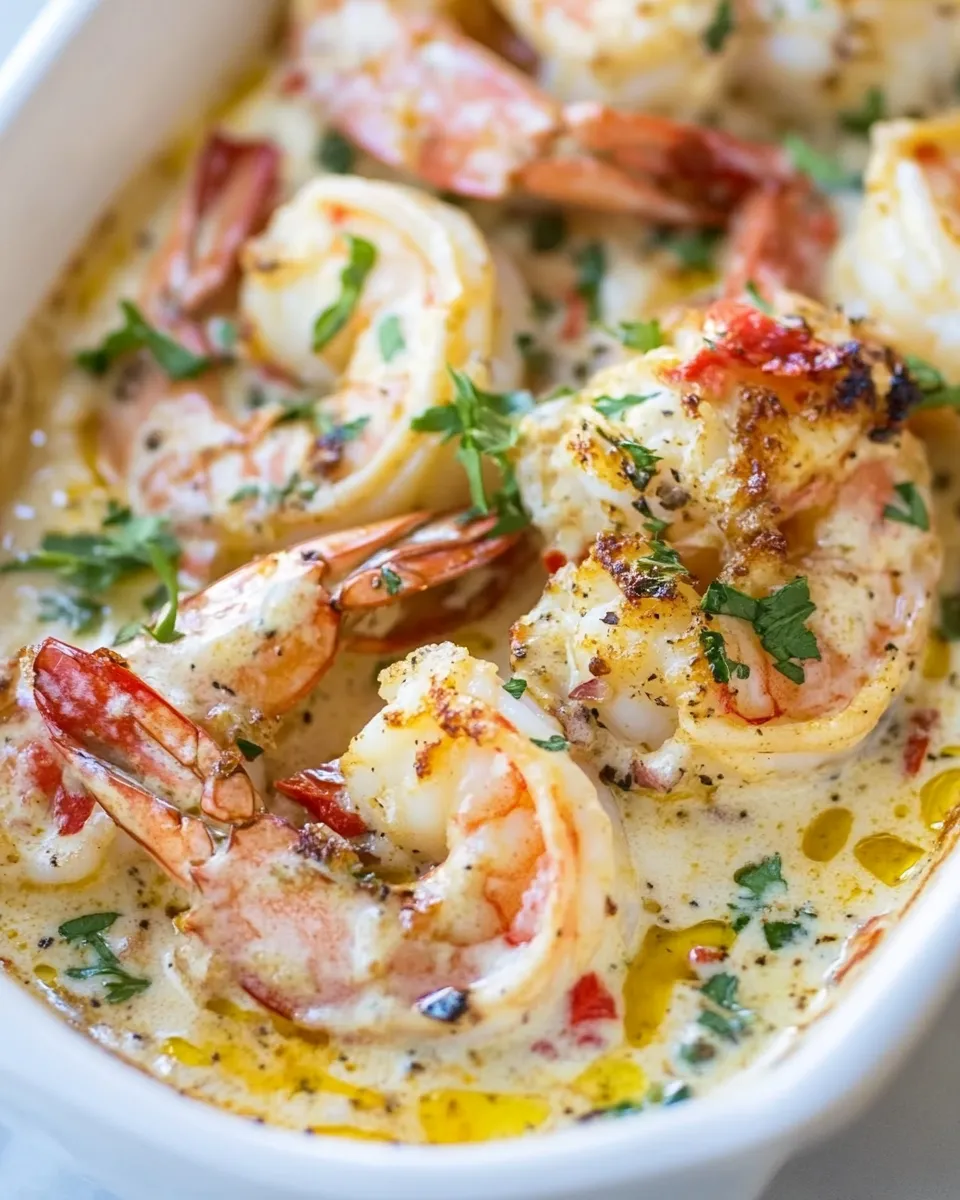
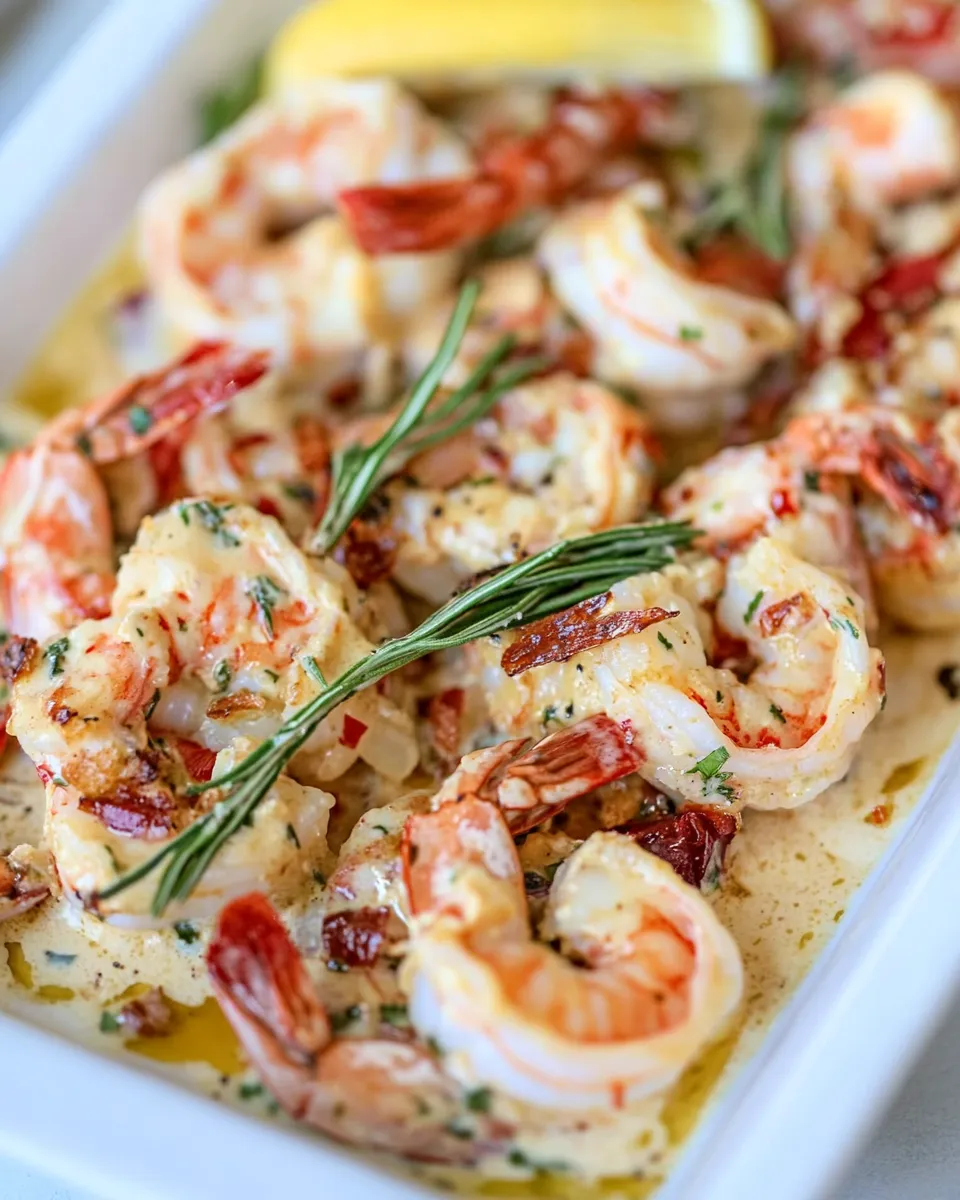
I make this dish when I want something fast, a little fancy, and heartwarming without a lot of fuss. It’s the kind of weeknight dinner that feels like a celebration: juicy shrimp, a silky coconut-based sauce, briny capers, sun-dried tomatoes and artichokes that add bite and brightness. The aromatics are simple—a shallot and lemon zest—but they lift the whole pan into something memorable.
What I love most is how forgiving it is. The sauce thickens while you prep a side, the shrimp cook in minutes, and the final toss is done off the heat so the seafood stays tender. It’s a great recipe to keep in rotation when you want bold flavors with minimal hands-on time.
Below you’ll find the exact ingredients and step-by-step directions I use, plus troubleshooting, swaps, and storage notes so you can make it reliably at home. Read through once, then get cooking—the pan does most of the work.
What Goes Into Creamy Tuscan Shrimp
Ingredients
- 2 Tbsp avocado oil — high smoke point for a quick, clean sear on the shrimp and shallot.
- 1 shallot, finely chopped* — adds sweet, delicate onion flavor; mince small so it melts into the sauce.
- 114-oz can full-fat coconut milk — the creamy base; full-fat gives body and richness.
- 1 tsp tapioca flour or cornstarch — makes a slurry to thicken the sauce without clumps.
- 1 lemon, zested — zest brightens the finished dish; add at the end for fresh lift.
- 1 cup artichoke hearts — provide texture and a slightly tangy note; quarter if large.
- ½ cup sun-dried tomatoes, drained — concentrated tomato sweetness and chew; drain any oil first.
- 2 Tbsp capers — bring briny, punchy flavor that contrasts the creaminess.
- 2 tbsp fresh parsley, chopped — fresh herb to finish; adds color and a green note.
- ¼ tsp red pepper flakes, optional — a touch of heat; omit if you prefer no spice.
- ¼ tsp black pepper — fresh grind recommended for best flavor.
- ½ tsp sea salt, to taste — seasoning for the whole dish; adjust after cooking.
- 1.5 to 2 lbs raw shrimp, peeled and deveined — main protein; size affects cook time (large cooks faster).
Cook Creamy Tuscan Shrimp Like This
- Heat 2Tbsp avocado oil in a large skillet over medium-high heat until shimmering.
- Add 1 shallot (finely chopped) and cook, stirring frequently, until fragrant and translucent, about 2 minutes.
- Pour in the contents of the 114-oz can full-fat coconut milk. Add 1 cup artichoke hearts, ½ cup sun-dried tomatoes (drained), 2Tbsp capers, ¼ tsp red pepper flakes (optional), ¼ tsp black pepper, and ½ tsp sea salt (or to taste). Stir to combine.
- In a small bowl, whisk 1 tsp tapioca flour or cornstarch with a few tablespoons of the coconut milk from the skillet or can until smooth to make a slurry.
- Pour the slurry back into the skillet, stir well, and bring the sauce to a gentle boil. Reduce heat slightly so it simmers gently and cook, stirring occasionally, until the sauce thickens, about 10 minutes.
- Add 1.5 to 2 lbs raw shrimp (peeled and deveined) to the skillet in a single layer if possible. Cook, stirring occasionally, until the shrimp are completely pink, opaque, and cooked through, about 5 to 8 minutes (time will vary with shrimp size).
- Remove the skillet from heat and stir in 2Tbsp fresh parsley (chopped) and the zest of 1 lemon.
- Taste and adjust seasoning if needed, then serve with your choice of side dishes.
What Sets This Recipe Apart
This version swaps the usual heavy cream for full-fat coconut milk, which gives the sauce an ultra-silky texture and a subtle, pleasant sweetness that pairs beautifully with the acid and brine in the pan. Coconut milk also keeps the sauce dairy-free without sacrificing creaminess. The combination of artichokes, capers and sun-dried tomatoes brings layered flavor—tang, salt, and umami—so every bite feels balanced.
It’s also fast. Once the sauce has thickened (about 10 minutes), the shrimp take under 10 more minutes to finish. That means you can start the pan while your side is cooking and plate the whole meal in under 30 minutes. For busy evenings that still need good food, this is a winner.
Allergy-Friendly Substitutes
- Dairy-free protein — this recipe is already dairy-free because it uses coconut milk. Keep it dairy-free by avoiding cheese or cream additions.
- Gluten considerations — none of the core ingredients contain gluten. If serving with pasta, choose certified gluten-free pasta.
- Shellfish allergy — replace shrimp with firm white fish or cubed, firm tofu if tolerated; adjust cook time to avoid overcooking.
- Nut allergies — coconut is not a tree nut but some with nut allergies prefer to avoid it; substitute with a neutral full-fat canned non-dairy alternative labeled safe for you, noting that texture/ flavor may change.
- Corn allergy — use tapioca flour instead of cornstarch for the slurry (both are listed options in the recipe).
Must-Have Equipment

- Large skillet — a 12-inch skillet works best to give the shrimp a single layer and even heat.
- Wooden spoon or heatproof spatula — for stirring without scratching the pan.
- Small bowl and whisk — to make the slurry so it goes in lump-free.
- Tongs — helpful to turn shrimp gently and plate them without overhandling.
- Citrus zester — for the bright lemon zest that finishes the dish.
Troubles You Can Avoid
Overcooked shrimp is the most common issue. Shrimp go from tender to rubbery fast. Watch color and texture: once they’re solid pink and opaque, remove the pan from heat and finish with lemon zest and parsley off the stove.
Another trap is a thin sauce. If your sauce doesn’t thicken, it’s usually one of three things: not enough slurry, too low heat, or too much stirring with a cool spoon that drops temperature. Make a smooth slurry, bring the sauce to a gentle boil, and simmer it for the specified 10 minutes. It will thicken significantly as it cools slightly, too.
Finally, under-seasoning. Taste before serving. The sun-dried tomatoes, capers and coconut milk all contribute flavors that balance differently based on brand and salt content. Add the final salt sparingly and adjust to taste.
Dietary Swaps & Alternatives
Want to adapt the dish for different diets? It’s easier than you think. For a lower-carb plate, serve the dish over zoodles or steamed cauliflower rice. If you need a vegetarian option, firm tofu or seared halloumi (if dairy is okay) can stand in for shrimp. For a heartier meal, stir in cooked short pasta or serve over mashed potatoes for a different comfort-food vibe.
If you prefer less coconut flavor, pick a brand labeled “light coconut flavor” or reduce the coconut milk by half and add unsweetened plain almond or oat milk for a lighter head. Remember that reducing coconut milk will change the body of the sauce, so keep an eye on the slurry amount.
Pro Tips & Notes
- Browning vs. stewing — get the shallot gently translucent without browning too much; you want sweetness without burnt notes.
- Layer flavors — drain sun-dried tomatoes and pat them dry so they don’t add unwanted oil. If you like a brighter tomato note, mince one or two and fold in near the end.
- Shrimp size matters — larger shrimp will finish closer to 5 minutes; smaller shrimp can take up to 8. Start checking at 4 minutes.
- Thickening control — if the sauce gets too thick, whisk in a splash of coconut milk or broth off the heat to loosen it.
- Finish off heat — stir in the parsley and lemon zest after removing from heat to preserve their fresh flavor and color.
- Make it ahead — you can make the sauce base (through step 5) a day ahead, cool, and refrigerate. Rewarm gently and add the shrimp when ready to serve.
Refrigerate, Freeze, Reheat
To store: cool the dish to room temperature, transfer to an airtight container, and refrigerate for up to 3 days. The coconut milk base holds up well in the fridge.
To freeze: I don’t recommend freezing shrimp in this sauce because shrimp texture can degrade when frozen and reheated. If you must freeze, freeze the sauce base (without shrimp) in a shallow container for up to 2 months. Thaw overnight in the refrigerator, warm gently, then add fresh shrimp and cook through.
To reheat: gently warm in a skillet over low heat with a splash of coconut milk or broth to loosen the sauce. Heat just until warm—don’t bring shrimp back to a hard boil. Alternatively reheat single portions in short bursts in the microwave, stirring midway and finishing with a fresh sprinkle of parsley and lemon zest.
Ask the Chef
Q: Can I use light coconut milk? A: Yes, but the sauce will be thinner and less rich. Increase the slurry slightly if you prefer a thicker finish.
Q: What side goes best? A: I serve this with crusty bread to mop up the sauce or over rice or pasta. For lighter meals, steamed greens or zoodles work beautifully.
Q: Can I double the recipe? A: Yes, but use a larger skillet or split across two pans so the shrimp can cook evenly in a single layer. Crowding the pan can cause steaming instead of searing.
Final Thoughts
This Creamy Tuscan Shrimp has become a go-to when I want a special meal without a lot of ceremony. It’s fast, flavorful, and flexible: dairy-free by design, easy to tailor for heat or texture, and forgiving on timing. Follow the simple steps, respect the shrimp’s quick cook time, and finish with fresh parsley and lemon zest. You’ll get a dish that looks like you spent hours in the kitchen but tastes effortless.
Make it once, and you’ll see why I reach for it when company’s coming or when I just need a weeknight pick-me-up. Enjoy the pan, and don’t forget a slice of bread or a bowl of rice to soak up every last drop of that luscious sauce.
Creamy Tuscan Shrimp
Ingredients
Ingredients
- 2 Tbspavocado oil
- 1 shallotfinely chopped*
- 114- oz can full-fat coconut milk
- 1 tsptapioca flour or cornstarch
- 1 lemonzested
- 1 cupartichoke hearts
- 1/2 cupsun-dried tomatoesdrained
- 2 Tbspcapers
- 2 tbspfresh parsleychopped
- 1/4 tspred pepper flakesoptional
- 1/4 tspblack pepper
- 1/2 tspsea saltto taste
- 1.5 to 2 lbsraw shrimppeeled and deveined
Instructions
Instructions
- Heat 2Tbsp avocado oil in a large skillet over medium-high heat until shimmering.
- Add 1 shallot (finely chopped) and cook, stirring frequently, until fragrant and translucent, about 2 minutes.
- Pour in the contents of the 114-oz can full-fat coconut milk. Add 1 cup artichoke hearts, ½ cup sun-dried tomatoes (drained), 2Tbsp capers, ¼ tsp red pepper flakes (optional), ¼ tsp black pepper, and ½ tsp sea salt (or to taste). Stir to combine.
- In a small bowl, whisk 1 tsp tapioca flour or cornstarch with a few tablespoons of the coconut milk from the skillet or can until smooth to make a slurry.
- Pour the slurry back into the skillet, stir well, and bring the sauce to a gentle boil. Reduce heat slightly so it simmers gently and cook, stirring occasionally, until the sauce thickens, about 10 minutes.
- Add 1.5 to 2 lbs raw shrimp (peeled and deveined) to the skillet in a single layer if possible. Cook, stirring occasionally, until the shrimp are completely pink, opaque, and cooked through, about 5 to 8 minutes (time will vary with shrimp size).
- Remove the skillet from heat and stir in 2Tbsp fresh parsley (chopped) and the zest of 1 lemon.
- Taste and adjust seasoning if needed, then serve with your choice of side dishes.
Equipment
- Large Skillet
- Small Bowl
- Whisk
Notes
*or 4 cloves garlic, minced