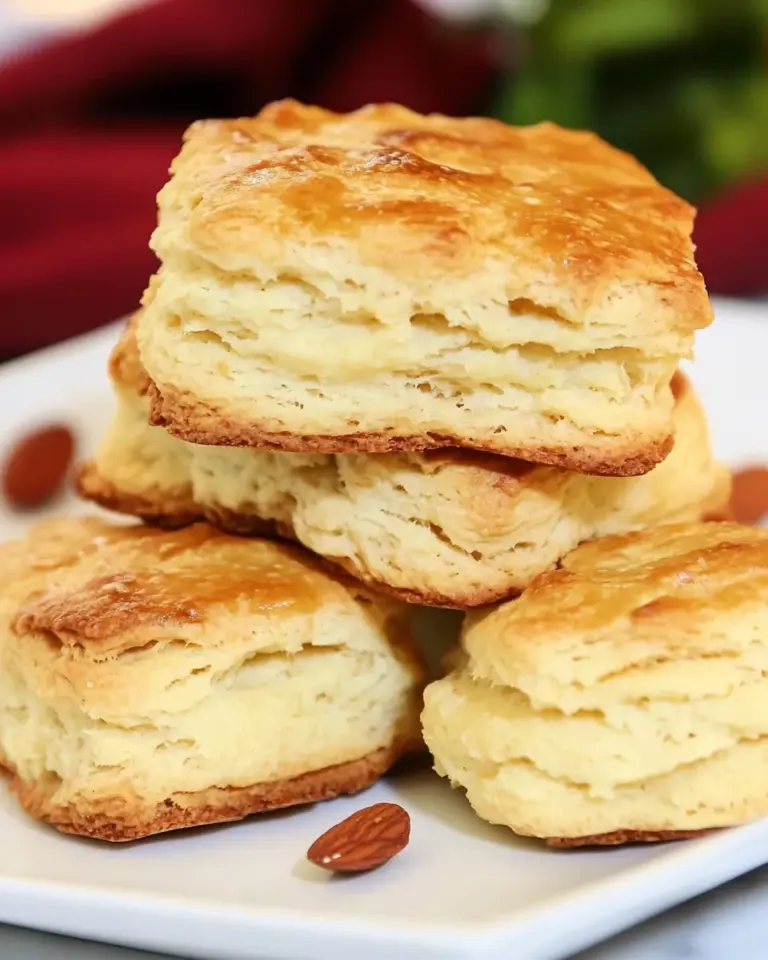
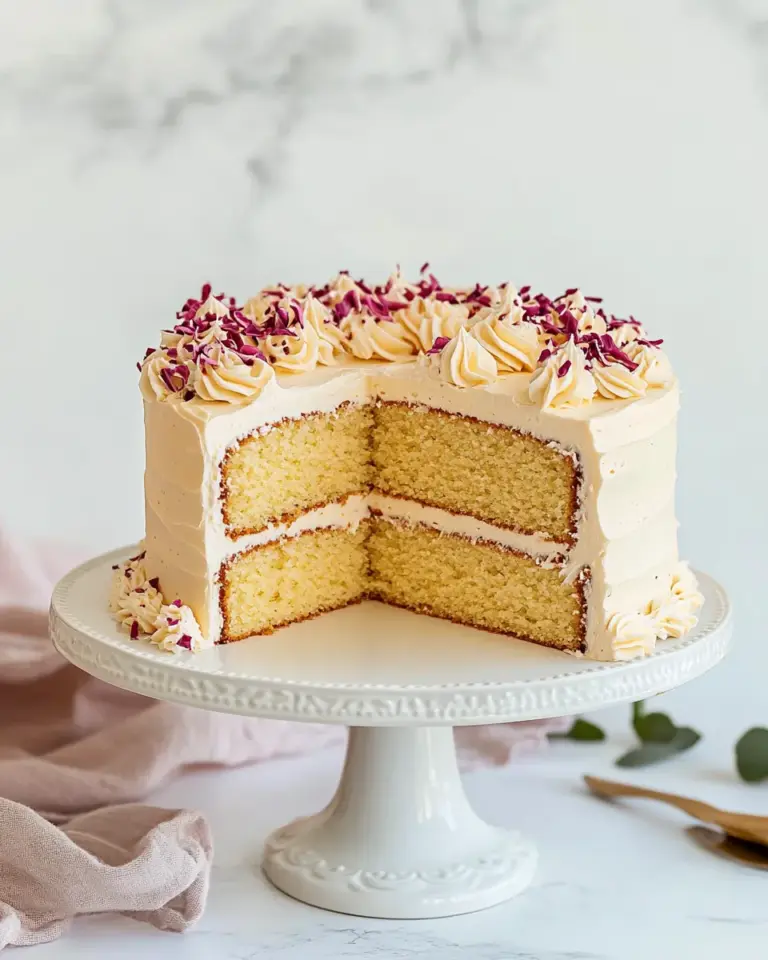
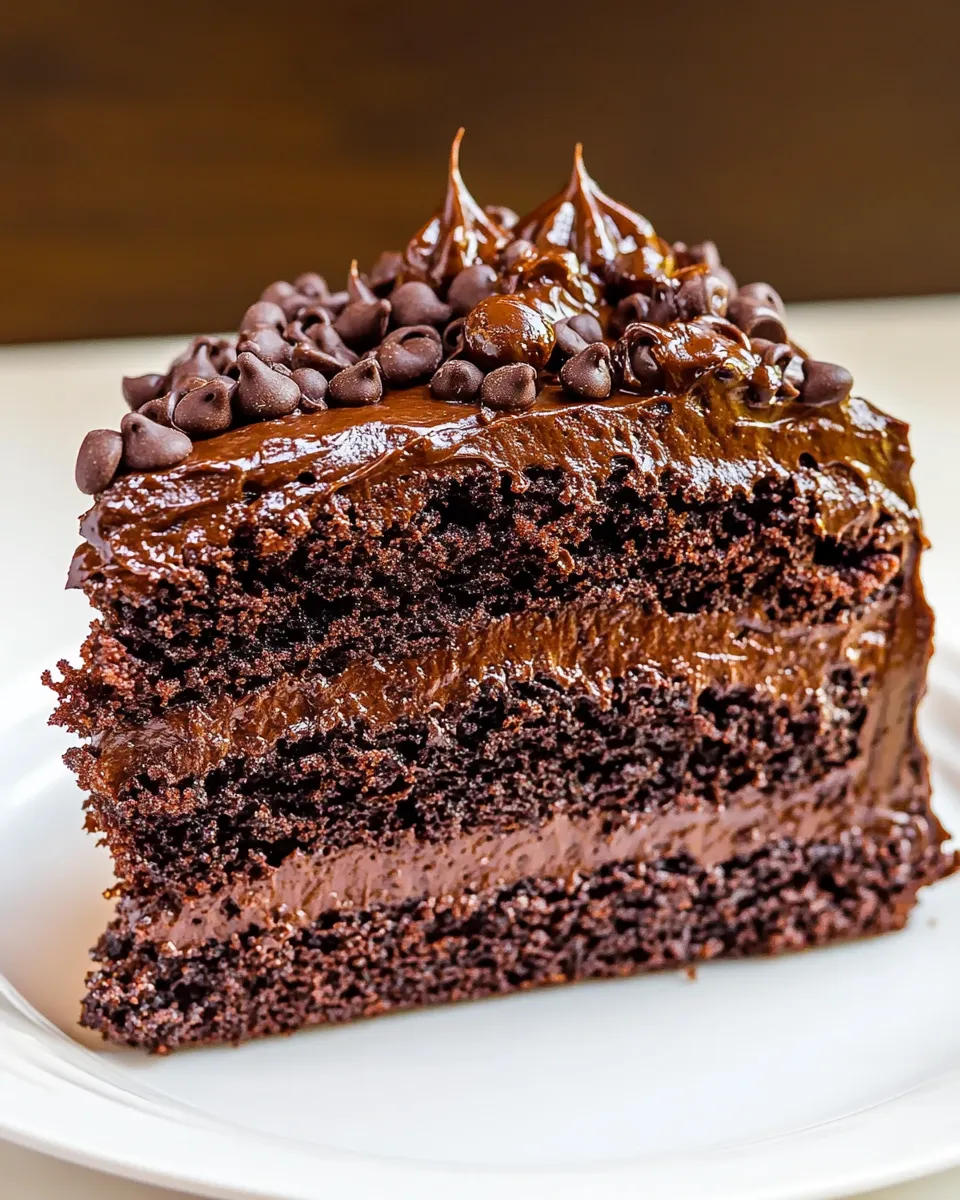
This is a chocolate-focused dessert that leans on a crisp, glossy meringue with a chocolate lift. It isn’t a traditional butter or layer cake — it’s a delicate, airy structure that celebrates chocolate in a restrained, technical way. Expect contrast: crisp edges, tender interior, and a rich cocoa note that comes from careful folding and slow baking.
I write recipes that are practical and faithful to the technique. This one requires attention to detail more than unusual ingredients. If you follow the sequence and respect the resting and baking times, you will be rewarded with a stable meringue that holds its shape and carries deep cocoa flavor.
I’ll walk you through the ingredients, the exact steps, what can go wrong, and how to store and present the finished piece. No fluff — just clear, reliable instructions and tips from someone who has tested this style of dessert multiple times.
Ingredient List

- 4 egg whites, at room temperature — provides structure and volume; room temperature whites whip more easily than cold ones.
- ⅛ teaspoon cream of tartar — stabilizes the egg whites and helps achieve glossy peaks.
- ⅛ teaspoon salt — balances flavor and enhances the chocolate note.
- 1 ¼ cups sugar — sweetens and stabilizes the meringue; added in stages for glossy, firm peaks.
- 2 tablespoons cocoa powder, sifted — gives the finished meringue its chocolate flavor; sifting prevents lumps when folded in.
- 1 tablespoon cornstarch — softens the texture and helps with moisture control during the long, low bake.
Death By Chocolate Cake in Steps
- Preheat the oven to 225°F. Place a sheet of parchment paper on a baking sheet, use a 9-inch cake pan to trace a 9-inch circle on the parchment, then flip the parchment over so the traced side is facing down on the baking sheet.
- Ensure the mixing bowl and whisk/whip attachment are clean and dry. Add 4 room-temperature egg whites, 1/8 teaspoon cream of tartar, and 1/8 teaspoon salt to the bowl.
- Fit the mixer with the whip attachment and beat the egg-white mixture on high until soft peaks form, about 45–50 seconds.
- With the mixer still on high, gradually add 1 cup of the sugar in a slow, steady stream. Continue beating until the mixture holds stiff, glossy peaks, about 1½ minutes.
- Remove the bowl from the mixer. Sift 2 tablespoons cocoa powder over the meringue, add the remaining 1/4 cup sugar and 1 tablespoon cornstarch, and gently fold everything together with a rubber spatula until uniform and no streaks remain.
- Spoon or pipe the meringue onto the traced circle on the parchment, leaving a 1/8–1/4-inch gap from the traced edge. Use an offset spatula to smooth the top and straighten the sides.
- Bake the meringue in the preheated oven for 15 minutes at 225°F. Immediately reduce the oven temperature to 200°F and continue baking for 2 hours and 45 minutes.
- Remove the baking sheet from the oven and let the meringue cool on the sheet for 45 minutes before handling or transferring.
Why It Deserves a Spot
This dessert is all about texture and contrast. The long, low bake dries the meringue gently so it keeps a crisp shell while retaining a tender interior. The small amount of cocoa powder transforms the flavor from plain-sweet to unmistakably chocolate-forward without overwhelming the airy structure.
It’s also a recipe that rewards patience. The technique teaches control — how to whip to the right peak, how to add sugar for stability, and how to fold without deflating. For anyone who enjoys precise baking, this is a satisfying project that yields an elegant centerpiece.
Finally, the presentation is simple yet striking. A single, perfectly shaped disk carries the drama; the dark cocoa tone reads rich even before the first bite. It’s a great choice when you want a dessert that looks impressive but relies on technique more than complicated assembly.
If You’re Out Of…

Because this recipe relies on a tight set of ingredients, substitutions are limited. Below are practical notes on each item and what to expect if it’s missing.
- Egg whites — If you don’t have the full four, the structure will be compromised. This recipe is scaled for 4 whites; reducing them will change volume and baking performance.
- Cream of tartar — Skipping it will make the meringue slightly less stable, especially during the whipping stage. You can still proceed, but expect softer peaks and handle the meringue more gently.
- Salt — Omitting salt reduces depth of flavor. The meringue will still work, but it will taste flatter.
- Sugar — Do not reduce the sugar amount. Sugar isn’t just for sweetness; it stabilizes and gives body to the meringue. Missing sugar will prevent proper structure.
- Cocoa powder — This is the primary chocolate flavor. If absent, the dessert will be a plain meringue rather than a chocolate one.
- Cornstarch — This ingredient tempers moisture and contributes to texture. Omitting it changes the interior from tender to potentially chewier.
Equipment & Tools
What you need
- Stand mixer or hand mixer with whip attachment — for reliable, high-speed whipping.
- Large clean, dry mixing bowl — metal or glass works best; no grease or water.
- Rubber spatula — for gentle folding without deflating the meringue.
- Offset spatula — for smoothing the meringue on the parchment.
- Baking sheet and parchment paper — the meringue bakes on the sheet; the traced circle is your guide.
- 9-inch cake pan (for tracing) — creates the correct shape and size.
- Sifter or fine mesh sieve — to sift cocoa powder and prevent lumps.
Avoid These Traps
- Dirty or damp bowls and utensils — any fat or moisture prevents egg whites from whipping properly. Wipe or dry equipment before starting.
- Rushing the whipping stage — stop at stiff, glossy peaks. Underwhipping gives weak structure; overwhipping can lead to dry, grainy whites.
- Adding sugar too fast — pour slowly and steadily. Dumping sugar in will deflate the foam and prevent glossy peaks.
- Rough folding — use a light hand and wide strokes. Folding too hard will knock out trapped air and collapse volume.
- Skipping the long cool-down — the meringue needs at least the stated 45 minutes on the sheet to set. Handling it too soon risks breakage.
- Baking at higher temperatures — this recipe uses very low temperatures for a reason. Higher heat will brown or crack the meringue and can make it chewy.
Fresh Takes Through the Year
This meringue base is versatile within a narrow flavor profile. In any season, pay attention to humidity; on damp days, the meringue will absorb moisture more quickly and lose its crispness. Bake on dry days for best results.
For subtle seasonal touches that don’t require new ingredients, focus on presentation and temperature contrasts. Serve the meringue slightly cooled for a crisp shell. If you want a warmer impression, allow the meringue to sit at room temperature a bit longer before serving so the interior relaxes.
Use cocoa powder presentation: a light dusting of sifted cocoa over the top after cooling enhances the chocolate note and gives a finished look without introducing new elements.
Behind the Recipe
This recipe is a technical meringue with cocoa folded in — essentially a chocolate meringue “cake” built for texture. The cream of tartar and the staged sugar are classic meringue techniques that stabilize the foam, while the cornstarch moderates moisture and softens the interior during the long, low bake.
The long, low temperature serves two purposes: it slowly drives out moisture without browning, and it sets the structure evenly so the shell dries out while the middle remains tender. The initial 225°F step jump-starts the set, then lowering to 200°F finishes the drying process gently.
I developed this approach after testing shorter, hotter bakes that created cracking and uneven interiors. Patience and controlled heat give a predictable, repeatable result.
Storage & Reheat Guide
Storage is simple and strict: keep the finished meringue in a cool, dry place. Airtight containers trap humidity; if your environment is humid, store the meringue loosely covered in a container with a desiccant packet (if available) or in the driest spot you have. Avoid refrigeration — the meringue will absorb moisture and soften.
Do not reheat the baked meringue. Reheating will collapse the delicate structure and change texture. If you need to restore some crispness after exposure to humidity, brief time in a very low oven (200°F) for 5–10 minutes can help, but proceed cautiously and only once.
Reader Q&A
- Q: My meringue didn’t reach stiff peaks — what went wrong?
A: Check the bowl and whisk for any grease, make sure whites are at room temperature, and that no yolk contaminated them. Also verify you’re using enough sugar and that you’re whipping at high speed for the recommended time. - Q: It cracked during baking — why?
A: Cracking often comes from too-high temperatures or sudden temperature changes. This recipe calls for a long, gentle bake to prevent that; avoid opening the oven while it’s cooling down. - Q: Can I make this ahead?
A: Yes. Once fully cooled, store in a dry container. Make it the day before serving for less last-minute work, but protect it from humidity. - Q: The inside was chewier than I expected — is that normal?
A: The interior should be tender rather than purely crunchy. If it’s overly chewy, it may have retained too much moisture during baking; check your oven temperature accuracy and baking time.
Ready to Cook?
Checklist before you begin: clean and dry mixer bowl and whip; room-temperature egg whites measured; parchment traced and ready; sugar measured and divided (1 cup + 1/4 cup); sift cocoa; preheat oven to 225°F. Work methodically, follow the steps in order, and respect the bake and cool times.
Start the recipe with focus and patience. The payoff is a striking chocolate meringue that looks impressive and rewards careful technique. When you’re ready, preheat the oven and begin — and remember: clean tools, steady sugar addition, gentle folding, and slow, low heat.
Death By Chocolate Cake
Ingredients
Ingredients
- 4 egg whites at room temperature
- 1/8 teaspoon cream of tartar
- 1/8 teaspoon salt
- 1 1/4 cups sugar
- 2 tablespoons cocoa powder sifted
- 1 tablespoon cornstarch
Instructions
Instructions
- Preheat the oven to 225°F. Place a sheet of parchment paper on a baking sheet, use a 9-inch cake pan to trace a 9-inch circle on the parchment, then flip the parchment over so the traced side is facing down on the baking sheet.
- Ensure the mixing bowl and whisk/whip attachment are clean and dry. Add 4 room-temperature egg whites, 1/8 teaspoon cream of tartar, and 1/8 teaspoon salt to the bowl.
- Fit the mixer with the whip attachment and beat the egg-white mixture on high until soft peaks form, about 45–50 seconds.
- With the mixer still on high, gradually add 1 cup of the sugar in a slow, steady stream. Continue beating until the mixture holds stiff, glossy peaks, about 1½ minutes.
- Remove the bowl from the mixer. Sift 2 tablespoons cocoa powder over the meringue, add the remaining 1/4 cup sugar and 1 tablespoon cornstarch, and gently fold everything together with a rubber spatula until uniform and no streaks remain.
- Spoon or pipe the meringue onto the traced circle on the parchment, leaving a 1/8–1/4-inch gap from the traced edge. Use an offset spatula to smooth the top and straighten the sides.
- Bake the meringue in the preheated oven for 15 minutes at 225°F. Immediately reduce the oven temperature to 200°F and continue baking for 2 hours and 45 minutes.
- Remove the baking sheet from the oven and let the meringue cool on the sheet for 45 minutes before handling or transferring.
Equipment
- Oven
- Baking Sheet
- Parchment Paper
- 9-inch Cake Pan
- Mixer
- whip attachment
- Rubber spatula
- Offset Spatula