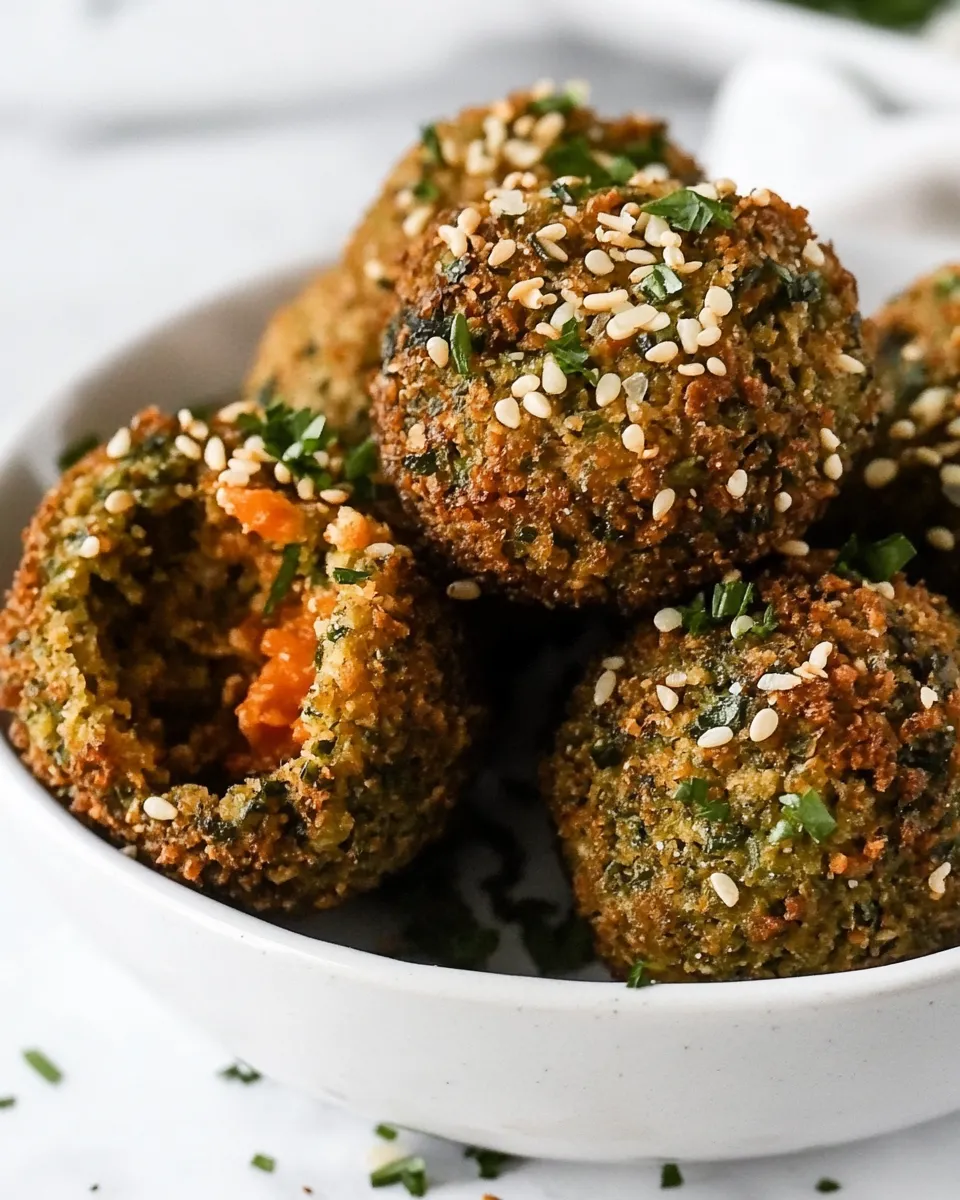
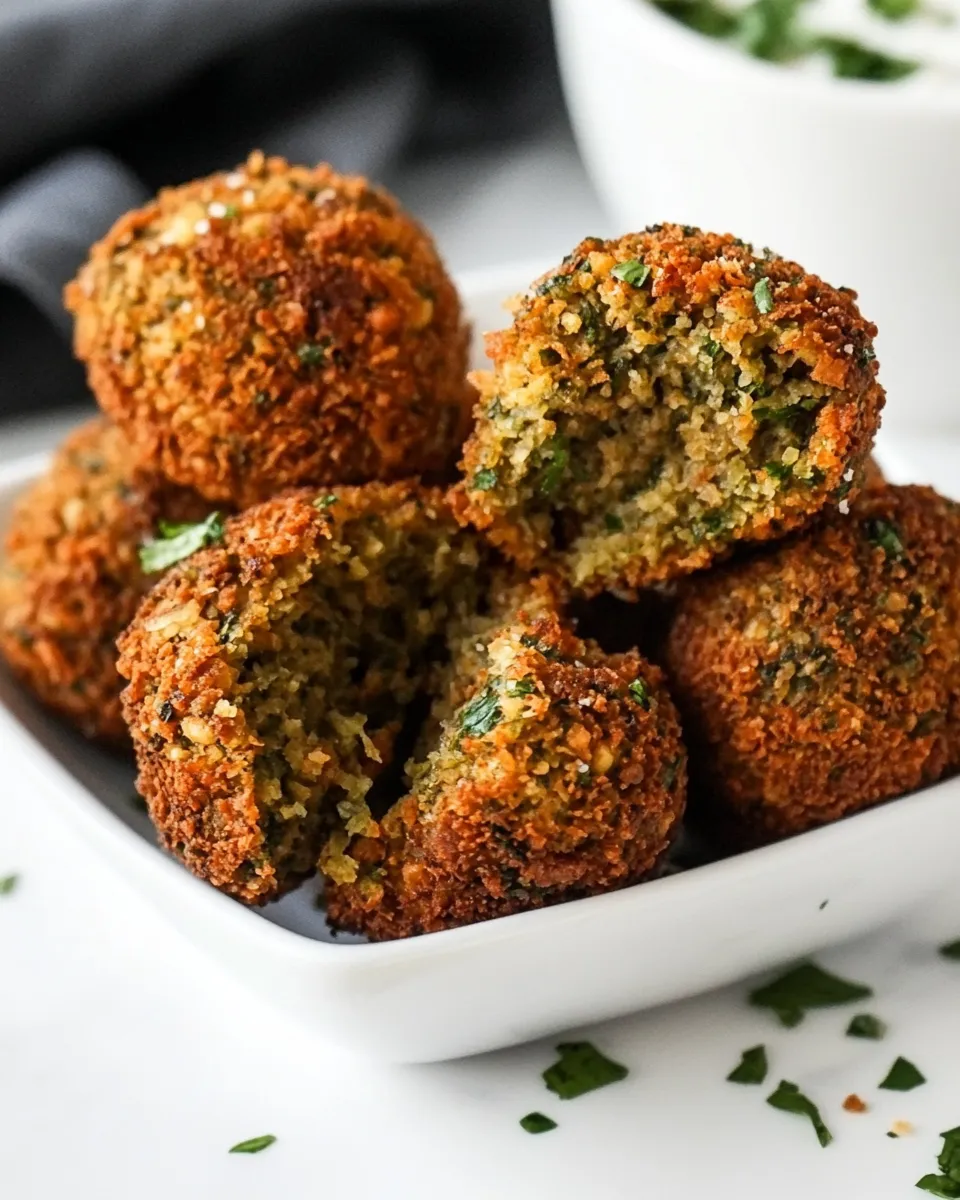
I fell in love with falafel the first time I bit into one that was crisp on the outside and tender, fragrant, and slightly crumbly inside. This recipe is the version I rely on when I want the real deal — soaked beans, fresh herbs, and straightforward spices. It makes a crisp exterior without being dense, and the interior stays light because we’re starting from dried beans, not canned.
This post walks you through everything you need: shopping notes, exact ingredients, step-by-step directions, equipment, and the troubleshooting tips I use when testing batches on busy weeknights. I keep the method faithful to the classic technique so you get texture and flavor that hold up whether you serve falafel on a plate with sides or tucked into warm pita.
Read through before you begin — soaking takes time, and a few small habits (like drying the beans well and how tightly you pack the mixture) make a big difference in the final result. I’ll also share swaps and storage tips so you can tailor this to your pantry and schedule.
Your Shopping Guide
Target the freshest dried beans you can find. Garbanzo (chickpeas) and dried, shelled split fava beans are the foundation of authentic texture — they’re economical and keep for months in a cool, dry place. For herbs, choose bright flat-leaf parsley and fresh cilantro; they contribute both color and moisture to the mixture.
On the spice front, ground cumin and ground coriander are essential. Use sea salt that you can measure by spoon (fine sea salt is easiest for consistent seasoning) and a small jar of ground black pepper. Neutral-flavored oil for frying — sunflower, canola, or light vegetable oil — should be fresh and have a high smoke point. Finally, make sure you have baking powder (not baking soda) on hand; it helps the falafel puff slightly in the oil.
Ingredients
- 1 ½ cups dry garbanzo beans — the primary base, provides structure and nutty flavor after soaking and processing.
- 1 ½ cups dry shelled and split fava beans — mixes with the garbanzo for authentic texture and a slightly earthier taste.
- 1/2 medium-sized peeled and roughly chopped yellow onion — adds moisture and savory depth; chop roughly for the processor.
- 5 trimmed garlic cloves — for bright, aromatic punch; trim and use whole in the processor.
- ½ bunch roughly chopped green onions, root end trimmed — offers a milder onion note and fresh green flavor.
- 1 medium-packed cup flat leaf Italian parsley leaves — brightens the mixture and holds moisture for a tender interior.
- ½ medium-packed cup cilantro leaves — optional for a fresher, herbal lift; helps with binding and flavor.
- 2 teaspoons ground cumin — warm and essential to falafel’s signature flavor.
- 1 teaspoon ground coriander — adds citrusy, floral undertones that pair with cumin.
- 1 tablespoon sea salt — seasons the entire batch; adjust slightly to taste but follow the recipe for initial tests.
- ½ teaspoon ground black pepper — a gentle heat counterpoint.
- 1 teaspoon baking powder — a small lift agent that helps the falafel lighten during frying.
- neutral flavored oil for frying — choose a high smoke point oil (sunflower, canola, vegetable) and enough to fill your pan about halfway.
Step-by-Step: Falafel
Soaking the Beans
- Place 1 ½ cups dry garbanzo beans in a container and completely cover with water, with the water about 4 to 6 inches above the beans. Place in a cool, dark place and soak 12 to 24 hours.
- Place 1 ½ cups dry shelled and split fava beans in a separate container and completely cover with water, with the water about 4 to 6 inches above the beans. Place in a cool, dark place and soak 12 to 24 hours.
Draining and Processing
- After soaking, drain both beans in a colander, rinse under cold water, and drain well.
- Place the drained beans in a food processor fitted with the standard blade. Pulse at high speed until the beans are a medium-coarse grind (small pieces but not a paste), scraping down the sides with a rubber spatula as needed.
- Transfer the roughly processed beans to a large bowl and set aside.
- Without washing the processor, return the bowl and blade to the food processor. Add the ½ medium yellow onion (peeled and roughly chopped), the ½ bunch green onions (root ends trimmed and roughly chopped), 5 trimmed garlic cloves, 1 medium-packed cup flat leaf parsley leaves, and ½ medium-packed cup cilantro leaves. Pulse several times on high until everything is finely minced, scraping down the sides as needed.
- Add the roughly processed beans back into the processor along with 2 teaspoons ground cumin, 1 teaspoon ground coriander, 1 tablespoon sea salt, and ½ teaspoon ground black pepper. Pulse several times on high until the mixture reaches a fine, coarse grind and holds together when pressed (it should form a small ball or disk without falling apart). Scrape down the sides as needed.
Forming and Frying
- Transfer the mixture to the large bowl (if it isn’t already there) and fold in 1 teaspoon baking powder with a spatula until evenly distributed.
- Using your hands, a scoop, or a falafel scoop, form the mixture into tightly packed balls or small disks, pressing firmly so they hold together. Place the formed falafel on a sheet tray lined with parchment paper or a plate.
- Fill a 2-quart pan (or a medium deep, heavy-bottomed pan) about halfway with neutral-flavored oil for frying and heat the oil to around 350°F (175°C). If you do not use a thermometer, test by dropping a small piece of mixture into the oil—it should sizzle immediately.
- Fry the falafel in batches, taking care not to overcrowd the pan. Cook 2 to 3 minutes per side, turning as needed, until golden brown and cooked through.
- Remove the fried falafel with a slotted spoon and drain on paper towels for 1 to 2 minutes. Repeat until all falafel are cooked.
- Serve the falafel immediately on a plate or in a sandwich with your preferred dipping sauces.
Why This Recipe Belongs in Your Rotation
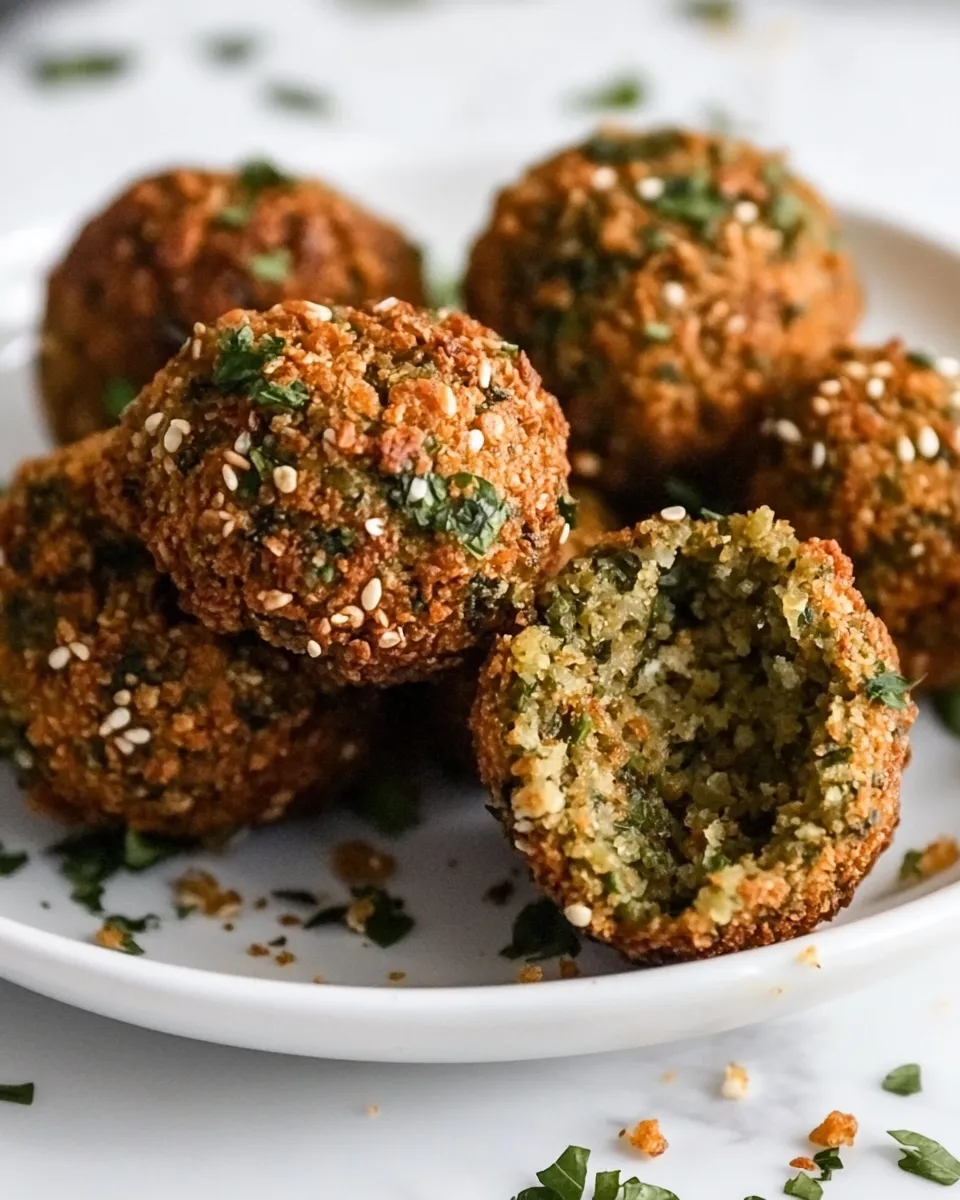
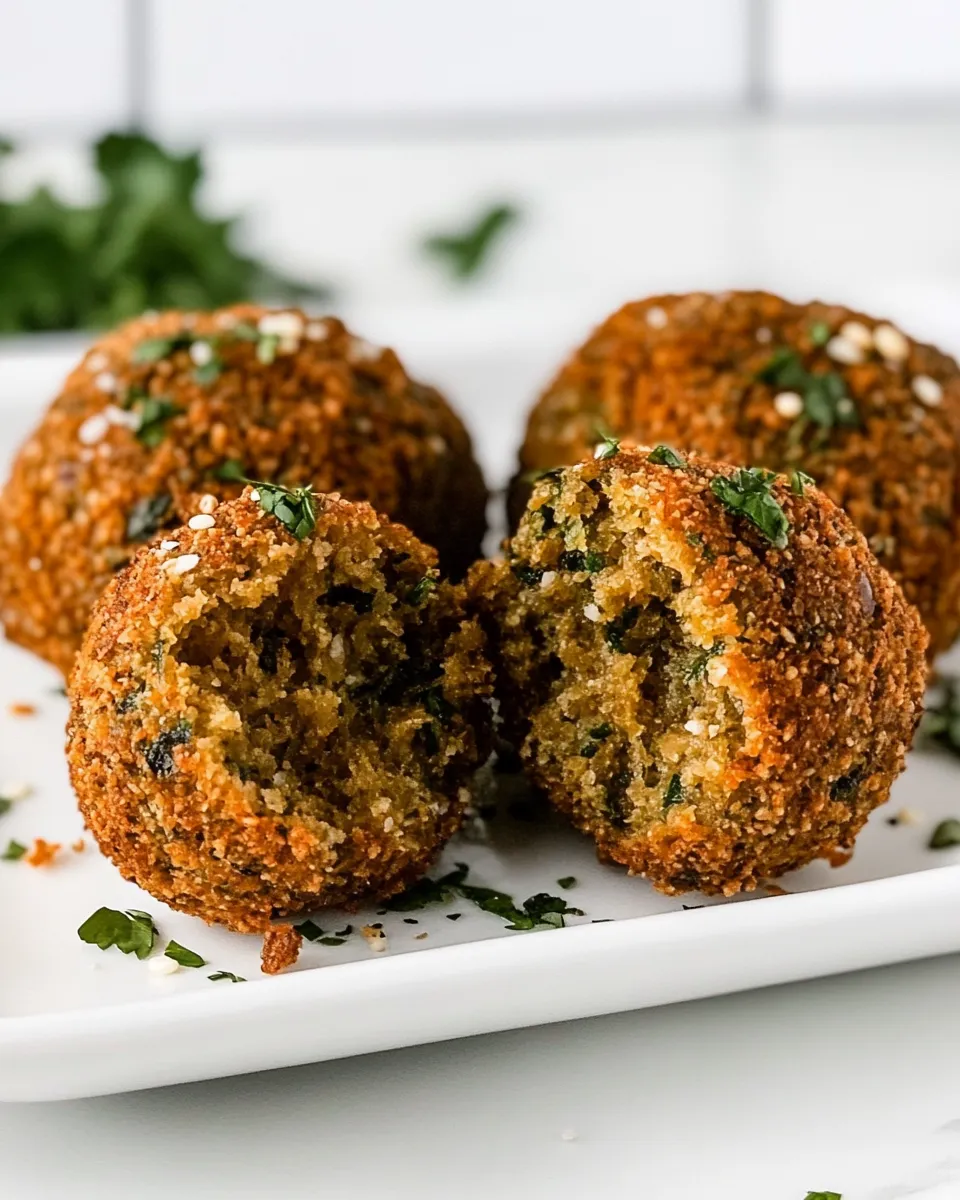
This method delivers the classic texture many falafel lovers chase: a crunchy shell surrounding a light, herbaceous interior. Using dried beans and soaking them overnight gives you control over moisture and texture that canned beans can’t match. The split fava and garbanzo blend produces a slightly complex, authentic bite that stands up to sauces and pickles without becoming gummy.
It scales cleanly: soak multiple batches of beans when you have time, then process and freeze formed balls for quick weeknight frying. It’s vegetarian, flavorful, and affordable — a great protein-rich option for meatless meals that actually satisfies.
Ingredient Swaps & Substitutions
- Omit fava beans: If you can’t find shelled split favas, you can make falafel with just garbanzos — texture will be slightly different but still very good.
- Herb adjustments: If you dislike cilantro, double the parsley and add a bit more green onion for freshness.
- Spice variations: Add ¼–½ teaspoon cayenne or a pinch of chili flakes for heat, or a teaspoon of smoked paprika for a subtle smoky note.
- Baking option (not the same texture): You can bake falafel on a lightly oiled sheet at 400°F (200°C) for 20–25 minutes, flipping once, but expect a less crisp exterior than frying.
Before You Start: Equipment
- Two large containers — for soaking the garbanzos and favas separately with plenty of water above the beans.
- Colander — for draining and rinsing after soaking.
- Food processor with standard blade — this recipe depends on pulsing to the right coarse grind; a blender won’t achieve the same texture.
- Large bowl and rubber spatula — for mixing and folding in baking powder.
- Falafel scoop or small ice cream scoop (optional) — helps form uniformly sized falafel for even frying.
- 2-quart heavy-bottomed pan and a thermometer — a medium deep pan and a thermometer make maintaining 350°F (175°C) straightforward; if you don’t have one, test with a small piece first.
- Slotted spoon and paper towels — for draining fried falafel.
Troubleshooting Tips
If your falafel fall apart in the oil: make sure the processed mixture is ground fine enough and that you press the balls or disks tightly when forming. The mixture should hold together when you squeeze it into a small disk before frying.
If the interior is gummy or dense: the processor may have pureed the mixture too much. Pulse in short bursts to reach a medium-coarse grind rather than a paste. Also ensure you drained the soaked beans well — excess water can create a heavy texture.
If they brown too quickly and are raw inside: oil temperature is likely too high. Aim for around 350°F (175°C) and adjust heat to keep that temperature steady. Cook in smaller batches so the oil temperature doesn’t drop too far when you add falafel.
Nutrition-Minded Tweaks
Falafel are naturally plant-based and protein-rich thanks to the chickpeas and favas. If you want to reduce oil absorption slightly, chill the formed balls in the refrigerator for 20–30 minutes before frying; this firms them up and can reduce oil uptake.
For a lower-fat approach, bake falafel (see substitutions), and serve with yogurt-based sauces instead of mayonnaise-heavy dressings. Use whole-grain pita or large lettuce leaves to increase fiber and vegetable content in the meal.
If You’re Curious
Falafel has regional variations across the Middle East — some versions use only chickpeas, others only fava beans. Street vendors often fry smaller balls, while home cooks make slightly larger patties. Herbs and spice proportions change from family to family; this recipe aims for a balanced, classic flavor profile.
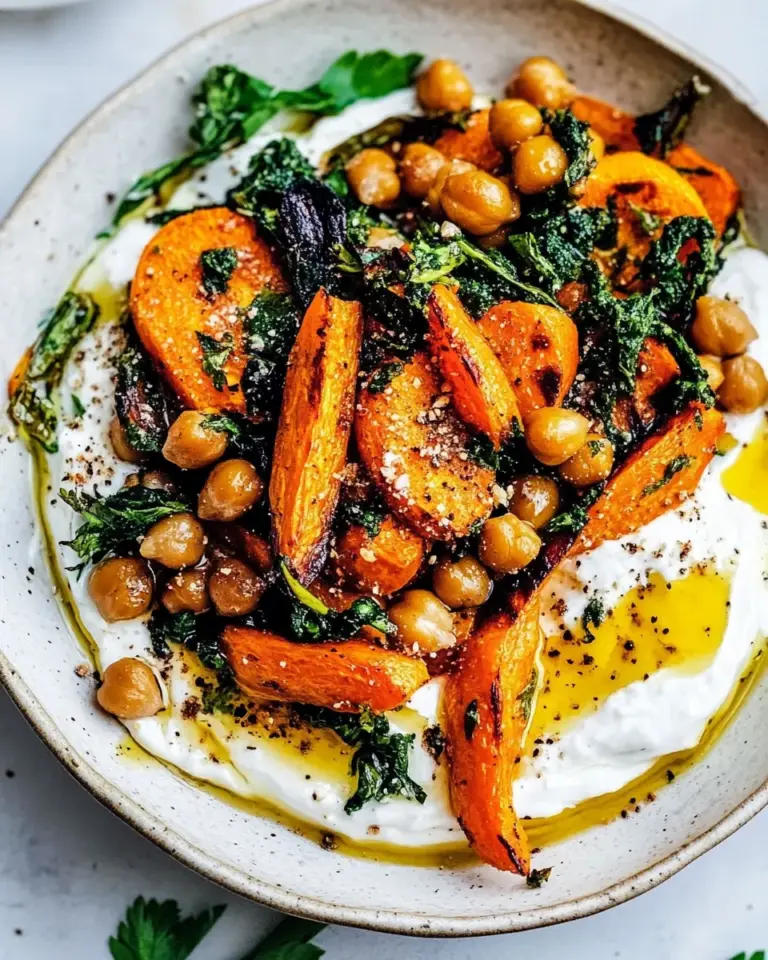
Try serving falafel with tahini sauce, chopped salad, pickled turnips, and warm pita for a near-street-food experience at home. Or plate them with hummus, roasted vegetables, and a lemony herb salad for a plated dinner.
Storage Pro Tips
Cooked falafel keep well in the refrigerator for 3–4 days. Store them on paper towels in an airtight container to avoid sogginess. Reheat in a 375°F (190°C) oven for 8–10 minutes to restore crispness, or pop them back in hot oil for a quick refry if you want the freshest crunch.
You can freeze formed, uncooked falafel on a sheet tray until solid, then transfer to a labeled freezer bag for up to 3 months. Fry from frozen, adding a minute or two to the cook time, or thaw in the refrigerator and fry as usual.
Ask the Chef
Q: Can I use canned chickpeas? A: I don’t recommend it for this recipe. Canned beans are too soft and introduce excess moisture, which changes the texture. Soaked dried beans create the right coarse structure.
Q: How many servings does this make? A: Yield depends on your scoop size, but plan on about 12–18 falafel for a small dinner if you form medium balls — enough for 3–4 people with sides.
Q: Can I mix herbs differently? A: Yes. Parsley is the backbone here. If you prefer, increase parsley and skip cilantro, or add a small amount of mint for a brighter note.
Hungry for More?
If you enjoyed this falafel recipe, try pairing it with a homemade tahini sauce (tahini, lemon juice, garlic, water, and salt whisked to pourable consistency) and pickled cucumbers or turnips. For a Mediterranean weeknight rotation, explore recipes for shawarma-spiced roasted vegetables, quick tabbouleh, or a simple cucumber-yogurt salad to round out the meal.
Make a double batch of the bean mixture and freeze formed falafel for quick dinners, and keep a small jar of spice mix (cumin + coriander + a pinch of cayenne) on hand to speed prep next time. Most of all, test one batch, adjust seasoning to taste, and make this your go-to falafel routine.

Delicious Authentic Falafel Recipe
Ingredients
Ingredients
- 1 1/2 cupsdry garbanzo beans
- 1 1/2 cupsdry shelled and split fava beans
- 1/2 medium-sized peeled and roughly chopped yellow onion
- 5 trimmed garlic cloves
- 1/2 bunch roughly chopped green onions root end trimmed
- 1 medium-packed cup flat leaf Italian parsley leaves
- 1/2 medium-packed cup cilantro leaves
- 2 teaspoonsground cumin
- 1 teaspoonground coriander
- 1 tablespoonsea salt
- 1/2 teaspoonground black pepper
- 1 teaspoonbaking powder
- neutral flavored oil for frying
Instructions
Instructions
- Place 1 ½ cups dry garbanzo beans in a container and completely cover with water, with the water about 4 to 6 inches above the beans. Place in a cool, dark place and soak 12 to 24 hours.
- Place 1 ½ cups dry shelled and split fava beans in a separate container and completely cover with water, with the water about 4 to 6 inches above the beans. Place in a cool, dark place and soak 12 to 24 hours.
- After soaking, drain both beans in a colander, rinse under cold water, and drain well.
- Place the drained beans in a food processor fitted with the standard blade. Pulse at high speed until the beans are a medium-coarse grind (small pieces but not a paste), scraping down the sides with a rubber spatula as needed.
- Transfer the roughly processed beans to a large bowl and set aside.
- Without washing the processor, return the bowl and blade to the food processor. Add the ½ medium yellow onion (peeled and roughly chopped), the ½ bunch green onions (root ends trimmed and roughly chopped), 5 trimmed garlic cloves, 1 medium-packed cup flat leaf parsley leaves, and ½ medium-packed cup cilantro leaves. Pulse several times on high until everything is finely minced, scraping down the sides as needed.
- Add the roughly processed beans back into the processor along with 2 teaspoons ground cumin, 1 teaspoon ground coriander, 1 tablespoon sea salt, and ½ teaspoon ground black pepper. Pulse several times on high until the mixture reaches a fine, coarse grind and holds together when pressed (it should form a small ball or disk without falling apart). Scrape down the sides as needed.
- Transfer the mixture to the large bowl (if it isn’t already there) and fold in 1 teaspoon baking powder with a spatula until evenly distributed.
- Using your hands, a scoop, or a falafel scoop, form the mixture into tightly packed balls or small disks, pressing firmly so they hold together. Place the formed falafel on a sheet tray lined with parchment paper or a plate.
- Fill a 2-quart pan (or a medium deep, heavy-bottomed pan) about halfway with neutral-flavored oil for frying and heat the oil to around 350°F (175°C). If you do not use a thermometer, test by dropping a small piece of mixture into the oil—it should sizzle immediately.
- Fry the falafel in batches, taking care not to overcrowd the pan. Cook 2 to 3 minutes per side, turning as needed, until golden brown and cooked through.
- Remove the fried falafel with a slotted spoon and drain on paper towels for 1 to 2 minutes. Repeat until all falafel are cooked.
- Serve the falafel immediately on a plate or in a sandwich with your preferred dipping sauces.
Equipment
- Container
- Colander
- Food Processor
- Large Bowl
- Rubber spatula
- sheet tray
- Parchment Paper
- 2-quart pan (or medium deep, heavy-bottomed pan)
- thermometer (optional)
- Slotted spoon
- Paper Towels
Notes
Make-Ahead:
These are best eaten right out of the oil. You can keep them warm on a sheet tray lined with parchment paper and in the oven at 200°.
How to Store:
You can store the uncooked batter covered tightly in the refrigerator for up to 3 days. This will also freeze well for up to 3 months. Be sure to thaw it in the refrigerator for 1 day before shaping the falafel and frying them. If they are already cooked, they will last up to 5 days in the refrigerator and freeze for up to 3 months. Thaw them in the refrigerator for 1 day before reheating
How to Reheat:
For the first method, place the cooked falafel on a sheet tray lined with parchment paper and bake in the oven at 350° for 4 to 6 minutes or until hot. To reheat using the second method, refry them in oil at 350° for 1 to 2 minutes or until hot.
If you
want to add even more flavor, add 2 teaspoons of this
Lebanese 7-Spice Recipe
.
Canned beans
will not work for this recipe as they have already been cooked.