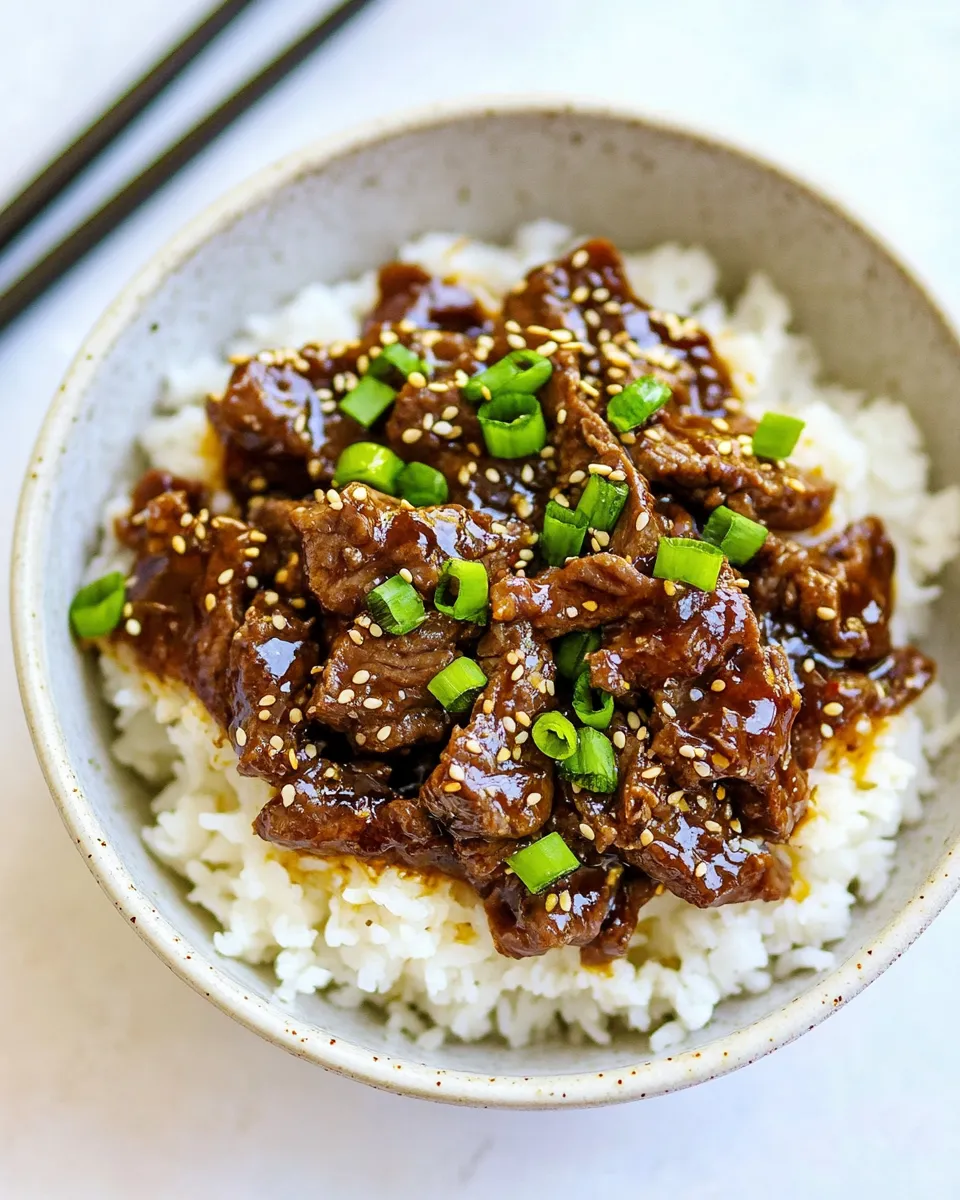
I fell in love with bulgogi years ago — that first sweet, savory bite that somehow manages to be comforting and exciting at once. This version trims the fuss without skimping on flavor. It’s fast to pull together, forgiving in the pantry swaps it allows, and perfect for weeknights or a low-key weekend dinner.
What I love most is how adaptable it is. The marinade does the heavy lifting: it tenderizes, seasons, and gives the beef that glossy, caramelized finish when seared hot. You can batch the marinade up, marinate overnight, and come home to dinner that feels like you spent hours on it.
Below I walk you through exactly what to buy, how to cook it, what to watch for, and how to store leftovers so you can enjoy this again and again. No fuss, just solid technique and real tips from my kitchen to yours.
Gather These Ingredients
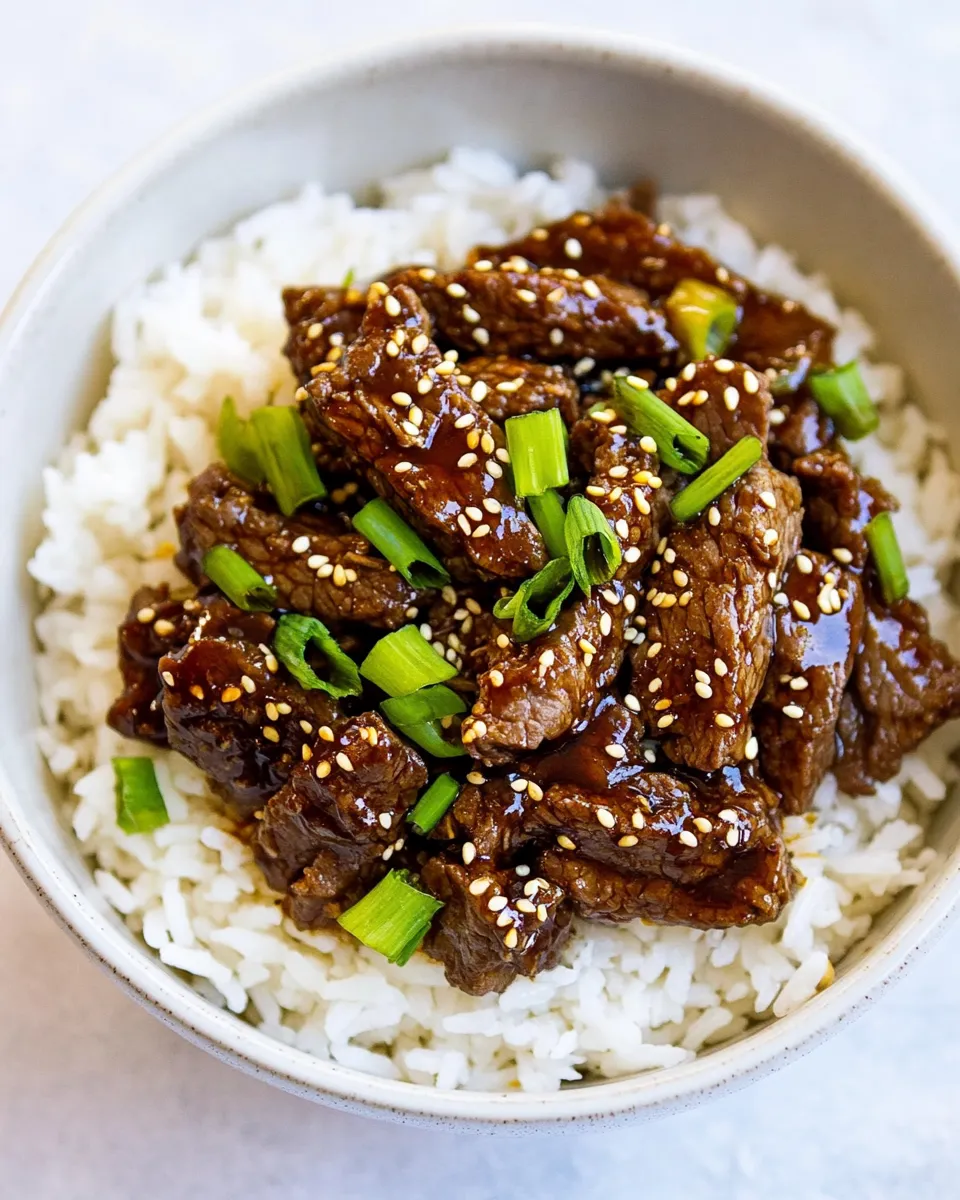
- 1 ½ to 2 lbs boneless ribeye steak or NY strip steak, sliced — rich, marbled cuts give the best texture and caramelization; slice thin against the grain for tenderness.
- ⅓ cup coconut aminos (liquid aminos or soy sauce*) — the savory backbone of the marinade; coconut aminos keeps it slightly lighter and less salty.
- 2 Tbsp pure maple syrup — adds sweetness and helps with browning; pure maple gives depth over plain sugar.
- 1 Tbsp rice vinegar — balances the sweetness and brightens the marinade.
- 2 Tbsp toasted sesame oil — for fragrant, nutty flavor; a little goes a long way.
- 4 cloves garlic, minced — essential aromatics; freshly minced is best.
- 1 Tbsp fresh ginger, peeled and grated — sharp, warm lift to cut the richness.
- 1 Tbsp gochujang** — fermented red chili paste; it brings umami, gentle heat, and a glossy finish.
- ½ tsp black pepper — simple seasoning to round things out.
- 2 Tbsp avocado oil — a high smoke-point oil for searing the beef without burning the marinade flavors.
- Cooked white rice*** — the classic bed for bulgogi; absorbs the sauce and keeps the meal grounded.
- 1 bunch green onion, chopped — bright garnish; cut on the bias for visual appeal.
- Sesame seeds — finishing touch for texture and a nutty note.
Method: Beef Bulgogi
- Place the sliced steak (1 ½ to 2lbs boneless ribeye or NY strip) into a large zip-top bag or a medium bowl.
- In a small bowl or measuring cup, stir together ⅓ cup coconut aminos, 2 Tbsp pure maple syrup, 1 Tbsp rice vinegar, 2 Tbsp toasted sesame oil, 4 cloves garlic (minced), 1 Tbsp fresh ginger (peeled and grated), 1 Tbsp gochujang, and ½ tsp black pepper until well combined.
- Pour the marinade into the bag or bowl with the beef, seal (or cover) and massage so all strips are well coated. Refrigerate for at least 2 hours, or up to 24 hours.
- When ready to cook, heat a large skillet over medium-high heat and add 2 Tbsp avocado oil. Remove the beef from the marinade and reserve the marinade in a heatproof bowl. Lightly pat the beef strips dry with paper towels (this helps them brown).
- Working in two batches to avoid overcrowding, place half the beef strips in a single layer in the hot skillet. Sear 2 to 3 minutes without moving until browned, then flip each piece and sear another 2 to 3 minutes. Transfer the seared beef to a plate and repeat with the remaining strips.
- After all the beef is seared, pour the reserved marinade into the skillet. Bring it to a full boil and cook 3 to 5 minutes, stirring, until the sauce is bubbling and heated through.
- Return the seared beef to the skillet and toss with the sauce for 1 to 2 minutes until the beef is fully heated and coated.
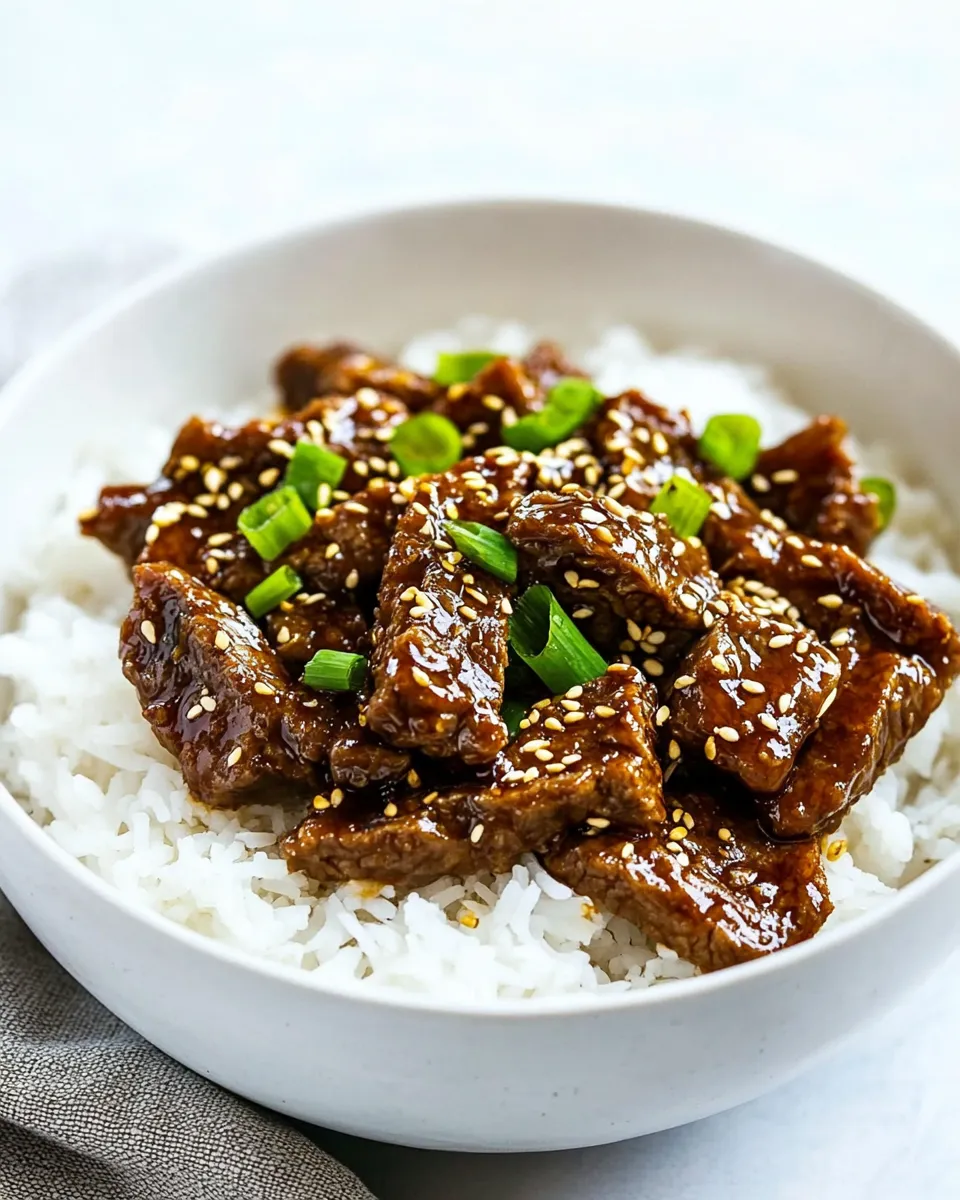
- Serve the bulgogi over cooked white rice, spoon the sauce over the top, and garnish with the chopped green onion (1 bunch) and sesame seeds.
Why It’s My Go-To
There are recipes that are indulgent and recipes that are reliable. This one manages both. The marinade is simple, but it hits every corner of flavor: salty, sweet, tangy, and a little spicy. It’s forgiving on technique too — a quick sear and a short sauce boil get you a restaurant-style finish without hours of hands-on time.
I also love that it’s easy to scale. You can double the beef for guests, halve it for two, or marinate overnight to build flavor before you’re ready to cook. Leftovers reheat well and taste even better the next day when the flavors have settled.
International Equivalents
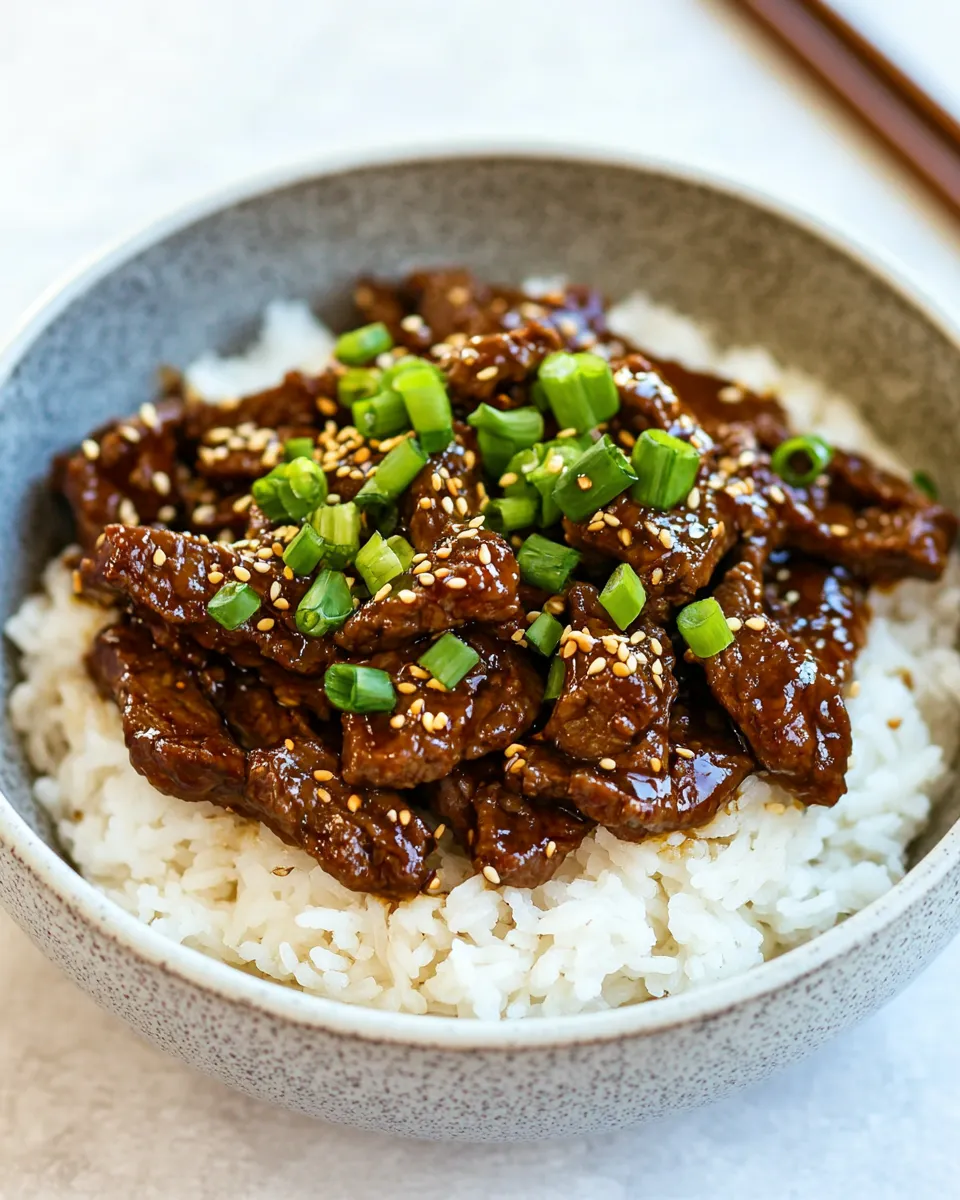
Bulgogi is distinct to Korea, but similar concepts exist worldwide: thinly sliced marinated meats seared quickly for tender results. Think Japanese yakiniku (grilled thin slices of beef) or Chinese-style beef stir-fries with soy-based marinades. In Western kitchens, this recipe crosses over into teriyaki-like territory because of the sweet-salty glaze.
If you don’t have gochujang, comparable profiles show up in miso-sweet concoctions or a small dab of chili paste combined with fermented soybean elements. The key is balance: savory base, sweetener, acid, toasted oil, and aromatics.
Cook’s Kit
You don’t need expensive gear, but a few items make the job easier and more consistent.
Essentials
- Large heavy skillet or cast-iron pan — holds heat for a good sear and prevents overcrowding from cooling the pan.
- Sharp knife and cutting board — thin, even slices cook uniformly.
- Zip-top bag or medium bowl — for easy, even marinating.
- Tongs or a spatula — for quick flipping without tearing the meat.
Nice-to-haves
- Mandoline or partially frozen beef — helps get ultra-thin slices if you prefer them paper-thin.
- Heatproof bowl — to safely reserve the marinade before boiling it down.
Pitfalls & How to Prevent Them
Common mistakes are easy to avoid and make a big difference in the final result.
Overcrowding the pan is the top culprit. If you crowd strips together, they steam instead of sear. Work in two batches like the recipe instructs. You’ll lose a couple minutes, but you gain caramelization and great texture.
Skipping the dry pat before searing is another small misstep that kills color. Pat the strips lightly with paper towels; moisture on the surface prevents browning. Also, don’t pour raw marinade directly into the pan until after searing — reserve it and boil it separately to both concentrate flavor and make it safe.
Seasonal Ingredient Swaps
Spring: Add a handful of thinly sliced asparagus or snap peas in the last minute of tossing for a fresh crunch.
Summer: Fold in quick-pickled cucumbers on the side for a cooling counterpoint. Grill the beef outdoors for smoky notes.
Fall: Stir in shiitake mushrooms when boiling the reserved marinade for earthier depth. Finish with a sprinkle of toasted pumpkin seeds for texture.
Winter: Swap half the green onions for thinly sliced leeks cooked briefly in the sauce for a sweeter, softened bite.
Behind the Recipe
This recipe distills classic bulgogi elements into a straightforward method that suits a busy kitchen. Traditional bulgogi marinades can include pear or apple for tenderizing and sweetness; here I keep that effect without adding fruit by relying on maple syrup and a short marinating window. The use of coconut aminos is a nod to a slightly lighter, soy-free profile, but the recipe is right at home with soy if that’s what you prefer.
Gochujang gives the dish its ferment-forward backbone. It’s not just heat — it’s umami, color, and gloss. Toasted sesame oil introduced near the start of the marinade layers that nutty flavor deeply into the meat rather than as a final flourish alone.
Cooling, Storing & Rewarming
Cool leftovers to room temperature for no more than an hour, then refrigerate in an airtight container. Stored this way, bulgogi keeps well for 3 to 4 days.
To reheat, gently warm the beef in a skillet over medium-low heat with a splash of water or a little oil to loosen the sauce. Heat just until warmed through — overcooking will toughen thin slices. Microwaving works in a pinch; cover to retain moisture and use short bursts of 20–30 seconds, stirring between intervals.
If you want to freeze, spread the cooled beef in a single layer on a tray to quick-freeze, then transfer to a freezer bag. It will keep well for up to 2 months. Thaw overnight in the refrigerator before reheating.
Helpful Q&A
Q: Can I use a different cut of beef?
A: Yes. Ribeye or NY strip are ideal for fat and flavor. Leaner cuts like flank or skirt can work if sliced thin against the grain and marinated longer to tenderize.
Q: Is gochujang necessary?
A: It’s highly recommended for authentic flavor, but if you don’t have it, use a spoon of miso plus a pinch of chili paste to mimic its fermented depth and heat.
Q: Can I make this vegetarian?
A: Swap thinly sliced king oyster mushrooms or pressed tofu as a sturdier option. Marinate and sear similarly, though cooking times will be shorter.
Q: How long can I marinate?
A: The recipe specifies at least 2 hours and up to 24 hours. Beyond a day, texture starts to change — stick to that window for best results.
Wrap-Up
Beef Bulgogi is exactly the kind of recipe I want in my regular rotation: fast, reliable, endlessly tweakable, and genuinely delicious. Follow the steps, don’t rush the sear, and use the garnishes — they lift the dish. Make a double batch of marinade and you’ll have dinner that feels special on even the busiest nights.
If you try it, tell me how you served it — bowls, lettuce wraps, or tucked into tacos? I love hearing the twists readers bring to a classic. Happy cooking.
Easy Beef Bulgogi
Ingredients
Ingredients
- 1 1/2 to 2 lbsboneless ribeye steak or NY strip steaksliced
- 1/3 cupcoconut aminosliquid aminos or soy sauce*
- 2 Tbsppure maple syrup
- 1 Tbsprice vinegar
- 2 Tbsptoasted sesame oil
- 4 clovesgarlicminced
- 1 Tbspfresh gingerpeeled and grated
- 1 Tbspgochujang**
- 1/2 tspblack pepper
- 2 Tbspavocado oil
- Cooked white rice***
- 1 bunch green onionchopped
- Sesame seeds
Instructions
Instructions
- Place the sliced steak (1 ½ to 2lbs boneless ribeye or NY strip) into a large zip-top bag or a medium bowl.
- In a small bowl or measuring cup, stir together ⅓ cup coconut aminos, 2 Tbsp pure maple syrup, 1 Tbsp rice vinegar, 2 Tbsp toasted sesame oil, 4 cloves garlic (minced), 1 Tbsp fresh ginger (peeled and grated), 1 Tbsp gochujang, and ½ tsp black pepper until well combined.
- Pour the marinade into the bag or bowl with the beef, seal (or cover) and massage so all strips are well coated. Refrigerate for at least 2 hours, or up to 24 hours.
- When ready to cook, heat a large skillet over medium-high heat and add 2 Tbsp avocado oil. Remove the beef from the marinade and reserve the marinade in a heatproof bowl. Lightly pat the beef strips dry with paper towels (this helps them brown).
- Working in two batches to avoid overcrowding, place half the beef strips in a single layer in the hot skillet. Sear 2 to 3 minutes without moving until browned, then flip each piece and sear another 2 to 3 minutes. Transfer the seared beef to a plate and repeat with the remaining strips.
- After all the beef is seared, pour the reserved marinade into the skillet. Bring it to a full boil and cook 3 to 5 minutes, stirring, until the sauce is bubbling and heated through.
- Return the seared beef to the skillet and toss with the sauce for 1 to 2 minutes until the beef is fully heated and coated.
- Serve the bulgogi over cooked white rice, spoon the sauce over the top, and garnish with the chopped green onion (1 bunch) and sesame seeds.
Equipment
- Large Skillet
- zip-top bag or bowl
- small bowl or measuring cup
- Heatproof bowl
- Paper Towels
- Plate
Notes
*Use coconut aminos for a soy-free version that is paleo-friendly. If using coconut aminos, omit the pure maple syrup as coconut aminos will be sweet enough as is.
**Gochujang is Korean red pepper paste. It has a small kick to it but isn’t overly spicy. Omit it to make the recipe very mild.
***Serve with cauliflower rice for a low-carb version or turn it into lettuce wraps with butter lettuce.
Store any leftover bulgogi beef in an airtight container in the refrigerator for up to 5 days.
Nutrition Facts are calculated based on 1.5 lbs of NY Strip Steak for 3 servings.