I keep this Instant Pot mac and cheese in my weeknight rotation because it hits comfort-food territory with zero fuss. You get tender pasta, a smooth cheesy sauce, and cleanup that actually fits into a busy evening. It’s the kind of recipe you rely on when you need something warm and dependable—fast.
No heavy sauce-making or standing at the stove. The pressure cooker does the heavy lifting: pasta cooks in the broth, butter melts on top, and then you finish with cheese and milk. The whole process is straightforward and forgiving, which is exactly what I want from a family-friendly dinner.
Below you’ll find a tight shopping list, the exact pressure-cooker steps I use every time, and practical notes on storage, troubleshooting, and sensible swaps for different diets. Keep this bookmarked; it’s the macaroni and cheese recipe I circle back to whenever I want simple and satisfying.
Shopping List

- 4 c broth (vegetable or chicken)
- 1 lb shell pasta
- 1/2 – 1 c milk
- 3 T butter
- 1 ½ c cheddar cheese, shredded
- 1 c Monterey Jack cheese, shredded
- ½ tsp garlic powder
- ½ tsp salt
- ½ tsp cracked pepper
- ½ tsp paprika
- Sprinkle of bread crumbs (optional)
Mastering Instant Pot Mac and Cheese: How-To
- Pour 4 cups broth, 1 lb shell pasta, and ½ tsp salt into the Instant Pot/pressure cooker inner pot.
- Cut 3 tablespoons butter into small cubes and scatter the cubes evenly on top of the pasta (do not stir).
- Close the lid, set the pressure-release valve to SEALING, and set the cooker to Pressure Cook/Manual on HIGH for 5 minutes.
- When the 5 minutes are up, perform a quick release: carefully move the valve to VENTING, wait until all pressure is released and the float valve drops, then open the lid away from your face.
- Immediately add 1½ cups shredded cheddar cheese, 1 cup shredded Monterey Jack, ½ teaspoon garlic powder, ½ teaspoon cracked pepper, ½ teaspoon paprika, and ½ cup milk. Stir vigorously until the cheeses are melted and the sauce is smooth.
- If you prefer a creamier sauce, stir in additional milk up to a total of 1 cup until you reach the desired consistency.
- Serve the mac and cheese immediately. If desired, sprinkle a little bread crumbs on top before serving.
- Store leftovers in the refrigerator for 3–4 days. When reheating, add a little milk and stir to restore creaminess.
Ingredients
- 4 c broth (vegetable or chicken) — Cooks the pasta and adds the base flavor for the sauce; choose chicken for richness or vegetable for a lighter profile.
- 1 lb shell pasta — Shells catch sauce in their nooks; they stay tender and are easy to eat.
- 1/2 – 1 c milk — Adds creaminess; start with ½ cup, then add up to 1 cup to reach your preferred consistency.
- 3 T butter — Cubed and placed on top so it melts evenly while pressure builds; it gives silkiness to the sauce.
- 1 ½ c cheddar cheese, shredded — Provides the sharp, classic mac and cheese flavor; shred from a block when possible for best melting.
- 1 c Monterey Jack cheese, shredded — Melts smoothly and balances the cheddar for a creamy finish.
- ½ tsp garlic powder — A small boost of flavor that blends into the sauce without adding texture.
- ½ tsp salt — Seasoning for the pasta as it cooks; adjust to taste if your broth is very salty.
- ½ tsp cracked pepper — Adds a mild bite and layers of flavor.
- ½ tsp paprika — Gives a subtle warmth and color to the dish.
- Sprinkle of bread crumbs (optional) — For a little crunch when you want texture contrast; toast briefly if you want extra nuttiness.
Why I Love This Recipe
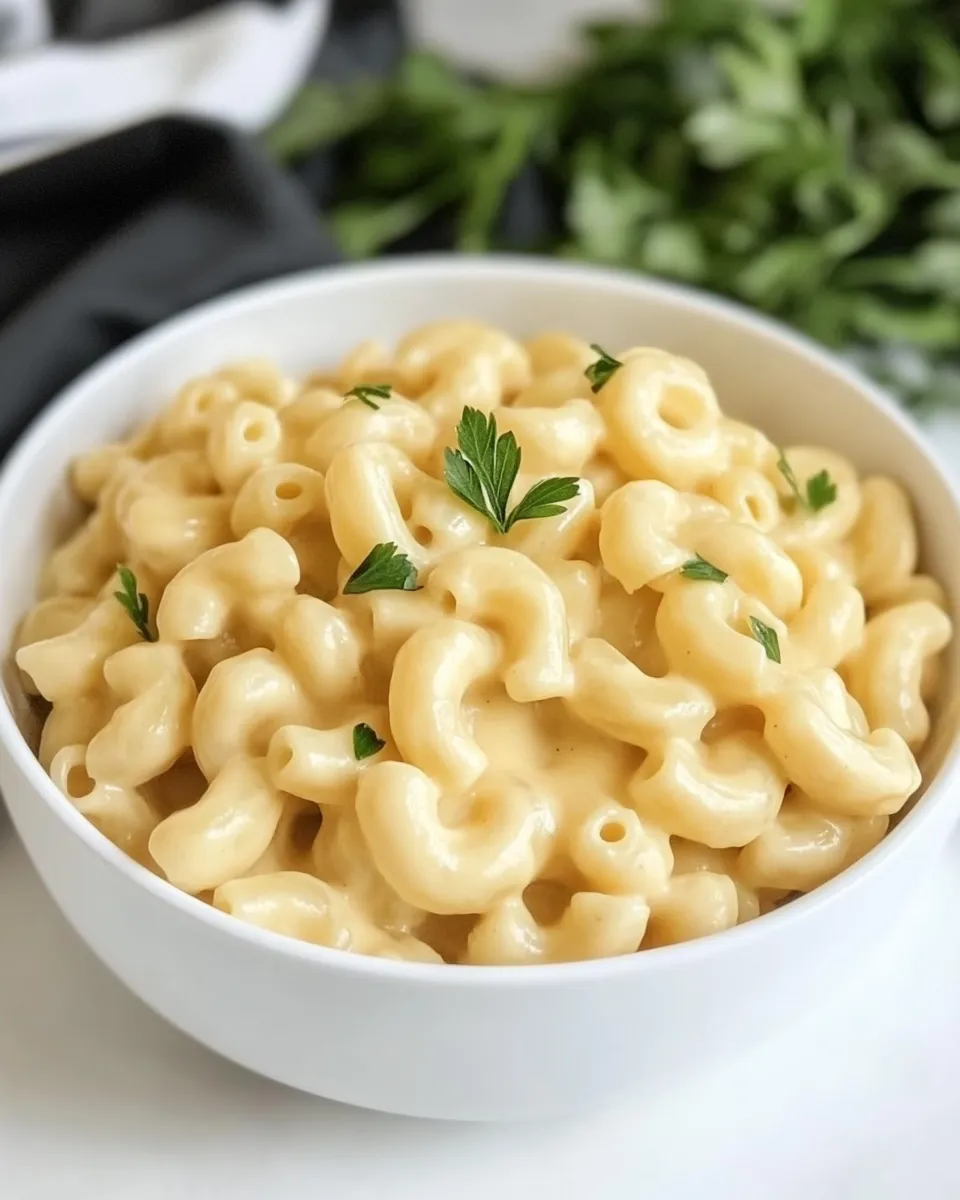
This method turns a classic comfort dish into a quick weeknight winner. Pressure-cooking the pasta in broth eliminates the need to drain and gives the noodles a subtle, savory boost. Melting the cheese into the hot pot right after you release the pressure keeps the sauce smooth and glossy—no curdled lumps.
I also love how forgiving it is. The five-minute cook time keeps shells intact and tender without becoming mush. And the step where you scatter butter on top before sealing? It sounds tiny, but that little move prevents the pasta from sticking and builds the sauce’s richness in a simple, hands-off way.
International Equivalents

If you shop or cook outside the U.S., here are clear equivalents and local notes so you can pull this together without guesswork.
- 4 cups broth ≈ 960 ml broth. Use a good quality chicken or vegetable stock (store-bought or homemade).
- 1 lb shell pasta ≈ 450 g shell pasta. Look for conchiglie in Italian markets; medium shells work best to trap sauce.
- Milk measures: ½ – 1 cup ≈ 120–240 ml. Start smaller and add to taste for consistency.
- Butter: 3 tablespoons ≈ 45 g. Cut into small cubes so it melts quickly and evenly.
- Cheeses: 1½ cups cheddar and 1 cup Monterey Jack by volume—if your market labels cheese by weight, use what you normally expect for a mediumly cheesy mac; aim for a blend of sharp (cheddar) and melting (Monterey Jack).
Names differ: if Monterey Jack isn’t available, mild melters like young Gouda or a smooth Colby can work in a pinch—just keep the balance between sharp and creamy cheeses.
What’s in the Gear List
The equipment list is short and focused. You really only need an electric pressure cooker or Instant Pot and a few basic tools.
- Instant Pot or any electric pressure cooker with a manual/pressure-cook setting.
- Measuring cups and spoons for accurate broth and seasoning amounts.
- Cheese grater (optional) if you want to shred block cheese for better melt and flavor than pre-shredded.
- Rubber spatula or wooden spoon to stir in cheese without damaging the pot.
Pitfalls & How to Prevent Them
Even a simple recipe can go sideways if you skip small details. Here are the problems I see most often and how to stop them before they start.
- Starchy foam or burning message: Always use enough liquid (the recipe’s 4 cups of broth) and avoid stirring the pasta into a dense pile. Scatter the butter on top and leave it—this reduces texture issues during pressurization.
- Gummy pasta: Overcooking or leaving the pasta to sit in hot liquid will soften it too much. Follow the 5-minute pressure cook and quick-release routine exactly.
- Grainy or separated sauce: Add shredded cheese off heat and stir quickly while the pot is still hot but not on heat. Use real shredded cheese from a block when possible—pre-shredded blends often contain anti-caking agents that affect melt.
- Undersalted final dish: Taste before serving. If your broth was low-sodium, you may need a pinch more salt at the end; add carefully and taste.
Adaptations for Special Diets
This recipe adapts surprisingly well.
- Vegetarian: Use vegetable broth (already listed as an option) and keep the cheeses and milk the same.
- Lower-dairy or lighter: Use the lower end of the milk range (½ cup) and choose lower-fat milk. The cheese amounts still provide flavor, but texture will be slightly less rich.
- Dairy-free: Swap milk and cheese for plant-based alternatives if you need to avoid dairy. The method stays identical—cooking the pasta in broth, then stirring in your chosen dairy-free shreds and milk alternative until smooth.
- Gluten-free: Use a gluten-free shell pasta and confirm that your broth is gluten-free. The cook time may vary slightly depending on the pasta brand; check for tenderness during the release stage.
Testing Timeline
I test this basic version in three quick runs before considering it “final.” First run confirms the 5-minute cook time yields tender shells with the specific pasta I used. Second run ensures the cheese blend melts smoothly off-heat without over-stirring. Final run focuses on reheating leftovers and testing how much extra milk restores creaminess.
Practically speaking, the timeline for a single cooking session is under 30 minutes from start to finish: 5 minutes pressure cook, a couple minutes for quick release and open, then 2–4 minutes to stir in cheese and milk and reach serving temperature.
Keep-It-Fresh Plan
Leftovers will keep in the refrigerator for 3–4 days—this is the tested window when texture and flavor stay reliable. Store in an airtight container.
When reheating, warm gently on the stove or in the microwave and add a little milk to loosen the sauce. Stir until the texture comes back together; a splash at a time prevents over-watering the dish.
Reader Q&A
Q: Can I use a different pasta shape? A: Yes—just use similar-sized shapes so the cook time stays accurate. Very large shapes may need slightly longer; very small shapes may overcook.
Q: My cheese clumped when I stirred it in. What went wrong? A: Clumping often happens if the pot is too hot or if the cheese contains anti-caking agents. Turn off any heat source, add the cheese off-heat, and stir quickly. Shredding from a block helps.
Q: Can I make this ahead and bake with a breadcrumb topping? A: You can prepare, chill, then top with breadcrumbs and bake until golden; the breadcrumb note in the ingredients is optional for a crunchy finish.
Serve & Enjoy
Serve this mac and cheese straight from the pot while it’s glossy and warm. A light sprinkle of breadcrumbs adds crunch; a crack of extra pepper brings brightness. It pairs beautifully with a simple green salad or roasted vegetables for a balanced weeknight meal.
Double the cheese for extra indulgence, or keep it simple and let the comfort speak for itself. Either way, this is the Instant Pot mac and cheese I reach for when I want reliable dinner that makes everyone happy with minimal fuss.

Easy Instant Pot Mac and Cheese
Ingredients
Ingredients
- 4 cbroth vegetable or chicken
- 1 lbshell pasta
- 1/2 – 1 cmilk
- 3 Tbutter
- 1 1/2 ccheddar cheese shredded
- 1 cMonterey jack cheese shredded
- 1/2 tspgarlic powder
- 1/2 tspsalt
- 1/2 tspcracked pepper
- 1/2 tsppaprika
- Sprinkle of bread crumbs optional
Instructions
Instructions
- Pour 4 cups broth, 1 lb shell pasta, and ½ tsp salt into the Instant Pot/pressure cooker inner pot.
- Cut 3 tablespoons butter into small cubes and scatter the cubes evenly on top of the pasta (do not stir).
- Close the lid, set the pressure-release valve to SEALING, and set the cooker to Pressure Cook/Manual on HIGH for 5 minutes.
- When the 5 minutes are up, perform a quick release: carefully move the valve to VENTING, wait until all pressure is released and the float valve drops, then open the lid away from your face.
- Immediately add 1½ cups shredded cheddar cheese, 1 cup shredded Monterey Jack, ½ teaspoon garlic powder, ½ teaspoon cracked pepper, ½ teaspoon paprika, and ½ cup milk. Stir vigorously until the cheeses are melted and the sauce is smooth.
- If you prefer a creamier sauce, stir in additional milk up to a total of 1 cup until you reach the desired consistency.
- Serve the mac and cheese immediately. If desired, sprinkle a little bread crumbs on top before serving.
- Store leftovers in the refrigerator for 3–4 days. When reheating, add a little milk and stir to restore creaminess.
Equipment
- Instant Pot or pressure cooker
Notes
Many pasta shapes should work for thisInstant PotMac and Cheese.I have used regular shell pasta and whole wheat. Elbow macaroni, rotini, penne, and so much more. I have not tested with a gluten free pasta to date.
You can use water instead of broth if needed.I think the broth adds more flavor and richness but if you decide to use water that will work just fine.
Adjust the milk to make your mac and cheese more or less saucy.Not everyone loves a super saucy macaroni and cheese. That is fine. Start with 1/2 cup of milk and then add more as desired for a creamier, saucier texture.