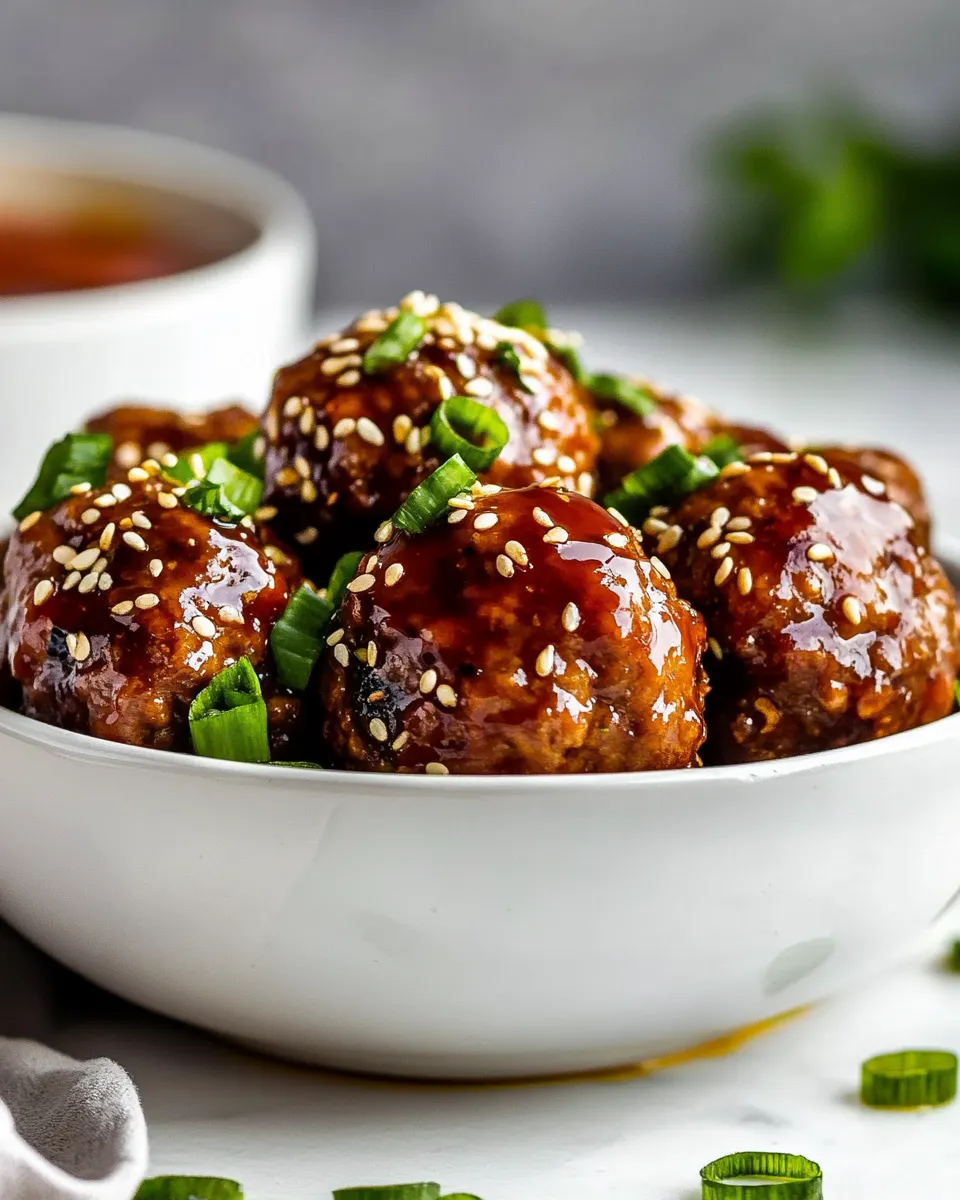
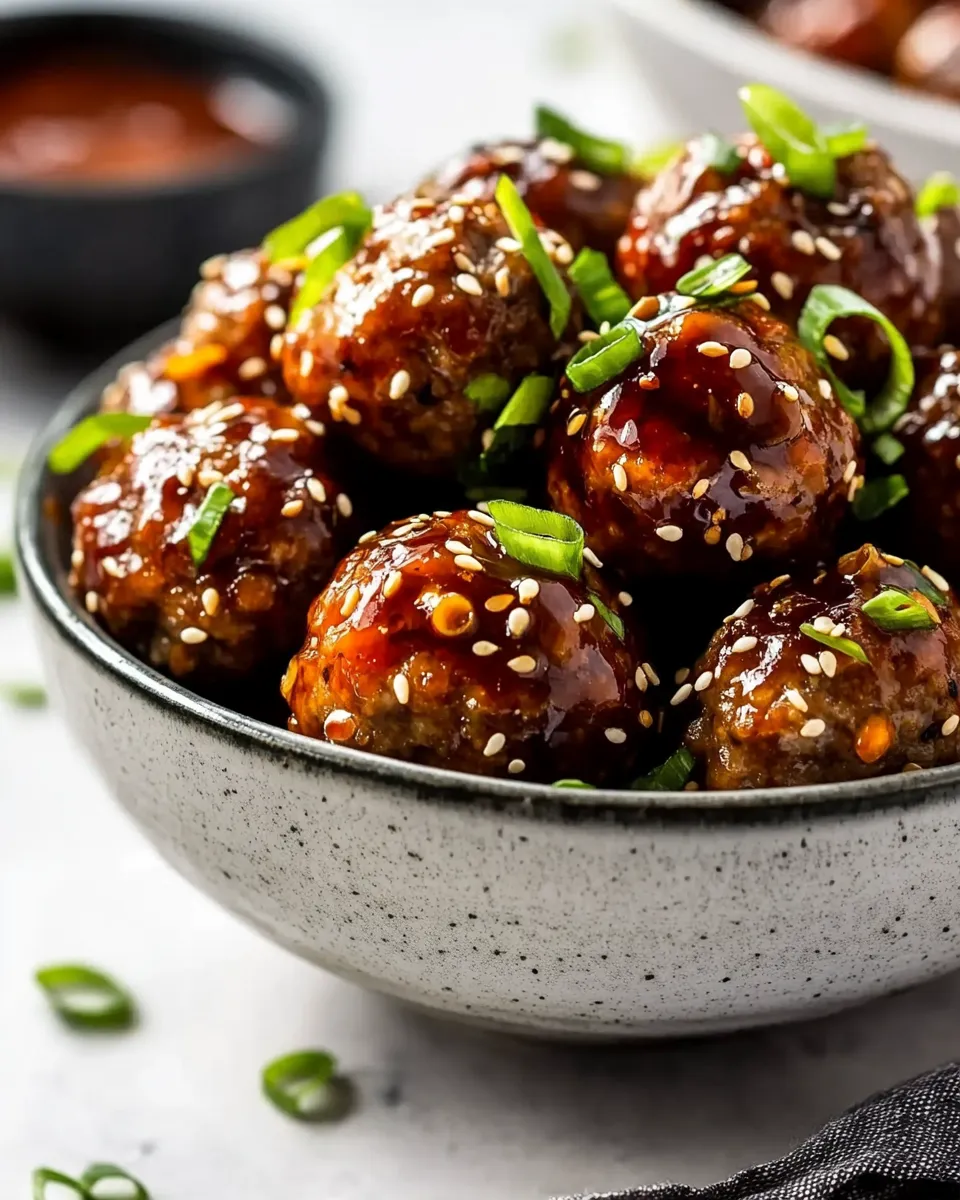
These Korean-style meatballs are the sort of recipe I reach for when I want bold flavor without a lot of fuss. They come together with pantry-friendly staples and a quick, sticky glaze that clings to each perfectly browned sphere. They’re approachable, fast, and just spicy-sweet enough to please a crowd.
I like them for weeknight dinners, game-day plates, and as an easy appetizer. You bake them, which keeps hands cleaner and the kitchen cooler than frying, and the glaze cooks in a small saucepan while the meatballs finish in the oven. Simple timing, big payoff.
Below you’ll find the ingredient list (short notes included), the step-by-step method exactly as written, and lots of practical tips to keep these meatballs reliable every time. If you want to scale or prep ahead, I’ve covered that too.
The Ingredient Lineup
- 1 and 1/2 pounds ground beef — 80/20 is best for juicy, flavorful meatballs.
- 3 green onions — very thinly sliced; they add freshness and a mild onion flavor.
- 3 garlic cloves — minced; garlic builds savory depth.
- 1 egg — lightly beaten; acts as a binder so meatballs hold together.
- 1/2 cup panko breadcrumbs — keeps the texture light and prevents toughness.
- 2 tbsp gochujang — Korean chili paste; delivers heat, umami, and color in the meat mixture.
- 1 tbsp minced fresh ginger — bright, aromatic counterpoint to the chili paste.
- 1 tbsp low sodium soy sauce — for seasoning the meat without overwhelming saltiness.
- 1/4 tsp salt — enhances all the flavors without making the meat overly salty.
- 1 tbsp rice vinegar — used in the glaze for a touch of tang to balance sweetness.
- 1/4 cup brown sugar — gives the glaze a deep, caramel-like sweetness and helps it thicken.
- 1 tbsp low sodium soy sauce — additional seasoning for the glaze; keeps the balance savory-sweet.
- 1 tbsp gochujang — added to the glaze for heat and a cohesive Korean flavor profile.
Build (Korean Meatballs) Step by Step
- Preheat the oven to 350°F (175°C). Line two large baking sheets with foil and set aside.
- Thinly slice all 3 green onions. Set one whole sliced green onion aside for garnish; use the remaining two sliced green onions in the meatball mixture.
- In a large mixing bowl combine 1 and 1/2 pounds ground beef, the 2 reserved sliced green onions, 3 minced garlic cloves, 1 lightly beaten egg, 1/2 cup panko breadcrumbs, 2 tablespoons gochujang, 1 tablespoon minced fresh ginger, 1 tablespoon low-sodium soy sauce, and 1/4 teaspoon salt. Mix gently until just combined — do not overmix.
- Form the mixture into 24 even meatballs (a cookie scoop works well). Place 12 meatballs on each prepared baking sheet, spacing them evenly.
- Bake the meatballs in the preheated oven for 10–15 minutes, or until an instant-read thermometer inserted into the center of a meatball registers 160°F.
- While the meatballs bake, make the glaze: In a small saucepan over medium heat combine 1/4 cup brown sugar, 1 tablespoon low-sodium soy sauce, 1 tablespoon rice vinegar, and 1 tablespoon gochujang. Whisk to combine.
- Cook the glaze over medium heat, whisking occasionally, until it thickens, about 5 minutes. Do not let it boil; reduce the heat if it starts to bubble.
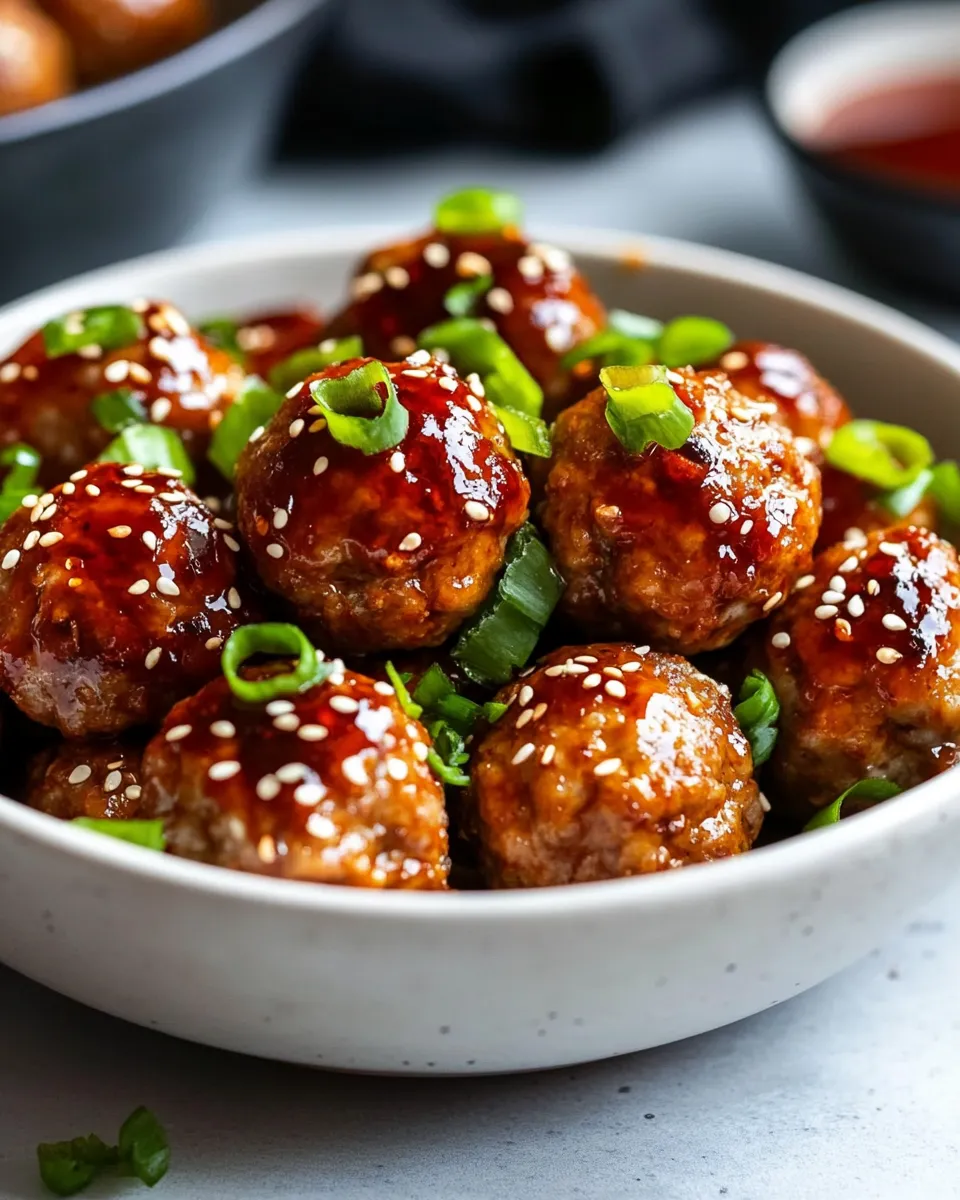
- Remove the meatballs from the oven when they reach 160°F. Brush the hot meatballs with the glaze.
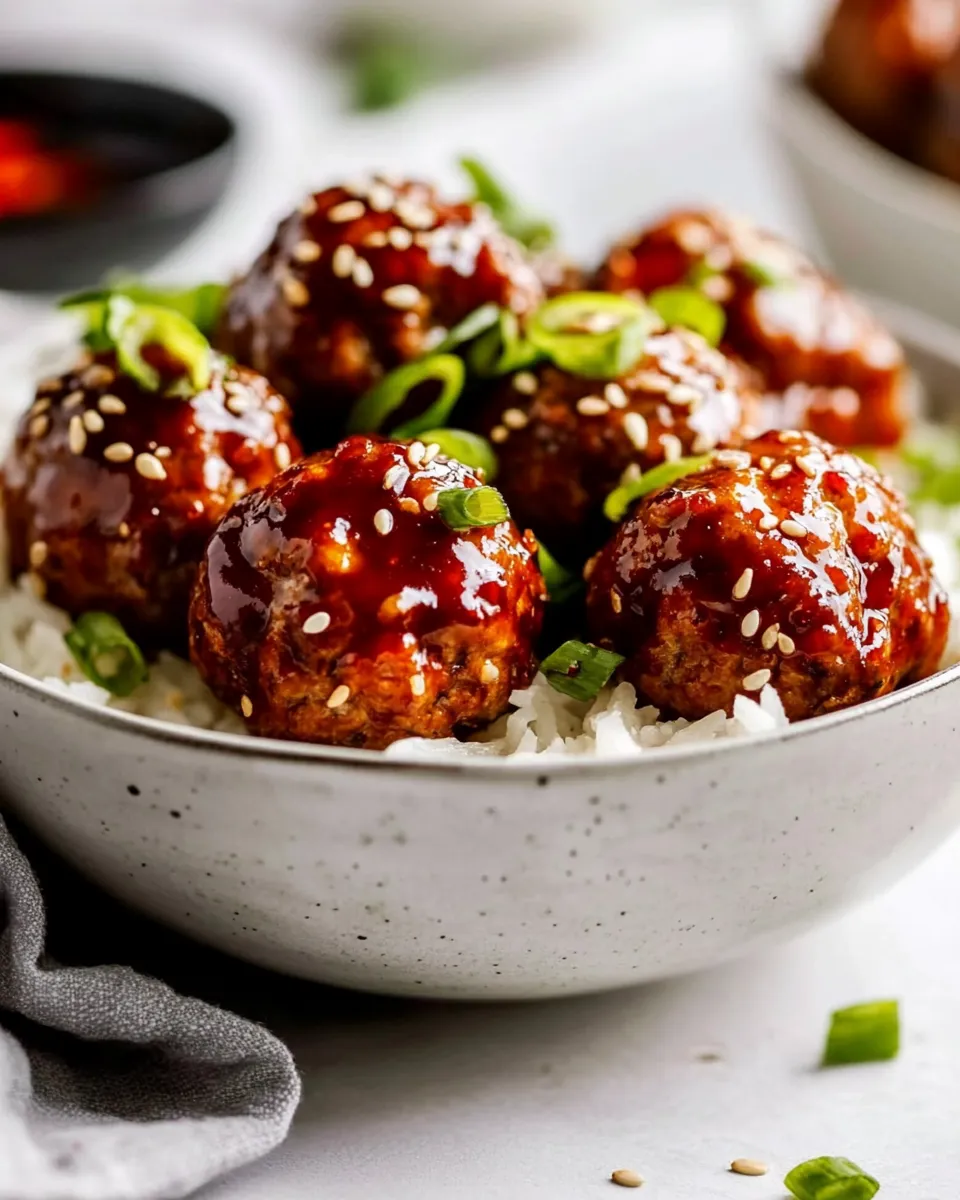
- Garnish with the reserved sliced green onion and serve immediately.
Top Reasons to Make (Korean Meatballs)
- Speed: Active time is low. Most of the work is mixing and shaping; the oven does the rest.
- Reliable texture: Panko, an egg, and the short bake time keep meatballs tender, not dense.
- Bold, compact flavor: Gochujang in both meat and glaze ensures every bite has the same spicy-sweet profile.
- Minimal cleanup: Baking sheets lined with foil and a single small saucepan for the glaze equals fewer dishes.
- Versatile: These work as an appetizer, main dish, or party finger food without fiddly plating.
Flavor-Forward Alternatives
If you want to tweak the profile without changing the ingredient list, small adjustments go a long way:
- Heat level — increase the gochujang in the glaze or the meat mixture to bump up spice gradually.
- Sweetness — reduce the brown sugar slightly if you prefer more savory balance from the soy and vinegar.
- Ginger punch — add an extra 1/2 tablespoon of the minced fresh ginger in the meat for brighter aromatics.
- Glaze viscosity — cook the glaze a touch longer to concentrate it further for a stickier finish; watch closely so it doesn’t bubble.
Cook’s Kit
- Two large baking sheets lined with foil.
- Large mixing bowl for combining ingredients.
- Cookie scoop or small ice cream scoop (for even meatballs).
- Instant-read thermometer — the best way to know meatballs are safely cooked to 160°F.
- Small saucepan and a whisk for the glaze.
- Basting brush or spoon to apply the glaze.
- Cutting board and sharp knife for slicing green onions.
Avoid These Traps
- Overmixing the meat — it leads to dense, tough meatballs. Mix gently until just combined.
- Crowding the pan — leave space between meatballs so they cook evenly rather than steam.
- Skipping the thermometer — visual cues can be misleading; 160°F is the safe target.
- Letting the glaze boil — the instruction is clear: do not let it boil. Reduce heat if it starts to bubble to avoid burning and separation.
- Adding glaze too early — brush glaze on after the meatballs come out of the oven so it stays glossy and sticky rather than soggy.
Make It Fit Your Plan
Serving: These meatballs arrive hot and glazed, so plan to serve immediately for the best sheen and texture. If you need to stagger service for guests, keep the baked meatballs warm on a sheet in a 200°F oven for a short hold — then glaze just before serving.
Scaling: The recipe produces 24 meatballs. If you need more, double every ingredient and use extra baking sheets so the meatballs still have room. For fewer, halve the ingredients but keep the technique identical.
Timing: The glaze takes about five minutes to thicken while the meatballs bake for 10–15 minutes. Use that overlap — make the glaze once the meatballs are in the oven so everything finishes at the same time.
Chef’s Rationale
Every component has purpose. Ground beef at 80/20 supplies both flavor and fat so the meatballs stay juicy when baked. Panko creates a gentler crumb than traditional breadcrumbs, keeping the texture light. The egg binds without making the mix rubbery. Gochujang is the glue for the Korean profile — it brings heat, savory depth, and a fermented complexity that pairs beautifully with the brown sugar in the glaze.
Low-sodium soy sauce appears twice: once in the meat for even seasoning and once in the glaze to round the sweetness and heighten umami. Rice vinegar brightens the glaze, cutting through the sugar and intensifying the overall balance. The reserved sliced green onion gives a fresh finish and a clean contrast to the heavier flavors.
Prep Ahead & Store
- Make ahead: You can form the raw meatballs and refrigerate them, covered, for up to 24 hours before baking. Bring them back to fridge temperature before baking for even cooking.
- Freeze: Bake the meatballs, cool completely, then freeze in a single layer until firm. Transfer to a freezer-safe container and store up to 3 months. Reheat gently and brush with warmed glaze before serving.
- Leftovers: Store cooled meatballs in an airtight container in the refrigerator for up to 3–4 days. Reheat in a 325°F oven until warmed through and then brush with freshly warmed glaze.
- Glaze storage: The glaze can be made ahead and refrigerated in a sealed container for up to 5 days. Warm it gently before brushing on hot meatballs.
Helpful Q&A
- How do I know when the meatballs are done? Use an instant-read thermometer: 160°F in the center is the target. The bake time (10–15 minutes) is a guideline because ovens and meatball sizes vary.
- What if the glaze starts to bubble? Reduce the heat immediately. The instruction warns not to let it boil; watch it closely around the five-minute mark and lower the heat if bubbling begins.
- Can I make these smaller or larger? Yes. A cookie scoop yields even 24 meatballs. If you make them smaller, check temperature sooner; if larger, add a few minutes to reach 160°F.
- Is the reserved green onion necessary? It’s not required, but it brightens the dish and adds a fresh texture contrast. If you skip it, the meatballs remain delicious — the glaze gives them plenty of flavor.
See You at the Table
These meatballs are the kind of recipe that becomes a go-to because they’re forgiving and consistently tasty. They travel well from oven to plate and leave room for little personal tweaks without breaking the method. Try to follow the steps the first time and then make small adjustments — more gochujang, less sugar, whatever suits your palate.
When you serve them, watch how quickly they disappear. That’s always the real test in my kitchen. Enjoy, and I’ll see you at the table.
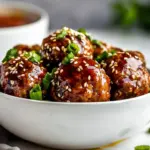
Easy Korean Meatballs Recipe
Ingredients
Ingredients
- 1 and 1/2 poundsground beef80/20 is best
- 3 green onionsvery thinly sliced
- 3 garlic clovesminced
- 1 egglightly beaten
- 1/2 cuppanko breadcrumbs
- 2 tbspgochujangKorean chili paste
- 1 tbspminced fresh ginger
- 1 tbsplow sodium soy sauce
- 1/4 tspsalt
- 1 tbsprice vinegar
- 1/4 cupbrown sugar
- 1 tbsplow sodium soy sauce
- 1 tbspgochujang
Instructions
Instructions
- Preheat the oven to 350°F (175°C). Line two large baking sheets with foil and set aside.
- Thinly slice all 3 green onions. Set one whole sliced green onion aside for garnish; use the remaining two sliced green onions in the meatball mixture.
- In a large mixing bowl combine 1 and 1/2 pounds ground beef, the 2 reserved sliced green onions, 3 minced garlic cloves, 1 lightly beaten egg, 1/2 cup panko breadcrumbs, 2 tablespoons gochujang, 1 tablespoon minced fresh ginger, 1 tablespoon low-sodium soy sauce, and 1/4 teaspoon salt. Mix gently until just combined — do not overmix.
- Form the mixture into 24 even meatballs (a cookie scoop works well). Place 12 meatballs on each prepared baking sheet, spacing them evenly.
- Bake the meatballs in the preheated oven for 10–15 minutes, or until an instant-read thermometer inserted into the center of a meatball registers 160°F.
- While the meatballs bake, make the glaze: In a small saucepan over medium heat combine 1/4 cup brown sugar, 1 tablespoon low-sodium soy sauce, 1 tablespoon rice vinegar, and 1 tablespoon gochujang. Whisk to combine.
- Cook the glaze over medium heat, whisking occasionally, until it thickens, about 5 minutes. Do not let it boil; reduce the heat if it starts to bubble.
- Remove the meatballs from the oven when they reach 160°F. Brush the hot meatballs with the glaze.
- Garnish with the reserved sliced green onion and serve immediately.
Equipment
- Baking Sheet
- Foil
- Mixing Bowl
- Cookie Scoop
- Instant-read thermometer
- Small Saucepan
- Whisk
- Pastry Brush
Notes
Meatballs can be frozen. If you plan on freezing them, do not brush with the glaze. Allow meatballs to cool completely. Place meatballs on a baking sheet, then freeze them for at least 30 minutes. Once frozen, transfer to a freezer bag. After thawing, prepare the glaze and coat meatballs with glaze.