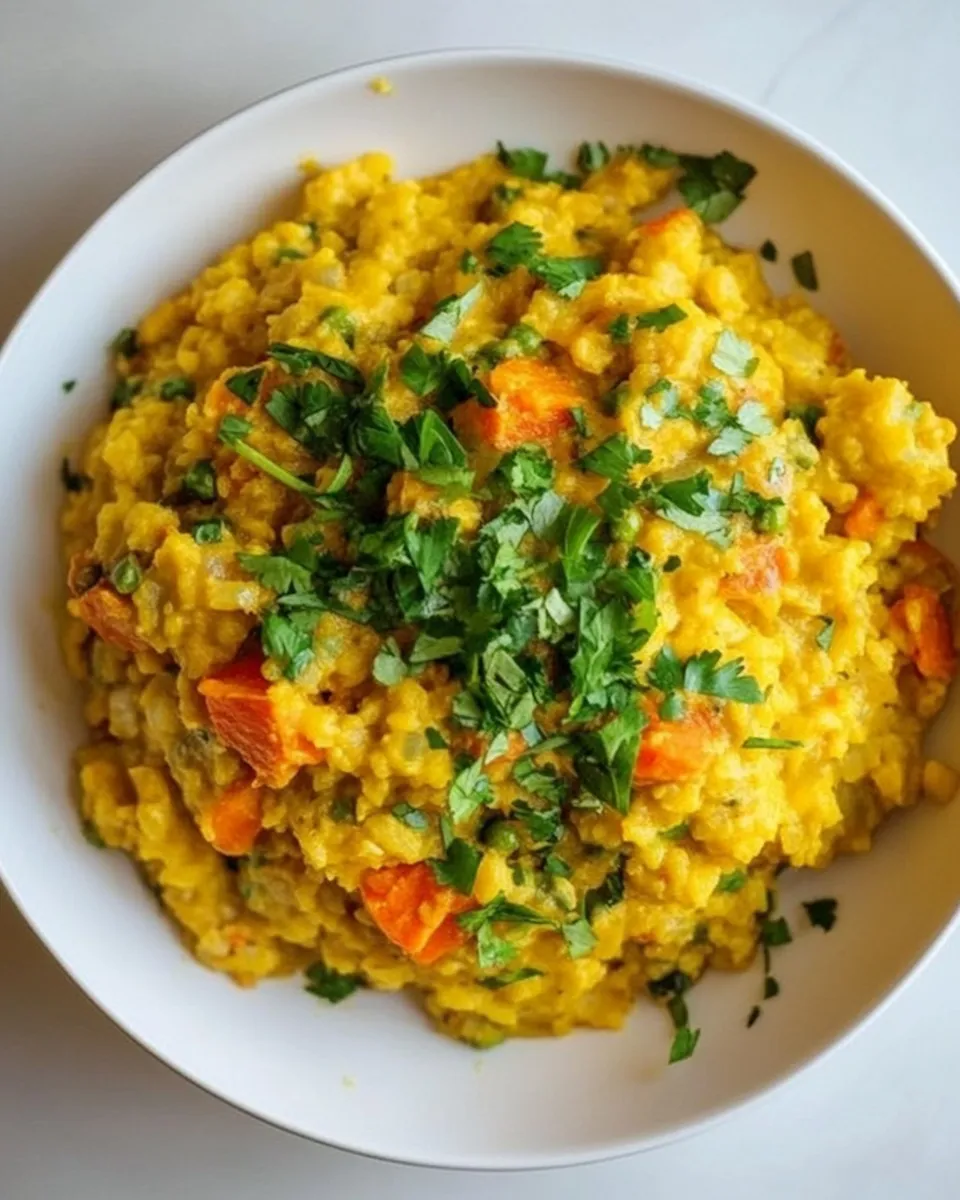
This is the kind of simple, forgiving meal I turn to when I want comfort without fuss. Kitchiri is a classic Indian dish — gentle on the stomach, nourishing, and done in one pot. It’s also a great blank canvas: mild, fragrant, and quick enough for a weeknight.
In this version I keep the aromatics straightforward and the technique intentionally hands-off. You’ll get tender basmati and creamy red lentils in a spiced, savory broth with just a handful of pantry staples. It’s ideal when you want something wholesome that doesn’t demand babysitting.
I’ll walk you through exactly what to prep, how to cook it step by step, and practical swaps and storage tips so you can make kitchiri confidently any night. No frills, just good food that works.
Ingredient Checklist
Ingredients
- 1 tablespoon coconut oil — for blooming whole spices and sautéing vegetables; adds gentle sweetness and mouthfeel.
- 1 teaspoon cumin seeds — toasting gives a warm, earthy backbone.
- 1 teaspoon brown mustard seeds (optional) — add for a sharp, popping note; omit if you don’t have them.
- 1 yellow onion, diced — the savory base; cook until translucent for sweetness.
- 2 carrots, diced — contribute color, texture, and natural sweetness.
- 1 tablespoon ginger, minced — adds brightness and a little heat; fresh is best here.
- 1 teaspoon turmeric — for color and mild warmth; also gentle on digestion.
- 1 teaspoon kosher salt — seasons the whole pot; adjust to taste at the end.
- 1/4 teaspoon ground black pepper — simple heat; freshly ground if possible.
- 1/2 cup basmati rice, rinsed — rinsing removes surface starch so grains cook separately and the texture stays light.
- 1 cup red lentils, rinsed — they break down and thicken the kitchiri; rinse to remove dust and any bitter notes.
- 5 cups water or vegetable broth — the cooking liquid; use broth for deeper flavor or water for a cleaner base.
- 4 cilantro sprigs, chopped, for garnish — fresh herb finish brightens the dish; parsley works in a pinch.
The Method for One-Pot Indian Kitchiri
- Prepare the ingredients: dice 1 yellow onion and 2 carrots, mince 1 tablespoon ginger, chop 4 cilantro sprigs for garnish, and rinse 1/2 cup basmati rice and 1 cup red lentils until the rinse water runs clear; drain.
- Heat a large heavy-bottomed pot over medium-high heat. Add 1 tablespoon coconut oil and heat until the oil is hot and shimmering.
- Add 1 teaspoon cumin seeds and 1 teaspoon brown mustard seeds (optional). Cook, stirring or shaking the pot, until the seeds begin to pop, about 1 minute.
- Add the diced onion, diced carrots, and minced ginger to the pot. Cook, stirring occasionally, until the onion is translucent and the carrots begin to soften, about 5 minutes.
- Stir in 1 teaspoon turmeric, 1 teaspoon kosher salt, and 1/4 teaspoon ground black pepper to coat the vegetables evenly.
- Add the rinsed 1/2 cup basmati rice and 1 cup red lentils to the pot and stir to combine with the spiced vegetables.
- Pour in 5 cups water or vegetable broth and bring the mixture to a boil over medium-high heat. Once boiling, reduce the heat to low, cover the pot, and simmer for 15 minutes.
- After 15 minutes, uncover and check doneness. If the rice and lentils are tender, proceed. If they are not tender and the pot is dry, add additional water as needed and continue cooking, covered, until tender. If the rice is tender but there is excess liquid, simmer uncovered a few minutes until you reach your desired consistency.
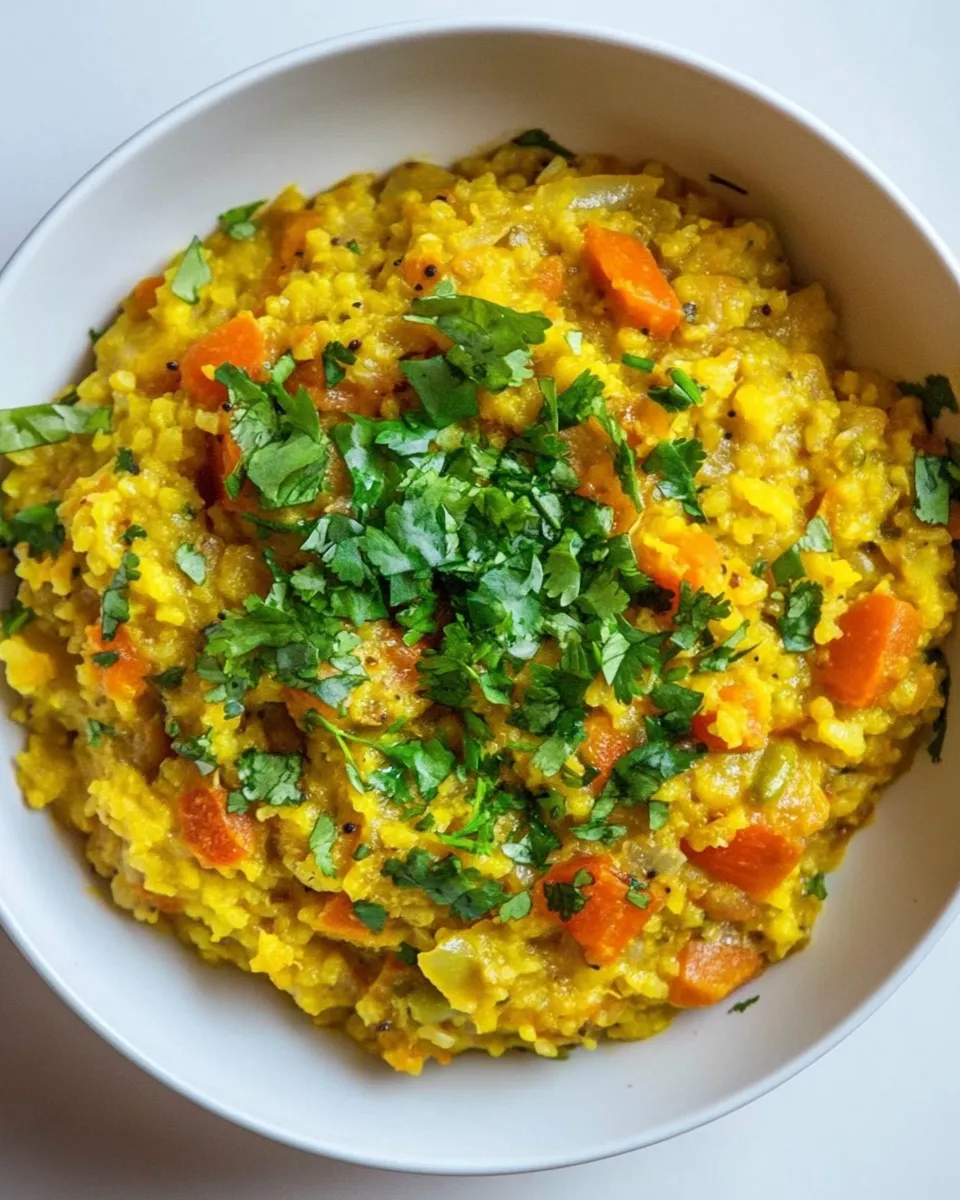
- Serve the kitchiri hot, garnished with the chopped cilantro.
Why Cooks Rave About It
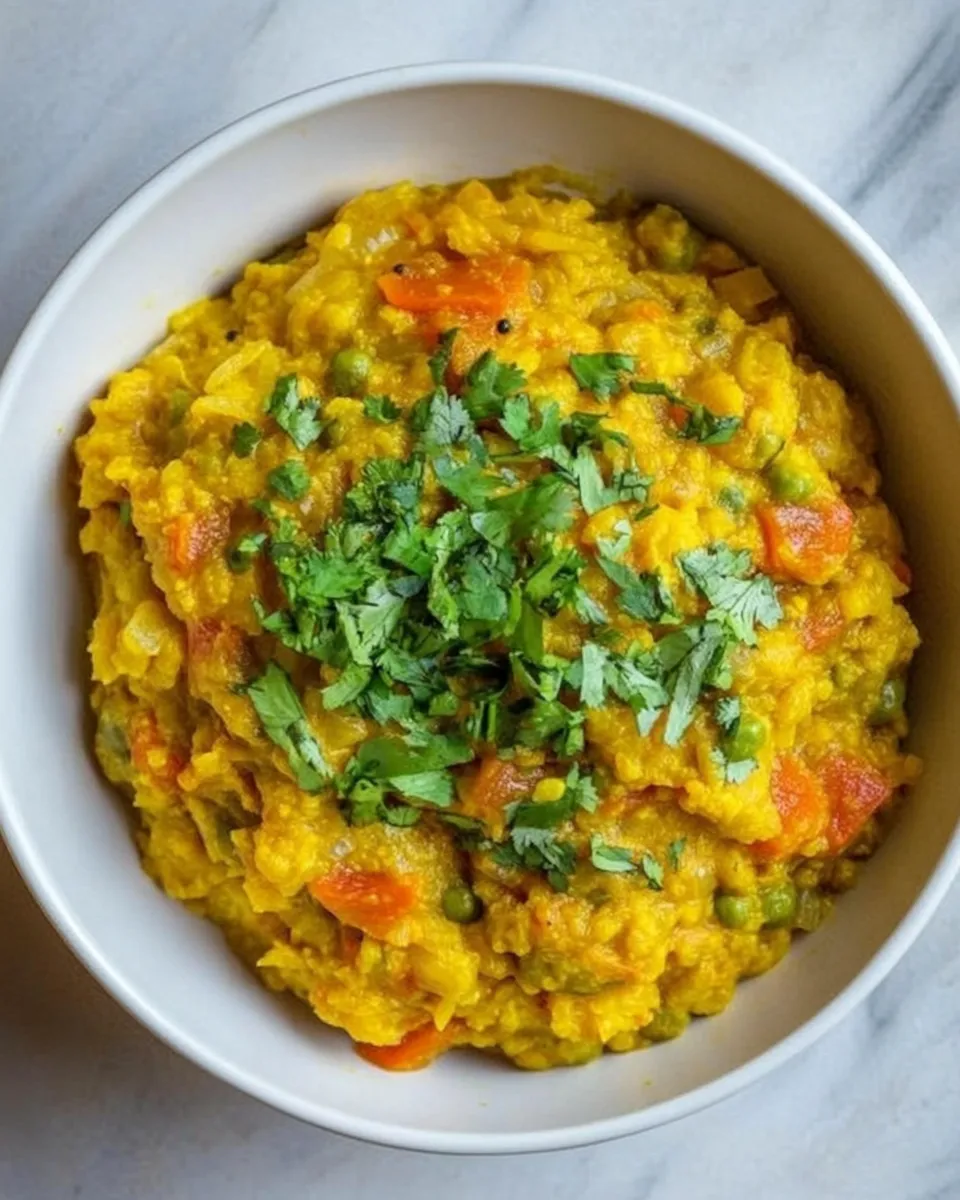
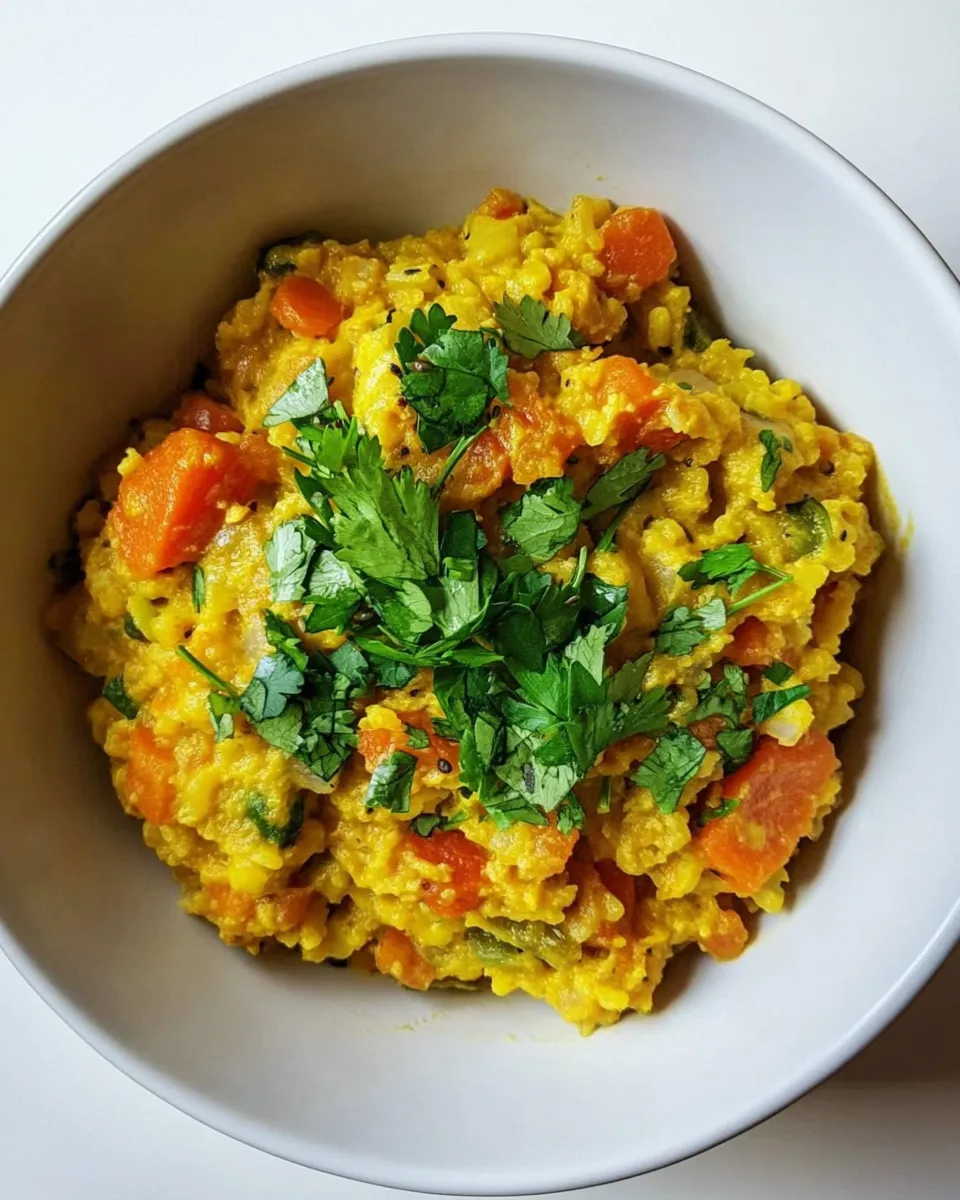
Kitchiri earns praise because it’s reliable and versatile. The rice and red lentils cook into a comforting porridge-like texture that’s filling without being heavy. Whole spices toasted in oil release oils and aromas that perfume the whole pot, so a small number of ingredients yields a dish that tastes far more complex than the ingredient list suggests.
It’s also forgiving. Small differences in the rice-to-lentil ratio, or a few extra minutes on the stove, won’t ruin the dish—many cooks prefer it slightly soupy, others like a drier, pilaf-like finish. That flexibility makes it approachable for home cooks of all levels.
Finally, it doubles as medicine in many Indian households: turmeric and ginger are appreciated for their warming and digestive properties, and the soft texture of kitchiri is soothing if you’re under the weather.
Substitutions by Category
- Oil: Swap coconut oil for ghee or a neutral oil (canola, sunflower) if you want a less tropical flavor or dairy richness.
- Spices: If you don’t have mustard seeds, omit them; add a pinch of asafoetida (hing) or a bay leaf for a different savory note. Ground cumin can replace cumin seeds, but add it with the turmeric rather than toasting.
- Grains & Pulses: If you don’t have basmati, use another long-grain rice, but expect slight textural differences. Red lentils cook down faster than brown lentils; if you swap to brown or green lentils, increase the liquid and cooking time.
- Liquid: Vegetable broth makes the dish richer; chicken broth is fine if not keeping it vegetarian. Water keeps it clean and neutral—use it when you prefer a lighter finish.
- Herbs: Cilantro is traditional for brightness. Flat-leaf parsley or a squeeze of lemon can substitute if cilantro isn’t available.
Prep & Cook Tools
- Large heavy-bottomed pot — retains heat and prevents sticking; a Dutch oven is perfect.
- Knife and cutting board — for dicing onion and carrots and mincing ginger.
- Measuring cups and spoons — the recipe is forgiving, but consistent measures help with repeatable results.
- Sieve or fine colander — for rinsing rice and lentils until the water runs clear.
- Wooden spoon or spatula — for stirring without scraping the pot’s surface.
Troubleshooting Tips
If the seeds don’t pop or smell weak
Heat the oil until it shimmers, then add the seeds. If they don’t pop quickly, raise the heat briefly, watching carefully to avoid burning. If the spice aroma is weak, you may have old seeds—use fresh whole spices when possible.
If the kitchiri is undercooked after 15 minutes
Follow the prescribed step: if the pot is dry, add a little more water (1/4–1/2 cup at a time), cover, and continue cooking until tender. Red lentils and basmati can vary in age; older ingredients take longer.
If it’s too soupy
Simmer uncovered for a few minutes to reduce liquid. You can also spoon some out and save it as a light broth to sip or freeze for a future soup base.
If it’s sticking or burning on the bottom
Lower the heat, add a splash of water or broth, and gently scrape the bottom with a wooden spoon. A heavy-bottomed pot helps prevent this; if you notice early browning, reduce to low immediately.
In-Season Flavor Ideas
Use seasonal vegetables to add texture and flavor: in spring, fold in chopped tender greens like spinach or spring chard just before finishing; they wilt quickly and add freshness. In summer, a handful of diced tomatoes stirred in during the last few minutes brightens the pot. In fall and winter, add diced sweet potato or pumpkin with the carrots for a comforting sweetness and extra body.
For an herb-forward finish when herbs are peaking, double the cilantro and sprinkle with thinly sliced scallions. A final squeeze of lime or lemon in warmer months punches up the flavors when you want something lively.
Notes from the Test Kitchen
We tested this recipe across different pots and heat sources. A heavy-bottomed pot and medium-low simmer consistently produced the best texture; high heat made the bottom cook unevenly before the center finished. Rinsing both the rice and lentils until the water ran clear made a noticeable difference in texture—no gummy rice and pleasantly creamy lentils.
We also found the optional mustard seeds add a welcome snap if you like a bit of bite. When omitted, the dish leans softer and more mellow—both versions were popular with tasters. Use broth if you want a one-pot dinner that carries more depth; use water when pairing kitchiri with bold, flavorful sides that will supply the seasoning.
Keep-It-Fresh Plan
Refrigerate cooled kitchiri in an airtight container for up to 4 days. Reheat gently on the stovetop with a splash of water or broth to loosen the texture, stirring to heat evenly. In the microwave, cover loosely and add a tablespoon of liquid per serving before reheating in short intervals, stirring between each.
For longer storage, freeze portions in airtight containers for up to 2 months. Thaw overnight in the fridge and reheat as above. Texture changes slightly after freezing—lentils tend to break down further—so plan fresh-cooked if you prefer a firmer grain.
One-Pot Indian Kitchiri Q&A
Q: Can I make this in a rice cooker or Instant Pot?
A: Yes. In an Instant Pot, use the same ratios and cook on high pressure for about 6–8 minutes with a natural release for 10 minutes; you may need to adjust liquid slightly. For a rice cooker, follow your cooker’s white rice setting but check early; you may need to add extra liquid and stir once during the cycle.
Q: Is this gluten-free and vegan?
A: The recipe as written is vegan and gluten-free. If you substitute ghee, it becomes vegetarian but not vegan. Always check packaged ingredient labels if you have strict dietary needs.
Q: Can I double the recipe?
A: Yes, you can double the ingredients in a pot that’s large enough. Cook time may increase slightly due to the larger volume; keep the same stovetop method and check doneness as described in the method.
Q: My kitchiri is bland—how can I punch up the flavor without over-salting?
A: Add a squeeze of lemon or lime, a drizzle of good olive oil or a little ghee, or a pinch of garam masala at the end. Fresh chopped cilantro and sliced scallions also lift the flavors without adding more salt.
That’s a Wrap
Kitchiri is one of those dishes that rewards simple attention: a toasted seed, a careful simmer, and a finishing herb. It’s forgiving, homey, and endlessly adaptable. Keep the basic formula in your rotation for a fast, restorative meal that fits busy weeks, sick days, or when you want something uncomplicated and nourishing.
Make it your own. Add seasonal vegetables when they’re in abundance, choose broth or water depending on what you have on hand, and enjoy a one-pot dish that’s easy to love and easier to make.

Easy One-Pot Indian Kitchiri
Ingredients
Ingredients
- 1 tablespooncoconut oil
- 1 teaspooncumin seeds
- 1 teaspoonbrown mustard seeds optional
- 1 yellow oniondiced
- 2 carrotsdiced
- 1 tablespoongingerminced
- 1 teaspoonturmeric
- 1 teaspoonkosher salt
- 1/4 teaspoonground black pepper
- 1/2 cupbasmati ricerinsed
- 1 cupred lentilsrinsed
- 5 cupswateror vegetable broth
- 4 cilantro sprigschopped for garnish
Instructions
Instructions
- Prepare the ingredients: dice 1 yellow onion and 2 carrots, mince 1 tablespoon ginger, chop 4 cilantro sprigs for garnish, and rinse 1/2 cup basmati rice and 1 cup red lentils until the rinse water runs clear; drain.
- Heat a large heavy-bottomed pot over medium-high heat. Add 1 tablespoon coconut oil and heat until the oil is hot and shimmering.
- Add 1 teaspoon cumin seeds and 1 teaspoon brown mustard seeds (optional). Cook, stirring or shaking the pot, until the seeds begin to pop, about 1 minute.
- Add the diced onion, diced carrots, and minced ginger to the pot. Cook, stirring occasionally, until the onion is translucent and the carrots begin to soften, about 5 minutes.
- Stir in 1 teaspoon turmeric, 1 teaspoon kosher salt, and 1/4 teaspoon ground black pepper to coat the vegetables evenly.
- Add the rinsed 1/2 cup basmati rice and 1 cup red lentils to the pot and stir to combine with the spiced vegetables.
- Pour in 5 cups water or vegetable broth and bring the mixture to a boil over medium-high heat. Once boiling, reduce the heat to low, cover the pot, and simmer for 15 minutes.
- After 15 minutes, uncover and check doneness. If the rice and lentils are tender, proceed. If they are not tender and the pot is dry, add additional water as needed and continue cooking, covered, until tender. If the rice is tender but there is excess liquid, simmer uncovered a few minutes until you reach your desired consistency.
- Serve the kitchiri hot, garnished with the chopped cilantro.
Equipment
- large heavy-bottomed pot
- Lid
- Measuring cups and spoons