
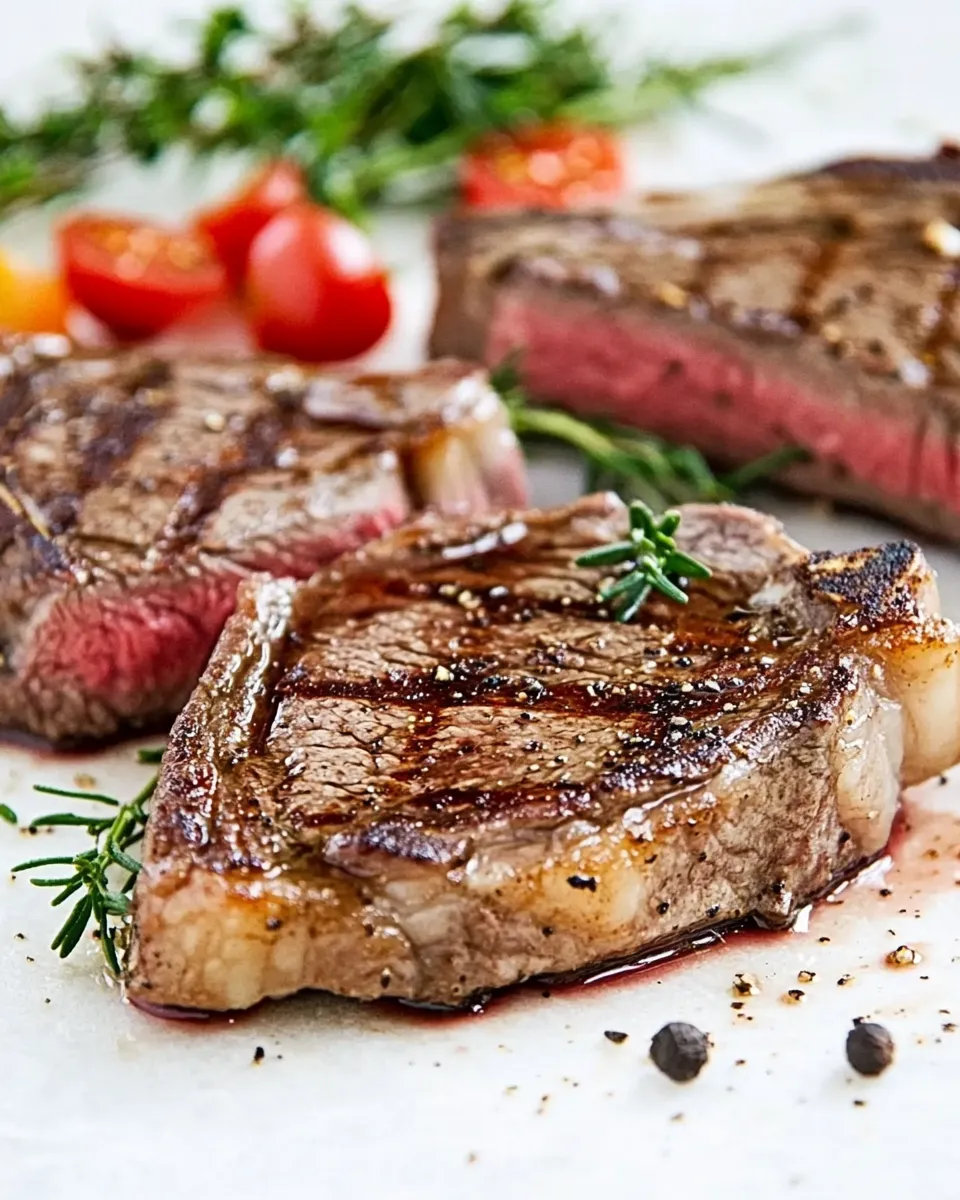
Bright, direct, and just a little indulgent—this is how I cook a grass-fed ribeye when I want steak night to feel like a small celebration without the fuss. The method is straightforward: salt, rest, hot pan, a quick sear, rest again. Grass-fed beef needs a light, respectful hand because it cooks faster and shows texture and flavor differently than grain-fed cuts.
I keep the seasoning very simple so the beef itself is the star. The recipe leans on a hot cast-iron skillet, a high-smoke-point oil, and precise timing. There’s no butter-basting or complicated aromatics here—just focused technique that produces reliably juicy, nicely crusted steaks.
You’ll find tips for timing, gear, and a few easy swaps below. If you follow the steps in order, you’ll get consistent medium-rare results for 10–12 ounce steaks divided into four servings. Read through once, then get the steaks out and enjoy the rhythm of a quick, confident cook.
What We’re Using
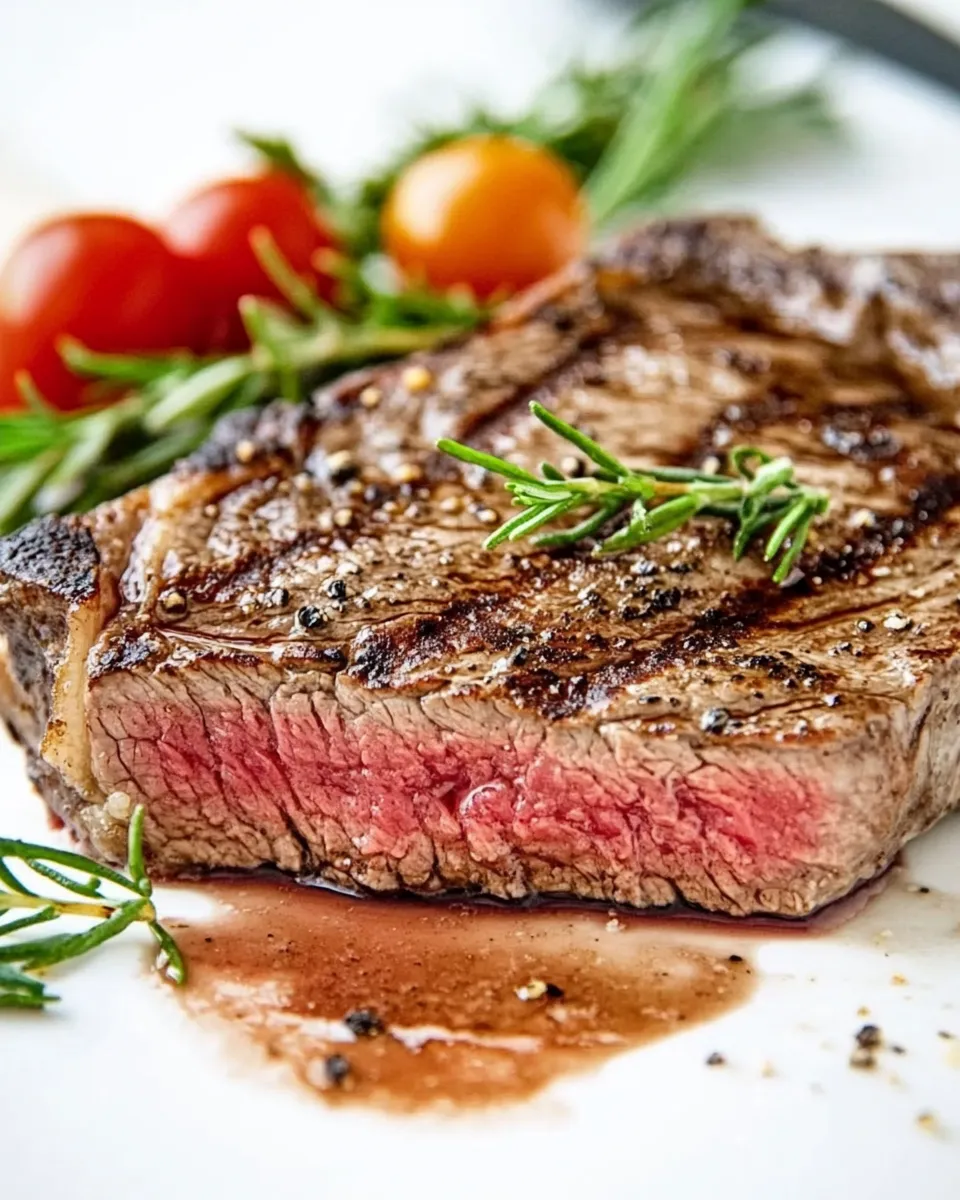
This section covers the practical, no-nonsense items that make the recipe work—ingredients and the basic approach. It’s minimal on extras so you can cook with what you have.
Ingredients
- 24 ounces grass-fed ribeye steaks (4 steaks) or 2 larger (10-12 oz) ribeye steaks divided into 4 servings — primary protein; choose steaks about 1 to 1 1/4 inches thick for this timing.
- 1/2 teaspoon kosher or sea salt — seasons and helps form a crust; applied before resting.
- 1/2 teaspoon black pepper — added after resting for fresh pepper flavor and a bit of heat.
- 1 1/2 tablespoon coconut oil optional canola oil — for high-heat searing; coconut oil adds slight sweetness, canola is neutral and also high-heat friendly.
Seared Grass-Fed Ribeye Steaks Made Stepwise
- Remove the steaks from the refrigerator. Sprinkle the entire 1/2 teaspoon kosher or sea salt evenly over both sides of the steaks. Let the steaks sit at room temperature for 45 minutes (or until they are no longer cold).
- After resting, sprinkle the entire 1/2 teaspoon black pepper evenly over both sides of the steaks.
- Place a cast-iron skillet or grill pan over high heat. Add all of the 1 1/2 tablespoons coconut oil (or canola oil) to the pan and heat until the oil is shimmering and the pan is very hot.
- Add the steaks to the hot pan without crowding; cook in two batches if needed. Cook the steaks undisturbed for 2–3 minutes on the first side.
- Flip each steak and cook undisturbed for another 2–3 minutes on the second side for medium-rare (adjust time slightly for thicker steaks or desired doneness).
- Transfer the cooked steaks to a plate, loosely tent with foil, and let rest for about 7 minutes to allow the juices to redistribute. Slice to serve or serve whole.
Why This Seared Grass-Fed Ribeye Steaks Stands Out
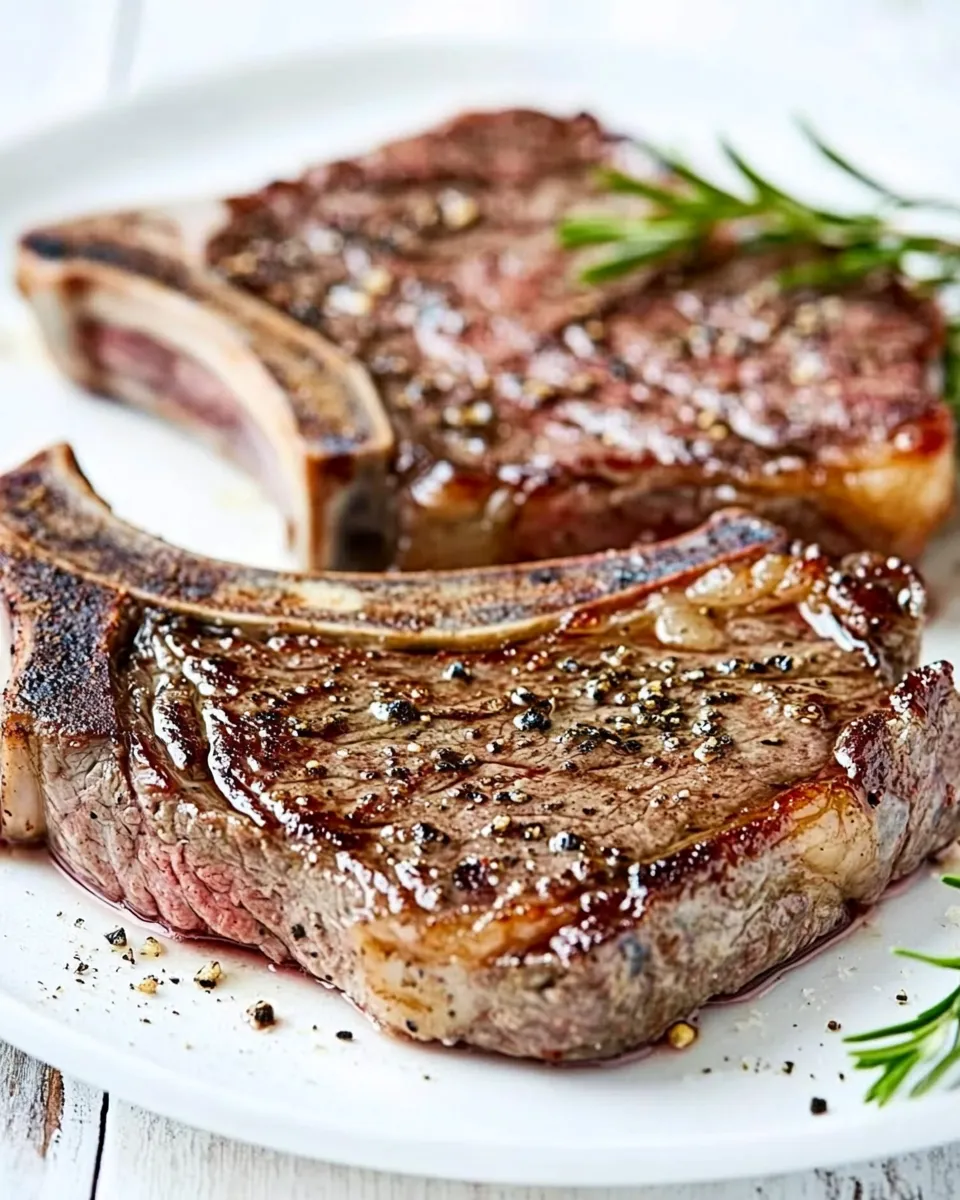
It’s the confidence in a few measured actions. Salt early, rest to room temperature, and then sear on very high heat—those three moves amplify the natural qualities of grass-fed ribeye instead of masking them. The result is a crisp, flavorful crust and an interior that remains tender and beef-forward.
Grass-fed beef tends to be leaner with more pronounced beef flavor. This method preserves juiciness without overworking the meat: short, hot contact equals fast caramelization; a proper rest means you don’t lose those juices on the plate. The recipe is intentionally simple so you can make it any weeknight and still feel like you delivered restaurant-level steak.
Substitutions by Category
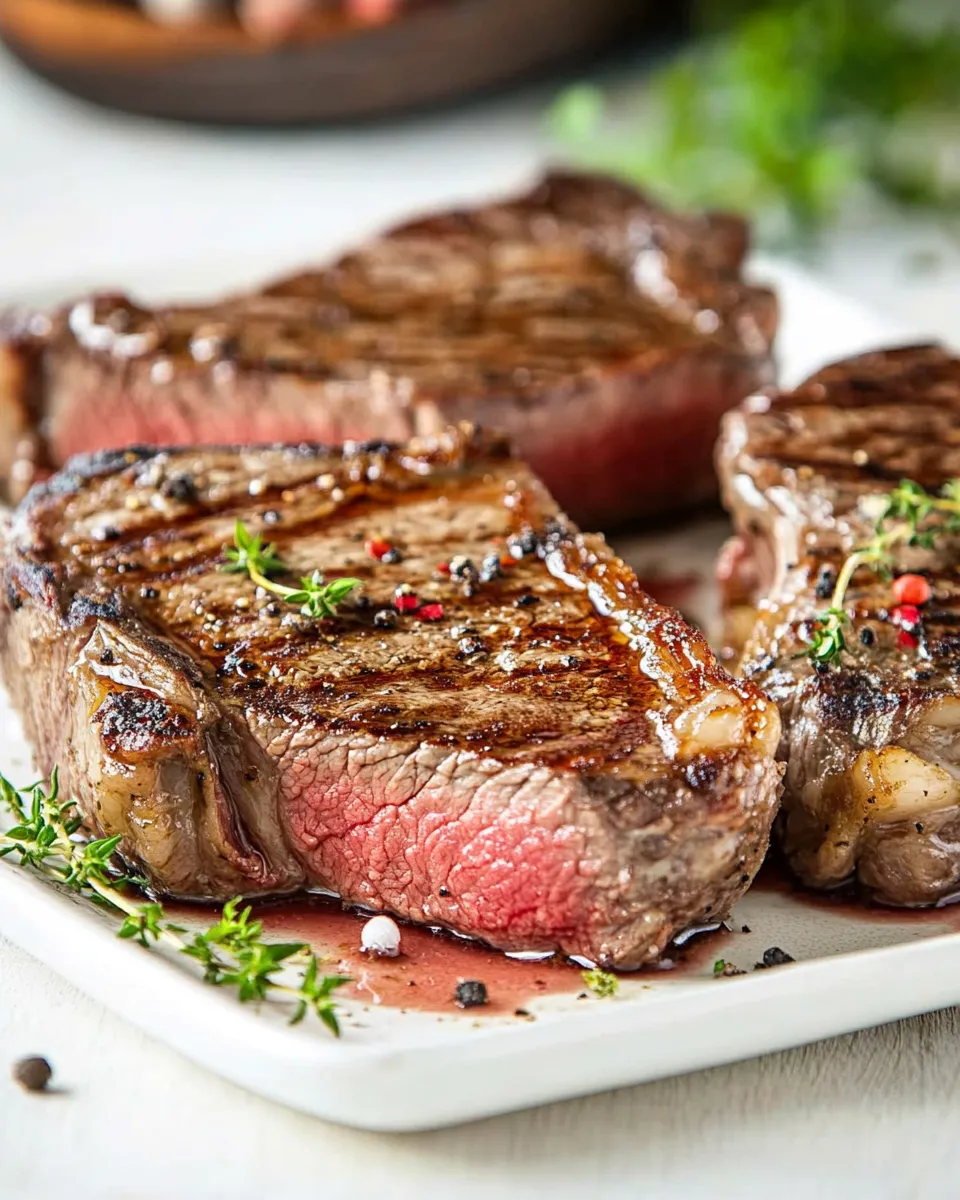
- Beef: The ingredient options already cover this: use 24 ounces of grass-fed ribeye split into four steaks, or 2 larger 10–12 oz ribeyes divided into four servings.
- Fat for searing: The recipe lists 1 1/2 tablespoons coconut oil with canola oil as an optional alternative—use the oil you have on hand from those two choices.
- Seasoning: The method uses 1/2 teaspoon kosher or sea salt and 1/2 teaspoon black pepper; follow these exact seasonings to keep the flavor profile bright and uncomplicated.
Gear Up: What to Grab
- Cast-iron skillet or grill pan — the recipe calls for one of these for a hot, even sear.
- Tongs — for flipping without piercing the meat and losing juices.
- Kitchen timer or clock — you’ll be counting 2–3 minute intervals; a timer keeps you honest.
- Plate and aluminum foil — for tenting and resting the steaks about 7 minutes after cooking.
- Instant-read thermometer (optional) — handy if you prefer thermometers to timing for doneness checks.
Learn from These Mistakes
- Not letting steaks come to room temperature: Cold meat sears poorly and often overcooks on the outside while remaining too cool inside. The recipe’s 45-minute rest is important.
- Pan not hot enough: If the oil isn’t shimmering and the pan not very hot, you won’t get a good crust. Preheat and watch for the shimmer.
- Crowding the pan: Crowding lowers the pan temperature and causes steaming rather than searing. Cook in batches if needed.
- Skipping the rest: Cutting immediately after cooking loses juices. Tent with foil and wait about 7 minutes.
Fresh Takes Through the Year
Small seasonal changes keep this steak feeling new without changing the cooking method. In spring and summer, plate slices over simple herb salads or grilled asparagus. In fall and winter, serve with roasted root vegetables or a warm grain salad. The searing technique stays the same; switch sides and garnishes to suit what’s fresh.
For a dinner party, slice the rested steak thin and serve family-style with warm sides. During busy weeks, cook the steaks and slice them for salads or sandwiches the next day.
What Could Go Wrong
- Overcooking: Because grass-fed beef is leaner, it moves from perfectly done to overcooked faster. Stick to the 2–3 minute per side guideline for medium-rare for the specified steak sizes and thicknesses.
- Undercooked center: If you skip the initial rest or the pan isn’t hot, you may end up with an underdone interior. Ensure the steaks are no longer cold before searing and that the pan is very hot.
- Uneven sear: Uneven contact with the pan or flipping too early can prevent a uniform crust. Let the steak sear undisturbed for the full 2–3 minutes per side before flipping.
- Greasy finish: Using too much oil or not draining between batches can leave the crust soggy. Use the 1 1/2 tablespoons called for and wipe the pan briefly if you notice excess oil between batches.
Shelf Life & Storage
Cooked steak stored in an airtight container in the refrigerator will keep well for 3–4 days. Cool to room temperature (no more than two hours out of the pan), then refrigerate. Rewarm gently in a low oven or slice thin and reheat quickly in a hot skillet for best texture.
For longer storage, wrap tightly and freeze cooked steak for up to 2 months. Thaw in the refrigerator before reheating. Note that reheated steak can lose some juiciness—slice and use in salads or sandwiches if texture isn’t perfect after reheating.
Reader Q&A
- Q: Can I use a different cut of beef? A: The recipe and timing are calibrated for ribeye shapes described in the ingredients. If you use a different cut, expect different cook times and texture.
- Q: How do I check doneness without a thermometer? A: Follow the 2–3 minute per side guidance for medium-rare on steaks about 1–1 1/4 inches thick. Look for a deep brown crust and a bit of give when pressed. If unsure, cut a small corner to check color or use an instant-read thermometer for precision.
- Q: Can I marinate the steaks? A: This method is designed to highlight the beef’s flavor with minimal interference; a marinade isn’t necessary. If you choose to marinate, reduce salt in the marinade to avoid oversalting, and be aware it may change searing behavior.
- Q: Do I have to rest the steaks for exactly 7 minutes? A: The recipe calls for about 7 minutes to let juices redistribute. A few minutes more or less won’t ruin the steak; aim for roughly 5–10 minutes depending on thickness.
Time to Try It
Follow the steps in order: salt early, rest, pepper, get the pan screaming hot, sear 2–3 minutes per side, and rest again. That’s the whole recipe. No complicated steps, no unnecessary garnishes—just clean technique and attention to timing.
Make it once exactly as written to learn how your stove and pan respond, then adapt slightly to taste. Let the beef do the talking, and enjoy a simple, deeply satisfying steak night.
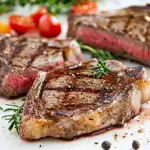
Easy Seared Grass-Fed Ribeye Steaks
Ingredients
Ingredients
- 24 ouncesgrass-fed ribeye steaks 4 steaks or 2 larger (10-12 oz) ribeye steaks divided into 4 servings
- 1/2 teaspoonkosher or sea salt
- 1/2 teaspoonblack pepper
- 1 1/2 tablespooncoconut oiloptional canola oil
Instructions
Instructions
- Remove the steaks from the refrigerator. Sprinkle the entire 1/2 teaspoon kosher or sea salt evenly over both sides of the steaks. Let the steaks sit at room temperature for 45 minutes (or until they are no longer cold).
- After resting, sprinkle the entire 1/2 teaspoon black pepper evenly over both sides of the steaks.
- Place a cast-iron skillet or grill pan over high heat. Add all of the 1 1/2 tablespoons coconut oil (or canola oil) to the pan and heat until the oil is shimmering and the pan is very hot.
- Add the steaks to the hot pan without crowding; cook in two batches if needed. Cook the steaks undisturbed for 2–3 minutes on the first side.
- Flip each steak and cook undisturbed for another 2–3 minutes on the second side for medium-rare (adjust time slightly for thicker steaks or desired doneness).
- Transfer the cooked steaks to a plate, loosely tent with foil, and let rest for about 7 minutes to allow the juices to redistribute. Slice to serve or serve whole.
Equipment
- cast-iron skillet or grill pan
- Foil